Understanding the Intersection of Telemedicine and Clinical Informatics
Telemedicine has shifted from a niche service to a core component of modern healthcare delivery—and clinical informatics sits right at the center of that transformation. For residents, fellows, and early-career physicians, this convergence has opened a unique set of telemedicine career opportunities that leverage both clinical insight and data-driven problem solving.
Clinical informaticians are the architects, translators, and optimizers of digital health systems. Telehealth physicians and remote physician roles increasingly depend on informatics expertise to ensure that virtual care is safe, efficient, equitable, and integrated into the rest of the health system.
If you’re contemplating a clinical informatics fellowship, considering remote physician work, or simply trying to understand where your skills might fit in a telehealth ecosystem, this guide will walk you through:
- How telemedicine and clinical informatics intersect
- Major career paths and job types
- What a telehealth-focused informatics role actually looks like day-to-day
- Training, skills, and certifications that make you competitive
- How to position yourself for telemedicine jobs during and after residency
How Telemedicine and Clinical Informatics Fit Together
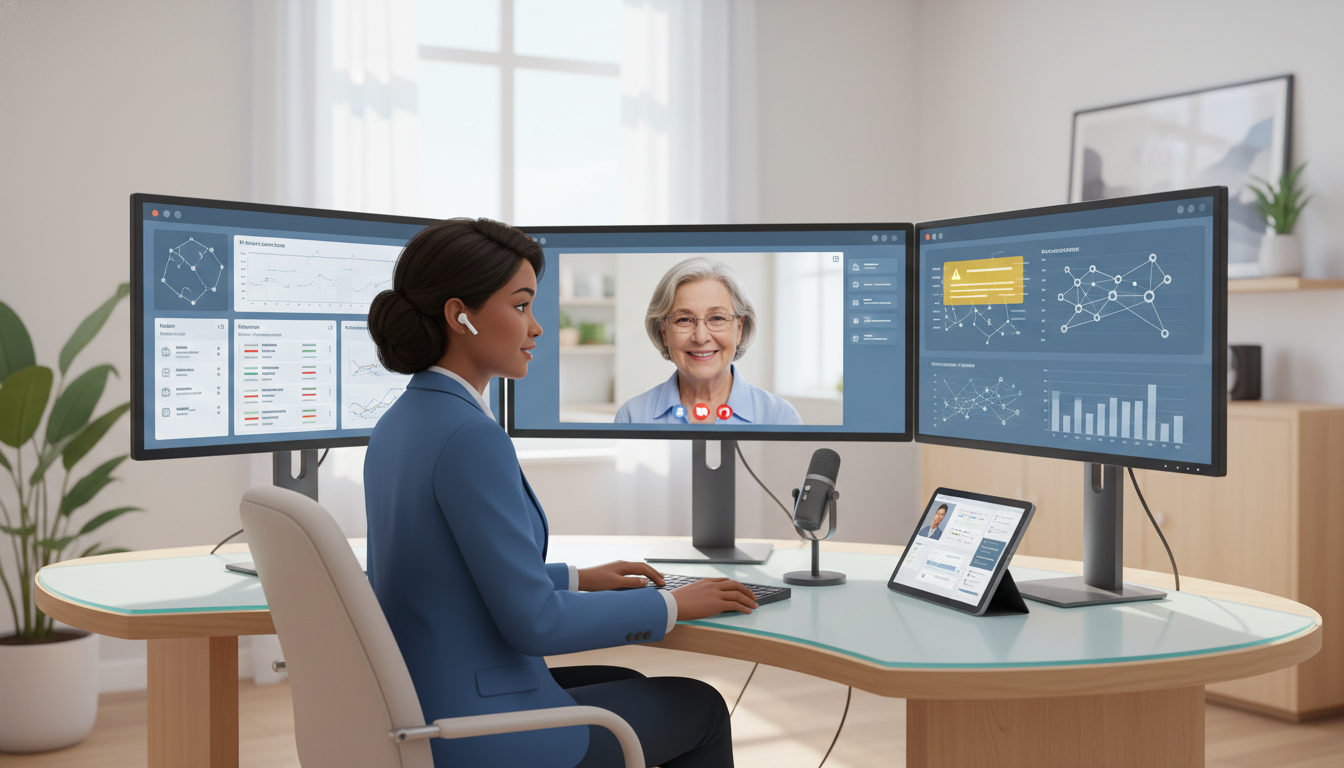
Telemedicine is more than video visits. It encompasses synchronous and asynchronous virtual care, remote monitoring, AI-assisted triage, and digital-first care models. Clinical informatics provides the framework, tools, and governance to make these services clinically meaningful and operationally sustainable.
The Core Roles of Clinical Informatics in Telemedicine
Designing Telehealth Workflows
- Mapping virtual visit workflows from scheduling to billing
- Defining documentation templates that capture appropriate data for quality, risk adjustment, and compliance
- Ensuring seamless handoffs between virtual and in-person care
EHR and Telehealth Platform Integration
- Embedding video visit links in patient portals and clinician schedules
- Integrating remote patient monitoring data (e.g., blood pressure cuffs, glucometers, wearables) into the EHR
- Building order sets and clinical decision support (CDS) specifically adapted for remote care
Data Governance and Quality
- Defining metrics to evaluate telehealth quality, safety, access, and equity
- Building dashboards to track no-show rates, response times, and outcome measures
- Ensuring that telehealth data is coded and stored in ways that support research and value-based payment
Change Management and Training
- Training clinicians on telehealth best practices and platform use
- Developing clinical policies for which conditions are appropriate for telemedicine
- Conducting user testing and gathering feedback to improve telehealth tools
Safety, Compliance, and Ethics
- Supporting HIPAA-compliant telehealth workflows
- Addressing issues like consent, documentation, and interstate practice regulations
- Evaluating algorithmic tools used in remote triage for bias and safety
Telemedicine can’t scale without informatics; and informatics becomes more impactful when it’s embedded in real-world telehealth programs. This synergy is what makes a telehealth-focused clinical informatics career particularly attractive.
The Landscape of Telemedicine Career Opportunities in Clinical Informatics
There is no single job title that captures all telehealth-informatics roles. Instead, you’ll see a constellation of positions that blend telehealth physician responsibilities with health IT training and informatics leadership.
1. Telehealth Clinical Informatician (Health System-Based)
Typical setting: Large health systems, academic medical centers, integrated delivery networks (IDNs).
Core responsibilities:
- Serving as the clinical lead for telemedicine programs (video visits, e-consults, remote monitoring)
- Working closely with IT, operations, and legal to design or optimize virtual care offerings
- Leading EHR and telehealth platform projects: configuration, testing, go-live support
- Developing and evaluating telehealth clinical decision support rules
- Monitoring performance through telehealth analytics dashboards
Example weekly mix:
- 40–70% informatics/administrative work
- 30–60% clinical work (often a mix of in-person and telehealth visits)
Ideal for you if:
- You enjoy systems-level problem solving and cross-functional collaboration
- You want to maintain a clinical practice while shaping virtual care at scale
- You’re comfortable taking on leadership and project management roles
2. Telehealth Physician with Embedded Informatics Leadership
Some roles are primarily clinical but designed for physicians with extra informatics skills.
Core responsibilities:
- Providing virtual care (urgent care, chronic disease management, specialty follow-ups)
- Serving as a physician champion for telehealth workflow improvements
- Advising on EHR changes that impact telehealth
- Supporting quality improvement (QI) projects related to telemedicine outcomes
You might hold a title such as:
- Medical Director of Telehealth
- Telemedicine Physician Champion
- Director of Virtual Care Operations
These positions are often stepping stones into more formal informatics leadership roles (e.g., Associate CMIO for Telehealth).
3. Remote Physician Work in Digital Health Startups
Telemedicine jobs in digital health startups and virtual-first companies increasingly seek clinicians who speak both “clinical” and “tech.”
Common organizations:
- Direct-to-consumer virtual care companies
- Remote monitoring platforms (chronic disease, heart failure, diabetes)
- Mental health and behavioral telehealth companies
- Digital therapeutics and app-based care programs
Responsibilities might include:
- Providing patient care as a licensed telehealth physician
- Informing product design and clinical workflow features
- Leading pilots and implementation of new tools
- Creating clinical protocols and content for digital platforms (e.g., triage algorithms, patient education)
- Participating in outcomes research and validation studies
These roles can be:
- Fully remote or hybrid
- Full-time or part-time
- Employed or contractor/consultant
4. Clinical Informatics Fellowship with a Telehealth Focus
If you’re early in your training, a clinical informatics fellowship is one of the strongest ways to prepare for telemedicine-informatics roles.
Fellowship programs increasingly offer:
- Dedicated telehealth rotations
- Projects in remote monitoring, virtual ICUs, or digital front-door initiatives
- Exposure to vendor selection and implementation processes for telehealth platforms
- Opportunities to work with population health and analytics teams on telemedicine data
Outcomes: Graduates often secure roles as:
- Associate CMIO or Director of Telehealth Informatics
- Clinical lead for virtual care programs
- Medical directors at telehealth or digital health companies
5. Vendor and Industry Roles (EHRs, Telehealth Platforms, Device Companies)
Health IT vendors need physicians who understand both product and practice.
Roles could include:
- Clinical Informaticist / Physician Informaticist (Telehealth)
- Medical Director of Clinical Products
- Clinical Consultant or Solutions Architect
Common tasks:
- Designing and testing telehealth software features
- Supporting client implementations and training
- Translating user feedback into product roadmaps
- Contributing to regulatory and safety documentation
These roles are usually heavy on health IT training, communication, and product thinking, with limited direct clinical care.

Day-to-Day Work: What Telehealth-Focused Clinical Informatics Actually Looks Like
Understanding the day-to-day is critical for deciding whether this path fits your interests and strengths.
Typical Activities in a Telehealth Informatics Role
Design and Requirements Gathering
- Meeting with frontline clinicians: “What’s working or not in our current video visit workflow?”
- Shadowing virtual visits to map out pain points (e.g., documentation burden, double documentation between systems)
- Translating those observations into detailed requirements for IT and vendors
Build and Configuration
- Working with EHR analysts to:
- Create telehealth-specific visit types and order sets
- Integrate remote monitoring device feeds into the patient chart
- Define telehealth-specific documentation templates and billing macros
- Participating in system configuration decisions: “Do we send push notifications 24 hours before visits? Through which channels?”
- Working with EHR analysts to:
Testing and Go-Live Support
- Writing and executing test scripts:
- Does the video link appear for patients and clinicians?
- Are time stamps and telehealth modifiers captured correctly for billing?
- Supporting pilot launches:
- Being “on call” for workflow issues during the first weeks
- Collecting immediate feedback and prioritizing fixes
- Writing and executing test scripts:
Analytics and Continuous Improvement
- Building or reviewing dashboards:
- Telehealth utilization by specialty
- No-show and cancellation rates for virtual vs in-person visits
- Response times for asynchronous visits or secure messages
- Leading QI cycles:
- Setting SMART goals (e.g., reduce telehealth no-show rates by 20% in 6 months)
- Testing interventions (e.g., texting reminders, tech check calls)
- Building or reviewing dashboards:
Policy, Compliance, and Training
- Drafting or updating policies:
- Which conditions are appropriate for video vs audio-only vs asynchronous
- Requirements for documentation and consent
- Developing training materials:
- Quick-reference guides for clinicians
- Patient-facing tips for successful virtual visits
- Drafting or updating policies:
Clinical Practice Integration
- Running your own telehealth clinics, using the systems you helped design
- Providing feedback in real time when you experience workflow friction
- Demonstrating best practices for peers as an early adopter and champion
Example: A Week in the Life (Health System-Based Role)
Monday
- Morning clinic with mixed in-person and telehealth follow-ups
- Afternoon meeting with IT and cardiology to refine remote monitoring workflows for heart failure patients
Tuesday
- Reviewing telehealth utilization metrics and preparing presentation for clinical leadership
- Conducting user interviews with primary care physicians struggling with video visit documentation time
Wednesday
- Participating in design review for a new “digital front door” app that triages patients to in-person vs virtual care
- Working with compliance to ensure revised consent process meets telehealth regulations
Thursday
- Pilot launch of asynchronous teledermatology consults
- On-site at a clinic, supporting clinicians and collecting real-time feedback
Friday
- Fellowship teaching session with residents about best practices in virtual care
- Planning a QI project comparing outcomes for telehealth vs in-person hypertension management
Training Pathways and Skills for a Telemedicine-Focused Informatics Career
There is no single prescribed route into telehealth informatics, but certain pathways and skills significantly increase your competitiveness.
Formal Training: Clinical Informatics Fellowship and Beyond
Clinical Informatics Fellowship (ACGME-accredited)
- Duration: 2 years
- Eligibility: Typically board-eligible/certified physicians from any primary specialty
- Focus areas:
- EHR and health IT fundamentals
- Data analytics and decision support
- Workflow redesign and change management
- Project management and leadership
- How to tailor it to telemedicine:
- Choose a program with strong virtual care initiatives
- Select a scholarship project focused on telehealth or remote monitoring
- Seek rotations with the health system’s virtual care, population health, or innovation teams
Supplemental Education and Certificates
- Online informatics or digital health certificates (e.g., AMIA, university-based programs)
- Project management training (e.g., PMP, Lean Six Sigma, Agile methodology)
- Courses in data science or analytics (SQL, R/Python basics, healthcare data standards)
Board Certification
- American Board of Preventive Medicine (ABPM) / American Board of Pathology (ABPath) Clinical Informatics subspecialty
- Demonstrates expertise and can be particularly helpful for leadership roles
Essential Skills for Telehealth-Focused Clinical Informaticians
Clinical and Systems Thinking
- Ability to see the full continuum of care:
- Pre-visit tech checks
- The virtual encounter
- Follow-up labs, imaging, referrals, and in-person transitions
- Comfort balancing patient, clinician, and organizational needs
- Ability to see the full continuum of care:
Health IT Literacy
- Understanding EHR architecture at a conceptual level
- Familiarity with:
- HL7 FHIR and APIs
- Clinical decision support frameworks
- Interoperability challenges in remote monitoring and device data
Data and Analytics
- Comfort with:
- Defining meaningful telehealth metrics
- Interpreting dashboards and basic statistical outputs
- Ability to convert stories (“this feels inefficient”) into measurable problems and testable interventions
- Comfort with:
Communication and Change Management
- Translating between clinicians and technical teams
- Leading training sessions and small-group discussions
- Navigating resistance to change and building consensus
Regulatory and Policy Awareness
- Understanding of:
- Telehealth billing and coding basics
- State licensure and cross-state practice issues
- HIPAA considerations in telehealth technologies
- Understanding of:
Product and Design Orientation (Especially for Industry Roles)
- User-centered design thinking
- Comfort with iterative testing and feedback-driven development
- Appreciation for tradeoffs between ideal workflows and technical constraints
Strategies to Position Yourself for Telemedicine Informatics Roles
Whether you’re a resident, fellow, or early attending, you can start building a track record that aligns with telehealth and clinical informatics.
During Residency
Seek Telehealth Rotations or Experiences
- Ask if your program offers:
- Virtual urgent care shifts
- Tele-ICU exposure
- Remote follow-up clinics
- Document your involvement and any micro-projects (e.g., improving a telehealth handoff template)
- Ask if your program offers:
Join Quality Improvement or Innovation Projects
- Examples:
- Reducing no-show rates for video visits
- Standardizing telehealth documentation for a particular condition
- Creating resident education materials for virtual visit etiquette and safety
- Examples:
Build Basic Informatics and Data Skills
- Learn how to:
- Pull simple reports from the EHR (with support)
- Use basic statistics to evaluate interventions
- Attend informatics or digital health lectures if your institution offers them
- Learn how to:
Network with Local Informatics Leadership
- Identify your CMIO/CHIO or director of virtual care
- Ask to:
- Sit in on relevant committee meetings
- Participate in small telehealth projects
- Be mentored on career options
During Clinical Informatics Fellowship
Choose Telemedicine-Focused Projects
- Example topics:
- Integrating remote monitoring into chronic disease pathways
- Evaluating equity gaps in telehealth access
- Designing and implementing an asynchronous e-consult platform
- Example topics:
Get Hands-On with Build and Implementation
- Don’t just stay at the “strategy” level
- Learn:
- How build tickets are written and prioritized
- How testing and go-live support are structured
- What data points are captured and why
Collaborate Across Departments
- Partner with:
- Population health teams
- IT security and privacy
- Patient experience or digital front-door initiatives
- Partner with:
Present and Publish
- Present your work at:
- AMIA, HIMSS, or digital health conferences
- Local grand rounds
- Aim for at least one publication or formal report describing your telehealth project and outcomes
- Present your work at:
Early Career and Beyond
Target Job Descriptions Strategically
- Look for phrases like:
- “Virtual care strategy”
- “Telehealth optimization”
- “Remote monitoring program”
- Even if the title is generic (“Clinical Informaticist,” “Associate CMIO”), examine the responsibilities for telemedicine emphasis.
- Look for phrases like:
Negotiate Role Structure
- Propose:
- A split between clinical telehealth work and informatics responsibilities
- A defined percentage of time protected for informatics projects
- Clarify early how success in the role will be measured (e.g., telehealth utilization, clinician satisfaction).
- Propose:
Stay Current with Evolving Telehealth Policy
- Federal and state rules change frequently regarding:
- Cross-state practice
- Reimbursement for audio-only vs video
- Coverage for remote monitoring
- Subscribing to policy updates or joining professional organizations can help you track these shifts.
- Federal and state rules change frequently regarding:
Be Open to Non-Traditional Roles
- Consider:
- Part-time clinical practice combined with part-time industry consulting
- Short-term projects (e.g., implementations) to broaden your experience
- Remote positions that allow collaboration with multiple health systems
- Consider:
FAQs: Telemedicine Career Opportunities in Clinical Informatics
1. Do I need a clinical informatics fellowship to work in telehealth informatics?
Not always, but it helps—especially for leadership roles. Many health systems and digital health companies hire telehealth-focused clinicians who have strong health IT training and a track record of QI or digital health projects, even without formal fellowship. However, an ACGME-accredited clinical informatics fellowship plus board certification significantly strengthens your candidacy for roles like Associate CMIO or Medical Director of Telehealth Informatics.
2. Can I work fully remotely as a clinical informatician with a telemedicine focus?
Yes, particularly in industry and digital health startup roles, and sometimes in health systems with distributed teams. Many telehealth physician jobs and remote physician work arrangements combine clinical duties (virtual visits) with informatics consulting or leadership. For strictly health system-based roles, hybrid models (some on-site, some remote) are more common.
3. What specialties are best suited for telemedicine careers in clinical informatics?
Primary care (IM, FM, pediatrics), psychiatry, neurology, dermatology, and some medical subspecialties are especially compatible with telehealth. However, clinical informatics is a subspecialty open to physicians from almost any background, including emergency medicine, radiology, pathology, and surgical fields. The key is demonstrating interest and experience in virtual care workflows relevant to your specialty.
4. How do telemedicine jobs impact my long-term career trajectory as a physician?
Telehealth-focused roles can expand your options rather than narrow them. They can:
- Position you for leadership in digital health and informatics
- Offer flexibility in schedule and geography via remote physician work
- Provide experience valued by health systems, payers, and tech companies
The main consideration is to maintain a sufficient volume of clinical practice—virtual or in-person—to stay current and meet credentialing requirements. Many clinicians blend telehealth with in-person care and informatics leadership over the course of their careers.
Telemedicine is moving from “alternative” to “expected” in modern healthcare delivery. For physicians with an interest in systems, data, and digital tools, pairing clinical informatics with telehealth offers a uniquely impactful and flexible career path. By building the right mix of skills, experience, and relationships, you can position yourself at the forefront of how care is delivered in the coming decades.