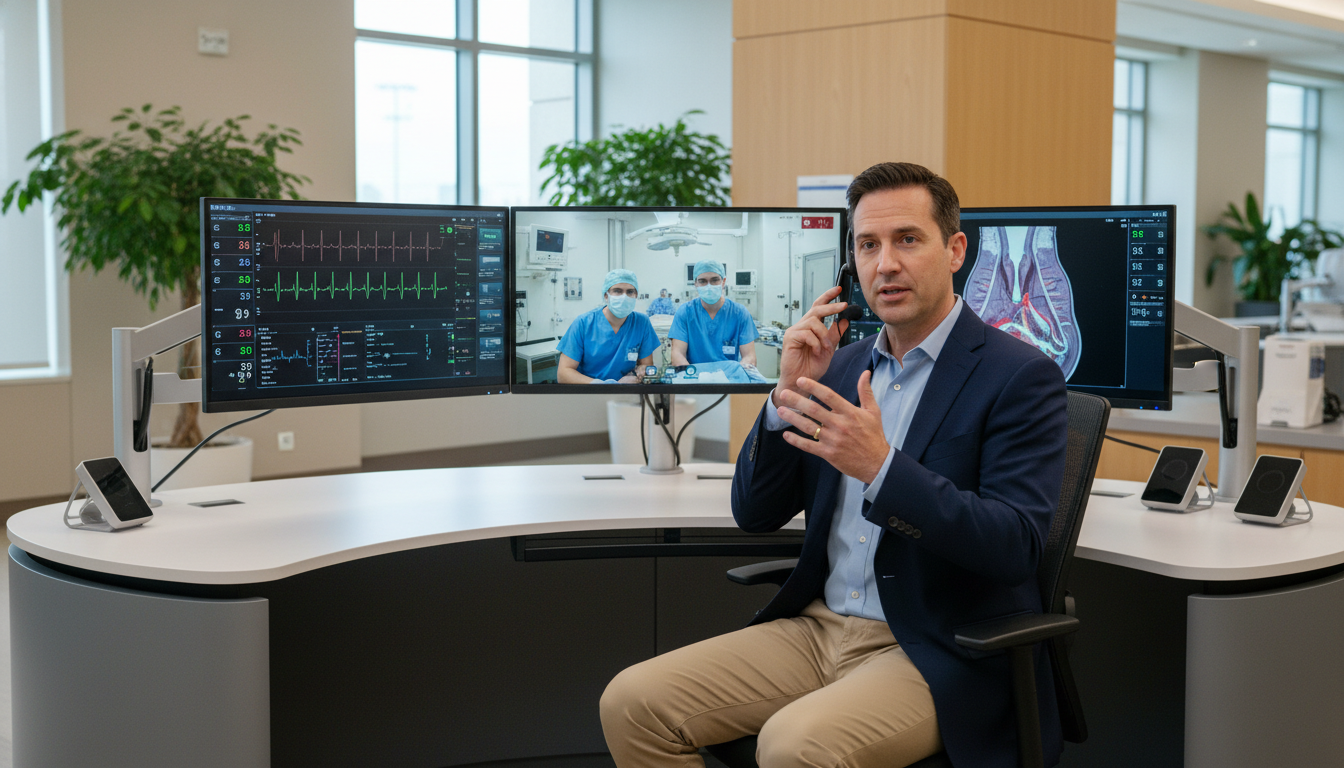
Why Telemedicine Matters for Anesthesiologists
Telemedicine is transforming how perioperative and procedural care is delivered, and anesthesiology is now firmly part of that evolution. While anesthesiologists are traditionally hands-on and procedural, there is a growing ecosystem of telemedicine jobs and remote physician work that leverage anesthesiology expertise without requiring you to be physically present in the OR every day.
This trend has important implications for residents and applicants navigating the anesthesiology residency and anesthesia match. Understanding telehealth opportunities early can help you:
- Strategically choose residency programs that support telehealth innovation
- Shape your elective choices and scholarly projects
- Build a career that balances OR time with flexible, remote physician work
- Future‑proof your skill set as healthcare continues its digital shift
This guide will walk through concrete telemedicine career pathways in anesthesiology, how to prepare during residency, and what skills, credentials, and practical steps you should consider.
Core Telemedicine Roles for Anesthesiologists
Telemedicine in anesthesiology goes far beyond “virtual visits.” It spans pre-op optimization, intraoperative support, ICU management, pain medicine, and more. Below are the main practice models.
1. Pre‑Anesthesia Teleconsultations and Optimization
One of the most mature uses of telehealth in anesthesiology is remote pre‑operative assessment.
What it looks like in practice
- Conducting video-based pre-anesthesia evaluations (PAEs)
- Reviewing medications, comorbidities, labs, and imaging
- Stratifying perioperative risk and coordinating optimization with cardiology, pulmonology, or primary care
- Educating patients about anesthesia options, fasting, and perioperative instructions
- Documenting detailed assessments in the EHR that the in-person anesthesia team will use on the day of surgery
These services are particularly valuable for:
- Health systems with large rural catchment areas
- Veterans Affairs (VA) hospitals with geographically dispersed patients
- Large ambulatory surgery centers (ASCs) seeking efficiency and reduced day-of-surgery cancellations
Career angle
As a board-certified anesthesiologist, you can:
- Work as a telehealth physician for hospital systems that centralize pre-op assessments
- Take part-time remote shifts from home, complementing OR days
- Lead or help build virtual pre-op clinics, especially in systems expanding same-day surgery volumes
This role suits anesthesiologists who enjoy clinical reasoning and patient communication but want less physically demanding work or more flexible schedules.
2. Tele‑ICU and Critical Care Anesthesiology
Many anesthesiologists are dual-trained or practice in critical care. Tele‑ICU is one of the most robust and mature telemedicine models, with clear evidence of improved outcomes and staffing flexibility.
How Tele‑ICU works
- Centralized command centers staffed by intensivists (including critical care anesthesiologists), ICU nurses, and respiratory therapists
- Continuous monitoring of ICU patients across multiple hospitals using audio/video links, live vitals, and EHR integration
- Remote intensivists:
- Conduct virtual rounds with bedside teams
- Provide rapid responses to instability, code situations, or ventilator changes
- Standardize protocols across sites
- Support smaller or rural hospitals that lack 24/7 in-person intensivist coverage
Anesthesiologist roles in Tele‑ICU
For anesthesiologists with critical care training:
- Full-time Tele‑ICU intensivist positions
- Hybrid schedules (part Tele‑ICU, part on-site ICU/OR)
- Leadership roles in designing Tele‑ICU workflows and protocols
- Academic positions that pair telecritical care with research and education
Tele‑ICU is one of the clearest pathways to stable, high-complexity remote physician work for anesthesiologists, and a major growth area.

3. Chronic Pain Management via Telemedicine
Chronic pain is a natural bridge between anesthesiology and longitudinal, outpatient telemedicine care. Many pain practices are already integrating telehealth.
Common tele-pain activities
- Initial and follow-up pain evaluations (history, prior imaging review, treatment history)
- Medication management and opioid stewardship visits
- Cognitive-behavioral and functional medicine collaborations (often in multidisciplinary teams)
- Post-procedure follow-up after blocks, RFA, or implantable device placement
- Pre-screening patients before scheduling procedures at brick-and-mortar centers
Advantages for anesthesiologists
- Stable clinic lists that transition partially or heavily to telehealth
- Opportunities to build multi-state telemedicine pain practices (with appropriate licensure)
- Flexibility for part-time, evening, or weekend telemedicine jobs to supplement practice income
Many anesthesiology residents interested in pain medicine fellowships should consider programs that embrace telehealth, as it will likely remain integral to pain care models.
4. Perioperative Consultation and Remote Intraoperative Support
Direct intraoperative anesthesia still requires an in-person clinician, but telemedicine is being used to expand anesthesiologist reach and expertise.
Emerging and current use cases
Tele-supervision of CRNAs or anesthesiologist assistants across multiple sites, especially for low-risk cases in networked ASCs or rural hospitals
Real-time consults for complex cases:
- Difficult airway management advice
- Hemodynamic management in complex cardiac or vascular surgery
- Placement and management of regional anesthesia protocols
Intraoperative TEE or TTE interpretation support from remote experts
Perioperative risk consults for high-risk patients needing multidisciplinary input on timing, optimization, or level of care post-op
These models are most common in large integrated health systems and academic centers, and while they are less often fully remote roles, they frequently include telemedicine components built into the anesthesiologist’s job description.
5. Education, Simulation, and Global Health Tele‑Anesthesia
Telemedicine also opens doors outside strict clinical care.
Educational telehealth opportunities
- Remote supervision of simulation-based training in regional sites
- Virtual perioperative education sessions for nurses and non-physician providers
- International tele‑anesthesia collaborations and teaching sessions in low-resource settings
Some anesthesiologists also participate in:
- International teleconsults for complex cases
- Global quality improvement (QI) initiatives via teleconferencing and shared perioperative databases
This can be an appealing path for anesthesiology faculty who enjoy teaching and global health, while leveraging telecommunication tools rather than repeated extended travel.
How Telemedicine Impacts Anesthesiology Residency and the Anesthesia Match
For medical students and early residents, telemedicine isn’t just a future career add-on—it’s becoming part of core anesthesia training and an important strategic consideration in the anesthesia match.
Choosing Programs: What to Look For
When evaluating anesthesiology residency programs, especially during the anesthesia match process, look for signs that a program is forward-thinking about telehealth:
Dedicated telehealth services
- Virtual pre-op clinics run by anesthesiology
- Tele‑ICU services staffed by anesthesiology/critical care faculty
- Pain clinics that routinely offer telehealth visits
Formal exposure for residents
- Elective rotations in tele‑ICU or tele-preop clinics
- Opportunities to participate in telehealth quality improvement or research projects
Support for digital innovation
- Departments with physician champions in telehealth or digital health
- Collaboration with hospital telemedicine programs or informatics departments
Residency programs that integrate these elements will give you earlier and richer exposure to telemedicine workflows and technology, which can be a career differentiator.
Skills and Competencies You Should Develop
Residency is the best time to build telehealth-relevant skills that complement your clinical training.
1. Communication and “Webside Manner”
- Clear, concise explanations over video or phone
- Techniques for building trust and rapport remotely
- Managing sensitive or high-stakes discussions (e.g., risk conversations, ICU family updates) via telehealth
2. Digital and Data Literacy
- Mastering documentation for telehealth encounters and appropriate coding
- Comfort with EHR integration, remote monitoring dashboards, and alerts
- Basic understanding of data privacy, cybersecurity, and HIPAA in virtual contexts
3. Systems‑Based Practice
- Understanding virtual care workflows and how they intersect with in-person teams
- Appreciating triage, escalation, and handoff processes when not physically present
These abilities will matter across many telemedicine jobs and will make you more competitive in roles that blend hospital-based and remote physician work.
Practical Steps to Build a Telemedicine‑Ready Career in Anesthesiology
Whether you’re a medical student targeting an anesthesiology residency or a current resident/fellow, there are concrete steps you can take now.
Step 1: Get Broad, High-Quality Clinical Training
Telemedicine enhances your reach; it doesn’t replace core clinical expertise.
- Seek robust experience in:
- Perioperative medicine and risk stratification
- Critical care and hemodynamic management
- Regional anesthesia and pain management
- Complex comorbidity optimization (cardiac, pulmonary, hepatic, renal patients)
The more clinically versatile you are, the more valuable you’ll be in tele-preop, Tele‑ICU, and pain telehealth roles.
Step 2: Pursue Targeted Electives
Where available, consider electives such as:
- Tele‑ICU: Observe remote workflows, protocols, and communication methods.
- Virtual preoperative clinic: Learn standardized risk assessment and remote documentation.
- Pain medicine with integrated telehealth clinics: Understand how telehealth fits into procedural pain practices.
If formal telehealth rotations don’t exist, seek:
- Quality improvement projects in virtual care
- Informatics or EMR optimization electives more broadly
These experiences can become significant talking points during fellowship or job interviews, especially as telehealth adoption grows.
Step 3: Learn the Regulatory and Billing Basics
Understanding the “rules of the game” will help you navigate real-world telehealth practice.
Key areas to read about:
Licensure requirements
- State-by-state medical licensure for telemedicine
- Interstate Medical Licensure Compact (IMLC) and its impact on remote physician work
Reimbursement
- Coding for telehealth visits (pre-op, ICU consults, pain encounters)
- Differences between audio-only, video, and remote monitoring codes
- Payer-specific requirements for telemedicine documentation
Legal and compliance
- Informed consent language for telehealth
- Privacy standards and secure platforms
- Corporate practice of medicine (CPOM) concerns in multi-state telehealth entities
You don’t need to be an expert, but a working familiarity will set you apart and help in negotiations later.
Step 4: Build Your Telehealth CV
Strategically add experiences that signal telemedicine interest and competence:
Research on:
- Tele‑ICU outcomes
- Virtual pre-op clinic efficiencies
- Tele-pain impact on access and opioid stewardship
Presentations or posters on digital health, remote monitoring, or virtual perioperative care
Participation in hospital telehealth committees or workflow design groups
These can differentiate you when you apply for fellowships in critical care or pain—and for future jobs that prioritize telemedicine capacity.

Job Market, Lifestyle, and Financial Considerations
As you plan for life after anesthesiology residency, it’s worth understanding the realities of telehealth physician work in this specialty.
Types of Telemedicine Jobs for Anesthesiologists
Making use of the earlier roles, in job posting language you will see:
Tele‑ICU Intensivist (Remote / Hybrid)
- Often 100% remote night or swing shifts
- Can be multi-hospital coverage across a health system
- Salary may be comparable or slightly less than in-person intensivist roles, but with significant lifestyle trade-offs (no commute, flexible location)
Tele‑Preoperative Assessment Physician
- Employed by large systems, VA, or academic centers
- Might be part of a larger perioperative medicine service
- Often daytime, scheduled clinic-style work
Telehealth Pain Physician
- Part of multi-state telemedicine pain or MSK practices
- May require on-site days for procedures depending on the practice model
Hybrid Hospital Roles
- Job descriptions that explicitly include some “telemedicine coverage” time, such as Tele‑ICU shifts or virtual consult blocks
- Attractive for those who enjoy OR work but want part of their FTE as remote physician work
Lifestyle Pros and Cons
Advantages
- Geographic flexibility: Potential to live in lower cost-of-living areas or closer to family while serving distant hospitals.
- Schedule control: Some telehealth roles offer highly predictable shifts, no commute, and reduced overnight call.
- Physical sustainability: Less standing, fewer long OR days, appealing for late-career anesthesiologists or those with health constraints.
Challenges
- Licensure complexity: Maintaining multiple state licenses and complying with diverse rules.
- Isolation: Remote work can feel less connected than being in the OR or ICU in person.
- Scope limitations: Some telemedicine jobs are more narrowly defined, potentially less procedurally satisfying for anesthesiologists who enjoy hands-on care.
Balancing a core OR or ICU practice with telemedicine shifts is often a good middle path early or mid-career.
Compensation and Contracts
Compensation varies widely by:
- Practice type (academic vs. private vs. telehealth startup)
- FTE structure (full-time telehealth vs. hybrid)
- Time of day and shift type (nights/weekends often pay more)
When negotiating telehealth elements in a contract, consider:
Protected telehealth FTE vs. “additional duties” piled onto your schedule
Clear expectations about:
- Average number of encounters/alarms/consults per hour
- Support staff and backup availability
- Technology and IT support
Malpractice coverage specifically addressing telemedicine activities and multi-state practice
Consulting a health-care savvy attorney or mentor experienced with telehealth contracts can be invaluable.
Looking Ahead: The Future of Telemedicine in Anesthesiology
Telemedicine in anesthesiology is still evolving, and your career may span several phases of this evolution.
Trends to watch:
- Increased adoption of Tele‑ICU for community and rural hospitals
- Expansion of virtual pre-op optimization as hospital systems seek to reduce cancellations and LOS
- Growth in remote monitoring of post-op patients, especially high-risk surgeries discharged earlier than in the past
- AI‑augmented telehealth tools that assist with risk prediction, triage, and documentation—requiring anesthesiologists who can interpret and supervise these tools
For residents and early-career anesthesiologists, the key is flexibility: maintain strong core clinical skills while building familiarity with virtual care tools, workflows, and systems.
Frequently Asked Questions (FAQ)
1. Can I build a fully remote career as an anesthesiologist?
Yes, but options are currently most robust for anesthesiologists with critical care or chronic pain training. Tele‑ICU roles are the primary path to full-time remote work today; fully remote pain positions exist but often expect some in-person procedural time or are more outpatient clinic-focused. Many anesthesiologists instead opt for hybrid models with some OR/ICU time and some telemedicine coverage.
2. How can I prepare for telemedicine careers while still in medical school or residency?
Focus on strong foundational training in anesthesiology and, if interested, consider a critical care or pain medicine fellowship. Seek electives or scholarly projects related to tele-ICU, virtual pre-op clinics, or tele-pain. Learn basic telehealth regulations, billing concepts, and documentation requirements. During the anesthesia match, ask programs how residents are exposed to telehealth workflows.
3. Are telemedicine jobs for anesthesiologists stable and well-compensated?
Most telemedicine roles embedded in health systems (e.g., Tele‑ICU, VA tele-preop, academic pain programs) are relatively stable and offer compensation comparable to traditional positions, adjusted for duties and call burden. Roles with pure telehealth companies can be more variable, especially for early-stage startups. Evaluate financial backing, contract terms, and long-term sustainability before relying exclusively on such positions.
4. Will telemedicine replace in-person anesthesiologists in the OR?
Telemedicine will augment, not replace, in-person OR anesthesia care. You still need a qualified clinician physically present to manage airways, administer drugs, and respond to emergencies. Telemedicine is more likely to expand anesthesiologist reach—supporting multiple sites, improving pre-op evaluation, and optimizing ICU and pain care—rather than eliminating the need for hands-on providers.
Telemedicine is redefining what an anesthesiology career can look like. By understanding these emerging roles—Tele‑ICU, virtual pre-op clinics, tele-pain, and hybrid perioperative consult models—you can make more informed choices during the anesthesiology residency application process and position yourself for a flexible, future-proof career that blends the best of both in-person and remote physician work.