Understanding the Telemedicine Landscape in Dermatology
Telemedicine has rapidly moved from a niche service to a core part of modern dermatologic care. For medical students, residents, and early‑career physicians planning for a dermatology residency and beyond, understanding telehealth is no longer optional—it’s essential.
Dermatology is uniquely well‑suited to telemedicine. Many conditions can be evaluated using high‑quality images or video, and follow‑ups often focus on visual progression and symptom reporting rather than in‑person procedures. This visual nature of the specialty has created a wide range of telemedicine jobs and flexible remote physician work opportunities.
Several forces are driving this growth:
- High demand and limited access: Long wait times for in‑person dermatology visits, especially in rural and underserved areas.
- Improved technology: High‑resolution smartphone cameras, secure telehealth platforms, and integrated electronic medical records.
- Policy changes and reimbursement: Expanded coverage for telehealth services by Medicare, Medicaid, and private insurers (though details vary by region and are evolving).
- Patient expectations: Patients increasingly prefer convenient, digital-first options when appropriate.
For residency applicants and current residents, this landscape raises practical questions:
- How will telemedicine affect the derm match and training experience?
- What kinds of telehealth physician roles are available after residency?
- How do you build the skills and CV profile needed for a sustainable teledermatology career?
The rest of this guide walks through the major telemedicine career pathways in dermatology, how to prepare during residency, and what to consider when evaluating remote opportunities.
Core Teledermatology Practice Models
Dermatology telemedicine typically falls into three main models. Understanding these will help you evaluate future jobs and structure your training experiences.
1. Synchronous (Live Video) Teledermatology
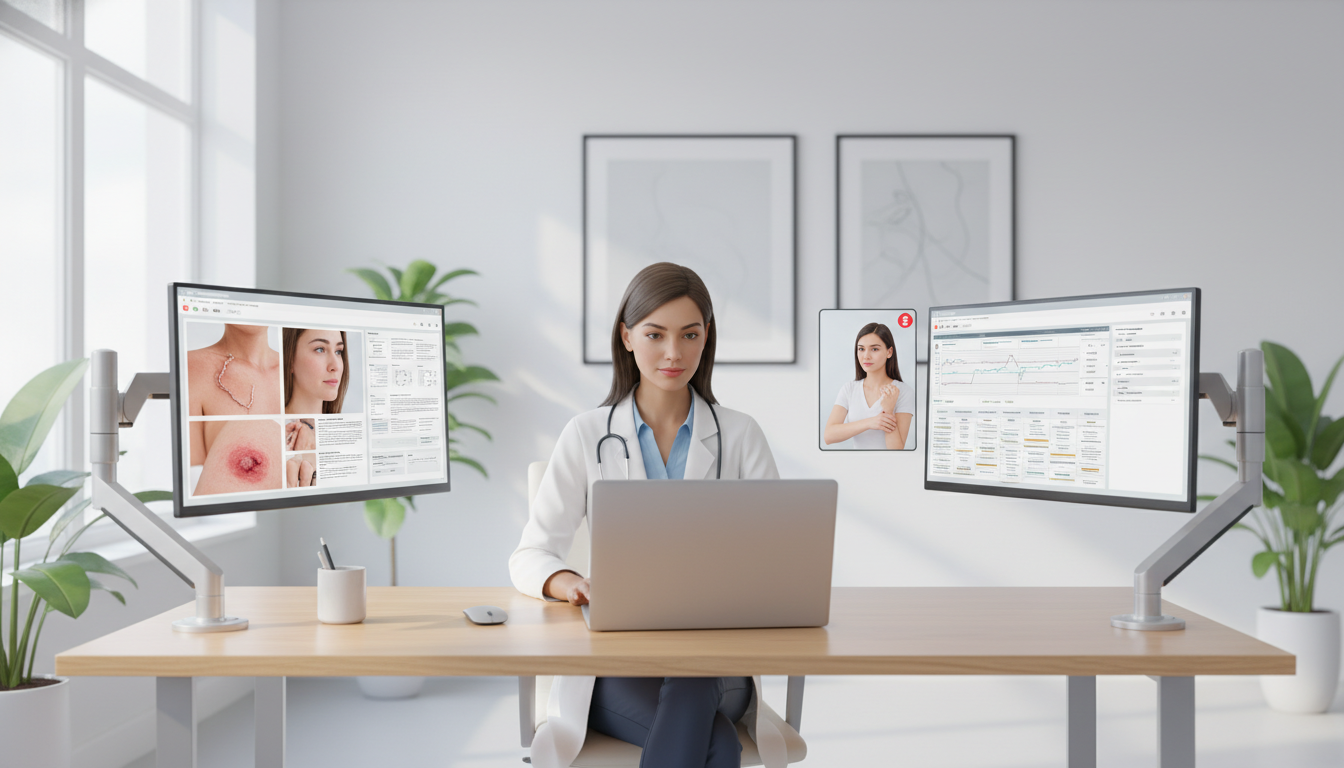
In synchronous teledermatology, you and the patient connect in real time via secure video platform.
Common use cases:
- Initial evaluations for acne, rosacea, psoriasis, atopic dermatitis, and many rashes
- Medication management and isotretinoin follow‑up (where regulations allow)
- Treatment response monitoring after starting biologics
- Counseling visits for chronic dermatoses
- Triage of potentially urgent complaints (e.g., new changing pigmented lesion)
Pros:
- Real‑time interaction builds rapport and trust
- Opportunity to ask clarifying questions and observe patient behavior
- Easier to obtain additional history and guide camera positioning
- More intuitive transition from in‑person practice
Challenges:
- Requires scheduling, both parties present at the same time
- Video quality and lighting can limit examination detail
- Slightly more time‑intensive per visit than store‑and‑forward models
Who employs synchronous teledermatologists?
- Large health systems and academic centers
- Multispecialty telehealth companies
- Dermatology groups offering hybrid clinic‑virtual models
- Direct‑to‑consumer platforms (e.g., acne, hair loss, anti‑aging services)
2. Asynchronous (Store‑and‑Forward) Teledermatology
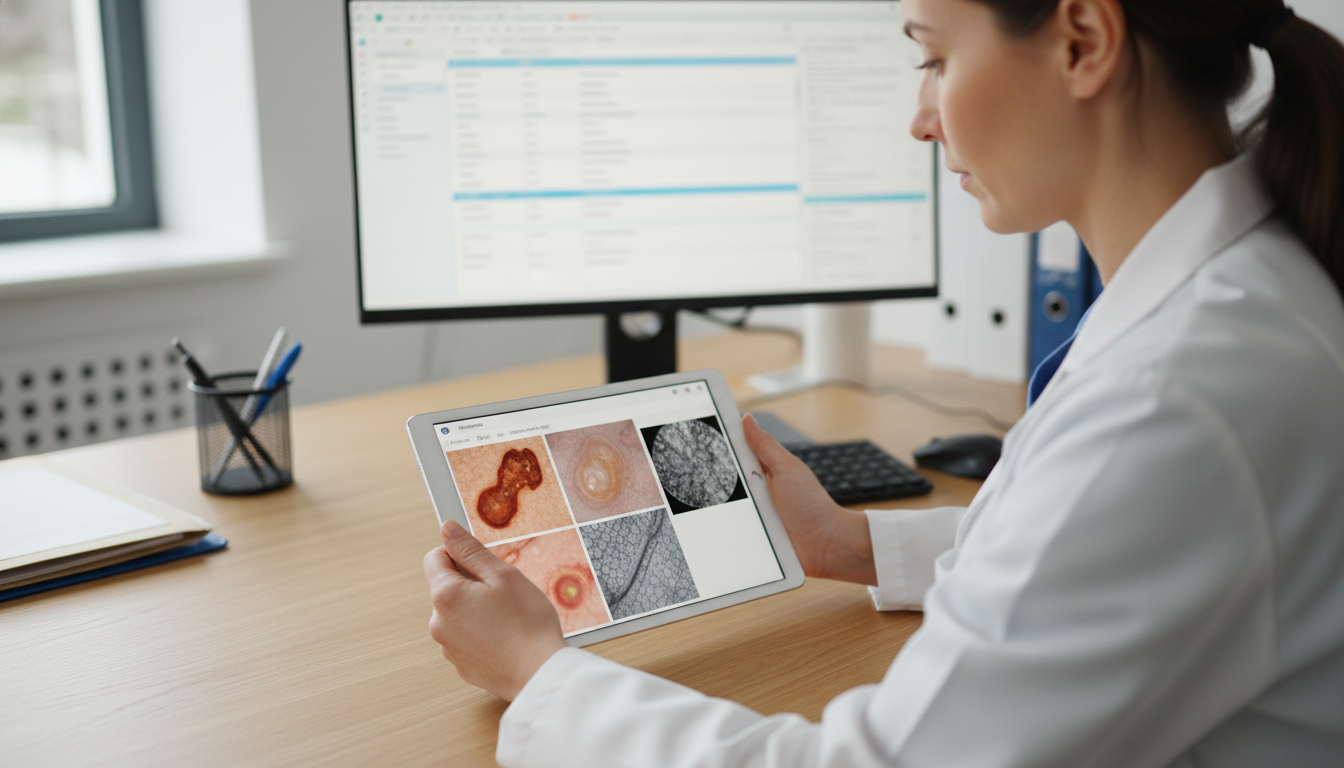
Asynchronous teledermatology is image‑based: patients or referring clinicians upload photos and history; you review and respond later.
Common use cases:
- Triaging primary care referrals (eConsults)
- Evaluating chronic conditions with good image capture (psoriasis, vitiligo, acne)
- Managing stable follow‑up patients with periodic photos
- Serving rural clinics with limited in‑person derm access
Pros:
- Flexibility—you can review cases at any time; ideal for remote physician work
- High efficiency—many cases can be completed quickly when images are adequate
- Scalable for systems trying to reduce wait times and unnecessary in‑person visits
Challenges:
- Dependent on image quality and completeness of history
- Limited ability to clarify unclear points in real time
- Medicolegal considerations if diagnosis is uncertain due to poor images
- Sometimes lower reimbursement per encounter
Who uses asynchronous models?
- Integrated health systems for eConsults between PCPs and dermatologists
- Commercial teledermatology platforms
- Some private practices supplementing in‑person care
3. Hybrid Teledermatology Models
In practice, many dermatologists use a hybrid approach customized to their population and practice:
- Initial triage via asynchronous images submitted through a portal
- Follow‑up or complex cases scheduled for live video
- Periodic in‑person visits for total body skin exams, dermoscopy, and procedures
This hybrid approach often offers the best blend of access, diagnostic accuracy, and workflow efficiency.
Telemedicine Career Opportunities Across the Dermatology Timeline
Telemedicine can influence your trajectory from medical school through fellowship and long into practice. Below is a stage‑by‑stage overview.
During Medical School: Laying the Foundation
While you won’t be independently practicing teledermatology yet, you can begin to build an informed perspective and skills that will strengthen your dermatology residency application.
Ways to get involved:
- Electives with telederm exposure: Choose dermatology rotations where faculty conduct telemedicine clinics; ask to observe and assist with chart prep and image review.
- Quality improvement or research projects:
- Comparing diagnostic accuracy between telederm and in‑person visits
- Evaluating patient satisfaction with telehealth in dermatology
- Assessing telederm impact on access for underserved populations
- Technology literacy:
- Learn about image quality requirements (lighting, focus, lesion framing)
- Understand basics of HIPAA/compliance in virtual care
- Familiarize yourself with common telehealth platforms
How this helps your derm match:
- Demonstrates early engagement with the evolving future of dermatology
- Provides content for your personal statement and interviews (“Tell me about a time you…” stories around innovation, QI, or access to care)
- May yield poster presentations or publications, strengthening your application
During Dermatology Residency: Building Competence and Experience
Residency is where you can truly develop teledermatology skills that translate to future telemedicine jobs.
Clinical exposure:
- Telederm clinics at academic centers: Many programs now run dedicated teledermatology sessions. Ask to rotate through them and get formal feedback.
- Community and VA telederm: VA systems and safety‑net hospitals often rely heavily on store‑and‑forward teledermatology for consults from outlying clinics.
- Supervised case review: Discuss diagnostic uncertainty, limitations of images, and threshold for recommending in‑person follow‑up.
Skills to consciously develop:
Remote physical exam techniques
- Directing patients to adjust lighting and camera angles
- Coaching patients on taking high‑quality lesion photos
- Using body diagrams or photos to clarify lesion location
Tele‑specific communication
- Managing expectations (what can and cannot be safely addressed virtually)
- Clear documentation of limitations and rationale for in‑person follow‑up
- Explaining diagnoses and treatment plans succinctly in virtual settings
Workflow and productivity
- Pre‑visit chart review and image triage
- Efficient note templates tailored to telederm visits
- Best practices for eConsult responses to PCPs
Teaching and scholarly activity:
- Create resident‑led teledermatology curricula or case conferences
- Develop or improve patient education materials on submitting high-quality photos
- Study outcomes, diagnostic agreement, or cost‑effectiveness of your program’s telederm service
Residency directors increasingly value applicants and residents who understand how to safely and efficiently integrate telemedicine into clinical practice.
Early Career and Beyond: Diverse Teledermatology Roles
After residency (and fellowship, if pursued), telemedicine opens multiple career avenues. These can be full‑time, part‑time, or adjunct to a traditional practice.
1. Telehealth Physician Within a Traditional Group Practice
Many dermatology groups now incorporate telemedicine into their service lines.
What it looks like:
- A mix of in‑person clinic and telederm sessions (e.g., 3 clinic days, 1 telehealth day per week)
- Video follow‑ups for acne, psoriasis, and chronic disease management
- Asynchronous review of patient‑submitted images for triage and refill requests
Pros:
- Stability of a traditional practice with added flexibility
- Ability to see complex procedural and surgical cases in person
- Often better integration with EMR and support staff
Considerations:
- Compensation models (RVU‑based vs salary; telehealth reimbursement policies)
- Time allotted for documentation and image review
- Clinic support for patient tech issues (or whether this falls on you)
2. Full‑Time Remote Physician Work Through Telehealth Companies
Many commercial telehealth companies hire dermatologists for primarily or entirely remote work.
Typical structures:
- Synchronous video platforms: Scheduled or on‑demand virtual visits from home
- Asynchronous direct‑to‑consumer platforms: Reviewing questionnaires and images to prescribe treatments (often for focused niches like acne, hair loss, or anti‑aging)
Benefits:
- Geographic flexibility; work from almost anywhere you hold a license
- Potential for flexible hours (nights/weekends) and adjustable workloads
- Reduced overhead and no practice management responsibilities
Challenges:
- Variable compensation and benefits; some rely on high volume
- Less control over patient selection and continuity of care
- Risk of feeling professionally isolated without an in‑person team
- You must be vigilant about prescribing and documentation standards, especially in DTC models
When evaluating these telemedicine jobs, ask about:
- Average number of patients per hour (and whether it’s realistically safe)
- Malpractice coverage specifics for telehealth
- Clinical autonomy vs algorithm‑driven care
- Support for escalation to in‑person evaluation when needed
3. Hybrid Academic Roles with Teledermatology Focus
Academic dermatologists can develop specialized telehealth portfolios, often including:
- Running telederm clinics across a large regional network
- Leading research in AI, image analysis, and virtual diagnostics
- Directing telehealth curriculum for residents and medical students
- Partnering with rural clinics or global health initiatives via teledermatology
This path is attractive if you enjoy teaching, research, and systems‑level innovation.
4. Niche and Entrepreneurial Teledermatology Opportunities
As experience grows, dermatologists can carve out niche telemedicine services, for example:
- Subspecialty telederm consulting: Pigmented lesions, hair and scalp disorders, pediatric derm, psychodermatology
- Second opinion services for complex or rare dermatoses
- Direct patient membership models with telederm access plus periodic in‑person visits
- International teleconsulting (subject to local licensing and regulatory rules)
If you’re entrepreneurial, you might:
- Build a brand around high‑quality virtual care in a specific domain
- Collaborate with technology companies on tools for skin imaging or AI triage
- Develop educational platforms or courses on teledermatology best practices
Practical Considerations: Licensing, Compliance, and Risk Management
Telemedicine expands your reach—but also your regulatory obligations. Before pursuing substantial telehealth physician work, ensure you understand the following domains.
Medical Licensure and Location Rules
- In most jurisdictions, the patient’s physical location at the time of the visit determines which license you need.
- Multi‑state practice often requires:
- Multiple state licenses, or
- Use of an interstate medical licensure compact (where applicable)
- Some employers assist with obtaining and maintaining licenses; clarify this during contract negotiations.
Malpractice Coverage
Verify that your malpractice policy:
- Explicitly covers telemedicine services
- Covers all states where you will see patients
- Addresses direct‑to‑consumer care if that’s part of your role
Ask whether your employer’s coverage is:
- Claims‑made vs occurrence‑based
- Including tail coverage if you leave the position
Privacy, Security, and Platforms
- Use only HIPAA‑compliant platforms or those meeting your region’s privacy regulations.
- Ensure secure handling and storage of clinical images and videos.
- Understand how your telehealth platform integrates with EMR and whether images become part of the permanent record.
Clinical Boundaries and Safety
Teledermatology has limitations, and your safety net is your judgment:
- Maintain a low threshold for in‑person referrals when:
- Pigmented lesions are suspicious for melanoma
- Lesions require dermoscopy or histopathology
- Systemic symptoms suggest serious underlying disease
- Document:
- Limitations of the virtual exam
- Counseling provided about red flags and follow‑up instructions
- Rationale for management decisions or in‑person referrals
Coding and Reimbursement (High‑Level Overview)
While details change frequently and vary by payer and country, you should understand:
- Which visit types are billable as telehealth (new vs established patients, audio‑only vs video)
- How asynchronous teledermatology and eConsults are coded (if at all, depending on region)
- Whether your employer bills on your behalf or expects you to manage billing (most employed roles handle this centrally)
For private practice, partnering early with a billing specialist familiar with telehealth is crucial.
Preparing for a Telemedicine-Ready Dermatology Career
Whether you’re aiming for a competitive dermatology residency or planning your first job search, you can consciously build toward a telemedicine‑friendly skill set.
Strengthening Your Residency Application (Derm Match Perspective)
Residency programs want trainees who can adapt to evolving healthcare delivery. You can signal this through:
Experiences
- Participation in telehealth clinics during medical school
- Volunteer work with telederm initiatives serving rural or underserved populations
- Involvement with student‑run virtual clinics or eConsult services
Scholarly Work
- Posters or papers on teledermatology outcomes, satisfaction, or cost‑effectiveness
- Studies on feasibility of remote skin cancer screening or chronic disease management
- Quality improvement projects optimizing clinic telehealth workflows
Application Framing
- In your personal statement, describe how telehealth aligns with your interest in access, technology, or health systems.
- In interviews, discuss specific telederm experiences and what you learned about its strengths and limitations.
This does not have to be your only theme—but showing thoughtful engagement with telemedicine can differentiate you in the derm match process.
Skill Development During Residency
Deliberately practice competencies that translate to remote physician work:
High‑yield telederm communication
- Learn to describe lesions clearly when you cannot “point” directly.
- Practice explaining diagnoses and plans efficiently within shorter virtual time slots.
Image literacy
- Gain comfort interpreting patient‑submitted photos of varying quality.
- Collaborate with dermpath and imaging experts to understand how virtual evaluations fit into the diagnostic chain.
Systems thinking
- Understand how telederm affects access, clinic flow, and equity.
- Participate in committees or projects designing telehealth protocols in your residency program.
Positioning Yourself for Telemedicine Jobs After Training
As you approach graduation and job search:
Clarify what you want:
- Do you prefer full‑time remote physician work, a hybrid role, or a primarily in‑person practice with telehealth as an adjunct?
- Are you drawn to academic, community, or entrepreneurial settings?
Ask targeted questions in interviews:
- What proportion of visits are telehealth vs in‑person?
- How is telederm integrated into the practice’s long‑term strategy?
- Are there opportunities to lead telehealth initiatives or research?
Review contracts carefully:
- Compensation structure for telehealth visits (same RVU, different rate, or flat fees?)
- Expectations for off‑hours eConsults or inbox/image review
- Ownership and use of de‑identified images for teaching or research
Maintain flexibility:
- Telemedicine regulations, technology, and patient expectations will continue to evolve.
- Aim for roles that allow adaptation—e.g., switching the telehealth/in‑person mix over time, or exploring new platforms and models.
Telemedicine and the Future of Dermatology Practice
Telehealth is not a passing trend in dermatology; it is now a permanent part of how skin care is delivered. For future dermatologists, the question is not whether to engage with telemedicine, but how.
Key themes likely to define the next decade:
- Balanced hybrid care: Strategic integration of telederm with in‑person visits to maximize access and quality.
- AI‑assisted triage: Algorithms assisting (but not replacing) dermatologists in prioritizing cases and flagging high‑risk lesions.
- Expanded patient self‑management tools: Apps and remote monitoring for chronic dermatoses with virtual check‑ins.
- Global reach: Cross‑border teledermatology collaborations, subject to local laws, potentially expanding access in low‑resource settings.
Physicians who understand both clinical dermatology and the operational, ethical, and regulatory nuances of telemedicine will be positioned as leaders in this evolving space.
By intentionally integrating telehealth exposure into your education, aligning your dermatology residency training with virtual care competencies, and critically evaluating telemedicine jobs and remote physician work opportunities, you can build a sustainable, flexible, and impactful dermatology career that fully leverages modern technology while preserving the human core of patient care.
Frequently Asked Questions (FAQ)
1. Is it realistic to have a fully remote dermatology career?
Yes, many dermatologists now work primarily or entirely remotely, especially through telehealth companies and direct‑to‑consumer platforms. However:
- Most fully remote roles focus on medical dermatology (acne, rashes, hair loss) rather than procedures or surgery.
- You’ll need licensure in the states or regions where your patients are located.
- Consider whether you might miss performing procedures or seeing complex in‑person cases; some physicians prefer a hybrid model.
2. Does telemedicine experience help my dermatology residency application?
It can, especially if it’s meaningful and well‑integrated into your application:
- Teledermatology research, QI projects, or structured electives show you’re engaged with the future of the field.
- Use experiences to demonstrate strengths in innovation, systems thinking, and patient‑centered care.
- Telehealth should complement—not replace—strong fundamentals: clinical performance, letters of recommendation, and overall academic record.
3. What kinds of dermatology conditions are best suited to telemedicine?
Common conditions that work well in teledermatology include:
- Acne, rosacea, and perioral dermatitis
- Psoriasis and other chronic inflammatory dermatoses
- Atopic dermatitis and many eczematous eruptions
- Urticaria and some drug eruptions (with careful history)
- Hair loss disorders, melasma, and many pigmentary conditions
Lesions suspicious for skin cancer, rapidly evolving dermatoses, or conditions requiring dermoscopy or biopsy often need an in‑person evaluation.
4. How do I avoid medicolegal issues when practicing teledermatology?
Key risk‑mitigation steps:
- Practice only where you’re licensed and where your malpractice coverage applies.
- Use secure, compliant platforms and ensure images are stored safely.
- Clearly document:
- What you can and cannot assess virtually
- Limitations of image quality or exam
- Reasons for any in‑person referral or follow‑up
- Maintain conservative thresholds for referring concerning lesions or unclear diagnoses to in‑person care.
By combining sound clinical judgment with thoughtful documentation and adherence to regulatory standards, you can practice teledermatology safely and effectively.