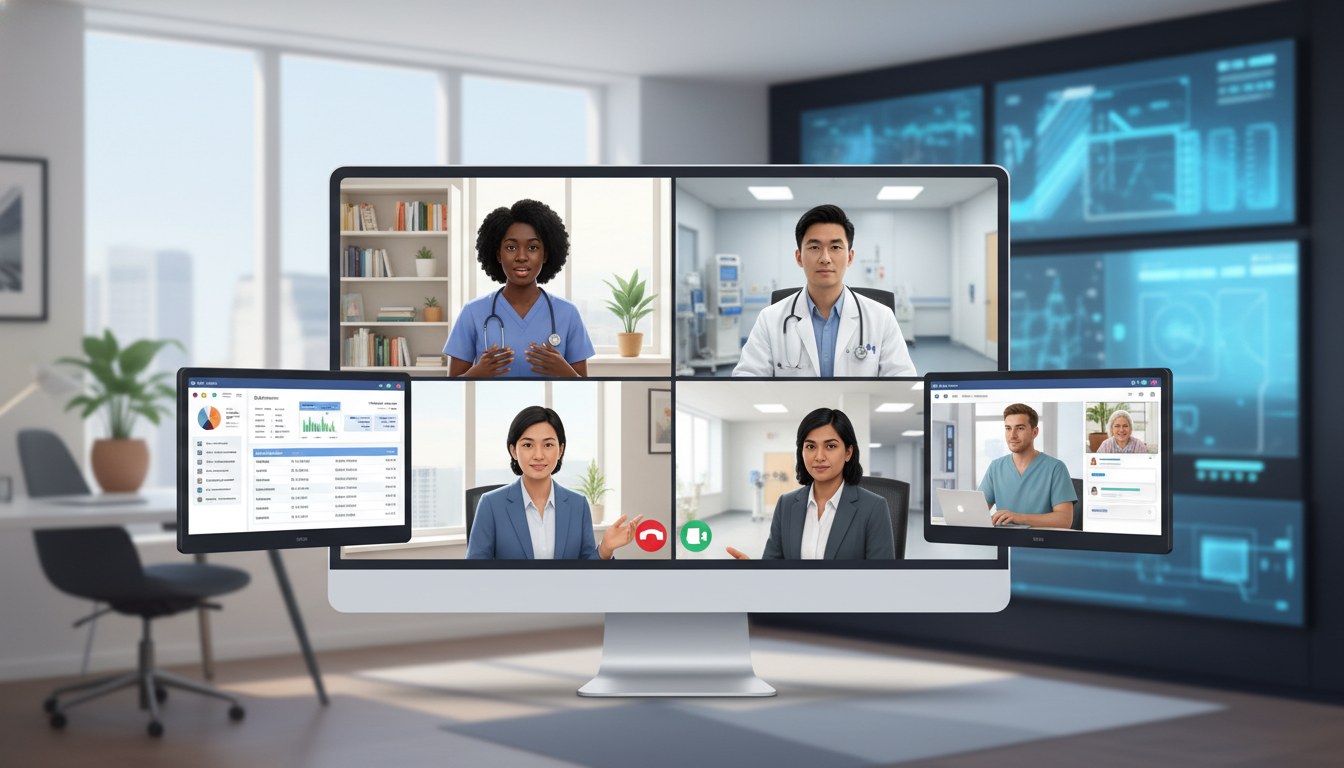
Understanding EM–IM Combined Training in the Telemedicine Era
Emergency Medicine–Internal Medicine (EM IM combined) residency graduates are uniquely positioned for the rapidly expanding world of telehealth. Your dual training in acute care and longitudinal internal medicine gives you a skill set that fits naturally with virtual care models, urgent tele-triage, and chronic disease management at a distance.
Telemedicine has matured from a pandemic workaround into a permanent pillar of healthcare delivery. For physicians with EM–IM combined backgrounds, this shift opens doors to flexible telemedicine jobs, part‑time or full‑time remote physician work, and hybrid careers that blend in‑person clinical practice with virtual visits, administration, and innovation.
This guide explores how Emergency Medicine-Internal Medicine physicians can build meaningful telemedicine careers—from understanding the landscape and compensation models to finding positions, negotiating contracts, and strategically planning your training and early career.
Why EM–IM Physicians Are Ideal for Telehealth Roles
1. Breadth and depth of clinical expertise
An EM IM combined residency equips you with:
Acute care decision-making (Emergency Medicine):
- Rapid triage and risk stratification
- Management of undifferentiated complaints
- Familiarity with prehospital systems and transfer decisions
Longitudinal and complex care (Internal Medicine):
- Chronic disease management (heart failure, COPD, diabetes, CKD, etc.)
- Polypharmacy and medication reconciliation
- Preventive care, screening, and care coordination
In telehealth settings, you may see anything from chest pain at 2 a.m. to diabetes follow‑up at 2 p.m. Your combined training allows you to safely navigate both.
2. Strong triage and disposition skills
One of the core questions in telehealth—especially urgent care and direct‑to‑consumer platforms—is:
“Can this be safely managed at home, or do I need to send this patient in?”
EM training gives you comfort with uncertainty, red‑flag recognition, and disposition. Internal Medicine adds nuance: you can integrate comorbidities, past workups, and longitudinal risks into your decision.
This combination is particularly valuable for:
- Tele-urgent care
- ED follow-up teleclinics
- Hospital-at-home programs
- Virtual observation / monitoring services
3. Systems thinking and interdisciplinary collaboration
Telemedicine is inherently interdisciplinary: nurses, APPs, care coordinators, IT, case management, and outpatient specialists. EM–IM physicians are accustomed to:
- Collaborating in team-based settings (ED, ICU, inpatient wards)
- Transitioning patients across care settings
- Working with hospital leadership and outpatient clinics
These skills translate well to telehealth physician leadership roles, medical directorships, and quality improvement positions in virtual care programs.
The Telemedicine Landscape for EM–IM Physicians
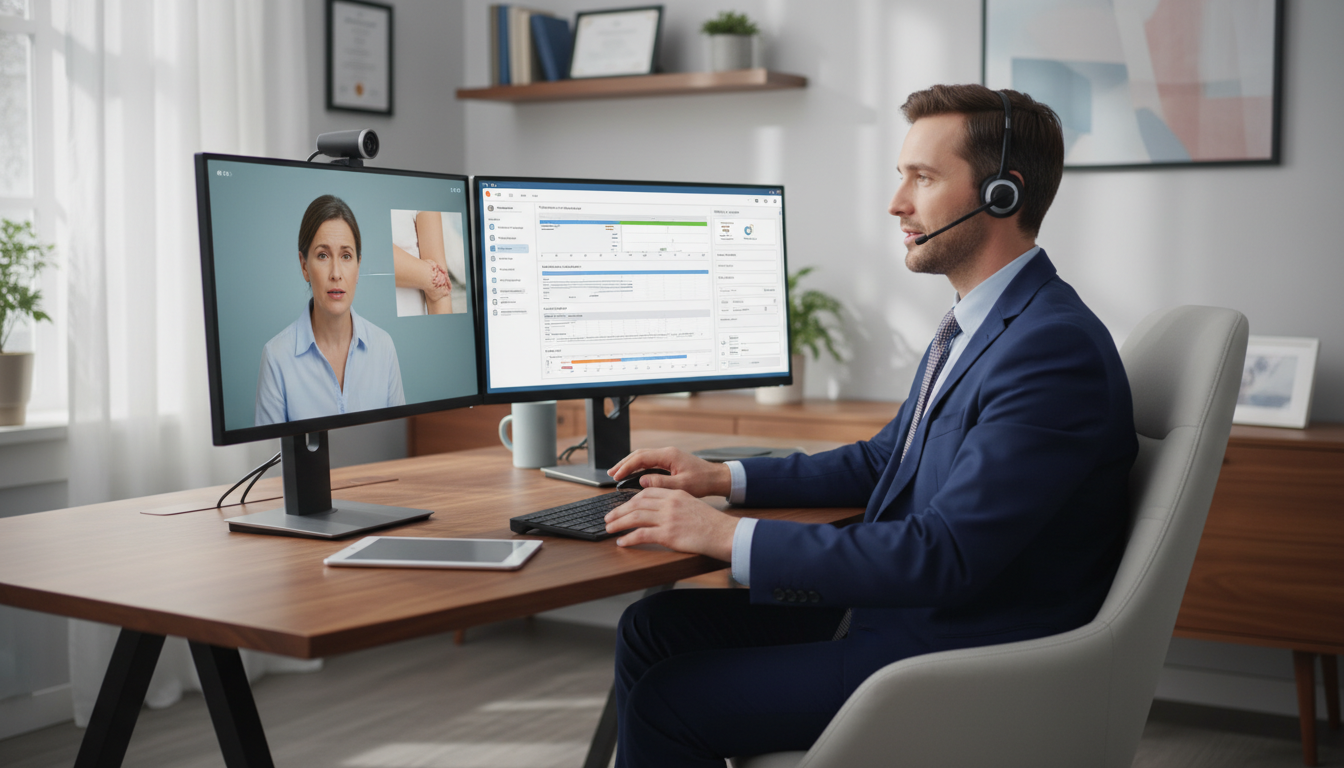
Telemedicine covers a broad spectrum of services. Understanding these domains will help you identify where you fit best.
1. Synchronous video or phone visits
These are real‑time encounters between physician and patient, similar to an office or urgent care visit.
Common models relevant to EM–IM:
Virtual urgent care
- Chief complaints: URI symptoms, rashes, minor injuries, UTI symptoms, medication refills, anxiety exacerbations
- Shifts often mirror ED/urgent care (evenings, nights, weekends)
- EM skills in rapid assessment and disposition are heavily used
Primary care / chronic disease management
- Hypertension and diabetes follow-up
- Chronic pain management (within regulatory bounds)
- Post‑discharge or post‑ED visits
- IM training is central here; dual board certification is a strong bonus
Telehospitalist consults / follow-up
- Remote follow-up for inpatient discharges
- Coordination with SNFs, rehab, or home health teams
- Some systems use EM–IM physicians to bridge ED-to-outpatient continuity
2. Asynchronous telehealth (store‑and‑forward, e‑visits)
This includes written or image‑based consults that do not happen in real time:
- E‑consults for primary care or specialists
- Photo-based dermatology triage
- Secure messaging visits reimbursed as e‑visits
EM–IM physicians may:
- Work as triage physicians reviewing nurse‑collected histories
- Provide second opinions on complex internal medicine cases
- Help determine whether imaging, labs, or in‑person evaluations are warranted
3. Remote patient monitoring and hospital at home
Many systems now offer:
- Remote patient monitoring (RPM) for:
- Heart failure
- Hypertension
- Diabetes
- COPD
- Acute hospital‑level care at home for:
- Selected pneumonia
- CHF exacerbations
- Cellulitis
- Post‑operative recovery
EM–IM physicians are uniquely suited to:
- Interpret remote vital sign feeds in a risk‑stratified manner
- Adjust complex medical regimens
- Decide when deterioration warrants ED transfer
- Oversee teams of nurses, paramedics, and APPs
4. Tele‑ED and virtual emergency consultations
In rural and critical access hospitals, tele‑ED programs connect onsite clinicians with board‑certified EM physicians for:
- Real-time consults on stroke, sepsis, trauma, and complex medical emergencies
- Support for APP‑staffed EDs
- Guidance on transfer vs. local management
EM–IM physicians in tele‑ED roles can:
- Provide acute ED support
- Offer insight into post‑ED inpatient needs
- Help optimize hospitalist and ICU resources
5. Nonclinical and hybrid telemedicine roles
Beyond direct patient care, EM–IM physicians can pursue:
- Telehealth medical directorships
- Clinical informatics roles focused on virtual care platforms
- Utilization management and case review (many are remote)
- Quality and safety leadership around telehealth workflows
- Education and simulation for tele‑triage and virtual communication skills
These roles often blend telehealth clinical work with part‑time administrative leadership.
Types of Telemedicine Jobs for EM–IM Physicians
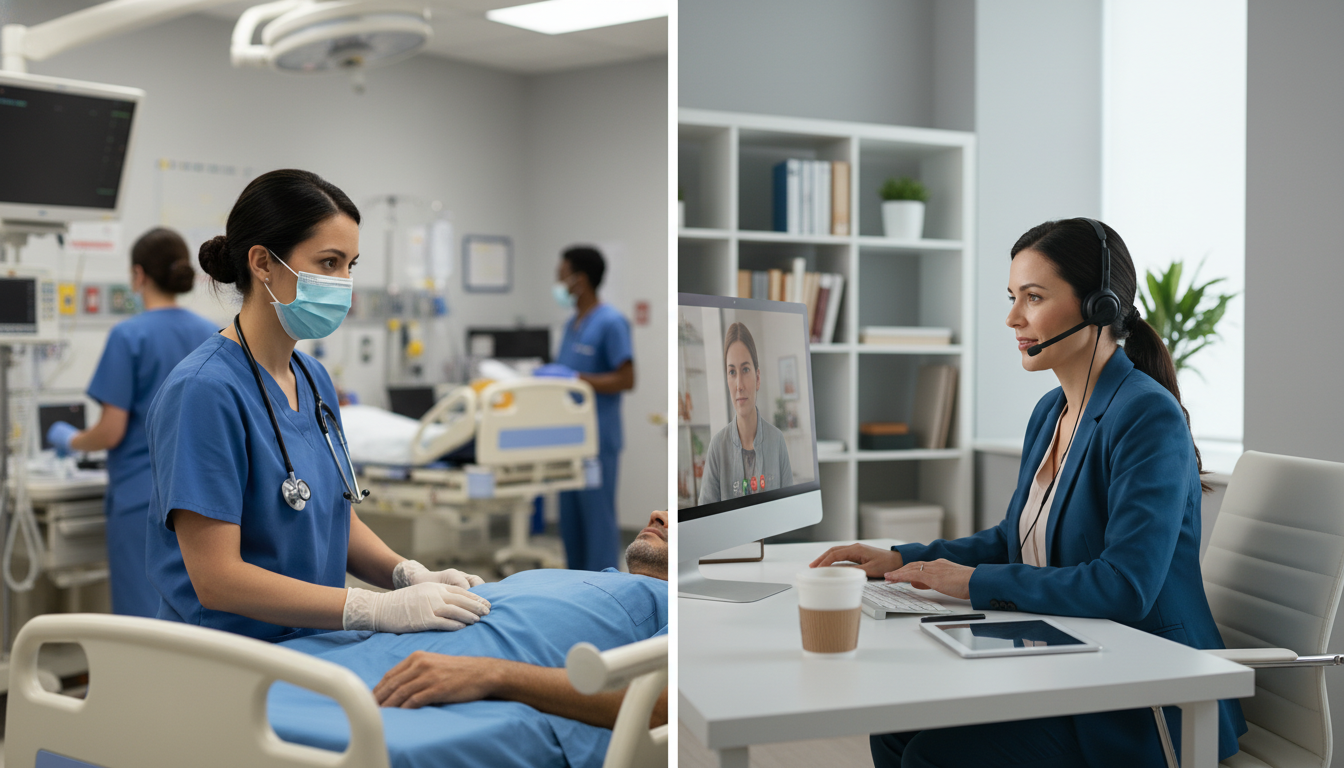
1. Direct‑to‑consumer telehealth platforms
These are typically app‑ or web‑based services that connect patients to a telehealth physician within minutes.
Pros:
- Flexible scheduling, often fully remote physician work
- Straightforward clinical issues much of the time
- Volume‑based productivity can generate good income
Cons:
- High visit volume, sometimes limited continuity
- Payment often per encounter or per shift, sometimes 1099 contractor status
- May feel “transactional” vs. longitudinal care
Why EM–IM fits:
- EM skill set for urgent complaints + IM insight for medication safety and chronic disease implications
- Comfort with variable acuity and limited data
2. Health system–based virtual care
Large health systems and academic centers often run their own telemedicine programs:
- Video visits embedded in established primary care and specialty clinics
- ED virtual triage or “front door” services
- Virtual observation units or post‑discharge teleclinics
Pros:
- Integrated EHR access and full records
- Greater continuity of care
- Possibility of W‑2 employment, benefits, and academic titles
- Opportunities to participate in QI, research, and education
Cons:
- More structured schedules
- Less location flexibility (some systems require in‑state or even in‑city presence)
Why EM–IM fits:
- You can staff both acute and longitudinal telehealth clinics
- You can help design cross‑setting workflows between ED, inpatient, and outpatient virtual care
3. Telehospitalist and after‑hours coverage
Many hospitals use telemedicine to:
- Cover nocturnist shifts remotely
- Provide cross‑coverage for inpatient units
- See observation patients or manage “hospital at home” programs
Pros:
- Higher compensation than some outpatient telehealth
- Interesting, complex cases
- Opportunity to use full IM and EM skill sets in acute medical decision-making
Cons:
- Night and weekend work
- Legal and logistical considerations for remote inpatient orders and procedures you can’t physically perform
Why EM–IM fits:
- You understand both ED‐level acuity and inpatient management
- Solid comfort with cross‑coverage calls, rapid responses, and escalation decisions
4. Telehealth in subspecialty or niche areas
Some EM–IM physicians pursue further training (e.g., critical care, palliative care, addiction medicine, or sports medicine) and incorporate telehealth roles such as:
- Virtual palliative consults
- Tele‑ICU coverage (monitoring ICUs from a command center)
- Tele‑addiction medicine / MAT follow-up
- Virtual cardiometabolic clinics (HF, HTN, DM)
Your dual training remains an asset even when subspecialized—particularly for patients with overlapping acute and chronic issues.
5. Part‑time or side‑gig telemedicine roles
Many EM–IM physicians keep a primary in‑person job and add:
- 4–10 hours per week of virtual urgent care
- A weekend per month of telehospitalist coverage
- Short-term contracts for seasonal or surge telehealth needs
This can:
- Supplement income
- Provide geographic flexibility
- Diversify your clinical experience
- Serve as a bridge to fully remote physician work later in your career
Career Planning: From Residency to Telehealth‑Focused Practice
1. Building telemedicine skills during EM–IM residency
Even if your program doesn’t have a formal telemedicine track, you can proactively develop relevant skills:
Seek telehealth electives or rotations
- Tele-urgent care within your system
- Virtual primary care clinics
- Tele‑ICU or remote monitoring programs
Practice documentation tailored to virtual visits
- Clear safety netting instructions
- Explicit red‑flag education
- Thorough documentation of limitations (e.g., inability to perform specific exam components)
Hone “verbal physical exam” techniques
- Guiding patients to self‑palpate or demonstrate movements
- Assessing respiratory distress visually and audibly
- Clarifying red‑flag neurological symptoms with targeted questions
Develop communication and rapport skills on video
- Eye contact with the camera
- Clear introductions and expectation‑setting for virtual visits
- Safety planning and escalation discussions
Consider scholarly projects on virtual ED triage, hospital‑at‑home outcomes, or tele‑chronic disease management as part of your residency QI or research.
2. Licensing, credentialing, and multistate practice
Telemedicine frequently crosses state lines. For EM–IM physicians interested in broad telehealth practice:
- Obtain multiple state licenses strategically
- Prioritize states with high telehealth demand (e.g., large or underserved states)
- Use the Interstate Medical Licensure Compact (IMLC) if eligible to streamline applications
- Understand payer and regulatory requirements
- Paying attention to where the patient is physically located at the time of visit
- Malpractice coverage terms for multistate practice
- Controlled substance prescribing rules (vary by state and platform)
Early in your career, it can be wise to secure at least 2–3 state licenses to enhance your telemedicine job options.
3. Compensation models and expectations
Telemedicine compensation varies widely. You may encounter:
- Hourly rates (common for hospital‑based programs, telehospitalist roles)
- Per‑visit payments, sometimes tiered by complexity
- RVU‑based models for health system teleclinics
- Hybrid models (base salary + productivity bonus)
As an EM–IM physician, your earning potential in telemedicine will depend on:
- Hours worked (full‑time vs. part‑time)
- Type of service (urgent care vs. hospitalist vs. specialty telehealth)
- Contractor vs. employed status (1099 vs. W‑2)
- Number of state licenses (more licenses often mean more volume options)
When evaluating offers:
- Ask about average visit lengths and expected visits per hour
- Clarify whether time spent charting is considered billable or on your own time
- Review malpractice coverage, including tail coverage if applicable
- Understand benefits (health insurance, retirement, CME, licensing reimbursement)
4. Work–life balance and wellness considerations
Telemedicine can enhance work–life balance, but it presents its own challenges:
Advantages:
- No commute; more control over work environment
- Flexible scheduling (especially with multiple platforms)
- Ability to relocate without changing jobs (subject to licensing)
Challenges:
- Screen fatigue and cognitive overload
- Blurring of home–work boundaries
- Potential isolation from colleagues
Practical tips:
- Set a dedicated, ergonomic workspace with good lighting and privacy
- Schedule breaks between clusters of visits
- Maintain some in‑person clinical contact (ED, ward service, clinics) if you value hands‑on interaction
- Join online physician communities or telehealth team huddles to maintain collegiality
Finding and Succeeding in Telehealth Roles as an EM–IM Physician
1. Where to find telemedicine jobs
You can search for positions through:
Major telehealth platforms
- Company websites’ career pages
- Recruiter outreach via email or LinkedIn
Health system job boards
- Look for “virtual care,” “telehealth,” “telehospitalist,” “tele-ED,” or “hospital-at-home”
Physician job boards and recruiters
- Many list “remote physician work” filters
- Narrow by specialty (Emergency Medicine, Internal Medicine, or both)
Professional organizations
- ACEP, ACP, and combined EM–IM societies often host telehealth webinars, job postings, and networking opportunities
When describing yourself, emphasize your Emergency Medicine Internal Medicine background and flexibility to work across care settings.
2. Crafting a telehealth‑focused CV and cover letter
Highlight:
- Dual certification: “Board‑certified in Emergency Medicine and Internal Medicine”
- Telehealth experience: any rotations, virtual clinics, or QI projects
- Systems work: involvement in workflow design, triage protocols, or virtual follow‑up pathways
- Technical proficiency: EHR systems, telehealth platforms, familiarity with remote monitoring tools
In your cover letter, articulate:
- Why telehealth aligns with your career goals
- How your EM–IM training equips you to handle undifferentiated concerns and chronic disease in a virtual space
- Willingness to work evenings/weekends if relevant (often valued in urgent care platforms)
3. Interviewing for telemedicine roles
Expect questions about:
- How you manage diagnostic uncertainty without a physical exam
- Thresholds for sending patients to ED vs. urgent care vs. home management
- Handling high‑risk symptoms (chest pain, shortness of breath, neuro deficits)
- Your approach to documentation, safety netting, and follow‑up
You can stand out by:
- Giving specific examples from residency or practice of safe tele‑triage decisions
- Demonstrating familiarity with state rules (e.g., controlled substances, scope of telehealth)
- Showing enthusiasm for telehealth as a complement to in‑person care, not just a convenience
4. Keys to success once you’re in the role
Standardize your approach
Develop and refine templates for:- Tele‑chest pain evaluation
- Tele‑abdominal pain
- Tele‑neurologic complaints
- Medication refills and chronic disease follow-up
Document limitations explicitly
“Due to the virtual nature of this visit, the following components of the physical exam could not be performed…” followed by clear safety instructions.Communicate disposition clearly Tell patients exactly when and where to seek care and what symptoms should trigger escalation.
Track your own outcomes Informally monitor:
- Return visits
- ED referrals
- Patient complaints or safety events
Use these insights to refine your thresholds and patient education.
Frequently Asked Questions (FAQ)
1. Can I build a full‑time career entirely in telemedicine as an EM–IM physician?
Yes. Many EM–IM graduates and mid‑career physicians have transitioned to full‑time telehealth roles, especially in:
- Virtual urgent care
- Telehospitalist or hospital-at-home models
- Health‑system virtual primary care
- Tele‑ED consults
That said, some choose to keep a mix of in‑person ED or inpatient shifts to maintain procedural skills and variety. Your ideal mix depends on your professional interests, financial goals, and tolerance for remote‑only work.
2. Do I need special certification or fellowship training to work as a telehealth physician?
For most telemedicine roles, board certification in Emergency Medicine and/or Internal Medicine is sufficient. However, additional qualifications can strengthen your profile:
- Clinical Informatics fellowship or board certification
- Telemedicine or digital health certificates offered by academic centers
- Subspecialty training (e.g., critical care, palliative care) for niche telehealth roles
More important than a specific certificate is demonstrable telehealth experience, strong communication skills, and familiarity with virtual care regulations.
3. How does malpractice coverage work for telemedicine?
Malpractice coverage for telehealth is similar to in‑person care but must explicitly include:
- Telemedicine services
- All states where you are practicing (where the patient is located)
Some platforms provide coverage; others require you to carry your own policy. Always:
- Confirm whether coverage is claims‑made or occurrence‑based
- Clarify whether tail coverage is required when you leave
- Ensure coverage limits are appropriate for the acuity level of your work (e.g., tele‑ED vs. low‑acuity urgent care)
4. As a resident interested in EM IM combined training, should telemedicine opportunities influence where I match?
Telemedicine should be one of several factors in choosing an EM–IM program. If telehealth is a major interest:
- Look for programs in health systems with established virtual care infrastructure
- Ask during interviews:
- “Do residents participate in telehealth clinics or virtual urgent care?”
- “Are there QI or research projects related to telemedicine?”
- Consider whether faculty are engaged in digital health innovation, informatics, or hospital-at-home development
However, core educational quality, clinical volume, and mentorship in EM and IM should remain your primary criteria. Telemedicine is expanding so rapidly that you can often access these career paths even if your residency exposure is limited, as long as your foundational training is strong.
Telemedicine is reshaping how acute and chronic care are delivered, and EM–IM physicians are at the center of that transformation. By leveraging your dual skill set, planning your training and licensing intentionally, and strategically choosing telehealth roles, you can build a rewarding career that combines clinical impact, flexibility, and innovation—whether you’re in the ED, at home, or anywhere in between.