The New Frontier: Why Telemedicine Matters in Family Medicine
Telemedicine is no longer a niche side gig—it is now a core part of how primary care is delivered, and family medicine is right at the center of this transformation. From urgent virtual visits to ongoing chronic disease management, the range of telemedicine career opportunities in family medicine has expanded dramatically in just a few years.
For medical students, residents, and early-career physicians planning a family medicine residency and FM match strategy, understanding telehealth pathways is now essential. Many applicants are even tailoring their training to prepare for telehealth physician roles, remote physician work, and hybrid practice models.
In this guide, you’ll learn:
- How telemedicine integrates with a traditional family medicine career
- The main telemedicine roles open to family physicians (full‑time, part‑time, side gigs)
- Skills and training that make you competitive for telehealth positions
- Licensing, credentialing, and reimbursement nuances
- How to position yourself during the family medicine residency and beyond for a telemedicine-focused career
Whether you aim to be a full-time remote physician or simply want telemedicine to be part of a flexible, sustainable career, this article will help you map realistic options.
1. How Telemedicine Fits into a Family Medicine Career
Telemedicine is particularly well aligned with family medicine because of the specialty’s breadth and long-term patient relationships.
1.1 Core strengths of family medicine in telehealth
Family physicians are uniquely suited for telehealth physician roles because they:
- Manage undifferentiated problems: Often the first stop for vague or multi-system complaints that work well for initial virtual triage.
- Provide continuity of care across the lifespan: Telemedicine supports ongoing monitoring of chronic conditions, behavioral health, and preventive services.
- Are trained in contextual care: Understanding family and social context is crucial when assessing patients remotely.
- Have comfort with team-based care: Telemedicine is usually part of a broader digital team approach (nurses, MAs, behavioral health, pharmacists).
In many systems, telemedicine is being embedded as a complementary mode of care rather than a separate service, making it a natural extension of a family medicine practice.
1.2 Telemedicine within traditional practice models
Most family medicine physicians today encounter telehealth in three main ways:
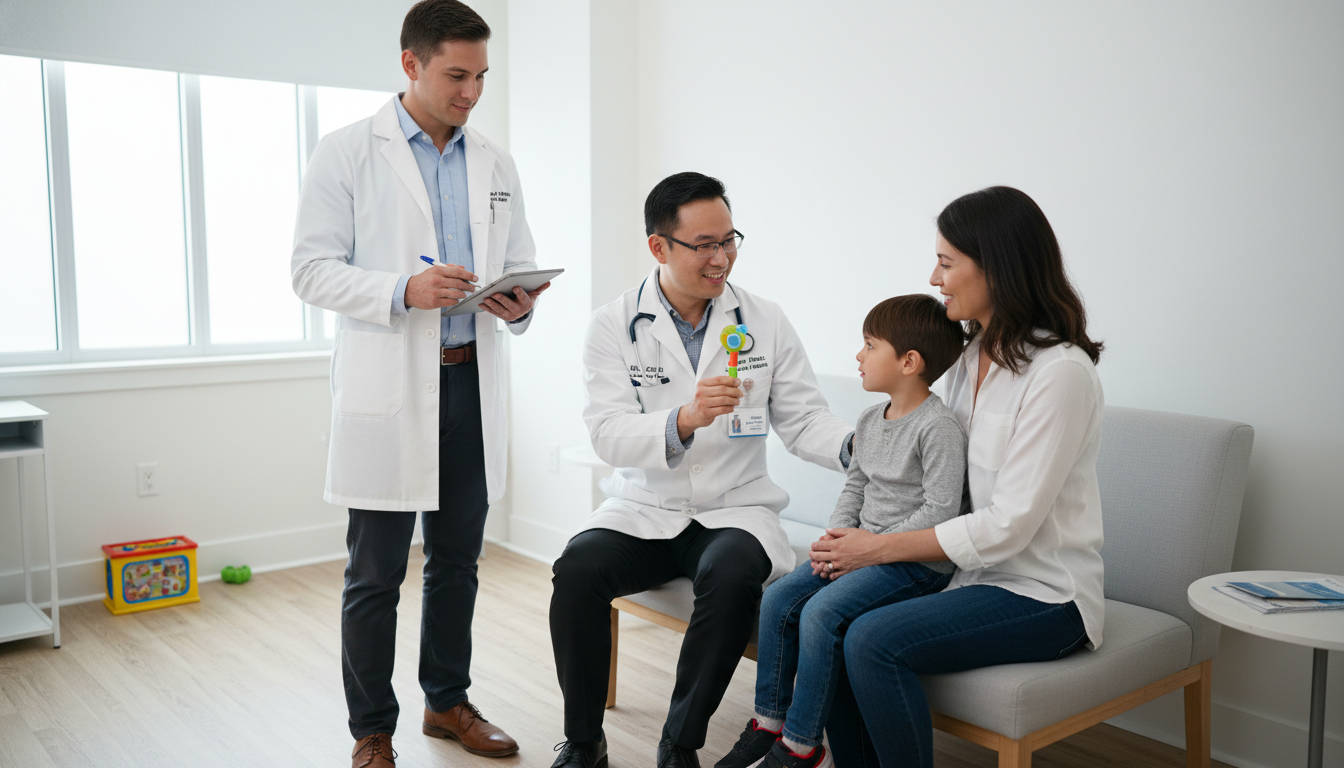
Hybrid clinic roles
- Mix of in-person clinic days and block telemedicine sessions
- Common in large health systems, academic centers, and integrated networks
- Example: 3 clinic days in person, 1 day scheduled video visits, plus occasional telephone encounters
After-hours and urgent care telemedicine
- Virtual urgent care or “on-demand” platforms, often evenings or weekends
- Can be a separate moonlighting or side gig for residents and attendings
- Focused on acute, low-complexity problems with brief visits
Population health and chronic care management
- Telehealth visits for diabetes, hypertension, COPD, depression, and other chronic conditions
- Scheduled follow-ups using video or secure messaging
- Often integrated with remote patient monitoring and care coordinators
For family medicine residents, exposure to these models during training is increasingly common and can influence post-residency job decisions.
2. Types of Telemedicine Jobs for Family Medicine Physicians
Telemedicine is not one single job. It’s a spectrum of arrangements, from fully remote to hybrid to side gigs. Understanding these categories will help you imagine where they might fit in your career path.
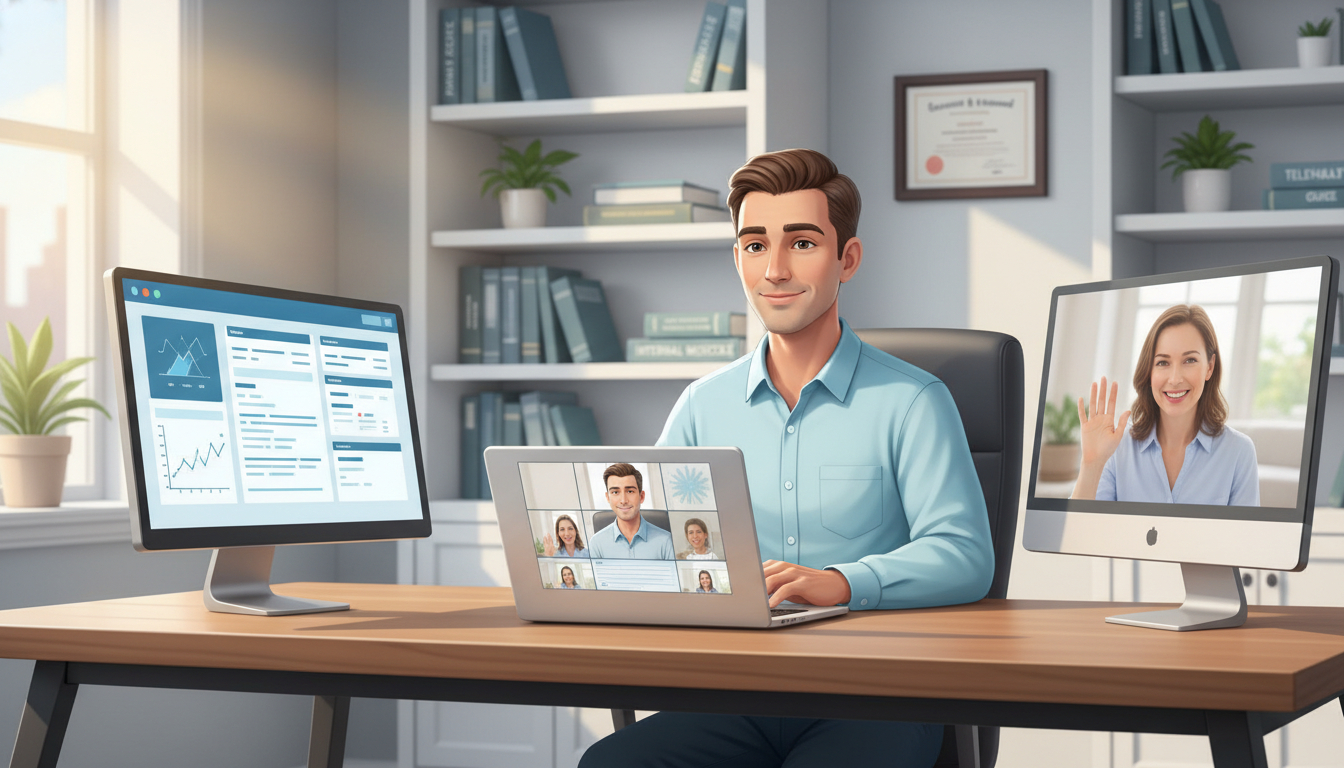
2.1 Full-time remote family medicine physician roles
These positions are typically with:
- National telemedicine companies
- Large health systems with virtual-first clinics
- Insurance companies or value-based care organizations
- Direct primary care or virtual-only practice models
Key features:
- 32–40 hours/week of telemedicine visits (video, phone, asynchronous chat)
- May be 100% remote from home or a mix of remote and occasional on-site work
- Often focused on:
- General primary care
- Virtual urgent care
- Chronic disease management
- Preventive services and care coordination
Pros:
- Geographic flexibility (live where you want if licensed appropriately)
- No commute; improved work–life balance for many physicians
- Potentially more predictable schedules
- Reduced exposure to in-person infectious diseases
Challenges:
- Risk of isolation and less in-person team interaction
- Relies heavily on documentation and EMR/tech literacy
- Limited ability to perform physical exams; must be very strong in history-taking and decision-making
- Some roles can feel high-volume and transactional if not designed thoughtfully
For some physicians, this becomes their long-term career model; for others, it’s a 2–5 year chapter while managing family responsibilities, dual-career households, or location transitions.
2.2 Part-time and hybrid telemedicine roles
These are increasingly common and often attractive to family physicians who want both continuity and flexibility.
Examples:
- A community FM physician who schedules two telemedicine half-days per week for established patients.
- An academic family medicine faculty member who staffs a virtual urgent care shift one evening per week.
- A physician in a rural area who provides telehealth consults to neighboring clinics with limited primary care access.
Benefits for career planning:
- Ability to maintain procedural skills and hands-on medicine in clinic while enjoying flexibility from some remote work
- Gradual transition for physicians considering more remote physician work in the future
- Opportunities to protect time for teaching, research, or family duties on telemedicine days
2.3 Telemedicine moonlighting and side gigs
During and after residency, many family medicine physicians use telemedicine as supplemental income.
Common arrangements:
- Evening or weekend virtual urgent care shifts through national vendors
- Per-visit or per-shift compensation for low-acuity primary care or urgent problems
- Asynchronous telehealth (chart reviews, e-visits, message-based consults)
Considerations for residents:
- Must comply with your program and institution’s moonlighting policies
- Need separate state licenses for some platforms
- Be cautious about fatigue and duty-hour equivalents; telemedicine is still patient care
For early-career physicians, telehealth side work can also allow exploration of different platforms and models before committing to a full-time telemedicine job.
2.4 Niche telehealth roles within family medicine
As telehealth evolves, subspecialized or niche roles are emerging, especially suitable for family doctors with additional skills or interests:
- Lifestyle medicine and obesity management via virtual coaching and follow-ups
- Women’s health and reproductive telehealth (e.g., contraceptive management, medication abortion where lawful)
- Addiction medicine (e.g., buprenorphine prescribing, counseling integration)
- Geriatrics and home-based primary care using remote monitoring and caregiver support
- Behavioral health integration for mild to moderate mental health conditions
These roles often blend primary care expertise with focused training and may be particularly attractive after fellowship or additional certification.
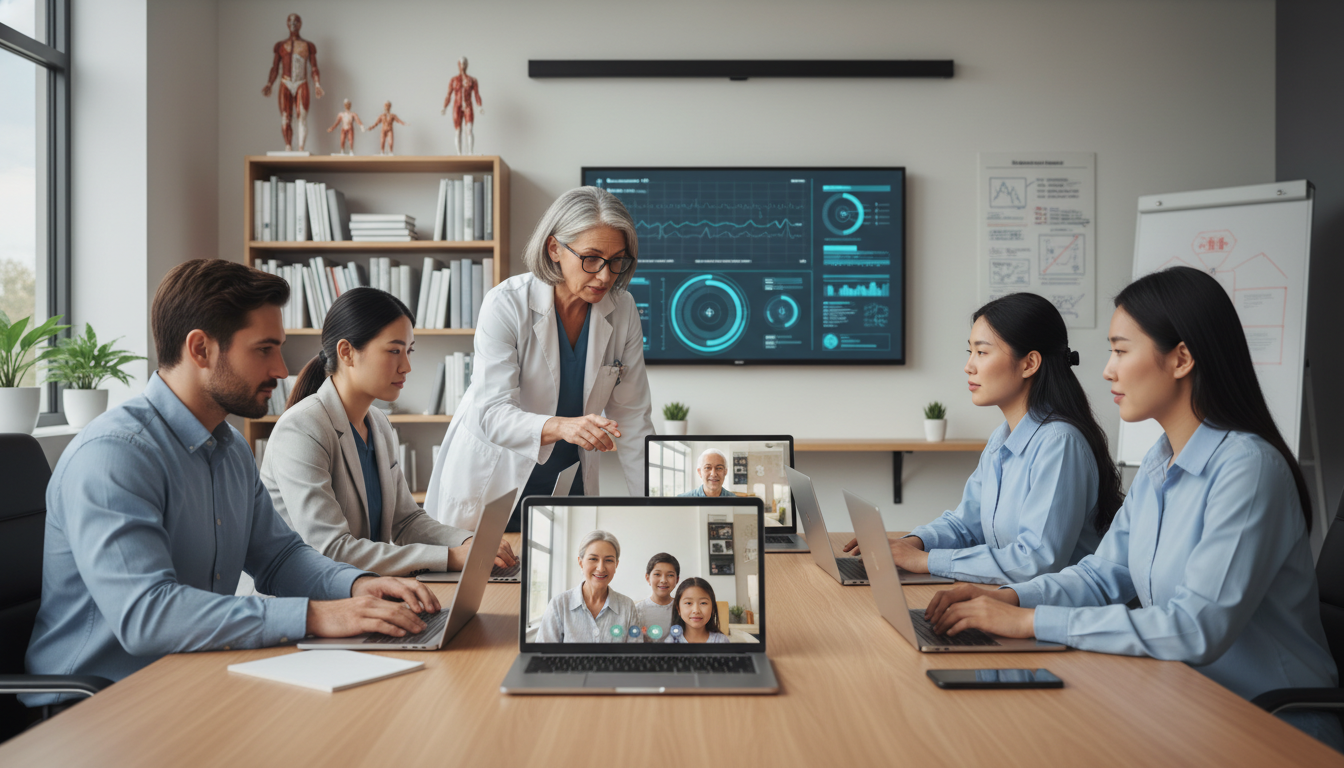
3. Training, Skills, and Preparation: From FM Residency to Telehealth Practice
If you are planning your family medicine residency and FM match strategy with telemedicine in mind, there are concrete steps you can take to build your skill set.
3.1 What to look for in a family medicine residency
When evaluating programs, ask specific questions about:
Telemedicine exposure:
- Do residents participate in telehealth clinics?
- Is there formal teaching on virtual visits, documentation, and ethics?
Technology and EMR training:
- Are residents trained in using integrated patient portals, secure messaging, and remote monitoring tools?
Faculty experience:
- Do any faculty have telemedicine-focused roles or research interests?
- Is there a champion for digital health, innovation, or quality improvement?
Electives and projects:
- Telehealth QI projects, population health initiatives, or rotations with virtual urgent care services.
A residency that meaningfully incorporates telemedicine will better prepare you for both in-person and virtual practice.
3.2 Core clinical skills for telemedicine in family medicine
Telemedicine requires an enhanced focus on some competencies you already learn in residency:
Advanced history-taking and clinical reasoning
- With limited physical exam, the history becomes even more central.
- You must learn to decide what can be safely managed virtually vs. what requires in-person evaluation.
Modified physical exam techniques
- Guiding patients through self-exams: e.g., palpating the abdomen, checking for edema, simple ROM testing.
- Using caregiver assistance for children or older adults.
- Interpreting what you see via video: breathing patterns, mental status, skin color, visible rashes.
Risk assessment and safety netting
- Establishing clear red-flag warnings and follow-up instructions.
- Having a low threshold for escalating to in-person care when appropriate.
Communication and digital professionalism
- Building rapport quickly over video and phone.
- Adapting your “webside manner”: camera eye contact, clear audio, structured explanations.
- Writing timely, clear responses in secure messages or asynchronous encounters.
Time management and documentation
- Telemedicine visits may be shorter but require precise documentation.
- Efficient template use without sacrificing individualized care.
3.3 Non-clinical skills valued in telehealth physician roles
To stand out for telemedicine jobs and remote physician work, you’ll benefit from skills such as:
- Comfort with technology and troubleshooting basic issues
- Understanding of privacy/security regulations (HIPAA, secure messaging, video platforms)
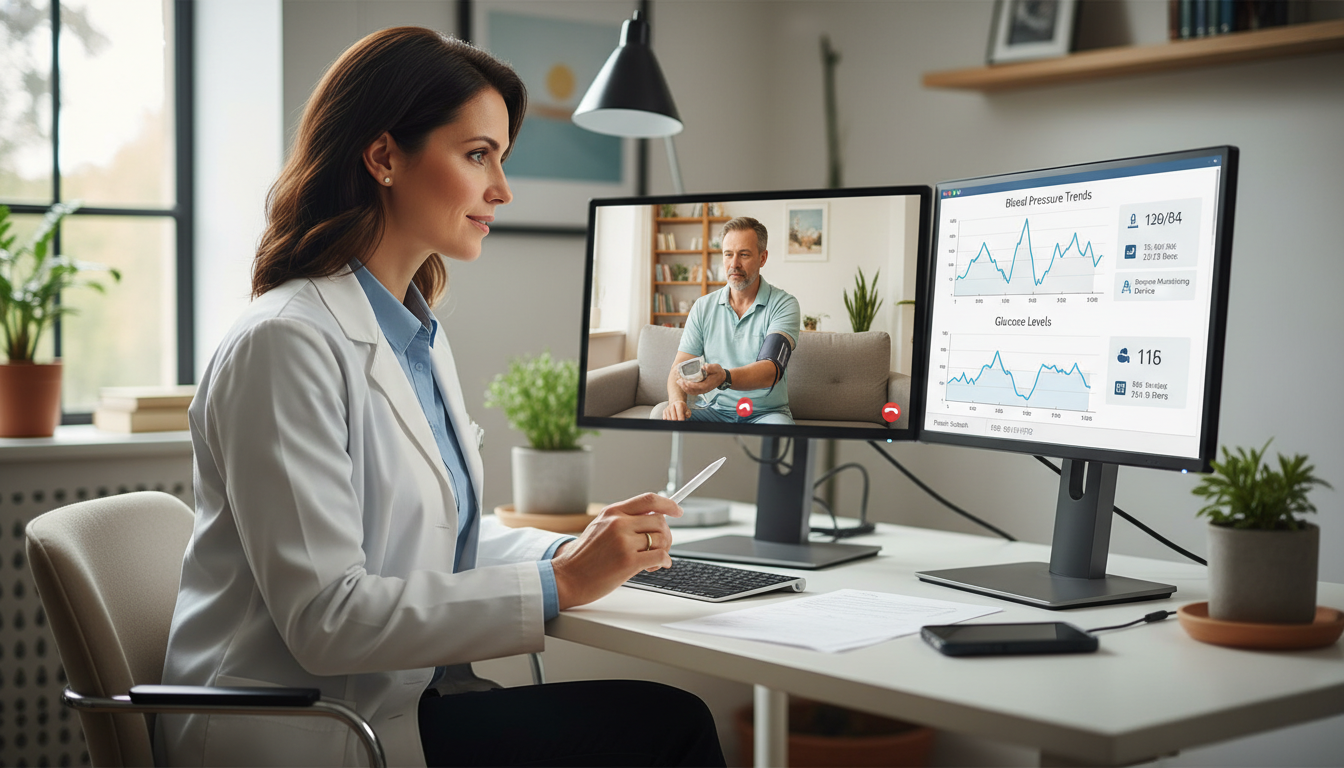
- Data literacy (interpreting home monitoring data such as BP logs, glucose trends, wearables)
- Team-based care coordination, especially with nurses, MAs, behavioral health, and pharmacists
- Quality improvement and workflow design, often needed to integrate telehealth into clinics
You don’t need to be a coder, but being tech-savvy and process-oriented will make you a strong candidate.
4. Practical Realities: Licensure, Pay, Schedule, and Lifestyle
Before committing to a telemedicine-heavy career, you need to understand some of the structural and regulatory issues that shape these jobs.
4.1 State licensure and practice location
In the United States, you must generally be licensed in the state where the patient is located during the telehealth visit. This has several implications:
- National telehealth companies often prefer or require multi-state licensure.
- The Interstate Medical Licensure Compact (IMLC) can streamline obtaining multiple licenses if your primary license state and others participate.
- Each additional license brings:
- Application fees and verification paperwork
- Ongoing CME and renewal requirements
For family medicine residents planning to pursue telemedicine jobs, learning about the IMLC and thinking strategically about where you may want to practice (or where telehealth demand is high) can be beneficial.
4.2 Credentialing and malpractice coverage
Most telemedicine employers:
- Provide malpractice insurance, often with tail coverage (confirm this in your contract).
- Require hospital or health system credentialing, even if visits are all remote.
- Have specific policies for:
- Prescribing controlled substances
- Handling emergencies and directing patients to local care
- Telehealth documentation and informed consent
When considering offers, ask:
- “Is malpractice fully covered, and does it include tail coverage?”
- “Are there any restrictions on what I can prescribe via telehealth?”
- “Will you support multi-state credentialing if needed?”
4.3 Compensation models and workload
Telemedicine compensation varies widely and can be structured as:
- Salary with productivity expectations (RVUs, visits per hour)
- Hourly rate for shifts (common in urgent care models)
- Per-visit compensation (often for side gigs)
- Value-based or panel-based models (fixed payment per patient per month)
Factors affecting pay:
- Acuity and complexity of cases
- Whether patients are new vs. established
- Whether you’re working days vs. evenings/weekends
- State-specific reimbursement policies and payer mixes
Family medicine telemedicine roles sometimes pay slightly less than high-intensity in-person positions, but the tradeoff is often better flexibility, reduced commuting, and potential for geographic arbitrage (living in a lower-cost area while working for employers elsewhere).
4.4 Work–life balance and lifestyle considerations
Telemedicine can significantly impact how you structure your life:
Advantages:
- More flexibility in living location (subject to licensing)
- Less commuting and more time with family or for personal pursuits
- Potential for part-time or non-traditional schedules (evenings, early mornings)
- May be easier to integrate with childcare or dual-career households
Potential downsides:
- Screen fatigue and ergonomics: need a proper workspace to prevent burnout
- Blurred boundaries between home and work if not carefully managed
- Professional isolation without deliberate efforts at networking and collegial support
- Fewer procedural opportunities unless paired with in-person practice
Building healthy routines (fixed start/stop times, regular breaks, ergonomic setup, dedicated workspace) is critical to making remote physician work sustainable.
5. Strategic Planning: Building a Telemedicine-Oriented FM Career
Whether you’re still pre-residency, in training, or early in practice, you can make intentional decisions to align your career with telemedicine opportunities.
5.1 During medical school
- Seek out electives in family medicine practices that use telehealth.
- Join or create a digital health or telemedicine interest group.
- Attend workshops or conferences on telehealth, digital health, or health technology.
- When exploring family medicine residency programs, ask how telemedicine is integrated.
5.2 During family medicine residency
Volunteer for telehealth clinics whenever available.
Propose a quality improvement or scholarly project around:
- Virtual chronic disease management
- Reducing no-shows via telemedicine
- Remote monitoring workflows or patient satisfaction with telehealth
Work on your webside manner:
- Practice video visit structures with peers and faculty.
- Get feedback on communication, time management, and documentation.
Learn the basics of:
- Telehealth regulations and billing
- Multi-state licensing and the IMLC
- Data privacy and security
Residents nearing graduation can begin networking with telehealth companies and exploring part-time or moonlighting opportunities that transition to full-time if desired.
5.3 Early in attending practice
If you join a traditional practice, advocate for adding or expanding telemedicine sessions.
Experiment with different telehealth roles (urgent care, chronic care, hybrid) to see what suits you.
Stay current on changes in:
- Reimbursement rules
- State laws regarding telehealth and prescribing
- New technologies (remote monitoring, AI tools, integrated platforms)
If interested in full-time remote work:
- Start building multi-state licensure gradually.
- Gain experience and a track record in telehealth through side work.
- Network with colleagues already in telemedicine to understand real-world pros and cons.
5.4 Long-term career development
Telemedicine can also be a stepping stone to leadership and new roles:
- Medical director of virtual care or telehealth programs
- Clinical informatics roles (with or without formal fellowship, depending on institution)
- Population health and value-based care leadership, leveraging virtual tools
- Education and faculty roles teaching residents and students about telemedicine best practices
For family physicians with a passion for systems improvement, digital innovation, and access to care, telehealth can be a springboard to broader impact.
6. Common Pitfalls and How to Avoid Them
A telemedicine-focused career can be rewarding, but there are pitfalls to be aware of.
6.1 Overreliance on telemedicine for inappropriate cases
Telemedicine works best when used judiciously. Pitfalls include:
- Trying to manage clearly high-risk conditions virtually when in-person evaluation is safer
- Failing to arrange timely in-person follow-up or lab/imaging when needed
- Pressure from productivity metrics to manage borderline cases virtually
Mitigation:
Develop clear triage protocols, maintain a low threshold for recommending in-person care, and document rationale carefully.
6.2 Underestimating the emotional and cognitive load
Remote care can still be emotionally intense:
- High visit volumes with limited time per encounter
- Managing complex psychosocial issues through screens
- Feeling responsible for clinical outcomes without physical exam reassurance
Mitigation:
Plan for realistic panel sizes and visit lengths, seek peer support, debrief challenging cases, and set firm boundaries between on- and off-time.
6.3 Neglecting professional development and mentorship
Working remotely can make it harder to find mentors and stay engaged with professional communities.
Mitigation:
- Join virtual faculty groups, professional societies, and online CME events.
- Seek mentors in telehealth, primary care leadership, and digital health.
- Attend at least some in-person conferences or local meetings to expand your network.
FAQs: Telemedicine Career Opportunities in Family Medicine
1. Can I build an entire career in family medicine doing only telemedicine?
Yes, it is increasingly possible to work almost entirely as a telehealth physician, especially through national telemedicine companies, virtual-first primary care models, and large health systems. However, you’ll need to carefully manage licensing, ensure work–life balance, and think about how you will maintain certain skills (e.g., procedures) or whether you are comfortable letting those go. Many physicians prefer a hybrid model to retain some in-person practice.
2. How early should I start preparing for a telemedicine-focused career if I’m applying to family medicine residency?
You can start during medical school by seeking exposure to telehealth and asking specific questions about telemedicine integration when interviewing for family medicine residency programs. During residency, prioritize rotations and scholarly projects that involve telehealth, and actively develop your communication, triage, and technology skills. By PGY-3, you can begin exploring moonlighting or part-time telemedicine opportunities (within program rules) and building relationships with potential employers.
3. Do telemedicine jobs pay less than traditional family medicine jobs?
Compensation varies. Some telemedicine roles, especially high-volume urgent care platforms, can be quite competitive financially, while others may pay somewhat less than traditional in-person positions but offer greater flexibility and reduced overhead (no commuting, lower living costs if you relocate). The best approach is to compare not just salary but total compensation, schedule, benefits, malpractice coverage, and lifestyle fit.
4. What are the biggest barriers to working as a remote physician across multiple states?
The main barriers are state licensing complexity and cost, varying regulations on telehealth practice and prescribing, and differences in payer policies by state. The Interstate Medical Licensure Compact helps in many states, but not all. You’ll also need to keep up with multiple CME and license renewal requirements. Many telemedicine employers help with licensing, but you should understand the workload and administrative responsibilities before committing.
Telemedicine is reshaping what a family medicine career can look like. By approaching your training and early career intentionally—choosing a residency with meaningful telehealth exposure, building strong virtual care skills, and understanding the regulatory and lifestyle implications—you can create a flexible, sustainable path that leverages both your clinical strengths and the evolving digital tools of modern primary care.