Telemedicine and digital health have reshaped how surgical care is delivered, and general surgeons are increasingly finding meaningful, flexible careers that extend beyond the operating room. While surgery is, by definition, hands-on, there is now a rapidly expanding ecosystem of telemedicine jobs and hybrid roles that leverage your surgical expertise in new ways.
This guide walks through the landscape of telemedicine career opportunities in general surgery—from residents just entering a general surgery residency to attendings exploring remote physician work, portfolio careers, or partial retirement.
Understanding Telemedicine in the Context of General Surgery
Telemedicine in a surgical field looks different from telemedicine in primary care or psychiatry. The hands-on, procedural nature of surgery means not all aspects of care can go virtual—but a surprising amount can.
What “Telemedicine” Means for Surgeons
For general surgeons, telehealth activities typically include:
Preoperative virtual consultations
- Initial assessments and triage
- Reviewing imaging and labs
- Second opinions and shared decision‑making
Postoperative follow‑up
- Wound assessments via high‑resolution video or photos
- Symptom check-ins and medication adjustments
- Early detection of complications
Chronic condition and long-term follow‑up
- Bariatric surgery follow‑up (nutrition, behavior, weight trends)
- Oncologic surveillance after cancer resections
- Hernia repair follow‑up, especially for low-risk cases
Interprofessional teleconsults
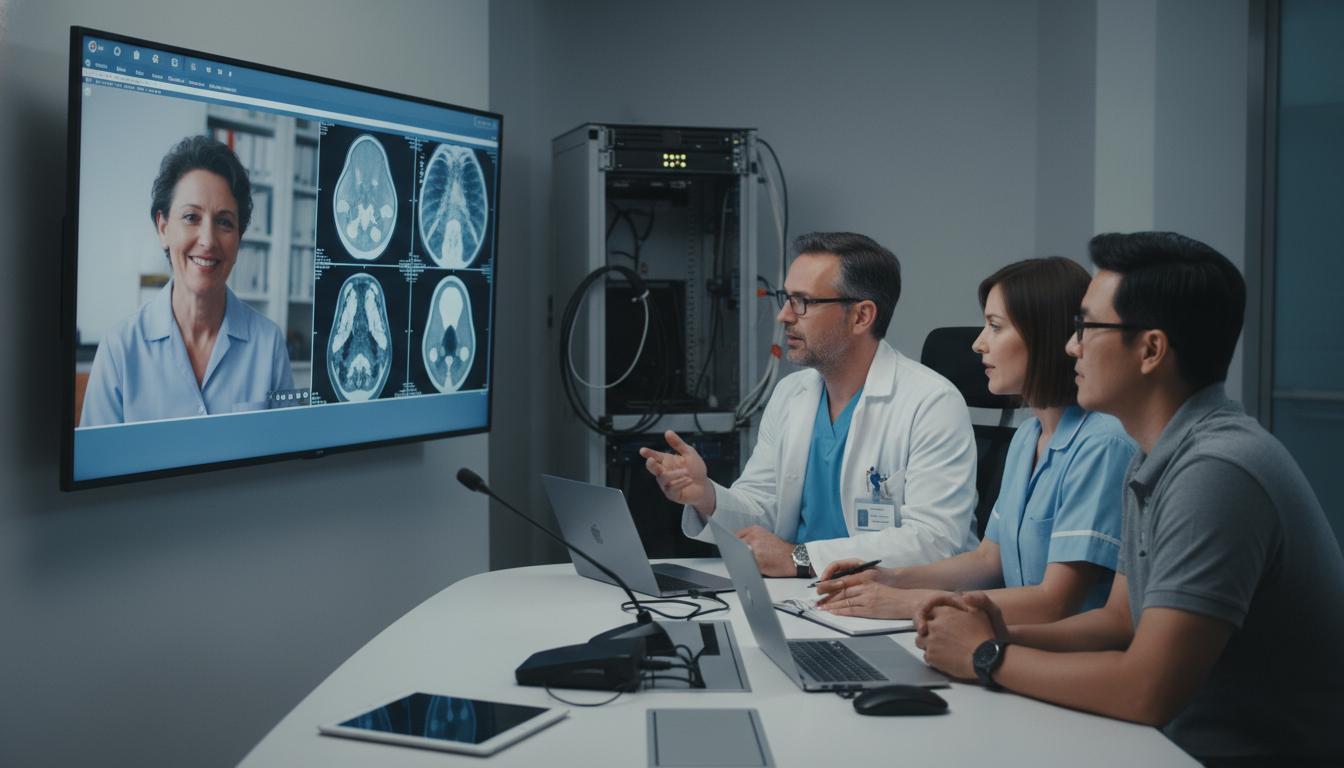
- Inpatient e-consults from smaller hospitals without on‑site surgeons
- ED tele-triage for surgical vs non‑surgical abdomen
- Trauma calls where a surgeon reviews imaging remotely
Non-clinical telehealth-adjacent work
- Virtual teaching and simulation-based education
- Remote quality review and outcomes consulting
- Telehealth program leadership and design
Why Telemedicine Is Growing in General Surgery
Several forces are pushing telehealth into the surgical space:
Payment and policy changes
- Expansion of telehealth reimbursement by Medicare and private payors
- Growing comfort with remote postoperative visits and e-consults
Workforce and access pressures
- Rural hospitals without full-time general surgery coverage
- Aging patient populations with limited mobility
- Health systems centralizing complex surgery in larger centers, but keeping local follow‑up via telemedicine
Physician workforce expectations
- Surgeons seeking more sustainable work patterns
- Residents and early-career surgeons expecting flexible or hybrid models
- Increased interest in remote physician work, including from surgeons with caregiving responsibilities or dual‑career households
While you’re unlikely to perform a cholecystectomy from your living room anytime soon, telemedicine can meaningfully augment a general surgery career and open new professional paths.
Types of Telemedicine Roles for General Surgeons
Telehealth opportunities for general surgeons fall along a spectrum from primarily clinical to entirely non-clinical, and from fully remote to hybrid. Understanding the options helps you target roles that match your training level, interests, and desired lifestyle.
1. Telehealth Clinical Roles for Board‑Certified Surgeons
For fully trained general surgeons, several categories of telehealth physician work are emerging.
A. Pre- and Postoperative Telehealth Clinics
Many hospital systems and multispecialty groups now incorporate telehealth into routine surgical care:
New patient consults
- Reviewing outside imaging, labs, or pathology
- Determining whether surgery is indicated
- Counseling on alternatives, risks, and expectations
Second-opinion services
- Patients upload imaging and operative reports
- You provide a structured review and recommendation
- Typically arranged by large academic centers or specialty networks
Post-op follow‑up and surveillance
- Wound checks: patients upload photos to secure portals or connect via video
- Symptom follow‑up after hernia, gallbladder, colorectal, or oncologic procedures
- Long-term cancer surveillance (lab review, imaging interpretation, symptom assessment)
These roles are often hybrid: you still operate in-person, but a portion of your clinic is done via telemedicine, sometimes from home or a dedicated telehealth office.
Example job posting might include:
- “General Surgery Telehealth Clinic Medical Director”
- “General Surgeon – Hybrid Telemedicine and OR Position”
- “Surgical Virtual Follow‑Up Clinic Physician”
B. Teleconsultation for Community and Rural Hospitals
Hospitals without full‑time surgical coverage increasingly use telemedicine to fill gaps:
ED tele-triage
- Evaluating abdominal pain, trauma, or soft-tissue infections
- Helping decide transfer vs local management
- Providing imaging-based guidance (e.g., appendicitis, small bowel obstruction)
Inpatient e-consults
- Remote consults on inpatients with surgical questions (e.g., SBO, cholecystitis, wound dehiscence)
- Co-management advice when transfer isn’t feasible
Inter-hospital consult networks
- Large systems may centralize surgical expertise to support satellite sites
- Consults often cluster around evenings and weekends
These positions may be night-heavy or part-time, lending themselves to surgeons who prefer remote physician work during specific hours while maintaining a separate in-person practice.
C. Niche Telemedicine Services Related to Surgery
Some subspecialized niches are unexpectedly telehealth-friendly:
Bariatric surgery telehealth programs
- Pre-op counseling, nutrition, behavior change
- Long-term follow‑up for weight trends, comorbidities, and complications
Colorectal and pelvic floor disorders
- Symptom evaluation and medical optimization
- Post-op follow‑ups
Wound care telemedicine
- Chronic wound and ostomy care co-managed with WOC nurses
- Remote assessment of pressure ulcers, diabetic foot wounds, or postoperative complications
Cancer survivorship clinics
- Surveillance for colorectal, gastric, or endocrine cancers
- Coordination with medical oncology via virtual tumor boards
These telemedicine jobs are often created within subspecialty programs and can be a major component of a surgeon’s weekly schedule.
2. Telemedicine Roles for Surgical Residents and Fellows
If you’re in a general surgery residency, your telemedicine roles will be more limited due to supervision and licensure requirements, but there are still meaningful options.
A. Supervised Telehealth Clinics
During training, you may participate in:
- Virtual pre- and postoperative clinics supervised by attending surgeons
- Multidisciplinary telehealth visits (e.g., tumor board follow‑up, bariatric counseling)
- Resident‑run postoperative telehealth check-ins for low-risk procedures
These experiences help you:
- Learn to assess surgical patients remotely
- Develop communication skills tailored to virtual encounters
- Build familiarity with documentation, coding, and billing for telehealth
B. Remote Educational and Teaching Roles
Residents with strong communication skills may find tele-education roles, including:
- Virtual OSCEs or simulation assessments for medical students
- Online anatomy, surgical skills, or exam review courses
- Remote small-group teaching as part of curriculum development
While not traditional “telemedicine jobs,” these are forms of remote physician work that leverage your emerging surgical expertise.
C. Research and Quality-Improvement Telehealth Projects
Telemedicine is a fertile ground for academic and QI work:
- Evaluating outcomes of telehealth vs in-person follow‑up
- Designing pathways for safe virtual wound checks
- Implementing tele-triage protocols for ED abdominal pain
These projects strengthen your CV for the surgery residency match if you’re a medical student, and for fellowship and early-career positions if you’re already in residency.
3. Non-Clinical Remote Career Paths Using Surgical Expertise
A substantial and growing portion of remote physician work for surgeons is non-clinical, but still deeply grounded in clinical knowledge.
A. Medical Direction and Clinical Leadership for Telehealth Platforms
Health systems and digital health companies need surgeons to guide:
- Design of virtual pre-op and post-op pathways
- Safety protocols for triage and escalation to in-person care
- Integration of telehealth notes and imaging into surgical workflows
Roles may include:
- Medical Director, Surgical Telehealth Services
- Clinical Advisor, Digital Surgery Pathways
- Director of Virtual Care for Perioperative Services
These positions often blend administrative, clinical, and strategic work, sometimes with 1–3 clinical days per week and the rest remote.
B. Surgical Content and Product Development Roles
General surgeons are well positioned for remote roles at:
- Digital health startups (post-op monitoring, remote wound care devices)
- EMR and telemedicine software companies (workflow design for surgical teams)
- Medical device and robotics companies (virtual training, remote proctoring)
You might:
- Help design user interfaces for surgical telehealth platforms
- Create and review clinical protocols embedded in software
- Train other surgeons remotely on new technologies
C. Remote Education, Writing, and Consulting
Examples include:
- Creating online surgical board review or USMLE content
- Developing patient education portals for specific surgeries
- Serving as a remote expert consultant for medico-legal or quality-related cases
These are often part-time or freelance, well-suited to surgeons looking to diversify income streams.
Building a Telemedicine‑Friendly Career as a General Surgeon
Whether you’re a medical student eyeing the surgery residency match or an attending seeking more flexibility, planning is essential.
For Medical Students and Early Residents
Even though you won’t be doing fully independent telemedicine as a student, you can lay groundwork:
Target programs that embrace telehealth.
When evaluating general surgery residency programs:- Ask about telemedicine clinics and virtual follow-up
- Look for programs that discuss digital health, remote monitoring, and innovation in their curriculum
- Academic centers and integrated systems are more likely to have robust telehealth programs
Pursue telehealth-related projects.
- QI projects comparing telehealth vs in-person postoperative visit outcomes
- Research on patient satisfaction, no-show rates, or cost savings with telehealth
- Pilot programs for video wound checks following minor procedures
Develop digital communication skills.
- Learn to give clear, structured explanations via video or phone
- Practice describing physical exam maneuvers patients can perform themselves (e.g., for hernias or abdominal tenderness)
- Become comfortable with EMR tools and patient portals
Doing this not only prepares you for future telemedicine jobs, it can differentiate you in competitive settings like fellowship applications or early-career hiring.
For Senior Residents, Fellows, and New Attendings
As you approach independent practice, focus on:
- Negotiating Telehealth into Your First Job
When considering positions:
- Ask how many visits are currently conducted via telehealth
- Inquire about infrastructure: scheduling, reimbursement, malpractice coverage for telehealth
- Propose a hybrid clinic structure (e.g., one half‑day per week devoted to virtual follow-up)
You might suggest:
“For our low-risk cholecystectomy and hernia patients, I’d like to pilot a telehealth-first follow‑up pathway, with in-person backup as needed. This could improve access and reduce no-shows while maintaining quality.”
- Licensure and Multi-State Opportunities
Many telehealth roles, especially for remote physician work, involve patients in multiple states:
- Consider obtaining extra state licenses early, especially via the Interstate Medical Licensure Compact if eligible
- Understand each state’s requirements for telemedicine, particularly for prescribing and informed consent
- Check whether your employer or telehealth company will sponsor and pay for additional licenses
- Cultivating a Niche
You have more leverage if you’re known for something specific, such as:
- Minimally invasive hernia surgery with telehealth-first follow-up
- Bariatric surgery pathways with heavy tele-nutrition and group tele-coaching
- Oncologic follow-up with integrated virtual survivorship clinics
Building recognized expertise can lead to invitations to design or lead telehealth programs.
Practical Considerations: Logistics, Payment, and Risk
Telemedicine opportunities come with practicalities you need to understand before committing.
Reimbursement and Compensation
Telehealth reimbursement rules vary by:
- Payer (Medicare, Medicaid, private insurers)
- Visit type (video vs audio-only, new vs established patient)
- Location (rural vs urban, cross-state vs in-state)
Key points for surgeons:
- Many payers now reimburse postoperative telehealth visits when they would otherwise be billable global-period visits. This may not increase per-case income, but can expand your capacity and patient reach.
- E-consults and interprofessional consult codes can be billed for surgeon-to-physician teleconsults in some systems.
- Telehealth‑heavy roles at private telemedicine companies may offer:
- Hourly pay for “time online”
- Per‑consult fees
- Salary plus RVU‑based incentives
Always clarify:
- How telehealth visits are coded and billed
- Whether your productivity metrics (RVUs, wRVUs, bonuses) fully credit telehealth encounters
- Whether compensation differs for telehealth vs in-person visits
Malpractice, Risk, and Documentation
Telemedicine does not inherently increase liability, but it changes how risk is managed:
- Ensure your malpractice policy explicitly covers telemedicine and all states where your patients reside.
- Document thoroughly:
- Limitations of the virtual exam
- Instructions for when to seek in-person or emergency care
- Shared decision-making about telehealth vs in-person evaluation
Examples of riskier scenarios:
- Borderline acute abdominal pain where appendicitis is possible
- Worsening postoperative symptoms (fever, tachycardia, severe pain)
- Complex wound issues in immunocompromised patients
In these cases, a low threshold for escalation to in-person evaluation is both safe and defensible.
Technology and Workflow
At a minimum, you need:
- A secure, HIPAA-compliant telehealth platform
- Reliable high-speed internet
- A private, professional environment (home office or hospital telehealth room)
- Integration with EMR and imaging systems
For remote work outside a hospital network, additional tools may include:
- Encrypted access (VPN) to hospital EMRs for consults
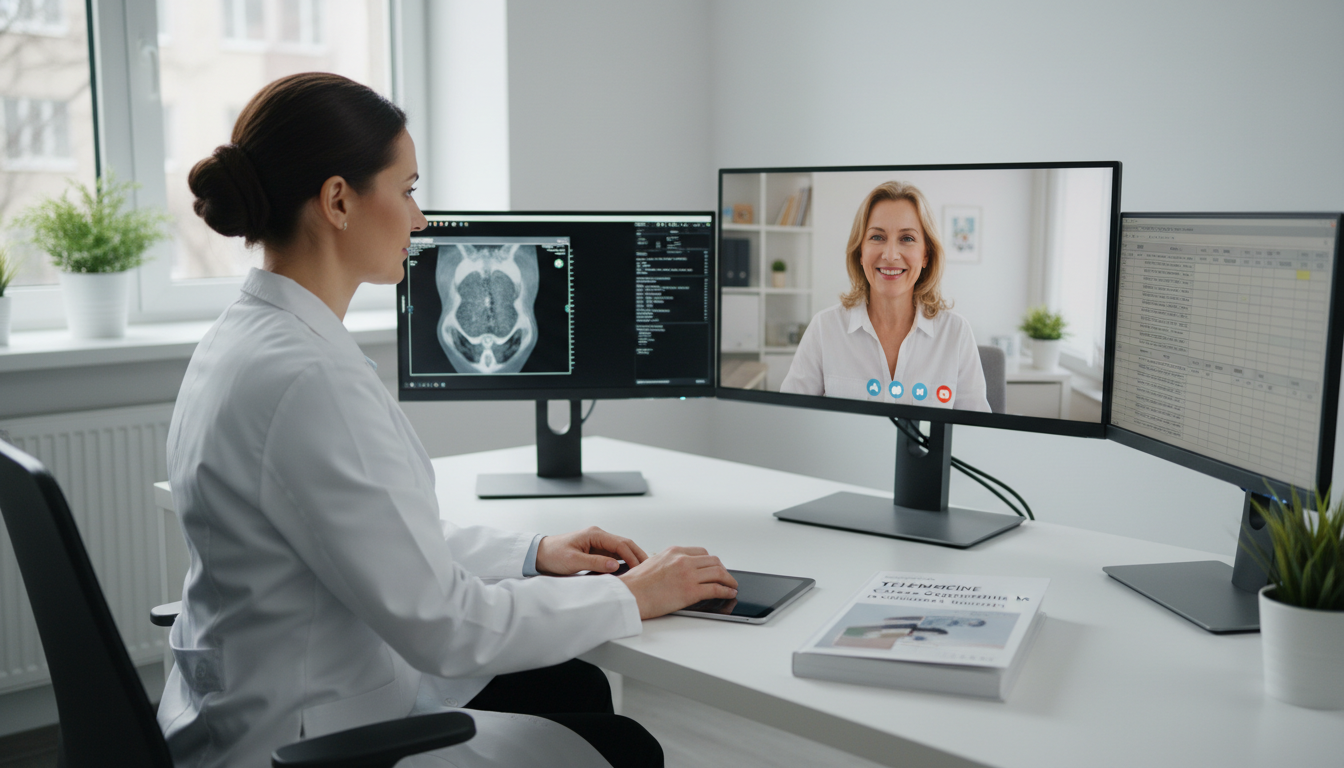
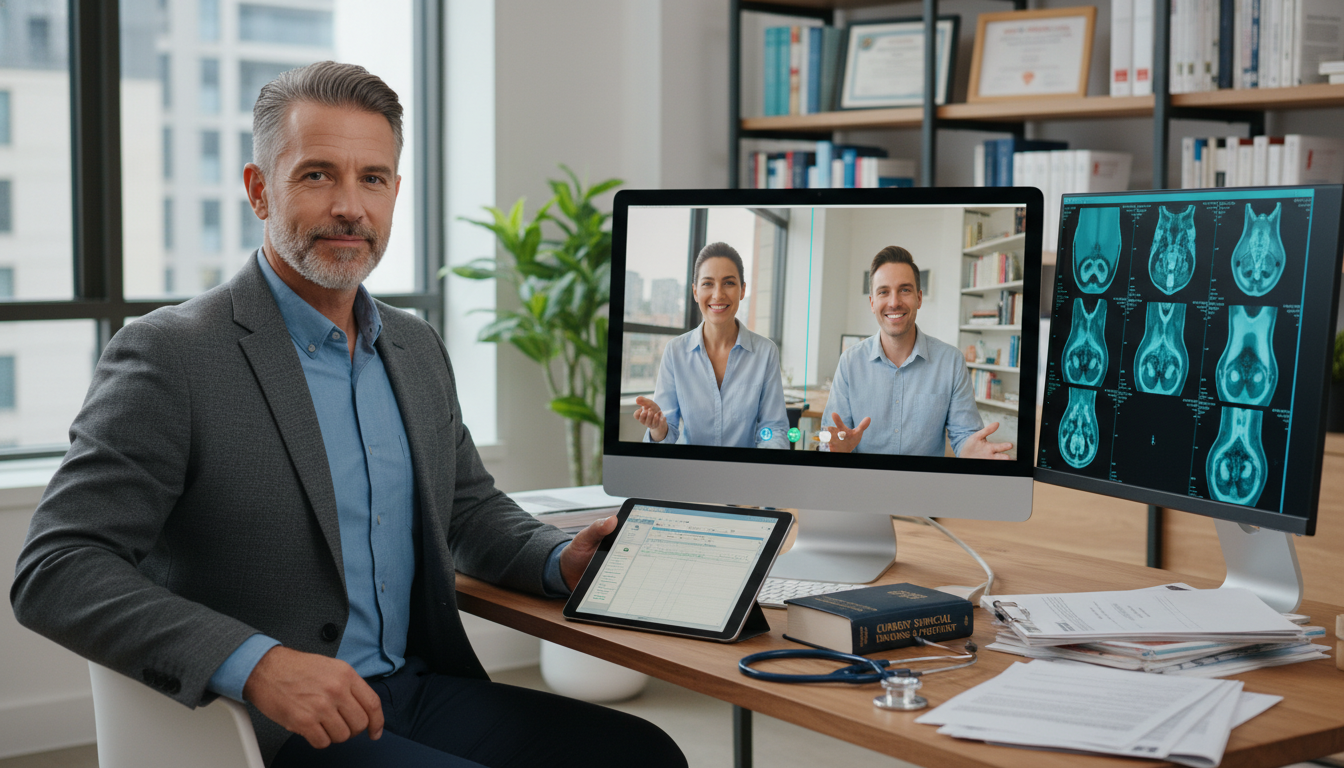
- Dual-monitor setup: one for video, one for charting and imaging
- High-quality webcam and microphone for clear communication
Pros and Cons of Telemedicine Careers in General Surgery
Telemedicine can transform a general surgeon’s work life—but it’s not universally ideal. Understanding pros and cons helps you design the right blend.
Advantages
Flexibility and Work-Life Balance
- Ability to work from home some days
- Less commuting and between-site travel
- More control over clinic schedules, especially in part-time telehealth jobs
Expanded Career Longevity
- Surgeons with physical limitations can continue meaningful clinical work
- Senior surgeons can reduce OR time while maintaining patient care via telehealth and consults
Improved Patient Access and Satisfaction
- Easier follow-up for rural, elderly, or mobility-limited patients
- Reduced no-shows for quick postoperative checks
- High satisfaction for patients with simple issues (e.g., wound checks, medication questions)
Portfolio Careers and Income Diversification
- Mix operative practice with remote physician work, consulting, and teaching
- Smooth transitions between full‑time clinical work and partial retirement or sabbaticals
Challenges and Limitations
Hands-on nature of surgery
- You cannot perform procedures remotely—telemedicine complements but does not replace OR time.
- Some high-risk decisions still require in-person evaluation.
Regulatory and Licensing Complexity
- Multi-state licensure can be time-consuming
- Different state and payer rules for telehealth prescribing and billing
Potential for Lower Pay in Pure Telemedicine Roles
- Some general telehealth platforms are optimized for primary care or urgent care, not surgery
- Purely remote general surgery roles may be rarer and sometimes less lucrative than a traditional OR-heavy practice
Risk of Professional Isolation
- Heavy remote work reduces day-to-day in-person interaction with colleagues and trainees
- Need proactive strategies to stay engaged in professional communities and continuing education
Future Directions: Where Telemedicine in Surgery Is Heading
For current residents and medical students entering general surgery residency, the next decade will see further integration of digital health into surgical care.
Emerging trends include:
Remote monitoring integrated with telehealth
- Wearable devices tracking vitals and activity after major surgery
- Smart dressings and sensors for wound healing, feeding data to telehealth dashboards
AI-assisted triage and decision support
- Algorithms flagging high-risk postoperative patients from symptom surveys and device data
- Image-analysis tools helping identify wound infection or dehiscence
Virtual multidisciplinary perioperative teams
- Routine pre-op optimization and shared decision-making conducted via video
- Cross-institutional virtual tumor boards with synchronous teleconsults
Global tele-surgery ecosystems
- Advanced centers providing structured remote mentorship and second opinions for surgeons in low-resource settings
- Hybrid models combining on-site visiting faculty with ongoing virtual collaboration
Those who understand and can lead in this space—designing safe, patient-centered telehealth workflows for general surgery—will be in high demand.
Frequently Asked Questions (FAQ)
1. Can a general surgeon work entirely remotely?
In most cases, no. The core of general surgery is operative and procedural, requiring in-person presence. However, a significant portion of your clinical work (consults, follow-ups, interprofessional consults) can be done via telemedicine, and many surgeons build careers where 20–60% of their work is remote. Some late-career or non-clinical roles (e.g., consulting, medical direction, education) can approach 100% remote physician work.
2. Are telemedicine jobs available for surgeons right out of residency?
Yes, but they’re usually part of a broader clinical role rather than standalone. New attendings may:
- Join hospital systems that incorporate telehealth into routine surgical clinics
- Participate in remote ED or inpatient consult coverage for smaller hospitals
- Take on a small number of telehealth shifts with national platforms (often second-opinion services) while building their in-person practice
Standalone telemedicine positions focusing mostly on surgical teleconsults or remote leadership are more common after a few years of independent practice.
3. How can I find telemedicine opportunities as a general surgeon?
Strategies include:
- Searching job boards for terms like “telehealth,” “virtual care,” “remote,” and “e-consult” in general surgery postings
- Talking to your institution’s telehealth office or digital health leadership
- Networking at surgical and digital health conferences
- Reaching out to telemedicine companies that are expanding into procedural specialties or postoperative care
Building a track record (e.g., telehealth-related QI projects, experience running virtual clinics) strengthens your applications.
4. Will telemedicine experience help or hurt my chances in the surgery residency match?
Thoughtful, well-structured telemedicine-related experience generally helps:
- Demonstrates adaptability and interest in healthcare innovation
- Provides concrete QI or research experiences to discuss in interviews
- Signals that you’re thinking about system-level care, not just operative technique
Programs still care deeply about operative skill and clinical judgment, so telehealth experience should complement, not replace, strong traditional clinical and research foundations.
Telemedicine will never replace the operating room in general surgery—but it is already reshaping who you can care for, how you structure your work, and what your career can look like across different life stages. By understanding the opportunities and planning deliberately, you can build a surgical career that is both cutting-edge and sustainable, with telehealth as a powerful tool rather than an afterthought.