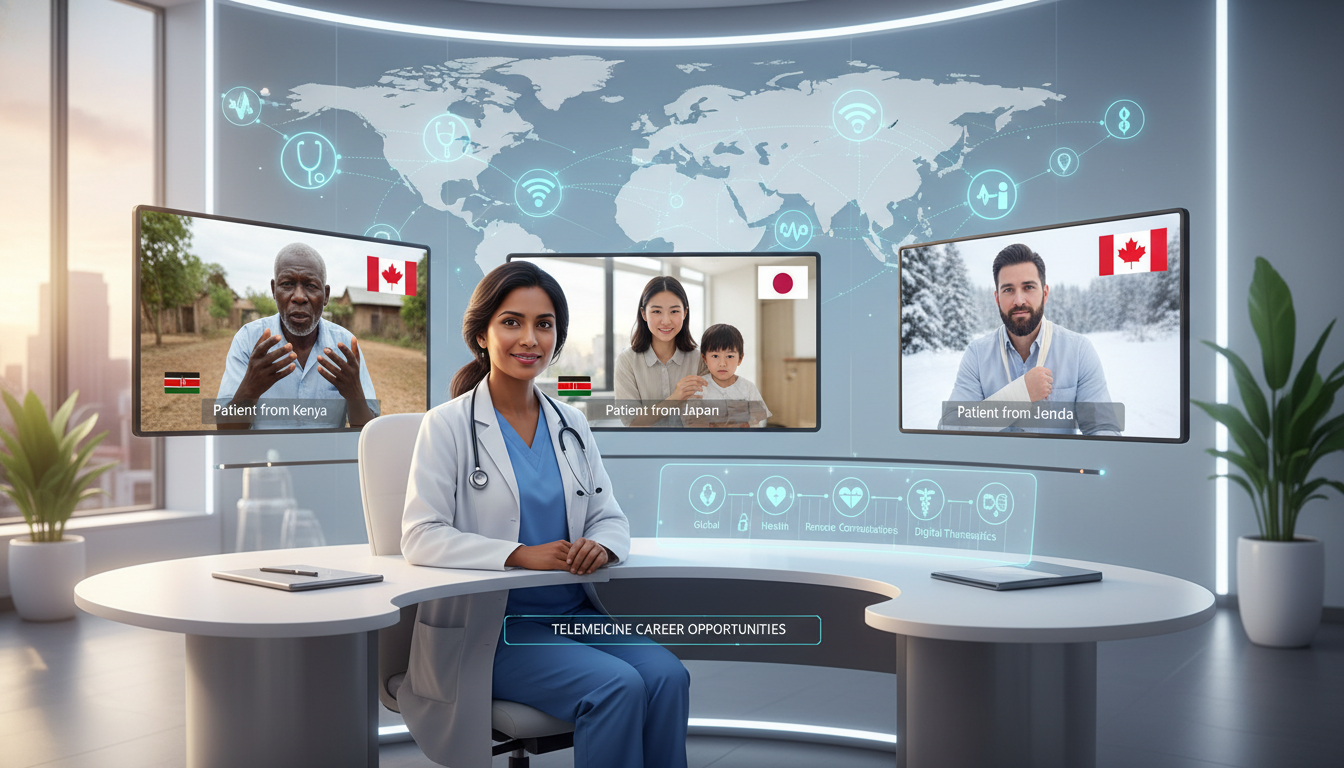
Telemedicine is reshaping how physicians engage with global health, allowing you to serve patients across borders without necessarily boarding a plane. For residents and early-career physicians interested in global health, understanding telemedicine career opportunities is now as essential as knowing traditional paths like field work and NGO placements.
This guide explores how you can build a career at the intersection of global health and telemedicine, including concrete job types, training pathways (such as a global health residency track), practical steps during residency, and what to expect from remote physician work in international settings.
Why Telemedicine Matters in Global Health
Telemedicine isn’t just video visits for urgent care; in global health, it can:
- Extend scarce specialty expertise to low-resource areas
- Support task-shifting to nurses and community health workers
- Provide continuity of care in humanitarian crises or conflict zones
- Strengthen local systems by mentoring and upskilling local clinicians
- Improve follow-up for patients who live far from tertiary centers
Key Drivers of Telemedicine in Global Health
Workforce shortages
Many low- and middle-income countries (LMICs) have severe specialist shortages—oncologists, radiologists, psychiatrists, intensivists, and even family physicians. Telehealth physicians can help bridge the gap through case review, consultation, and remote supervision.Growing digital infrastructure
While connectivity remains uneven, mobile penetration and internet access are expanding even in rural areas. Clinics may lack advanced imaging but have enough bandwidth for secure messaging or asynchronous teleconsults.Post-COVID normalization of telehealth
Health systems and payers worldwide now accept telemedicine as part of standard care. This reduces barriers for institutions to partner with international telemedicine networks and for physicians to pursue telemedicine jobs that have a global scope.Cost-effectiveness
Remote physician work can be far less expensive than deploying expatriate clinicians and more sustainable for ongoing education and mentoring of local teams.
Types of Telemedicine Roles in Global Health
Global health telemedicine roles exist across a spectrum—from volunteer to full-time salaried work. Understanding these will help you align your training and career planning.
1. Direct Patient Care as a Telehealth Physician
In this model, you deliver clinical care directly to patients located in other regions or countries.
Common examples:
- Remote primary care/urgent care for patients in underserved rural areas
- Tele-ICU or tele-triage to support small hospitals without round-the-clock specialist staffing
- Tele-psychiatry for populations with extremely limited mental health resources
- Tele-oncology for treatment planning and follow-up in cancer centers in LMICs
You may work:
- For a US-/Europe-based telehealth company with international partnerships
- Directly with a global NGO or academic medical center operating international clinics
- With government health systems via structured international agreements
Key characteristics:
- Synchronous video/audio visits plus asynchronous messaging
- Shared or remote access to basic medical records or local clinician notes
- Coordination with local providers for physical exams, tests, and procedures
Licensing and local regulations can be complex. Often, you are functioning as a consultant advising a local, locally licensed clinician who retains ultimate responsibility for the patient.
2. Asynchronous Consults and Remote Specialist Support
A major component of international medicine via telehealth involves asynchronous “store-and-forward” consultations.
Typical scenarios:
- A district hospital physician uploads a complex cardiology case (ECGs, echocardiograms, labs) for a remote cardiologist to review and comment on within 24–48 hours.
- A rural clinic sends dermatologic photos for diagnosis and management plans from a dermatologist in another country.
- Pediatricians in low-resource settings seek subspecialty input (e.g., pediatric neurology, endocrinology).
These opportunities are particularly common in:
- Radiology (teleradiology reads)
- Dermatology (image-based consults)
- Pathology (digital pathology, scanned slides)
- Cardiology (ECG/echo review)
This type of remote physician work allows specialists to contribute significant value even with limited connectivity, and often fits well with part-time or flexible schedules.
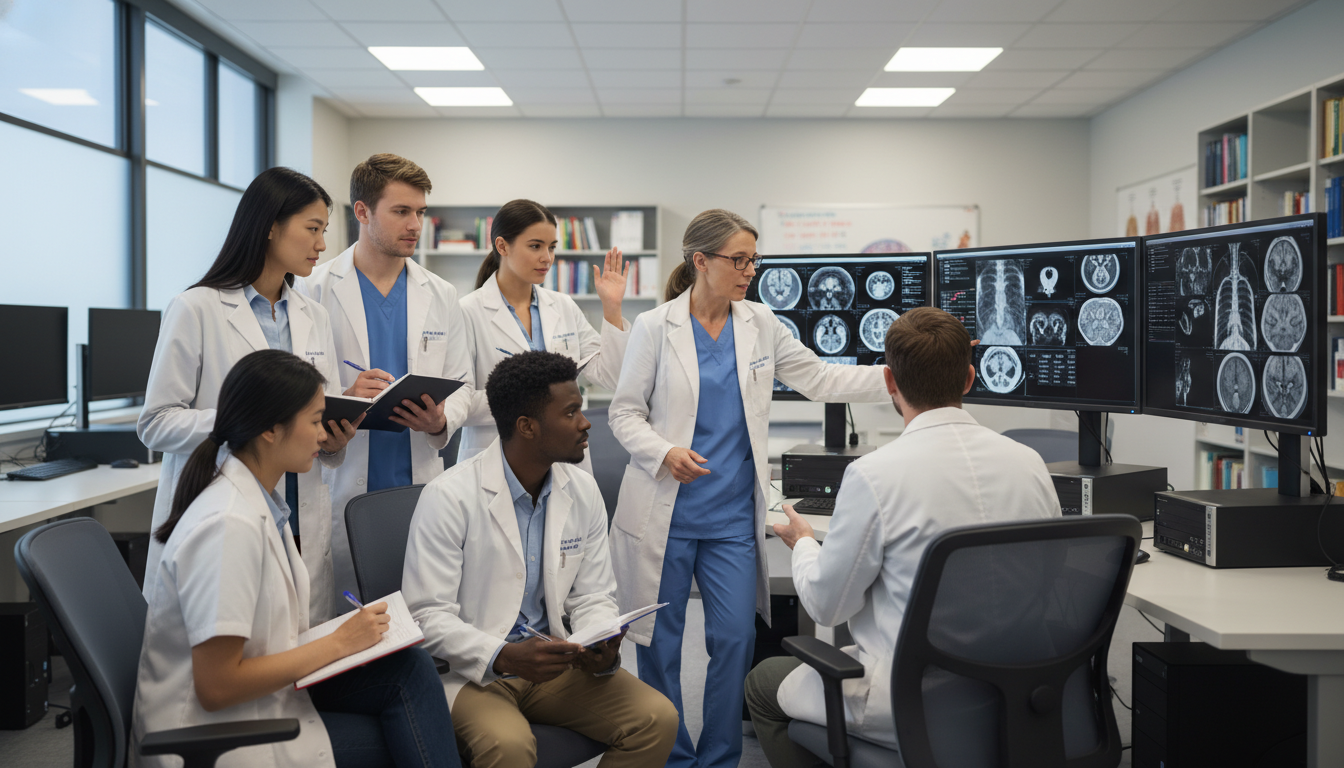
3. Tele-Supervision, Education, and Capacity Building
A cornerstone of global health is not simply delivering care, but building local capacity. Telemedicine-enabled education roles may include:
- Regular virtual case conferences with clinicians from partner hospitals in LMICs
- Tele-mentoring programs (e.g., Project ECHO model), where a hub of specialists supports many “spoke” clinics
- Remote simulation training for emergency response, resuscitation, ultrasound, or procedural skills
- Online short courses and continuing professional development for international clinicians
In these roles, you are often:
- A faculty member at an academic institution with a global health residency track or fellowship
- An NGO-affiliated educator
- A specialist volunteering a set number of hours per month
This pathway is ideal if you enjoy teaching, systems thinking, and the long-term strengthening of partner sites.
4. Telemedicine in Humanitarian and Crisis Settings
Conflict zones, natural disasters, and epidemics often create situations where in-person international deployments are limited or dangerous. Telemedicine can support:
- Field hospitals and mobile clinics with remote intensivists, surgeons, or infectious disease specialists
- Remote triage and referral systems when local infrastructure is disrupted
- Mental health and psychosocial support for both local populations and frontline responders
Major humanitarian organizations are expanding digital health units. Physicians with both global health experience and telehealth skills can play pivotal advisory or supervisory roles.
5. Research, Policy, and Program Design in Telehealth
Not all telemedicine roles are clinical. Physicians with a strong interest in systems and public health can work on:
- Designing and evaluating cross-border telehealth programs
- Implementation science projects to assess effectiveness and scalability
- Digital health policy, licensing frameworks, and ethical guidelines
- Data analysis and quality improvement for large telehealth platforms
These roles often arise at:
- Academic global health centers
- Multilateral organizations (e.g., WHO regional offices)
- National ministries of health
- Large NGOs and digital health startups
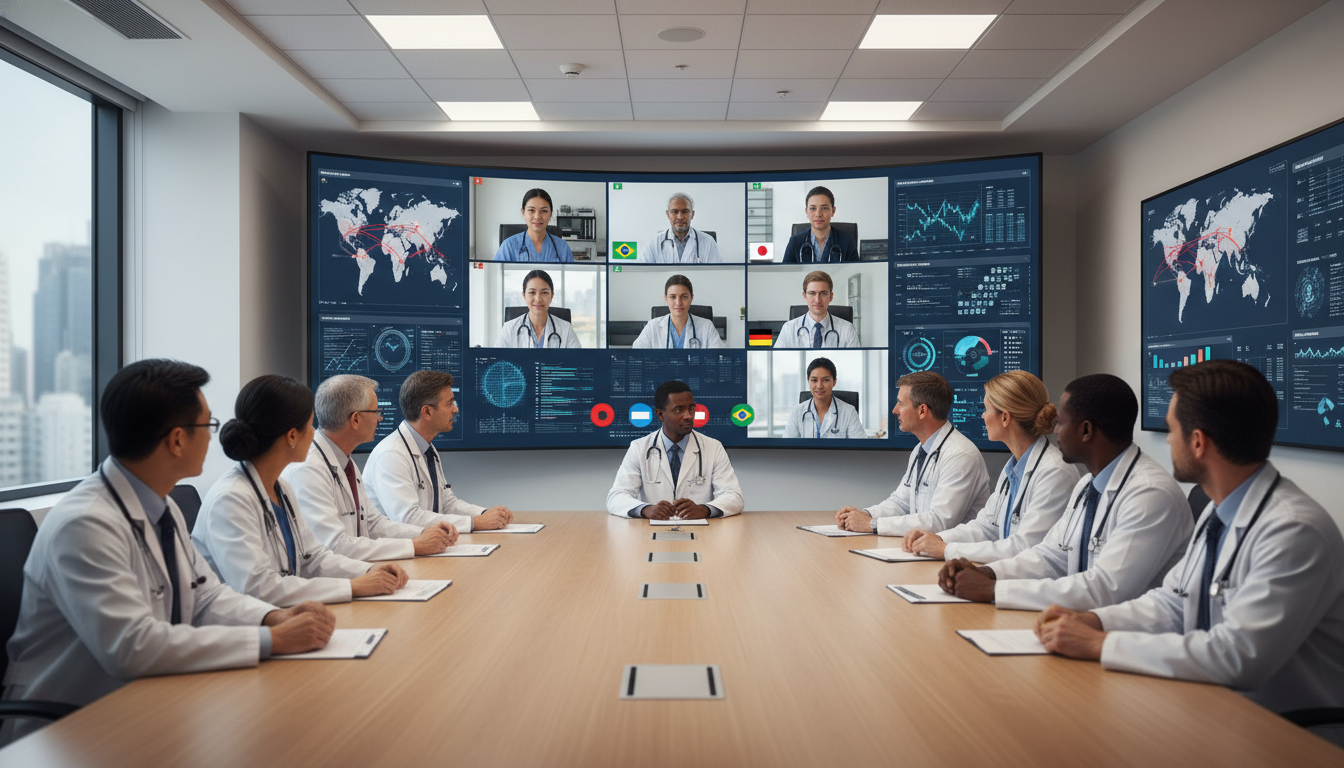
Training Pathways: From Residency to Telemedicine in Global Health
Choosing a Residency and Global Health Track
If you’re early in your training, your choice of residency and extracurricular programs can significantly shape your future telemedicine opportunities.
Residencies that pair well with global telemedicine roles:
- Internal Medicine / Family Medicine → primary care, HIV, NCDs, tele-ICU
- Pediatrics → general pediatrics, neonatal, and subspecialty teleconsults
- Psychiatry → high-demand tele-psychiatry globally
- Emergency Medicine → tele-triage, tele-EM support for district hospitals
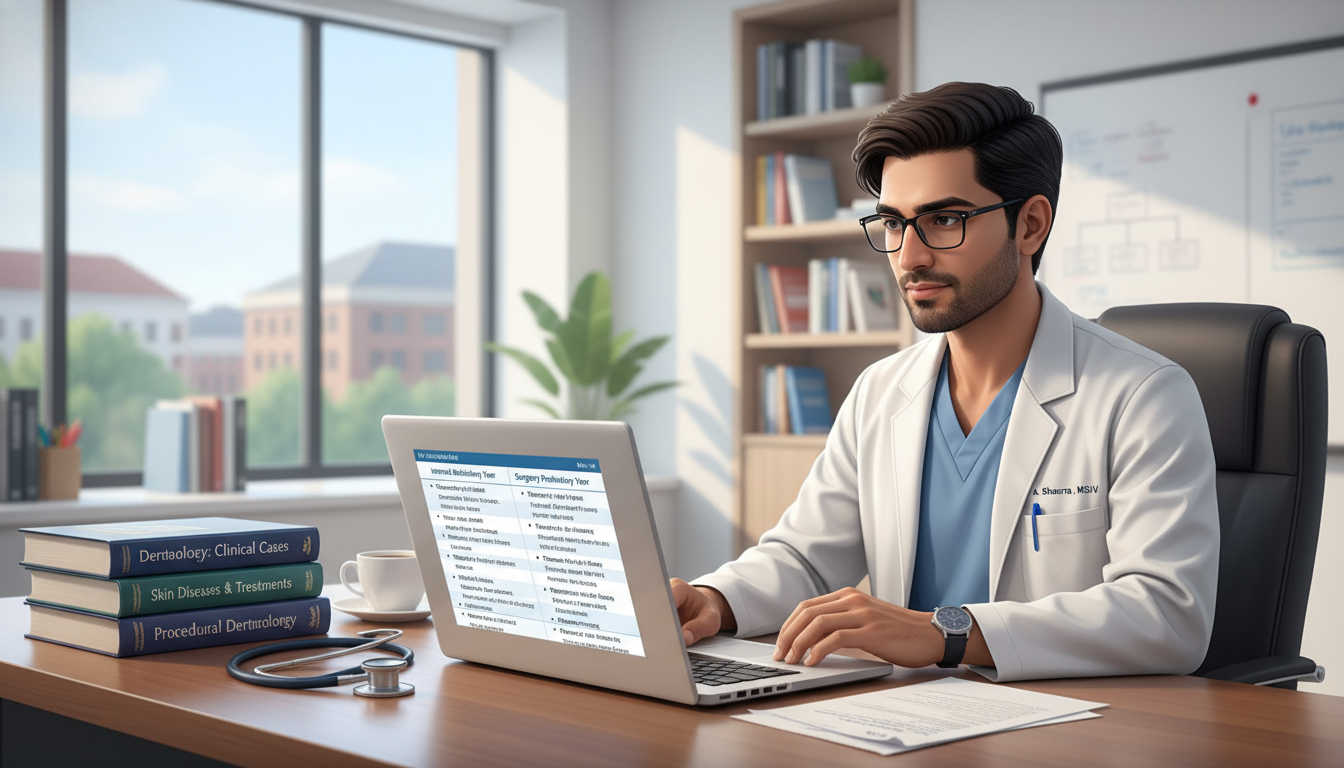
- Radiology / Pathology / Dermatology → especially strong roles in asynchronous teleconsults
Seek programs that offer a global health residency track with:
- Structured global health curricula (health systems, ethics, cultural humility)
- Established international clinical partnerships
- Opportunities to participate in digital/telehealth projects
- Mentorship from faculty involved in global or digital health initiatives
Building Telemedicine Skills During Residency
Regardless of specialty, you can start building telehealth competencies:
Participate in your institution’s telehealth services
- Volunteer for virtual clinic sessions
- Observe how attendings document, communicate, and ensure quality remotely
Learn digital communication and “webside manner”
- Practice clear, structured history-taking over video
- Develop techniques for building rapport when physical exam is limited
Understand billing, documentation, and compliance
- Even if your future work is non-US or research-based, grasping regulatory frameworks (HIPAA, GDPR basics) is foundational.
Global health electives with a digital component
- Choose rotations that include remote case conferences, tele-mentoring, or asynchronous consults with international partners.
Research and quality improvement
- Design small projects around telehealth outcomes, patient satisfaction, or international collaborations; these experiences become powerful talking points for future roles.
Fellowships and Advanced Training
After residency, consider:
- Global Health Fellowships with embedded telemedicine components
- Digital Health or Clinical Informatics Fellowships focusing on virtual care design and evaluation
- Combined Global Health–Informatics or Implementation Science tracks at academic centers
Look for fellowships that offer:
- Hands-on experience in building or scaling international telehealth programs
- Opportunities to work with ministries of health or NGOs
- Exposure to regulatory and policy issues in cross-border telemedicine
Finding and Structuring Telemedicine Jobs with a Global Focus
Where to Find Global Telemedicine Opportunities
You won’t find many of these roles listed on standard job boards with perfect clarity. Instead, try a mixed strategy:
Academic Medical Centers
- Search for “global health,” “international partnerships,” or “telehealth global initiatives” on institutional websites.
- Email program directors or faculty whose work aligns with telemedicine and international medicine.
NGOs and Nonprofits
- Organizations like Partners In Health, MSF (Doctors Without Borders), and others increasingly use digital tools even if the role isn’t labeled as “telemedicine.”
- Smaller NGOs or faith-based systems may need part-time specialty support through remote physician work.
Telehealth Companies with International Reach
- Some commercial telehealth platforms are building services in multiple regions and seek physicians to support global populations (often for second opinions or specialty consults).
Professional Networks and Conferences
- Global health and digital health conferences (ASTMH, CUGH, HIMSS Global Health, etc.) are excellent places to meet leaders establishing such programs.
- Join special interest groups in global digital health within professional societies.
Remote-First Physician Job Boards
- Some sites now curate telemedicine jobs including international positions, though these are often mixed with domestic-only roles.
Common Employment Structures
Academic Appointment + International Telemedicine Allocation
- Base role: faculty clinician-educator in your specialty.
- A portion of your FTE (e.g., 20–40%) dedicated to telehealth consults, case conferences, and program development with partner sites.
NGO or Global Program Staff Physician
- Full-time or part-time employment through an NGO.
- Mix of remote support and occasional in-country visits.
- Often center on capacity building and systems design rather than high-volume consults alone.
Contract-based Telehealth Physician
- Independent contractor with a telehealth platform that provides international second opinions, triage, or cross-border consultations.
- May combine with domestic telehealth practice for financial stability.
Hybrid Portfolio Career
- Many global health–oriented telehealth physicians create a portfolio:
- 0.4–0.6 FTE domestic clinical work (in-person and/or telehealth)
- 0.2–0.4 FTE global telemedicine and education
- 0.1–0.2 FTE research or consulting
- Many global health–oriented telehealth physicians create a portfolio:
This structure provides financial resilience while allowing you to maintain a strong commitment to global health.
Practical Considerations: Licensing, Legal, and Ethical Issues
Telemedicine across borders involves complex layers of regulation. Some key considerations:
Licensure
- Many countries require local licensure for direct patient care; often you instead function as a consulting specialist to a locally licensed clinician.
- Clarify whether you are giving “recommendations” vs. formally assuming care.
Malpractice Coverage
- Ensure your malpractice policy explicitly covers telemedicine and, if applicable, international work.
- NGOs or universities may provide institutional coverage; always confirm in writing.
Data Security and Privacy
- Use secure platforms approved by relevant institutions.
- Be aware of data sovereignty rules (e.g., some countries require patient data to be stored on local servers).
Scope of Practice and Resource Realities
- Tailor recommendations to local formulary, diagnostics, and workforce capacity.
- Avoid suggesting investigations or treatments that are unavailable or unaffordable; work collaboratively with local teams to find feasible alternatives.
Ethical Partnerships
- Aim for long-term, bidirectional partnerships where local clinicians co-lead agenda-setting.
- Avoid one-off “fly-in” style teleconsults that provide little continuity or capacity building.
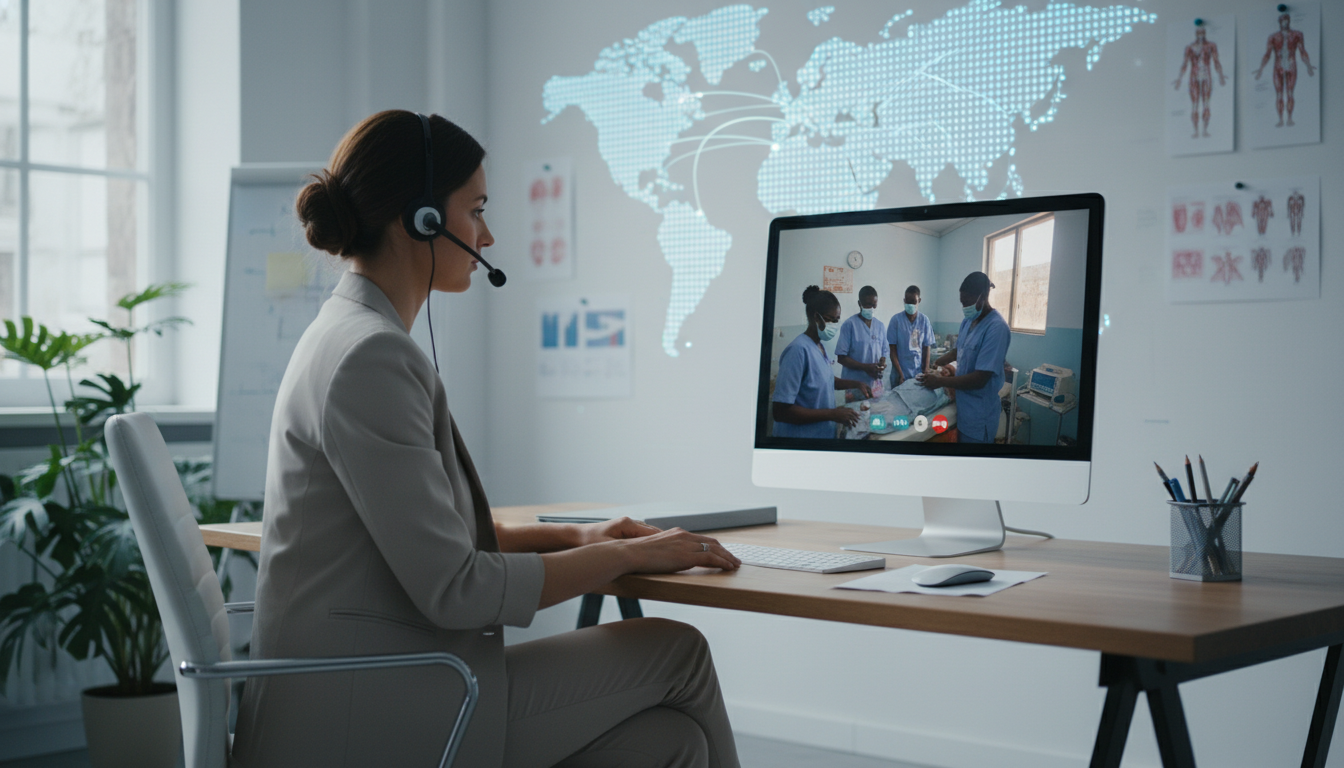
Day-to-Day Life of a Global Health Telehealth Physician
A realistic understanding of the workday can help you decide if this path aligns with your goals and lifestyle.
Typical Responsibilities
Scheduled Virtual Clinics:
Blocks of time where you review international cases and meet by video with local clinicians or patients.Asynchronous Consults:
Reviewing cases submitted via secure platforms, writing structured recommendations, and answering follow-up questions.Case Conferences and Teaching Sessions:
Weekly or monthly multidisciplinary rounds, journal clubs, or morbidity and mortality meetings with partners.Program Development & Quality Improvement:
Helping refine workflows, develop clinical pathways, create teaching materials, and analyze program data.Occasional In-Person Visits:
Depending on your role, you may travel periodically to partner sites for relationship-building, needs assessment, and onsite training.
Pros and Cons
Advantages:
- Enhance access to care for underserved populations while maintaining a stable home base.
- Flexibility in scheduling, especially for asynchronous consults.
- Reduced personal risk compared with long-term field deployment in unstable areas.
- Opportunities for academic output and leadership in a growing field.
Challenges:
- Time zone differences may require early mornings or late evenings.
- Limited ability to perform physical exams; reliance on local staff.
- Emotional distance from patient outcomes if follow-up is inconsistent.
- Navigating complex, evolving regulatory and funding landscapes.
Steps You Can Take Now (Medical Student, Resident, or Early Attending)
Clarify Your Focus
Decide whether you’re more drawn to:- Direct clinical care
- Education and capacity building
- Research and program design
- Or a blend of these
Choose a Compatible Residency and/or Fellowship
Prefer programs that feature:- A global health residency track
- Active telehealth services
- Faculty working in digital/global health
Develop Core Skills
- Clinical excellence in your chosen specialty
- Cross-cultural communication and humility
- Basic tech literacy: video platforms, EHRs, messaging tools, digital security principles
- Language skills relevant to your intended regions (e.g., Spanish, French, Portuguese, Swahili)
Seek Mentorship Early
- Identify at least one mentor in global health and one in telemedicine/digital health; if possible, someone who straddles both.
- Ask to be included in existing international telehealth initiatives, even in a small supporting role.
Build a Track Record
- Publish or present on telehealth or global health projects.
- Volunteer for international case conferences or remote teaching.
- Document your impact: number of consults, educational sessions, or QI improvements.
Explore Remote Physician Work Options
- During or after residency, consider part-time telehealth physician roles (domestic or international) to hone virtual-care skills while you build your global health portfolio.
FAQs: Telemedicine Career Opportunities in Global Health
1. Can I build a full-time career in global health telemedicine, or will it always be part-time?
It is increasingly possible to create a full-time career centered on telemedicine in global health, especially when combining:
- Direct patient telehealth care
- Tele-education and capacity building
- Research or program leadership
- Occasional in-person global health field work
However, many physicians begin with hybrid models, balancing domestic clinical practice, global telehealth activities, and academic or NGO roles. Financial stability, institutional support, and your specialty all influence whether full-time global telemedicine is viable for you.
2. Do I need special certification to work in international telemedicine?
There is no single universal certification, but the following credentials strengthen your profile:
- Completion of a global health residency track or global health fellowship
- Experience with telemedicine or digital health electives
- Certificates in global health, tropical medicine, or health systems (e.g., from accredited universities)
- For some roles, clinical informatics or public health (MPH) training can be advantageous
Most employers will prioritize solid clinical competence, cross-cultural skills, and prior involvement in international medicine or digital health projects.
3. How can I get involved in global telemedicine while still in training?
Practical entry points include:
- Joining global health or telehealth interest groups at your institution
- Requesting to attend or help coordinate international case conferences or Project ECHO-style sessions
- Working on small research or QI projects related to telehealth in global or underserved settings
- Using elective time for global health rotations that include a strong digital component
- Connecting with faculty leading remote physician work initiatives and offering to assist with curriculum development, protocol writing, or data analysis
These experiences build both your skills and your network.
4. What specialties are best suited to a career focused on telehealth in global health?
Many specialties can contribute, but particularly strong fits include:
- Family Medicine and Internal Medicine: broad clinical scope, chronic disease management
- Pediatrics: general pediatrics and pediatric subspecialties
- Psychiatry: high-impact tele-psychiatry consults, especially where local resources are minimal
- Radiology, Pathology, Dermatology, Cardiology: excellent alignment with asynchronous teleconsults
- Emergency Medicine and Critical Care: tele-triage, tele-ICU, and emergency support for smaller hospitals
Regardless of specialty, combining strong clinical skills with an understanding of global health systems, digital tools, and ethical partnership principles will position you well for a future in telemedicine-enabled global health.
By thoughtfully integrating telemedicine into your career planning, you can contribute meaningfully to global health—enhancing equity, building capacity, and improving access to high-quality care—while maintaining a flexible, sustainable practice model that fits your life and values.