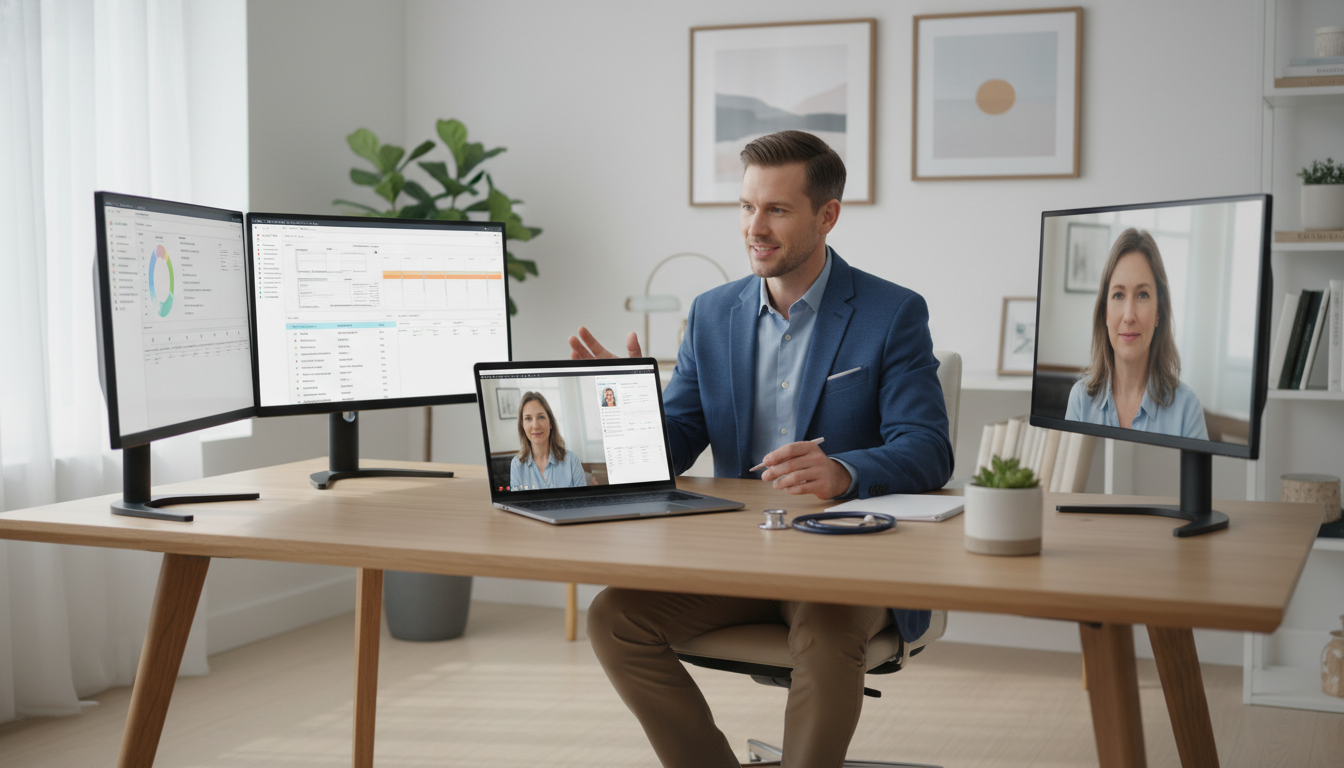
Why Telemedicine Matters for Internal Medicine Residents and Early-Career Physicians
Telemedicine has shifted from a niche offering to a core component of modern internal medicine practice. For residents and early-career internists planning their long‑term paths, understanding telehealth is no longer optional—it’s central to career flexibility, job security, and future growth.
Internal medicine is uniquely suited to virtual care:
- Most chronic disease management can be handled remotely
- History, medication management, and care coordination are core IM skills
- Many IM patients value continuity and access more than in‑person exams
- Remote monitoring tools increasingly support complex patients at home
For residency applicants and recent graduates focused on the internal medicine residency path, telemedicine skills and experience can also enhance competitiveness in the IM match, signal adaptability, and open doors to non‑traditional career options immediately after training.
This guide walks through how telemedicine fits into an internal medicine career, what job types exist, how to prepare during residency, and realistic pros/cons so you can make informed decisions.
1. The Telemedicine Landscape in Internal Medicine
1.1 How Telemedicine Integrates with Traditional Internal Medicine Practice
Telemedicine in internal medicine generally falls into three overlapping categories:
Synchronous video or phone visits
- Routine follow‑ups for hypertension, diabetes, CAD, COPD, mood disorders, etc.
- Medication reconcilation and side‑effect checks
- Transitional care visits after hospital discharge
- Acute but non‑emergent issues (e.g., URI symptoms, rash, med refills)
Asynchronous care (“store‑and‑forward”)
- Secure messaging with patients
- E‑consults between PCPs and subspecialists
- Reviewing uploaded BP logs, CGM data, home spirometry, weight trends
Remote monitoring and chronic disease programs
- Home blood pressure cuffs, glucometers, scales, pulse oximeters
- Nurse or pharmacist care teams under physician supervision
- Population health and risk‑stratified outreach
Internal medicine physicians can engage in one, some, or all of these modalities depending on their role and employer.
1.2 Growth Drivers: Why Telemedicine is Here to Stay
Several structural forces are sustaining telemedicine’s growth:
Chronic disease burden
Aging populations with multimorbidity benefit from frequent but brief touchpoints—an ideal use case for telehealth physician visits.Patient expectations
Post‑COVID, many patients expect the same convenience from healthcare that they get from banking or retail. Virtual access is now an expectation, not a luxury.Health system incentives
Value‑based care, ACOs, and capitated models incentivize:- Preventing hospitalizations
- Early intervention for decompensation
- Ongoing engagement of high‑risk patients
Telehealth and remote physician work align perfectly with those goals.
Workforce distribution
Telemedicine helps address IM physician shortages in rural, underserved, or high‑demand markets by connecting centralized clinical staff with remote patients.
For internal medicine physicians, this means increasing availability of telemedicine jobs across multiple settings and practice models.
2. Types of Telemedicine Career Paths in Internal Medicine
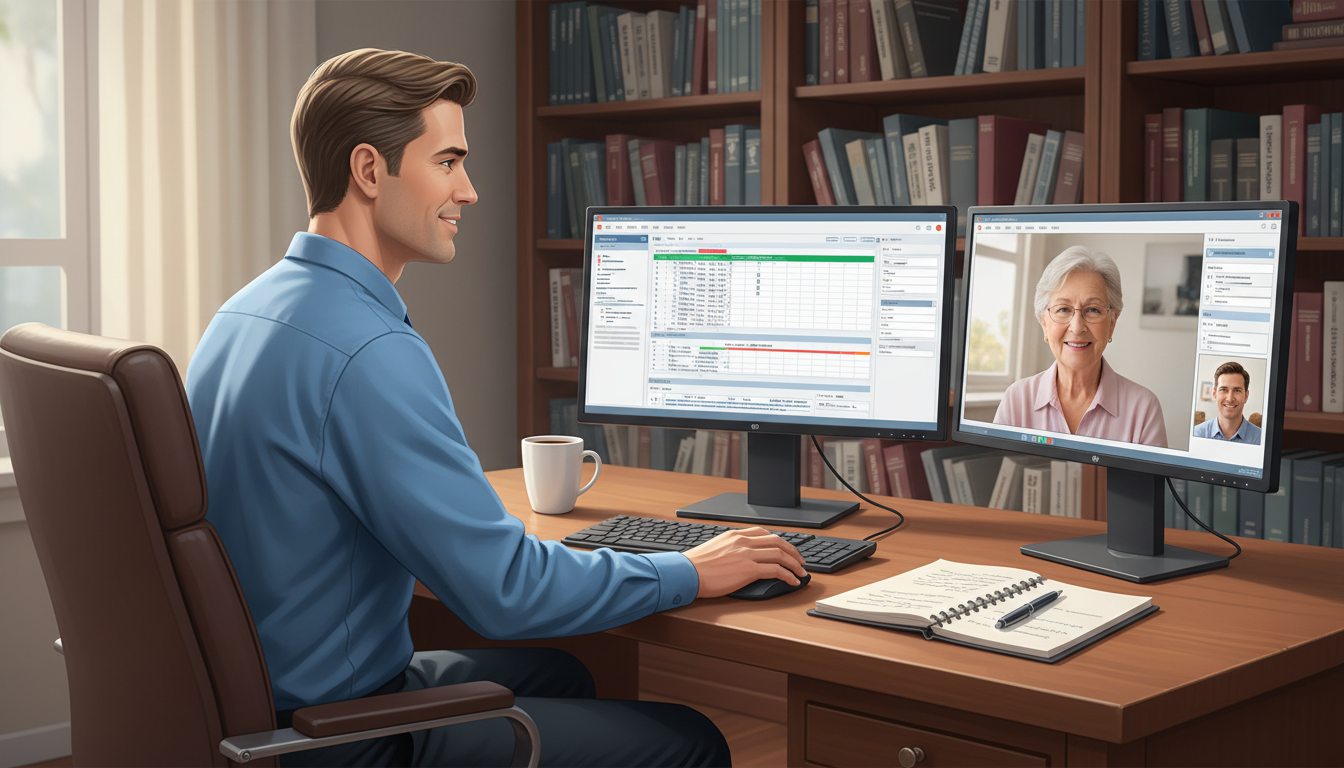
Internal medicine physicians can engage in telemedicine in full‑time, part‑time, or hybrid arrangements. Below are the main archetypes you’ll encounter.
2.1 Hybrid Outpatient Internist with Telehealth Sessions
Description: A traditional outpatient internal medicine practice with a mix of in‑person and virtual visits.
Common structure:
- 60–80% in‑person office visits
- 20–40% video/phone visits (scheduled telehealth blocks)
- Some asynchronous work (inbasket messages, e‑consults, refill protocols)
Where you’ll see this:
- Academic internal medicine clinics
- Large health systems and multispecialty groups
- Integrated delivery networks and ACOs
Why this matters for residents:
- This is becoming the default model for many internal medicine jobs.
- Strong telemedicine skills during residency can:
- Make you more efficient on day one
- Help you negotiate more flexible schedules
- Position you for leadership in digital health initiatives
2.2 Full‑Time Telehealth Physician Roles
Description: 100% remote internal medicine practice, often with multiple states of licensure and a focus on virtual encounters.
Common employers:
- National telemedicine platforms
- Virtual‑first primary care startups
- Payer‑side medical groups
- Remote chronic disease programs (e.g., CHF, DM, COPD)
Role features:
- Scheduled video visits and/or on‑demand urgent care
- High visit volume but lower acuity than in‑person clinics
- Heavy protocolization and decision support tools
- Often W‑2 (employed) or 1099 (contractor) structures
Pros:
- Location independence
- No commute, flexible shifts, potential for part‑time work
- Good fit for physicians with family or caregiving responsibilities
Cons:
- Variable compensation and benefits
- Less hands‑on, may feel repetitive
- May limit physical exam skills and procedural exposure
- Risk of isolation if not paired with a strong team culture
2.3 Remote Physician Work in Chronic Disease and Population Health
These roles sit at the intersection of internal medicine, telehealth, and systems‑level care.
Common models:
- Remote supervision of nurse/pharmacist‑led chronic disease clinics
- Virtual comprehensive care programs for high‑risk Medicare/Medicaid patients
- Value‑based care companies managing attributed panels across states
- Risk‑stratified outreach for heart failure, CKD, diabetes, or post‑discharge care
Typical responsibilities:
- Reviewing complex cases and adjusting care plans
- Co‑visits with advanced practice providers (APPs) via video
- Medication optimization, deprescribing, polypharmacy review
- Developing and refining protocols and escalation pathways
These positions can be particularly appealing to internists who enjoy:
- Systems thinking
- Quality improvement
- Population health management
- Team‑based care design
2.4 Tele‑Hospitalist and Virtual Inpatient Care
While still evolving, tele‑hospital medicine is a growing area where internists can build careers:
- Tele‑hospitalist consults: Remote cross‑coverage for nighttime or low‑volume sites
- Virtual admission support: Helping ED or APPs with admissions and complex decision‑making
- Virtual ICU or step‑down support: Often more critical care–focused but may involve IM‑trained physicians
These jobs typically:
- Require several state licenses
- Involve night/weekend shifts
- Rely on integrated video carts in inpatient rooms
If you enjoy hospital medicine but want elements of remote physician work, this can be an interesting hybrid.
2.5 Non‑Clinical and Semi‑Clinical Telemedicine‑Adjacent Roles
Internal medicine physicians also find work that is not purely patient‑facing but deeply intertwined with telehealth:
- Medical director for telehealth programs
- Clinical informatics roles focused on virtual visit workflows
- Utilization management or payer‑side review leveraging telehealth data
- Digital therapeutics or health tech companies building remote monitoring platforms
- Clinical content development for symptom checkers or AI triage tools
These roles often expect clinical experience, including understanding of telemedicine practice realities, even if day‑to‑day work is non‑clinical.
3. Preparing for a Telemedicine‑Forward Career During Residency and Early Practice
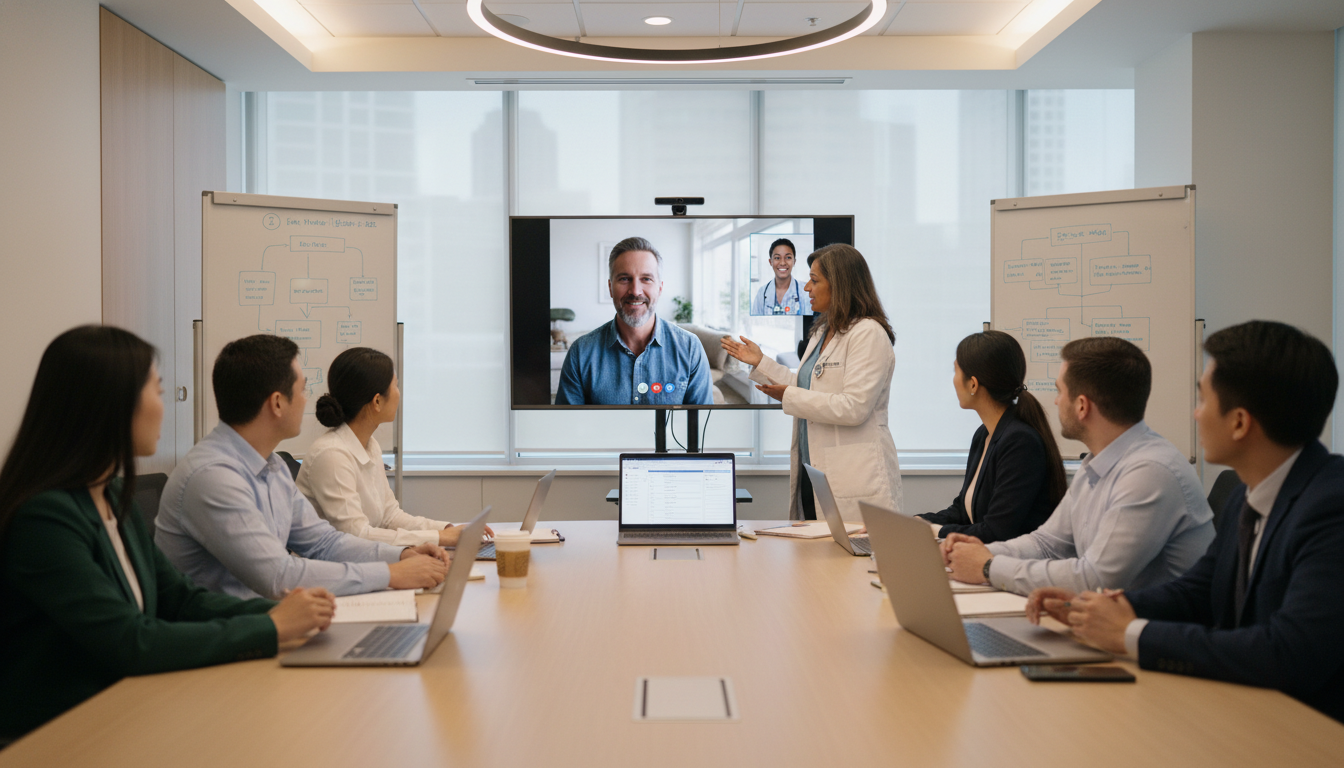
3.1 Leveraging the Internal Medicine Residency Years
If you’re still in (or about to start) an internal medicine residency, you can proactively prepare for a telehealth‑heavy future.
Seek out telemedicine clinic opportunities:
- Continuity clinics that offer video/phone visit blocks
- Ambulatory electives in virtual primary care or remote chronic disease programs
- Tele‑consult services (e.g., e‑consults to subspecialists)
Ask to be involved in:
- Designing or optimizing virtual visit templates in the EHR
- Quality improvement projects related to telehealth (no‑show reduction, access, chronic disease metrics)
- Patient education initiatives on how to use portals and video platforms
This demonstrates early interest in digital health and can be highlighted in fellowship or job applications.
3.2 Core Competencies for Telemedicine in Internal Medicine
Telemedicine requires sharpening several skills you already use in residency:
Enhanced verbal and non‑verbal communication
- Clear, structured questioning without reliance on physical presence
- Explicit safety‑netting (“If X happens, go to the ED or call us immediately”)
- Managing expectations and limitations of virtual care
Modified physical exam techniques
- Guided self‑exam: instructing patients to palpate, move joints, or position their camera
- Use of home devices (BP cuffs, thermometers, oximeters, glucometers)
- Recognizing when an in‑person visit or ED referral is mandatory
Clinical triage and risk stratification
- Deciding whether a telehealth visit is appropriate at all
- Establishing and following red‑flag algorithms
- Balancing access with safety
Efficient documentation and coding in telehealth
- Time‑based billing vs. medical decision‑making
- Documenting technology used, patient location, and consent
- Using smart phrases for common chronic disease follow‑ups
3.3 Building Your CV and IM Match Profile with Telemedicine Experience
Telemedicine can be strategically included in your trajectory—both before and after the IM match.
For medical students and applicants:
- Participate in quality improvement, informatics, or population health projects that involve telehealth.
- Highlight telemedicine‑related research (e.g., disparities in access, remote BP control).
- In your personal statement or interviews, connect your interest in internal medicine with:
- Improving access for rural/underserved patients
- Innovative care models and virtual management of chronic disease
For residents considering jobs:
- Track your telemedicine clinical experiences and outcomes (no‑show rates, BP control, A1c improvements).
- Ask faculty leading virtual programs for letters that describe:
- Your adaptability to virtual care
- Patient feedback
- Contributions to workflow improvements
These experiences can differentiate you for roles in virtual‑first clinics, population health teams, and national telehealth groups.
4. Practical Realities: Licensing, Workflows, and Day‑to‑Day Life
4.1 Licensure and Interstate Practice
To expand your options for remote physician work, understand how licensing interacts with telehealth:
Single‑state practice:
Many jobs within one health system only require the state license where the patient sits.Multi‑state telemedicine platforms:
National companies often want you licensed in:- Your home state
- High‑population states (e.g., CA, TX, FL, NY)
- States participating in licensure compacts (e.g., Interstate Medical Licensure Compact – IMLC)
Actionable advice:
- During PGY‑3, plan your first job location and start the state licensure process early.
- If aiming for national telemedicine jobs, consider applying through the IMLC early if eligible.
- Clarify who pays for additional licenses—some employers fully cover and manage this.
4.2 Technology and Home Office Setup
To succeed as a telehealth physician, invest in a professional, efficient remote workspace:
Essentials:
- Reliable high‑speed internet and backup (hotspot)
- Dual monitors (EHR on one screen, video or secondary tools on the other)
- High‑quality webcam and microphone or headset
- Neutral, uncluttered background with good lighting
Pro tips for efficiency:
- Create telemedicine‑specific templates and smart phrases (e.g., chronic disease follow‑up, medication titration, care coordination notes).
- Use scheduled buffer time every few visits to handle inbasket messages and documentation.
- Keep frequently used decision support tools (e.g., risk calculators, UpToDate) bookmarked and open.
4.3 Typical Day in a Telemedicine Internal Medicine Role
A full‑time, outpatient telemedicine schedule might look like:
- 8:00 – 8:30: Pre‑clinic review of labs and messages, ensure technology is working
- 8:30 – 12:00: Video visits (20–30 minutes each) for chronic disease follow‑ups, medication adjustments, acute complaints
- 12:00 – 1:00: Lunch and catch‑up on documentation and asynchronous messages
- 1:00 – 4:30: Mix of scheduled video visits and urgent same‑day telehealth slots
- 4:30 – 5:30: Finish notes, e‑consults, care coordination messages
Some jobs add:
- One weekend day per month of remote call
- Assigned patient panel for continuity
- Collaboration with local in‑person clinics for physical exams when needed
5. Pros, Cons, and Long‑Term Career Strategy
5.1 Advantages of Telemedicine‑Heavy Internal Medicine Careers
Flexibility and work–life balance:
- Elimination of commute time
- Potential for non‑traditional schedules (evenings/weekends if desired)
- Easier integration with parenting, caregiving, or personal commitments
Geographic freedom:
- Live where you want while practicing in multiple states
- Options for relocation without changing employers (if licensed appropriately)
Clinical and systems impact:
- Ability to reach underserved or rural populations
- Opportunity to improve chronic disease outcomes at scale
- Front‑row seat to innovation in digital health and care redesign
Career diversification:
- Easier transition into:
- Health tech startups
- Clinical informatics
- Quality and population health leadership
- Telemedicine experience is often viewed as forward‑thinking and adaptable
5.2 Challenges and Risks to Consider
Limitations of virtual assessment:
- Unable to perform full physical exams or urgent procedures
- Potential safety risks if red flags are missed or downplayed
- Need for clear protocols on when to escalate to in‑person or ED
Professional isolation and burnout:
- Lack of hallway consults and in‑person peer interaction
- “Zoom fatigue” from back‑to‑back video visits
- Blurring of work–home boundaries if not carefully managed
Compensation variability:
- Some telemedicine jobs pay less than traditional IM roles, particularly in early‑stage startups or per‑visit contractor models.
- Benefits (health insurance, retirement, CME) may be limited for 1099 independent contractor roles.
- Volume‑based pay can be stressful and may incentivize shorter visits.
Regulatory and reimbursement uncertainty:
- Telehealth payment policies can shift with federal and state regulations.
- Audio‑only vs. video coverage may change over time.
- Requirements for patient location, originating site, and cross‑state care continue to evolve.
5.3 Strategic Approach to Telemedicine in Your IM Career
Rather than seeing telemedicine as “all or nothing,” consider a phased approach:
Early career (0–5 years post‑residency):
- Hybrid outpatient internal medicine with 20–40% telehealth
- Build foundational in‑person skills and comfort with complex physical exams
- Simultaneously develop telemedicine workflows and templates
Mid‑career (5–15 years):
- Consider shifting a higher percentage of your practice to telehealth
- Explore leadership roles in digital health initiatives
- Combine remote physician work with non‑clinical roles if desired
Late career or transition phases:
- Increased telemedicine time can allow reduced physical demands
- Serve as a mentor for younger physicians navigating virtual care
- Take on part‑time telemedicine work in semi‑retirement for ongoing engagement and income
Planning this trajectory during residency or early practice lets you make deliberate choices instead of reacting to market pressures.
6. Finding and Evaluating Telemedicine Jobs in Internal Medicine
6.1 Where to Look for Telemedicine Opportunities
You’ll find telemedicine‑focused internal medicine roles in:
- Major health systems’ career sites (search “telehealth,” “virtual care,” “remote”)
- National telemedicine companies (urgent care, primary care, chronic disease programs)
- Payer‑affiliated medical groups offering virtual‑first care
- Academic centers building out virtual internal medicine clinics
- Specialized job boards for remote physician work and digital health
Keywords to use:
“telemedicine internal medicine,” “telehealth physician,” “virtual primary care,” “remote physician work,” “IM telehealth,” “digital health internal medicine.”
6.2 What to Ask During Interviews
To assess whether a telemedicine or hybrid role is right for you, ask:
Clinical operations:
- What is the typical visit length and daily volume?
- How are urgent issues handled? Who manages after‑hours coverage?
- What proportion of your panel is virtual vs. in‑person?
Support and infrastructure:
- Who handles tech support for patients and clinicians?
- Are there nurse/MA teams to help with pre‑visit planning and post‑visit follow‑up?
- How is remote monitoring data integrated into the EHR?
Compensation and expectations:
- Is compensation salary, RVU‑based, per‑visit, or a blend?
- Are there quality or patient satisfaction incentives specific to telehealth?
- How is time for asynchronous work (messaging, labs, refills) accounted for?
Professional development:
- Are there opportunities to help design or improve telehealth workflows?
- Can you pursue leadership roles in digital health or population health?
- What mentoring is available for early‑career physicians?
6.3 Telemedicine Jobs as Bridges Between Life Stages
Telemedicine can serve as a bridge in circumstances where traditional full‑time clinical work is difficult:
- Parental leave transitions or childcare‑heavy periods
- Relocations between states or countries
- Times of personal health limitations or disability
- Periods of career reevaluation or retraining (e.g., adding informatics or MBA)
Recognizing telemedicine as one tool in your broader career toolkit—rather than an irreversible commitment—can make these options feel more accessible and less risky.
FAQ: Telemedicine Careers in Internal Medicine
1. Can I go directly into a full‑time telemedicine job right after internal medicine residency?
Yes, many companies and health systems hire new graduates into telemedicine roles, especially for virtual primary care and urgent care. However, it is generally advisable to spend at least some time in a traditional in‑person practice early on to strengthen physical exam skills, build clinical confidence, and understand how in‑person systems work. Some employers may also prefer 1–2 years of post‑residency experience, especially for remote‑only roles with high autonomy.
2. How does compensation for telemedicine jobs compare to traditional internal medicine roles?
Compensation ranges widely. Some full‑time employed telehealth positions offer salaries comparable to outpatient internal medicine, especially in high‑demand markets or for physicians with multiple licenses. Others, especially 1099 per‑visit roles, may pay less overall or have more income volatility. Benefits (health insurance, retirement, malpractice, CME) can be generous in large systems but limited in contractor roles. Always evaluate total compensation, including benefits, expected volume, and unpaid asynchronous work.
3. Will doing mostly telemedicine limit my future career options (e.g., subspecialty fellowship, leadership roles)?
Not necessarily. If you maintain board certification, ongoing CME, and some degree of complex clinical exposure, telemedicine experience can actually enhance your profile for roles in quality, population health, digital health, or clinical informatics. For procedural subspecialties or positions heavily reliant on in‑person care, prolonged exclusively remote work could make reintegration more challenging. A hybrid model in early career is often the most flexible for keeping doors open.
4. How can I stand out as a residency applicant or early‑career physician interested in telemedicine?
Demonstrate a track record of engagement with digital health and systems‑level care:
- Participate in telemedicine or population health QI projects during medical school or residency.
- Seek electives in virtual care or remote chronic disease management.
- Build familiarity with EHR optimization, remote monitoring tools, and patient portal utilization.
- Frame your interest in telehealth around improving access, safety, and quality—not just lifestyle benefits.
On your CV and in interviews, link your telemedicine interests to the core values of internal medicine: longitudinal relationships, comprehensive care, and thoughtful management of complex chronic disease.
Telemedicine is reshaping what it means to practice internal medicine. By understanding the landscape, building skills early, and approaching remote physician work strategically, you can design a career that is clinically meaningful, flexible, and aligned with where healthcare is heading.