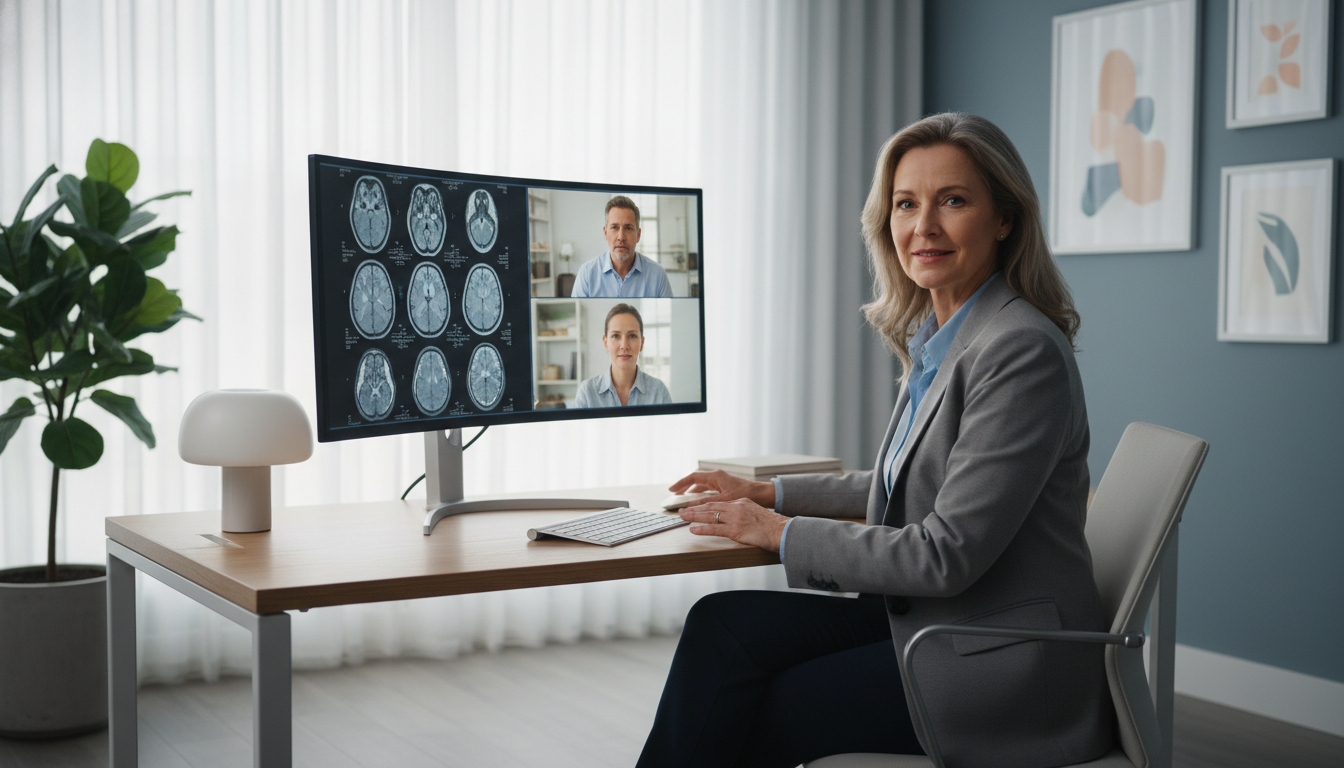
Understanding Telemedicine in Neurology
Telemedicine has transformed how neurologists deliver care, opening a broad range of career opportunities for residents, fellows, and practicing physicians. For neurology residency applicants and early-career neurologists, the “neuro match” is no longer just about in-person hospital practice; it increasingly involves hybrid or fully virtual roles such as telehealth physician positions, remote physician work for hospitals, and digital health start-ups.
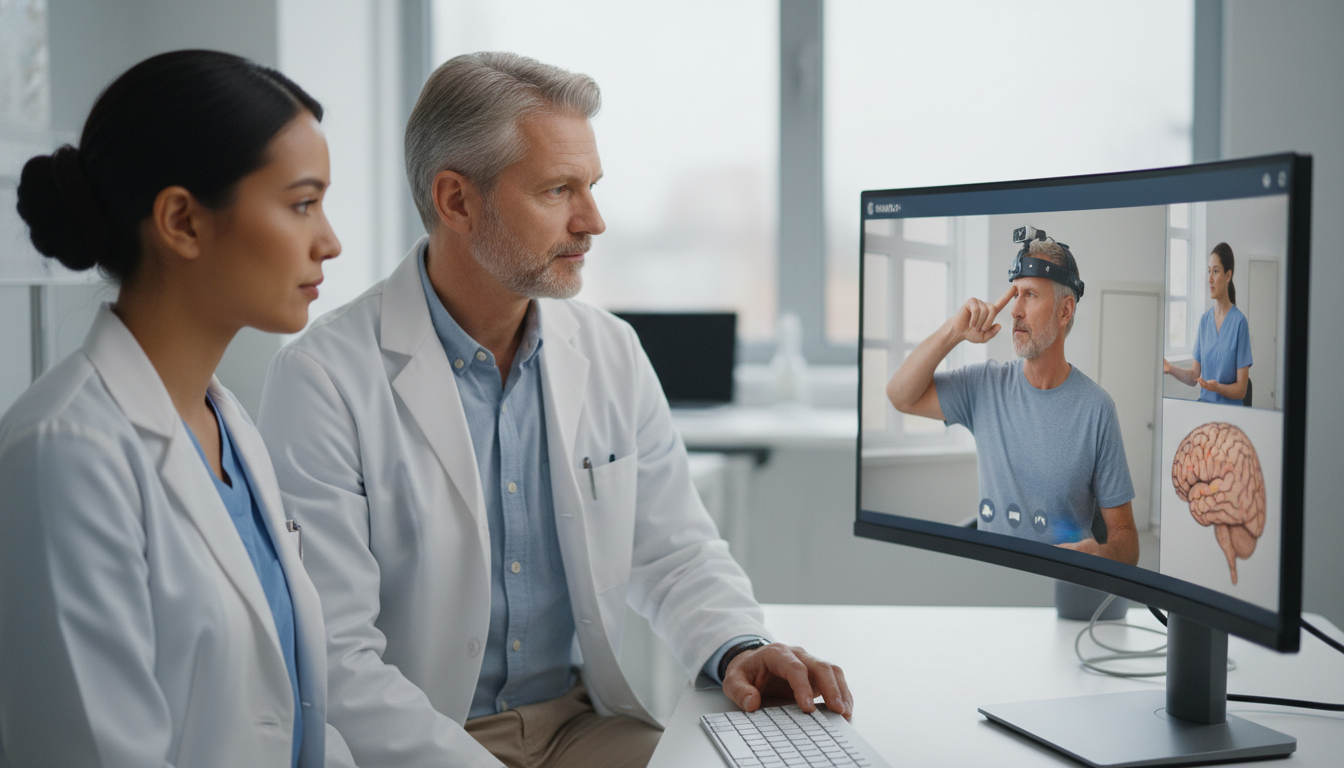
Neurology is particularly well-suited to telemedicine because so much of the neurological exam is observation-based and history-driven. While some components (e.g., detailed reflex testing, fundoscopy) are more challenging remotely, many key assessments—gait, strength against gravity, speech, cognition, facial symmetry, tremor—can be reliably evaluated via high-quality video.
Common tele-neurology use cases include:
- Acute stroke evaluation via “telestroke” programs
- Outpatient follow-up for epilepsy, MS, headache, movement disorders, and neuromuscular disease
- Remote EEG and EMG interpretation
- Second-opinion consultations and subspecialty e-consults
- Longitudinal management of chronic neurologic conditions
For residents planning their neurology career, understanding these telemedicine pathways is increasingly important. Telehealth skills can expand your job options, improve work–life balance, and allow you to live where you choose while caring for patients across broader regions.
Core Telemedicine Career Paths in Neurology
Neurology telemedicine work spans a spectrum from occasional supplemental coverage to full-time remote roles. Below are the major categories of opportunities and what they look like in practice.
1. Telestroke and Emergency Tele-Neurology
What it is:
Telestroke was one of the earliest large-scale telemedicine services in neurology. A neurologist provides rapid video consultations to emergency departments (EDs), urgent care centers, or smaller hospitals without on-site neurology coverage. Over time, this has expanded into comprehensive “tele-neurohospitalist” services for a wide range of acute neurologic issues.
Typical responsibilities:
- Rapid assessment of suspected stroke patients via video
- NIH Stroke Scale evaluation and determination of eligibility for thrombolysis or thrombectomy
- Recommendations for imaging (CT/CTA/CTP, MRI) and further workup
- Acute management of status epilepticus, encephalopathy, neuromuscular emergencies (e.g., myasthenic crisis), and other urgent neurologic presentations
- Documentation, communication with ED staff, and sometimes follow-up tele-rounds
Work structure:
- Frequently shift-based (e.g., 8–12 hour blocks)
- Mix of “home call” and dedicated telehealth workstation coverage
- Often nights, evenings, or weekends, though many programs offer 24/7 staffing with flexible shifts
Pros:
- High acuity, intellectually stimulating work
- Can be done from anywhere with robust connectivity
- Opportunity to impact access to stroke care in underserved regions
Cons:
- Fast-paced, potentially stressful, with a high cognitive load
- Irregular hours and overnight work are common
- Malpractice risk profile requires strong attention to protocols and documentation
Ideal for:
Neurologists who enjoy acute care, rapid decision-making, and cross-institutional collaboration; those considering neurohospitalist or vascular neurology pathways during residency.
2. Outpatient Tele-Neurology Clinics
What it is:
Many neurologists now run hybrid or fully virtual clinics, seeing new and follow-up patients for conditions such as migraines, epilepsy, multiple sclerosis, Parkinson’s disease, neuropathy, cognitive disorders, and post-stroke care. This is often arranged through hospital systems, academic centers, private practices, or large telemedicine companies.
Typical responsibilities:
- Initial video assessments and ongoing management of chronic neurology patients
- Medication management (e.g., antiepileptics, disease-modifying therapies for MS, migraine preventives, dopaminergic agents)
- Ordering and interpreting imaging and neurodiagnostic tests (EEG, EMG, labs, neuropsych testing)
- Coordinating in-person testing, procedures, or in-clinic exams when needed
- Electronic communication with patients and multidisciplinary teams
Work structure:
- Scheduled clinic days with back-to-back video visits
- Mixture of remote and on-site days for hybrid roles
- Documentation in the same or similar EHR as in-person clinics
Pros:
- Predictable schedule and lower acute stress compared to ED-based work
- Strong potential for work–life balance and geographic flexibility
- Ideal for longitudinal patient relationships
Cons:
- Not all conditions are suitable for fully remote care; some patients will require in-person evaluation
- Potential for screen fatigue and reduced physical exam granularity
- Need for clear workflows for referrals, imaging, and urgent issues
Ideal for:
Neurologists who prefer ambulatory practice, continuity of care, and subspecialty-focused outpatient neurology (e.g., headache, MS, movement disorders).
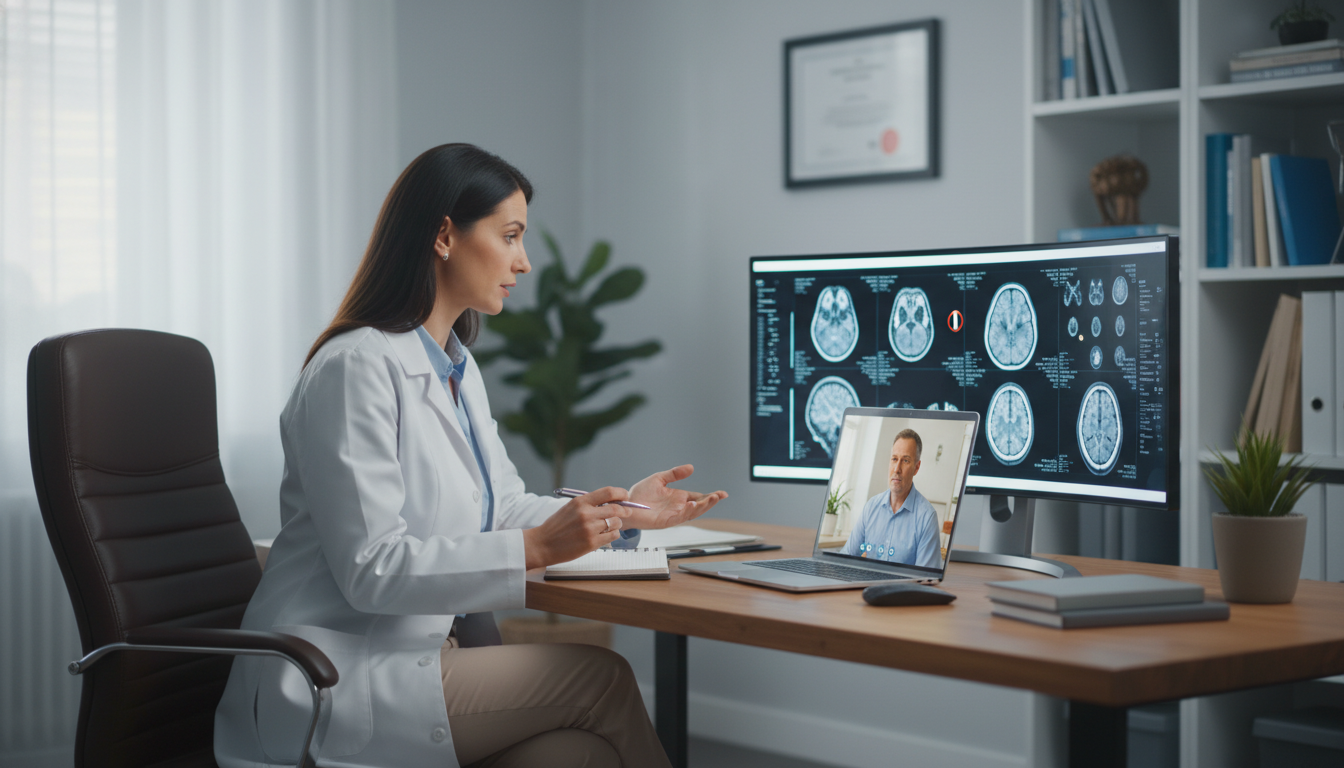
3. Remote Diagnostic Neurology: EEG, EMG, and Imaging
What it is:
Some telemedicine roles focus heavily or exclusively on interpretation of diagnostic studies. Neurologists can read EEGs, EMGs, evoked potentials, sleep studies (if also sleep-trained), and neuroimaging remotely.
Examples:
- Tele-EEG: Continuous EEG monitoring for ICUs, neonatal units, and epilepsy monitoring units
- Ambulatory EEG reads for community practices and outpatient centers
- Remote EMG/NCS review in collaboration with on-site technicians
- MRI/CT neuroimaging interpretation for systems where neurologists co-read studies
Work structure:
- Case-based or shift-based reading
- Often flexible schedules with remote physician work from home or satellite offices
- May involve being “on-call” for critical-value reads in ICUs
Pros:
- Highly flexible and often very compatible with part-time work
- Can be combined with clinical telehealth or in-person practice
- Attractive for neurologists with strong neurophysiology or epilepsy training
Cons:
- Work can be solitary and screen-intensive
- Volume and compensation can be closely tied to productivity metrics
- Licensing and credentialing across multiple sites/states may be required
Ideal for:
Epileptologists, neurophysiologists, neuromuscular specialists, or any neurologist who enjoys interpreting studies and wants to structure a portfolio career.
4. Telehealth Physician Roles with Large Telemedicine Companies
What it is:
Large telehealth organizations, digital health start-ups, and national telemedicine platforms increasingly recruit neurologists to provide virtual consultations across multiple states or health systems.
Types of roles:
- Direct-to-consumer virtual neurology consults
- Employer-sponsored or insurer-based specialty care programs (e.g., virtual headache clinics)
- Chronic disease management platforms focused on MS, migraine, dementia, or neuropathy
- Asynchronous e-consults for primary care teams needing neurology input
Work structure:
- Employee or independent contractor models
- Scheduled video visits plus asynchronous messaging and care coordination
- Multi-state licensure often required; organizations may help facilitate this
Pros:
- Diverse patient populations and innovative care models
- Often highly flexible regarding location and hours
- Exposure to digital tools, care pathways, and data-driven practice
Cons:
- Practice patterns and visit lengths may be controlled by the company
- Rapidly evolving regulatory and reimbursement environment
- Less direct connection to a single local medical community
Ideal for:
Neurologists with an entrepreneurial mindset who are comfortable with digital platforms and want to explore non-traditional practice models.
5. Academic Tele-Neurology and Hybrid Roles
What it is:
Academic neurology departments increasingly integrate telemedicine into research, teaching, and clinical work. Residents and fellows may rotate on tele-neurology services; faculty can blend remote and on-site practice.
Examples:
- Telemedicine stroke coverage for affiliated community hospitals
- Virtual specialty clinics for regional outreach (e.g., movement disorders, MS, pediatric neurology)
- Research protocols conducted partially via telehealth (e.g., cognitive assessments, symptom diaries, remote monitoring)
- Teaching residents and medical students how to conduct virtual neurologic exams
Pros:
- Ability to combine telehealth with research, teaching, and in-person care
- Institutional support for infrastructure, malpractice coverage, and multi-site credentials
- Opportunities to innovate and publish in tele-neurology
Cons:
- Academic promotion metrics for telemedicine work may still be evolving
- Administrative time required to develop protocols and workflows
Ideal for:
Physicians who want to remain in academic medicine while embracing telemedicine as a clinical and research focus.
Telemedicine Jobs: What Employers Are Looking For
Regardless of setting, certain competencies and attributes make a neurology candidate more attractive for telemedicine jobs and remote physician work.
Clinical Skills Adapted to Telehealth
- Strong history-taking: Neurology is history-driven; detailed questioning compensates for limited physical contact.
- Exam creativity: Ability to improvise with patient-guided maneuvers—asking family members to assist, using household objects (e.g., a spoon to test facial strength), and observing gait within limited space.
- Risk assessment at a distance: Knowing when a patient must be seen in person or in the ED, and communicating that clearly.
You can begin practicing these skills as a resident by:
- Conducting focused video follow-ups on select patients (where permitted)
- Observing attendings who already use virtual visits
- Learning adaptations of the neurologic exam specifically for telehealth
Technological Fluency
Employers expect telehealth physicians to:
- Navigate video platforms, EHRs, PACS, and remote monitoring tools comfortably
- Troubleshoot common connectivity issues
- Use secure messaging, telephonic backup, and documentation templates efficiently
Not being “tech-savvy” is increasingly a liability in neurology practice, especially for remote roles.
Communication and Webside Manner
“Webside manner” is the telemedicine parallel to bedside manner. Strong candidates:
- Maintain eye contact by looking at the camera
- Use clear, jargon-free explanations
- Explicitly verify understanding and next steps
- Compensate for reduced non-verbal cues with intentional warmth and clarity
In residency, seek feedback on your communication in virtual encounters and watch recordings (when permissible) to refine your approach.
Licensing, Credentialing, and Regulatory Awareness
Multiple-state licensure is a major asset for telehealth physician roles. For neurology, this can significantly expand your potential patient base.
Key considerations:
State licensure:
- Many telemedicine employers require licensure in several states; some will sponsor and pay for additional licenses.
- The Interstate Medical Licensure Compact (IMLC) can streamline this for qualified physicians in participating states.
Telemedicine regulations:
- Requirements for establishing a patient–physician relationship virtually
- Rules for prescribing controlled substances (especially important in seizure, pain, or movement disorder populations)
- Documentation standards and consent procedures
Understanding these topics during residency will position you as a more knowledgeable candidate when you apply for neurology telemedicine positions.
Building a Telemedicine-Friendly Neurology Career from Residency Onward
If you are in neurology residency (or preparing for the neuro match) and interested in telemedicine, you can intentionally shape your training to align with future telehealth physician and remote physician work opportunities.
1. Choosing a Residency and Fellowship with Telehealth Exposure
When researching programs for neurology residency:
Ask about tele-neurology services:
- Do residents rotate on telestroke or tele-consults?
- Are there structured curricula on virtual exam techniques?
Explore subspecialty clinics that already use telemedicine:
- Headache, MS, epilepsy, movement disorders, and cognitive clinics frequently use telehealth for follow-up.
Inquire about informal opportunities:
- Can residents participate in outreach tele-clinics for rural or international partners?
Fellowship choices that pair particularly well with telemedicine include:
- Vascular neurology (for telestroke)
- Epilepsy and clinical neurophysiology (tele-EEG, ambulatory EEG)
- Headache medicine (virtual headache clinics are rapidly expanding)
- Multiple sclerosis and neuroimmunology (remote chronic disease management models)
2. Documenting and Showcasing Telehealth Experience
As telemedicine becomes more central to neurology, your CV and cover letters should reflect relevant experiences:
- Telehealth rotations and elective experiences
- QI projects that optimize virtual workflows or access
- Research, abstracts, or publications on tele-neurology topics
- Involvement in institutional telemedicine committees
When applying for jobs:
- Emphasize your familiarity with virtual neurologic exams
- Highlight comfort with technology and multi-platform EHR use
- Provide examples of how you improved access or patient satisfaction through telehealth
3. Considering Work–Life Balance and Location Flexibility
Telemedicine opens configuration options that did not exist a decade ago:
- Living in one state while working virtually for multiple hospital systems
- Combining part-time in-person neurology with part-time remote physician work (e.g., evening telestroke shifts)
- Using telemedicine to maintain clinical practice during research years or after relocation due to family or personal reasons
However, plan realistically:
- Night and weekend coverage may be expected, especially in telestroke
- Time zones can complicate fully remote arrangements
- Not all telemedicine roles are 100% remote; some require periodic on-site meetings or in-person clinics
When comparing offers, evaluate:
- Percentage of telehealth vs in-person work
- Schedule structure (shifts, clinic blocks, call responsibilities)
- Expectations for licensing and travel
Practical Steps to Enter the Telemedicine Neurology Job Market
Whether you are preparing to graduate residency, finishing fellowship, or considering a mid-career shift, these steps can help you transition into tele-neurology roles.
Step 1: Clarify Your Preferred Mix of Clinical Work
Reflect on questions such as:
- Do you prefer acute, ED-based telestroke, or scheduled outpatient clinics?
- How much diagnostic interpretation (EEG, EMG) do you want versus patient-facing time?
- Are you aiming for fully remote work, or a hybrid role with in-person practice?
Your goals will guide which telemedicine jobs you target and how you negotiate terms.
Step 2: Build Multi-State Licensure Strategically
- Identify states with high demand for neurologists and strong telehealth activity.
- Determine if you qualify for the IMLC; if so, prioritize your “state of principal license” accordingly.
- Budget time and fees; obtaining several licenses can take months.
Some employers will help with licensure once you sign on; however, having at least a couple of additional state licenses can make you more marketable initially.
Step 3: Network in Tele-Neurology Circles
- Join relevant interest groups in organizations such as the American Academy of Neurology (AAN).
- Attend sessions on telemedicine, digital health, and virtual care at national meetings.
- Connect with neurologists already working in telehealth via alumni networks or LinkedIn.
Networking often reveals “hidden” roles that may not be listed on traditional job boards.
Step 4: Prepare for Telemedicine-Focused Interviews
Employers may ask scenario-based questions, for example:
- How would you handle a patient with new focal weakness on a virtual visit?
- When would you insist on an in-person exam or ED referral?
- How do you adapt the neurologic exam for video?
Be prepared to:
- Describe specific tools and methods you use in remote exams
- Discuss how you manage risk and document decision-making
- Explain your approach to patient education and follow-up coordination
Step 5: Understand Compensation, Productivity, and Metrics
Telemedicine compensation models vary. Important topics to clarify:
- Salary vs RVU-based pay: How are virtual visits valued?
- Shift pay for telestroke: Fixed hourly rate, per-consult fee, or hybrid?
- Productivity expectations: Number of visits per day, consults per shift, or studies read?
- Quality metrics: Door-to-needle times, patient satisfaction scores, read times for EEG/CT, etc.
Negotiate for:
- Realistic visit lengths, especially for complex neuro cases
- Training and technical support during onboarding
- Clear policies on no-shows, technical failures, and urgent escalations
Frequently Asked Questions (FAQ)
1. Can a neurologist realistically work 100% remotely?
Yes, some neurologists work almost entirely remotely, especially in telestroke, tele-neurohospitalist, outpatient tele-neurology, or remote EEG/EMG interpretation roles. However:
- You may still need occasional in-person commitments (meetings, credentialing requirements, or periodic on-site visits).
- Certain procedures (Botox injections, EMG, lumbar punctures) cannot be done virtually, so if you want to perform them, a hybrid model is more realistic.
Before committing to a fully remote position, clarify expectations in the contract and ensure you’re comfortable with the potential isolation and screen time.
2. What parts of the neurologic exam are hardest to do via telemedicine, and how is that managed?
Tele-neurologists can reliably assess many elements (mental status, speech, cranial nerve function, gross strength, coordination, gait). More challenging components include:
- Deep tendon reflexes
- Detailed sensory mapping
- Fundoscopic exam
- Subtle tone abnormalities
To compensate:
- Use patient- or caregiver-assisted maneuvers when feasible.
- Arrange in-person follow-up when exam limitations could change management.
- Rely on imaging, labs, and ancillary testing where appropriate.
Safe tele-neurology practice depends on recognizing when a limited exam is insufficient and an in-person or ED evaluation is needed.
3. Are telemedicine jobs suitable for new neurology residency graduates?
They can be, especially when:
- You have strong training in acute neurology or your target subspecialty.
- The telehealth program provides structured onboarding, mentorship, and protocols.
- You start in a hybrid role (some in-person, some remote) to gain confidence.
Some employers prefer at least 1–2 years of post-residency experience before physicians take on fully independent telestroke or tele-neurohospitalist coverage. However, this varies widely, and many new graduates successfully start in telemedicine-heavy positions with appropriate support.
4. How does telemedicine experience impact competitiveness in the neurology match or later academic promotions?
For the neurology residency match (neuro match):
- Demonstrated interest in telemedicine—through research, QI projects, or electives—can signal adaptability and forward-thinking, especially at programs investing in digital health.
- It’s an asset but not a substitute for strong clinical performance and letters.
For academic careers:
- Telemedicine work is increasingly recognized as a significant component of clinical effort.
- Leadership in tele-neurology programs, publications, and educational initiatives can contribute positively to promotion portfolios, though specific metrics and recognition pathways differ by institution.
Telemedicine is no longer a niche sideline in neurology; it is a core part of how neurologic care is delivered and will continue to expand. By understanding the spectrum of telemedicine career opportunities—from telestroke to remote outpatient clinics and diagnostic interpretation—you can intentionally shape your training and early career to include flexible, high-impact telehealth physician roles and remote physician work that align with your professional goals and personal life.