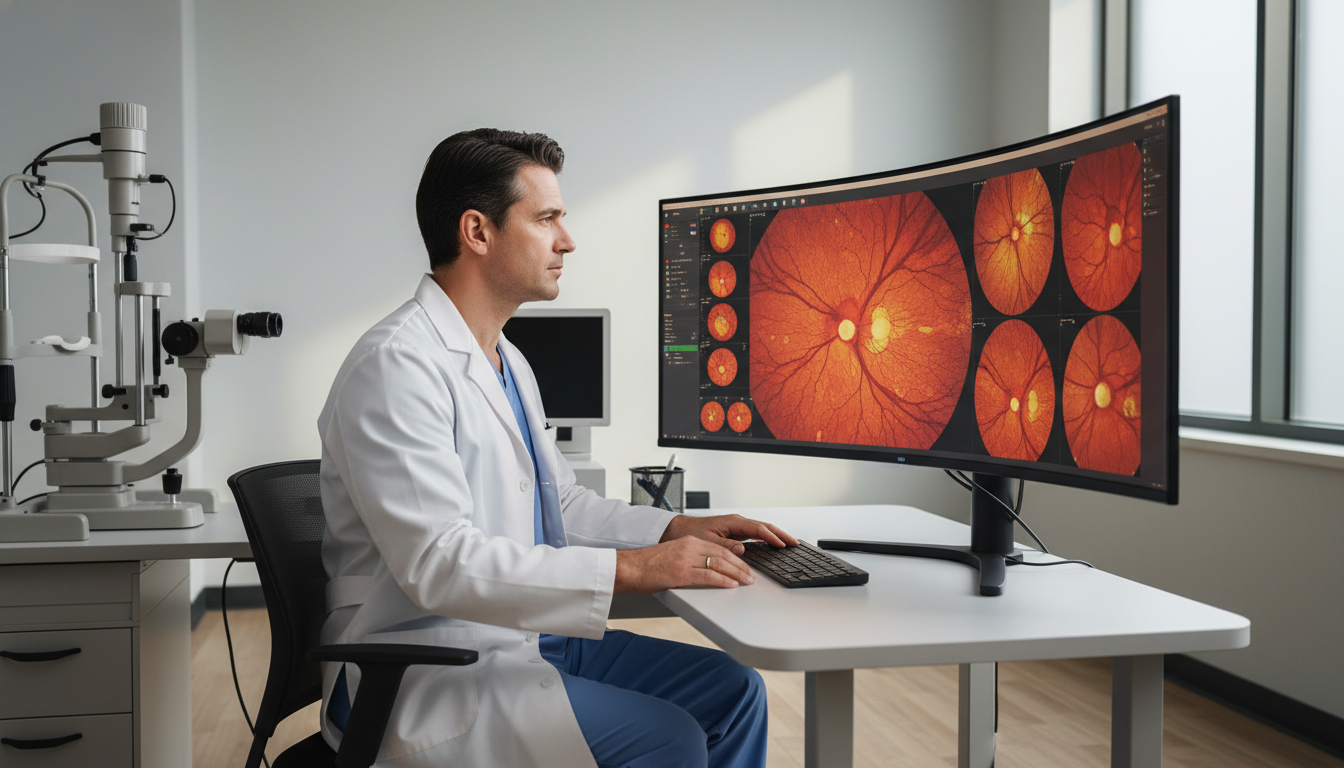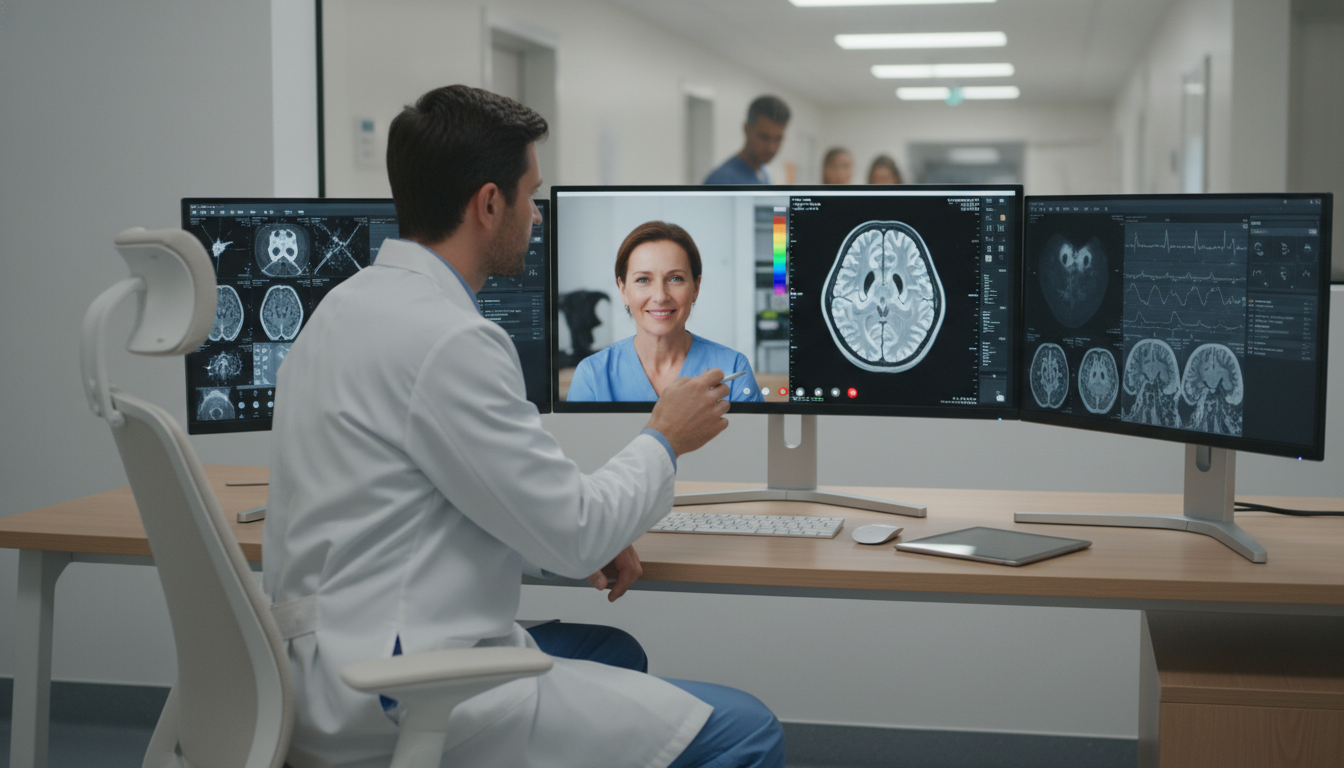
Neurosurgery is traditionally imagined as the most “hands-on” of all surgical specialties—operating microscopes, intraoperative navigation, and 10-hour cases in the OR. Yet, telemedicine is increasingly reshaping how neurosurgeons practice across the continuum of care. For medical students and residency applicants, understanding these emerging telemedicine pathways is now an essential part of career planning.
This guide focuses on telemedicine career opportunities in neurosurgery, especially as they relate to current and future neurosurgery residency and brain surgery residency applicants. It will help you understand where remote and hybrid work fits in, how to position yourself for telehealth roles, and what realistic expectations should be at each training stage.
1. Why Telemedicine Matters in Neurosurgery
Telemedicine might sound counterintuitive for such a procedurally heavy field, but neurosurgery has quietly become one of the most impactful users of virtual care—especially for triage, longitudinal management, and subspecialty input.
1.1 Drivers of Telemedicine in Neurosurgery
Several trends are pushing neurosurgery toward telehealth:
Geographic maldistribution of specialists
Many regions (rural U.S., low- and middle-income countries, smaller hospitals) have no on-site neurosurgeon. Telehealth allows rapid access to expert opinion.Stroke systems of care and emergency triage
Acute stroke and neurotrauma require time-sensitive decisions. Teleneurology models have expanded into telestroke and teleneurosurgery triage and consultation.Postoperative and chronic disease follow-up
Post-op wound checks, imaging reviews, and symptom monitoring often don’t require in-person visits, especially when incisions are healed and imaging is digitized.Patient preference and access
Telehealth reduces travel time, costs, and disruption—key for patients with disability, chronic pain, or seizure disorders.Institutional and payer interest
Hospitals and health systems increasingly invest in telehealth networks; payers are broadening reimbursement for remote visits and remote monitoring.
For residents and future neurosurgeons, this means that telemedicine skills are no longer optional extras—they’re becoming core to how neurosurgical care is delivered, especially in academic and large multi-hospital systems.
1.2 What Telemedicine Can and Can’t Do in Neurosurgery
Telemedicine in neurosurgery is well-suited for:
- Reviewing neuroimaging (CT, MRI, CTA, MRA, DSA)
- Triage: deciding whether transfer or surgery is needed
- Elective and semi-urgent consultations and second opinions
- Pre-operative counseling and informed consent discussions
- Postoperative follow-up for symptom review and imaging
- Longitudinal care for spine, tumor, functional, and vascular patients
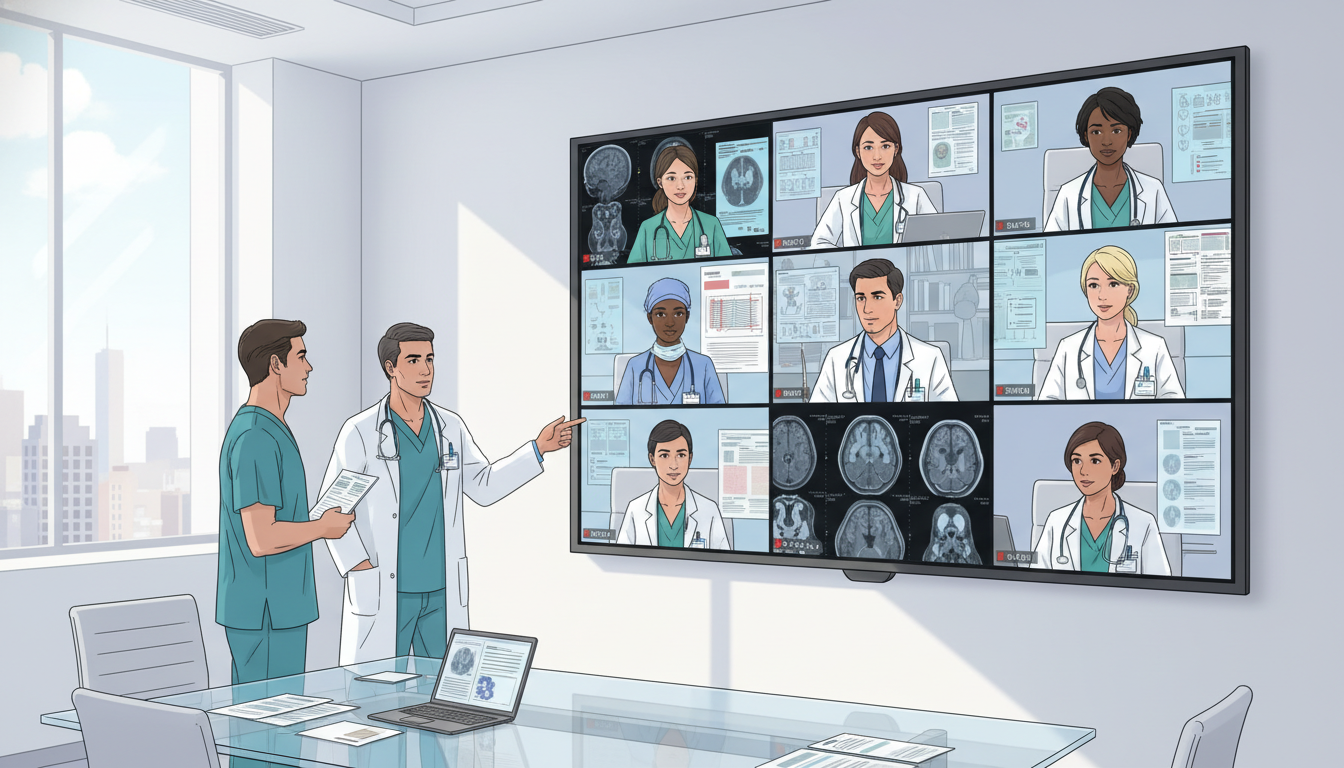
- Multi-disciplinary conferences (tumor boards, epilepsy boards)
- Education, case reviews, and remote mentoring
Telemedicine cannot replace:
- Physical, in-person neurological exams when detailed motor/sensory testing is critical
- Procedural care: craniotomies, spine surgeries, endovascular work
- Emergencies requiring immediate physical intervention
Telehealth in neurosurgery is therefore best viewed as a care extender rather than a replacement for the operating room.
2. Key Telemedicine Roles for Neurosurgeons
While neurosurgeons themselves are not typically fully remote (they need OR access), telemedicine has created new, flexible practice configurations that combine on-site surgical work with remote consultation or part-time telehealth activities. Understanding these roles can help you plan your remote physician work interests early.
2.1 Telestroke and Acute Neurosurgical Triage
Clinical scenario:
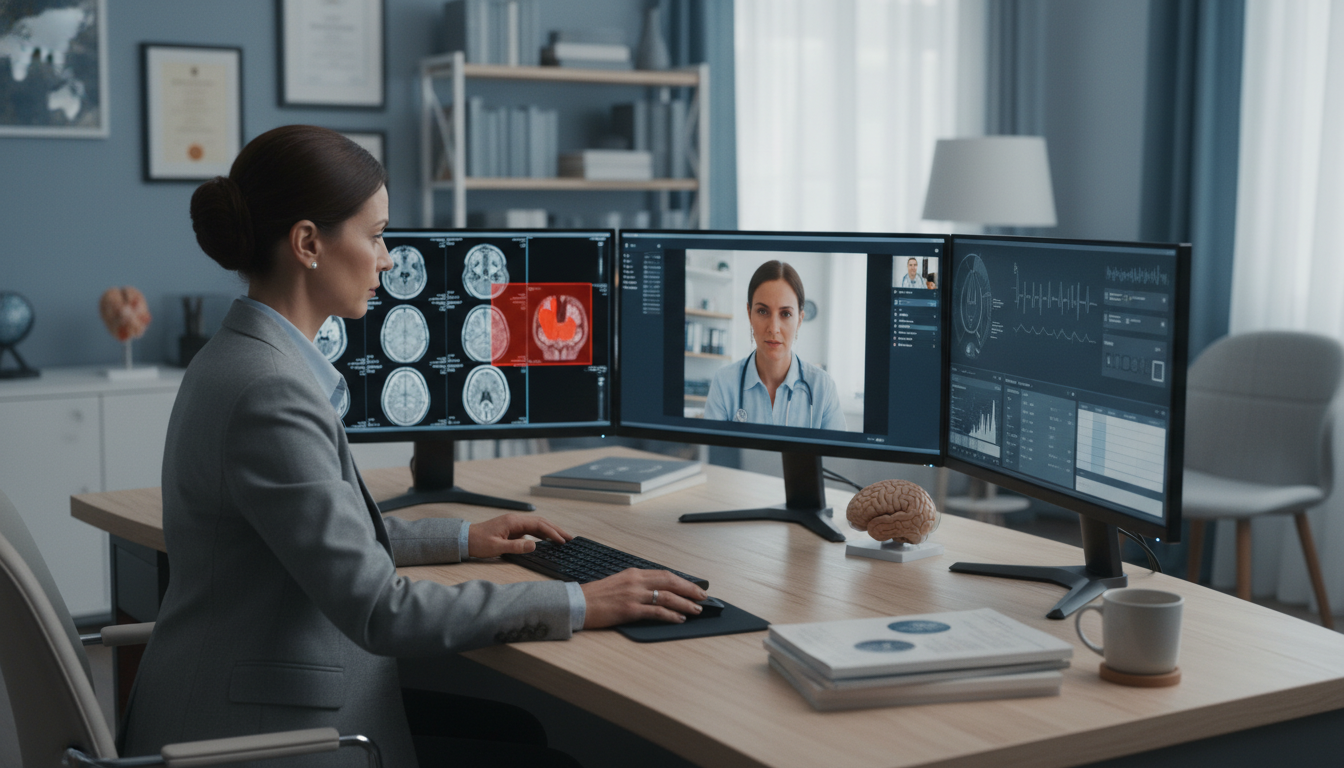
A small regional hospital without neurosurgical coverage has a patient with suspected subdural hematoma after a fall. The CT is uploaded. A telehealth neurosurgeon reviews imaging, assesses the patient via video (with local ED staff assisting), and helps decide:
- Transfer vs observe locally
- Timing and urgency of OR
- Additional imaging or labs
- Blood pressure targets and reversal of anticoagulation
Common applications:
- Acute trauma triage (EDs, trauma centers without 24/7 neurosurgery)
- Spontaneous intracerebral hemorrhage assessment
- Subarachnoid hemorrhage initial evaluation
- Hydrocephalus and shunt malfunction triage
- Complex spine trauma triage
Neurosurgeons in systems with multiple hospitals may cover tele-neurosurgery call, reviewing imaging from outlying sites and advising ED physicians.
Career angle:
As an attending, you may have:
- Standard on-site call for your main hospital, plus
- Tele-neurosurgery call for affiliated satellite hospitals
This is often structured with telehealth physician workflows optimized for rapid review and documentation.
2.2 Elective and Outpatient Tele-Neurosurgery
Many neurosurgical outpatient encounters do not strictly require hands-on examination at every visit. Current and emerging roles include:
Preoperative consultations
- Initial discussion of diagnosis, review of imaging
- Explaining surgical vs non-surgical options
- Multidisciplinary tele-visit with oncology, neurology, or pain management
Second opinions
- Reviewing imaging and prior recommendations for tumor, spine, functional, or vascular cases
- Often provided by academic medical centers drawing referrals regionally or nationally
Postoperative follow-ups
- Wound check via high-resolution video
- Review of pain, neurologic symptoms, return-to-work planning
- Discussion of pathology results and need for adjuvant therapy
Chronic condition management
- Degenerative spine disease follow-up
- Stable tumor surveillance (imaging review and symptom checks)
- Movement disorder device adjustments (when devices support remote programming)
Example practice pattern:
A neurosurgeon might allocate:
- 2 days/week for in-person clinic + OR
- 1 day/week dedicated to telemedicine clinic, reviewing scans and doing virtual visits
- Part of one evening for remote second-opinion consultations
This hybrid model can improve work-life balance while maintaining a robust surgical case load.
2.3 Telemedicine in Subspecialty Neurosurgery
Some subspecialties naturally lend themselves to more telemedicine integration:
Neuro-oncology & skull base
- High volume of surveillance imaging and long-term follow-up
- Multi-disciplinary tumor boards increasingly have remote access
Spine surgery
- Pre-op and post-op consults, pain management discussions, non-operative management check-ins
Functional neurosurgery (DBS, epilepsy surgery)
- Device programming, seizure diary review, medication optimization often done remotely with collaboration from neurology and neurophysiology
Pediatric neurosurgery
- Shunt monitoring, developmental follow-up, parent counseling
- Telehealth valuable for families traveling long distances to tertiary centers
In academic centers, subspecialists may gain national or international reputations and build remote referral streams, supported by formal telehealth infrastructures.
2.4 Remote Diagnostic and Advisory Roles
Some neurosurgeons combine clinical practice with remote physician work such as:
- Imaging review services (e.g., spine MRIs for second opinions)
- Remote participation in multi-institutional tumor boards or case conferences
- Consulting for digital health or telemedicine companies designing neurosurgical or neuro-monitoring tools
- Medical-legal consultation via teleconferencing
While these often require board certification and clinical experience, current neurosurgery residency trainees can position themselves now by gaining familiarity with telehealth platforms, documentation, and remote exam techniques.
3. Telemedicine Exposure and Skills During Neurosurgery Residency
Even if you’re not planning to work fully remotely, telemedicine competencies are becoming essential for residents. Residency programs increasingly integrate telehealth into rotations, continuity clinics, and cross-campus consult services.
3.1 How Telemedicine Appears in Neurosurgery Training
Common training touchpoints:
Tele-consult nights or weekends
Residents take calls from community EDs, review imaging remotely, and staff with attending neurosurgeons via video or phone.Virtual outpatient clinics
Residents join attendings in telehealth visits, learning how to:- Conduct focused virtual neurological exams
- Review imaging on screen with patients
- Document telehealth encounters according to billing and compliance rules
Cross-campus coverage
Large systems may have residents at a main site providing tele-consults for satellite hospitals.Interdisciplinary telehealth
Joint clinics (e.g., tumor, spine, DBS) conducted partially or fully via video.
Telemedicine exposure varies by program, but it’s increasingly common in academic centers and systems that cover large geographic areas.
3.2 Skills Neurosurgery Residents Should Develop
If you’re applying to brain surgery residency or already in training, aim to build the following telehealth-specific skills:
Virtual Neurological Examination Techniques
Learn how to:- Assess motor strength using functional tasks (e.g., chair rise, heel/toe walking)
- Evaluate gait and coordination with standard at-home movements
- Guide sensory testing with household items when appropriate
- Assess cranial nerve function via camera positioning and guided maneuvers
Imaging Communication Skills
- Share screens to show CT/MRI images
- Use lay language to explain complex findings (e.g., “this disk is bulging and pressing on the nerve”)
- Highlight what has changed over time on serial imaging
Triage and Risk Assessment
- Decide when telehealth is appropriate vs when to insist on in-person evaluation or emergent ED referral
- Develop structured approaches (e.g., red-flag symptoms checklist)
Telemedicine Documentation and Billing Basics
- Note patient location, provider location, platform used
- Capture consent for telehealth
- Understand time-based vs complexity-based billing elements for telehealth visits (varies by country and payer)
Technology and Workflow Management
- Know how to troubleshoot common tech issues (audio, video, connectivity)
- Use integrated EHR telehealth modules efficiently
- Coordinate with schedulers, nurses, and advanced practice providers who support tele-clinics
3.3 How to Seek Telemedicine Opportunities as a Resident or Applicant
For medical students and applicants:
Ask during interviews:
“How does your program integrate telemedicine into neurosurgery training?”
“Do residents gain experience with remote consults and virtual clinics?”Electives and projects:
Choose electives or scholarly projects related to:- Tele-neurosurgery outcomes (triage accuracy, transfer rates, cost savings)
- Patient satisfaction with virtual neurosurgical follow-up
- Implementation of telehealth for specific populations (e.g., rural pediatric neurosurgery)
For current residents:
- Volunteer for pilot telehealth clinics or cross-campus consult services.
- Propose QI or research projects:
- “Reducing unnecessary transfers via tele-neurosurgery triage”
- “Comparing telehealth vs in-person postoperative follow-up outcomes”
Building a telehealth portfolio shows programs and future employers that you understand both the clinical and systems-level aspects of modern neurosurgical care.
4. Telemedicine Careers After Neurosurgery Training
Most neurosurgeons will not work 100% remotely, but many will have hybrid careers combining traditional practice with substantial telehealth components. After residency and fellowship, telemedicine can augment clinical, academic, and lifestyle goals.
4.1 Academic Neurosurgery and Telehealth
Academic neurosurgeons may use telemedicine to:
- Expand their tertiary referral base (e.g., virtual second-opinion clinics for complex tumors or spine deformity)
- Participate in national or international case conferences
- Support outreach clinics in underserved regions by doing virtual pre- and post-visit follow-ups
- Contribute to tele-education:
- Virtual grand rounds
- International teaching collaborations
- Remote surgical mentoring through live-streamed cases (where permitted)
Institutions often support this model by providing telehealth infrastructure, billing specialists, and scheduling staff. Telemedicine can help academic neurosurgeons balance clinical care, research, and teaching by reducing time lost to travel between outreach sites.
4.2 Private Practice and Regional Health Systems
In private or large regional health systems, telemedicine roles often include:
Outreach to affiliated community hospitals
- Tele-consult coverage
- Direct-to-patient tele-clinics for spine, tumor, or general neurosurgery
Optimizing OR utilization
Pre-op and post-op visits via telehealth can streamline in-person clinic schedules, allowing more OR time.Flexible work arrangements
Senior neurosurgeons may shift more of their practice toward:- Imaging review
- Second opinions
- Non-operative spine care
- Administrative and advisory roles (often done remotely)
Here, telemedicine is a tool for efficiency, market reach, and lifestyle—all key considerations when selecting your first job.
4.3 Telemedicine Jobs and Remote Physician Work in Neurosurgery
While neurosurgery is not a typical field for “fully remote physician jobs” in the same way as radiology or psychiatry, there are several notable pathways:
Hybrid Clinical + Telehealth Roles
- On-site OR and clinic days
- Remote tele-clinics or tele-consult sessions (from home or office)
- Some large health systems support neurosurgeons covering evening tele-triage shifts remotely.
Telehealth Physician for Specialty Platforms
Some specialized telehealth companies partner with neurosurgeons to provide:- Remote second opinions for brain or spine cases
- Imaging interpretation with written reports and video discussions
- Limited but growing opportunities for telehealth physician roles in neurosurgical subspecialties
Medical Director or Advisory Positions
- Digital health startups working on:
- Remote neuro-monitoring devices
- Virtual reality rehab tools
- Tele-neuro-oncology platforms
- Roles may include part-time remote physician work advising on clinical protocols, user interfaces, and regulatory issues.
- Digital health startups working on:
International and Global Neurosurgery Tele-Projects
- NGOs and academic programs using telemedicine to support neurosurgical care in low-resource settings
- Attending neurosurgeons providing remote consults, education, and case review
These roles require robust clinical credibility—usually completion of residency, often fellowship, and a few years of practice—but you can strategically prepare during residency by:
- Publishing or presenting on tele-neurosurgery
- Gaining familiarity with multiple telehealth platforms
- Networking with digital health innovators in neurology/neurosurgery
5. Telemedicine, Career Strategy, and Work–Life Balance
For many neurosurgeons, telemedicine is less about “escaping the OR” and more about reshaping how and where non-operative care is delivered. Thoughtful use of telehealth can significantly impact career satisfaction.
5.1 Benefits for Neurosurgeons
Reduced travel and downtime
Remote clinics and triage shifts decrease commuting and inter-hospital travel.Scheduling flexibility
Some follow-up clinics or second-opinion visits can be scheduled during early mornings/evenings from a home office.Expanded reach with less burnout
You can maintain a high-impact regional or national referral practice without endless travel days.Potential for phased retirement or part-time work
Senior neurosurgeons may gradually reduce operative volume and increase telehealth and advisory roles.
5.2 Challenges and Limitations
Licensing and credentialing
- In many jurisdictions, you must be licensed in the patient’s location.
- Multi-state telehealth practices require multiple licenses and compliance with varying regulations.
Malpractice and liability
- Professional liability policies must clearly cover telemedicine encounters.
- Some insurers have specific telehealth riders or requirements.
Reimbursement and documentation
- Telehealth coding changes frequently; institutions typically have dedicated billing support.
- Residents and early-career neurosurgeons must learn correct documentation to support appropriate billing.
Clinical limitations
- Not all complaints are suitable for telehealth (e.g., new weakness, acute cauda equina, unclear localizing symptoms).
- Misuse of telehealth in these contexts can delay needed in-person care.
5.3 How Residency Applicants Can Signal Telemedicine Interest
When applying for neurosurgery residency, you can authentically signal interest in telemedicine and digital health through:
Personal statement
- Briefly highlight an interest in health systems innovation, virtual care, or access to neurosurgical services
- Tie it to a concrete experience (research, volunteer work, QI project)
Research and scholarly activity
- Projects on telehealth outcomes, patient satisfaction, or cost-effectiveness
- Presentations at neurosurgical or neurology conferences
Interview conversations
- Ask targeted questions:
- “How did your neurosurgery department adapt telemedicine during and after the pandemic?”
- “Are there opportunities for residents to be involved in telehealth initiatives or tele-neurosurgery research?”
- Ask targeted questions:
This positions you as forward-looking and systems-aware—qualities valued by many program directors.
6. Practical Steps to Prepare for a Telemedicine-Enabled Neurosurgery Career
Whether you’re a medical student, resident, or planning your early attending years, you can take structured steps now to align with future telemedicine jobs in neurosurgery.
6.1 During Medical School
- Take electives in neurology, neurosurgery, and telehealth when available.
- Join quality improvement or research projects involving:
- Tele-stroke
- Tele-neurosurgery consults
- Virtual tumor boards
- Learn the basics of:
- HIPAA/compliance in telehealth
- Informed consent for virtual visits
- Limitations of remote neurologic exams
6.2 During Neurosurgery Residency
Seek programs and rotations with:
- Multi-hospital systems and tele-consult infrastructures
- Established tele-neurosurgery services or pilots
Volunteer for:
- Developing or piloting virtual follow-up protocols
- Telehealth-related resident education or handbook sections
Build skills in:
- Efficient EHR and imaging system use during tele-visits
- Delivering complex news compassionately over video
- Teaching juniors and medical students via virtual platforms
6.3 Early Attending Years
Negotiate telehealth components into your job:
- Dedicated time for virtual clinics
- Participation in regional tele-triage pools
- Involvement in digital health committees or strategy groups
Continue professional development:
- CME on telemedicine regulations and best practices
- Courses in health informatics or clinical innovation
Explore side or adjunct roles:
- Advisory positions with digital health startups (once you have clinical grounding)
- Participation in global tele-neurosurgery or education initiatives
By intentionally cultivating these experiences, you’ll position yourself as a neurosurgeon who can lead and shape telemedicine programs rather than simply adapt to them.
FAQs: Telemedicine and Neurosurgery Careers
1. Can a neurosurgeon work completely remotely?
In most cases, no—neurosurgery is fundamentally an operative specialty requiring OR presence. However, neurosurgeons can shift a significant portion of their non-operative work (consults, follow-up, case review, second opinions) to telemedicine. Some senior neurosurgeons eventually transition to predominantly telehealth, advisory, or educational roles, but this usually follows many years of operative practice.
2. Will telemedicine reduce the need for neurosurgeons?
No. Telemedicine reallocates how neurosurgeons’ time is used rather than eliminating demand. It often increases access to neurosurgical expertise, generating more referrals and appropriate transfers. The operative workload typically remains stable or increases; telehealth just improves triage and follow-up efficiency.
3. How can I talk about telemedicine interest in my neurosurgery residency application?
Mention telemedicine:
- In your personal statement, tied to concrete experiences (e.g., tele-stroke volunteering, digital health projects).
- During interviews, ask about telehealth training and innovation within the department.
- In your CV, highlight related projects, QI work, or publications.
Keep it grounded in patient care and access, not just a desire for remote work.
4. Are there specific fellowships focused on telemedicine in neurosurgery?
There are no widely recognized tele-neurosurgery-specific fellowships. However, telehealth content is increasingly woven into:
- Neuro-oncology, spine, functional, and pediatric neurosurgery fellowships
- Fellowships in clinical informatics, health systems, and digital health, which neurosurgeons can pursue in addition to or after clinical fellowships
Combining a neurosurgical subspecialty fellowship with informatics or digital health training is a strong pathway for future leaders in tele-neurosurgery.
Telemedicine is reshaping how neurosurgeons deliver care across the spectrum—from emergent triage to long-term follow-up and international collaboration. For current and future neurosurgery residency and brain surgery residency trainees, developing telehealth skills is a strategic way to enhance clinical impact, expand career options, and build more flexible and sustainable careers in one of medicine’s most demanding specialties.