


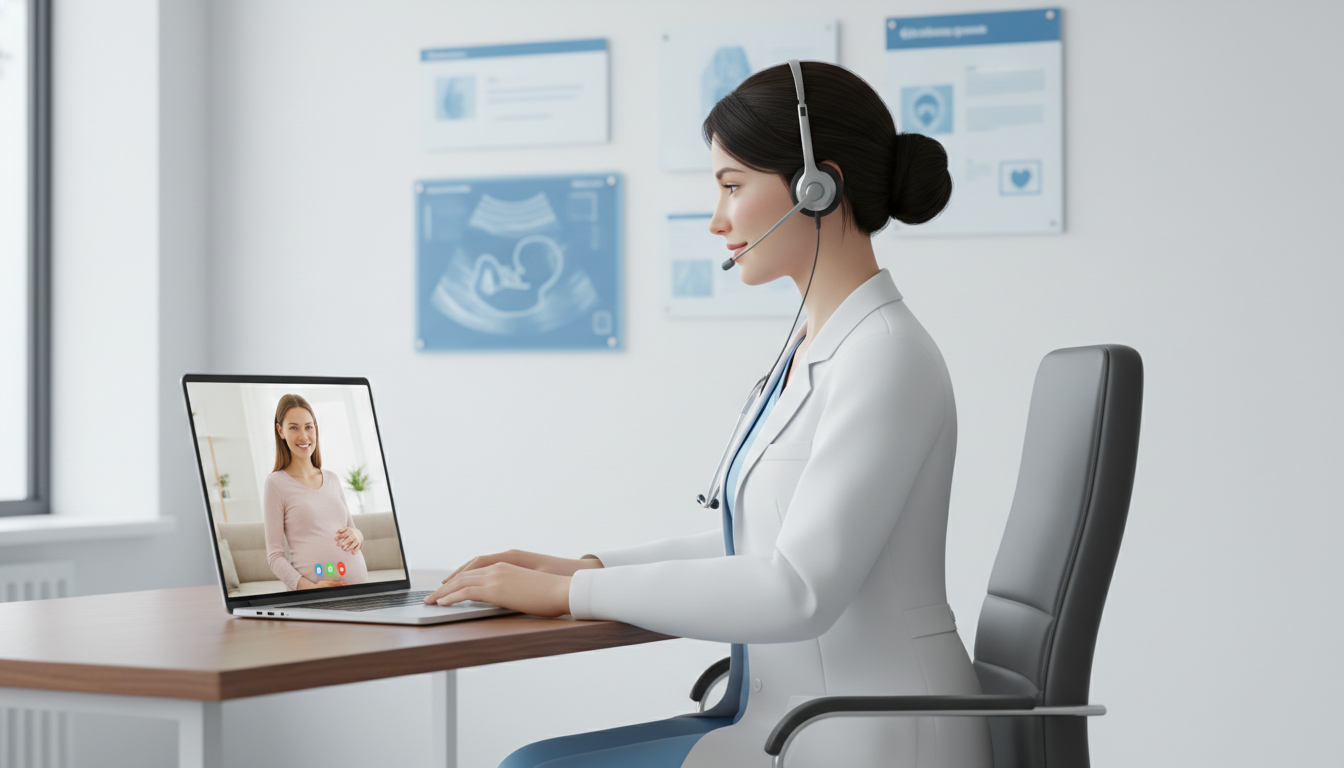
Telemedicine and virtual care are reshaping how obstetricians and gynecologists practice medicine. For medical students and residents preparing for the OB GYN residency and the obstetrics match, understanding telehealth is no longer optional—it is rapidly becoming a core component of modern practice and a major source of career flexibility.
This guide examines telemedicine career opportunities in Obstetrics & Gynecology from the perspective of future and early-career physicians. You will learn how telehealth is used across the continuum of women’s healthcare, what telemedicine jobs look like in practice, and how to position yourself for remote physician work during and after residency.
The Rise of Telemedicine in OB GYN
Telemedicine in OB GYN surged during the COVID-19 pandemic but has now settled into a sustainable hybrid model that many systems plan to maintain long term. For residents and applicants, this has three big implications:
Telehealth skills are now expected, not “nice-to-have.”
Many programs are incorporating telemedicine into ACGME milestones, evaluations, and continuity clinics.Career paths are diversifying.
You can now build a career that blends in-person clinical care, telehealth physician work, academic teaching, and consulting—all within OB GYN.Access and equity are front and center.
Virtual care can expand access to prenatal and gynecologic care in rural, underserved, and marginalized communities, but also risks widening gaps for those without digital access. Thoughtful physicians are needed to design equitable models.
Key drivers of telemedicine growth in OB GYN include:
- Growing comfort among patients with video visits
- Increased reimbursement parity for telehealth services (varies by state and payer)
- Technology that integrates remote monitoring (e.g., home blood pressure cuffs, glucose monitors)
- Workforce shortages in OB GYN, especially in rural areas
- Demand from physicians for more flexible, location-independent work
For residency applicants, demonstrating awareness of these trends can strengthen your application essays and interviews, particularly if you articulate how you envision integrating telehealth into your future practice.
Where Telemedicine Fits Across OB GYN Care
Telemedicine is not a complete replacement for in-person OB GYN care—but it meaningfully augments it. Understanding what can (and cannot) be done virtually is fundamental to safe practice and to evaluating future telemedicine jobs.
Tele-Obstetrics: Virtual Prenatal and Postpartum Care
Prenatal care is increasingly delivered in hybrid models that combine in-person and virtual visits. Common telehealth uses include:
Early pregnancy counseling and intake
- Confirmation of pregnancy (after lab work done locally)
- Review of medical/obstetric history and risk stratification
- Medication review and teratogen counseling
- Genetic screening options counseling
Routine prenatal follow-up for low-risk pregnancies
- Virtual visits alternating with in-person visits
- Review of blood pressure, weight, and fetal movement logs from home
- Discussing symptoms (e.g., nausea, heartburn, insomnia) and prescribing treatments
- Mental health screening and counseling
High-risk pregnancy support (in a complementary role)
- Co-management consultations with maternal-fetal medicine (MFM) when patient lives far from a tertiary center
- Diabetes in pregnancy education and glucose log review
- Hypertensive disorder follow-up after hospital discharge
Postpartum care
- 1–2 week post-discharge virtual check-ins (especially for preeclampsia, cesarean wound checks, mood screening)
- 6-week postpartum visit when physical exam is minimal or can be completed by local clinician
- Breastfeeding and lactation support in coordination with lactation consultants
Examples:
- A 28-year-old G1 with low-risk pregnancy completes every other prenatal visit via video from home, monitoring BP and weight with home equipment provided by the clinic. The OB GYN reviews readings and symptoms, adjusts medications, and arranges in-person fetal growth scans as needed.
- A rural patient with gestational diabetes meets with an MFM telehealth physician every 1–2 weeks for glucose review, while in-person ultrasounds are done locally.
Virtual postpartum care is a particularly strong fit, because many new parents face transportation, childcare, or recovery barriers that make in-person visits difficult.
Tele-Gynecology: Outpatient GYN and Reproductive Health
Gynecologic care has many components ideally suited to telemedicine, especially for counseling and longitudinal management.
Common tele-gynecology applications include:
Contraception counseling
- Discussing options, side effects, and contraindications
- Initiating or refilling contraceptive pills, patches, rings
- Pre-visit counseling for LARC insertions (IUD, implant), then scheduling in-person placement
- Post-placement counseling follow-ups
Management of chronic conditions
- PCOS: lifestyle, menstrual regulation, fertility planning
- Endometriosis: pain management, medical therapy follow-up
- Abnormal uterine bleeding: initial history and workup, ordering labs/imaging prior to in-person exam if needed
- Menopause and perimenopause: hormone therapy counseling, symptom management
Medication management
- Adjusting or refilling chronic medications (e.g., for dysmenorrhea, endometriosis, HRT)
- Addressing side effects and adherence
Sexual and reproductive health
- STI counseling, partner notification guidance, and treatment selection (labs still required)
- Pain with intercourse discussions and initial management
- Sexual function issues (desire, arousal, anorgasmia, pain)
Oncology survivorship and surveillance (with limitations)
- Follow-up discussions of imaging or lab results
- Symptom checks and survivorship concerns
- Genetic counseling coordination
Limitations: Conditions requiring direct physical exam (e.g., acute pelvic pain, suspected torsion, heavy acute bleeding, complex pelvic mass assessment) typically cannot be handled exclusively via telehealth.
Subspecialty Telemedicine in OB GYN
Telemedicine career opportunities also exist in subspecialties:
Maternal-Fetal Medicine (MFM)
- Remote consults for high-risk pregnancies
- Review of imaging performed locally with synchronous or asynchronous consults
- Preconception counseling for chronic disease or genetic risk
Reproductive Endocrinology & Infertility (REI)
- Infertility intake and ongoing cycle counseling
- Review of test results and treatment planning
- Tele-monitoring for ovulation induction or IVF coordination (with labs/imaging done locally)
Urogynecology
- History-taking and conservative management of pelvic floor disorders
- Behavioral therapy for incontinence
- Pre- and post-operative counseling
Family Planning
- Contraception planning and options counseling
- Medication abortion follow-up in jurisdictions where it is legal and supported by guidelines
- Counseling for complex family planning decisions
For residents and fellows, these subspecialty telehealth uses can shape elective choices and research projects, particularly in programs with strong virtual care infrastructure.
What Telemedicine Jobs in OB GYN Actually Look Like
When you think of telemedicine jobs, you might picture a physician working from home seeing patients all day on video. While that role does exist, the landscape is more varied. Understanding these models will help you evaluate opportunities as you approach the end of residency or fellowship.
1. Hybrid Clinical Roles (Most Common)
In hybrid roles, you are primarily an in-person OB GYN (with or without obstetrics), but a portion of your schedule is devoted to telehealth visits.
Typical structure:
- 1–3 half-days per week scheduled as telemedicine clinics
- Mixture of new and established patients
- Often focused on follow-ups, counseling, and chronic disease management
- Telehealth scattered across weeks or concentrated into “virtual weeks” depending on practice setup
Advantages:
- Maintains your procedural and surgical skills
- Preserves in-person patient relationships and full-scope OB GYN practice
- Offers flexibility (e.g., telehealth from home one day per week) and reduced commute time
- More stable reimbursement and benefits than purely remote contract work
Challenges:
- Requires excellent time management and workflow coordination with staff
- May blur boundaries between work and home if telehealth is done off-site
- Still subject to traditional call schedules and delivery coverage
This model is increasingly standard in large health systems, academic centers, and integrated OB GYN groups.
2. Full-Time Telehealth Physician Roles
Some organizations hire OB GYNs (or general women’s health physicians) to work almost entirely via telemedicine. These can be W-2 employed positions or 1099 independent contractor roles.
Typical employers:
- Large telehealth companies (including those focused on women’s health)
- Health plans or payers with virtual care arms
- Start-ups focusing on digital women’s health, fertility, or menopause
- Academic centers expanding virtual specialty care to remote regions
Scope of practice:
- Often outpatient gynecology and reproductive health only (no deliveries, surgeries, or in-person procedures)
- Heavy emphasis on counseling, medication management, and chronic care
- May require prescribing across multiple states if you hold multiple licenses
Advantages:
- True remote physician work: you can often practice from anywhere within the U.S. (with proper licensure)
- Great fit for those who want to step away from call, nights, and deliveries
- Potential for more predictable schedules and better work-life balance
- Often includes opportunities for protocol development and digital product input
Challenges:
- Limited procedural and surgical exposure; not ideal if you want to maintain broad hands-on OB GYN skills
- Compensation can vary widely and sometimes depends on volume-based incentives
- Need to navigate multiple state regulations and varying payer policies
- Can feel isolating if not paired with meaningful team interaction
This pathway can be appealing after several years of traditional practice, during periods of relocation, or for physicians with health or family considerations that make in-person call challenging.
3. Part-Time, Per-Diem, and Side-Gig Telemedicine
Telehealth can also serve as supplemental income or a bridge during transitions.
Common arrangements:
- Evening or weekend telehealth shifts assessing non-urgent OB GYN concerns
- Tele-triage roles for hospital or health system patients
- Short video or asynchronous visits through apps that manage low-acuity problems (e.g., contraceptive refills, uncomplicated UTI workups, yeast infections, menopause symptom management)
Advantages:
- Flexible hours and location independence
- Useful income stream during fellowship, part-time clinical practice, or academic roles
- Allows you to explore different telehealth platforms and practice models with low commitment
Challenges:
- Variable compensation and patient volume
- Need to be careful about non-compete clauses, moonlighting rules during residency or fellowship, and malpractice coverage
- Clinical limitations imposed by specific platform protocols
As you near the end of OB GYN residency, exploring one or two well-vetted telehealth opportunities can expand your understanding of remote physician work and help refine your career goals.
4. Academic and Leadership Paths in Telehealth
For those drawn to systems-level impact, telemedicine opens avenues beyond direct patient care:
- Telemedicine program director or medical director
- Oversight of telehealth protocols, quality metrics, and integration into OB GYN services
- Collaboration with IT, nursing, and administration
- Curriculum development for residents and students
- Creating telehealth rotations, communication skills training, and simulation scenarios
- Research
- Studying tele-obstetrics effects on outcomes (e.g., blood pressure control, preeclampsia detection)
- Evaluating access and equity impacts for rural or underserved populations
- Analyzing patient and provider satisfaction and cost-effectiveness
Mentioning interest in telehealth leadership or quality improvement in your personal statement or interviews can distinguish you among OB GYN residency applicants, especially if you pair it with concrete experiences (e.g., a QI project on virtual prenatal care).

Pros, Cons, and Practical Realities of Telehealth Work
Understanding the real-world trade-offs of telehealth jobs is critical before you commit your career path.
Benefits of Telemedicine Careers in OB GYN
Work-Life Flexibility
- Greater control over schedule and location
- Reduced commute and ability to live in lower-cost or preferred locations while serving multiple markets
- Potential to align work hours with childcare or personal commitments
Reduced Physical Demands
- No overnight calls for deliveries or emergency surgeries in many telehealth positions
- Less standing, operating, and clinic room turnover responsibilities
- Appealing for physicians with health issues or after many years of intense in-person practice
Expanded Reach and Equity
- Ability to serve patients in OB GYN “deserts” where in-person care is limited
- Facilitation of second opinions and specialist access for remote patients
- Opportunities to work in language-specific or culturally tailored telehealth programs
Career Diversification
- Combine telehealth with teaching, research, consulting, or entrepreneurship
- Gain experience with digital health tools, which can open doors to leadership roles
Challenges and Limitations
Clinical Limitations
- Inability to perform pelvic exams, ultrasounds, or procedures
- Reliance on patient-reported vital signs and home equipment
- Need to triage carefully to in-person or emergency care when red flags appear
Regulatory and Licensing Complexity
- You must generally hold a license in the state where the patient is located at the time of the visit
- Different states have varying telehealth rules, prescribing laws, and informed consent requirements
- Controlled substance prescribing is especially regulated
Technology Barriers
- Patients may lack broadband, devices, or digital literacy
- Connectivity problems and platform glitches can disrupt care
- Practices must ensure HIPAA-compliant platforms and secure workflows
Professional Identity and Skill Maintenance
- Full-time telehealth roles can erode procedural skills over time
- Some physicians miss in-person relationships and team dynamics
- You may need structured plans for CME, simulation, or part-time clinical work to maintain certifications and skills
Compensation and Stability
- Payment models may be volume-based, leading to income variability
- Shifts in telehealth reimbursement or regulations could affect job availability
- Startups may have higher risk of restructuring or closure
When considering a telehealth position, ask specific questions about patient volume, compensation structure, scheduling autonomy, support staff, malpractice coverage, and expectations around cross-state licensing.
How to Prepare for Telemedicine Careers During Medical School and Residency
Whether you’re aiming for OB GYN residency or already in training, you can deliberately build telemedicine competency that will serve you throughout your career—and make you more competitive in the obstetrics match.
1. Seek Telehealth Exposure During Rotations
- Choose electives in clinics that incorporate virtual prenatal or gynecology visits.
- Ask attendings if you can:
- Observe live telehealth visits
- Co-conduct virtual visits under supervision
- Help refine clinic workflows (e.g., pre-visit questionnaires, patient instructions)
Document these experiences for use in personal statements, CV entries, or ERAS application narratives.
2. Hone Virtual Communication Skills
Telemedicine amplifies the importance of communication because you lose some nonverbal cues and the ability to examine patients hands-on.
Focus on:
- Opening the visit clearly
- Verify identity, location (important for emergencies), and consent for telehealth
- Clarify what can and cannot be addressed virtually in that session
- Using structured histories
- Telehealth relies heavily on detailed H&P; practice systematic approaches to pain, bleeding, pregnancy concerns, and acute symptoms
- Compensating for lack of exam
- Use patient-guided maneuvers when appropriate (e.g., palpating areas of pain)
- Ask very specific questions about symptoms and timing to refine differential diagnoses
- Closing the loop
- Summarize the plan, clarify follow-up (virtual vs in-person), and provide clear return precautions
Ask for feedback on your “webside manner” from faculty and patients, and consider recording mock telehealth encounters for self-review (within privacy guidelines).
3. Understand the Technical and Regulatory Basics
You don’t need to be a legal expert, but you should grasp:
- Basic telehealth workflow (scheduling, pre-visit intake, documentation, billing codes)
- Privacy and HIPAA considerations for video and messaging platforms
- Common state-level variations in telehealth regulations
- Documentation requirements for virtual prenatal and gynecologic visits
Participation in a telehealth quality improvement (QI) or research project is an excellent way to build this knowledge and demonstrate initiative.
4. Build a Telehealth-Ready CV and Personal Brand
If you are interested in integrating telehealth into your OB GYN career:
- Highlight relevant experiences:
- Virtual clinics, QI projects, digital health electives
- Curriculum development or teaching related to telemedicine
- Research or presentations on tele-obstetrics or tele-gynecology
- Signal interest in applications:
- Mention telemedicine in your personal statement as one component of your broader career vision
- Be specific: discuss how you see virtual care improving prenatal monitoring, contraception access, or chronic disease management
- Network with mentors involved in telehealth:
- Ask them how virtual care has changed their practice
- Seek guidance on balancing in-person and telehealth responsibilities
For the obstetrics match, this framing shows you understand where the specialty is headed and are prepared to contribute to innovation rather than simply react to it.
5. Plan Long-Term for Flexible Career Options
Even if you intend to practice full-scope OB GYN with deliveries and surgery initially, telemedicine skills give you optionality later:
- Transitioning to more outpatient or telehealth-heavy roles during different life phases
- Relocating without entirely restarting your patient base
- Taking on remote physician work while exploring leadership, administrative, or academic opportunities
Think of telehealth not as a separate career, but as a set of competencies that expands your practice palette over time.
Frequently Asked Questions (FAQ)
1. Can I practice OB GYN entirely remotely as a telehealth physician?
You can practice many aspects of gynecology and some elements of obstetrics remotely, especially outpatient counseling and chronic care management. However, full-scope OB GYN—which includes deliveries, surgeries, and in-person procedures—cannot be done exclusively via telehealth. Most fully remote telehealth physician roles focus on gynecology, contraception, menopause, fertility counseling, and follow-up care, not operative obstetrics or gynecologic surgery.
2. Will telemedicine reduce the demand for OB GYN physicians in the future?
Telemedicine is unlikely to reduce demand; in many cases, it expands access and reveals unmet need. Remote care can improve efficiency and allow OB GYNs to manage more follow-ups with less travel time, but it does not replace the need for in-person prenatal care, deliveries, procedures, and emergent evaluations. In fact, regions with severe OB GYN shortages often use telehealth to connect patients to specialists they would otherwise never see—while still needing local clinicians for in-person services.
3. How can I talk about telehealth interest in my OB GYN residency interviews without sounding unfocused?
Frame telemedicine as one tool within a comprehensive OB GYN career vision. For example: “I’m passionate about improving access to prenatal and contraceptive care in rural communities. I see myself practicing full-scope OB GYN, but also integrating telehealth for follow-up, counseling, and high-risk co-management. During residency, I hope to participate in tele-obstetrics QI projects and learn how to design safe hybrid care models.” This shows you value foundational in-person training while also engaging with the specialty’s future.
4. What should I look for in a telemedicine job posting as a new OB GYN graduate?
Key points to evaluate include:
- Scope of practice (OB vs GYN only; procedures or none)
- Schedule expectations (hours, weekends, call)
- Compensation structure (hourly vs per-visit vs RVU-based)
- Malpractice coverage (who provides it and what it covers)
- Licensing requirements (number of states, support for obtaining licenses)
- Technology and support (IT assistance, nursing/MA support, triage systems)
- Opportunities for growth (leadership, quality improvement, protocol development)
For your first job after residency, a hybrid role that combines in-person training consolidation with some telehealth exposure is often the most balanced starting point.
Telemedicine is now woven into the fabric of OB GYN practice. For residency applicants and early-career physicians, understanding and embracing virtual care will open doors—to more flexible work, to innovative care models, and to patients who might otherwise go without essential obstetric and gynecologic services. By deliberately building telehealth skills during training and thoughtfully evaluating telemedicine jobs, you can craft an OB GYN career that is both future-ready and deeply patient-centered.




















