


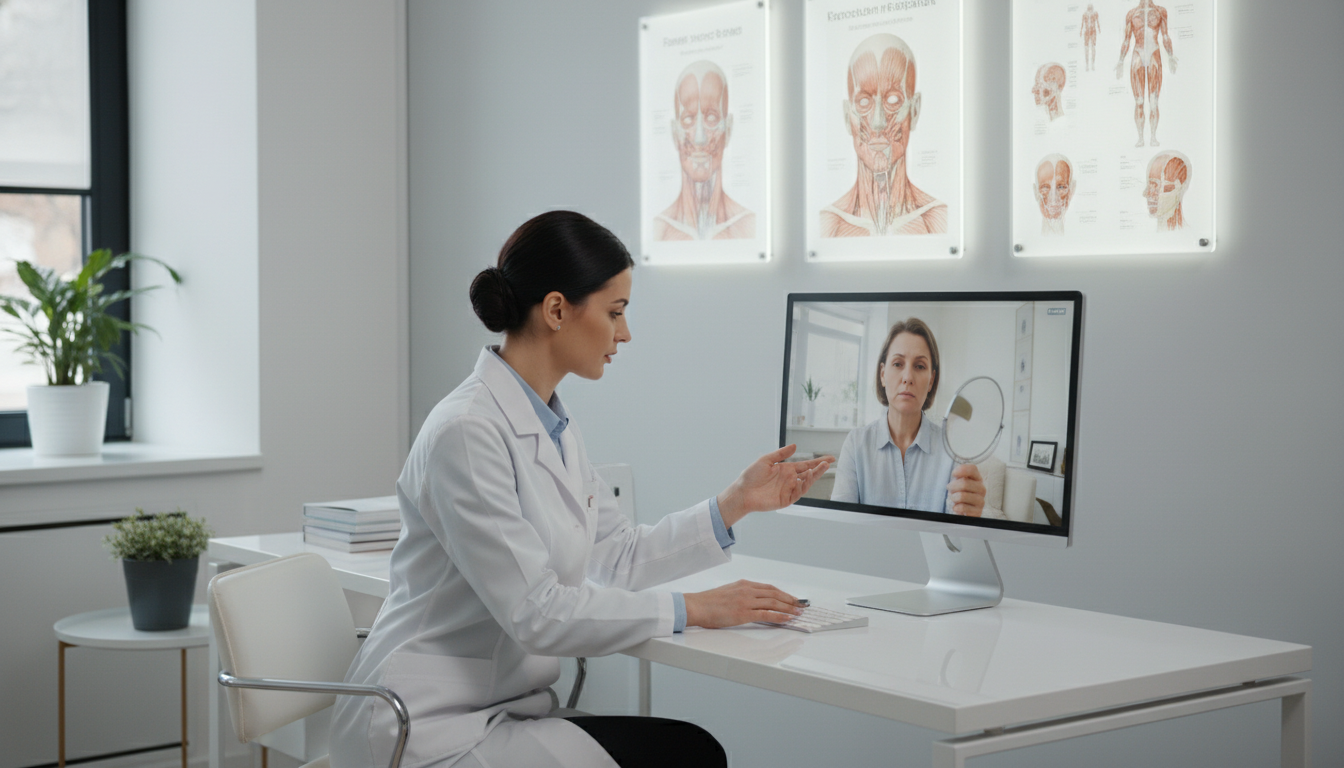
Telemedicine is reshaping how plastic surgeons deliver care, follow patients, and build careers. For residency applicants and early-career surgeons, understanding telehealth is no longer optional—it’s becoming part of the core skill set that influences your competitiveness, flexibility, and long-term job options.
This guide explores telemedicine career opportunities in plastic surgery, how they intersect with the plastic surgery residency and integrated plastics match, and practical steps to position yourself for future remote physician work and telehealth-focused roles.
Understanding Telemedicine in Plastic Surgery
Telemedicine—sometimes more broadly called telehealth—refers to providing clinical services to patients remotely using audio, video, and digital tools. In plastic surgery, telemedicine has distinct patterns of use compared with fields like psychiatry or primary care, but it is rapidly expanding.
Where Telemedicine Fits in Plastic Surgery
Key areas where telehealth is already integrated into plastic surgery practice:
Pre-consultation triage & screening
- Evaluating whether a patient is a candidate for surgery or non-surgical interventions.
- Reviewing photos, medical history, and goals before bringing them in for an in-person visit.
- Particularly common for:
- Cosmetic consultations (rhinoplasty, breast augmentation, body contouring)
- Minor reconstructive issues (scar revisions, small defects, post-Mohs reconstruction)
Postoperative follow-up
- Wound checks via high-resolution photos or video.
- Suture or dressing reviews (with local providers assisting when needed).
- Monitoring recovery, pain control, and early complication signs (hematoma, infection).
- Especially useful when patients travel from long distances for surgery.
Long-term outcome monitoring
- Annual follow-ups for reconstructive patients (e.g., breast reconstruction after cancer).
- Checking symmetry, function, and satisfaction without requiring travel.
Second opinions & multidisciplinary care
- Telehealth visits with patients seeking second opinions on complex reconstructions.
- Virtual tumor boards or multidisciplinary conferences including plastic surgeons.
Non-surgical aesthetic services
- Initial evaluations and counseling for injectables, skincare protocols, and aesthetic planning.
- Virtual skin consultations and maintenance visits for established patients.
Why Telemedicine Matters for Your Career
For plastic surgery residents, applicants, and early-career surgeons, telemedicine impacts:
Practice design & flexibility
Telemedicine makes it easier to work part-time, remotely, or across multiple locations—important for those interested in portfolio careers, family flexibility, or geographic freedom.Competitive edge in the integrated plastics match
Demonstrated experience with telehealth (research, quality projects, or educational initiatives) can distinguish your application and signal future-readiness.Expanded patient reach & business growth
Telehealth supports marketing, patient acquisition, and retention—skills that are increasingly valued in private practice and academic roles alike.Alternative revenue streams
Telemedicine jobs and remote physician work options provide additional income and diversification beyond the OR.
Types of Telemedicine Career Opportunities in Plastic Surgery
Telemedicine in plastic surgery isn’t just “doing a few video visits.” It spans a spectrum of career models. Understanding these can help you decide where to focus during training and early career planning.
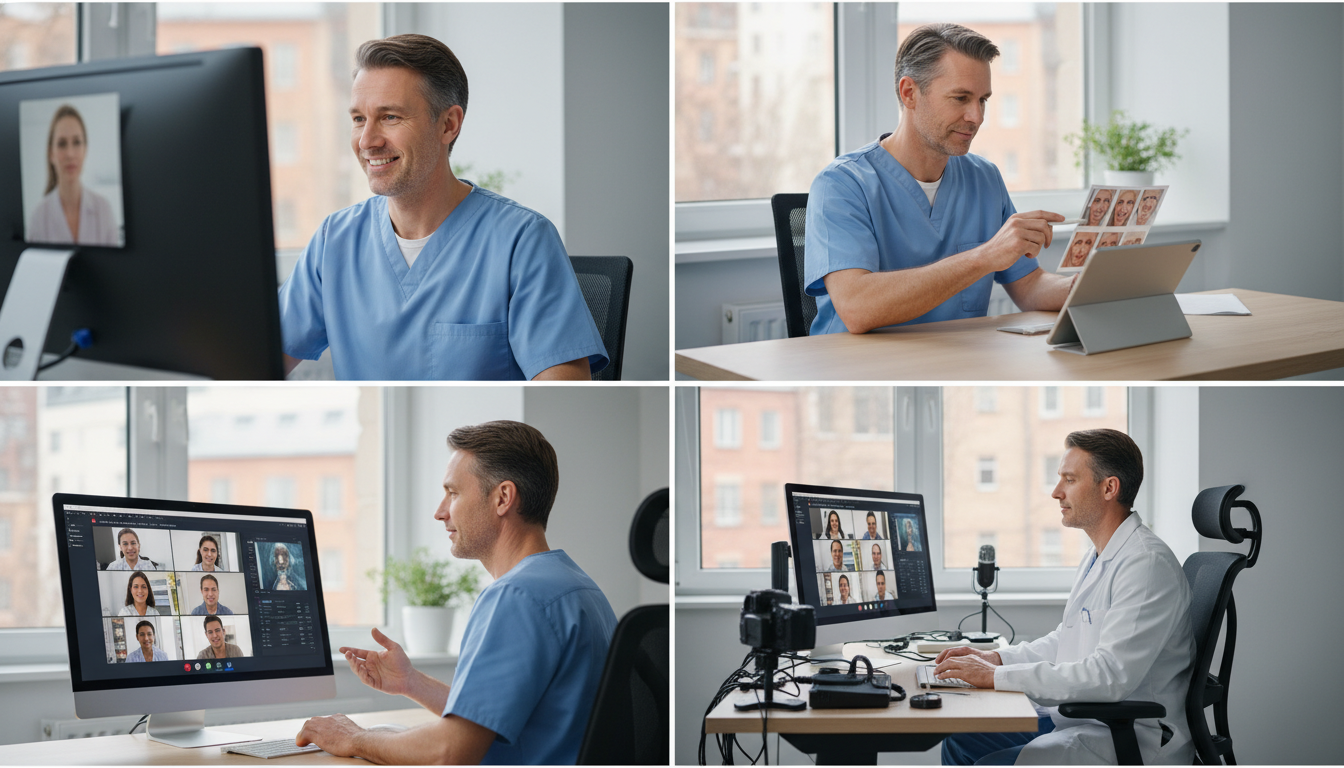
1. Traditional Practice with Integrated Telehealth
Model: Brick-and-mortar plastic surgery practice (academic, hospital-based, or private) that incorporates telehealth for a subset of encounters.
Typical use cases:
- Pre-consult screening for new patients (especially from far away).
- Post-op visits for uncomplicated recoveries.
- Long-term reconstructive follow-ups.
- Simple complications where visual assessment suffices.
Career implications:
- Most realistic and common path for future plastic surgeons.
- Allows you to blend OR time, in-person clinics, and virtual work.
- Strongly valued by health systems focusing on access and efficiency.
How this may appear in a job description:
- “Plastic surgeon with interest in virtual care or telehealth innovation.”
- “Expected to conduct a proportion of follow-up and consultative visits via telemedicine.”
2. Telemedicine-Heavy Private Aesthetic Practice
Model: A cosmetic-focused practice that uses telehealth aggressively for marketing, initial consultations, and post-op follow-up, often serving a regional, national, or international clientele.
Key features:
- High volume of virtual consultations before patients travel for surgery.
- Use of secure photo sharing and 3D imaging for planning.
- Emphasis on branding and digital presence: website, social media, virtual education.
- Some practices utilize telehealth to offer second opinions and concierge-style remote access.
Career implications:
- Appeals to surgeons interested in entrepreneurship and aesthetics.
- Revenue linked to both surgical and non-surgical services.
- Requires comfort with digital communication, patient expectations, and time-zone flexibility.
Actionable example:
- A surgeon in a major city markets rhinoplasty and facial aesthetic services using targeted online campaigns. Prospective patients from across the country complete virtual consultations and imaging reviews before deciding whether to travel for in-person evaluation and surgery. Most non-urgent follow-ups are done via telehealth.
3. Academic Telehealth Leadership and Innovation Roles
Model: Faculty roles at academic medical centers that include clinical telemedicine plus program-building, research, or education around virtual care.
Components may include:
- Designing telemedicine pathways for trauma, burns, cleft/craniofacial follow-up, or oncologic reconstruction.
- Leading quality improvement projects comparing virtual vs in-person follow-up outcomes.
- Building teleconsultation services for community hospitals without local plastic surgeons.
- Training residents and students in telehealth best practices.
Potential titles:
- Director of Telehealth for Plastic Surgery
- Virtual Care Medical Director, Department of Surgery
- Telemedicine Quality and Outcomes Lead
Career implications:
- Ideal if you enjoy systems design, policy, and innovation.
- Often compatible with obtaining grants or institutional support.
- Strengthens your academic portfolio with publications and leadership.
4. Remote Physician Work in Telehealth Platforms
Model: Working as a telehealth physician on digital platforms that offer consultative or non-surgical care. In plastic surgery, these roles tend to be niche but are growing, especially in:
- Cosmetic dermatology and aesthetics platforms
- Skin-care evaluation and treatment plans.
- Non-surgical cosmetic counseling and maintenance.
- Scar management and wound care
- Remote consults for scars, minor burns, and chronic wounds.
- Second-opinion services
- Surgical plan review and counseling for patients seeking expert input before major reconstruction or cosmetic procedures.
Limitations:
- Telemedicine jobs specifically labeled “plastic surgery” are fewer than in primary care or psychiatry.
- Most remote physician work platforms still cater primarily to general medicine, mental health, or dermatology.
Career implications:
- Good as a supplemental income source rather than a chief career path, at least currently.
- Offers geographic freedom and flexible schedules (evenings, weekends).
- Useful for physicians reducing operative hours, or during career transitions.
5. Global and Rural Teleconsultation Services
Model: Providing remote expertise to communities without local plastic surgeons, both domestically and internationally.
Examples:
- Virtual consults for cleft lip/palate programs where local surgeons or NGOs seek expert advice.
- Tele-burn follow-up after patients are discharged back to remote communities.
- Remote review of imaging and photos for trauma or oncologic reconstruction planning.
Career implications:
- Highly aligned with mission-driven and global surgery interests.
- May be structured as academic collaborations, NGO partnerships, or government-funded programs.
- Can form a meaningful component of an academic or hybrid practice portfolio.
How Telemedicine Intersects with Residency, Training, and the Integrated Plastics Match
Understanding telehealth now can make you a more attractive candidate in the integrated plastics match and better prepared for modern practice.
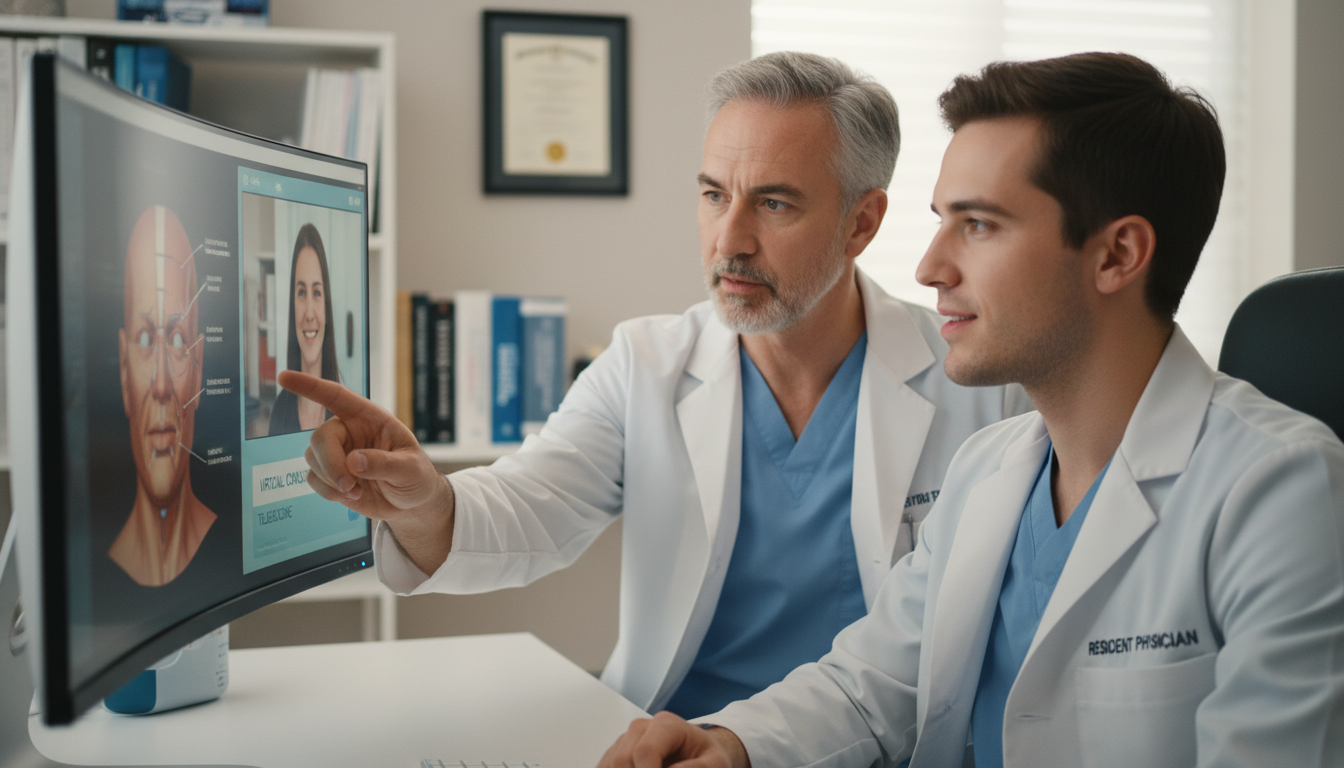
Telemedicine Exposure During Plastic Surgery Residency
Residency programs increasingly integrate telehealth experiences, such as:
- Virtual postoperative clinics supervised by attendings.
- Teleconsults for inpatient or ED cases from affiliated hospitals.
- Remote multidisciplinary conferences (tumor boards, craniofacial meetings).
- Quality initiatives comparing telehealth vs in-person outcomes.
Ask programs during interviews:
- “How does your program use telemedicine in plastic surgery care?”
- “Do residents get formal training or evaluation in telehealth communication and documentation?”
- “Are there telehealth-related research or QI opportunities?”
Programs with structured telemedicine exposure signal:
- Institutional commitment to modern care models.
- Opportunities to build experience you can highlight later in job searches.
Leveraging Telehealth in Your Residency Application
For medical students and preliminary residents aiming for an integrated plastics residency, telemedicine involvement can strengthen your application:
Potential experiences:
- Research: Outcomes of telehealth follow-up in breast reconstruction, cleft surgery, or hand trauma.
- Quality improvement: Reducing unnecessary in-person post-op visits by implementing virtual wound checks.
- Education projects: Creating telehealth guidelines for pre-op counseling or standardized photo intake protocols.
Ways to showcase this in your application:
- Include specific telehealth-related projects in your CV and ERAS entries.
- Discuss how you used virtual tools during sub-internships or away rotations (especially during pandemic periods).
- In interviews, emphasize:
- How telemedicine improved patient access or satisfaction.
- Lessons learned in communication, privacy, and patient expectations.
Example interview response:
“During my sub-internship in plastic surgery, I helped develop a standardized workflow for telemedicine follow-up in breast reconstruction patients. We created a photo submission protocol and structured video checklists for assessing incision healing and early complications. This reduced unnecessary hospital visits while maintaining safety and high patient satisfaction.”
Building Telehealth Competencies as a Resident
Regardless of your program’s structure, you can proactively build telemedicine skills:
Technical proficiency
- Become comfortable with your institution’s telehealth platform.
- Learn basic troubleshooting (audio/video issues, lighting, camera positioning).
Communication skills
- Practice explaining procedures and risks clearly without physical examination.
- Use patient-friendly language and confirm understanding.
Documentation & billing
- Understand what must be documented in telehealth visits for medical-legal and reimbursement purposes.
- Learn appropriate coding and modifiers where relevant.
Ethics and privacy
- Ensure HIPAA-compliant environments.
- Counsel patients about limitations of virtual evaluation and when in-person care is necessary.
These competencies carry directly into your post-residency job search and can differentiate you as a new attending.
Practical Steps to Prepare for a Telemedicine-Enabled Career in Plastic Surgery
While still in medical school or residency, you can actively prepare for future telehealth-focused practice and remote physician work opportunities.
1. Seek Specific Telehealth Experiences
Actively volunteer for:
- Virtual follow-up clinics.
- Resident-run teletriage under supervision.
- Projects digitizing intake forms, photo workflows, or remote monitoring.
If your institution underutilizes telemedicine:
- Propose a pilot: e.g., limited telehealth follow-up for uncomplicated breast reduction or hand surgery patients.
- Collaborate with surgery leadership and IT to build a small, measurable project.
2. Develop High-Quality Telehealth “Bedside Manner”
Core skills to practice:
- Visual presence: Good lighting, professional attire, neutral background, eye contact with camera.
- Structured exams: Clear verbal instructions to patients on positioning, lighting, and camera angles for scars, incisions, or deformities.
- Expectation management: Clearly explain what can and cannot be accomplished in a virtual visit.
Example script elements:
- “I’m going to ask you to adjust the camera so I can see the incision from the side as well as the front.”
- “Based on what I see today, this looks like normal healing, but there are some things I can’t reliably assess through video alone. If you notice X, Y, or Z, I want you to come in right away or go to the ER.”
3. Learn About Regulatory and Logistical Realities
Even as a trainee, basic understanding of regulations will help you design realistic telehealth projects and anticipate career constraints.
Key concepts:
- Licensure: Many telemedicine encounters require the physician to be licensed in the patient’s state or country.
- Reimbursement: Insurance and Medicare rules for telehealth coverage (especially relevant for reconstructive vs cosmetic services).
- Informed consent: Documenting limitations and risks of telehealth.
- Cross-border care: Additional caution when patients are outside your jurisdiction.
4. Build a Digital Professional Identity
Telehealth often intersects with digital presence and patient acquisition, especially in aesthetics.
Actionable steps:
- Create a professional, residency-appropriate profile on platforms like Doximity or LinkedIn.
- Participate in educational content: short patient-education videos, infographics, or blog posts (under supervision if still in training).
- Learn basics of:
- Patient-facing website design and content.
- Search engine optimization (SEO) for terms like “plastic surgery residency,” “telemedicine plastic surgery consultation,” or “remote follow-up plastic surgery.”
These skills matter later when you negotiate roles that involve telehealth program development or private practice growth.
Career Planning: Matching Telemedicine Options to Your Goals
Different telemedicine setups align with different lifestyle and career priorities. Consider how each model fits your long-term plans.
If You Want a High-Volume Operative Career
Primary goals: OR time, complex cases, academic or busy private practice.
Telemedicine role:
- Use telehealth selectively:
- Pre-op screening to avoid low-yield in-person consults.
- Routine post-op checks.
- Aim for positions that consider telehealth a tool rather than the central product.
What to focus on:
- High-quality surgical training and case volume.
- Basic telehealth efficiency: quick, structured virtual visits integrated with your clinic.
If You Value Flexibility and Work–Life Balance
Primary goals: predictable schedule, possibly less operative intensity, geographic flexibility.
Telemedicine role:
- Blend part-time surgery with substantial telehealth components:
- Aesthetic consults and follow-ups.
- Remote wound or scar management consults.
- Second-opinion or advisory services.
What to focus on:
- Negotiating hybrid schedules in employment contracts.
- Exploring telemedicine jobs that allow remote physician work from home to supplement income.
If You’re Interested in Innovation and Leadership
Primary goals: program building, healthcare systems, research.
Telemedicine role:
- Lead telehealth initiatives in your department or health system.
- Conduct outcomes research comparing telehealth vs traditional models.
- Collaborate with industry or health tech companies on digital tools for imaging, 3D modeling, or remote monitoring.
What to focus on:
- Securing mentors in surgery and health systems administration.
- Formal training in health services research, quality improvement, or clinical informatics.
Common Challenges and How to Navigate Them
Telemedicine careers in plastic surgery come with unique challenges. Anticipate them and build strategies early.
Clinical Limitations
- Some aspects—like palpation, subtle contour irregularities, or detailed craniofacial analysis—are difficult or impossible to assess virtually.
- Solution:
- Use telemedicine mainly for screening, education, and follow-up in selected cases.
- Maintain clear thresholds for in-person evaluation.
Patient Expectations
- Patients may assume virtual visits are sufficient for full surgical planning.
- Solution:
- Communicate clearly: explain that final operative planning typically requires in-person assessment.
- Provide written summaries or educational materials after telehealth visits.
Reimbursement and Practice Economics
- Coverage for telehealth can be variable, particularly for cosmetic services.
- Solution:
- Learn your local and payer-specific rules.
- Work with billing teams to design sustainable telehealth workflows.
- Consider packaged pricing for bundled surgical care that includes virtual follow-ups.
Technological and Workflow Barriers
- Poor audio/video, incompatible devices, and EMR integration issues can derail visits.
- Solution:
- Standardize patient instructions before visits (lighting, device positioning, dressings).
- Advocate for user-friendly platforms integrated with the EMR and photo management systems.
Frequently Asked Questions (FAQ)
1. Can a plastic surgeon work entirely remotely through telemedicine?
Realistically, a board-certified plastic surgeon cannot have a fully remote career if they wish to practice the full scope of surgery; operations must be done in person. However, a significant portion of your work—consultation, counseling, follow-ups, and some non-surgical care—can be remote. Some surgeons create hybrid careers where they operate part-time and perform telehealth or other remote physician work for the remainder.
2. Will telemedicine experience help my integrated plastics match chances?
Yes, if presented thoughtfully. Programs value applicants who:
- Understand modern care delivery.
- Have participated in telehealth-related research or quality projects.
- Can articulate how telemedicine improves access and patient experience while maintaining safety.
Be specific about your role and outcomes rather than just mentioning “I did virtual clinics during COVID.”
3. Are there dedicated telemedicine jobs for plastic surgeons like there are for primary care?
Opportunities exist but are more limited and often:
- Focused on aesthetics, skin care, scar management, wound care, or second opinions.
- Structured as supplemental roles rather than full-time careers.
Expect more growth over time, especially as platforms expand cosmetic and procedural advice services, but for now, most plastic surgeons use telehealth as a component of a broader practice.
4. How can I start building telehealth skills while still in medical school?
Even without formal plastic surgery responsibilities, you can:
- Ask to observe or assist in telehealth clinics in surgical or dermatologic services.
- Join research projects studying virtual care outcomes.
- Practice digital professionalism and communication in standardized patient or simulation settings.
- Learn about telehealth regulations and documentation through electives or online CME courses.
These experiences will give you concrete stories and skills to discuss in plastic surgery residency applications and interviews.
Telemedicine is not replacing plastic surgeons; it is reshaping how they connect with patients, design follow-up, and architect careers. As you plan your path through plastic surgery residency and beyond, intentionally building telehealth expertise will expand your options—from flexible hybrid practices to academic leadership roles and innovative remote physician work models.




















