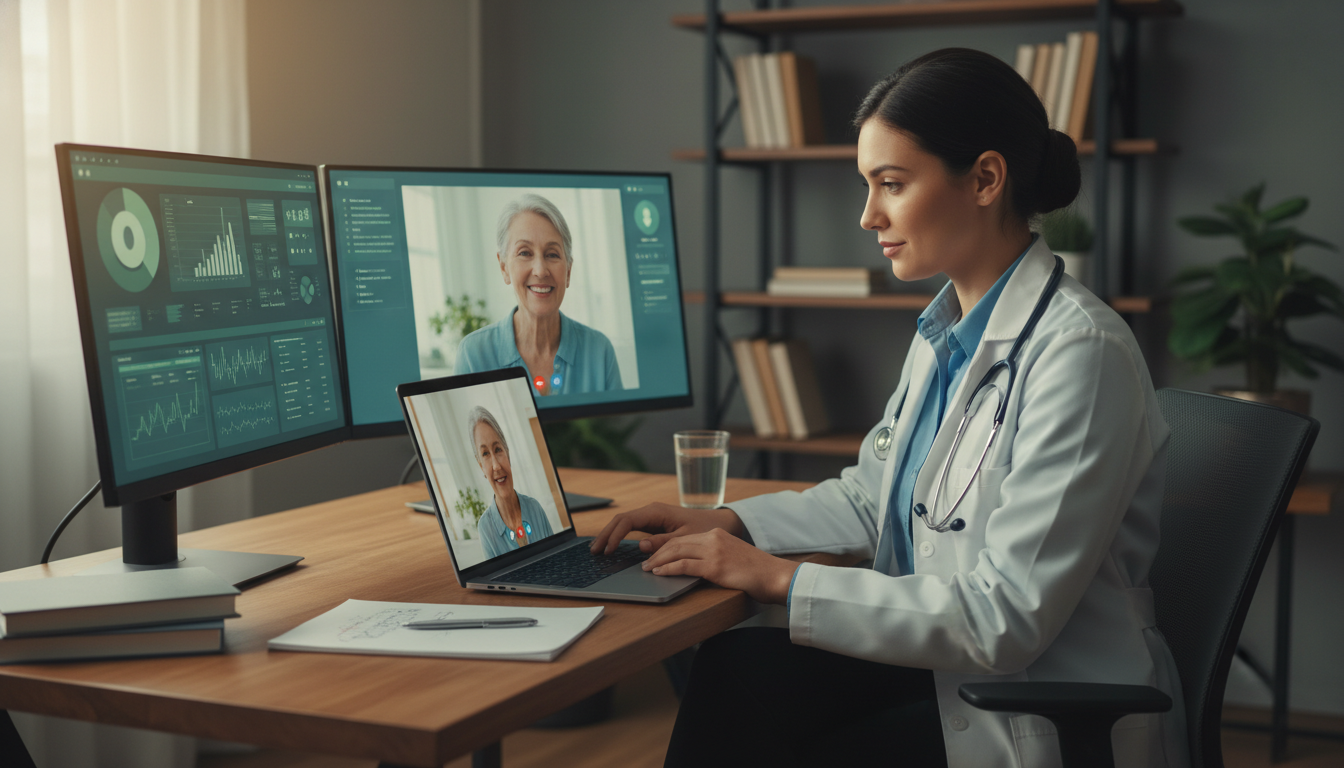
Telemedicine is transforming how physicians practice—and for residents pursuing a preliminary medicine year (prelim IM), it can open doors to flexible, intellectually engaging, and geographically independent careers. As virtual care becomes embedded across health systems, even short transitional training experiences in internal medicine can be leveraged into meaningful telehealth roles.
This guide explores how residents and applicants in Preliminary Medicine can strategically position themselves for telemedicine jobs, from part-time moonlighting to long-term remote physician work. It covers pathways during and after residency, licensure issues, compensation models, sample roles, and practical steps to build a competitive profile.
Understanding the Preliminary Medicine Year and Its Relevance to Telemedicine
A preliminary medicine year is a one-year internship (PGY-1) in internal medicine, typically followed by advanced training in specialties like neurology, anesthesiology, radiology, dermatology, ophthalmology, or physical medicine and rehabilitation. Unlike categorical internal medicine residents, prelim IM residents do not complete the full three-year IM residency.
Many applicants assume that telemedicine roles are reserved for board-certified internists, family physicians, or emergency physicians. In reality, there is a spectrum:
- Telehealth roles that require full IM training and board certification
- Roles open to any fully licensed physician (MD/DO), often including those with only an internship
- Niche positions tailored to the advanced specialty you’re ultimately entering (e.g., tele-neurology, tele-derm)
Your prelim year can provide foundational skills that are highly relevant to virtual care:
- Broad exposure to acute and chronic medical issues
- Comfort with triage, risk stratification, and escalation of care
- Experience with EHRs, documentation, and digital tools
- Communication skills with patients and families, often under time pressure
- Familiarity with team-based coordinated care
If you are planning an advanced specialty, you may eventually practice telemedicine primarily within that field. However, understanding telemedicine workflows and regulations early—during your prelim IM year—can position you for a much smoother transition.
Types of Telemedicine Opportunities for Preliminary Medicine Physicians
Not all telehealth physician roles are the same. They differ by clinical scope, patient population, acuity, and supervision requirements. Some may be accessible once you are fully licensed after internship (even if not board-certified); others require full residency completion.
Below are major categories of telemedicine jobs relevant to someone with a Preliminary Medicine background.
1. Direct-to-Consumer (DTC) Outpatient Telehealth
These are the classic “virtual urgent care” or online clinic visits that patients book via apps or web platforms.
Typical scope:
- Common acute complaints: URI, UTI screening, rashes, GI upset, minor injuries
- Medication refills (with restrictions)
- Chronic disease check-ins for stable patients in some systems
Relevance for prelim IM physicians:
- After completing your prelim year and obtaining an unrestricted license, some companies may hire you for low-acuity roles, especially if you have strong primary care exposure and robust malpractice coverage.
- Many DTC platforms still prefer or require board certification in IM, FM, or EM, but some smaller or niche services may accept non-boarded physicians if they have solid experience and appropriate licensure.
Key considerations:
- Limited physical exam: Requires high comfort with history-based decision-making and use of “red flag” screening.
- Protocol-driven care: Many systems rely on standardized pathways you must follow carefully.
- Volume and time pressure: High visit counts and short time slots are common.
2. Tele-triage and Nurse Hotline Medical Oversight
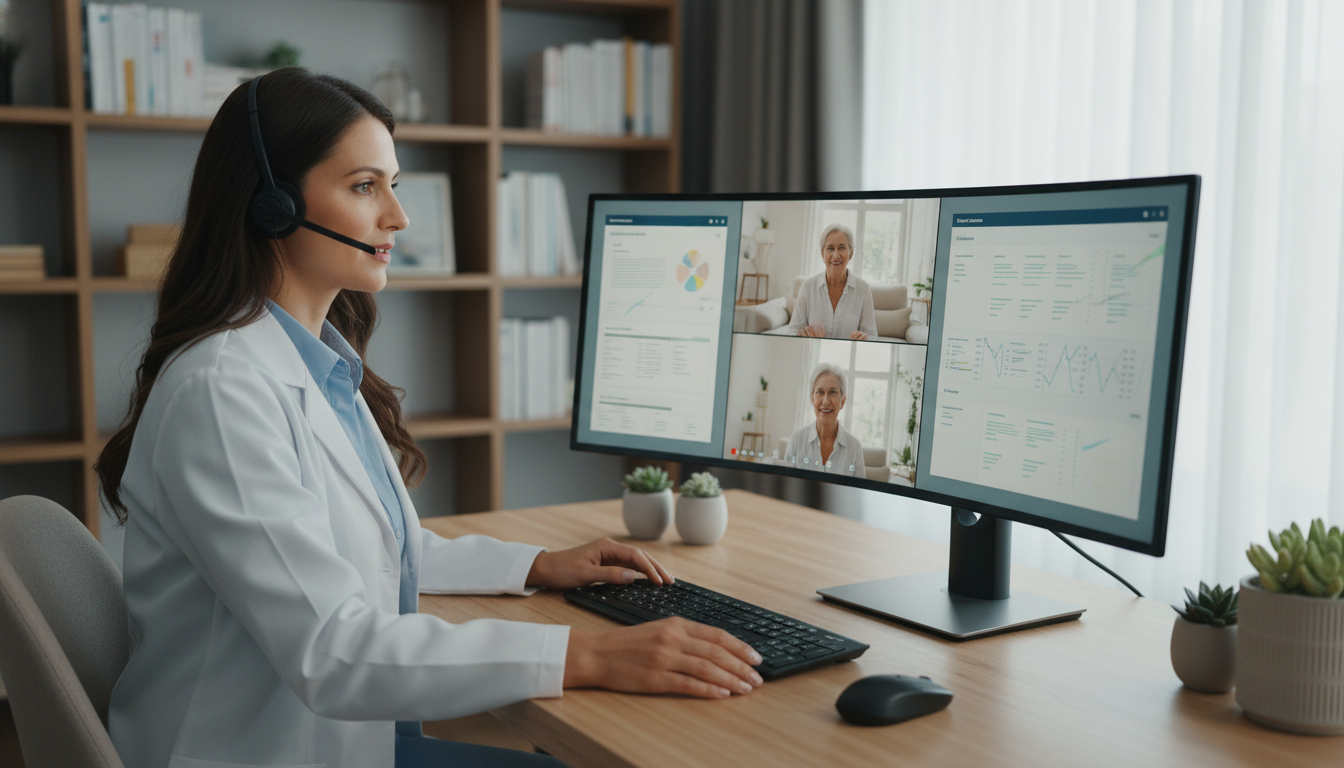
Tele-triage services (for health systems, insurers, or employer groups) often rely on physicians to:
- Provide backup support and escalation for nurse hotlines
- Review complex cases and determine ED vs clinic vs home care
- Develop and update triage protocols
Why this fits prelim IM training:
- Triage and risk stratification are core skills developed during intern year.
- You know when a complaint is “can’t-miss” vs safely manageable outpatient.
- The work is often algorithmic and protocol-based, which fits early-career physicians.
Some of these roles may be available to any fully licensed physician, including those with only a preliminary year, though others will require applicable specialty training or experience.
3. Telemedicine Within Your Advanced Specialty
Most prelim IM physicians are heading into an advanced specialty. Once you are board-eligible or board-certified there, you may find rich telemedicine opportunities specific to your field:
- Tele-neurology: Stroke consults, epilepsy follow-up, movement disorders, headache clinics
- Tele-radiology: Remote reads from home, with 24/7 coverage models
- Tele-dermatology: Store-and-forward image reviews plus synchronous video visits
- Tele-anesthesiology: Preoperative optimization visits, perioperative consults
- Tele-PM&R: Chronic pain management, rehab follow-up, spasticity clinics
Your prelim IM background strengthens your understanding of systemic disease and multi-organ interaction—a major asset in tele-consult settings where you can’t always obtain an in-person exam.
4. Asynchronous Telemedicine (Store-and-Forward, E-Consults)
Not all telehealth work is real-time video visits. Asynchronous roles include:
- Reviewing digital questionnaires and issuing treatment plans (e.g., acne, contraception, ED medications, smoking cessation)
- E-consults for primary care teams where you provide specialist guidance without seeing the patient directly
- Chronic disease management platforms where you review uploaded vitals and symptom logs
Eligibility for prelim IM physicians:
- Some asynchronous “narrow scope” services accept licensed physicians for focused areas like contraception or hair loss, especially when backed by strong protocols and supervision.
- Larger integrated systems usually require completion of residency and relevant board eligibility.
This area offers particularly flexible scheduling and can be a good fit for physicians balancing clinic, hospital, or academic work.
5. Non-Clinical Remote Physician Work Complementing Telemedicine
While not “telemedicine” in the direct care sense, there is a growing ecosystem of remote physician work aligned with virtual care:
- Clinical content development for telehealth platforms (protocols, algorithms)
- Quality assurance and chart reviews for telehealth encounters
- Utilization management for health plans assessing telemedicine appropriateness
- Medical direction for digital health startups
A robust prelim IM year gives you enough clinical background to contribute meaningfully in some of these roles, especially if you have additional skills (informatics, data science, public health, MBA, etc.). Typically, though, the most competitive positions go to physicians with full specialty training.
Licensure, Credentialing, and Regulatory Considerations
Telemedicine’s legal framework is complex and evolving. If you’re aiming for a career that includes telehealth physician work, understanding the basics during your prelim year can save you time and headaches later.
State Licensure and Multi-State Practice
- Physicians must generally be licensed in the state where the patient is located at the time of the visit.
- Many telemedicine companies strongly prefer or require multiple state licenses, especially across large or populous regions.
- The Interstate Medical Licensure Compact (IMLC) streamlines multi-state licensure for eligible physicians. Participation depends on:
- Your primary license state being part of the Compact
- Meeting specific criteria (no significant disciplinary history, certain board certifications, etc.)
As a prelim IM resident, you can:
- Discuss with your program whether to apply for independent licensure during or right after PGY-1, depending on your state’s rules.
- Plan ahead: If you’re interested in telemedicine, choose your primary license state strategically (if you have options) based on IMLC membership and telehealth business activity.
Hospital Credentialing and Telehealth Privileges
If you practice in a hospital-affiliated telemedicine service—like tele-stroke consults or tele-hospitalist coverage—you must go through:
- Credentialing and privileging at each hospital where you provide services, or
- A centralized “credentialing by proxy” arrangement in some systems
For prelim-only physicians, hospital-based telemedicine roles are usually limited, because hospitals often require board eligibility or certification in a core or relevant specialty.
Malpractice Coverage and Risk Management
Telemedicine has unique medico-legal risks:
- Incomplete physical exams and potential for missed diagnoses
- Varying standards of care across states
- Documentation and consent issues in virtual encounters
Key steps:
- Ensure any telemedicine employer provides comprehensive malpractice coverage, including:
- Telehealth-specific coverage and cyber liability if applicable
- Coverage across all states where you practice
- Tail coverage when needed
- Maintain meticulous documentation:
- Explicitly note telehealth modality (video vs phone vs asynchronous)
- Document physical exam limitations and safety netting instructions
- Provide clear ER/urgent care “return precautions”
Learning strong documentation habits during your prelim IM year will directly translate into safer remote care.
Building a Telemedicine-Oriented Profile During Your Preliminary Medicine Year
Even though your preliminary medicine year is just one year, you can strategically develop skills and experiences that will position you for telemedicine in any specialty.
1. Choose Rotations That Enhance Ambulatory and Triage Skills
Whenever possible, prioritize:
- Continuity clinic or general IM clinic blocks
- Urgent care or fast-track ED rotations
- Night float or admission rotations where triage decisions are constant
These experiences hone your ability to:
- Distinguish which patients are safe to manage outpatient vs those needing ED or admission
- Handle vague complaints where the history is more important than exam
- Communicate clearly and manage expectations—core to virtual care
2. Get Comfortable With Telehealth Tools During Training
If your residency program offers telehealth exposure, volunteer for it:
- Participate in or observe telemedicine clinics, even as a second-year or faculty shadow.
- Learn the EHR-integrated telehealth workflows:
- Virtual waiting rooms
- Remote prescribing
- Integrating home monitoring data
- Ask to help create or refine patient education materials for telehealth visits.
If your program has limited telemedicine, you can still practice “remote-minded” skills:
- Perform thorough, structured histories where you imagine you are unable to examine the patient.
- Develop telephone triage skills when cross-covering; discuss difficult cases with seniors and attendings to calibrate your risk tolerance.
- Learn to instruct patients on self-exam maneuvers (e.g., palpating abdomen, assessing edema, checking pulse)—skills directly translatable to video visits.
3. Pursue Telehealth-Related Scholarship or Quality Improvement
Activities that strengthen your telemedicine CV:
- QI projects on:
- Reducing no-show rates via telehealth options
- Evaluating outcomes of virtual follow-up visits vs in-person
- Implementing remote monitoring protocols for chronic disease
- Research on patient satisfaction, access, or outcomes with virtual care
- Educational initiatives:
- Creating telemedicine documentation templates
- Designing resident teaching sessions on virtual physical exams
Even small-scale projects show future employers that you understand telehealth as a system, not just a video call.
4. Build Complementary Skills: Communication, Tech, and Business
Telemedicine employers value:
- Exceptional communication skills: Clear, empathetic, concise. Video and phone amplify miscommunication risk.
- Tech comfort: Using digital tools, troubleshooting basic issues, adopting new platforms quickly.
- Understanding of operations and business: Scheduling, throughput, coding and billing for telehealth, reimbursement rules.
During your prelim year:
- Seek feedback on your communication during family meetings and discharge counseling.
- Learn the basics of telehealth billing codes if your institution is actively using them.
- Attend any hospital or GME lectures on digital health, health policy, or value-based care.
Career Planning: From Prelim IM to Long-Term Telemedicine Roles
Your long-term telemedicine trajectory will depend heavily on your advanced specialty, career goals, and appetite for remote vs in-person work.
1. Telemedicine as a Supplemental Income Source
For many physicians, telehealth is adjunct to a traditional practice:
- Weekend or evening virtual urgent care shifts
- Part-time asynchronous consults
- Covering rural clinics via telehealth while based in an urban center
This is especially attractive during early attending years when loan payments are high and schedules may still be flexible.
Action steps:
- After full specialty training, begin with a small number of telehealth shifts to understand pace and expectations.
- Gradually add more coverage if it fits your lifestyle and aligns with your malpractice and employer policies.
- Choose employers that allow flexible scheduling and geographic freedom if that’s a priority.
2. Telemedicine as a Primary Clinical Career
Some physicians build careers primarily (or almost entirely) through remote physician work:
- Full-time tele-urgent care or virtual primary care
- Full-time tele-radiology, tele-dermatology, or tele-psych
- Hybrid roles with 80–90% telemedicine and minimal in-person commitments
This model can offer:
- Geographic independence (living in a low-cost or preferred area)
- More control over scheduling and often reduced commuting/overhead
- Better compatibility with family or caregiving responsibilities
Trade-offs:
- Potential professional isolation—must be intentional about mentorship and collegial connections.
- Variable compensation models and sometimes high metrics pressure (RVUs, visit counts).
- Risk of regulatory or reimbursement changes affecting job stability.
3. Non-Clinical and Leadership Paths in Telehealth
For physicians passionate about systems-level impact, telehealth opens avenues in:
- Medical leadership: Telehealth medical director, VP of virtual care, chief medical officer in digital health companies
- Clinical informatics: Designing and implementing telehealth platforms and integrating them with EHRs
- Policy and advocacy: Working with government agencies, medical boards, or professional societies to shape telemedicine standards
Your prelim IM year lays the clinical foundations; additional training in:
- Public health (MPH)
- Business (MBA)
- Health informatics or clinical informatics fellowship
- Health policy
can position you for these roles.
Practical Steps for Residency Applicants Interested in Telemedicine
If you are applying for a prelim IM position and know telemedicine will be part of your career, you can start signaling this interest from the very beginning.
1. Mention Telemedicine Thoughtfully in Your Personal Statement
Integrate, don’t dominate:
- Briefly discuss how you see virtual care as integral to improving access, continuity, or chronic disease management.
- Show understanding of limitations (equity, digital divides, exam constraints), not just enthusiasm.
- Connect your interest to your target advanced specialty—e.g., tele-neurology for stroke systems of care, tele-dermatology for underserved communities.
2. Ask Programs About Telemedicine Exposure During Interviews
Targeted questions can reveal whether the environment will support your goals:
- “How are residents involved in your telemedicine clinics or virtual care initiatives?”
- “Are there opportunities for QI or research related to telehealth or remote monitoring?”
- “Does your institution have any formal curriculum around telemedicine best practices?”
You’re not seeking a telemedicine-only prelim year, but programs that are forward-thinking about digital health may offer richer learning opportunities.
3. Network with Faculty and Alumni Working in Telehealth
During your prelim year:
- Identify faculty involved in virtual clinics, remote monitoring, or hospital-at-home programs.
- Ask for brief mentorship meetings to understand their career paths and training choices.
- Connect with alumni via LinkedIn or your institution’s alumni network who now work in telehealth-heavy roles.
These relationships can lead to future job leads, references, or project collaborations.
Frequently Asked Questions (FAQ)
1. Can I work in telemedicine with only a preliminary medicine year and no completed residency?
In most cases, you must have a full, unrestricted medical license, which generally requires at least one year of postgraduate training (your prelim year). Some lower-acuity or highly protocolized telemedicine roles may accept fully licensed physicians without board certification, but:
- Many employers strongly prefer or require completion of residency and board eligibility/certification.
- Your clinical scope may be limited compared to fully trained internists or family physicians.
- You should confirm state-specific rules, as some states have additional requirements for unsupervised practice.
In general, see the prelim year as a foundation, not as your terminal training if you want broad and sustainable telemedicine careers.
2. Which specialties pair best with telemedicine for someone starting in prelim IM?
Several advanced specialties that commonly follow prelim IM have strong telemedicine components:
- Neurology: Tele-stroke, tele-epilepsy, movement disorders, headache.
- Radiology: Remote image interpretation is inherently location-flexible.
- Dermatology: Tele-derm via store-and-forward and live video is well established.
- PM&R and pain: Chronic pain management and follow-up lend themselves to virtual care.
Anesthesiology and other hospital-based fields are also developing preoperative and perioperative tele-consult roles. However, virtually every specialty is incorporating some degree of telehealth—choose a field you genuinely enjoy, then layer telemedicine onto it.
3. How can I make myself more competitive for telemedicine jobs as I finish training?
Key strategies:
- Obtain and maintain a clean, unrestricted medical license with no significant disciplinary actions.
- Consider obtaining multiple state licenses, especially through the IMLC if eligible.
- Gain real experience in virtual care during residency (tele-clinics, e-consults, telephone triage).
- Document telehealth-related QI, research, or leadership roles on your CV.
- Develop excellent communication skills and seek feedback specifically for video/phone encounters.
- Stay current on telehealth regulations, reimbursement, and best practices via CME or professional societies.
4. What are typical compensation models and schedules for telemedicine work?
Compensation varies by specialty, acuity, and employer, but common models include:
- Per-visit payment: A fixed amount per completed encounter; more common in DTC urgent care.
- Hourly shifts: Flat hourly rates regardless of visit volume; often used by health systems.
- RVU-based models: Telehealth visits generated RVUs similar to in-person visits, especially in integrated group practices.
- Salaried positions: Full-time roles in large telehealth companies or health systems may offer salary plus benefits.
Schedules can be highly flexible (evenings, weekends, part-time) or structured like a standard clinic day. Before committing, clarify:
- Expected visit volume and time per visit
- Documentation requirements and uncompensated work
- Malpractice coverage and state license expectations
Telemedicine is no longer a niche sideline; it’s an integral part of modern medical care. As a future physician starting with a preliminary medicine year, you are well-positioned to harness this shift—whether as a supplemental income source, a major part of your clinical activity, or a platform for leadership in digital health. Thoughtful planning during your prelim IM year and beyond can translate into a fulfilling career that combines high-quality care with flexibility, innovation, and broad patient reach.