Understanding the Intersection of Preliminary Surgery and Telemedicine
Preliminary surgery has traditionally been viewed as an entirely in‑person, hospital-based training path—packed with floor work, operative cases, and acute care. At first glance, it may seem far removed from telemedicine or remote physician work. But the landscape is changing rapidly.
Telehealth exploded during and after the COVID-19 pandemic, and surgical specialties were not left behind. Prelim surgery residents and graduates now have multiple ways to leverage telemedicine jobs—both during their training year and especially afterward, whether they:
- Transition into a categorical surgery slot
- Switch to another specialty (e.g., radiology, anesthesiology, PM&R, primary care)
- Enter non‑traditional clinical roles
- Work part‑time or per diem while reapplying or exploring new paths
This guide will explore how a preliminary surgery year can be strategically leveraged for telemedicine career opportunities, what kinds of roles actually exist for someone with strong surgical training but without board certification, and how to position yourself effectively for a telehealth career.
We’ll focus on:
- The value of a prelim surgery background in telehealth
- Concrete telemedicine roles accessible during and after your prelim year
- Steps to build a telehealth-ready portfolio
- Common pitfalls and realistic expectations
- FAQ about telehealth physician careers for preliminary surgery trainees
Throughout, we’ll keep in mind that you may be:
- Currently in a prelim surgery residency
- Planning to do one soon
- Completing or having finished a preliminary surgery year and exploring your next step
How a Preliminary Surgery Year Positions You for Telemedicine
A prelim surgery residency is intensive, clinically rich, and often diverse across specialties. While it may not end in board certification by itself, it gives you powerful assets that can be extremely attractive in telemedicine settings.
1. High-Acuity Clinical Experience
Telemedicine employers value clinicians who are:
- Comfortable triaging sick patients
- Adept at recognizing red flags that require in‑person or emergent care
- Skilled at clear documentation and communication
Your prelim surgery year offers:
- Night float experience managing cross-coverage calls
- Exposure to trauma, emergency general surgery, and postop complications
- Frequent decisions about which patients can be safely observed and which need immediate intervention
In telehealth, especially in urgent care or triage roles, this background is invaluable. A telehealth physician with a surgical mindset is often more conservative, better at risk recognition, and more decisive about escalation.
2. Procedural and Anatomic Depth
Even if telemedicine doesn’t involve procedures directly, your surgical training helps you:
- Interpret postop complaints (e.g., pain, wound issues, GI symptoms)
- Understand 3D anatomy when reviewing imaging and reports remotely
- Explain surgical risks, recovery expectations, and complications to patients in a clear, actionable way
Telemedicine companies working with surgical or perioperative populations (e.g., bariatric programs, joint replacement, hernia centers) see this as a major asset.
3. Systems Knowledge and Interdisciplinary Communication
As a prelim surgery resident, you interact constantly with:
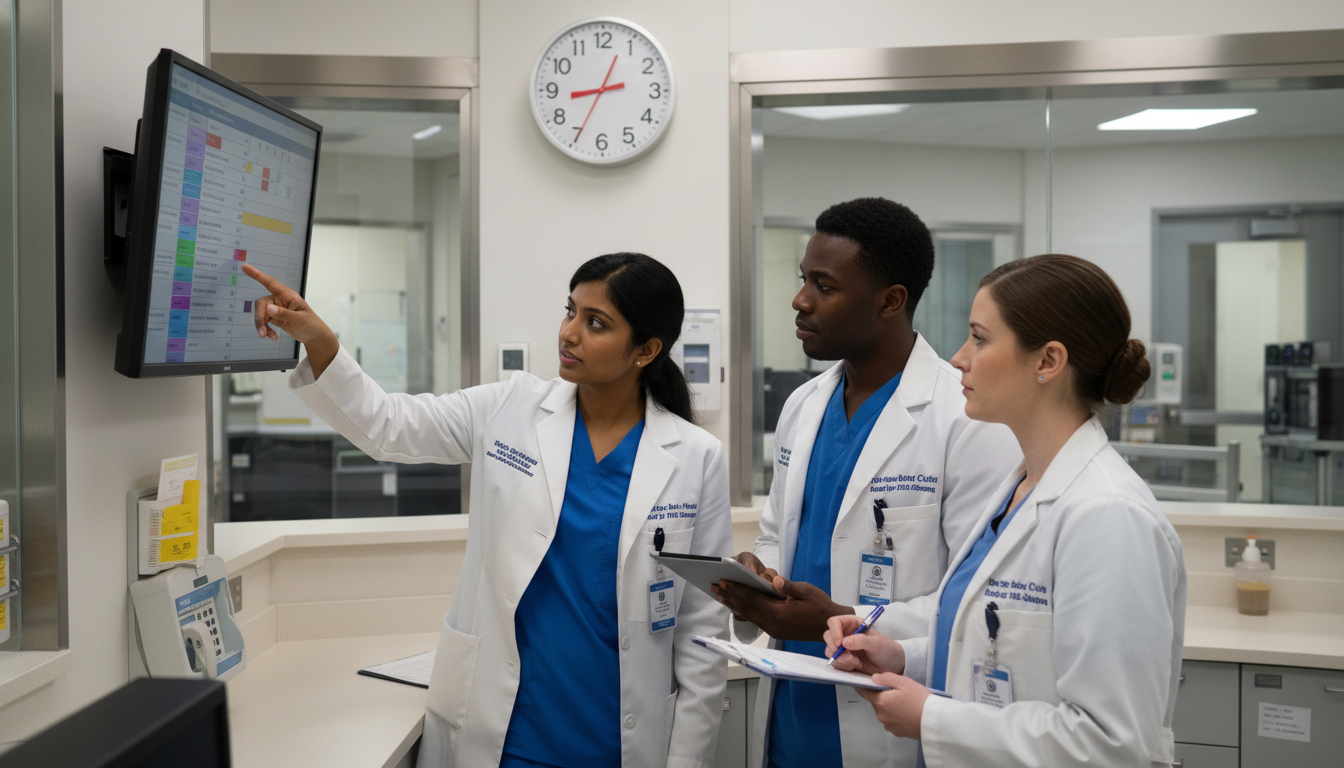
- Hospitalists, intensivists, anesthesiologists, and ED physicians
- Nursing, case management, and outpatient providers
- Consultants across multiple specialties
This systems perspective is exactly what telehealth employers want from a telehealth physician—someone who understands:
- How care transitions work (hospital → home → rehab)
- What is realistic in outpatient and inpatient settings
- How to coordinate follow-up and escalation of care
Telemedicine today is as much about navigation and care coordination as it is about prescribing or giving advice.
4. Adaptability and Work Ethic
Prelim residents learn to adapt to shifting schedules, teams, and roles. In the telemedicine world—where:
- Workflows evolve rapidly
- Platforms and tools change
- New regulations and payer rules emerge
Your flexibility and resilience stand out. This affects not only hiring decisions but also promotion into leadership, medical director roles, and protocol development positions.
Telemedicine Roles Suited to a Preliminary Surgery Background
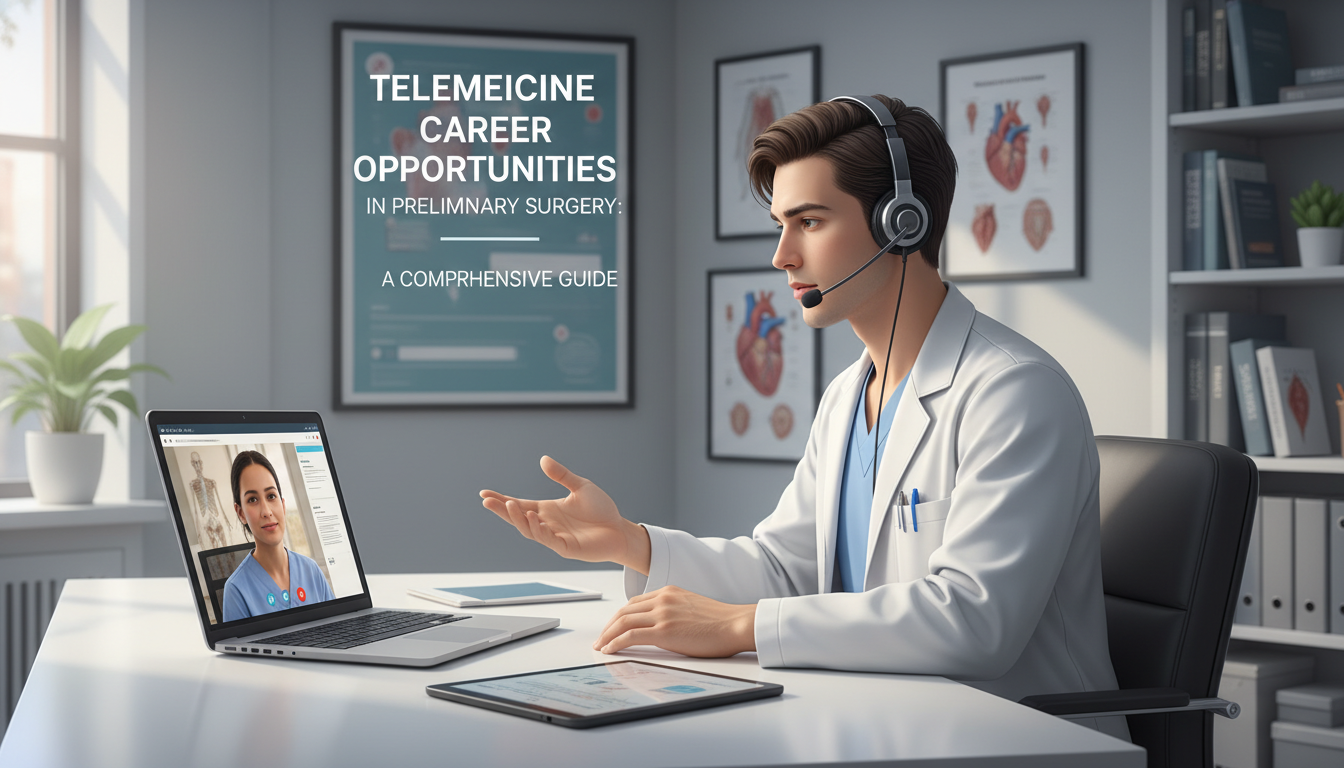
The crucial question is: What telemedicine jobs are realistically available to someone with a preliminary surgery year?
Your options depend on:
- Whether you are fully licensed (state medical license)
- Your board eligibility or certification status
- Whether you have completed another residency or transitioned to a categorical slot
Let’s break it down.
1. Telehealth While Still in Your Prelim Year
While still a trainee, your role options are more limited, but not nonexistent.
A. Telehealth Under Supervision (Institutional Roles)
Some academic centers or large health systems operate:
- Pre-op and post-op telemedicine clinics
- Surgical follow-up virtual visits
- Wound assessment follow-ups
- ER follow-up or same-day urgent consults via telehealth
In these settings, prelim surgery residents may:
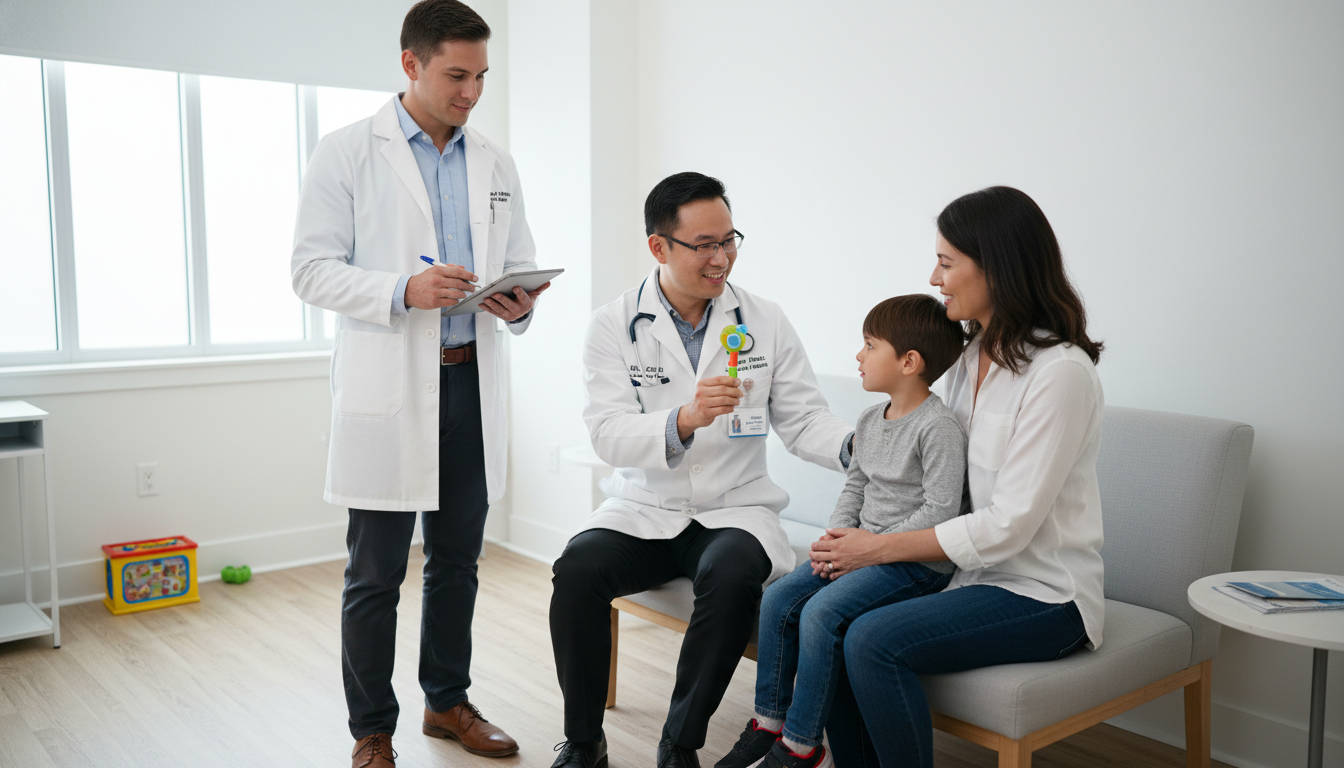
- Conduct initial virtual assessments
- Take histories and perform visual exams over video
- Present to an attending, who then joins or co-signs
Benefits:
- Early exposure to telemedicine workflows
- Documentation experience in telehealth templates
- Understanding of billing levels and time-based billing in virtual care
Action step:
Ask your program director or clinic chief if there are any telehealth clinic blocks or projects you can participate in (e.g., postop virtual check-ins for hernia or laparoscopic cholecystectomy patients).
B. Telehealth Quality or Workflow Projects
Even if you can’t practice independently, you can:
- Help design or evaluate patient education materials for telehealth follow-up
- Participate in QI projects around virtual pre-op optimization or discharge planning
- Work with IT or clinical informatics on best practices for virtual wound assessment, photo uploads, or symptom monitoring
These projects can become CV differentiators—especially if you later pivot to:
- Clinical informatics
- Quality improvement
- Telehealth leadership in another specialty
2. Telemedicine Jobs After a Prelim Year (Without Additional Training)
This is where nuance is critical. In the U.S., most mainstream telehealth companies require board certification or eligibility in a recognized specialty (e.g., IM, FM, EM, pediatrics). However, there are niche or transitional opportunities where a prelim surgery background can be leveraged.
A. Non-Physician-Level Clinical Roles (If You Don’t Pursue Full Licensure)
With only a prelim year and no completed residency, your ability to practice independently as a physician will be constrained by state licensing rules. However, some options include:
- Clinical reviewer or triage coordinator (non-prescribing) for telehealth startups
- Surgical content specialist for digital health platforms (developing patient education, postop pathways, triage algorithms)
- Medical operations associate or clinical product role in health tech companies providing telehealth to surgical patients
These roles are often structured as:
- Salaried positions within digital health companies
- Hybrid of remote and in-office, but increasingly remote-friendly
- Cross-functional roles involving clinicians, product managers, engineers, and UX designers
Your prelim experience is valuable here because you “speak the language” of surgery and can advocate for realistic workflows.
B. Remote Physician Work with State Licensure but No Board Certification
If you obtain a full state medical license (possible in some states after 1 year of postgraduate training) but are not board-certified, you may be able to:
- Work as a telehealth physician in:
- Low-acuity urgent care platforms that accept non-boarded physicians
- Niche services (e.g., weight loss programs, men’s/women’s health, smoking cessation) that sometimes hire any US-licensed MD/DO
- Provide asynchronous care:
- Reviewing questionnaires and patient-reported data
- Handling remote medication refills under strict protocols
However, you must:
- Carefully check state regulations and company requirements
- Be transparent about your training level and lack of board certification
- Avoid practicing outside your true competence (e.g., chronic pediatrics if you have no background)
Many of these roles may not fully leverage your surgical experience, but they can offer:
- Income while reapplying for residency
- Part-time remote work while pursuing research or academic positions
- Flexibility to live in a different location than a traditional in-person job would require
3. Telemedicine Careers After Transitioning Out of Preliminary Surgery
Many individuals complete a preliminary surgery year and then:
- Match into another specialty (e.g., radiology, anesthesia, EM, FM, IM)
- Complete categorical surgery and become board-certified surgeons
- Enter less traditional or combined paths (e.g., surgery + critical care, palliative care, informatics)
In these cases, telemedicine opportunities expand significantly.
A. As a Future Board-Certified Specialist
If you later complete an ACGME-accredited residency and pass boards, you become eligible for most mainstream telemedicine jobs, including:
- Tele-urgent care (for EM, FM, or IM)
- Chronic disease management, virtual primary care
- Tele-ICU (for CCM/ICU-trained individuals)
- Subspecialty e-consults and second-opinion services
Your prelim surgery year then becomes a major value-add:
- Surgeons doing telehealth follow-up, second opinions, or consults bring holistic perioperative insight.
- ED or IM physicians with strong surgical backgrounds are often better at differentiating benign vs. emergent abdominal pain, wound issues, and postop calls.
B. Tele-Surgical Care and Virtual Perioperative Services
For those who become board-certified surgeons:
- Pre-op optimization via telehealth: Virtual visits for risk stratification, medication review, and patient education.
- Post-op follow-up: Wound checks via video, pain management visits, and monitoring for complications.
- Second-opinion teleconsults: High-demand area for complex oncology, spine, vascular, and bariatric surgeries.
Some academic centers are developing remote surgical care bundles, where a telehealth physician or surgeon:
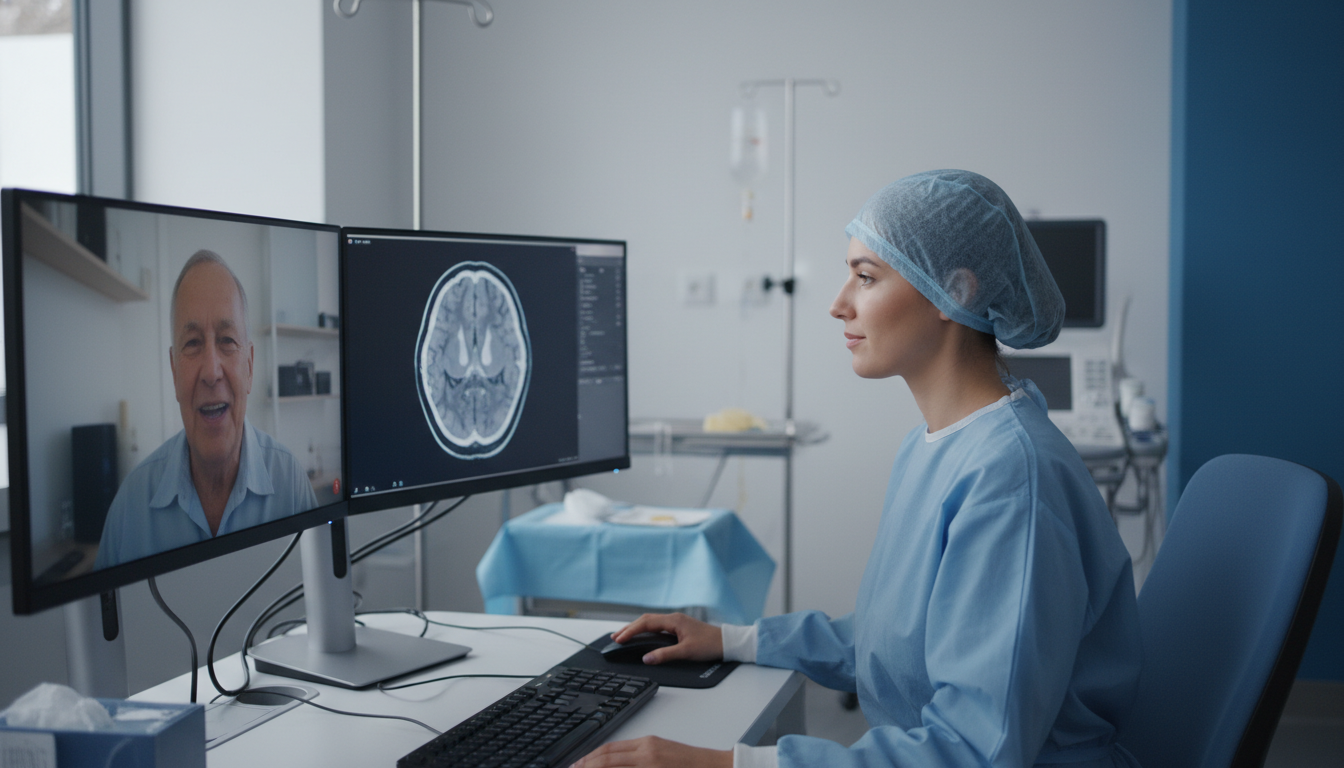
- Reviews imaging and outside records
- Counsels patients on treatment options
- Coordinates in-person operative care when appropriate
Your familiarity with in-person surgical workflows from your prelim year makes this transition smoother.
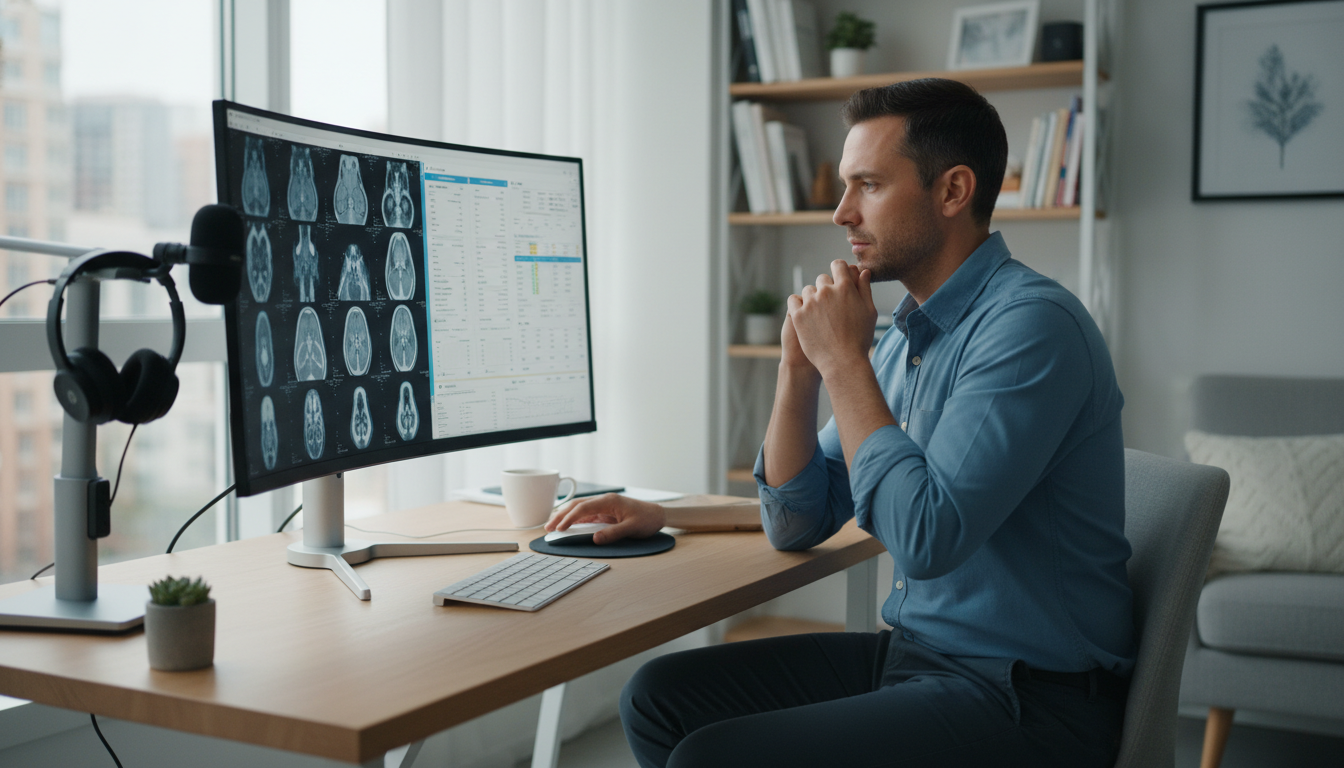
Building a Telemedicine-Ready Portfolio During a Preliminary Surgery Year
Whether you ultimately work as a full-time telehealth physician or use telemedicine as a component of a broader career, you can begin positioning yourself during your prelim year.
1. Develop Telehealth-Relevant Clinical Skills
Even if your institution doesn’t emphasize telemedicine, you can cultivate transferable skills:
Structured virtual H&P skills
- Practice succinct yet comprehensive histories by phone when calling patients or families.
- Develop a “virtual exam” mindset: What can be assessed visually or via guided self-exam?
Clear communication and risk framing
- Use language understandable at an 8th-grade reading level.
- Be explicit about return precautions and red flags—core telemedicine risk management.
Documentation for remote encounters
- When you field after-hours calls, write notes in a way that would make sense to a physician who never sees the patient in person.
Actionable example:
After a night on call, review your cross-cover documentation and ask: “If this had been a telehealth visit with no in-person backup, is my documentation clear enough for another clinician to understand what I did and why?”
2. Seek Telemedicine-Related Projects or Electives
Consider:
- A QI or research project on:
- Telehealth use in postop care (e.g., readmission rates, ED visits, patient satisfaction)
- Virtual pre-op teaching sessions and their effect on understanding and anxiety
- Partnering with:
- Hospital IT or telehealth committees
- Nursing leadership on virtual discharge follow-up
These projects can lead to:
- Conference presentations or posters
- Publications that highlight your interest in digital health
- Strong talking points for interviews—whether for categorical positions or future non-clinical jobs
3. Build Technical and Regulatory Literacy
Telemedicine is constrained and shaped by:
- State-by-state licensing regulations
- Reimbursement and billing rules
- HIPAA, data security, and privacy concerns
You don’t need to be a legal expert, but you should know the basics:
- Licensing: Many telehealth companies expect multi-state licensure; know which states allow full licenses after 1 year of GME.
- Reimbursement trends: Understand how Medicare, Medicaid, and commercial insurers are evolving in telehealth coverage.
- Technology: Familiarity with:
- Major telehealth platforms (e.g., Amwell, Teladoc, Doxy.me, Zoom for Healthcare)
- EHR-integrated telehealth workflows (Epic, Cerner, etc.)
Free ways to learn:
- Webinars from AMA, ACP, ACS, or surgical subspecialty societies on telehealth.
- Policy briefs from CMS, state medical boards, and professional organizations.
4. Network Strategically in Telemedicine and Digital Health
Many telemedicine opportunities—especially more interesting or niche roles—are found through networking rather than job boards.
Concrete strategies:
Connect with alumni from your medical school or prelim program who now work in:
- Digital health startups
- Telehealth divisions of major systems
- Health tech product or clinical director roles
Join relevant professional communities, such as:
- American Telemedicine Association (ATA)
- Specialty societies’ telehealth working groups
- Online physician forums focused on telehealth and remote work
Attend virtual conferences on digital health**:**
- Present QI or research work if possible
- Follow up with speakers via email or LinkedIn
Framing your background:
Emphasize the high-acuity clinical experience, triage skills, and perioperative understanding you gained in your preliminary surgery residency, even if you no longer plan to be an operating surgeon.
Practical Career Pathways and Scenarios
To make this more concrete, consider a few realistic pathways leveraging both a prelim surgery year and telemedicine.
Scenario 1: Prelim Surgery → Categorical IM → Tele-Primary Care
- Complete prelim surgery year; decide long-term interest lies in broader medicine.
- Match into categorical internal medicine.
- During IM residency, continue telehealth-related projects (e.g., virtual perioperative clinics, remote monitoring).
- After residency, join a large health system that offers:
- In-person internal medicine clinics
- 1–2 telehealth clinic days per week
- Over time, transition into mostly remote physician work providing:
- Virtual chronic disease management
- Same-day tele-urgent care
- E-consults for surgical clearances and perioperative co-management
Your surgical background remains a differentiator in perioperative tele-consults and co-management services.
Scenario 2: Prelim Surgery → No Categorical Match → Telehealth + Research Year
- Finish preliminary surgery year but do not obtain a categorical surgery position.
- Obtain full medical license in a state allowing licensure after 1 year of GME.
- Take a research position in surgical outcomes, digital health, or health services at an academic center.
- Supplement income with part-time telemedicine jobs that accept non-boarded physicians for:
- Low-risk virtual care protocols
- Asynchronous consults based on strict algorithms
- Use this combined year to:
- Strengthen your application
- Decide whether to reapply to surgery, transition to another specialty, or fully pivot to non-clinical/digital health roles
Scenario 3: Prelim Surgery → Anesthesia/Critical Care → Tele-ICU and Remote Monitoring
- Complete prelim surgery year and match into anesthesiology or critical care.
- Develop expertise in ICU management and perioperative medicine.
- Post-training, join a system with a robust tele-ICU program:
- Central tele-ICU hub monitoring multiple hospitals
- Remote ventilator management support
- Night coverage from remote physicians
- Use surgical background to better understand postoperative ICU patients, complex surgical complications, and surgical decision-making.
Scenario 4: Prelim Surgery → Digital Health Industry Role
- During prelim year, engage heavily in telehealth QI projects (e.g., virtual postop visits, remote wound checks).
- After prelim year, elect not to pursue further clinical training; instead, seek roles such as:
- Clinical product specialist for a surgical telehealth platform
- Medical director (junior level) at a post-acute remote monitoring startup
- Leverage your clinical stories and experience to help the company:
- Design evidence-based care pathways
- Understand clinician and patient workflows
- Communicate with hospital clients in a credible way
Even if you’re not practicing as a prescribing telehealth physician, this is still a telemedicine career rooted in your prelim surgical experience.
Key Pitfalls, Ethical Considerations, and Reality Checks
Telemedicine offers exciting flexibility and novel career paths, but it also carries specific risks and trade-offs—especially for those coming from a prelim surgery residency.
1. Overestimating What Telehealth Can Safely Do
With strong in-hospital training, you may underestimate how limited remote assessment can be. Risks include:
- Missing subtle signs of sepsis, obstruction, or acute abdomen over video
- Inadequate evaluation of complex wounds based on low-quality photos
- Patient pressure to avoid ER visits or in-person follow-up
Mitigation strategies:
- Maintain a low threshold for escalation to in-person evaluation
- Use clear safety scripts and documentation of red-flag counseling
- Work for companies with robust protocols and escalation pathways
2. Licensing and Board Certification Constraints
For long-term, sustainable clinical telemedicine careers:
- Completing a full, board-eligible or board-certified residency is usually necessary.
- Some temporary or niche remote physician work may be available with minimal training, but it is rarely robust enough for a stable career and may expose you to liability.
If you are considering:
- Skipping additional residency entirely
- Relying only on a prelim surgery year and licensure for long-term telemedicine work
Be very cautious. Speak with:
- A medical licensing lawyer if necessary
- Senior physicians in digital health
- Your mentors and program leaders
3. Professional Isolation and Skill Decay
Full-time remote positions can lead to:
- Reduced hands-on clinical skill maintenance
- Less informal learning from colleagues (“hallway learning”)
- Feelings of isolation or detachment from the healthcare community
Especially if you have strong interest in surgery or acute care, consider:
- Hybrid models (some in-person clinical work plus telehealth)
- Academic or teaching roles combined with remote clinics
- Regular participation in CME, conferences, and case discussions
4. Burnout in High-Volume Tele-Urgent Care
Tele-urgent care roles sometimes:
- Require rapid, back-to-back visits
- Emphasize patient satisfaction scores, which can pressure prescribing
- Involve algorithm-heavy, repetitive work
To protect yourself:
- Seek positions that prioritize quality over volume
- Clarify expectations around metrics, prescribing, and autonomy
- Set firm personal boundaries and remain aligned with evidence-based practice
Frequently Asked Questions (FAQ)
1. Can I get a telemedicine job immediately after a preliminary surgery year?
It depends on:
- Whether you can get a full state medical license after 1 year of GME
- The hiring criteria of specific telehealth companies
Most mainstream telemedicine employers require board eligibility or certification, but some niche platforms and low-acuity roles will hire any fully licensed physician. However, these jobs may not provide long-term security or fully utilize your surgical skills. For a stable, higher-quality telehealth career, completing a full residency is strongly recommended.
2. How can I highlight my prelim surgery experience when applying for telehealth roles?
Emphasize:
- High-acuity triage skills (e.g., cross-covering surgical and ICU patients)
- Experience with perioperative care, postop complications, and wound management
- Teamwork with ED, ICU, and hospitalist teams
- Any telehealth projects, QI work, or remote follow-up clinics you participated in
In your CV and interviews, frame yourself as clinically grounded, systems-aware, and comfortable with critical decision-making under uncertainty—core qualities for a safe telehealth physician.
3. Is telemedicine a good long-term career path for someone who started in preliminary surgery?
Yes, but usually in combination with completion of a full residency (surgery or another specialty). Telemedicine is increasingly baked into mainstream practice: perioperative care, ICU, primary care, and specialty consults. Your prelim surgery background gives you an edge in surgical and acute-care-adjacent telehealth roles. Without completion of a residency, telemedicine can be a transitional or supporting option, but is unlikely to be a strong, long-term standalone clinical career.
4. What can I do during my prelim surgery year to maximize future telemedicine opportunities?
Actionable steps:
- Seek exposure to any telehealth clinics at your institution (pre-op, post-op, follow-up).
- Start or join a QI or research project related to virtual surgical care.
- Hone your communication, documentation, and triage skills with a “remote mindset.”
- Learn the basics of telehealth regulation, licensing, and billing.
- Network with surgeons, internists, and digital health professionals engaged in telemedicine.
By doing this, you’ll be well-positioned whether you:
- Continue in surgery and integrate telehealth into your practice, or
- Transition to another specialty or health tech role that heavily involves telemedicine.
Telemedicine is no longer confined to primary care chat apps or simple prescription refills. For those with a preliminary surgery year, it offers a growing spectrum of ways to apply your high-acuity experience, procedural insight, and systems understanding—whether as a future surgeon, another type of specialist, or a clinician-innovator in the digital health space.