


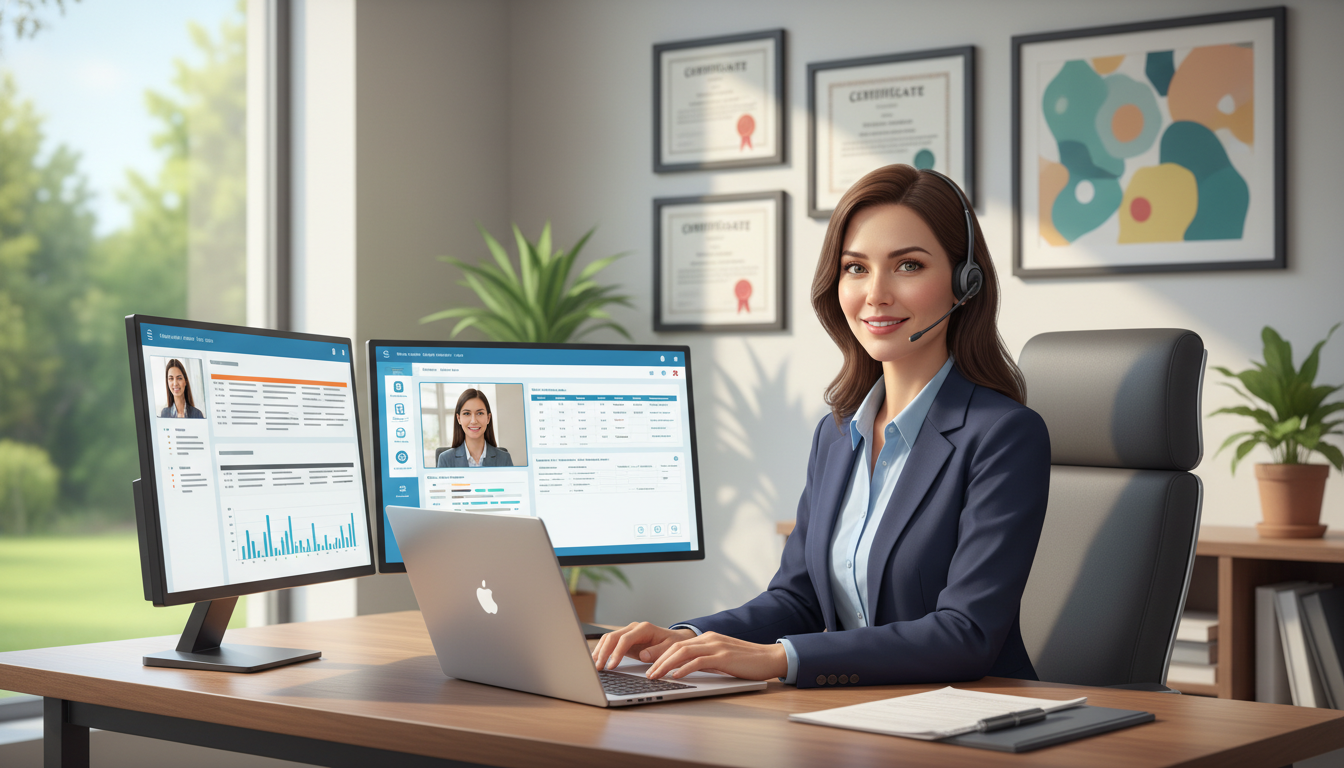
Understanding Telemedicine in Psychiatry
Telemedicine has transformed psychiatry more than almost any other specialty. Because psychiatric care relies heavily on conversation, observation, and therapeutic alliance—rather than on physical examination—psychiatry is uniquely well suited to virtual care. For residents and recent graduates planning a psychiatry career, telemedicine is no longer a niche option; it is a core practice setting with broad and growing opportunities.
Telepsychiatry (a subset of telemedicine) refers to delivering psychiatric assessment, psychotherapy, medication management, and consultation via secure audio‑video platforms, phone, or sometimes asynchronous messaging. Today, it is an integral part of:
- Outpatient psychiatry clinics and group practices
- Academic centers and residency programs
- Community mental health centers and FQHCs
- Correctional institutions and inpatient units
- Private telehealth companies employing telehealth physicians
As a psychiatry resident or early‑career psychiatrist, understanding the telemedicine landscape is critical for three reasons:
- Career flexibility: Remote physician work offers geographic freedom and nontraditional schedules.
- Evolving standard of care: Many employers expect psychiatrists to be comfortable with hybrid in‑person and virtual models.
- Match strategy: Demonstrated engagement with telepsychiatry can strengthen your psychiatry residency application and future job search.
Before exploring career pathways, it helps to clarify the main forms of telepsychiatry practice you are likely to encounter.
Core Modalities of Telepsychiatry
Most telemedicine jobs in psychiatry use one or several of these models:
- Synchronous video visits: The most common format; real‑time assessments, follow‑ups, and psychotherapy via secure video.
- Telephone visits: Often used when video is not feasible; still regulated and billable in many settings.
- Collaborative care and e‑consults: Asynchronous consultation to primary care or specialty clinicians (chart review, recommendations, brief notes).
- Digital platforms and apps: Some telehealth physician roles combine direct patient care with digital CBT tools, messaging, or structured programs.
- Hybrid models: In‑person evaluations or procedures combined with telemedicine follow‑up and ongoing management.
Most psychiatry residency programs now integrate telehealth training into clinical rotations, which can be a valuable way to test whether this practice style fits your preferences and strengths.
Why Telemedicine Matters for Psychiatry Careers
For residents weighing long‑term career options, telemedicine affects both the structure of your work and the populations you serve. It also intersects with the psych match process, as programs increasingly highlight digital health competencies as a training objective.
Key Advantages of Telemedicine for Psychiatrists
Expanded access to care
Telepsychiatry allows you to serve patients in rural, underserved, or specialty‑scarce regions without physically relocating. This can be professionally rewarding and aligns with many residency programs’ missions of improving mental health equity.Flexibility and autonomy
Remote physician work can give you more control over:- Where you live
- When you work (evenings, weekends, part‑time, or defined blocks)
- How you structure your clinical mix (med management vs psychotherapy vs collaborative care)
Many telemedicine jobs offer:
- Fully remote roles
- Hybrid roles (e.g., 1–2 in‑person clinic days, remainder remote)
- Independent contractor arrangements with self‑selected hours
Reduced overhead and commuting
For those in private practice or small groups, telemedicine can:- Decrease office space requirements
- Reduce commute time
- Increase scheduling efficiency (fewer no‑shows when reminders and easy rescheduling are built in)
Diverse clinical settings and roles
Telehealth physician positions span multiple environments:- High‑volume outpatient med management
- Longer‑session psychotherapy practices
- Emergency and crisis evaluations
- Consultation‑liaison and collaborative care models
- Specialty programs (perinatal, geriatric, addiction, child, and adolescent)
Work‑life integration
Telemedicine can facilitate:- Balancing childcare or eldercare responsibilities
- Living in lower‑cost or preferred locations while working for distant employers
- Managing phased retirements or step‑backs from full‑time clinical work
Potential Challenges to Weigh
Telemedicine is not uniformly ideal. When considering long‑term telemedicine jobs, be realistic about challenges:
- Clinical complexity and safety: Managing patients with high suicide risk, severe agitation, or unstable medical comorbidity can be more difficult remotely, especially if local support systems are limited.
- Licensing and regulatory complexity: Multi‑state practice requires careful attention to licensure, DEA registration, and changing telehealth rules.
- Technology and environment: Reliable internet, secure platforms, and a private workspace are non‑negotiable. Distractions at home can erode focus and professionalism.
- Professional isolation: Working fully remote can reduce informal peer contact, supervision, and mentorship, particularly for early‑career psychiatrists.
- Reimbursement environment: Payer policies and telehealth coverage may continue to evolve. Understanding billing, documentation, and parity requirements is essential.
During psychiatry residency, seek mentors who practice telepsychiatry and ask about both benefits and pain points. Their insights can clarify whether a telemedicine‑heavy career fits your professional goals.

Types of Telemedicine Career Paths in Psychiatry
Telemedicine opportunities in psychiatry range from occasional video visits in a traditional clinic to fully remote, multi‑state practices. The options below illustrate typical pathways and how they might connect to your training and future psych match strategy.
1. Academic and Residency‑Affiliated Telepsychiatry
Many academic centers now operate telepsychiatry clinics that serve:
- Rural hospitals and clinics within their health system
- State mental health programs
- Correctional facilities
- School‑based clinics and college counseling centers
Career characteristics:
- Often a mix of:
- Clinical telepsychiatry sessions
- Supervising residents and fellows providing telehealth
- Teaching and curriculum development on digital psychiatry
- Research on access, outcomes, digital therapeutics, and health equity
- Typically employed (salary + benefits) with faculty appointment
- Strong peer interaction, case conferences, and quality improvement projects
Best suited for:
- Residents interested in academia, public psychiatry, or health services research
- Applicants who want the psych match to position them for future academic roles
- Those who value teaching, mentorship, and structured career development
2. Hospital and Health System Telepsychiatry
Large health systems increasingly centralize psychiatric coverage via telemedicine. Common configurations include:
- Tele‑C/L and inpatient consultation: Providing psychiatric consults to multiple hospitals from a central telehealth hub.
- Emergency department telepsychiatry: Rapid assessments for suicidality, agitation, capacity, and disposition.
- Integrated outpatient networks: Virtual visits across various system clinics, including primary care and specialty clinics.
Career characteristics:
- Typically W‑2 employed positions with defined schedules and benefits
- Emphasis on:
- Safety assessments
- Risk management
- Coordination with on‑site medical teams and social work
- May include overnight or weekend coverage (with differential pay)
Best suited for:
- Psychiatrists who like high‑acuity and fast decision‑making
- Residents who enjoyed C/L, emergency psychiatry, or crisis services
- Those who want the stability of a large employer and predictable workload
3. Community Mental Health and Public Sector Telepsychiatry
Community mental health centers, VA facilities, and public systems frequently use telepsychiatry to fill workforce gaps. Services may include:
- Ongoing med management for serious mental illness
- Substance use disorder treatment and MAT
- Child and adolescent telepsychiatry for school‑linked programs
- Group therapy and psychoeducation delivered virtually
Career characteristics:
- Mission‑driven work with disadvantaged populations
- Lower remuneration than some private telemedicine jobs but strong loan repayment potential (e.g., NHSC, state programs, VA benefits)
- Opportunities to collaborate closely with therapists, case managers, and peer specialists
Best suited for:
- Psychiatrists with a strong public service commitment
- Residents who enjoyed rotations in CMHCs, ACT teams, or VA settings
- Those wanting a stable employed role with robust interprofessional collaboration
4. Private Telehealth Companies and Start‑Ups
The explosion of telehealth platforms has created numerous positions for telehealth physicians in psychiatry. These roles vary widely but often involve:
- High‑volume, short‑duration medication management visits
- Focus on common conditions (anxiety, depression, ADHD, insomnia)
- Direct‑to‑consumer models with app‑based scheduling and messaging
- Sometimes specialized lines (e.g., addiction, women’s mental health, youth)
Career characteristics:
- Options for full‑time, part‑time, or per‑diem remote work
- Mix of W‑2 employment and 1099 independent contractor setups
- Compensation models may be hourly, per‑visit, or relative‑value based
- Often strong emphasis on metrics: show rates, throughput, patient satisfaction
Key questions to ask companies:
- How are quality and safety monitored?
- How many patients per hour are expected?
- What is the support for complex cases and high‑risk situations?
- Are you practicing within a collaborative team or as a more isolated clinician?
- How are licensing fees, malpractice, and technology costs handled?
Best suited for:
- Psychiatrists who value schedule flexibility and remote physician work
- Residents comfortable with structured, protocol‑driven care
- Early‑career psychiatrists seeking to supplement income alongside another primary job
5. Private Practice and Group Telepsychiatry
A growing number of psychiatrists run independent telepsychiatry practices or join small groups that are fully or primarily virtual. Options include:
- Solo cash‑pay telepsychiatry practices
- Group practices with shared branding and infrastructure
- Hybrid practices mixing in‑person and telemedicine visits
Career characteristics:
- High autonomy over:
- Caseload and clinical focus
- Session length, pricing, and panel size
- Work schedule and time off
- Responsibility for:
- Business operations, billing, and marketing
- Compliance (HIPAA, documentation, telehealth regulations)
- Technology selection and security
Best suited for:
- Psychiatrists with entrepreneurial interests
- Experienced clinicians who want full control over their clinical model
- Residents willing to build foundational business knowledge during or after training

From Residency to Telemedicine: Building Skills and Positioning Your Career
Residency is the ideal time to prepare strategically for a future where telemedicine plays a major role. Even if you plan to practice primarily in person, telepsychiatry competencies will help you remain versatile in a changing healthcare environment.
1. Choosing a Psychiatry Residency with Telehealth Exposure
When planning your psych match strategy, consider programs that:
- Explicitly list telepsychiatry rotations or clinics in the curriculum
- Have faculty engaged in telehealth research, policy, or implementation
- Offer rural outreach or collaborative care programs delivered virtually
- Provide structured teaching on:
- Telehealth ethics and boundaries
- Remote risk assessment and crisis management
- Documentation and coding for telehealth visits
During interviews, concrete questions to ask include:
- “What proportion of outpatient visits are currently conducted via telemedicine?”
- “Are residents allowed to conduct telepsychiatry visits independently under supervision?”
- “Do you offer electives in digital psychiatry or telehealth innovation projects?”
2. Clinical Skills for Effective Telepsychiatry
Core psychiatric competencies adapt well to telemedicine but require some additional refinements.
Key skill domains include:
A. Establishing rapport through video
- Paying closer attention to eye contact (looking at the camera, not just the screen)
- Being deliberate with nonverbal communication and supportive statements
- Setting expectations at the start about structure, privacy, and limitations
B. Conducting remote mental status and risk assessments
- Learning to interpret affect, psychomotor activity, and thought disorganization through a screen
- Asking more detailed questions about the patient’s physical environment and supports
- Developing clear protocols for suicide, violence, or abuse concerns when you are not on site
C. Managing logistics and boundaries
- Introducing telehealth policies at the beginning of care:
- What to do if the connection fails
- Whether texting or messaging is used and how often it is checked
- What constitutes an emergency and which services to contact
- Maintaining a professional environment on your end (neutral background, appropriate dress, no multitasking)
D. Cultural and digital literacy considerations
- Assessing patients’ comfort with technology and adjusting accordingly
- Being attentive to privacy obstacles (e.g., crowded homes, shared rooms)
- Recognizing how culture, language, and digital access intersect with virtual care
Deliberately practicing these skills during residency telehealth rotations will make you far more competitive for telemedicine jobs post‑graduation.
3. Licensing, Regulations, and Practicalities
Remote physician work is heavily shaped by regulatory details. Before committing to a telemedicine‑heavy career, understand these essentials:
Multi‑State Licensure
- In most cases, you must hold a valid medical license in the state where the patient is located, not just your home state.
- The Interstate Medical Licensure Compact (IMLC) can streamline multi‑state licensing for eligible physicians.
- Some large employers will sponsor and pay for additional licenses, but you must still maintain compliance.
DEA and Controlled Substances
- Federal and state rules around prescribing controlled substances via telehealth (e.g., stimulants, benzodiazepines, buprenorphine) continue to evolve.
- Stay current with:
- Ryan Haight Act‑related requirements
- DEA registration location and telemedicine exceptions
- State‑specific controlled substance prescribing rules
Malpractice and Risk Management
- Confirm that your malpractice policy explicitly covers telemedicine and multi‑state practice if applicable.
- Learn your employer’s or platform’s protocols for:
- Managing suicidal or homicidal ideation remotely
- Emergency welfare checks and involuntary evaluation processes
- Documentation standards for risk assessments and safety planning
4. Technology Setup and Best Practices
A professional, secure telehealth environment is fundamental for patient trust and regulatory compliance.
Core components:
- Reliable high‑speed internet connection (preferably wired or strong Wi‑Fi)
- HIPAA‑compliant video platform and EHR integration
- External webcam with good resolution and adjustable angle
- Quality microphone or headset to ensure clear audio
- Neutral, uncluttered background with good lighting and minimal noise
- Secure device configuration (encryption, password management, automatic screen lock)
Many residency programs will provide basic setups in clinic; emulate these standards if you later transition to home‑based telemedicine work.
Long‑Term Career Strategy: Telemedicine as a Feature, Not a Limitation
Thinking strategically, telemedicine should be one element of a larger career design that aligns with your clinical interests, lifestyle priorities, and academic or leadership aspirations.
1. Blended Clinical Portfolios
Many psychiatrists find that a hybrid model combines the benefits of telemedicine with the richness of in‑person work. Examples include:
- 3 days/week outpatient clinic in person, 2 days/week remote telepsychiatry
- Half‑time academic telehealth role and half‑time community in‑person work
- Primary local practice plus limited telemedicine sessions in another state for specialized services
Such a blend can:
- Decrease burnout by varying settings and patient populations
- Maintain your comfort with physical environments (e.g., inpatient, C/L, ED)
- Preserve in‑person teaching and mentorship roles while enjoying telehealth flexibility
2. Non‑Clinical and Leadership Roles Linked to Telemedicine
As you advance in your career, telemedicine experience can open doors beyond direct patient care:
- Medical director of telepsychiatry for a hospital system or telehealth company
- Clinical informatics or digital health leadership
- Quality improvement and policy work focused on virtual behavioral health
- Training director or curriculum developer for digital psychiatry in residency programs
- Consulting roles for health systems implementing telepsychiatry services or digital tools
Residents interested in these paths should seek:
- QI projects related to telehealth access or outcomes
- Research projects in digital psychiatry or implementation science
- Leadership positions on committees building or refining telehealth services
3. Financial Considerations and Contract Evaluation
Telemedicine roles may differ from traditional positions in how you are compensated and how risk is allocated. When evaluating offers:
Examine:
- Employment status (W‑2 vs 1099) and associated tax/benefit implications
- Base salary vs productivity incentive structure
- Patient volume expectations and visit length
- Coverage of licensing, DEA, malpractice, and tech costs
- Policies on non‑compete clauses and geographic or platform restrictions
- Support for CME, supervision, and clinical consultation
If you are coming directly out of a psychiatry residency, seek mentorship from faculty or alumni familiar with telehealth contracts before signing.
FAQs: Telemedicine Career Opportunities in Psychiatry
1. Can I work fully remotely as a psychiatrist right after residency?
Yes, many telemedicine jobs hire new graduates, and some psychiatrists transition directly into fully remote physician work. However, consider whether you want at least 1–2 years of on‑site experience to consolidate skills, build professional networks, and gain comfort handling emergencies and complex cases before moving entirely remote. Hybrid roles are often a good entry point.
2. How does telepsychiatry experience help my psychiatry residency application (psych match)?
Demonstrated interest in digital health—through electives, research, quality‑improvement work, or volunteer telehealth projects—can set you apart. Programs increasingly value applicants who understand access barriers and innovative care models. In your personal statement and interviews, you can discuss how telemedicine aligns with your goals (e.g., rural outreach, public psychiatry, collaborative care).
3. Are telemedicine jobs in psychiatry financially competitive with traditional in‑person roles?
Compensation varies widely. Some high‑volume direct‑to‑consumer platforms can be very competitive, especially for part‑time work. Academic and community telepsychiatry roles may pay similarly to comparable in‑person positions within those institutions. Weigh not only the hourly rate but also benefits, volume expectations, administrative burden, and the stability of the company or health system.
4. What are the biggest legal and regulatory issues I should monitor as a telehealth physician?
The main areas to track are multi‑state licensure rules, DEA and controlled substances prescribing standards via telehealth, payer and Medicare coverage changes, and state‑specific telemedicine practice standards (e.g., establishing the physician‑patient relationship, informed consent, and documentation requirements). Staying engaged with your professional organizations (e.g., APA) and your malpractice carrier’s updates is essential.
Telemedicine is now central to psychiatric practice, not a side option. As you move from medical school into psychiatry residency and beyond, understanding telemedicine’s opportunities and constraints will allow you to design a career that is clinically meaningful, geographically flexible, and resilient in a rapidly evolving healthcare landscape.




















