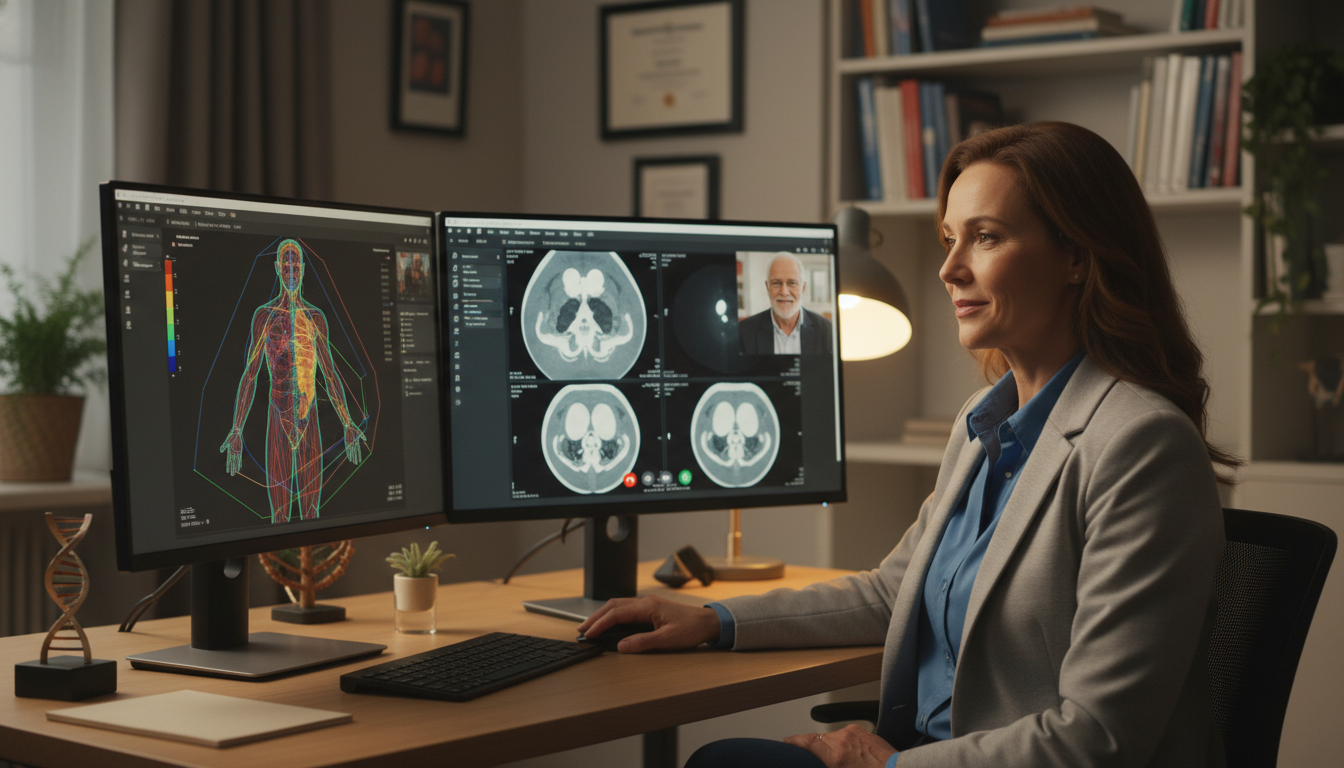
Radiation oncology is rapidly evolving beyond the walls of the cancer center. Advances in digital health, remote planning tools, and telehealth regulation have opened meaningful telemedicine career opportunities for radiation oncologists and residents. Whether you are preparing for the rad onc match, just finishing residency, or already in practice and feeling burned out by on-site call and RVU pressures, understanding the landscape of telehealth physician roles in radiation oncology can help you design a more flexible, sustainable career.
This guide walks through the major categories of remote physician work available in radiation oncology, skills you’ll need, how to prepare during residency, and realistic pros and cons so you can assess whether telemedicine fits your long‑term goals.
1. Why Telemedicine Matters in Radiation Oncology
Radiation oncology has traditionally been tied to brick-and-mortar facilities: linear accelerators, CT simulators, treatment vaults, and daily on-treatment visits. Yet several trends are pushing the field toward more virtual, distributed care models:
- Workforce maldistribution: Many rural and underserved areas lack local radiation oncology coverage.
- Technology maturation: Secure video platforms, cloud-based treatment planning, and remote contouring tools now function reliably for clinical workflows.
- Post-COVID normalization: Patients and providers are far more comfortable with virtual visits, especially for follow-up and survivorship care.
- Burnout and lifestyle pressures: Radiation oncologists are increasingly interested in flexible positions, including part-time or fully remote physician work.
- Cost and efficiency: Health systems look for ways to extend subspecialty expertise without building new full-scale cancer centers.
Radiation oncology differs from other specialties (like psychiatry or dermatology) that easily moved large percentages of care to telehealth. You cannot deliver radiation remotely, and many on-treatment visits still require in-person evaluation. Still, large parts of the care continuum are amenable to telemedicine, including:
- Initial consultations (for select patients)
- Second opinions
- Multidisciplinary tumor boards
- Treatment planning support and peer review
- On-treatment visit triage and symptom management
- Survivorship and long-term follow-up
Understanding where telemedicine integrates into these workflows will help you see where current and future telemedicine jobs may arise.
2. Types of Telemedicine and Remote Roles in Radiation Oncology
Telemedicine in radiation oncology spans a spectrum—from occasional telehealth visits to fully remote, non-clinical roles. Below are the main categories and what they look like in practice.
2.1 Telehealth Clinic Visits Within a Traditional Practice
The most common telemedicine role for a radiation oncologist today is hybrid practice: a mix of in-person and virtual visits within a single department or network.
Typical use cases
- New patient consultations: For patients referred from distant sites or those needing second opinions, pre-treatment planning discussions can be conducted via secure video.
- Follow-up visits: Long-term follow-up, surveillance for recurrence, and late toxicity monitoring are often ideal for telehealth.
- On-treatment symptom checks: Simple symptom reviews (e.g., mild skin toxicity, fatigue) may be done virtually if nursing staff can perform necessary vitals and in-person checks as needed.
- Multidisciplinary clinics: Joint virtual consults with medical oncology, surgery, and radiation oncology for complex cases.
What your day may look like
- Log into the EMR from home or office.
- Conduct 4–10 scheduled telehealth visits.
- Review imaging, labs, and pathology in real time with the patient.
- Dictate notes and place orders as usual.
- Coordinate with on-site staff for any required physical assessments or urgent visits.
Although you remain employed by a brick-and-mortar cancer center, this model offers some schedule flexibility and can be a stepping stone into more substantial telehealth physician roles.
2.2 Remote Coverage for Satellite or Partner Sites
Health systems and private groups increasingly use hub-and-spoke models for radiation oncology. A central “hub” of subspecialty faculty provides virtual support to regional or community “spoke” centers with limited on-site physician presence.
Role characteristics
- Remote new consults: You review histories, imaging, and pathology and conduct video visits with patients at a satellite site where therapists and nurses are present in person.
- Treatment planning oversight: You contour, approve plans, and verify IGRT setups remotely via secure network connections.
- Remote peer review: Participate in or lead virtual chart rounds and contour review sessions.
Example
A large academic center partners with several rural hospitals. You:
- Spend 2–3 days per week working from the main campus.
- Spend 1–2 days per week working remotely from home, covering satellite consults and plan approvals.
- Travel physically to satellites only periodically (e.g., once a month) for relationship building, QA, and local presence.
This model blends telemedicine and remote physician work without being fully detached from in-person clinical responsibilities.
2.3 Tele-radiation Oncology Second Opinions and Expert Consult Platforms
An emerging niche involves providing virtual second opinions for national or international patients through structured platforms. These may be:
- Hospital-branded second opinion services
- Insurance company–contracted expert networks
- Independent digital health companies
How it works
- A patient or referring physician submits records, imaging, and questions.
- You review the case asynchronously (often within 3–7 days).
- You provide a written opinion and, sometimes, a video consult.
- You may be compensated per case, per consult, or via a part-time remote contract.
Advantages
- Highly flexible, often fully remote work.
- Allows subspecialization (e.g., CNS, GU, pediatrics, breast).
- Attractive option for academic or community attendings as a side role.
Considerations
- Licensing and malpractice coverage (often handled by the platform, but not always).
- Clear communication that this is a consultative opinion and may not replace local treating physician recommendations.
- Structuring your reports to be accessible to both patients and clinicians.
For residents and fellows, gaining comfort with complex case analysis and clear written communication will be critical if you aim to build part of your career in this space.
2.4 Remote Contouring, Planning, and Dosimetry Support
While the “telehealth physician” label usually refers to video-based patient care, radiation oncology also offers non-patient-facing remote work directly tied to your clinical skill set:
- Remote contouring services for busy centers or low-volume sites.
- Peer review and AI-assisted contour validation for QA programs.
- Protocol-driven plan review for clinical trials or cooperative groups.
You might:
- Contract with a large network that centralizes complex contouring (e.g., head and neck, SBRT, pediatrics) among a few high-volume subspecialists.
- Work part-time from home performing remote peer-review of plans for centers participating in quality improvement networks.
- Consultant work for vendors or start-ups offering AI contouring tools, providing ground-truth data and clinical oversight.
While these roles may not be formally categorized as “telemedicine jobs,” they represent genuine remote physician work that can diversify your income and increase schedule flexibility.
2.5 Nonclinical Remote Roles: Industry, Informatics, and Medical Affairs
Many radiation oncologists leverage their clinical training into telemedicine-adjacent, fully remote positions:
- Medical affairs for device or pharma companies (e.g., linacs, brachytherapy, immunotherapy).
- Clinical strategy and product design for treatment planning systems or AI companies.
- Health informatics and outcomes research roles focused on radiation oncology data.
- Utilization management or chart review roles for payers (though often controversial).
These positions usually do not involve direct patient care and may or may not maintain your board certification depending on your level of clinical activity. But they can be excellent options for those looking to step away from daily on-site practice while staying close to the field.
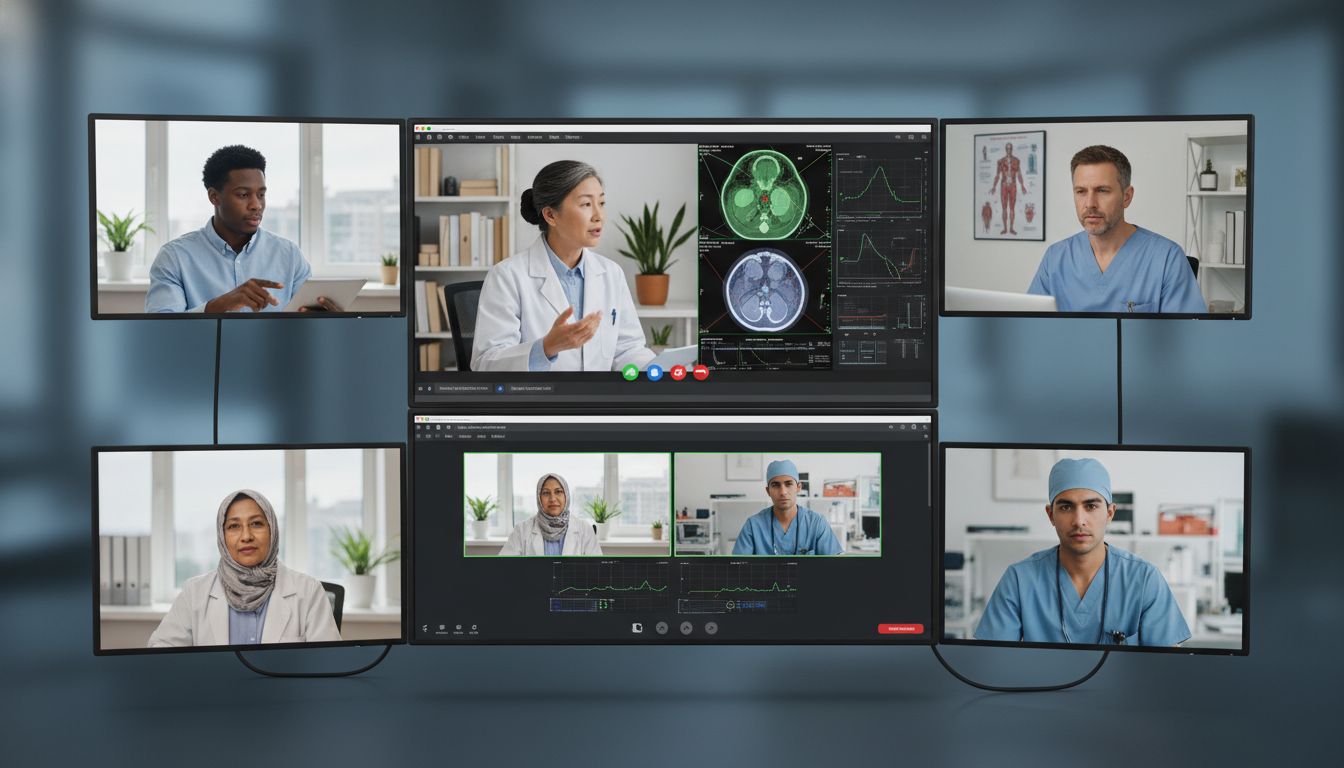
3. Preparing During Residency for Telemedicine-Oriented Careers
If you are still in the radiation oncology residency pipeline or preparing for the rad onc match, you can intentionally build skills and experiences that position you for telemedicine and remote work.
3.1 Choose Programs With Strong Telemedicine Infrastructure
When evaluating programs during the rad onc match process, ask targeted questions:
- Does the department regularly conduct telehealth clinics? For which visit types?
- Are there remote coverage arrangements with community or satellite sites?
- Do residents participate in virtual tumor boards or multidisciplinary telehealth clinics?
- Does the institution have centralized systems for remote contouring or plan review?
Programs that already integrate telemedicine into daily workflows will better prepare you for post-residency opportunities and help normalize remote collaboration.
3.2 Get Comfortable With Digital Communication and Virtual Bedside Manner
Patient-centered telemedicine requires a distinct set of communication skills.
During residency:
- Ask to observe and then conduct telehealth follow-up visits, with attending supervision.
- Practice introductions, identity verification, and privacy explanations tailored to video visits.
- Develop habits like:
- Looking at the camera instead of the screen when delivering important information.
- Verbally narrating what you’re doing (“I’m pulling up your last MRI now”).
- Confirming understanding frequently (“Can you summarize what you’re taking away from this?”).
Your ability to build rapport through a screen will be a major differentiator in telehealth physician roles.
3.3 Build Technical Fluency With Remote and Cloud-Based Tools
Radiation oncology is already tech-heavy; telemedicine adds an additional layer.
Key areas:
- EMR and telehealth platforms: Learn the scheduling, documentation, and billing workflows for virtual visits.
- Remote access to imaging and TPS: Become comfortable contouring and plan reviewing through VPNs or cloud infrastructure.
- Data security and HIPAA basics: Understand safe handling of protected health information in remote settings.
Residents who can troubleshoot minor tech issues and adapt to new platforms quickly will be more attractive to employers building distributed rad onc networks.
3.4 Develop Niche Expertise Valuable for Remote Work
Telemedicine and remote consulting models favor subspecialists who can provide high-value expertise at scale. Consider focusing on:
- Site-specific niches: CNS, GU, GI, thoracic, breast, pediatrics, or gynecologic oncology.
- Technique-based niches: SBRT/SABR, brachytherapy, proton therapy, adaptive RT.
- Cross-cutting areas: survivorship, late toxicities, palliative RT, re-irradiation.
As a resident:
- Seek out research, electives, and case volume in your areas of interest.
- Attend virtual disease-specific tumor boards.
- Build relationships with attendings who are recognized experts in those niches.
When you later pursue remote second-opinion or consulting opportunities, a clear niche will help distinguish you in a crowded field.
4. Practical Realities: Licensing, Logistics, and Lifestyle
Telemedicine in radiation oncology offers exciting flexibility, but it also comes with specific regulatory, operational, and personal considerations.
4.1 State Licensing and Interstate Practice
In the U.S., to provide telemedicine care, you generally must be licensed:
- In the state where the patient is located at the time of the visit, and
- Sometimes also in the state where you are physically located.
Key points:
- The Interstate Medical Licensure Compact (IMLC) can streamline multi-state licensing if your primary license is in a participating state.
- Large telehealth physician employers may sponsor or reimburse additional licenses.
- For purely consultative second opinions (especially when clearly labeled as such), some institutions operate under different regulatory interpretations—but this varies by state and must be coordinated with legal/compliance teams.
If you plan to build a substantial telemedicine portfolio, set a strategy early for:
- Which states you want to target (e.g., based on rad onc workforce shortages or your employer’s footprint).
- Handling renewal timelines, CME requirements, and administrative logistics.
4.2 Malpractice Coverage and Documentation
Telehealth visits in radiation oncology must be documented as carefully as in-person visits.
Consider:
- Malpractice policy: Confirm that your policy explicitly covers telemedicine and out-of-state care if applicable.
- Informed consent: Many institutions require specific telehealth consent language, often including limitations of remote evaluation.
- Documentation standards:
- Tech platform used and confirmation of patient location.
- Any limitations of physical examination.
- Clear rationale for clinical decisions, especially when deferring in-person evaluation.
Strong documentation is both good clinical practice and essential risk management in virtual care.
4.3 Workflow and Scheduling
Telemedicine changes how you structure your day:
- Telehealth slots may be shorter or longer depending on visit type and patient population.
- You may need buffer time for tech issues or interpreting outside imaging.
- Coordination with on-site staff becomes critical:
- Ensuring vitals, labs, and imaging are done before the visit.
- Having a process for same-day in-person evaluation if concerns arise.
Some physicians prefer clustered telehealth days, while others mix telehealth and in-person visits. When negotiating roles, be explicit about your preferred configuration and on-site vs remote balance.
4.4 Lifestyle Pros and Cons
Potential advantages
- Reduced commuting and more flexible geography.
- Ability to live in one state while serving patients in others.
- Improved work-life integration for parenting, caregiving, or dual-career households.
- Potential for part-time or portfolio careers combining clinical telemedicine, remote consulting, and nonclinical work.
Potential challenges
- Professional isolation from colleagues and the on-site team.
- Blurred work-life boundaries when home becomes primary workspace.
- Reliance on stable internet and tech; disruptions can derail your day.
- Harder to assess certain acute toxicities and subtle findings without in-person examination.
Before committing to a predominantly remote career, test your tolerance for these tradeoffs through hybrid arrangements, occasional remote weeks, or part-time telemedicine roles.
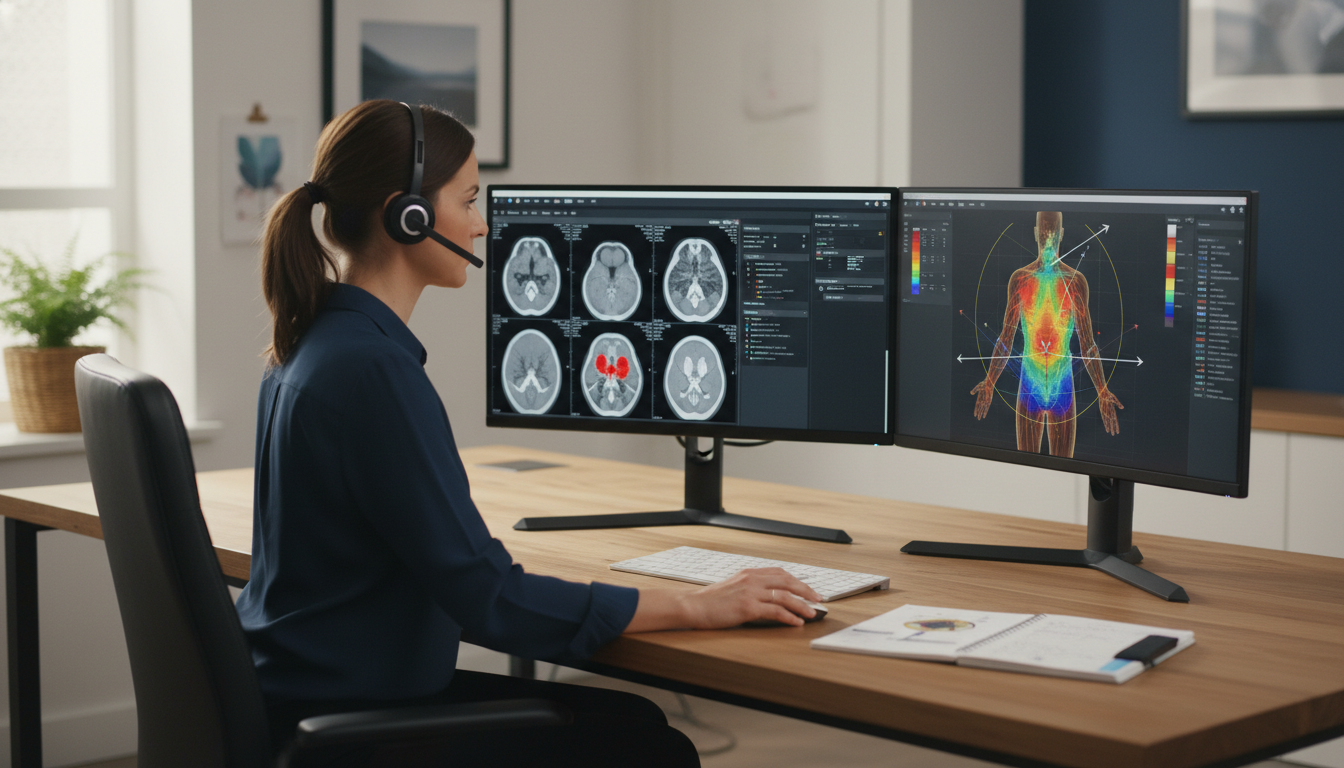
5. Finding and Negotiating Telemedicine and Remote Roles
As telehealth expands, radiation oncology–specific opportunities are increasing but often remain less visible than mainstream telemedicine jobs in primary care or psychiatry. Here’s how to identify and secure them.
5.1 Where to Look
- Large health systems and academic centers:
- Check for roles labeled “virtual care,” “regional coverage,” or “telehealth physician.”
- Ask about remote coverage agreements and telemedicine expectations during interviews.
- National oncology groups and MSOs:
- Some maintain centralized remote physician teams for consults, QA, or contouring.
- Telehealth companies:
- A few are starting oncology or cancer-support lines (second opinions, survivorship, symptom management).
- Carefully vet their clinical model, quality standards, and alignment with your values.
- Industry and start-ups:
- AI contouring, treatment planning, and oncology data science firms often seek rad onc consultants in remote roles.
Networking is crucial. Talk with recent graduates, faculty, and professional organizations (e.g., ASTRO) about emerging remote models and pilot programs.
5.2 What to Ask When Evaluating Telemedicine Positions
Key questions:
- What percentage of my time is telehealth vs in-person?
- Do I have geographic flexibility, or must I be near a main campus?
- How are licenses and malpractice handled and funded?
- What support staff are available during virtual clinics (nurses, APPs, navigators)?
- How are productivity and compensation measured (RVUs, salary, per-consult fees)?
- Are there academic and teaching opportunities if desired (virtual lectures, remote mentoring)?
Radiation oncology remains a relatively small specialty; you want to ensure any telemedicine-heavy role maintains your clinical relevance, reputation, and long-term career options.
5.3 Negotiating Flexible and Remote Work in Traditional Jobs
You do not necessarily need to join a telehealth company to benefit from remote work. In a standard radiation oncology job, consider proposing:
- One or two dedicated telehealth clinic days per week, especially for follow-up clinics.
- A formal arrangement for remote contouring and plan review during part of the week.
- Remote participation in tumor boards and didactics when not on-site.
- Defined criteria for which patients and visit types can be virtual vs must be in-person.
Frame telemedicine as a way to:
- Increase access (e.g., for rural or mobility-limited patients).
- Offload in-person clinic crowding.
- Extend coverage to additional sites without full FTE hiring.
Having a clear, data-supported proposal can help overcome institutional inertia.
6. The Future of Telemedicine in Radiation Oncology
Looking forward, several developments are likely to expand telemedicine career opportunities for radiation oncologists:
- More robust virtual cancer centers: Multi-specialty teams providing coordinated, predominantly virtual care, with local centers focusing on procedure delivery.
- AI-augmented remote planning: Physicians overseeing and validating AI-generated contours and plans from anywhere.
- Global oncology collaborations: Tele-consults and remote planning support for low- and middle-income countries lacking on-site rad onc expertise.
- Value-based care models: Telemedicine integrated into survivorship, toxicity management, and triage programs aimed at reducing ED visits and hospitalizations.
For residency applicants and early-career physicians, this means:
- The traditional model of a single-site, full-time in-person job is no longer the only viable path.
- Portfolio careers that mix local practice, remote physician work, and telehealth consulting will become more common.
- Skills in communication, informatics, and systems thinking will become as important as contouring and planning.
If you are entering the rad onc match now, you are likely to practice in a world where telemedicine is not an add-on but a core feature of how radiation oncology services are organized and delivered.
FAQs
1. Can radiation oncology be done fully remotely?
Not entirely. The delivery of radiation therapy requires physical infrastructure (linacs, CT simulators) and on-site staff. However, significant components can be done remotely:
- Initial consults and second opinions (for selected patients)
- Follow-up and survivorship visits
- Contouring, plan review, and peer review
- Multidisciplinary tumor boards
A few radiation oncologists do work in primarily remote, consultative roles, but most maintain some degree of on-site presence or local clinical engagement.
2. Is telemedicine experience important for the rad onc match?
It is not a formal requirement for the rad onc match, but evidence of interest in digital health, telemedicine, or systems innovation can be a plus, especially at programs emphasizing outreach, virtual care, or regional networks. You can demonstrate this through:
- Quality improvement or research projects involving telehealth.
- Rotations or electives where you participated in virtual clinics.
- Interest in informatics, AI, or cloud-based oncology tools.
Programs increasingly recognize that telemedicine literacy is part of future-ready training.
3. How do telemedicine roles in radiation oncology compare financially to traditional jobs?
Compensation varies widely:
- Hybrid academic or hospital-employed roles with some telehealth generally follow standard salary/RVU models.
- Telemedicine-only consulting or second-opinion roles may be per-visit or per-case and can be lucrative as side work, but full-time equivalents are less standardized.
- Remote nonclinical roles (industry, medical affairs, AI companies) may offer competitive salaries, sometimes with bonuses or equity, but often at the cost of decreased direct clinical income.
As the market matures, expect more transparent benchmarks for telemedicine-specific compensation in radiation oncology.
4. Can I live in one state and practice telemedicine in another as a radiation oncologist?
Yes, with caveats. You typically need:
- A medical license in the state where the patient is located, and
- Malpractice coverage that explicitly includes telemedicine and cross-state practice.
Many telehealth physician roles support multi-state licensing, and compacts like the IMLC can speed the process. However, always confirm legal and regulatory requirements with your employer and malpractice carrier before providing cross-state telemedicine care.
Telemedicine is reshaping how radiation oncology expertise is delivered—and who can access it. By understanding the spectrum of telehealth and remote physician work options, and by intentionally building telemedicine-ready skills during training and early practice, you can craft a career in radiation oncology that is both clinically impactful and personally sustainable.