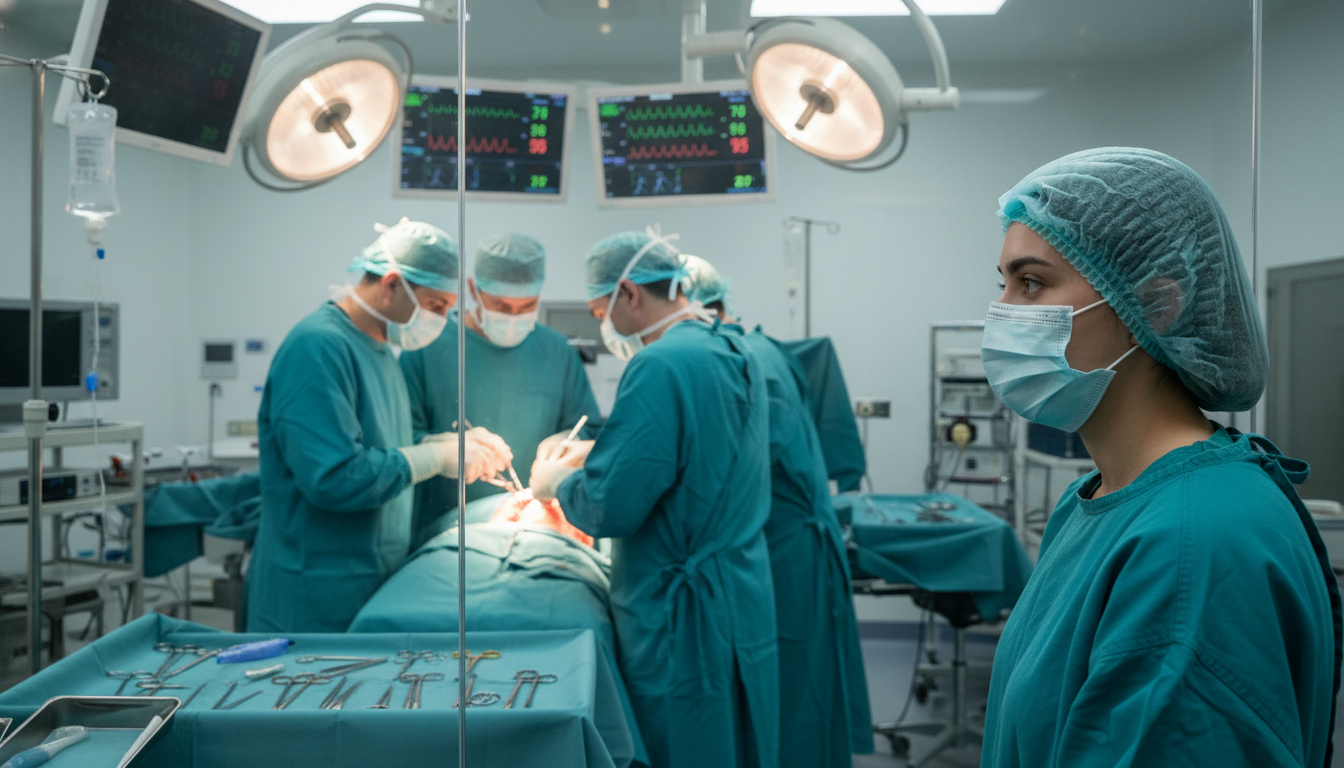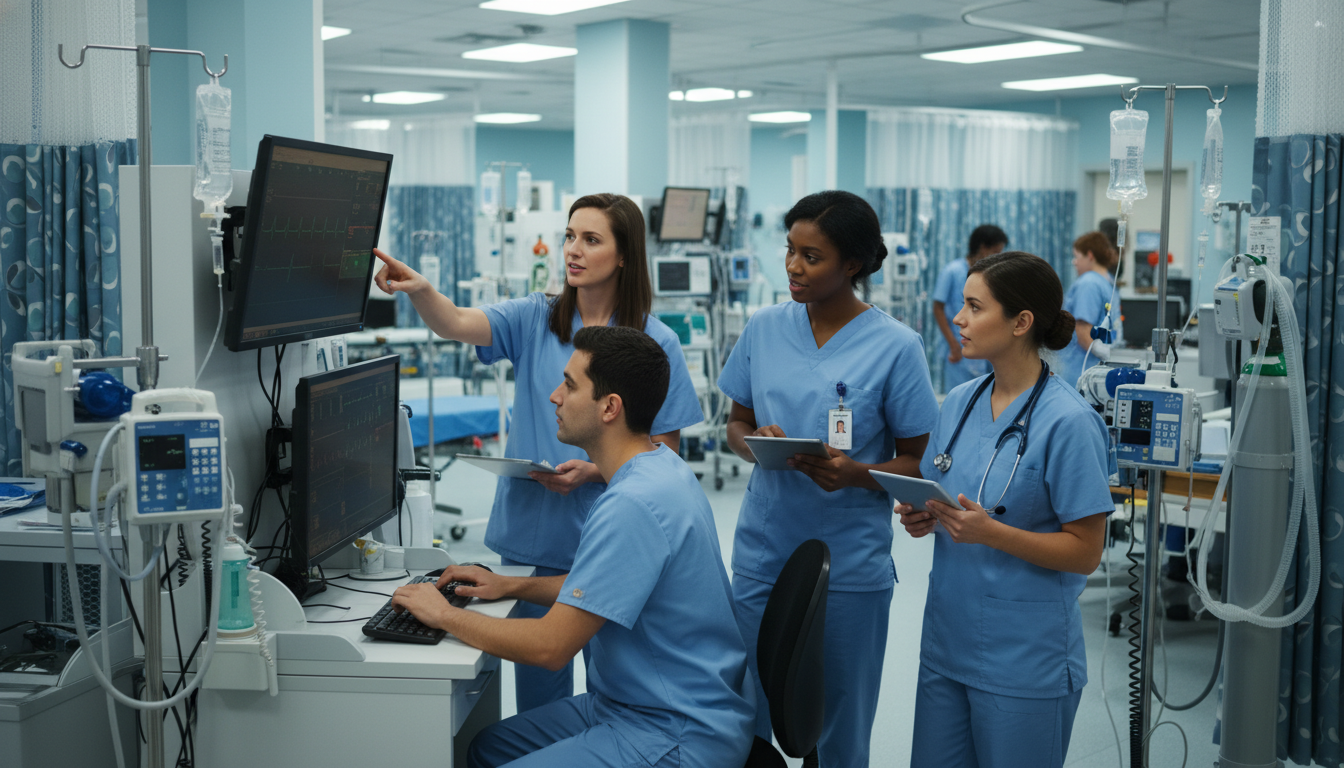
As vascular surgery becomes increasingly technology-driven, telemedicine is transforming how vascular surgeons work, collaborate, and build their careers. From virtual post-op visits to cross-state consults on complex limb salvage cases, telehealth is no longer a fringe option—it’s quickly becoming a core part of modern vascular practice.
For medical students and residents considering a vascular surgery residency or an integrated vascular program, understanding telemedicine pathways early can shape your training choices, skill development, and long-term career flexibility. This guide outlines practical telemedicine career opportunities in vascular surgery, how to prepare for them, and what to expect from remote and hybrid practice models.
The Intersection of Vascular Surgery and Telemedicine
Vascular surgery is particularly well-suited to telehealth for three main reasons:
Chronic disease focus
Many vascular patients have long-term conditions requiring ongoing monitoring:- Peripheral arterial disease (PAD)
- Carotid stenosis
- Aortic aneurysms under surveillance
- Chronic venous insufficiency
- Diabetic foot disease and wound care
These conditions often require frequent follow-up, patient education, and medication adjustments—tasks that can be done effectively via telemedicine.
Heavy imaging and diagnostics
Vascular care relies on:- Duplex ultrasound
- CT/MR angiography
- Physiologic testing (ABIs, toe pressures, etc.)
Images and reports can be reviewed remotely, making off-site consultation and second opinions feasible and efficient.
Team-based, multi-disciplinary care
Vascular surgeons routinely collaborate with:- Interventional radiology
- Cardiology
- Nephrology
- Wound care specialists
- Primary care and endocrinology
Telemedicine platforms make this cross-specialty communication smoother, allowing surgeons to participate in virtual multidisciplinary rounds and tumor/vascular boards from anywhere.
For you as a future or current trainee, this means the line between “clinic” and “online” practice is quickly disappearing. Understanding how to leverage telehealth can expand your impact, workload flexibility, and career safety net.
Core Telemedicine Use-Cases in Vascular Surgery
Before looking at specific telemedicine jobs and remote physician work opportunities, it helps to understand how telehealth is practically applied in vascular surgery today.
1. Pre-Consultation and Triage
Telemedicine is increasingly used for initial vascular surgery evaluations, especially in large health systems and academic centers.
Common scenarios:
- A primary care physician refers a patient with claudication, and:
- Basic labs and ABIs are done locally
- Imaging (e.g., CTA) is uploaded
- The vascular surgeon conducts a video visit to:
- Review history and imaging
- Assess symptom severity
- Decide whether in-person evaluation, immediate intervention, or conservative management is best
Benefits:
- Decreases unnecessary travel for patients (especially in rural communities)
- Reduces no-shows and improves scheduling efficiency
- Allows surgeons to focus in-person visits on patients most likely to need interventions
2. Postoperative and Longitudinal Follow-Up
Many post-op vascular visits are ideal for virtual settings, particularly when:
- A local provider or home health nurse can:
- Inspect wounds
- Take vitals
- Share photos or live video of incisions
- Patients are stable but need:
- Medication adjustment (e.g., antiplatelet or anticoagulation management)
- Symptom checks
- Reinforcement of activity and wound-care instructions
Telehealth is particularly useful for:
- Endovascular follow-up: stent surveillance, graft patency queries, minor symptom assessments
- Wound checks: especially when coupled with high-quality photos or video via secure platforms
- Post-amputation care: stump checks, pain management discussion, prosthesis planning
3. Remote Imaging Review and Second Opinions
Vascular surgeons can increasingly provide telehealth physician services focused on diagnostic review and second opinions:
- Reviewing imaging and test results uploaded from outside hospitals
- Providing written or video-based consults for:
- Complex aortic pathology
- Limb salvage decisions
- Redo bypass vs. endovascular strategies
- Participating in virtual multidisciplinary conferences:
- Aortic centers
- PAD limb salvage programs
- Cerebrovascular risk-stratification meetings
This area is a major growth field for remote physician work in vascular surgery, particularly for surgeons with subspecialized expertise (e.g., complex aortic, hybrid approaches, or advanced limb salvage).
4. Rural and Outreach Vascular Care
Digital connectivity now allows tertiary vascular centers to:
- Support critical access and community hospitals
- Evaluate emergency transfers remotely
- Guide local teams on:
- Initial vascular assessment
- Anticoagulation/antiplatelet strategies
- Wound management and infection control
- When to transfer vs. when to manage locally
Real-world example:
A small hospital without vascular coverage calls your center about a patient with acute limb ischemia. You:
- Review photos and duplex findings
- Conduct a tele-visit with the patient and local ED physician
- Decide:
- Emergent transfer for thrombectomy; OR
- Immediate anticoagulation and next-morning transfer based on limb viability
This outreach not only benefits patients but also expands your institution’s catchment area and referral base.
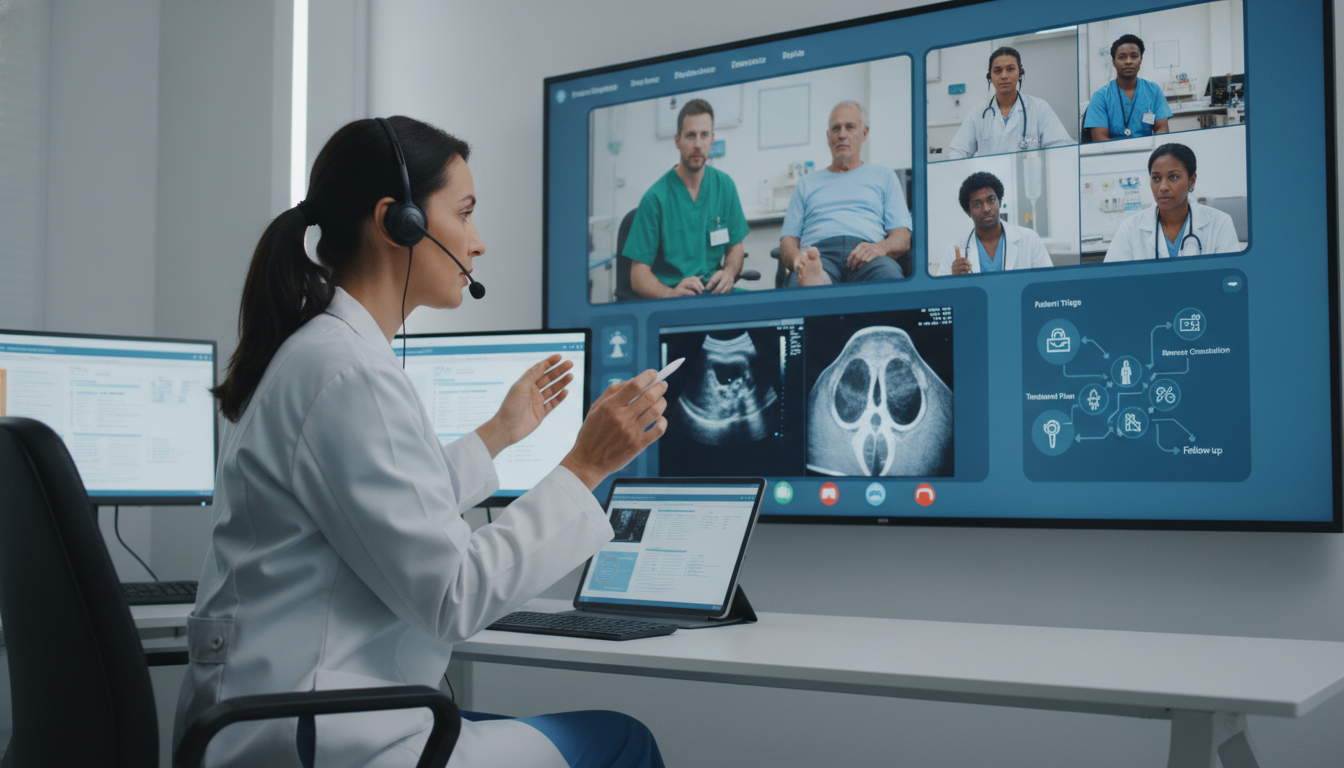
Types of Telemedicine Career Paths in Vascular Surgery
As you plan for or progress through a vascular surgery residency or integrated vascular program, it helps to think of telemedicine along a spectrum—from small “add-ons” to full remote practice.
1. Hybrid Clinical Vascular Surgeon with Telehealth Component
This is currently the most common model: you work primarily in a hospital-based or group-practice setting, and telemedicine makes up 10–40% of your clinic time.
Typical weekly structure:
- 2–3 days in-person clinic and operative days
- 0.5–1 day telehealth clinic:
- Post-op check-ins
- Non-urgent follow-ups
- Medication and risk-factor management
- Rural outreach consults
Career implications:
- More flexible schedule for certain clinic days
- Reduced in-person clinic crowding
- Better continuity with patients who struggle with transportation
For residency applicants, asking programs:
- “How do your vascular faculty use telehealth?”
- “Are residents involved in virtual clinics?” can signal your interest and help you choose a forward-thinking training environment.
2. Specialty Teleconsultant in Vascular Disease
Some vascular surgeons build niche roles as teleconsultants, especially in large health systems and academic centers.
Typical work:
- Remote imaging review for:
- Aortic aneurysms (surveillance and management planning)
- Mesenteric and renal artery disease
- Complex PAD intervention planning
- Virtual second opinions for patients referred from:
- Out-of-state centers
- International partners
- Participation in virtual multidisciplinary boards:
- Aortic disease programs
- Diabetic limb salvage clinics
- Carotid/Stroke risk clinics
These roles may be structured as:
- Part of a full-time faculty position with protected telehealth time
- A supplemental role for surgeons looking to decrease OR time later in their careers
3. Remote Vascular Physician for Telehealth Platforms
While most large direct-to-consumer telehealth companies currently focus on:
- Primary care
- Urgent care
- Behavioral health
- Dermatology
there is growing demand for subspecialty telehealth, particularly in:
- Chronic disease management
- Postoperative and second-opinion care
Emerging opportunities:
- Niche telehealth startups focusing on:
- Wound care and limb salvage
- Aneurysm surveillance programs
- PAD risk assessment and optimization
- “Expert opinion” platforms where:
- Patients upload imaging
- You provide a written or video consult
- You collaborate with local surgeons for actual interventions
These roles can be:
- Part-time, supplementing a traditional practice
- A stepping-stone for surgeons relocating or reducing operative caseloads
4. Academic Telemedicine Leadership and Program Building
For those interested in academic careers, telehealth offers leadership opportunities:
Potential roles:
- Director of Vascular Telemedicine Services
- Chief of Digital Vascular Health in a multihospital system
- Tele-education lead for vascular trainees and referring providers
Responsibilities may include:
- Designing and expanding telehealth clinic workflows
- Developing referral pathways for rural partners
- Integrating telehealth metrics into quality improvement programs
- Building tele-education content for:
- Referring primary care physicians
- Rural hospitalists
- Nurse practitioners and physician assistants
This pathway is ideal if you enjoy system design, QI, and leveraging technology for population-level impact.
How to Prepare During Medical School and Vascular Surgery Residency
If you’re planning to pursue a vascular surgery career with strong telemedicine components, you can start preparing well before fellowship or independent practice.
1. Choose Programs That Embrace Telehealth
When comparing vascular surgery residency and integrated vascular program options, look for:
Signs a program is telehealth-forward:
- Faculty routinely run telemedicine clinics
- Residents or fellows join virtual follow-ups or outreach consults
- The institution has a robust telehealth infrastructure:
- Credentialing across campuses
- IT and scheduling support
- Clear billing and compliance policies
Interview questions you can ask:
- “What percent of vascular clinic visits are done via telehealth?”
- “Are trainees involved in telemedicine-based care?”
- “Do you see telehealth as part of your long-term vascular service line strategy?”
2. Build Skills in Virtual Communication and Digital Professionalism
Telemedicine requires communication skills distinct from in-person care. During training, deliberately practice:
- Structuring a telehealth visit:
- Clear agenda at the start
- Frequent check-ins on understanding
- Summarizing next steps explicitly
- Examining patients remotely:
- Giving instructions for self-exam (palpating pulses, describing wounds)
- Working with caregivers or home nurses to obtain data
- Managing “screen presence”:
- Eye contact via camera
- Body language and tone
- Clear, jargon-free explanations backed by visual aids
Ask attendings if you can observe and then lead telehealth visits under supervision to develop this skillset early.
3. Understand Regulatory and Billing Basics
Even as a trainee, you’ll stand out if you have a working knowledge of:
- State licensure requirements for remote care
- Cross-state telehealth practice rules
- Documentation and coding for:
- Video visits
- Audio-only visits
- Asynchronous e-consults
You don’t need to be an expert, but familiarity signals that you recognize telehealth as a serious and sustainable part of practice.
4. Learn the Technology Ecosystem
Familiarize yourself with:
- Common telehealth platforms (Epic-integrated systems, Zoom for Healthcare, Doximity, etc.)
- PACS and remote imaging review tools
- Secure messaging systems used for patient communication
During residency:
- Volunteer to help troubleshoot workflows or test new telehealth features
- Consider QI or research projects related to:
- Telehealth access in PAD
- Outcomes of virtual vs in-person follow-ups
- No-show rates and patient satisfaction in tele-vascular clinics
Practical Pros and Cons of Telemedicine Careers in Vascular Surgery
Understanding the realistic upsides and challenges will help you design a sustainable career.
Advantages
Geographic Reach and Impact
- Ability to care for patients in underserved and rural areas
- Wider referral base for complex cases
- Potential to build a “regional” or even national subspecialty reputation
Flexibility and Work-Life Balance
- Some telehealth sessions can be done from home or satellite offices
- Reduced commuting and more structured scheduling
- Potential for partial remote physician work later in career when operative volume may be reduced
Professional Resilience
- Telehealth skills proved crucial during COVID-19; they remain valuable in any future system disruptions
- Expertise in virtual care offers adaptability if physical practice models shift (e.g., value-based care, bundled payments)
Academic and Innovation Opportunities
- Telehealth-related research (access, quality, outcomes)
- Development of digital vascular care pathways and remote monitoring tools
- Collaborations with health-tech startups or device companies
Challenges and Limitations
Inherent Clinical Constraints
- You cannot palpate pulses, directly examine wounds, or perform procedures
- Certain decisions (e.g., same-day intervention) may require in-person assessment
- Not all patients are suitable for virtual follow-up (e.g., highly unstable, complex wounds)
Regulatory and Licensing Complexity
- Different states have different telehealth rules
- Multi-state practice may require multiple licenses or participation in interstate compacts
- Reimbursement policies continue to evolve and can vary by payer
Technology Barriers
- Patients may lack reliable internet or devices
- Older patients may have difficulty navigating platforms
- Institutional technology can be clunky or poorly integrated
Professional Satisfaction Considerations
- Vascular surgeons are procedural specialists; most will not want (or be able) to move to fully remote practice
- Burnout can occur if telehealth visits are overbooked or poorly supported
The most sustainable approach for many surgeons is a hybrid model: a foundation of procedural and inpatient work, plus a well-structured telehealth component for triage, follow-up, outreach, and academic collaboration.
Future Directions: Where Telemedicine in Vascular Surgery Is Headed
Telemedicine in vascular surgery is likely to expand in several promising directions over the next decade, opening even more telemedicine jobs and career niches.
1. Home-Based Vascular Monitoring and Wearables
Emerging tools:
- Wearable sensors to monitor perfusion and mobility in PAD patients
- Home ABI or toe pressure devices connected via apps
- Smart wound dressings with temperature/moisture sensors
Vascular surgeons will increasingly:
- Interpret data streams remotely
- Adjust treatment plans between visits
- Collaborate with data science teams to refine prediction models for limb loss and complications
2. Integrated Digital Limb Salvage Programs
Hospitals and health systems are creating digitally supported limb salvage networks where:
- Wound care nurses, podiatrists, endocrinologists, and vascular surgeons meet virtually
- Remote image-sharing platforms enable frequent review of difficult wounds
- Telehealth visits reduce delays in decision-making about revascularization vs amputation
Surgeons can lead or co-lead these programs, blending clinical excellence with digital strategy.
3. Cross-Border and International Vascular Teleconsulting
Telemedicine can allow vascular surgeons to:
- Provide second opinions to international centers
- Participate in global vascular case conferences
- Support charities and NGOs caring for complex vascular patients in resource-limited settings
These roles may not always be fully compensated in the traditional sense, but can:
- Build your academic and global health profile
- Lead to international collaborations and visiting professorships
4. AI-Enhanced Telehealth Workflows
Future telehealth platforms may:
- Auto-triage referrals based on imaging, symptoms, and labs
- Flag high-risk patients needing urgent in-person evaluation
- Provide decision-support tools for PAD, aneurysm, and carotid disease
Vascular surgeons who understand and help design these tools will be at the forefront of both clinical and technological innovation.
Frequently Asked Questions (FAQ)
1. Can a vascular surgeon have a fully remote telemedicine career?
A completely remote career is unusual for a vascular surgeon, because the specialty is procedure-heavy and requires in-person interventions. However, it is realistic to:
- Have a substantial portion of your work be remote (e.g., 30–60%) if you:
- Focus on consults, imaging review, surveillance, and second opinions
- Work within a large system or specialized telehealth company
- Transition later in your career to more telehealth-focused roles as you scale back operative time.
Most vascular surgeons will thrive in hybrid models rather than fully remote practice.
2. How can I highlight interest in telemedicine on my vascular surgery residency application?
You can:
- Mention telehealth-related projects, QI work, or research in your CV and personal statement
- Ask thoughtful interview questions about:
- Telehealth integration into vascular clinics
- Resident involvement in virtual outreach
- If you’ve had exposure to virtual clinics (e.g., during COVID-19), briefly describe:
- What you observed
- Lessons learned about communication and access
- How it shapes your vision of future practice
Keep the focus on patient-centered benefits and system-level improvements, not just lifestyle advantages.
3. What skills distinguish a strong telehealth vascular surgeon?
In addition to standard vascular surgical expertise, telehealth-proficient surgeons tend to have:
- Excellent verbal communication and patient education skills
- Comfort with digital tools (EHR, video platforms, remote imaging)
- Good systems thinking—ability to design efficient virtual workflows
- Flexibility and problem-solving for patients with limited technology or resources
- Awareness of regulatory, privacy, and billing considerations
These skills can be actively developed during residency through deliberate practice and mentorship.
4. Are there specific fellowships or certifications for telemedicine in vascular surgery?
There are currently no widely recognized vascular-specific telemedicine fellowships, but you can pursue:
- General telehealth or digital health certificates through:
- Universities
- Professional societies
- Short courses in:
- Digital health leadership
- Health informatics
- Quality improvement with telehealth
- Research electives focused on virtual care delivery in vascular disease
Combining a strong clinical vascular foundation with formal or informal digital health training will position you well in this evolving space.
Telemedicine will not replace the core hands-on work of vascular surgery, but it is rapidly becoming an essential extension of how vascular surgeons diagnose, counsel, monitor, and collaborate. As you plan your pathway through medical school, vascular surgery residency, or an integrated vascular program, intentionally building telehealth skills and experience can unlock versatile, impactful career options—whether you ultimately practice in a major academic center, a community hospital, or a digitally enabled regional network.