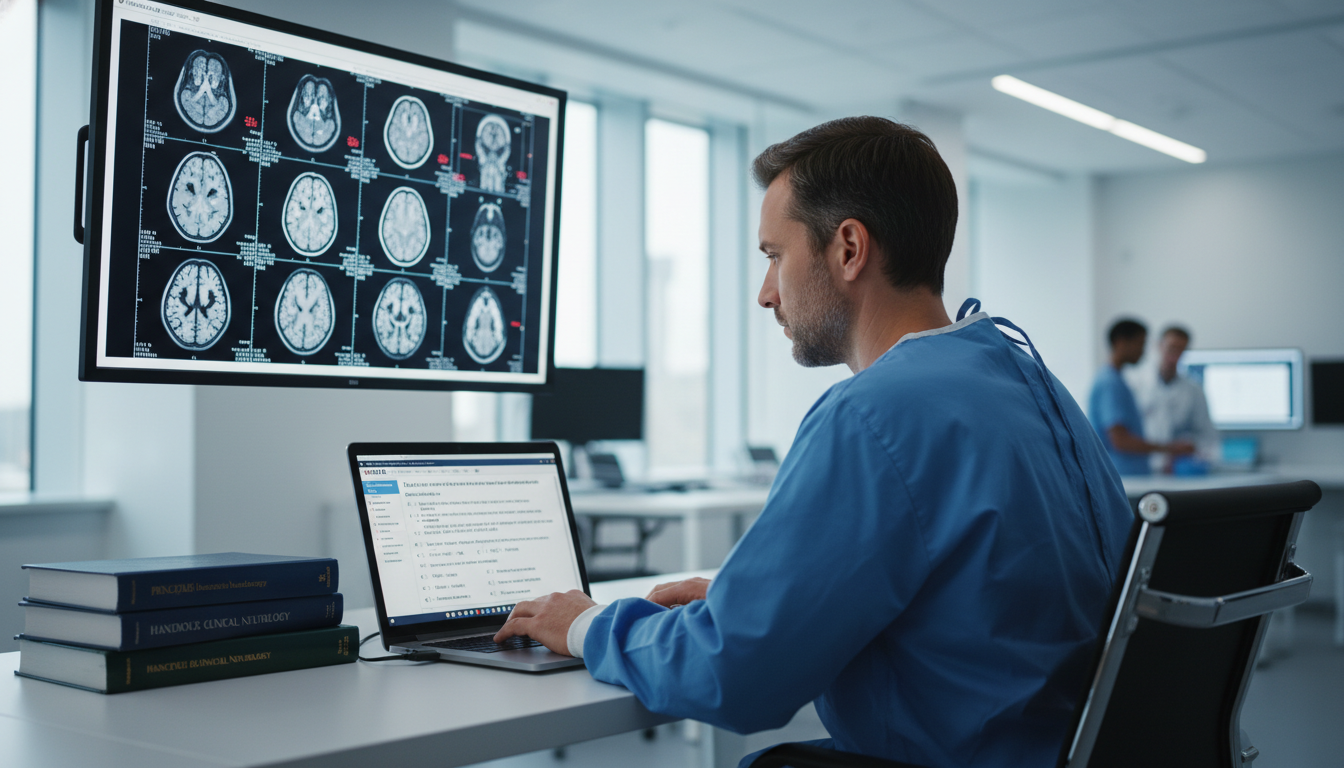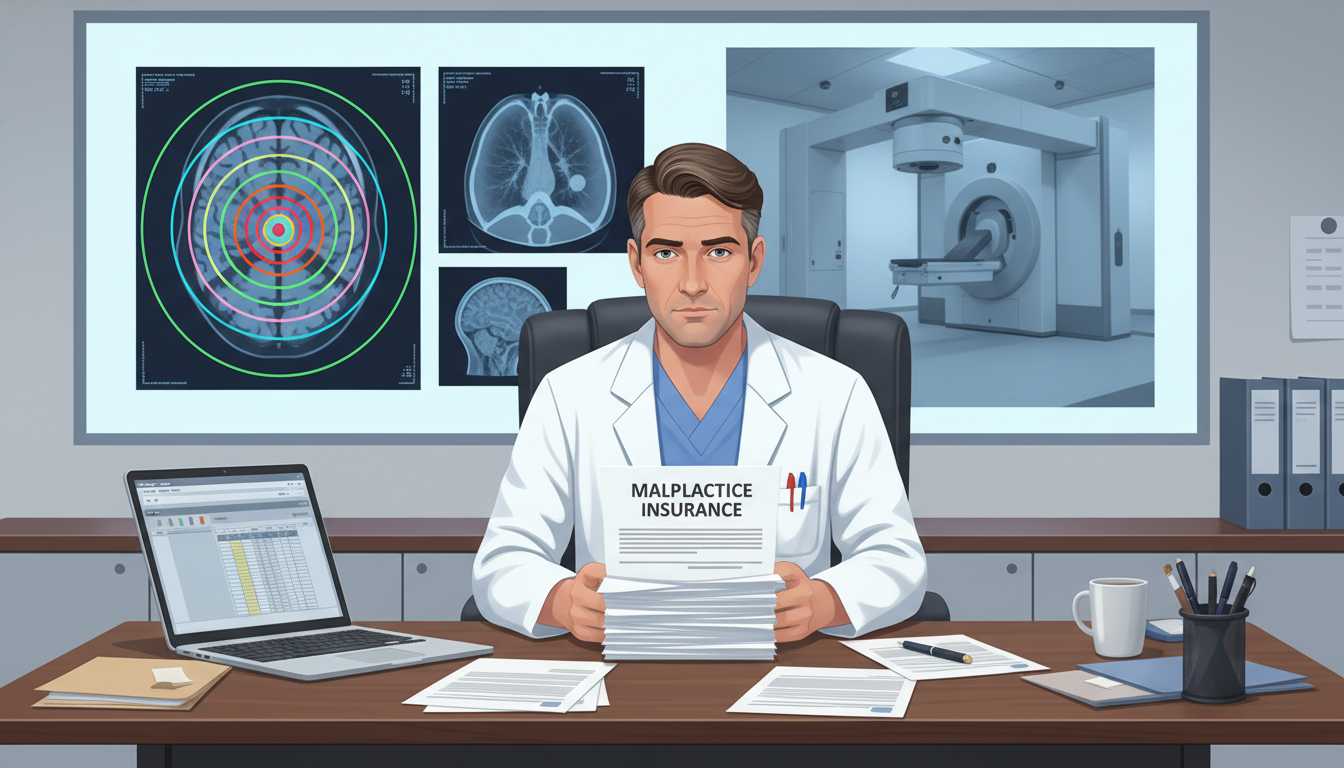
Understanding Telemedicine in Interventional Radiology
Telemedicine has moved from a niche service to a core component of modern healthcare, and interventional radiology (IR) is no exception. For residents, fellows, and early-career physicians, understanding telemedicine career opportunities in interventional radiology residency and beyond can open doors to flexible, innovative, and geographically diverse work.
Interventional radiology is inherently procedural, which can make telemedicine sound counterintuitive at first. You can’t place a drain or perform an embolization over a video call. But a significant portion of IR work is cognitive: reviewing imaging, consulting with patients, guiding referring clinicians, and triaging procedures. These high-value cognitive services translate extremely well to a telehealth model.
In this guide, we’ll explore how telemedicine intersects with IR practice, how it can fit into your career planning even while you’re focused on the IR match, and what kinds of telehealth physician roles and remote physician work models are emerging specifically for interventional radiologists.
How Telemedicine Fits into the IR Skill Set
Telehealth for interventional radiologists breaks down into several key domains. Understanding these helps you think concretely about what you might actually do in a telemedicine role.
1. Virtual Pre- and Post-Procedure Clinics
A large portion of outpatient IR practice consists of:
- Reviewing outside imaging and clinical history
- Counseling patients on treatment options
- Obtaining informed consent
- Managing longitudinal follow-up
These are all highly amenable to telehealth.
Examples of virtual IR clinic activities:
Pre-procedure assessment:
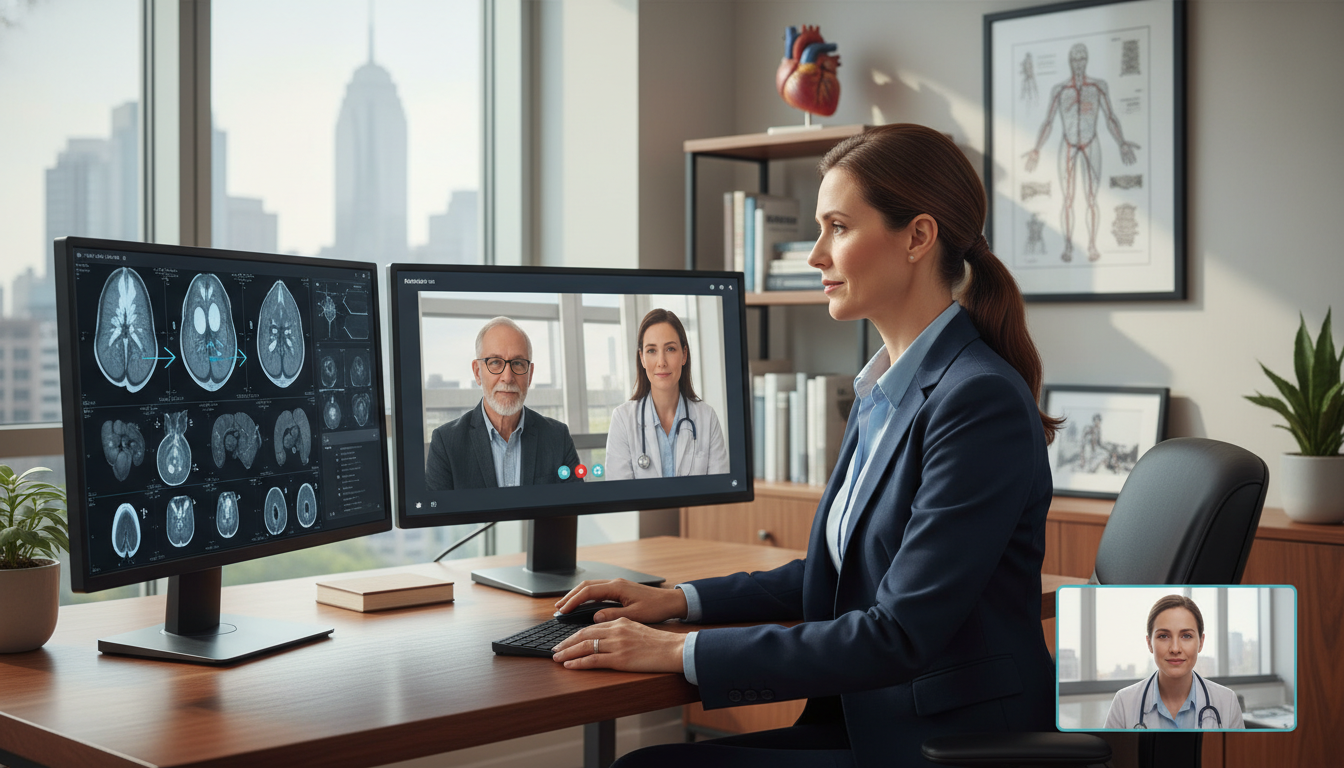
You review prior CT/MRI/US, lab values, and comorbidities, then counsel a patient on options such as uterine fibroid embolization, TACE/Y90, or venous interventions via secure video visit.Shared decision-making:
You walk a patient through the risks and benefits of a port placement vs PICC line, or minimally invasive vs surgical options, screen-share images, and annotate them in real time.Post-procedural follow-up:
Short video visits for minor wound checks, symptom assessment (e.g., post-embolization syndrome), and medication titration after interventions like PAD revascularization or liver-directed therapy.
These clinics can be conducted from a hospital office, outpatient practice, or a home telemedicine setup—creating genuine remote physician work opportunities.
2. Remote Consultations and Procedure Triage
Many hospitals (especially smaller community sites) lack on-site IR coverage 24/7. Telemedicine allows you to provide:
Acute IR consults:
Reviewing imaging for active GI bleeding, trauma-related hemorrhage, or PE and advising the ED or inpatient team.Triage for transfer vs local management:
Deciding whether the patient needs transfer to your tertiary center for emergent embolization, thrombectomy, or other complex intervention, or can be safely managed with local resources.Interdisciplinary virtual boards:
Participating in online tumor boards, PAD conferences, or complex case conferences where your IR expertise is essential but your physical presence is not.
This model blends cognitive IR with systems-level thinking and is particularly attractive if you like high-acuity decision-making without always being in the IR suite.
3. Teleradiology-Enhanced IR Roles
Some interventional radiologists maintain dual practice:
- Performing procedures on-site at a primary institution
- Providing teleradiology (diagnostic) reads or remote IR consults during off-hours or designated sessions
This hybrid can be very attractive for graduates of interventional radiology residency programs who want to maintain both diagnostic skills and procedural expertise while integrating telemedicine jobs into their portfolio.
You might:
- Interpret cross-sectional imaging remotely (CT/CTA, MR, US), then
- Flag potential procedural candidates and provide teleconsults to referring physicians or directly to patients.
4. Tele-Proctoring and Remote Procedural Support
While you cannot perform the procedure remotely, you can support others:
Tele-proctoring for emerging IR procedures:
Guiding on-site interventionalists or surgeons through newer techniques (e.g., specific embolization techniques, novel devices) via high-quality video feed and DSA screen-sharing.Decision support for borderline cases:
Being “on call” remotely for junior colleagues at smaller centers when they encounter a challenging anatomy or difficult access.
This is more common in academic or industry-partnered environments but is growing rapidly.
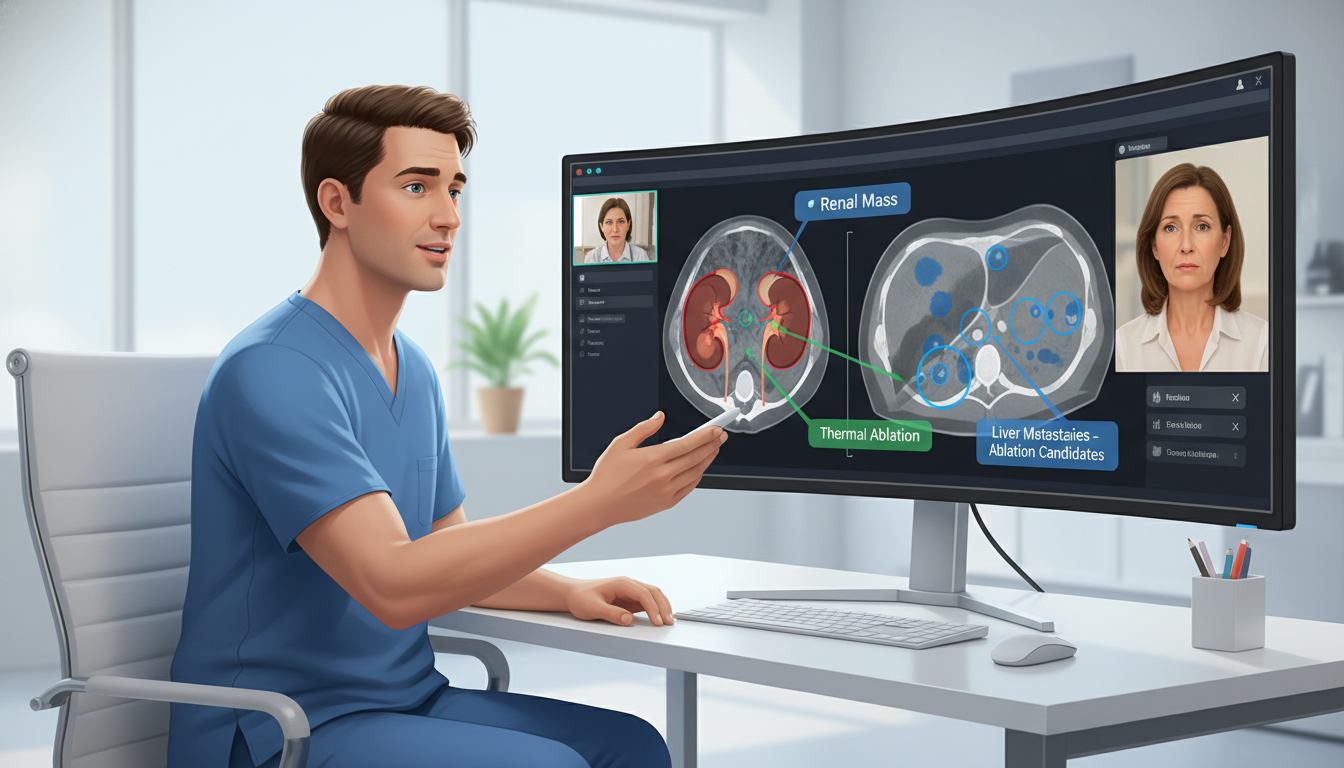
Types of Telemedicine Jobs for Interventional Radiologists
Telemedicine career opportunities in IR fall along a spectrum from modest side work to full-time remote physician roles. Here are the main categories.
1. Employed Hybrid Positions (Hospital or Academic System)
Structure:
- Majority on-site procedural IR
- A defined portion of FTE devoted to telehealth clinic, remote consults, or teleradiology
- Sometimes integrated into call responsibilities
What this can look like:
- Two half-days per week of virtual IR clinic for pre- and post-procedure visits, done from home
- Night and weekend tele-consults for affiliated community hospitals: reviewing imaging and advising on IR transfer needs
- Participation in regional virtual tumor boards across a health system
Pros:
- Stable salary and benefits
- Predictable schedule integration
- Protected time and institutional support for telemedicine workflows
Cons:
- Less flexibility than independent telehealth jobs
- Telemedicine component may be small or secondary to procedural volume
This is currently the most common telemedicine integration for IR physicians.
2. Independent Telehealth Physician Roles (Part-Time or Full-Time)
Some companies or large groups hire interventional radiologists specifically to provide:
- Virtual IR consultations for direct-to-patient platforms (e.g., second opinions, procedural planning)
- Remote coverage for smaller hospitals that lack 24/7 IR presence
- Teleradiology with IR consult overlay, where you interpret imaging and advise on potential interventions
Sample job models:
- 0.2–0.4 FTE telehealth evenings/weekends on top of a day job
- 0.5–1.0 FTE remote IR consult role for a multi-state health network, fully home-based
Key contract elements to review:
- Licensing and credentialing support (multi-state telehealth requirements)
- Malpractice coverage specific to interventional recommendations
- Clear scope of practice (are you just advising, or also responsible for arranging transfers/procedures?)
- Productivity metrics (RVU-based, per-consult, salary plus bonus, etc.)
These roles offer attractive flexibility but require careful vetting to align with your training and risk tolerance.
3. Teleradiology with an IR-Heavy Focus
For IR physicians who maintain strong diagnostic radiology skills, some teleradiology companies:
- Prefer or pay a premium for readers who can:
- Identify interventional candidates
- Provide limited teleconsults
- Assist on-call teams in real time
You might, for example:
- Read emergent CT scans overnight for a regional system
- Escalate cases that clearly need IR (e.g., active GI bleed, high-risk PE, complex abscess)
- Document IR recommendations and be available briefly to the on-site team via phone or video
This can be an excellent way to:
- Supplement income
- Work remotely
- Stay involved in IR decision-making even if your procedural time is limited
4. Industry and Innovation-Oriented Telemedicine Roles
As devices, software, and AI tools for IR expand, industry partners increasingly need physicians to:
- Provide remote clinical advisory services and case reviews
- Participate in virtual training and proctoring
- Help design telehealth-integrated workflows around new therapies (e.g., remote PAD screening pipelines that feed IR practices)
These roles may be:
- Part-time consultancies
- Split between clinical work and industry collaboration
- Focused on program-building and innovation in telehealth for minimally invasive procedures
For residents and fellows with a strong interest in digital health, these can become significant career tracks.
Preparing During Residency and the IR Match Process
If you’re still in medical school or residency, your focus is understandably on the interventional radiology residency application and IR match. However, you can already start positioning yourself for future telemedicine and remote physician work.
1. Build Strong Communication Skills
Telemedicine magnifies both strengths and weaknesses in physician communication.
During residency:
- Seek feedback on your patient explanations in clinic and consent sessions
- Practice clear, jargon-free explanations of complex IR procedures (e.g., “We’ll use imaging guidance to navigate a small tube through your blood vessels to the exact site we need to treat.”)
- Learn to screen-share and annotate images effectively during case discussions; the same skills translate to virtual patient consults.
Being able to make patients comfortable and informed over video is a major differentiator for telehealth physician roles.
2. Get Familiar with Telehealth Platforms and Workflows
Most training programs now have at least some exposure to telemedicine.
Look for opportunities to:
- Sit in on virtual clinics in IR-adjacent specialties (vascular surgery, hepatology, oncology)
- Learn the legal basics of telehealth encounters (documenting location, consent, emergency planning)
- Understand billing and coding for telehealth E/M visits if possible
If your program has an IR clinic day:
- Ask if some follow-ups can be done virtually
- Offer to help refine patient materials or workflows—this showcases leadership and systems thinking on your CV.
3. Highlight Telemedicine Interest in Your IR Application
For applicants to integrated or independent interventional radiology residency programs:
Mention telehealth interest in your personal statement, especially in the context of:
- Expanding access to IR in rural or underserved regions
- Improving continuity of care post-procedure
- Modernizing IR practices through digital health integration
Bring up telemedicine when interviewing:
- Ask how the department uses telehealth now and what they envision in 5–10 years
- Inquire about opportunities for research or quality improvement projects in virtual IR clinics or remote consults.
This signals that you are future-oriented and aware of broader healthcare trends—traits many program directors value.
4. Develop Complementary Skills: Informatics and Systems Design
Telemedicine is not just about being on camera; it’s about integrating:
- EHR workflows
- Imaging access
- Scheduling and triage systems
Consider:
- Electives or coursework in clinical informatics
- Participating in EHR build projects or telehealth rollouts in your institution
- Small-scale projects like improving the template for IR tele-consult notes or creating standardized remote follow-up protocols
Residents who understand both procedural IR and digital systems are in a strong position to lead future telehealth programs.
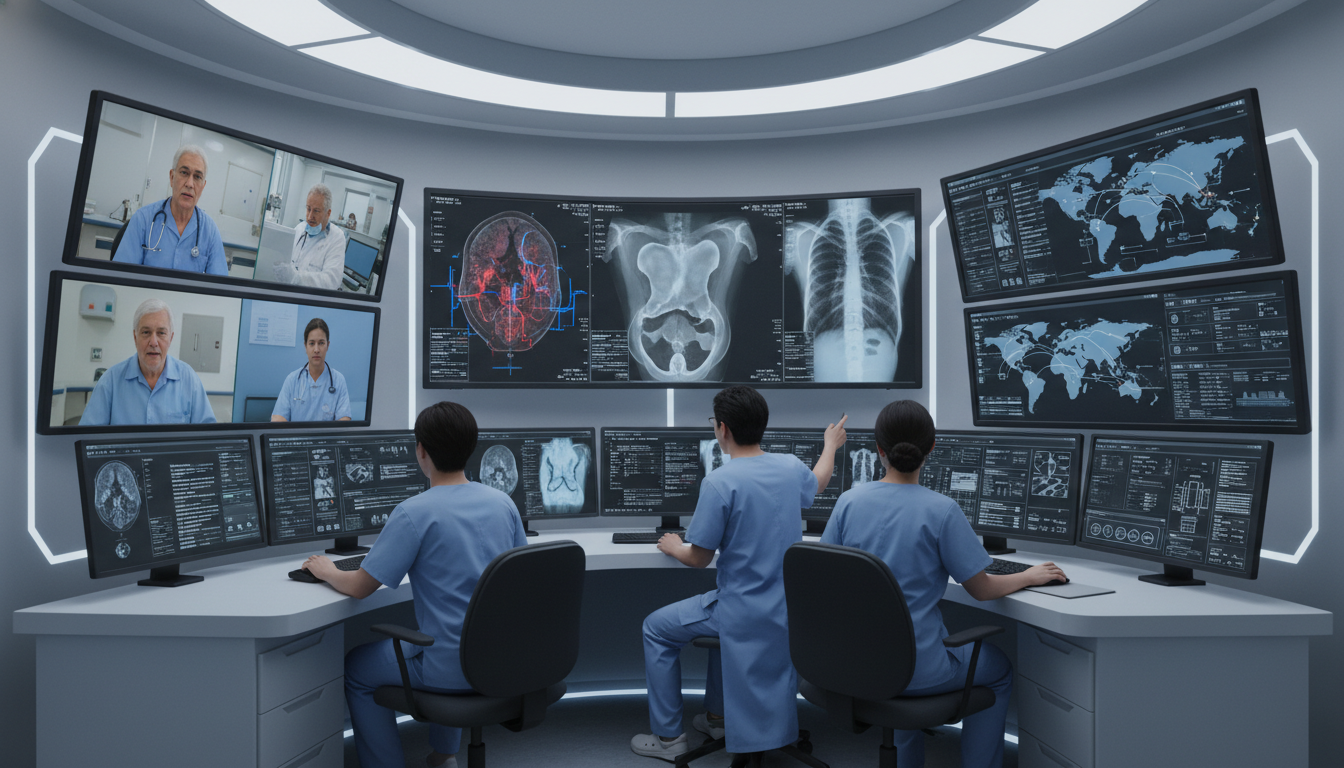
Practical Realities: Lifestyle, Compensation, and Legal Considerations
Before deciding how much you want telemedicine to shape your IR career, you should understand the day-to-day realities.
1. Lifestyle and Flexibility
Upsides:
- Geographic flexibility: You may live far from the hospitals you serve, or in a lower cost-of-living area.
- Schedule control: Many telehealth roles allow block scheduling (e.g., evenings or weekends), which can complement on-site IR practice.
- Reduced commute and in-person call burden: Especially valuable later in your career or alongside family responsibilities.
Downsides:
- Screen time and cognitive fatigue: Back-to-back video visits or consults can be mentally draining.
- Blended boundaries: Working from home makes it easy for work to bleed into personal time, especially for cross-time-zone coverage.
- Less procedural satisfaction: Most telemedicine work leverages your cognitive IR skills rather than hands-on interventions.
Many physicians find a hybrid model—procedures on certain days, telehealth consults on others—to be the most satisfying.
2. Compensation Models
Telemedicine jobs for interventional radiologists can use multiple structures:
- Salaried + productivity bonus: Common for hospital-employed IR with a telehealth component.
- Per-consult or per-RVU pay: More common with third-party telehealth platforms and some teleradiology groups.
- Stipend for remote call: Fixed payment for providing tele-IR coverage to rural or community hospitals.
Factors affecting pay:
- Multi-state licensing or special expertise can command higher rates.
- Night/weekend and high-acuity consults may be paid at a premium.
- If you also generate downstream procedural volume (i.e., tele-consults that lead to interventions at your center), compensation structures may reflect that.
Always verify:
- How telehealth visits are billed (facility vs professional fees, parity with in-person visits)
- Whether there are productivity expectations that might be unrealistic
- How telehealth time is counted toward clinical FTE in employed arrangements
3. Licensing, Credentialing, and Malpractice
Because telemedicine often crosses state lines, legal and regulatory issues are critical.
Licensing:
- You must usually hold a full medical license in the state where the patient is physically located at the time of the visit.
- Multi-state telehealth positions often require several licenses; some employers assist with costs and logistics.
- The Interstate Medical Licensure Compact (IMLC) can streamline licensing if you qualify and if the states involved participate.
Credentialing and privileging:
- Hospital-based tele-IR work may require full staff privileges, even if you never physically appear on-site.
- Some networks use “credentialing by proxy” arrangements for telehealth providers.
Malpractice:
- Confirm that your malpractice policy:
- Explicitly covers telemedicine encounters
- Covers all states in which you see patients
- Addresses IR-specific risk, especially if you’re making procedural recommendations or triaging emergencies.
Clarify liability boundaries: Are you assuming duty as the IR of record, or providing consultative input while final responsibility remains with the on-site team?
4. Technology and Data Security
To practice telemedicine at a professional level in IR, you need:
- Reliable high-speed internet
- HIPAA-compliant video platform
- Secure remote access to PACS and EHR
- Appropriate backup (e.g., mobile hotspot) for critical coverage
Many hospitals and telehealth companies supply the software; you may be responsible for:
- Hardware (monitors, camera, microphone)
- A private space conducive to patient confidentiality
- Following institutional policies on recording, documentation, and data storage
Being tech-savvy is a distinct advantage in landing and succeeding in telehealth roles.
Looking Ahead: The Future of Telemedicine in IR
Telemedicine career opportunities are likely to expand for interventional radiologists over the next decade, driven by:
- Rising demand for minimally invasive therapies in aging populations
- Workforce shortages in smaller and rural hospitals lacking full-time IR coverage
- Patient expectations for virtual access and convenience
- Advances in image sharing, robotics, and remote guidance
Potential future developments:
- More robust hub-and-spoke IR networks, where tertiary centers provide tele-consults and remote triage to multiple community hospitals.
- Greater integration of AI triage tools that flag cases needing IR review, feeding into remote consult workflows.
- Expansion of remote proctoring and case mentorship, especially for newer techniques (e.g., novel embolic therapies or advanced venous work).
- Possible experimentation with robotically assisted interventions partially guided by remote IR teams—still early, but conceptually aligned with telemedicine.
For residents and early-career IR physicians, the key is flexibility: build core procedural excellence while also cultivating the communication, systems, and digital skills that will make you valuable in a telehealth-rich environment.
Frequently Asked Questions (FAQ)
1. Can I have a fully remote career as an interventional radiologist?
A fully remote IR career focused only on telemedicine is currently uncommon but not impossible. Most IR physicians who work heavily in telehealth still:
- Perform procedures part of the week, OR
- Maintain a separate identity as a teleradiologist
However, some roles—such as full-time remote consultative work for health systems or second-opinion platforms—allow you to practice almost exclusively as a telehealth physician. Expect these opportunities to grow, but be realistic that procedural IR is still fundamentally in-person.
2. When should I start preparing for telemedicine opportunities if I’m still in training?
You can start during:
- Medical school: Learn about IR, shadow clinics (including virtual visits if available), and explore telehealth research or quality projects.
- Diagnostic radiology or interventional radiology residency: Participate in telehealth clinics, ask mentors about remote consults, and develop strong communication and informatics skills.
- Fellowship: Work closely with IR attendings who run virtual clinics, help optimize workflows, and consider small telehealth-focused QI or research projects.
Integrate your interest into your CV and interviews for both the IR match and future jobs.
3. Do telemedicine roles pay less than traditional IR jobs?
Not necessarily. Compensation varies widely:
- Telehealth-only consultative roles may pay less than high-volume, procedure-heavy private practice IR.
- Hybrid roles that mix on-site IR with remote consults, teleradiology, or call coverage can be financially competitive or even superior, depending on structure.
- Telemedicine jobs may add value in lifestyle flexibility and reduced commuting or call burden, which many physicians weigh heavily.
The key is to carefully compare total compensation (salary, bonuses, benefits) and lifestyle when evaluating offers.
4. How does telemedicine experience affect my competitiveness for IR jobs?
Telemedicine experience is generally viewed positively, especially when:
- It’s coupled with strong procedural training and clinical judgment.
- You demonstrate awareness of regulatory, billing, and workflow issues.
- You frame it as part of improving access, continuity, and modernizing IR care.
For new graduates, extensive telehealth experience is less important than a solid foundation in IR procedures and patient care. Think of telemedicine as a valuable add-on, not a substitute for strong training.
Telemedicine is reshaping what it means to practice interventional radiology. Whether you aspire to a traditional hospital-based IR role with some virtual clinic time, or you envision a career with substantial remote physician work and flexible telehealth options, building familiarity and skills in this space will only increase your options. As you navigate the interventional radiology residency pathway and the IR match, keep telemedicine in mind—not as a separate track, but as a powerful extension of the specialty you’re training to master.