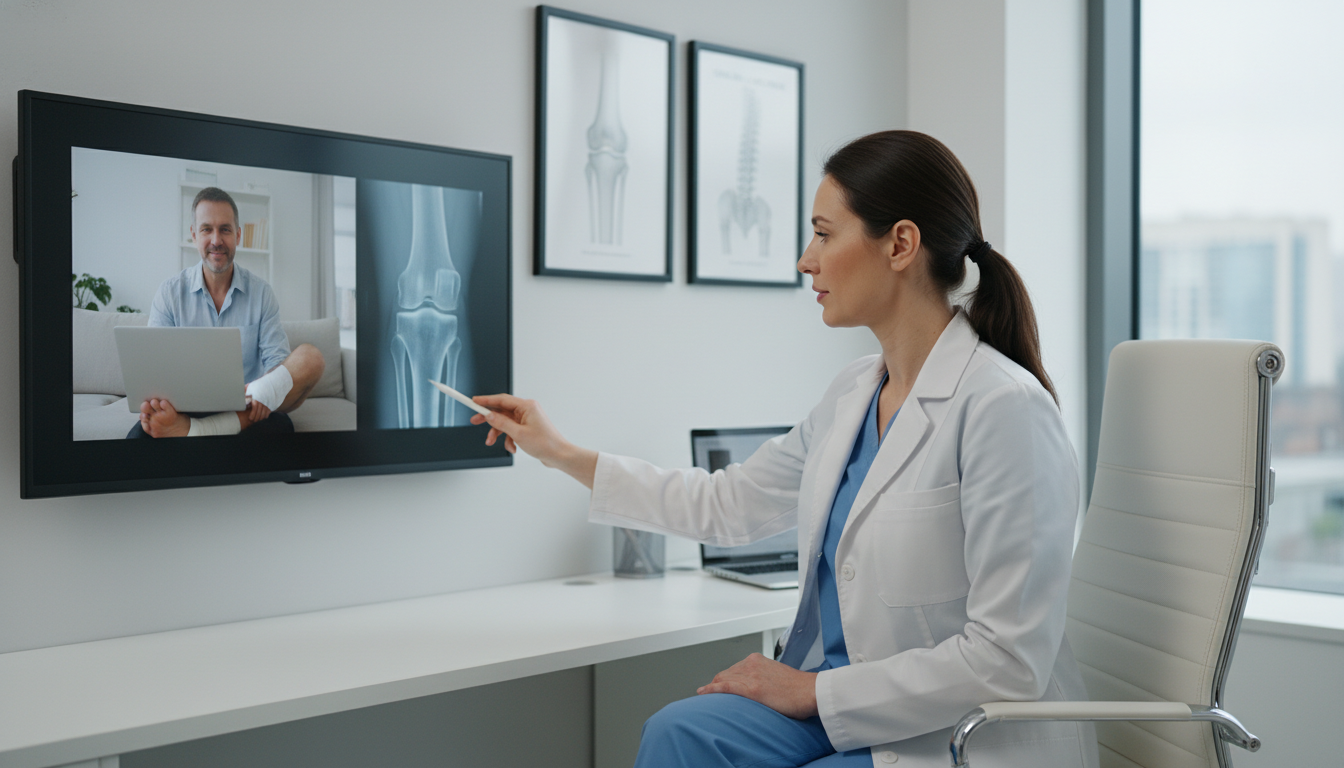
Telemedicine is reshaping how orthopedic surgeons evaluate, treat, and follow patients. What began as a necessity during the COVID-19 pandemic has matured into a sustainable, expanding career pathway—with new roles, skills, and practice models for orthopedic surgery residents and early-career surgeons.
This guide walks you through how telehealth intersects with orthopedic surgery residency, the evolving job market, and practical steps to build a career that may include telemedicine jobs, telehealth physician roles, and remote physician work—while still honoring the procedural and hands-on nature of orthopedics.
The Rise of Telemedicine in Orthopedic Surgery
Orthopedic surgery is often thought of as a purely hands-on specialty: physical exams, imaging, procedures, and post-operative care. Yet many aspects of musculoskeletal care translate remarkably well to virtual formats.
Why Telemedicine Fits Orthopedics
Several forces are driving telemedicine in orthopedic surgery:
High volume of non-operative care
A substantial proportion of orthopedic encounters involve:- Initial evaluation and triage
- Imaging review and counseling
- Non-operative management (PT, bracing, injections planning)
- Post-op follow-ups that focus on pain control, wound checks, and rehab progress
Many of these can be efficiently handled via video visits or remote platforms.
Demand for access and convenience
Patients with musculoskeletal complaints often:- Live far from major ortho centers
- Have mobility limitations
- Are working-age and struggle with time off for multiple visits
Telemedicine allows high-quality consults without travel or waiting room time.
Digital imaging and data integration
Modern imaging systems (PACS), EMRs, and patient portals make it easy to:- Review and annotate MRIs, CTs, and X-rays during video visits
- Share screen views and explain pathology
- Coordinate multidisciplinary plans with PT, PM&R, and pain specialists
Post-pandemic normalization
COVID-19 rapidly normalized telehealth across specialties. Many:- Orthopedic groups
- Academic centers
- Private practices
have kept hybrid or telehealth-first pathways for selected visit types.
What Can (and Cannot) Be Done via Tele-Orthopedics
Well-suited for telemedicine:
- Initial triage for:
- Back and neck pain
- Chronic joint pain
- Overuse injuries
- Review of prior imaging and labs
- Pre-consult information gathering (history, med reconciliation, expectations)
- Conservative management:
- NSAID and medication management
- Activity modification
- Home exercise and PT planning
- Post-op follow-ups:
- Wound checks using video
- ROM assessment
- Pain and function tracking
- Second opinions and case reviews
Poorly suited (must remain in-person):
- Acute trauma with unstable injuries
- Fracture reduction and casting/splinting
- Physical exam requiring precise special tests (e.g., subtle instability)
- Injections and procedures
- Pre-op physical clearance requiring hands-on evaluation
The key is recognizing that telemedicine in orthopedic surgery is complementary, not a replacement for hands-on care. For residency applicants and new surgeons, this means learning how to integrate telehealth thoughtfully into your future practice.
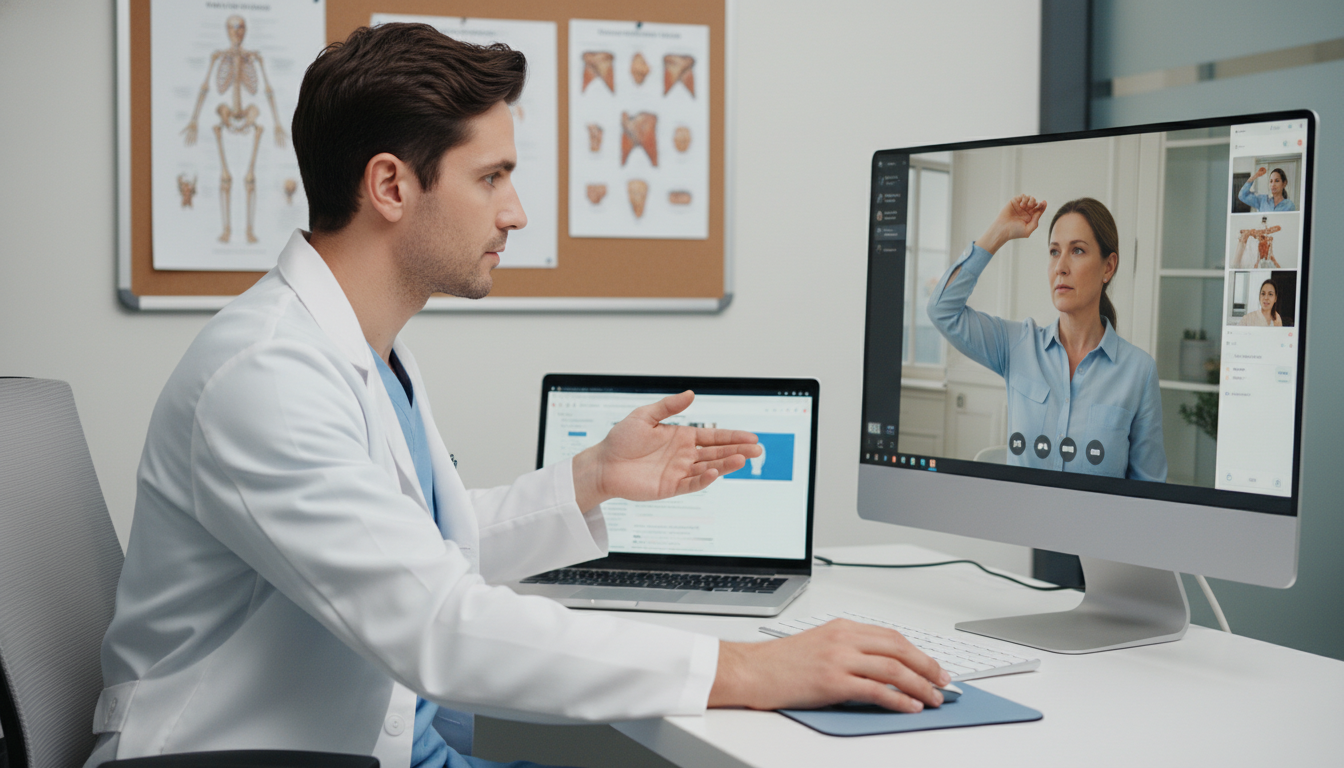
Telemedicine Career Paths for Orthopedic Surgeons
Telehealth opens diverse career opportunities that can be blended with traditional practice or, in some cases, be largely remote. Understanding the landscape early—during your orthopedic surgery residency—can position you for a flexible, future-proof career.
1. Hybrid Clinical Practice (Most Common)
Model:
You maintain a traditional in-person orthopedic surgery practice but build structured telemedicine components.
Typical mix:
- In-person:
- Surgery
- Procedural clinics
- New patient evals requiring hands-on exam
- Telemedicine:
- Imaging review and treatment discussion
- Routine follow-ups (especially stable post-op)
- Nonoperative consults
- Second opinions
Example:
A sports medicine–focused orthopedic surgeon:
- Runs in-person clinics and OR two to three days per week
- Dedicates one to one-and-a-half days to telehealth-only sessions
- Uses video visits to:
- Review post-op ACL rehab milestones
- Adjust nonoperative shoulder pain management
- Clear patients for return to sport
Benefits:
- Increased efficiency and reduced no-show rates
- Ability to expand geographic catchment without new physical clinics
- Improved work–life balance (tele-days can be done from home or a satellite office)
2. Telehealth-First Musculoskeletal Specialist
Some surgeons design their practice so that most initial encounters are virtual, particularly in large systems where:
- Primary care or urgent care triages to “tele-ortho” first
- In-person visits are reserved for:
- Cases likely to need procedures
- Complex physical exams
- Surgery planning
Possible job titles:
- Virtual Orthopedic Consultant
- Musculoskeletal Telehealth Physician
- Ortho Virtual Triage Specialist
This role can overlap with what some systems call a telehealth physician or remote physician work assignment—where you are the orthopedic decision-maker but rely heavily on imaging and history.
Who this suits:
- Surgeons who enjoy diagnostic reasoning, imaging, and patient education
- Those interested in optimizing patient flow and system efficiency
- Physicians balancing clinical work with research, teaching, or administration
3. Remote Second Opinion and Consulting Services
A growing niche within telemedicine jobs is second-opinion consulting, especially for:
- Complex joint reconstruction
- Spine surgery
- Sports medicine and cartilage restoration
- Pediatric deformity correction
- Orthopedic oncology
Model:
- Patients upload:
- Imaging
- Previous operative reports
- Prior clinic notes
- You provide:
- Independent virtual review
- Written second-opinion reports
- Optional video conferencing
This may be part of:
- Large academic medical center programs
- National musculoskeletal telehealth platforms
- Concierge second-opinion services
Advantages:
- High intellectual engagement
- Largely remote physician work; flexible schedule
- Exposure to rare and complex pathology across regions
4. Workers’ Compensation, Med-Legal, and Occupational Tele-Orthopedics
Orthopedic surgeons are heavily involved in:
- Work-related musculoskeletal injuries
- Return-to-work evaluations
- Impairment ratings
- Independent medical exams (IMEs)
Many of these can now involve telemedicine components:
- Remote chart and imaging review
- Virtual follow-ups for stable injuries
- Video-based functional assessments (when appropriate)
Some telemedicine companies and insurer networks specifically seek orthopedic telehealth physician consultants to:
- Review treatment plans
- Offer utilization review opinions
- Provide second-opinion recommendations
5. Tele-Rehabilitation and Multidisciplinary Care Leadership
While physical therapists conduct most tele-rehab visits, orthopedic surgeons can:
- Oversee virtual rehab pathways
- Lead multidisciplinary telehealth programs with PT, PM&R, and pain specialists
- Conduct periodic tele-visits to:
- Reassess progress
- Modify surgical plans
- Adjust rehab goals
This model is especially relevant for:
- Sports medicine
- Joint arthroplasty
- Spine surgery
- Pediatric orthopedics
It can support remote physician work where your main presence is virtual oversight and clinical decision-making rather than continuous in-person contact.
6. Non-Clinical Telemedicine-Adjacent Roles
Not all telemedicine career paths are purely clinical. Orthopedic surgeons can pursue:
- Medical directorship for tele-ortho programs
- Clinical informatics roles optimizing telehealth workflows
- Industry positions:
- Designing remote monitoring tools (wearables, post-op sensors)
- Advising telehealth platforms on musculoskeletal care
- Education and content creation:
- Virtual MSK education for primary care
- Online patient education portals
- Telehealth OSCE design for residents
These opportunities can be ideal if you plan to decrease OR time later in your career while staying within the musculoskeletal space.
Telemedicine and the Ortho Match: What Applicants Should Know
If you’re preparing for the orthopedic surgery residency application cycle, you might wonder how telemedicine fits into your training and interview strategy.
Impact on Residency Training
Most ACGME-accredited orthopedic programs now incorporate some level of telehealth exposure. As a resident, you may:
- Participate in tele-clinics supervised by attendings
- Conduct:
- Virtual post-op visits
- Tele-triage for non-urgent injuries
- Imaging review consults
- Learn to:
- Perform focused virtual MSK exams
- Decide when telehealth is sufficient vs. when to convert to in-person care
- Communicate complex surgical decisions without physical presence
Programs vary widely, but demonstrating that you understand telehealth’s role can distinguish you in the ortho match.
How to Reflect Telemedicine Interest in Your Application
Personal statement ideas:
- Describe:
- A telehealth encounter you observed (if applicable)
- Challenges of virtual MSK assessment
- How telemedicine can reduce access barriers in underserved or rural communities
- Connect tele-ortho with:
- Your interest in technology
- Health systems improvement
- Patient-centered care
Experiences section (ERAS):
- Include:
- Telehealth research (e.g., outcomes, patient satisfaction)
- Quality improvement projects involving virtual follow-up pathways
- Participation in telehealth committees or EMR optimization
- Highlight concrete outcomes:
- Reduced no-show rates
- Improved time-to-surgery
- Enhanced post-op monitoring
Interview talking points:
Program directors may ask about your view on telemedicine. You could address:
- Its strengths: Access, convenience, triage, follow-up
- Its limitations: Need for hands-on exam, trauma care, procedural planning
- Your training goals:
- To be competent in delivering safe tele-orthopedic care
- To understand regulations, documentation, and medicolegal concerns
Evaluating Programs for Tele-Health Readiness
When comparing programs during the ortho match process, consider asking:
- “Does your program include structured telemedicine clinics?”
- “How do residents participate in virtual post-op or follow-up care?”
- “Have you implemented remote monitoring or home-based rehab pathways?”
- “What kind of telehealth infrastructure and support do you have (IT, scheduling, documentation templates)?”
This signals that you think beyond the OR and recognize the evolving nature of orthopedic practice.
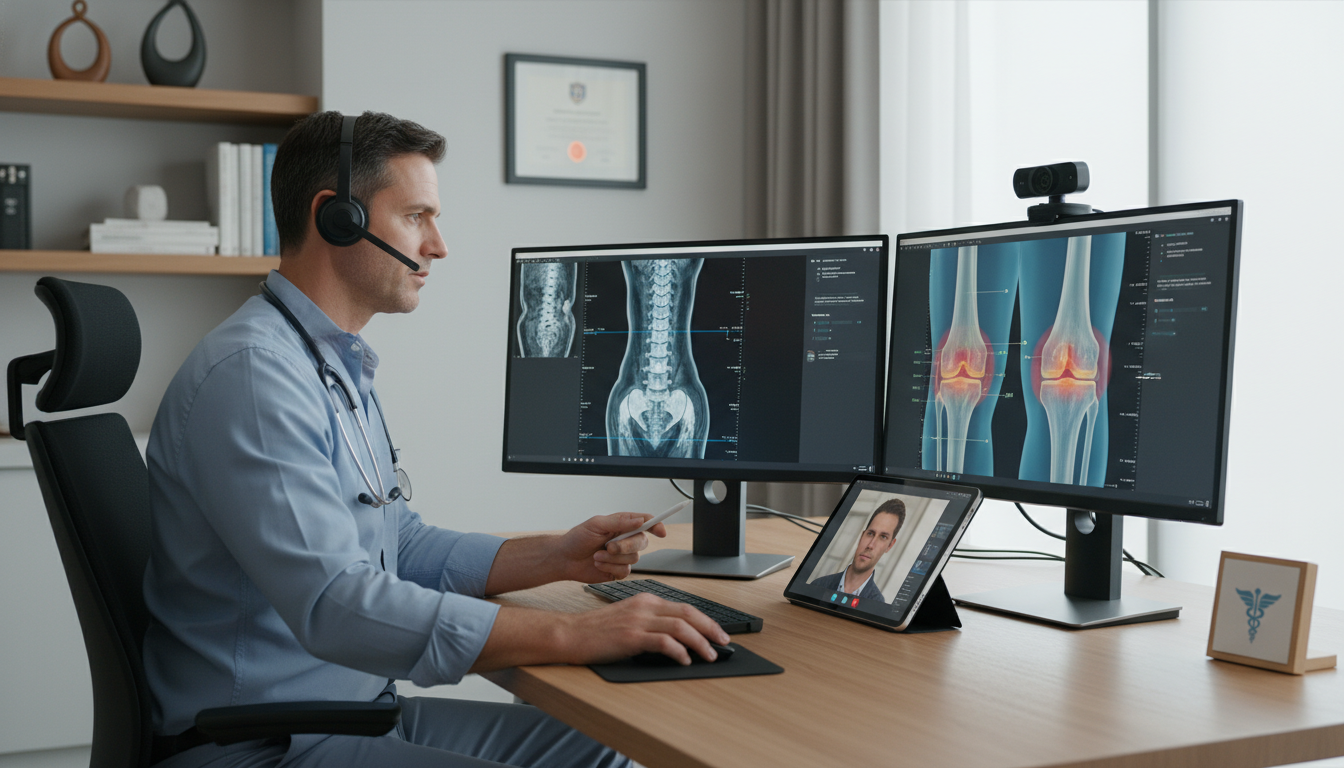
Building Skills for a Telehealth-Oriented Ortho Career
To be competitive for future telemedicine jobs and to function confidently as a telehealth physician, you’ll need both technical and non-technical competencies.
1. Clinical Skills Adapted to Virtual MSK Care
Virtual MSK exam techniques
Learn to:- Instruct patients in self-palpation and range-of-motion testing
- Use functional maneuvers on video (e.g., squat, single-leg stance)
- Compensate for lack of hands-on exam with:
- High-quality history
- Prior imaging
- Objective outcome measures
Risk stratification and red-flag recognition
Know which scenarios demand immediate in-person evaluation:- Suspected septic joint
- Acute cauda equina symptoms
- Unstable long bone fractures
- Neurovascular compromise
Communication and counseling
Refining your ability to:- Explain complex imaging findings via screen share
- Set expectations about when surgery vs. conservative care is appropriate
- Deliver difficult news (e.g., poor surgical candidacy) in a virtual setting
2. Technical and Workflow Proficiency
- Become comfortable with:
- EMR-integrated telehealth platforms
- Secure video conferencing tools
- Remote imaging viewers and PACS access
- Understand:
- Scheduling templates for tele-visits
- Documentation best practices specific to telehealth
- Contingency planning when technology fails
3. Regulatory and Billing Knowledge
Clinicians involved in telemedicine must know the basics of:
- Licensing:
- State-based telehealth laws
- Interstate Medical Licensure Compact (IMLC) where applicable
- Reimbursement:
- Billing codes for video vs. audio-only vs. e-visits
- Payer-specific rules
- Liability:
- Informed consent for telehealth
- Documentation of limitations of virtual exams
If you are considering substantial remote physician work, these topics become crucial to safe and compliant practice.
4. Data and Remote Monitoring Literacy
As tele-ortho evolves, expect more integration of:
- Wearable sensors tracking:
- Step counts
- Joint angles
- Sleep and recovery trends
- Home-based rehab tools:
- App-guided exercises
- Video-based form assessments
- Patient-reported outcomes (PROs) integrated into the EMR
Surgeons who can interpret and act on this data during tele-visits will stand out in the job market.
Telemedicine Job Market and Long-Term Career Strategy
Thanks to telehealth, the career landscape for orthopedic surgeons is more diverse than ever. Thoughtful planning during residency and early practice can open options for flexibility and geographic freedom later.
Types of Employers Offering Tele-Ortho Roles
- Health systems and academic centers
- Integrated tele-clinics
- Virtual second-opinion programs
- Rural outreach via telehealth
- Large orthopedic and multispecialty groups
- Hybrid in-person/virtual clinic models
- Shared telehealth coverage across partners
- Telemedicine companies
- Some focus specifically on musculoskeletal care
- Others integrate ortho as part of a broader virtual urgent and specialty network
- Insurers and workers’ comp networks
- Utilization review
- Return-to-work decisions
- Second opinions
- Startups and digital health platforms
- Virtual PT and rehab services
- MSK care navigation apps
- Remote postoperative monitoring systems
Balancing OR Time with Telemedicine
Early-career orthopedic surgeons often prioritize building surgical volume. Telemedicine can complement this by:
- Serving as a pre-surgical funnel:
- Initial triage and counseling
- Gathering imaging and prior records before in-person assessment
- Maintaining follow-up efficiency:
- Reducing unnecessary in-person visits
- Freeing clinic hours for new surgical cases
Later in your career, or during specific life stages (parenting, health issues, transitions), you may shift your balance toward more remote physician work and fewer OR days, especially in:
- Second-opinion roles
- Med-legal and consulting
- Tele-triage and oversight
Telemedicine and Work–Life Flexibility
Telemedicine-oriented careers can offer:
- Geographic flexibility:
- Live in one state while seeing patients in multiple licensed states (where permitted)
- Reduced commute and on-site demands:
- Tele-days from home or satellite offices
- Customizable hours:
- Evening or weekend tele-clinics if desired
However, pure telehealth roles in orthopedic surgery remain less common than hybrid roles, because operative care still anchors the specialty. A realistic long-term plan often blends:
- Core surgical practice
- Strategic telehealth time
- Potential transition to more remote consulting later in your career
FAQs: Telemedicine and Orthopedic Surgery Careers
1. Can an orthopedic surgeon realistically work 100% remotely?
In most cases, no. Orthopedic surgery is fundamentally procedural and hands-on. While you can build substantial remote physician work into your career—especially via second opinions, consulting, and tele-triage—most surgeons still maintain some level of in-person clinical and OR time. A fully remote career is more feasible for late-career surgeons shifting to consulting, workers’ comp, or med-legal roles rather than early- or mid-career surgeons.
2. How important is telemedicine experience for the orthopedic surgery residency application?
It is not a core requirement for the ortho match, but it can be a meaningful differentiator. Demonstrating understanding of telehealth, even through brief rotations, research, or QI projects, shows that you’re thinking about modern practice models and patient access. You should still prioritize strong fundamentals: board scores, letters, rotations, and research.
3. Are there specific telemedicine jobs just for orthopedic surgery?
Yes, but they vary by region and employer. Some organizations offer dedicated musculoskeletal telehealth services, remote second-opinion programs, or virtual triage positions where an orthopedic surgeon serves as the telehealth physician overseeing MSK cases. Many more positions are hybrid roles where telemedicine is integrated into a standard orthopedic job description.
4. How can I prepare during residency for a telehealth-oriented orthopedic career?
Seek opportunities to:
- Participate in tele-clinics under attending supervision
- Join QI or research projects that evaluate tele-ortho outcomes
- Learn virtual MSK exam skills and documentation standards
- Understand basic telehealth regulations, billing, and technology
These steps will position you to use telemedicine confidently and creatively once you graduate and enter practice.
Telemedicine is not replacing orthopedic surgery—it is expanding it. For residents and applicants planning their future careers, understanding and embracing tele-orthopedics will help you deliver better care, reach more patients, and design a practice that can evolve with your life and the healthcare system.