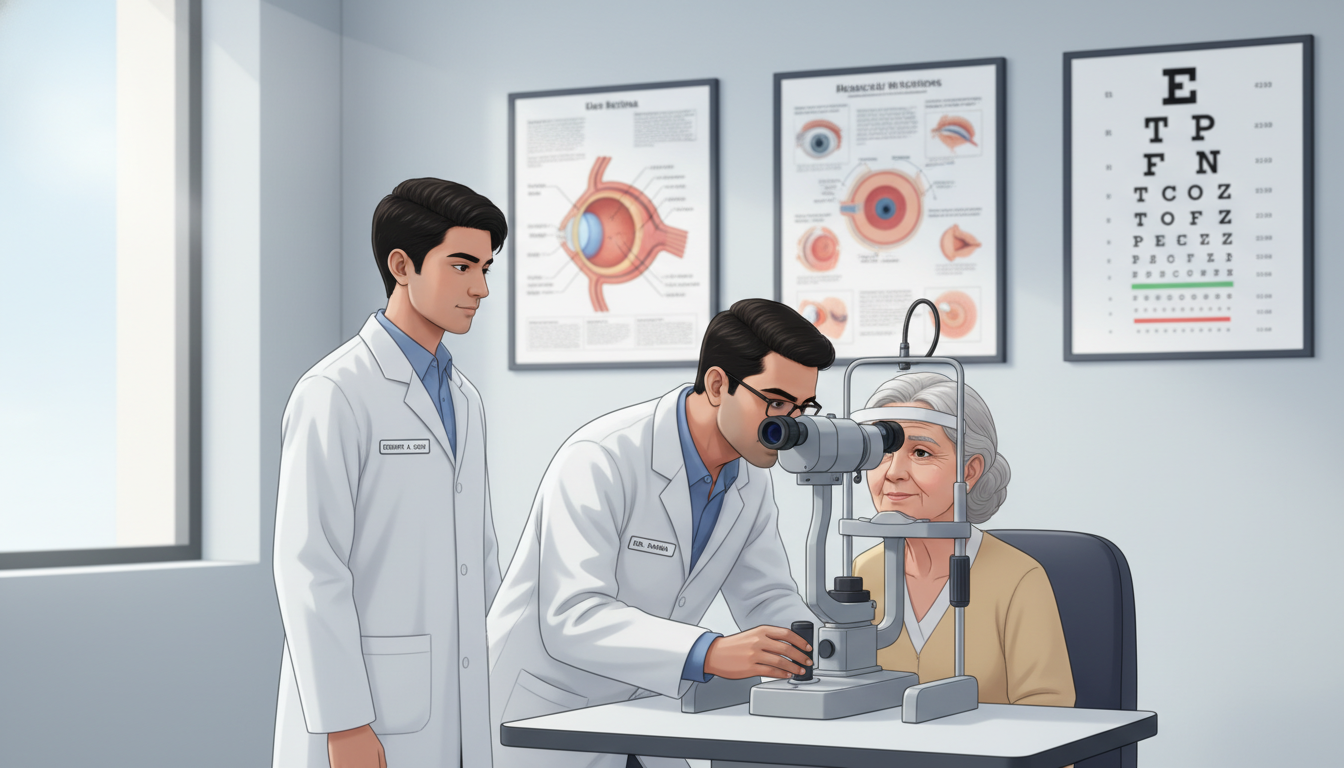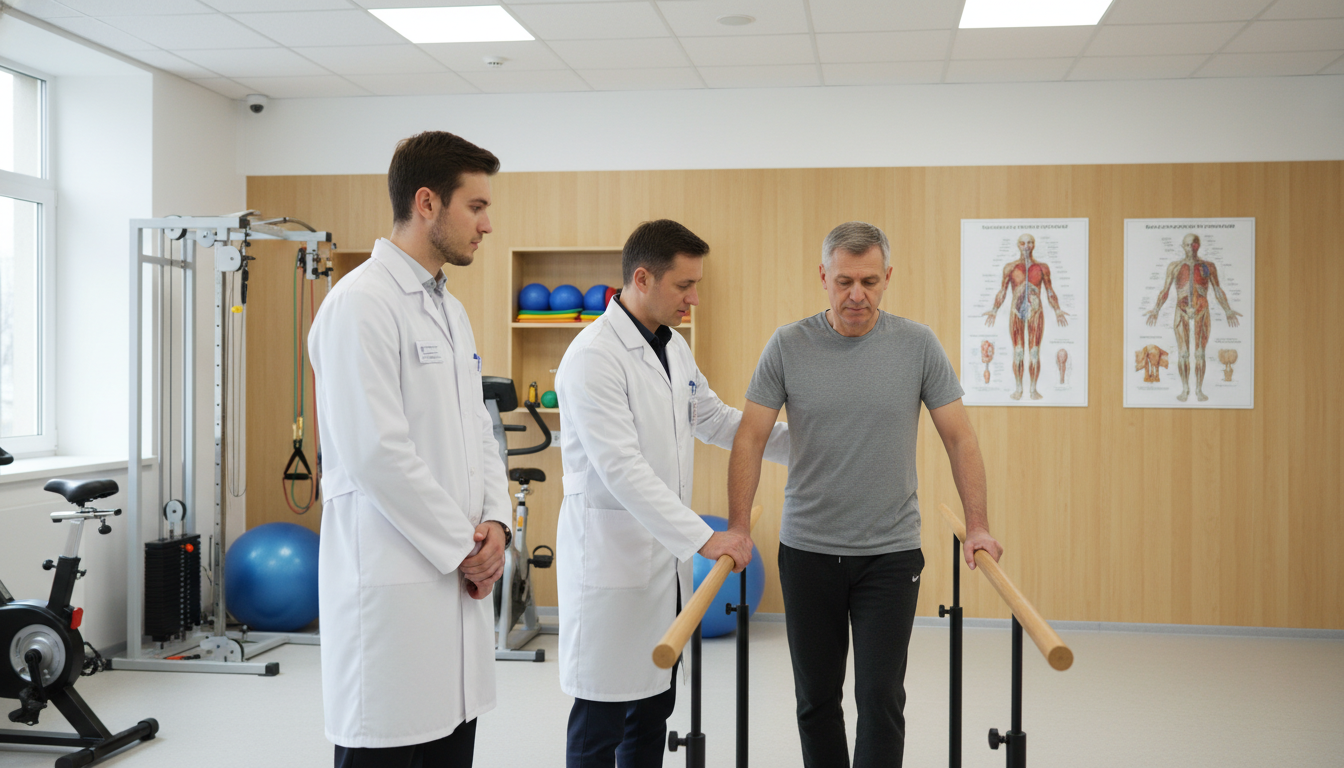
Understanding the Role of Urology Rotations in Your Career
Clinical rotations in urology are often your first real exposure to what a career in this specialty looks like day to day. For students considering the urology match, third year rotations and sub-internships (sub-Is) are more than just another clerkship: they are extended interviews, critical learning opportunities, and the foundation for strong letters of recommendation.
Urology clinical experiences typically come in two formats:
- Core surgery clerkship exposure to urology (a few days to a couple of weeks)
- Dedicated urology elective or sub-internship (2–4 weeks) in the third or fourth year
These rotations matter because they:
- Help you decide if urology is the right fit for your interests and lifestyle
- Allow faculty and residents to assess your work ethic, curiosity, and “fit” for the team
- Provide concrete experiences and achievements to discuss in your personal statement and interviews
- Develop skills and habits that translate to clerkship success across all specialties
In a competitive field like urology, being “solid” is not enough. You want residents and attendings to say: “We’d be excited to work with this student for the next five to six years.” This guide walks you through how to excel before, during, and after your urology clinical rotations, with practical clinical rotations tips tailored specifically to this specialty.
Preparing Before Your Urology Rotation Starts
Your performance on day one is influenced heavily by what you do in the weeks leading up to your rotation. Thoughtful preparation allows you to focus on learning and contributing rather than constantly playing catch-up.
Clarify What Type of Rotation You’re Doing
First, understand the structure of the experience:
- Third-year exposure: Often part of general surgery or a short urology elective; expectations focus on foundational clinical skills and professionalism.
- Fourth-year elective: More responsibility, more independence, and higher expectations; geared toward students exploring urology but not necessarily applying.
- Urology Sub-Internship (Sub-I): This is essentially an audition; you are expected to function as an “intern-lite,” especially if you are targeting the urology match.
If you’re unsure, email the clerkship coordinator or chief resident:
- Ask for the rotation schedule, including OR days, clinic days, and call expectations.
- Request any orientation materials or suggested reading.
- Clarify dress code (scrubs vs. professional attire for clinic).
This step alone sets a professional tone and signals that you are intentional and organized.
Build a Targeted Knowledge Base
You do not need to be a urologist-in-training before you arrive, but some focused preparation will dramatically increase your confidence.
Focus on:
High-yield urology conditions
- Benign prostatic hyperplasia (BPH)
- Prostate cancer, bladder cancer, renal cell carcinoma
- Kidney stones (urolithiasis)
- Hematuria workup
- Urinary retention and catheterization
- Urinary tract infections (including complicated UTIs)
- Testicular torsion, epididymitis, hydroceles, and varicoceles
- Stress and urge incontinence
Common procedures and terms
- Cystoscopy, TURP, TURBT
- Nephrectomy (partial and radical)
- Ureteroscopy, percutaneous nephrolithotomy (PCNL)
- Orchiectomy, vasectomy, prostate biopsy
- Terms like “PSA,” “Gleason score,” “IPSS,” “DRE”
Basic pre-op and post-op management
- NPO guidelines
- Antibiotic prophylaxis basics
- Foley catheter and nephrostomy tube care
- DVT prophylaxis rationale
Helpful resources:
- A concise surgery/urology pocketbook (e.g., handbook-style resources)
- Urology sections of standard surgery texts
- Online resources from major urologic societies (AUA, EAU) geared to trainees
- Your school’s urology bridge materials if provided
Aim for 30–45 minutes per day for 1–2 weeks before your rotation. Consistency is more important than volume.
Practice Core Clinical Skills
Regardless of specialty, certain skills are universally expected:
- Focused history-taking
- Practice asking about lower urinary tract symptoms (LUTS), sexual function, pain characteristics, hematuria, stone history, infections.
- Targeted physical exam
- Abdominal and flank exam
- Genitourinary exam (with attention to professionalism, consent, and chaperone use)
- Digital rectal exam (DRE) fundamentals (you’ll refine this on rotation)
- Presentations
- 1–2 minute focused presentations, especially for consults and new admissions.
Use your internal medicine and surgery rotations as practice grounds: structure, clarity, and conciseness are universally appreciated.
Logistics and Mindset
- Scrubs + essentials: Have multiple sets of clean scrubs, comfortable shoes, a small notebook, pens, and a printed list of common urologic medications.
- Get your schedule in order: Minimize competing obligations during your urology block; fatigue and fragmentation will show.
- Mindset: Approach this as both a learning experience and a four-week job interview. Show up curious, humble, and ready to work.

Excelling on the Wards and in the OR
Day-to-day excellence in urology clinical rotations comes from doing many small things consistently well. These are the habits faculty and residents notice and remember when it’s time to rank students or write letters.
Become Reliable on Rounds
Morning rounds often set the tone for the entire day. Whether you’re on a general urology service or subspecialty (oncology, stones, pediatrics), focus on being:
Prepared
- Arrive early enough to:
- Check vitals, intake/output, and overnight events.
- Review new labs and imaging.
- Skim notes from night float or cross-cover.
- Know your patients’:
- Procedure, POD (post-op day), and indication
- Drains/lines (Foley, nephrostomy, JP drains)
- Pain control regimen
- Jot key updates on a patient list or index cards.
- Arrive early enough to:
Efficient and concise
- Present using a standard structure:
- One-line summary (“Mr. A is a 68-year-old with BPH POD#1 from TURP…”)
- Overnight events
- Vitals and relevant labs
- Input/output and catheter/drain status
- Pain and mobility
- Any issues (e.g., hematuria, retention, fever)
- Offer a proposed plan when appropriate: “Continue Foley until POD#3, transition to oral pain meds, encourage ambulation.”
- Present using a standard structure:
Engaged
- Ask targeted questions:
- “For this patient with hematuria, what thresholds would prompt us to irrigate more aggressively?”
- “How do we decide the timing of Foley removal after TURP?”
- Offer help: “Can I call radiology to follow up on that ultrasound?” “Would it help if I updated the family while you move to the next patient?”
- Ask targeted questions:
By the end of a 2–4 week block, your goal is to own a subset of patients, knowing them so well that the team depends on you for details.
Standing Out in the Operating Room
The OR is central to urology, and your behavior there strongly influences how people perceive you.
Before the Case
Read about the procedure the night before, especially:
- Indications and contraindications
- Basic steps and key anatomy
- Common complications
Arrive early:
- Help check that the patient’s imaging is available.
- Ensure the correct side/site is marked.
- Ask a resident where you should stand and what your role will be.
Introduce yourself:
- To scrub techs and circulating nurses: “Hi, I’m [Name], the medical student on urology. Let me know if there’s anything I can do to help.”
- Respect OR culture: this garners a lot of goodwill.
During the Case
- Respect sterile technique: When in doubt, ask before touching anything.
- Be present but not intrusive:
- Adjust lights when asked.
- Hold retractors steadily.
- Keep the field in view; resist the urge to look away for your phone or unrelated tasks.
- Show active engagement:
- Study the screen during endoscopic cases.
- Quietly identify structures in your head; when asked, answer calmly and succinctly.
- Ask questions at appropriate times (usually after the most technically intense parts).
Examples of excellent OR questions:
- “For this kidney stone, what factors made you choose ureteroscopy over PCNL?”
- “How do you decide when to biopsy vs proceed to prostatectomy?”
Avoid:
- Lengthy, off-topic questions.
- Asking questions while the surgeon is doing delicate or high-risk maneuvers.
After the Case
Help:
- Transfer the patient.
- Wipe down the bed if appropriate in your institution.
- Bring the chart or accompany the patient to PACU when asked.
Debrief:
- Ask: “Is there anything I could do differently next time to be more helpful?”
- Jot down what you learned and any unfamiliar terms or instruments to look up.
Being remembered as “the student who made the OR run smoother” is a huge asset in the urology match.
Clinic: Where You Show Your Clinical Reasoning
Clinic is where you practice the outpatient side of urology and demonstrate your developing diagnostic skills.
Aim to:
Pre-brief
- If possible, quickly scan the schedule: new vs. follow-up patients; chief complaints.
Take ownership of a manageable number of patients
- Ask your preceptor or senior: “Would it be okay if I see the next patient independently and then present to you?”
- For each patient, gather:
- Chief complaint and HPI with urology-specific details:
- Urinary frequency, urgency, nocturia
- Stream strength, intermittency, incomplete emptying
- Hematuria (timing, clots, associated symptoms)
- Stone history (size, location, treatment)
- Sexual function, pain, infections
- Focused ROS and relevant PMH/medications.
- Chief complaint and HPI with urology-specific details:
Do a focused exam
- Abdomen, flank, and, when appropriate and with supervision and chaperone:
- Genitourinary exam (testes, scrotum, hernias)
- DRE for prostate evaluation in appropriate patients
- Abdomen, flank, and, when appropriate and with supervision and chaperone:
Present efficiently
- “Mr. B is a 55-year-old man with a history of nephrolithiasis who presents for follow-up of a 6mm distal ureteral stone. He’s had 3 days of flank pain, no fevers, mild nausea, and has been taking tamsulosin and NSAIDs.”
- Briefly state your differential and what you think the next step may be (e.g., imaging, continued medical management vs intervention).
Observe counseling
- Watch how attendings explain:
- Prostate cancer screening and biopsy
- Surgical vs conservative management of BPH
- Vasectomy risks and permanence
- Incontinence treatment options
- Take notes on phrases that resonate; these are invaluable communication skills.
- Watch how attendings explain:
Over time, your goal in clinic is to move from simply observing to actively participating in patient care with appropriate supervision.
Professionalism, Teamwork, and “Fit” in Urology
Urology is often described as a small, close-knit specialty. Your professional demeanor and how well you function on a team can carry as much weight as your raw clinical knowledge in clerkship success and eventually in the urology match.
Core Professional Behaviors
Punctuality
- Always aim to be early—especially for OR start times and morning rounds.
- If you are delayed or sick, notify your team as early as possible.
Appearance and demeanor
- Clean, appropriate attire (scrubs or professional dress per site rules).
- Calm, respectful, and non-judgmental interactions with patients.
- Understand and respect the sensitivity of GU complaints and exams.
Confidentiality and sensitivity
- Be extra careful discussing topics like sexual function, fertility, urinary incontinence, or cancer diagnosis.
- Use inclusive, respectful language around gender, sexual orientation, and body image.
Being a Great Team Player
Residents and attendings notice:
- Initiative
- “Can I help with dressing changes or removing this Foley?”
- “Would it help if I write a draft note for this new consult?”
- Flexibility
- Willingness to stay a bit late for an interesting emergency case or to help finish tasks (within reason and balanced with your well-being).
- Situational awareness
- Understanding when the team is under pressure and adapting—asking fewer non-urgent questions, prioritizing tasks.
You want your team to feel that having you around makes their day easier and more enjoyable.
Handling Mistakes Professionally
Everyone makes errors as a student. What matters is how you respond:
- Acknowledge promptly
- “I’m sorry, I realized I misreported that lab value. Here’s the correct result.”
- Take responsibility without defensiveness
- Avoid blaming others unless it’s truly relevant to patient safety and you’ve discussed it appropriately.
- Clarify the implications
- Ask: “Is there anything I can do now to fix this or prevent it from happening again?”
- Adjust your process
- Build checklists or change your workflow to avoid repeat errors.
Owning your mistakes and learning from them is a powerful marker of maturity and professionalism.
Building Skills, Getting Feedback, and Positioning for the Urology Match
If you are considering urology residency, your urology clinical rotations are prime time to both build skills and signal serious interest in the field.
Core Procedural and Clinical Skills to Focus On
You are not expected to perform major operations, but you should leave the rotation more confident in:
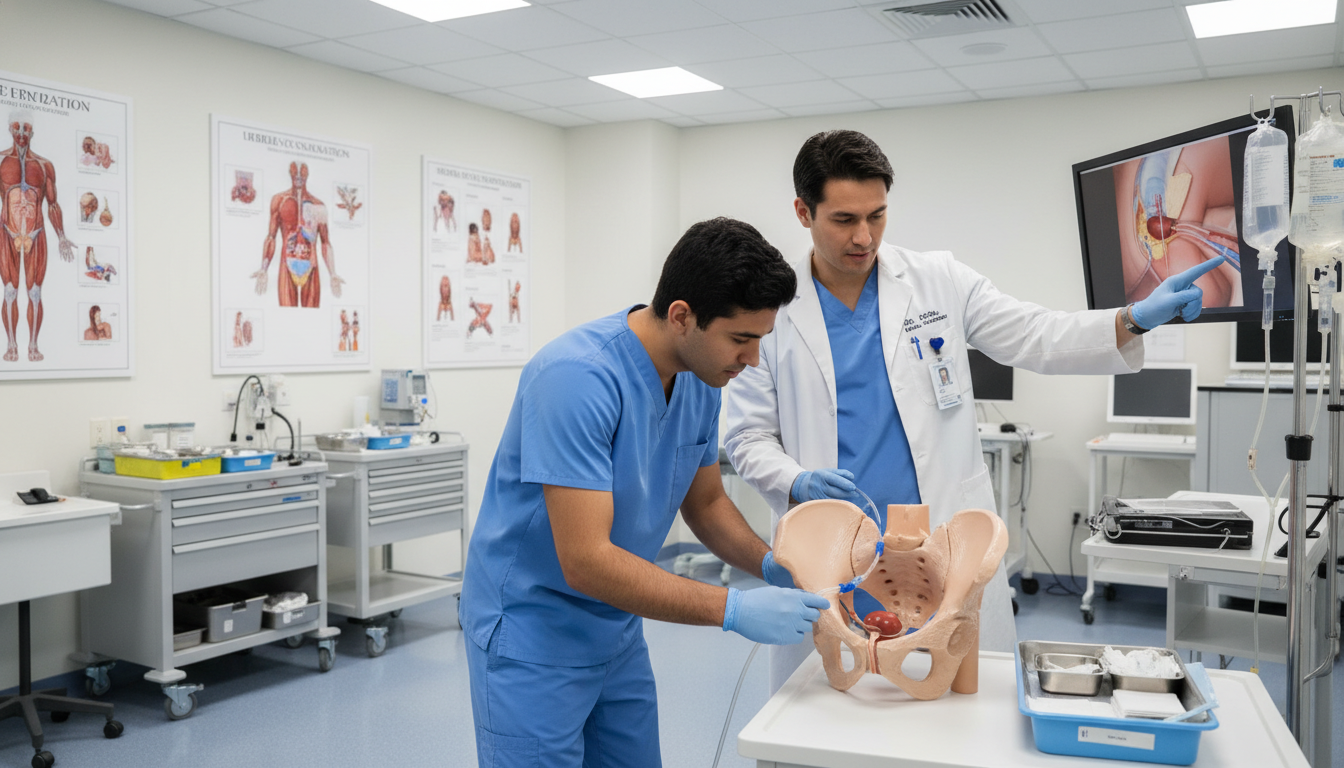
Catheter skills
- Basic Foley placement in male and female patients
- Understanding when to avoid blind catheterization (e.g., suspected urethral injury)
- Recognizing and escalating difficult catheterization cases appropriately
Post-op care basics
- Recognizing signs of urinary retention, obstruction, or infection
- Managing pain, nausea, and constipation post-op
- Encouraging ambulation and respiratory exercises
Consult thinking
- For a patient with:
- Hematuria: think about malignancy, stones, infection, trauma, nephrologic causes.
- Acute scrotal pain: torsion vs epididymitis vs other causes.
- Obstructing stone with fever: an emergency—needs decompression, not just pain control.
- For a patient with:
Ask your residents: “What are the top three emergencies in urology I should never miss?” and rehearse your algorithmic approach to them.
Actively Seeking and Using Feedback
Don’t wait until the end of the rotation to find out how you’re doing.
- Ask early (week 1–2):
- “I’m very interested in improving. Do you have any suggestions based on what you’ve seen so far?”
- Ask specifically:
- Presentations: “Are my consult presentations at the right level of detail?”
- OR performance: “Is my positioning and retraction helpful? Anything I could adjust?”
- Professionalism: “Am I meeting expectations for ownership of my patients?”
Then, demonstrate change:
- If you’re told to tighten your presentations, show noticeable improvement by the next week.
- If you’re encouraged to be more proactive, start volunteering for specific tasks and ask to follow up on them.
Faculty are often impressed when a student responds visibly to feedback—it signals the potential for rapid growth in residency.
Communicating Your Interest in Urology
If you’re leaning toward urology, be appropriately transparent:
- Tell your residents and attendings early in the rotation:
- “I’m strongly considering urology and want to make the most of this rotation. Any advice is welcome.”
- Ask for career guidance:
- Suggested research opportunities
- Recommended away rotations
- How to structure your fourth year given your goals
This positions you as a serious candidate and helps mentors invest in you thoughtfully.
Securing Strong Letters of Recommendation
Urology is a small field; strong, detailed letters from urologists carry significant weight in the urology match.
To set up strong letters:
Identify potential letter writers
- Attendings who have:
- Worked closely with you in the OR, clinic, and on wards
- Observed you over multiple weeks
- Seen your growth and work ethic
- Attendings who have:
Ask at the right time
- Toward the end of your urology sub-I or major elective, say:
- “I’ve really valued working with you. I’m applying to urology and would be honored if you’d consider writing me a strong letter of recommendation.”
- Toward the end of your urology sub-I or major elective, say:
Provide helpful materials
- Updated CV
- Draft personal statement (even if preliminary)
- Brief summary of your rotation with them: the cases you helped with, patients you followed, any specific projects or presentations you completed.
Maintain contact
- Send updates: board scores, research progress, acceptance to away rotations.
- A short thank-you email after the letter is uploaded is both courteous and memorable.
These steps, starting from clerkship success in urology rotations, set a foundation that can support you all the way to rank lists and match day.
After the Rotation: Consolidating Gains and Planning Next Steps
Your learning and career strategy should continue after your last day on the service.
Reflect on Your Experience
Within a week of finishing, set aside 30–60 minutes to reflect:
- Clinically:
- What urologic conditions do I now understand well?
- What still feels confusing or intimidating?
- Professionally:
- How did I function on the team?
- What did I do well? What would I change next time?
- Personally:
- Can I picture myself doing this work long-term?
- Do I connect with the culture, pace, and lifestyle of urology?
Write down 3–5 meaningful patient encounters or cases. These can later become:
- Personal statement material
- Interview stories
- Talking points when you meet future mentors
Plan Your Academic and Match Strategy
If you confirmed an interest in urology:
- Meet with a urology mentor to discuss:
- Additional urology rotations or away rotations
- Research projects you can join
- Timeline for Step 2/Level 2, ERAS, and urology match-specific requirements
- Align your remaining third year rotations and fourth year:
- Choose electives that complement urology (e.g., nephrology, radiology, oncology, critical care, anesthesia).
- Identify experiences that strengthen your weakness areas (e.g., more time in clinic if you lack outpatient confidence).
If you are still unsure:
- That’s normal. Use your experience to:
- Compare urology to other surgical and medical fields.
- Talk to residents about how they chose urology.
- Explore one more focused urology elective before fully committing, if feasible.
Maintain Relationships and Momentum
Even after you leave the rotation:
- Stay in touch with residents and attendings who were particularly supportive:
- Brief update emails once or twice a year
- Sharing significant milestones (research posters, exam results, match)
- Continue reading and learning:
- Revisit your notes.
- Read deeper into topics you saw on service.
- Attend department conferences or grand rounds if your schedule allows.
This continuity demonstrates sustained interest and makes it much easier to re-integrate with the team during sub-Is or away rotations.
FAQs: Excelling in Urology Clinical Rotations
1. How different are expectations for urology rotations in third year vs. sub-internships?
In third year rotations, you’re primarily evaluated on professionalism, engagement, and growth in foundational skills: histories, physical exams, basic presentations, and willingness to help. For a urology sub-internship, expectations rise considerably: you should function like an “intern-lite” by taking ownership of patients, anticipating tasks, helping with orders under supervision, and integrating feedback quickly. On sub-Is, your performance can directly influence interview offers and program impressions for the urology residency match.
2. What’s the best way to prepare quickly if my urology rotation starts next week?
Focus on a targeted, high-yield approach:
- Review core topics: BPH, prostate and bladder cancer, kidney stones, hematuria, UTIs, urinary retention, testicular torsion.
- Learn the basic steps and indications for common procedures like cystoscopy, TURP, TURBT, nephrectomy, and ureteroscopy.
- Practice concise oral presentations and review how to take a GU-specific history.
Even 30–45 minutes per day for 5–7 days can noticeably improve your confidence and performance.
3. How can I stand out if I’m not scrubbed into many cases or my role feels limited?
You can still excel by:
- Knowing every detail about the patients you follow.
- Ensuring tasks are completed (notes, calls, following up on labs/imaging).
- Asking thoughtful, focused questions in downtime.
- Being especially helpful in clinic—seeing patients first, presenting clearly, and helping with patient education.
Residents and attendings remember reliability, initiative, and curiosity, even if your hands-on procedural opportunities are limited.
4. When should I tell the team that I’m interested in urology as a career?
Mention your interest early—but authentically—usually in the first week:
“I’m very interested in urology and am exploring it as a potential career. I’d really appreciate any advice on how to make the most of this rotation.”
This gives your team a chance to tailor teaching, involve you in relevant cases, and consider you for mentorship and letters, while still leaving you room to explore and confirm your interest throughout the rotation.
Excelling in clinical rotations in urology is less about already knowing everything and more about demonstrating the habits of a great future resident: preparation, curiosity, reliability, and genuine care for patients and your team. If you cultivate those during your third year rotations and sub-Is, you’ll not only set yourself up for clerkship success—you’ll be laying a strong foundation for a successful application in the urology residency match.