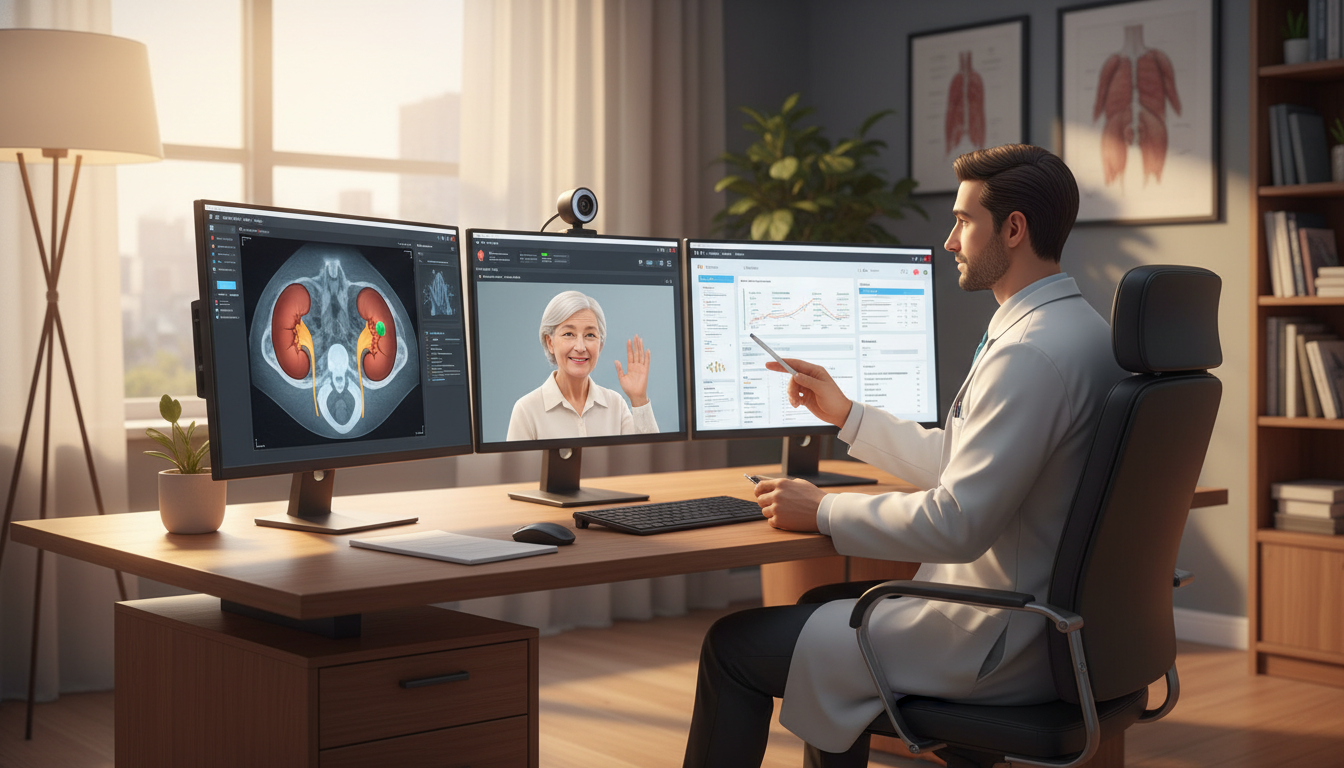
Telemedicine has rapidly evolved from a niche service to a core component of modern urologic care. For residents, fellows, and practicing urologists, understanding telehealth is no longer optional—it’s increasingly central to patient access, practice growth, and lifestyle flexibility. This guide explores how telemedicine is transforming urology, what specific telemedicine jobs and remote physician work opportunities exist, and how to strategically position yourself for a robust career that integrates both in-person and virtual care.
The Rise of Telemedicine in Urology
Telehealth use surged during the COVID-19 pandemic, but in urology it has persisted because it solves real, long-standing problems:
- Geographic access: Many patients live far from tertiary urology centers; virtual visits reduce travel and time off work.
- Chronic disease monitoring: BPH, overactive bladder, nephrolithiasis, and prostate cancer follow-up lend themselves well to remote management.
- Sensitive topics: Erectile dysfunction, infertility, incontinence, and sexual medicine issues can be easier to discuss from home.
- Care coordination: Multi-disciplinary care (urology, oncology, primary care) can be facilitated more efficiently via telehealth platforms.
For trainees planning a urology residency and for recent graduates entering the workforce, telehealth competencies are now valued alongside traditional surgical and clinical skills. Many health systems and private groups expect new hires to be comfortable with virtual workflows, digital documentation, and remote monitoring tools.
Why Telehealth Fits Urology So Well
Not all specialties translate easily to virtual care, but urology has several features that make it a strong fit:
- History-heavy assessments: Diagnoses like LUTS, ED, overactive bladder, and many stone disease presentations are heavily history-driven.
- Data-rich follow-up: Urinalyses, PSA, imaging, uroflowmetry, and bladder diaries can be reviewed remotely.
- Procedure-lean follow-ups: Numerous post-op and surveillance visits don’t require physical examination.
- Frequent counseling needs: Cancer counseling, fertility discussions, and treatment decision-making are communication-centric.
These features create a wide spectrum of viable telehealth physician roles in urology that can complement, and sometimes even partially replace, traditional in-office practice.
Core Telemedicine Career Paths in Urology
There is no single template for a telemedicine-focused urology career. Instead, urologists are stitching together a mix of clinical, academic, and industry-facing roles. Below are the main models you’re likely to encounter.
1. Hybrid Clinical Practice (Most Common Model)
The most prevalent model is a hybrid setup: part in-person, part telehealth. This is currently the default in many academic and community practices.
What it looks like in practice:
- 2–3 in-person clinic days and 1–2 telehealth clinic days per week
- Telemedicine used for:
- New consults where physical exam is unlikely to change management
- Post-op visits (especially uncomplicated cases)
- Medication management (e.g., OAB, ED, BPH)
- Result review and long-term surveillance
- Surgical days remain in-person, but pre-op and post-op counseling shift virtual
Example schedule for an early-career urologist:
- Monday: OR
- Tuesday: In-person clinic
- Wednesday: Telehealth clinic (video visits only)
- Thursday: Mixed in-person and telehealth
- Friday: Admin, research, or additional telehealth block
Pros:
- Stable salary and benefits through an employer
- Built-in patient base
- Balanced lifestyle (less commuting, flexible blocks)
- Easy integration into existing EHR and support staff workflow
Cons:
- Limited control over telehealth schedule and policies
- Less flexibility in choosing telemedicine platforms
- Income remains tied to overall clinical productivity expectations
For residents preparing for the urology match, it’s worth asking programs how they integrate telehealth into continuity clinics, as this will be core training for a hybrid model.
2. Fully Remote Urology Consults and Second Opinions
Some urologists work primarily as remote consultants, focusing on second opinions, subspecialty input, or triage.
Common settings:
- Large telehealth companies contracting subspecialists
- Academic “expert opinion” programs for complex urologic oncology or stones
- Hospital or health system e-consult programs
Types of work:
- Reviewing second-opinion cases: imaging, pathology, previous operative reports
- Providing written or video-based e-consults for:
- Prostate cancer management options
- Complex reconstructive scenarios
- High-risk stone disease
- Triage support for primary care or emergency departments
Pros:
- High flexibility in schedule and location (true remote physician work)
- Often low procedural burden and no call
- Attractive for urologists focusing on counseling-intensive niches (e.g., sexual medicine, male infertility, oncology decision-making)
Cons:
- Often 1099 contractor roles (no benefits)
- Reimbursement may be flat-fee per consult
- Less continuity with patients
- Rarely suitable for brand-new graduates without at least some early clinical grounding
This path is particularly compelling for mid-career or late-career urologists looking to de-emphasize operative time while maintaining meaningful clinical engagement.
3. Tele-Urology Within Large Health Systems
Many health systems now operate centralized telehealth programs, and urologists can plug into these as telehealth physicians.
Operational features:
- Central scheduling and triage team
- Unified platform linked to system EHR
- Standardized tele-visit templates and protocols
- Multiple sites served by a small pool of tele-urologists
Use cases:
- Rapid-access virtual consults from EDs to reduce unnecessary transfers
- Triage for suspected stones or urinary retention before in-person visits
- Short-interval follow-up after inpatient admissions
Advantages for early-career urologists:
- Structured onboarding and training for telemedicine best practices
- Built-in malpractice and licensing infrastructure
- Opportunities to build quality-improvement or research projects around telehealth
In residency interviews, asking about telehealth infrastructure can help you gauge how forward-thinking a department is and how well they’ll prepare you for this aspect of practice.
4. Niche Telemedicine Services in Urology
Several urology subspecialties are especially telehealth-friendly and are spawning dedicated clinics and even telemedicine-only brands.
Sexual Medicine and Men’s Health
Conditions like erectile dysfunction, Peyronie’s disease, premature ejaculation, and testosterone deficiency lend themselves well to virtual care:
- History-based diagnosis supported by labs
- Visual inspection (when needed) via secure image upload or video
- Medication management and counseling dominate follow-up
Opportunities include:
- Joining or building a branded men’s health teleclinic
- Partnering with digital health startups focused on sexual health
- Remote second opinions on surgical options and expectations
Pelvic Floor and Incontinence
Overactive bladder, stress incontinence, and pelvic floor dysfunction require:
- Detailed history and bladder diaries
- Behavioral and dietary interventions
- Medication adjustment
- Integration with pelvic floor physical therapy (often virtual)
Telemedicine is ideal for this longitudinal, education-heavy care.
Stone Disease Management
While some stone presentations require hands-on care, telehealth can support:
- Triage for suspected stones (who needs CT vs watchful waiting)
- Metabolic evaluation and long-term recurrence prevention
- Counseling on hydration, dietary changes, and medication
Stone clinics using hybrid models have shown strong patient satisfaction and decreased unnecessary ER visits.
5. Industry, Startups, and Non-Clinical Telehealth Roles
Telemedicine is not just about directly seeing patients. Urologists are increasingly involved in the broader digital health ecosystem.
Key roles:
- Clinical advisors for telehealth startups:
- Building care pathways for ED, BPH, OAB, or prostate cancer screening
- Advising on safe prescribing protocols and red-flag workflows
- Medical directors for digital urology platforms:
- Overseeing clinical quality and compliance
- Content and education leads:
- Creating patient education materials, algorithms, and decision tools
- Clinical trial and research roles:
- Designing telehealth-based follow-up and remote monitoring for urology trials
These roles can be part-time alongside clinical work or full-time for urologists transitioning away from traditional practice.

Building Telemedicine Skills During Urology Residency and Fellowship
If you’re still in training, you can actively prepare for a future that includes telehealth, even if your current institution is only partially utilizing it.
1. Seek Out Tele-Clinics and Virtual Rotations
Wherever possible:
- Request to participate in attending-run telehealth clinics
- Ask to co-precept virtual follow-up visits and obtain feedback
- Volunteer to help improve tele-visit templates or patient instructions
If your program has limited telehealth, consider:
- Away rotations at institutions with strong tele-urology presence
- Electives in digital health, informatics, or quality improvement
2. Learn Telemedicine-Specific Communication Skills
Telehealth requires adjustments to your normal patient interaction style:
- Framing the visit: Clearly explain limitations (e.g., no hands-on exam) and what can and cannot be accomplished virtually.
- Verbalizing your exam: Describe what you would examine in clinic and why it matters, so patients understand when you recommend an in-person visit.
- Safety netting: Provide clear return and escalation instructions for red-flag symptoms (e.g., fever, worsening flank pain, acute urinary retention).
Practicing these scripts as a resident will make you much more comfortable and efficient later.
3. Understand Documentation, Billing, and Compliance
Telehealth documentation has nuances that directly affect reimbursement:
- Correct coding for video vs audio-only vs e-consult
- Time-based vs complexity-based coding rules
- Requirements for documenting consent, location, and modality
Residency is an ideal time to:
- Attend workshops on telehealth billing and coding
- Review institutional telehealth policies and regulatory requirements
- Learn about HIPAA-compliant platforms and privacy concerns
These skills will make you more attractive in the urology match and later job interviews, as telemedicine competence is increasingly seen as a marker of a forward-thinking clinician.
Practical Steps to Launch or Expand a Tele-Urology Career
Whether you’re finishing residency, switching jobs, or looking to increase telehealth in your current role, a structured approach will help.
Step 1: Clarify Your Telemedicine Goals
Ask yourself:
- What percentage of your work do you want to be virtual vs in-person?
- Which clinical niches do you want to emphasize (e.g., men’s health, stones, oncology follow-up)?
- Are you seeking:
- Employer-based telehealth within a larger system?
- Independent contractor telemedicine jobs with multiple platforms?
- A telehealth-forward private practice you build yourself?
Your answers will shape job search strategies and contract negotiations.
Step 2: Get Licensing and Credentialing in Order
For telemedicine and remote physician work, licensing is often the rate-limiting step:
- Maintain active state licenses where you plan to see patients.
- Consider multi-state licensure through the Interstate Medical Licensure Compact if eligible.
- Understand that many telehealth companies prefer urologists licensed in multiple states.
Also ensure:
- Your malpractice coverage explicitly includes telehealth services.
- You’re credentialed with major insurers for virtual visits, if practicing independently.
Step 3: Choose the Right Telemedicine Infrastructure
If you’re joining an existing system, much of this is predetermined. If you’re building your own telehealth component, you’ll need to decide on:
- Platform: HIPAA-compliant video platform, ideally integrated with scheduling and EHR.
- EHR integration: How you’ll document and share notes with other providers.
- Support staff: Who will handle scheduling, patient tech support, consent, and pre-visit questionnaires.
For independent or small-group practices, investing early in seamless workflows pays off dramatically in patient satisfaction and efficiency.
Step 4: Develop Protocols and Visit Templates
Standardization is key to safe and efficient tele-urology:
- Create templates for common telehealth visit types:
- ED initial consult and follow-up
- BPH assessment and medication follow-up
- Stone prevention clinic
- Post-op check-ins
- For each visit type, define:
- Which patients are appropriate for telehealth vs must be in-person
- Required pre-visit data (labs, imaging, questionnaires)
- Red flags that should trigger escalation to in-person or ED
This reduces cognitive load during visits and supports quality and safety.
Step 5: Market Your Tele-Urology Services
If you’re in private practice or building a niche, you’ll need to make telehealth visible and attractive:
- Update your website with a clear telehealth section, including:
- Which conditions you treat virtually
- How to schedule
- Technology requirements and privacy statements
- Educate referring providers about:
- How tele-urology can help triage and speed access
- What types of patients are suitable for virtual consults
- Use patient education content (blogs, videos, FAQs) to normalize telehealth for sensitive urologic topics.
This is particularly important when competing with direct-to-consumer telehealth startups in men’s health and sexual medicine.
Lifestyle, Compensation, and Work-Life Balance with Tele-Urology
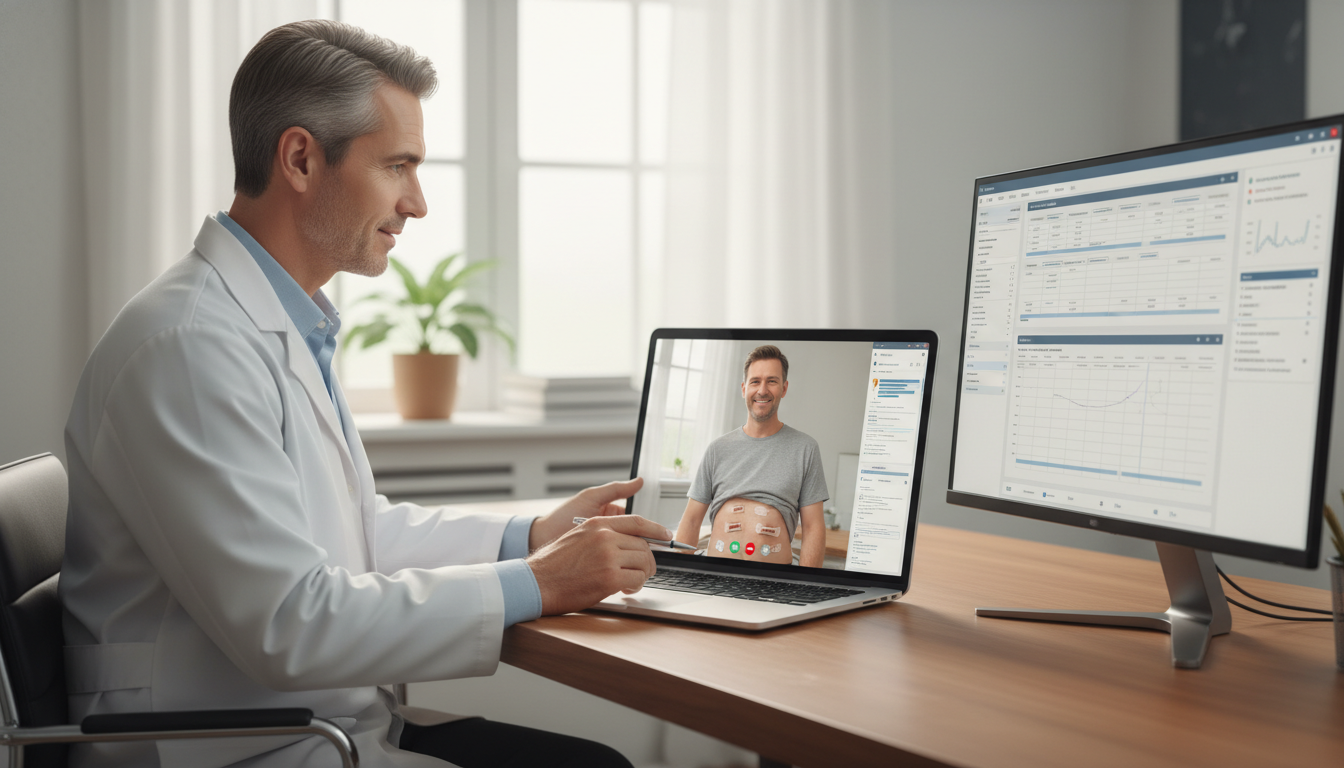
Telemedicine can significantly reshape your career experience, but it has both benefits and tradeoffs.
Lifestyle Advantages
- Reduced commuting: Tele-clinic days from home can save hours each week.
- Location flexibility: Some roles allow you to live in a different state (or even country, depending on licensing) from your patient panel.
- Schedule control: Many telemedicine jobs offer evening or weekend shifts, which can be pros (flexibility, supplemental income) or cons (unusual hours) depending on your needs.
- Physical demand: Less time on your feet and in the OR can be appealing later in your career.
Compensation Considerations
Compensation for tele-urology varies widely:
- Employer-based hybrid roles:
- Telehealth visits usually counted similarly to in-person visits in RVU models.
- May increase total productivity by filling no-show gaps with virtual quick visits.
- 1099 contractor roles:
- Flat per-visit or per-consult payments.
- No benefits, but can be layered on top of primary employment as side income (if allowed by your contract).
- Entrepreneurial telehealth practice:
- Potentially higher upside but more financial risk.
- Requires investment in marketing, tech infrastructure, and operations.
When evaluating opportunities, scrutinize:
- How telehealth visits are valued relative to in-person visits.
- Who bears the cost of technology and malpractice.
- Whether telehealth volumes are expected to replace or add to your existing clinic workload.
Work-Life Integration
Telehealth can improve work-life balance, but boundaries matter:
- Set clear work hours for telehealth availability.
- Avoid “always on” messaging culture unless specifically compensated and scheduled.
- Ensure you have dedicated focus time for documentation and follow-up communications.
Intentional planning keeps telemedicine as a tool that supports your life rather than encroaches on it.
Future Directions: Where Telemedicine in Urology Is Headed
Several trends will shape the next decade of tele-urology:
- Remote monitoring tools:
- Home uroflowmetry devices and bladder scanners
- Wearables for nocturia and sleep patterns
- AI-driven triage and decision support:
- Algorithms helping prioritize which patients need urgent in-person evaluation
- Risk calculators integrated into telehealth workflows
- Increased cross-border care:
- For second opinions and highly specialized urologic services, with evolving regulatory frameworks
- Tele-surgical mentoring and collaboration:
- Remote proctoring and support for complex cases, especially in robotic surgery
Urologists who understand telehealth today will be well-positioned to lead these innovations.
FAQs: Telemedicine Career Opportunities in Urology
1. Can a new graduate from urology residency work entirely remotely?
In most cases, fully remote positions are better suited to urologists who have at least some in-person and operative experience. New graduates are typically expected to build foundational surgical and in-person clinical skills first. However, incorporating one or two telehealth clinic sessions per week early in your career is increasingly common and can grow over time.
2. How do telemedicine visits in urology compare to in-person visits financially?
In many systems, telehealth visits are reimbursed at rates similar to in-person visits when properly coded, especially for video encounters. However, payer policies vary, and some platforms or employers may use lower flat fees for virtual consults. When considering telehealth physician roles, examine compensation structures closely and clarify whether tele-visits contribute to RVUs or productivity bonuses in the same way as office visits.
3. What kinds of urology cases are not appropriate for telehealth?
Telemedicine is not suitable for:
- Acute scrotum or suspected testicular torsion
- Unstable hematuria with clots and retention
- Suspected urinary retention requiring catheter placement
- Patients in severe pain or systemic illness (e.g., stone with sepsis concern)
- Any scenario where physical exam findings are critical and can’t be reliably assessed virtually
In these settings, telehealth can sometimes be used for quick triage and directing patients to appropriate in-person or emergency care, but not for definitive management.
4. How can I find legitimate telemedicine jobs as a urologist?
Start by:
- Checking with your current or prospective employer about internal telehealth expansions.
- Exploring large telehealth companies that contract subspecialists.
- Networking at urology conferences—many digital health startups recruit via professional societies.
- Searching job boards with filters for “telemedicine,” “remote physician work,” or “virtual care,” and then narrowing to posts mentioning urology or surgical subspecialties.
Always verify licensing, malpractice coverage, compensation model, and whether the role complies with your existing employment contracts and non-compete clauses.
Telemedicine is reshaping the practice of urology, offering new ways to deliver care, pursue flexible careers, and expand access for patients. Whether you’re entering the urology residency pipeline, navigating the urology match, or already in practice, cultivating telehealth expertise now will open diverse and evolving career paths in the years ahead.