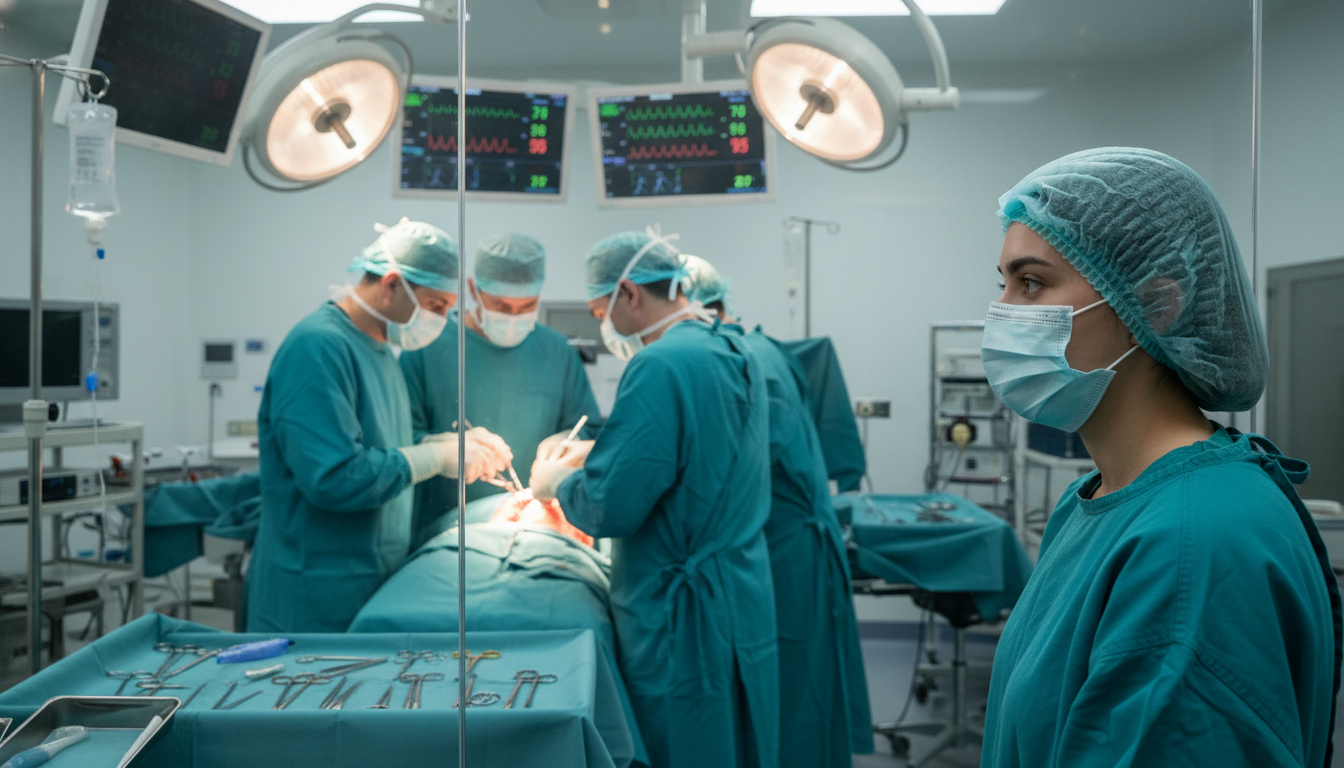
Understanding the Challenge: Neurosurgery as an Ultra‑Competitive Path for US Citizen IMGs
Neurosurgery is one of the most demanding and competitive specialties in the US. When you add the layer of being a US citizen IMG (American studying abroad), the bar gets even higher—but not impossible.
Programs know that neurosurgery residents must handle:
- Long hours and high-stakes decisions
- Intense operative training in brain and spine surgery
- Complex research and academic expectations
From a program’s perspective, selecting a US citizen IMG for neurosurgery residency means betting on someone who chose a non‑US medical school and must still prove they’re as strong—or stronger—than American MD/DO graduates.
Your job is to remove doubt.
This article lays out a detailed, step‑by‑step strategy tailored to US citizen IMGs who want to match neurosurgery (brain surgery residency) despite the odds. We’ll also compare, where relevant, what’s required for other ultra‑competitive specialties (like matching derm or matching ortho) so you can see how high the bar really is and design a realistic, high‑yield plan.
Step 1: Know the Landscape and Be Brutally Honest With Your Baseline
Before you build a strategy, you need a clear view of the battlefield.
How Competitive Is Neurosurgery for US Citizen IMGs?
Key realities:
- Neurosurgery is among the top 2–3 most competitive specialties, alongside dermatology and orthopedic surgery.
- The majority of positions go to US MD seniors, followed by US DOs and a small number of IMGs (including US citizen IMGs).
- Many programs do not consider IMGs at all, and some that do may still heavily favor US MDs.
For a US citizen IMG, the label “American studying abroad” helps logistically (no visa concerns) but does not overcome the academic and institutional bias automatically. You must over‑perform to get noticed.
Core Questions to Ask Yourself Early
By the end of your second year of medical school abroad, you should be able to answer:
- Do I truly want neurosurgery—or do I want a competitive identity?
- Neurosurgery is not just “being a brain surgeon.” It’s a lifestyle defined by research, long training (7+ years), and low margins for error.
- Can I realistically build a top‑tier application from my school?
- Does your school have strong USMLE prep support?
- Do you have access to meaningful research (ideally in neurosurgery or neuroscience)?
- Are there alumni in neurosurgery or other competitive specialties?
- What is my tolerance for risk and time?
- Are you willing to take research years?
- Would you pursue a preliminary year, another specialty, or a second match cycle if needed?
If your answers support a long, uncertain, and very demanding path, then you’re in the right mindset to proceed.
Step 2: Academic Excellence: USMLE and Transcript Strategy
For ultra‑competitive specialties like neurosurgery, dermatology, and orthopedic surgery, the academic bar is uncompromising.
USMLE Performance: Non‑Negotiable
With Step 1 now Pass/Fail, Step 2 CK is your primary standardized metric—and it must be elite.
Targets for a serious neurosurgery applicant (US citizen IMG):
- Step 1: Pass on first attempt; no failures—ever.
- Step 2 CK:
- Strong: 245–250
- Competitive for neurosurgery as a US citizen IMG: 250+
- Realistically, the closer to 255–260+, the better your odds.
If you’re below ~245, your path becomes significantly more fragile, and you will need truly exceptional compensatory strengths (major research output, strong US neurosurgery mentors, stellar US clinical performance). Even then, it may be an uphill battle.
How to Optimize Your USMLE As a US Citizen IMG
- Plan early and aggressively
- Start Step 1 prep in your first year, not 6 months before the exam.
- Use high‑yield resources (e.g., UWorld, NBME practice exams, Anki decks) from day one.
- Treat Step 1 like it still has a score
- Even though it’s Pass/Fail, a high‑level knowledge base for Step 1 leads to better Step 2 performance, which is what programs will scrutinize.
- Use practice exams strategically
- Take multiple NBMEs and UWSAs; don’t sit for Step 2 until you consistently score in your target range.
- Avoid failures at all costs
- A single USMLE failure is a major red flag, especially in neurosurgery. Delay your exam rather than risk failing it.
Medical School Transcript and Class Rank
- Aim for top 10–20% of your class.
- Avoid fails, repeats, or leaves of absence unless there are compelling, well‑documented extenuating circumstances.
- Where possible, obtain a class rank or decile reference; programs often request this for non‑US schools.
If your transcript is not stellar, neurosurgery is still possible but requires an even heavier emphasis on research output and networking.

Step 3: Build Neurosurgery‑Focused Capital: Research, Rotations, and Mentorship
For an ultra‑competitive specialty strategy, you’re not just “doing research” or “getting letters”—you’re deliberately building neurosurgery‑specific credibility in the US system.
Research: The Currency of Neurosurgery
Neurosurgery is heavily academic. Programs love applicants who will be future faculty, innovators, or high‑volume academic surgeons.
Ideal neurosurgery research profile for a US citizen IMG:
- 1–2 dedicated research years at a US neurosurgery department (especially at a major academic center).
- Multiple neurosurgery‑related publications, with at least some as:
- First or second author
- In reputable journals (not predatory or low‑quality)
- Abstracts, posters, and oral presentations at:
- AANS, CNS, NREF, or regional neurosurgery meetings
- Evidence of ongoing projects, data analysis, and meaningful contributions—not just your name on a long author list.
How to Get a Neurosurgery Research Position as a US Citizen IMG
- Find neurosurgery departments that have previously taken IMGs or US citizen IMGs
- Look at resident bios on department websites. Identify programs where at least one resident is IMG or US‑trained FMG.
- Cold email strategically
- Target neurosurgery attendings with active publication records.
- Attach a 1‑page CV, brief 1–2 paragraph email stating:
- You are a US citizen IMG wanting to enter US neurosurgery
- Your exam plan or results (if strong)
- Your willingness to work full‑time in research for 1–2 years
- Consider unpaid or grant‑funded positions
- Many research positions are initially unpaid. As a US citizen, you don’t have visa hurdles, which is a major advantage.
- Once in the lab, overdeliver
- Be the person who responds to emails early, volunteers for extra tasks, and finishes projects.
- Ask for increasing responsibility: abstract drafting, manuscript writing, data analysis.
US Clinical Experience in Neurosurgery (and Related Fields)
You need high‑quality US clinical exposure that showcases your performance in a neurosurgical environment.
Key goals:
- Sub‑internships (Sub‑Is) or visiting clerkships in neurosurgery at US programs
- Strong clinical evaluations that say you function at or above the level of a US senior medical student
- Visible involvement in:
- Rounding, consults, OR participation
- Pre‑op and post‑op patient care
- Presenting on rounds and at conferences
Timing:
- Plan neurosurgery Sub‑Is for your final year of medical school or immediately following research years.
- If neurosurgery Sub‑Is are limited, supplement with:
- Neurology, neuroradiology, or critical care rotations
- Trauma surgery or spine surgery rotations (orthopedics or neurosurgery)
Mentorship and Sponsorship: The Hidden Force
Mentors in neurosurgery are not just letter writers—they are sponsors who can actively advocate for you.
Ideal mentor profile:
- US academic neurosurgeon
- Knows you well from research and/or clinical work
- Is respected within neurosurgery circles (publications, leadership roles, committee membership)
How to cultivate this:
- Check in regularly about your progress and goals.
- Ask for feedback early and act on it.
- Express your commitment to neurosurgery clearly and consistently.
- Request honest assessment of your competitiveness and ask where you need to improve.
Strong mentorship is critical for US citizen IMGs—to the point that a powerful advocate can sometimes tip the scales in your favor over similarly qualified US MD applicants.
Step 4: Letters, Personal Brand, and Application Strategy
Once your foundation (exams, research, rotations) is in place, the next stage is to send a clear, consistent signal to programs that you are a serious, reliable, and high‑potential neurosurgery applicant.
Letters of Recommendation (LORs): Neurosurgery‑Heavy and US‑Based
For neurosurgery, you should aim for:
- 3–4 letters, with:
- At least 2 from US neurosurgeons
- Ideally 1 from a research mentor in neurosurgery
- 1 from a clinical neurosurgery rotation where you performed strongly
- Letters that emphasize:
- Your work ethic and resilience
- Your performance in high‑stress, high‑acuity settings
- Your ability to work as part of a team
- Concrete examples of your initiative, leadership, and follow‑through
Avoid generic, lukewarm letters. It is better to have fewer, stronger LORs than many weak ones.
Crafting a Convincing Personal Statement and Personal “Brand”
Your personal statement is not just a narrative—it’s a tool to:
- Explain why neurosurgery, specifically
- Address the “US citizen IMG” question without sounding defensive
- Connect your research, clinical work, and long‑term goals into a coherent story
Key points to include:
- A clear, specific motivation for neurosurgery
- A particular patient, research question, or clinical experience that shaped your interest—avoid clichés.
- Evidence of sustained commitment
- Research years, neurosurgery rotations, conferences, longitudinal projects.
- Reflection on the challenges of being an American studying abroad
- Show insight into how training abroad has strengthened skills like adaptability, cross‑cultural communication, and resourcefulness—without sounding like an excuse.
- Long‑term goals aligned with academic neurosurgery
- Many programs prefer applicants interested in academics, leadership, and long‑term engagement with their department.
ERAS Strategy: Program List and Filters for US Citizen IMGs
When you apply, think like a strategist, not a gambler.
- Filter programs by IMG‑friendliness
- Check each program’s current residents—if they’ve never had an IMG, your odds are low.
- Note which programs have taken IMGs in the last 5–10 years.
- Be realistic but ambitious
- As a US citizen IMG, you may need to apply to almost all neurosurgery programs that consider IMGs, not just your top tier.
- Use your geographic and networking advantages
- If you did research or Sub‑Is at a certain institution, that program becomes a priority target.
- Ask mentors where they believe you are competitive and which programs they can contact on your behalf.
- Backup planning
- Some US citizen IMGs apply to preliminary surgery spots as a backup, with the goal of reapplying to neurosurgery later.
- Others develop a second specialty interest (e.g., neurology, radiology, anesthesiology) if neurosurgery becomes unattainable.
Remember: having a backup plan does not make you less committed; it makes you rational.
Step 5: Interview Season, Risk Management, and Parallel Lessons from Derm and Ortho
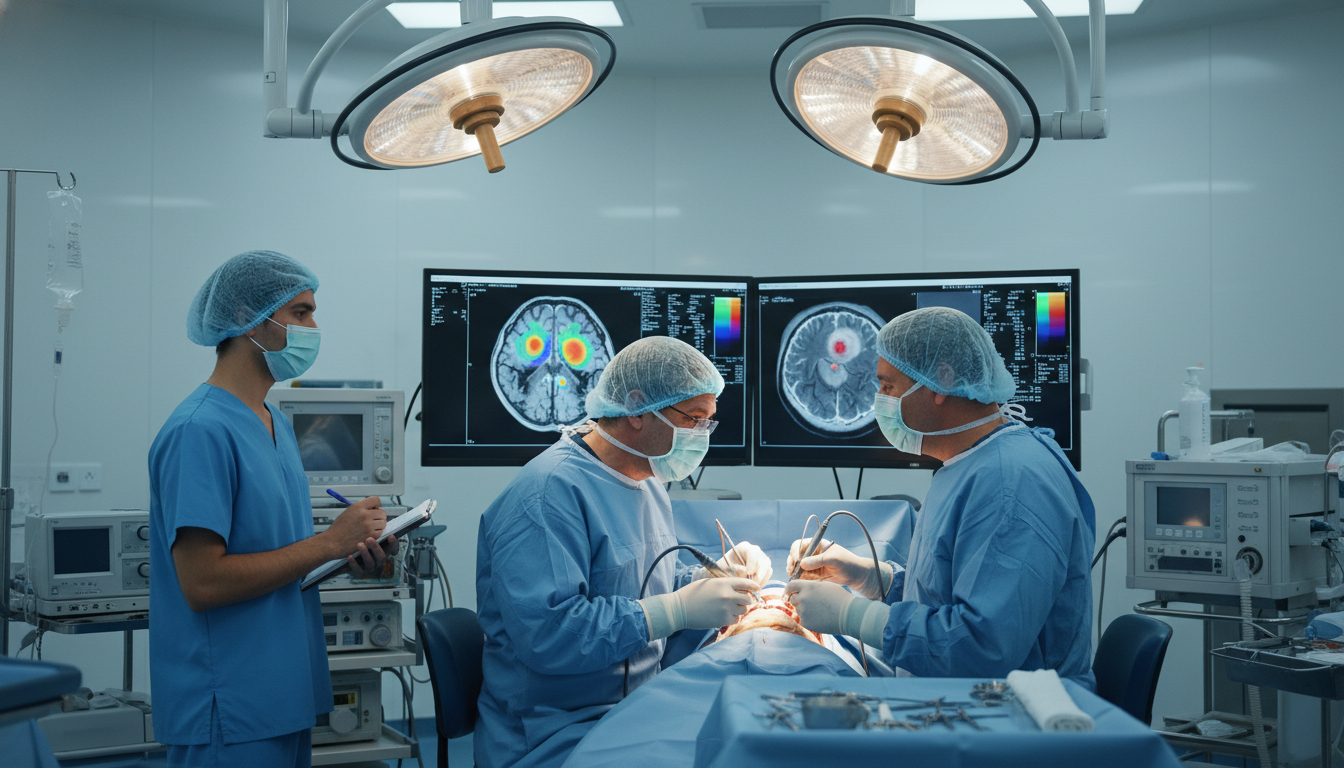
Once you secure interviews, the game shifts from “proving you deserve a chance” to “proving you are the best fit for their team.”
Interview Performance: Showing You Are a Low‑Risk, High‑Yield Investment
Programs want evidence that:
- You understand the physical and emotional demands of neurosurgery
- You will be a reliable, hard‑working team member
- You can handle long hours and stress without burning out or becoming toxic
- You are stable—no major professionalism issues, no chronic complaints, no lack of insight
Common themes you should be prepared to discuss:
- Why neurosurgery and not another competitive specialty (e.g., derm, ortho)?
- How your research fits into your future as an academic neurosurgeon
- Times you have handled failure or disappointment
- How you manage fatigue and stress
- What you learned from training abroad that prepares you for US neurosurgery
Communicating as a US Citizen IMG
You may be asked explicitly or implicitly about your status as an American studying abroad:
- Highlight that you have no visa issues, which simplifies logistics for the program.
- Emphasize how international training has:
- Strengthened your adaptability
- Exposed you to varied systems and resource settings
- Improved your communication and cultural sensitivity
Avoid defensiveness. Present your IMG status as an added dimension, not a deficit you must apologize for.
Learning from Matching Derm and Matching Ortho
Neurosurgery, dermatology, and orthopedic surgery share features as ultra‑competitive specialties:
- High emphasis on:
- Research productivity
- USMLE excellence
- Strong letters and networking
- Limited or cautious IMG intake
From derm and ortho applicant patterns, key strategies you can “import” to neurosurgery:
- Early specialization
- Top derm and ortho candidates commit by MS1–2; neurosurgery should be no different for you.
- Intentional networking
- Attend national meetings (AANS, CNS) to shake hands and introduce yourself.
- Follow departments and faculty on professional platforms and engage appropriately.
- Strategic research alignment
- Just as derm applicants target skin cancer, inflammatory diseases, etc., you should prioritize neurosurgery‑relevant projects: tumors, vascular, spine, neurocritical care, neurotrauma.
Risk Management and Contingency Planning
You must be honest about your evolving competitiveness. Ask yourself and your mentors:
- Are my Step scores in a realistic neurosurgery range?
- Do I have meaningful research output or am I just starting?
- Have US neurosurgeons told me I’m competitive—or just being polite?
If red flags appear late in the process, consider:
- Additional research time to improve your profile
- Transition plans:
- Reapply later with a stronger CV
- Pivot to a related specialty where your neurosurgery preparation is still valuable (e.g., neurology with a focus on neurocritical care; radiology with interventional neuroradiology; anesthesiology with neuroanesthesia; or even a surgical field that is more attainable for IMGs)
Neurosurgery is incredibly challenging for a US citizen IMG, but your preparation will not be wasted if you must redirect; it will still position you well for other high‑level, specialized careers.
Putting It All Together: A Timeline for the US Citizen IMG Neurosurgery Aspirant
Below is a general strategic timeline; adapt it to your situation and your school’s structure.
Pre‑Clinical Years (Med 1–2)
- Begin USMLE Step 1 study early; build strong basic science foundation.
- Explore interest in neurosurgery through:
- Shadowing neurosurgeons locally or during US visits
- Joining neurosurgery interest groups (even virtually)
- Seek early research opportunities in neuroscience or neurosurgery (even remote collaborations).
Early Clinical Years (Med 3)
- Take Step 1 (Pass on first attempt).
- Start building your Step 2 CK foundation.
- Initiate communication with US neurosurgery departments about research years.
- Aim to secure a 1–2 year research position after completion of core clinical rotations if your profile would benefit.
Research Years (Optional but Highly Recommended)
- Move to the US for a dedicated neurosurgery research fellowship or lab position.
- Aim for:
- Multiple abstracts and posters
- Several manuscripts submitted or accepted
- Strong relationships with neurosurgery faculty and residents
- Attend neurosurgery conferences and network face‑to‑face.
- Take Step 2 CK during or shortly after this period, aiming for 250+.
Final Clinical Year / Sub‑Internships
- Complete neurosurgery Sub‑Is at your home institution (if possible) and at US programs where you did research or have mentors.
- Secure at least 2–3 strong neurosurgery letters.
- Finalize personal statement and ERAS materials with mentor feedback.
- Apply broadly to neurosurgery programs with known IMG‑friendliness and your mentor network.
Interview Season and Rank List
- Prepare for interviews with mock sessions (general and neurosurgery‑specific).
- Clearly articulate why neurosurgery and why your path as a US citizen IMG adds value.
- Build a realistic rank list, weighing:
- Program culture and resident well‑being
- Academic/research strength
- Supportiveness toward non‑traditional paths and IMGs
FAQs: US Citizen IMG Strategy for Neurosurgery
1. As a US citizen IMG, are my chances of neurosurgery residency realistically too low?
They are low—but not automatically “too low.” Your probability depends heavily on:
- Step 2 CK score (ideally 250+)
- Quality and volume of neurosurgery research
- Strength of US neurosurgery mentorship and letters
- Performance on US neurosurgery Sub‑Is
If you are average on these metrics, your chances are extremely limited. If you are truly exceptional, you can be competitive at selective, IMG‑open programs.
2. Do I absolutely need a research year to match neurosurgery as a US citizen IMG?
You don’t absolutely need a research year, but for most US citizen IMGs it is highly advisable. Dedicated research time:
- Increases your publication count
- Builds powerful mentorship relationships
- Helps programs see you functioning in a US academic neurosurgery environment
Without it, you must compensate with outstanding exam scores, strong home‑institution neurosurgery, and perhaps unique achievements.
3. Should I consider another specialty, like derm or ortho, instead of neurosurgery?
If your primary goal is simply “a competitive specialty,” then dermatology or orthopedic surgery may seem attractive. But they are equally or more competitive, and IMGs often face similar barriers. Switching from neurosurgery to derm or ortho does not automatically make your life easier—it just changes the flavor of difficulty.
Instead, you should ask:
- Am I deeply interested in neurosurgery’s specific work (brain/spine surgery, ICU care, emergencies)?
- Am I prepared for neurosurgery’s lifestyle (long training, frequent calls, high acuity)?
If the answer is yes, neurosurgery remains your best focus. If no, consider broader options beyond just “another ultra‑competitive field.”
4. How many neurosurgery programs should I apply to as a US citizen IMG?
Plan to apply to nearly all programs that have a history of considering or matching IMGs, unless your mentors strongly advise otherwise. Given the small number of total neurosurgery spots, your safest strategy is:
- Cast a broad but targeted net (prioritize IMG‑friendly and mentor‑connected programs).
- Supplement with strong outreach (where appropriate) and performance on Sub‑Is.
Your mentors—particularly US neurosurgeons who know your full profile—are best positioned to tailor this recommendation to you.
Pursuing neurosurgery as a US citizen IMG demands exceptional performance, strategic planning, and resilience. If you commit early, seek high‑quality mentorship, and build a focused, evidence‑rich application, you can position yourself competitively for a brain surgery residency in the US, even in the face of long odds.