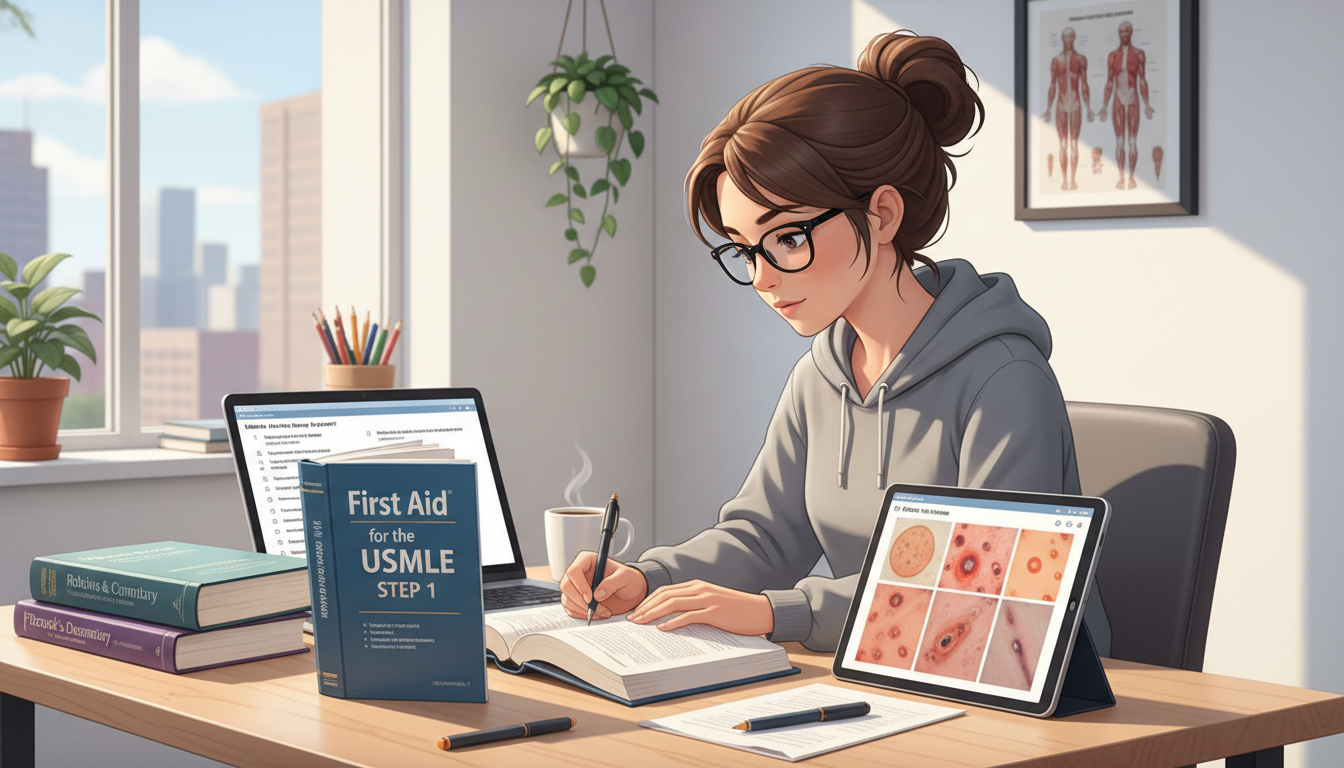
Understanding Step 1 in the Context of Dermatology
Preparing for USMLE Step 1 is challenging for every future physician, but if you’re interested in a dermatology residency, the stakes can feel even higher. Dermatology is one of the most competitive specialties, and although Step 1 has transitioned to pass/fail, your preparation still matters—for your derm match prospects and for your actual knowledge base going into clinical training.
Why Step 1 Still Matters for Dermatology
Even as a pass/fail exam, strong USMLE Step 1 study sets you apart in several ways:
- Knowledge foundation: Dermatology is heavily rooted in immunology, pathology, microbiology, and pharmacology. Step 1 builds the basic science framework you will draw on throughout residency.
- Signals your discipline: Programs know that students who approached Step 1 preparation seriously are more likely to perform well on Step 2 CK and dermatology in‑service exams.
- Letters & performance: Strong basic science understanding improves your performance in pre-clinical coursework, early research, and dermatology electives—leading to stronger letters of recommendation.
- Clinical reasoning: Many Step 1-style vignettes mirror the multi-system thinking you’ll need in dermatology (e.g., systemic disease with skin manifestations).
The Role of Dermatology Content on Step 1
Dermatology is not a stand‑alone subject on Step 1, but skin findings appear across multiple disciplines:
- Pathology: inflammatory dermatoses, blistering diseases, neoplasms
- Immunology: hypersensitivity reactions, autoimmune blistering disease mechanisms
- Microbiology: bacterial, viral, and fungal skin infections; parasites
- Pharmacology: topical and systemic therapies, immunosuppressants, acne medications
- Genetics: inherited skin disorders (e.g., neurocutaneous syndromes)
- Systemic disease: skin manifestations of rheumatologic, endocrine, hematologic conditions
You are not aiming to master all of dermatology before Step 1; instead, you want to target the high-yield dermatology-related concepts that Step 1 repeatedly tests, and let that knowledge serve as a launch pad for later derm-specific learning.
Building a High-Yield Step 1 Study Strategy with a Dermatology Lens
A strong USMLE Step 1 preparation plan is similar across specialties, but future dermatologists can add a few strategic tweaks.
Step 1 Preparation: Big-Picture Principles
Content mastery before question intensity
- Start with a structured content review (e.g., organ system–based).
- Then move into high-volume question practice.
- Finally, shift to NBME-style assessments and refinement.
Active learning over passive reading
- Use flashcards (Anki), question banks, and sketch/memory aids.
- Summarize and teach concepts to peers—especially skin-related topics.
Spaced repetition
- Daily review of high-yield facts (e.g., blistering diseases, rashes, treatments) so skin pathology isn’t forgotten as you rotate through systems.
Frequent self-assessment
- Calibrate early and often with NBME practice forms and Q‑bank self-assessments.
Essential Step 1 Resources (with a Dermatology Focus)
Here are the core Step 1 resources that work particularly well for students leaning toward dermatology:
First Aid for the USMLE Step 1
- Anchor text; annotate it with additional dermatology pearls.
- Use margin notes to connect systemic diseases with skin manifestations.
Pathoma / Goljan pathology
- Review inflammatory skin conditions, neoplasia, and systemic disease with skin findings.
- Pay attention to pathologic slides and gross images; many mimic exam visuals.
Sketchy Microbiology & Pharmacology (or similar visual mnemonic resources)
- Fantastic for skin-related infections and derm drugs (e.g., retinoids, antifungals, immunosuppressants).
- Reinforce mechanism–side effect–clinical use triangles.
UWorld Step 1 Question Bank
- Centerpiece of USMLE Step 1 study.
- Pay attention to questions where skin findings are clues to systemic disease—these are especially relevant for your future in dermatology.
Anki (pre-made and personal decks)
- Use existing decks that cover Step 1 resources, but tag or create specific cards for derm-relevant content.
- Example tags:
derm-autoimmune,derm-infectious,derm-pharm.
Dermatology-specific supplements (optional)
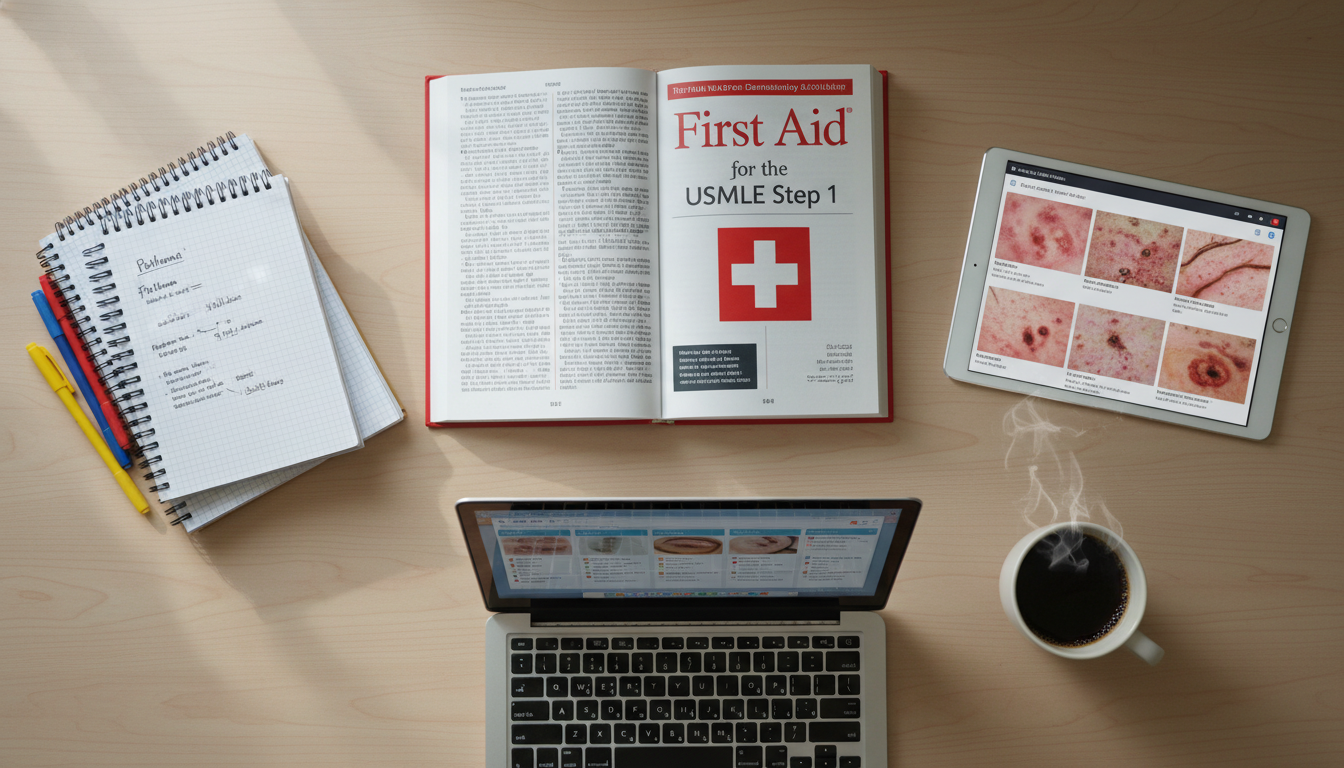
- A dedicated derm review text or atlas (e.g., concise color atlas) can help burn in classic rashes and lesions.
- Use sparingly; Step 1 will not test detailed derm differentials—but image familiarity helps with pattern recognition.
Integrating Dermatology into Core Step 1 Subjects
To align Step 1 preparation with long-term dermatology goals, think in terms of integration rather than adding a separate “derm” block.
1. Pathology: The Backbone of Dermatology
Pathology is arguably the most important Step 1 topic for future dermatologists.
High-yield derm-related pathology areas:
- Inflammatory dermatoses
- Psoriasis (hyperkeratosis, parakeratosis, Auspitz sign)
- Atopic dermatitis, contact dermatitis (type I vs type IV hypersensitivity)
- Lichen planus (sawtooth infiltrate, Wickham striae)
- Blistering diseases
- Pemphigus vulgaris vs bullous pemphigoid
- Target antigens (desmoglein vs hemidesmosomes)
- Level of blister, mucosal involvement, immunofluorescence patterns
- Pemphigus vulgaris vs bullous pemphigoid
- Epithelial tumors
- Basal cell carcinoma, squamous cell carcinoma, melanoma
- Risk factors (UV exposure, albinism, xeroderma pigmentosum)
- Key histologic features (palasading nuclei, keratin pearls, radial vs vertical growth)
- Infectious derm
- Impetigo, cellulitis, erysipelas
- Varicella, HSV skin lesions
- Cutaneous manifestations of systemic infections (syphilis, Lyme disease, meningococcemia)
Actionable advice:
- When watching Pathoma or reviewing pathology notes, keep a separate “derm-relevant” page or digital document.
- After finishing a unit (e.g., immunology or infectious disease), ask yourself: “What are the skin manifestations or derm diseases tied to this system?” and jot them down.
2. Immunology: Crucial for Dermatologic Disease
Many chronic derm diseases are immune-mediated. Strong immunology understanding pays off on Step 1 and in derm residency.
Key immunology concepts with derm implications:
- Hypersensitivity reactions
- Types I–IV with classic skin-related examples:
- Type I: urticaria, anaphylaxis with angioedema
- Type II: bullous pemphigoid, pemphigus vulgaris
- Type III: immune complex vasculitis with palpable purpura
- Type IV: contact dermatitis, PPD, some drug eruptions
- Types I–IV with classic skin-related examples:
- Autoantibodies
- ANA patterns (linked to malar rash in SLE)
- Anti-desmoglein, anti-basement membrane antibodies
- Cytokines and signaling
- TNF‑α, IL‑17, IL‑23 pathways (important for psoriasis and biologics you’ll see later in derm).
- Transplant/immune suppression
- Increased risk of skin cancers with immunosuppression.
Actionable advice:
- Add clinical correlates to abstract immunology:
- For each hypersensitivity type, include one classic derm example in your Anki cards.
- When learning cytokines, write one-line associations with real diseases (e.g., IL‑17 → psoriasis pathogenesis).
3. Microbiology & Pharmacology: Skin Infections and Treatments
Step 1 heavily tests microbes and drugs; dermatology adds a layer of visual and clinical application.
Microbiology with derm focus:
- Bacterial: Staph aureus (impetigo, MRSA), Strep pyogenes (erysipelas), Pseudomonas (burn-related infections).
- Viral: Varicella zoster (chickenpox, shingles dermatomal rash), HSV (oral/genital lesions), HPV (warts).
- Fungal: Dermatophytes (tinea), Candida (intertrigo, thrush), Malassezia (tinea versicolor).
- Parasitic: Scabies (burrows, intense pruritus), cutaneous leishmaniasis.
Pharmacology with derm relevance:
- Antibiotics: topical mupirocin, systemic agents for MRSA, cellulitis, acne (doxycycline, clindamycin).
- Derm drugs:
- Retinoids (isotretinoin: teratogenicity, lab monitoring; topical retinoids for acne)
- Glucocorticoids (topical vs systemic; side effects like skin atrophy, striae)
- Antifungals (azoles, terbinafine, griseofulvin)
- Immunosuppressants and biologics (at least conceptually):
- Methotrexate, cyclosporine, anti-TNF agents.
Actionable advice:
- In your USMLE Step 1 study, when you encounter a microbe or drug, ask:
- Does it have a classic skin manifestation?
- Does it treat a skin condition or cause one as a side effect?
- Add quick “DERM NOTE” lines in your pharm flashcards (e.g., “isotretinoin → teratogenic; severe nodulocystic acne”).
4. Genetics and Multisystem Disorders
Many Step 1 genetics questions involve syndromes with important dermatologic clues.
High-yield conditions:
- Neurofibromatosis type 1 (café-au-lait spots, neurofibromas)
- Tuberous sclerosis (hypomelanotic macules, angiofibromas)
- Albinism, vitiligo (pigmentation disorders; ties to melanin pathway and autoimmunity)
- Phakomatoses and neurocutaneous disorders
Actionable advice:
- For each high-yield genetic condition, explicitly link genotype → pathway → classic skin finding in your notes.
- Practice describing lesions concisely (e.g., “multiple café-au-lait macules and axillary freckling”).
Designing a Dermatology-Conscious Step 1 Study Schedule
Your schedule will look similar to your classmates’ but with intentional derm integration.
Pre-Dedicated Period (First 1–2 Years)
Goals:
- Build a solid foundation in core science.
- Learn to recognize common skin findings.
- Start aligning coursework with future derm interests.
Strategies:
During courses:
- For each system block, identify at least 3–5 conditions with cutaneous manifestations and add them to a running document.
- Use a derm atlas or reputable online image bank to quickly view these lesions when you learn the disease.
Light Step 1 resources:
- Begin light, consistent Anki using decks aligned to your curriculum.
- Start UWorld questions slowly (e.g., 5–10/day) in relevant subjects, reviewing all images carefully.
Derm exposure:
- Attend derm interest group sessions.
- Shadow dermatologists occasionally to bump your visual recognition and keep motivation high.
Dedicated Step 1 Study Period (Typically 4–10 Weeks)
Core structure:
- Daily blocks of questions: 60–80 UWorld questions in timed, random mode once you’ve completed most content review.
- Content review: Focused on weak areas, referencing First Aid, Pathoma, Sketchy.
- Anki/spaced repetition: 30–60 minutes/day to maintain retention.
Derm-targeted adjustments:
Tagging and tracking derm questions
- In UWorld, mark all questions that:
- Have a primary skin finding, or
- Use a rash or lesion as a critical clue.
- Re-review these weekly to reinforce clinical pattern recognition.
- In UWorld, mark all questions that:
Weekly derm mini-session (1–2 hours)
- Choose a topic: inflammatory skin diseases, infections, tumors, drug eruptions.
- Review:
- First Aid sections
- High-yield lecture notes
- A small set of derm images (atlas or online)
- Make or update Anki cards focused on:
- Description of lesions (morphology, distribution)
- Associated systemic disease
- Pathophysiology and key treatment.
Image-heavy review days
- Once every week, have a “visual day” for 30–45 minutes:
- Scroll through high-quality images of the most testable conditions.
- Quiz yourself: “Diagnosis? Key features? Associated pathology?”
- This improves speed in recognizing rashes in Step 1 vignettes and builds skills you’ll need for dermatology residency.
- Once every week, have a “visual day” for 30–45 minutes:

Sample Weekly Study Plan Incorporating Dermatology
Below is an example of a Step 1 dedicated week for a student interested in a dermatology residency. Adjust time blocks to your own needs and exam date.
Monday–Friday
Morning (8:00–12:00)
- 40 UWorld questions (timed, random, 2 blocks of 20)
- Thorough review of explanations (2–2.5 hours)
- Tag derm-related questions and write quick notes in a dedicated derm notebook.
Afternoon (13:00–17:00)
- 1–2 hours focused content review (rotating subjects: immunology, pathology, pharm, micro)
- 1 hour Anki review, prioritizing:
- Immunology and pharmacology cards
- Derm-tagged cards (blistering diseases, rashes, tumors)
Evening (18:00–20:00)
- Light review: skim First Aid for a designated chapter (e.g., MSK/skin/connective tissue)
- 15–20 minutes: quick scan of derm images linked to today’s topics.
One Weekly “Derm Mini-Block” (e.g., Wednesday Afternoon)
Replace 1–2 hours of generic review with a focused derm session:
- 30–45 minutes:
- Review high-yield derm in First Aid/Pathoma:
- Psoriasis, eczema, acne, impetigo, candidiasis, common rashes
- Review high-yield derm in First Aid/Pathoma:
- 30–45 minutes:
- Look at images of these diseases.
- For each: state the name, key descriptors, associated pathophysiology, and first-line treatments.
- 20–30 minutes:
- Create or update 10–20 Anki cards dedicated to these entities.
Weekend
Saturday:
- NBME practice form or UWorld self-assessment.
- 2–3 hours of review focusing on missed questions, paying special attention to any missed skin-related clues.
Sunday:
- Lighter day: 1–2 hours Anki, 1–2 hours content review.
- 30 minutes of derm/image review as a “low-stress” but high-yield task.
This approach keeps your derm interests active without sacrificing your overall Step 1 performance, which remains central for a strong derm match application.
How Strong Step 1 Preparation Supports Your Dermatology Residency Goals
Even with a pass/fail Step 1, residency programs still evaluate applicants on a holistic basis. Strong preparation helps in downstream ways:
1. Better Step 2 CK Performance
Programs now weigh Step 2 CK more heavily. Your Step 1 preparation:
- Builds a deep understanding of pathophysiology and pharmacology.
- Makes clinical reasoning on Step 2 CK more intuitive.
- Reduces the time needed for Step 2 prep because the base is already in place.
For competitive specialties like dermatology residency, a high Step 2 CK score is often a differentiator in the derm match.
2. Enhanced Clinical Year Performance
During third year:
- You will see patients with common derm conditions in family medicine, pediatrics, internal medicine, and emergency medicine.
- Recognizing rashes and linking them to systemic diseases impresses attendings and residents.
- Strong foundations in immunology and pharmacology let you manage complex patients (e.g., drug eruptions, vasculitic rashes, infectious derm) more confidently.
These experiences shape the clinical evaluations and narrative comments that dermatology programs read carefully.
3. Improved Research and Academic Productivity
Understanding mechanisms of disease from Step 1:
- Helps you quickly grasp dermatology research literature.
- Allows you to contribute meaningfully to projects (e.g., immunologic pathways in psoriasis, oncologic mechanisms in melanoma).
- Strengthens your ability to discuss projects intelligently during derm interviews.
4. Confidence During Dermatology Rotations and Away Rotations
During your dermatology electives and sub-internships:
- You’ll be more comfortable with systemic disease connections (e.g., dermatomyositis and malignancy).
- You can discuss why certain treatments work (e.g., biologics targeting IL‑17 or IL‑23 in psoriasis).
- You’ll appear prepared and intellectually engaged—traits that programs value in derm applicants.
In short, strong Step 1 preparation doesn’t guarantee a derm match, but it enhances multiple downstream components of your application and future performance.
Frequently Asked Questions (FAQ)
1. How much dermatology do I really need to know for Step 1?
You do not need full dermatology residency-level knowledge. Focus on:
- Common rashes and inflammatory conditions (psoriasis, eczema, acne, contact dermatitis)
- Blistering diseases (pemphigus vulgaris, bullous pemphigoid)
- Common skin infections (impetigo, cellulitis, candidiasis, tinea)
- Basic skin tumors (basal cell carcinoma, squamous cell carcinoma, melanoma)
- Skin manifestations of major systemic diseases (SLE malar rash, vasculitic lesions, neurocutaneous syndromes)
Mastering these within the context of pathology, microbiology, and pharmacology is sufficient and very high-yield for USMLE Step 1 study.
2. Should I use dermatology textbooks as part of Step 1 preparation?
Large comprehensive dermatology textbooks are not necessary for Step 1 and can be a poor use of limited study time. If you are highly derm-motivated, consider:
- A concise dermatology review book or color atlas used briefly (1–2 hours/week) to strengthen lesion recognition.
- Online derm resources with high-yield image collections.
Keep your primary focus on Step 1 resources (First Aid, UWorld, Pathoma, Sketchy). Use derm-specific materials as light supplements, not as core study tools.
3. How do I balance Step 1 preparation with building a strong dermatology application?
During pre-clinical and Step 1 periods, prioritize:
Strong academic performance and Step 1 preparation
- A solid Step 1 pass and strong coursework build credibility.
Early, sustainable derm involvement
- Join a derm interest group, attend lectures, and shadow occasionally.
- Start or join a small research project if feasible.
Don’t overextend
- Overcommitting to derm activities at the expense of Step 1 prep can backfire.
- Aim for steady, manageable engagement, not maximum possible involvement.
Later, during clinical years and after Step 1, you can expand derm research, electives, and away rotations—at that point, your solid basic science foundation will serve you well.
4. Does pass/fail Step 1 reduce the importance of high-quality Step 1 preparation for derm?
It changes the way programs interpret the score, but not the importance of the knowledge:
- Programs still care that you passed on the first attempt.
- Step 2 CK, clerkship grades, research, and letters now carry more explicit weight.
- However, strong Step 1 study:
- Enhances your Step 2 CK score.
- Improves your performance on rotations and derm electives.
- Makes you a more competent, confident future dermatologist.
So while Step 1 may no longer be a numerical filter, intensive USMLE Step 1 preparation remains a critical early investment for a competitive dermatology residency application and for your development as a clinician.
By approaching your USMLE Step 1 study with a structured plan and a dermatology-conscious mindset, you build both the foundation needed to pass the exam confidently and the early expertise that will support your future in dermatology.