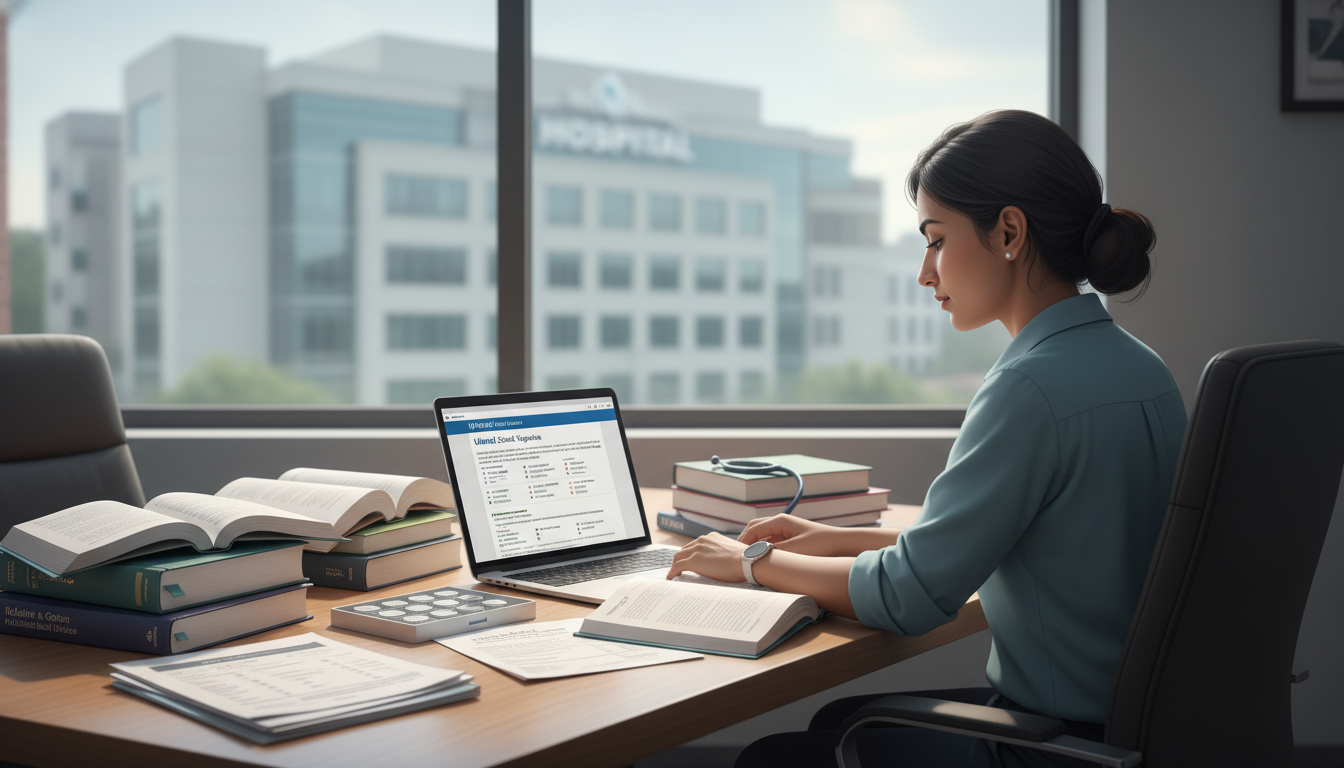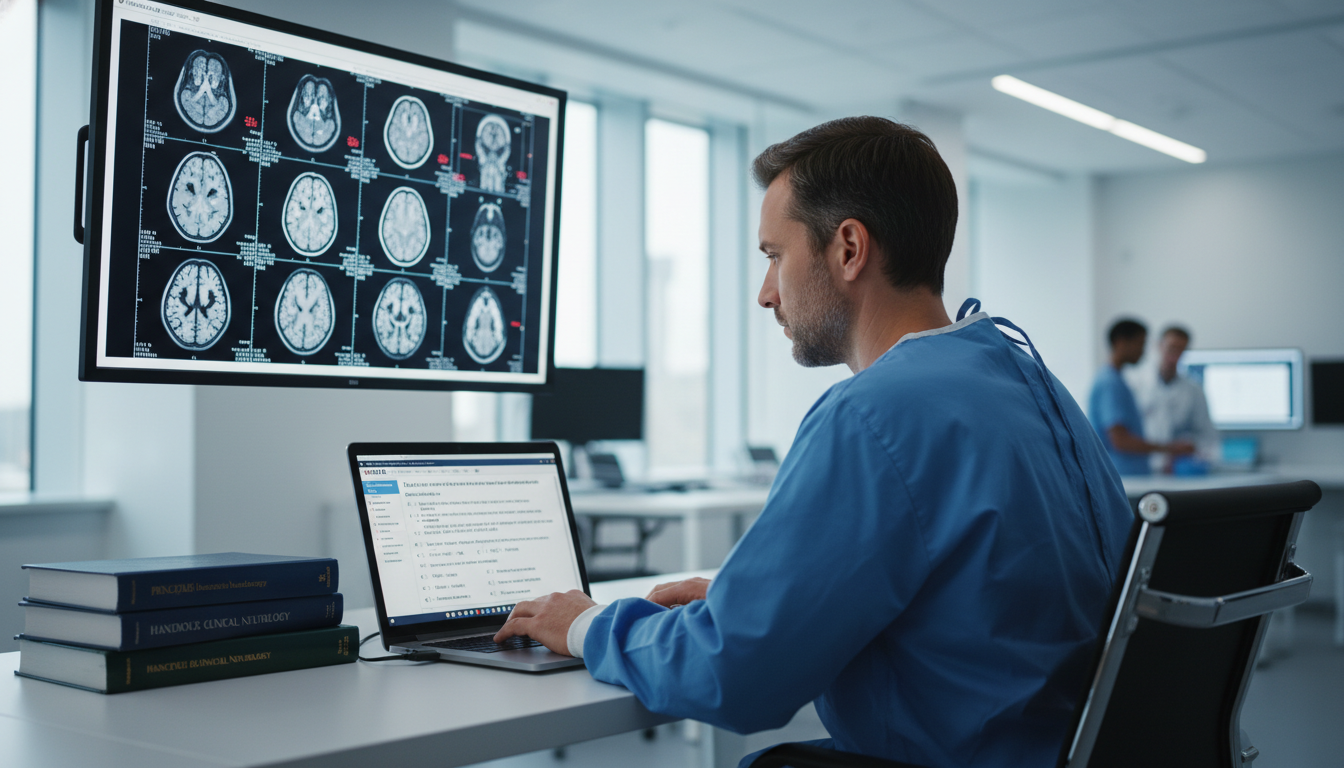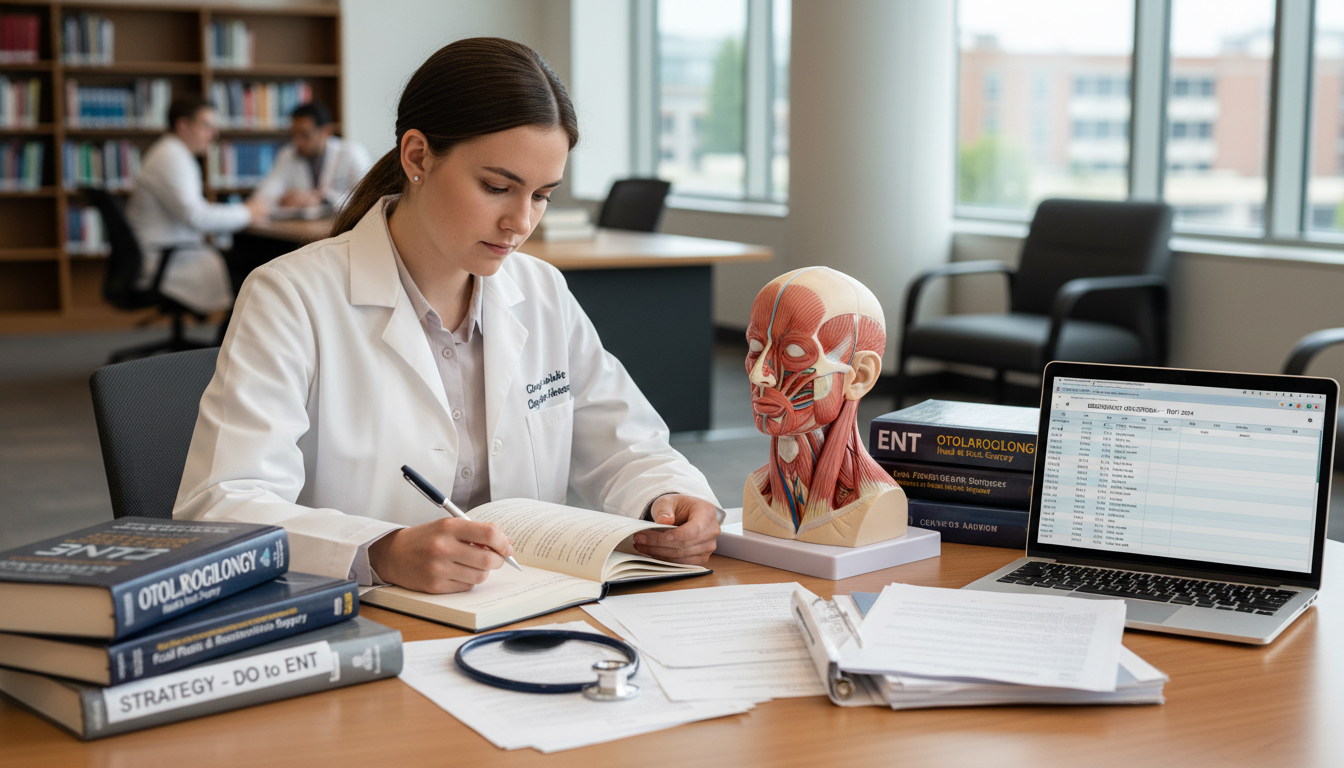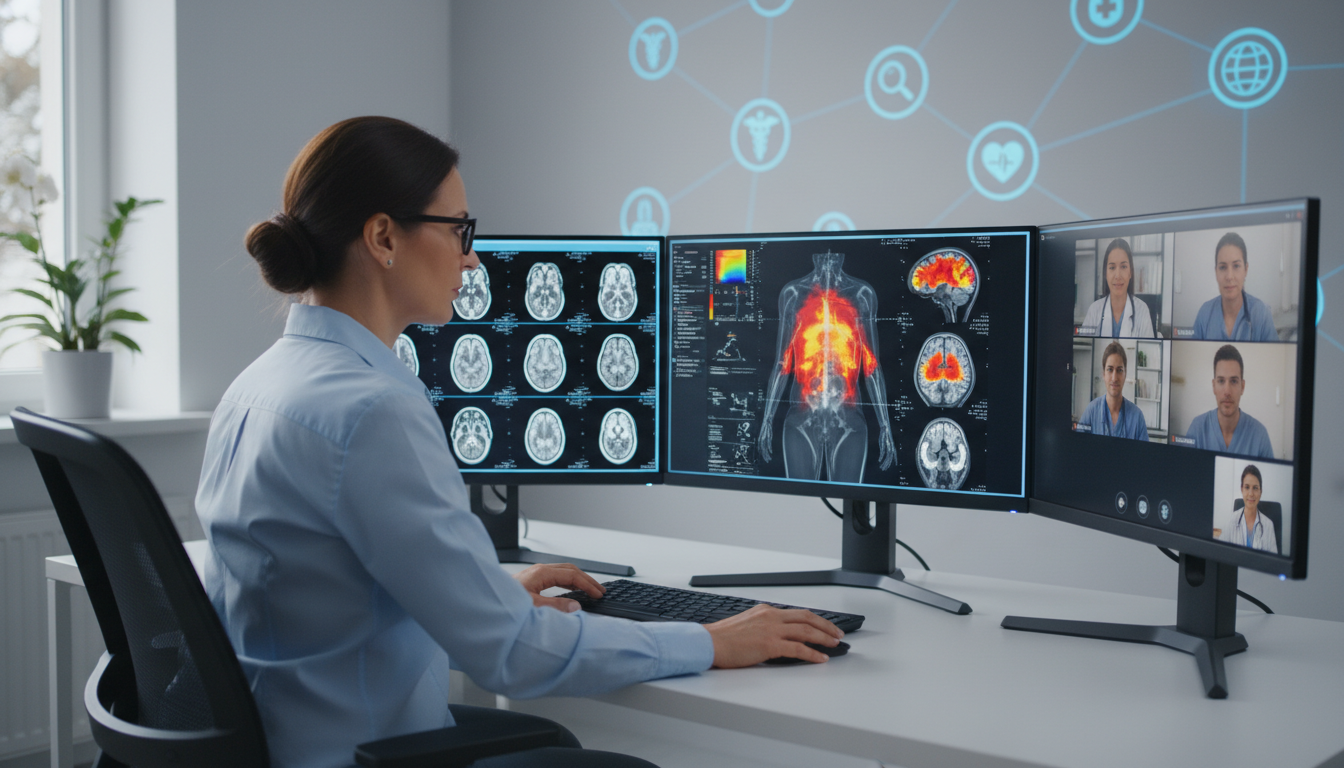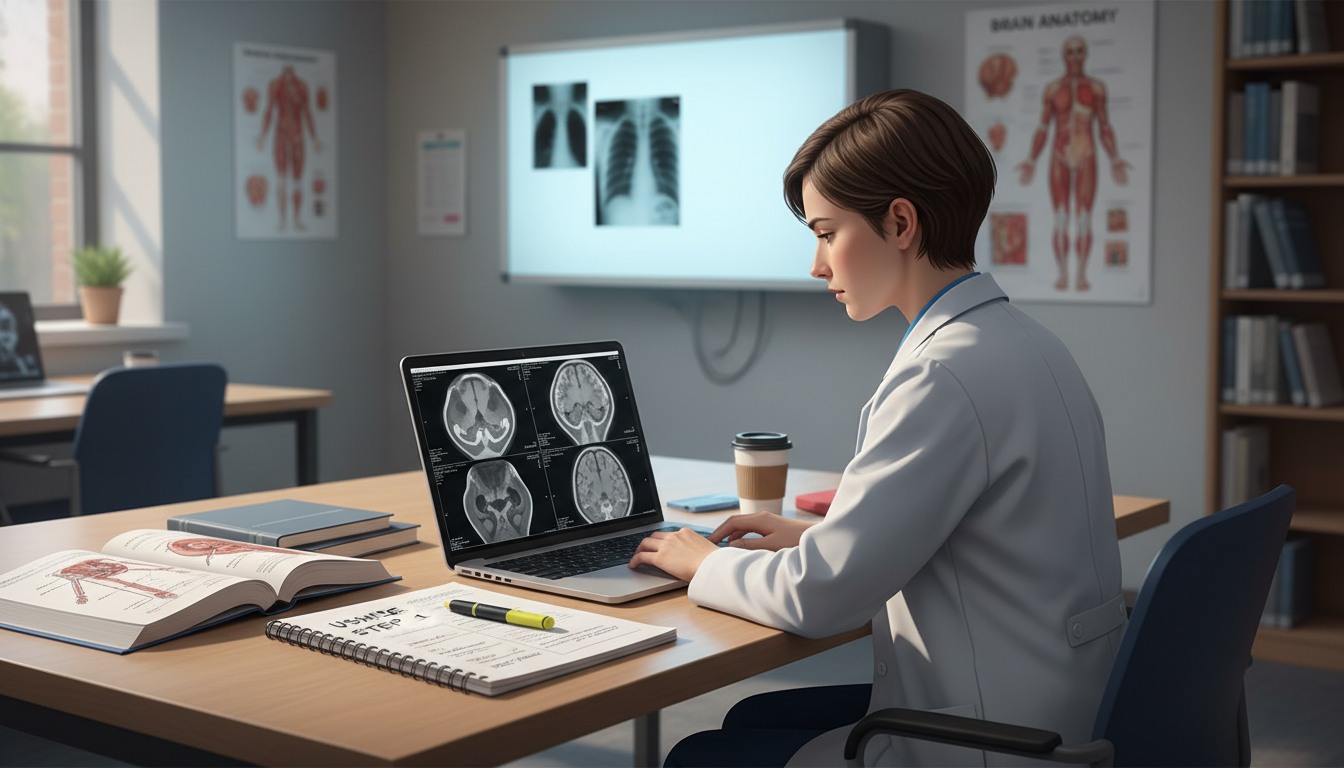
Preparing for USMLE Step 1 is a pivotal stage for any future radiologist. While Step 1 is now pass/fail, it still carries significant weight in the diagnostic radiology match: it can influence interview selection, serve as a foundation for a strong Step 2 CK score, and—most importantly—build the physiologic, pathologic, and imaging-relevant knowledge you will need in radiology residency.
Below is a comprehensive, radiology-specific guide to USMLE Step 1 preparation, tailored to students aspiring to a radiology residency. You’ll find strategy, timelines, high-yield systems, and targeted advice on blending traditional USMLE Step 1 study with early imaging thinking.
Understanding Step 1 in the Context of Diagnostic Radiology
Why Step 1 Still Matters for Radiology Residency
Even as a pass/fail exam, Step 1 plays multiple roles in the diagnostic radiology match:
Screening for red flags
Programs may not use Step 1 for numeric cutoffs anymore, but they do scrutinize:- Failures or multiple attempts
- Large score discrepancy versus Step 2 CK (for those who took Step 1 on a 3-digit scale previously)
- Inconsistent exam history
Predictor of Step 2 CK performance
Step 2 CK remains scored and is heavily weighted by radiology programs. A structured, disciplined Step 1 preparation plan builds the habits and conceptual mastery you’ll need to crush Step 2 CK later.Foundation for radiology-specific knowledge
Radiology is the visual expression of anatomy, physiology, and pathology. Solid Step 1 mastery helps you:- Understand the pathophysiologic basis of imaging findings
- Recognize patterns (e.g., vasculitides, congenital anomalies, metabolic bone disease)
- Communicate effectively with clinicians and surgeons using the same physiologic language they use
Indirect effects on your application
Efficient Step 1 prep frees bandwidth for:- Early radiology research
- Radiology electives or observerships
- Building relationships with radiologists for letters of recommendation
Radiology-Specific Competencies That Start With Step 1
Several core domains tested on Step 1 directly feed into your future training:
- Anatomy and embryology: Crucial for cross-sectional imaging, neuroimaging, and interventional radiology.
- Physiology: Underpins understanding of hemodynamics, ventilation-perfusion, renal function, and contrast physiology.
- Pathology: Basis of what you’ll see on CT, MRI, ultrasound, and X-ray.
- Pharmacology: Contrast agents, radiopharmaceuticals, and medications you’ll see on imaging reports (e.g., anticoagulants, chemotherapy, immunotherapy).
- Biostatistics and epidemiology: Central for interpreting imaging trials, radiation risk, and screening tests.
Think of Step 1 as building the mental “layers” on which radiology images will later be mapped.
Building a Strategic Step 1 Timeline (With Radiology Goals in Mind)
Step 1 Timing for Future Radiologists
Most U.S. students take Step 1 at the end of preclinical years. Key considerations for radiology-bound students:
Aim to take Step 1 on schedule (don’t delay excessively) so you can:
- Start radiology-related research early MS3
- Strongly focus on Step 2 CK during clinical year
- Reserve time for radiology electives and sub-internships
Avoid failing at all costs. A Step 1 failure is a major hurdle in a competitive specialty like diagnostic radiology.
Example 6–9 Month Step 1 Study Framework
You can adapt this timeline depending on your curriculum, but here’s a radiology-oriented structure.
Phase 1: Foundation Building (3–4 months, during classes)
Goal: Marry class material with USMLE Step 1 resources instead of studying separately.
- Use First Aid, a high-yield path reference (e.g., Pathoma), and a main physiology text or videos.
- Start a question bank (e.g., UWorld) in tutor mode, system-based, tied to current coursework.
- Build early radiology habits:
- When studying anatomy: briefly look up CT/MRI cross-sections of that body region.
- When studying pathology (e.g., stroke, PE, pneumonia): quickly look at 1–2 sample imaging cases online (e.g., Radiopaedia).
Radiology add-on: keep a “radiology notebook” where you jot down pathologies with classic imaging keywords (e.g., “small bowel obstruction – dilated loops, air-fluid levels”).
Phase 2: Dedicated Study Period (6–8 weeks)
Goal: Convert scattered knowledge into exam-readiness and clinical reasoning.
Typical weekly structure:
- 6 days of intensive study, 1 rest/low-yield catch-up day.
- Daily:
- 2–3 blocks of 40 questions (timed, exam mode)
- Review all questions thoroughly (2–3 hours)
- 3–4 hours of content consolidation (videos, First Aid, Anki/SRS, short notes)
Radiology twist:
- When you encounter a disease in UWorld (e.g., Crohn disease, osteosarcoma, tuberous sclerosis), write a quick note: “Imaging classic findings: ______” and look up 1–2 images.
- This will not only reinforce the disease for Step 1 but also prepare you to recognize it visually later.
Phase 3: Final 2 Weeks Before the Exam
Goal: Refine timing, endurance, and high-yield recall.
- 1–2 full-length practice exams per week (NBME, UWSA if available).
- Focus on:
- Incorrects and weak systems (e.g., neuroanatomy, renal physiology).
- High-yield lists (lysosomal storage diseases, vasculitides, autoimmune conditions).
- Keep a light exposure to imaging:
- Spend 10–15 minutes a day glancing at classic radiologic appearances of major Step 1 diseases. This cements your understanding and strengthens memory via dual coding (text + image).
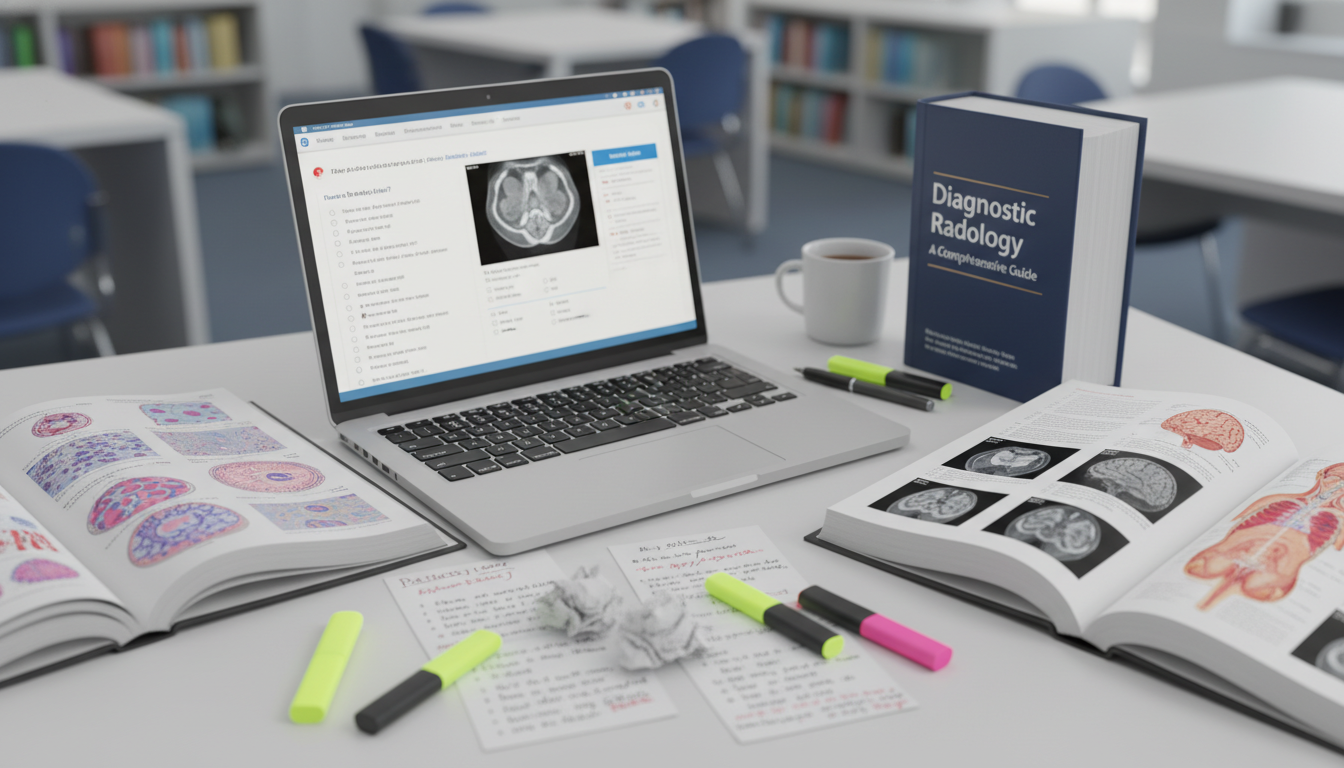
Essential Step 1 Resources for Future Radiologists
The best Step 1 resources are largely the same regardless of specialty, but you can use them more strategically with a radiology lens.
Core USMLE Step 1 Study Resources
Comprehensive Reference
- First Aid for the USMLE Step 1
- Use as the backbone of your study: structure, key facts, and checklists.
- Annotate with insights from QBank and lectures.
- First Aid for the USMLE Step 1
Question Banks
- UWorld (primary QBank, non-negotiable)
- Optional adjuncts: AMBOSS, Kaplan (for selected systems if you need more volume)
- How to use them:
- During preclinical: system-based, tutor mode, untimed.
- During dedicated: random, timed, exam mode.
- Radiology angle: Pay special attention to any question that includes imaging or imaging-related decisions (CT vs MRI, contrast use, radiation risk).
Pathology
- Pathoma or a similar concise path resource.
- Focus on:
- Inflammation and neoplasia
- Cardiovascular, pulmonary, GI, renal, CNS
- Hematology and oncologic conditions that often have imaging correlates
Physiology
- BRS Physiology or equivalent concise resource.
- Priority areas:
- Cardiac hemodynamics
- Pulmonary function and gas exchange
- Renal physiology
- Endocrine axes
Anki or Spaced Repetition
- Pre-built decks (e.g., AnKing) can be extremely efficient when used selectively.
- Filter cards by your current system and dedicated timeline.
Radiology-Adjacent Supplements (Optional but Valuable)
Basic Radiology / Imaging Intro Texts
- A short introductory radiology book or online module:
- Focus on fundamental modalities: X-ray, CT, MRI, ultrasound, nuclear medicine.
- Learn what each modality is best for (e.g., CT for acute abdomen, MRI for brain/spine, ultrasound for gallbladder/OB).
- A short introductory radiology book or online module:
Online Image Repositories
- Free platforms like Radiopaedia or teaching files from academic radiology departments.
- Use as a support, not a primary Step 1 tool:
- When you study pneumonia → look at a chest X-ray.
- When you study stroke → look at CT and MRI examples.
Radiation Biology and Protection Basics
- Match relevant Step 1 phys/pharm concepts:
- Ionizing vs non-ionizing radiation
- Deterministic vs stochastic effects
- Basic cancer risk and dose-response relationships
- Match relevant Step 1 phys/pharm concepts:
High-Yield Systems and Topics for Aspiring Radiologists
Even though Step 1 is broad, some content areas are disproportionately important for a future radiologist. Align your Step 1 preparation so you not only pass but build useful long-term knowledge.
1. Neuroanatomy and Neurophysiology
Neuroimaging is central to radiology. You won’t be reading brain MRIs in medical school, but Step 1 neuro content is your starting point.
Focus on:
- White-matter tracts and brainstem structures
- Understanding lesion localization helps you make sense of imaging later.
- Vascular anatomy
- Circle of Willis
- Major cerebral arteries and classic stroke syndromes
- Spinal cord tracts and levels
- Match Step 1 lesion patterns to common imaging findings you’ll see later—like demyelination or compressive lesions.
Study tip: When reviewing neuroanatomy, occasionally overlay your learning with simple MRI brain slice diagrams (T1/T2 at a few levels) to start building spatial intuition.
2. Cardiovascular and Pulmonary
Radiologists constantly interpret chest imaging, CT angiography, and echocardiography-complementary findings.
High-yield concepts:
- Cardiac physiology
- Pressure-volume loops, preload/afterload changes, valvular diseases.
- Pulmonary physiology
- V/Q mismatch, shunts, diffusion limitation.
- These explain the pathophysiology behind imaging indications and findings (e.g., PE, ARDS, emphysema vs chronic bronchitis).
- Vascular disease
- Atherosclerosis, aneurysms, vasculitis patterns.
Linkage: As you learn, briefly visualize what a CT chest of emphysema looks like, or an aortic aneurysm CT, even if Step 1 won’t test the image directly.
3. Gastrointestinal and Hepatobiliary
These systems are high yield for both Step 1 and abdominal imaging.
Key areas:
- Embryology and rotation of gut
- Malrotation, Meckel diverticulum, volvulus—conditions heavily imaged with radiology.
- Liver and biliary pathology
- Cirrhosis, portal hypertension, gallstones, cholangitis.
- Pancreatic disease
- Acute and chronic pancreatitis, pancreatic cancer.
While studying, make quick notes like: “Cholelithiasis/cholecystitis → RUQ ultrasound first-line” to keep a radiology mindset.
4. Musculoskeletal and Bone Pathology
MSK imaging is a huge aspect of diagnostic radiology.
Emphasize:
- Bone tumors (benign and malignant)
- Metabolic bone disease
- Osteoporosis, osteomalacia, hyperparathyroidism.
- Inflammatory arthritides
- RA, seronegative spondyloarthropathies.
For memory: Pair the name of a disease with one imaging keyword (e.g., “osteosarcoma – sunburst pattern, Codman triangle”) during your Step 1 study.
5. Renal, Endocrine, and Reproductive
Radiologists interpret plenty of renal, endocrine, and pelvic imaging.
Focus on:
- Renal physiology
- Tubular handling of electrolytes, diuretics actions—relevant to contrast nephropathy risk and imaging protocols later.
- Endocrine tumors and syndromes
- Pituitary adenomas, adrenal masses (pheochromocytoma, Conn syndrome, Cushing), thyroid nodules.
- OB/Gyn conditions
- Ectopic pregnancy, fibroids, ovarian torsion, adnexal masses—often evaluated with ultrasound and MRI.
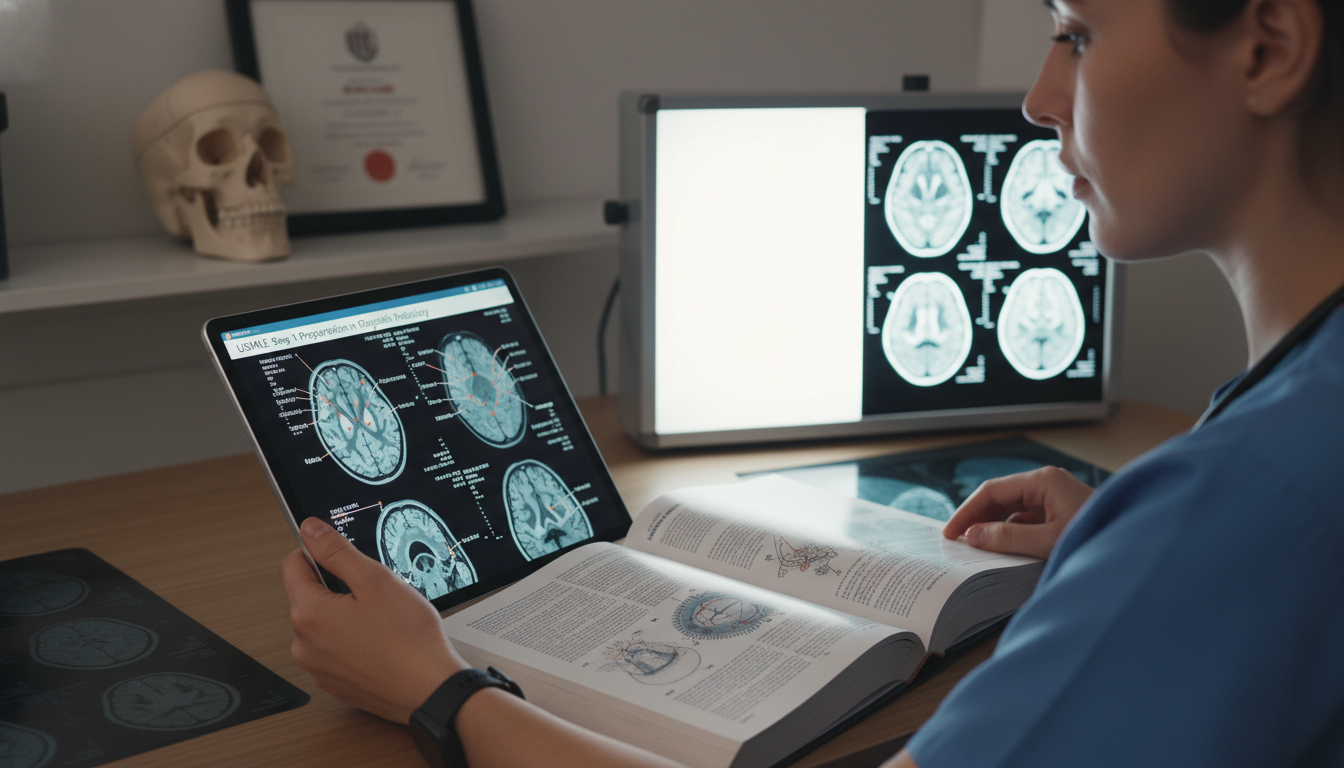
Day-to-Day Study Strategy: Blending Step 1 and Radiology Interests
Constructing an Effective Daily Schedule
During dedicated USMLE Step 1 study:
Morning (4–5 hours)
- 2 blocks of 40 QBank questions (timed, random).
- Immediate review of all questions with detailed notes:
- What was the pathophysiology?
- Why were the wrong options wrong?
- Any imaging-related clues (e.g., “best next test is CT angiography”)?
Afternoon (3–4 hours)
- Targeted content review:
- Use First Aid + Pathoma + selective videos.
- Focus on your weakest systems or subjects from the morning blocks.
Evening (1.5–2 hours)
- Spaced repetition (Anki or other SRS).
- Quick 10–15 minute “radiology overlay”:
- Pick 2–3 diseases from that day’s study and quickly scan 1–2 images each online (chest X-ray, CT, MR, ultrasound, etc.).
This ensures your radiology interest is nurtured without diluting your Step 1 efficiency.
Active Learning Techniques That Pay Off in Radiology
Radiology demands pattern recognition, synthesis, and concise communication. Build those skills now:
Teach-back method:
Explain a concept aloud as if you’re presenting at radiology rounds:- “This is a 60-year-old smoker with hemoptysis…” → walk through pathophysiology and imaging choices.
One-Page Summaries:
For major topics (e.g., vasculitides, glomerular diseases, demyelinating diseases), create a 1-page summary table:- Etiology, key features, lab findings, complications—and a column for “imaging pearls.”
Error Log:
Maintain a spreadsheet or notebook of questions you miss:- Organize by system and subtopic.
- Add patterns of mistakes (rushing, misreading, concept gap).
- This skill translates directly into radiology error tracking and self-improvement later.
Common Pitfalls and How to Avoid Them (Especially for Radiology Hopefuls)
Pitfall 1: Overfocusing on Radiology at the Expense of Step 1
It’s tempting to dive deep into imaging during preclinical years, but for Step 1:
- Avoid: Spending hours on radiology cases instead of QBank and core resources.
- Do:
- Use radiology as a reinforcement tool, not a primary study method.
- Keep imaging exposures brief and strategically tied to what you’re already learning.
Pitfall 2: Passive Studying
Diagnostic radiology is built on active interpretation, not passive observation. Similarly, passive Step 1 studying (just rereading or rewatching videos) leads to:
- Poor retention
- Low exam confidence
Replace with:
- Question-based learning (QBank-heavy approach).
- Teaching concepts aloud.
- Constant review through spaced repetition.
Pitfall 3: Ignoring Weak Non-Favorite Subjects
Future radiologists sometimes de-prioritize areas they perceive as “less relevant,” such as behavioral science or immunology. But:
- These subjects still appear heavily on Step 1.
- Immunology and pharmacology are deeply relevant to oncologic imaging, immunotherapy, and infection control in radiology reading rooms.
Strategy:
- Identify your weakest subjects early using QBank and NBME assessments.
- Allocate extra targeted review sessions each week.
Pitfall 4: Poor Test-Taking Strategy
Radiology demands careful, systematic reading of images; Step 1 demands similarly careful reading of questions.
- Practice:
- Underlining key modifiers (acute vs chronic, age, immunocompromised status).
- Mentally summarizing a stem before looking at options.
- Avoiding “image overinterpretation”: if a question describes an imaging finding, focus on what they’re testing (pathophys or dx) rather than trying to “see” every detail.
Using Step 1 Success to Strengthen Your Radiology Residency Application
Translating Step 1 Effort into a Stronger Application
Even though Step 1 is pass/fail, how you prepare can directly help your radiology residency trajectory.
Stronger Step 2 CK Score
- Solid Step 1 foundations make Step 2 CK studying more efficient and less stressful.
- Programs in competitive specialties like diagnostic radiology often rely heavily on Step 2 CK scores.
Early Free Time for Radiology Involvement
- If you pass Step 1 confidently without needing a retake, you can:
- Start radiology shadowing early in MS3.
- Look for residents and attendings doing imaging-related research.
- Join radiology interest groups and attend local/regional radiology meetings.
- If you pass Step 1 confidently without needing a retake, you can:
Better Clinical Rotations
- Integrated understanding of physiology and pathology improves your performance on internal medicine, surgery, neurology, and pediatrics.
- Strong clinical evaluations and narrative comments are heavily valued in the diagnostic radiology match.
Signaling Your Radiology Interest Thoughtfully
While Step 1 is not a place to “signal” your specialty directly, your approach to medical school can:
- Reflect radiology-relevant skills:
- Analytical thinking, attention to detail, strong work ethic.
- Be showcased later in:
- Personal statement: you might describe how mastering pathophysiology in Step 1 study helped you appreciate the “why” behind what you later saw on imaging.
- Letters: attendings can vouch for your fund of knowledge and reasoning, built largely on your Step 1 preparation.
FAQs: USMLE Step 1 Preparation for Future Diagnostic Radiologists
1. Does Step 1 still matter for radiology residency now that it’s pass/fail?
Yes. Programs may no longer see a numeric score, but they do see:
- Pass vs fail and number of attempts
- Timing relative to curriculum (significant delays can raise questions)
- How your Step 1 outcome aligns with your later Step 2 CK score
Additionally, the knowledge and habits built during Step 1 prep are critical for Step 2 CK performance, clinical rotations, and radiology training.
2. Should I use radiology-specific textbooks or atlases as part of my Step 1 resources?
Not as primary resources. For USMLE Step 1 study, focus on high-yield, exam-oriented materials (First Aid, UWorld, Pathoma, etc.). Use radiology resources only as:
- Short, visual supplements to reinforce anatomy and pathology
- Quick references for common diseases you’re already studying
Over-investing in radiology texts at this stage may reduce your Step 1 efficiency.
3. How many question bank questions should I aim to complete before Step 1?
For a strong foundation that will help you both on Step 1 and later in the diagnostic radiology match:
- Aim to complete the entire primary QBank (often 2,000–3,000 questions) at least once.
- Many students aiming for competitive specialties do:
- 1 full pass during preclinical/early dedicated.
- A partial or targeted second pass of incorrects and weak areas.
What matters most is not just volume but quality of review and learning from every question.
4. When should I start integrating radiology exposure during Step 1 prep?
Begin in a light, structured way during preclinical years:
- When learning a body system, spend a few minutes here and there looking at basic imaging.
- During dedicated Step 1, keep radiology exposure brief (10–15 minutes a day max) and tightly tied to diseases you are actively studying.
- Save in-depth radiology learning—electives, research, advanced imaging—for after you’ve successfully passed Step 1 and moved into clinical years.
With a deliberate plan, efficient Step 1 preparation, and targeted use of high-yield Step 1 resources, you can not only pass this exam confidently but also lay down the core knowledge and cognitive habits that will serve you throughout a career in diagnostic radiology.