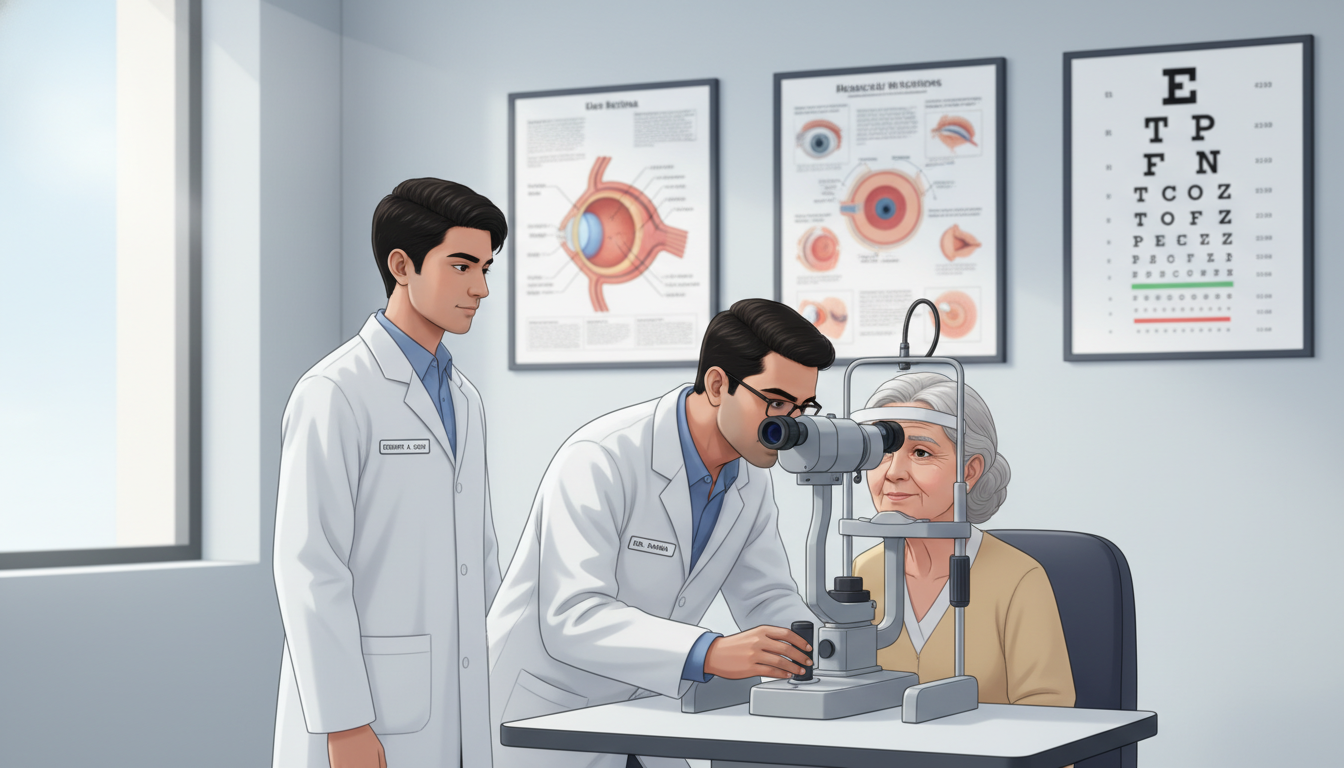
Preparing for USMLE Step 2 CK as a Caribbean IMG who ultimately wants a nuclear medicine residency is both a challenge and a major opportunity. Your Step 2 CK score is one of the most powerful levers you control—especially if you are coming from a Caribbean medical school and aiming to be competitive in the nuclear medicine match.
This guide is written specifically for Caribbean IMGs interested in nuclear medicine. It integrates Step 2 CK preparation strategy with long-term planning for your nuclear medicine residency applications, including how your exam performance fits into your overall residency profile and how to balance rotations, exams, and applications.
Understanding Step 2 CK in the Context of a Caribbean Medical School and Nuclear Medicine
Why Step 2 CK is so critical for Caribbean IMGs
As a Caribbean IMG, you are being evaluated not only as an individual applicant but also through the lens of your school’s reputation and outcomes. A strong Step 2 CK score can:
- Demonstrate academic rigor and clinical reasoning on par with (or exceeding) U.S. MD graduates
- Compensate somewhat for a weaker Step 1 (especially now that Step 1 is Pass/Fail)
- Reassure nuclear medicine programs that you can handle the didactic and analytical rigor of the specialty
- Strengthen your credibility in internal medicine or diagnostic radiology programs if you plan a dual pathway before nuclear medicine
Programs know that clinical exposure in a Caribbean medical school can be variable. USMLE Step 2 study performance is one of the most standardized metrics that program directors trust. For Caribbean medical school residency applicants targeting competitive or niche fields like nuclear medicine, this exam is often a “make-or-break” element of the application.
How Step 2 CK connects to nuclear medicine residency
Nuclear medicine is a data-heavy, interpretation-focused specialty at the intersection of internal medicine, radiology, and oncology. While Step 2 CK is not a radiology exam, it heavily tests:
- Internal medicine, cardiology, oncology, endocrinology, and nephrology
- Evidence-based management and test interpretation
- Risk stratification and diagnostic decision-making
These skills mirror those used daily in nuclear medicine: choosing appropriate imaging studies, understanding physiology and pathophysiology, integrating lab/imaging data, and guiding management. A strong Step 2 CK score signals that you have the intellectual foundation to excel in nuclear medicine residency.
Typical score expectations and competitiveness
There is no fixed “cutoff” for a nuclear medicine residency match, but general principles apply:
For Caribbean IMG targeting nuclear medicine directly
Aim for a Step 2 CK score at or above the national mean (often around the mid-240s, though exact numbers vary by year). Higher scores—250+—help offset IMG status and a Caribbean medical school background.If planning IM or DR first, then nuclear medicine
Internal medicine (IM) and diagnostic radiology (DR) programs are often more numerically competitive. For categorical IM or DR from a Caribbean medical school, every additional point on Step 2 CK improves your odds. Strong scores (245–255+) significantly elevate your profile.
Remember: your Step 2 CK result is not only for this year’s application; nuclear medicine fellowship or advanced residency programs will also look at that score when evaluating you later, even if you match into a preliminary field first.
Building a Strategic Step 2 CK Timeline as a Caribbean IMG
Step 2 CK timing relative to clinical rotations
Caribbean schools often place students into U.S. clinical rotations in multiple locations, sometimes with unstable schedules. That makes planning more complex but not impossible.
General timing recommendations:
- Finish core rotations first (IM, surgery, pediatrics, OB/GYN, psychiatry, family medicine). You need this clinical foundation for Step 2 CK.
- Target a dedicated study block of 6–10 weeks, depending on your baseline and obligations.
- Schedule the exam so that scores return before ERAS submission (usually mid-September). This is critical if you want programs to consider your score for interviews – especially important for Caribbean medical school residency applicants.
For a nuclear medicine–bound IMG, a common and effective sequence is:
- Complete core clinical rotations
- Take NBME-style practice exams to estimate readiness
- Schedule Step 2 CK 2–3 months before ERAS opens
- Use the final weeks before application season to gather strong letters (especially from IM, radiology, or oncology) and potentially schedule an elective related to imaging or nuclear medicine
Example 6-month USMLE Step 2 study + clinical schedule
Months 1–3: While on core/sub-I rotations
- Daily: 10–20 UWorld questions (timed, random), reviewing explanations in-depth
- Weekly: 1–2 hours reading focused on weak areas (e.g., cardiology, OB, psych)
- End of Month 2: Take first NBME Comprehensive Clinical Science exam to calibrate
- End of Month 3: Adjust study pace based on NBME results
Months 4–5: Dedicated USMLE Step 2 CK preparation
- UWorld: 40–80 questions/day, timed blocks, full explanations
- Add another Qbank (e.g., Amboss/USMLE-Rx) if you complete UWorld early
- Practice 1 self-assessment (NBME or UWorld SA) every 2 weeks
- Integrate targeted review videos and rapid review notes (e.g., high-yield IM, OB, psych)
Month 6: Final review + exam
- Simulate test conditions with 7–8 block days at least once
- Focus on “missed once” topics and pattern errors (time management, misreading questions)
- Sit for Step 2 CK 4–6 weeks before ERAS submission to ensure score reporting
This structure gives you enough time for robust USMLE Step 2 study while staying aligned with application deadlines and nuclear medicine match planning.

Core Step 2 CK Resources and How to Use Them Effectively
Non-negotiable primary resources
For Caribbean IMGs, where your transcript and clinical environment may not speak for themselves, resource discipline is essential. Focus deeply on a few high-yield sources:
UWorld Step 2 CK Qbank
- Treat it as your primary learning tool, not just an assessment.
- Do all questions timed, random, simulating exam conditions.
- Carefully review each explanation, even for correct answers, and tie them back to pathophysiology and management algorithms.
- Create a short, high-yield note system (digital or paper) of patterns, rules, and subtle distinctions (e.g., managing hypertrophic cardiomyopathy vs. stable angina).
NBME Practice Exams + UWorld Self-Assessments
- Use NBME CCSAs to estimate your Step 2 CK score and identify weak areas.
- Use at least 2–3 NBMEs and 1–2 UWorld self-assessments spaced over your study period.
- For a Caribbean medical school residency applicant, having a consistent upward trend across these tests is reassuring to program directors and is a key go/no-go decision before your test date.
High-yield review resources (pick 1–2, not all):
- Video series focused on Step 2 CK (e.g., Boards & Beyond clinical, OnlineMedEd, or similar)
- A concise text or PDF summary (e.g., Step 2 rapid review notes)
Use these as supplements, especially early in your prep or for areas where your clinical rotations were weak.
Optional secondary resources
- Amboss – Great as a second Qbank or for fast reference during rotations.
- Case-based resources – Helpful for reasoning through complex internal medicine cases, which aligns with the analytical nature of nuclear medicine.
- Institutional materials – If your Caribbean medical school offers structured review sessions or notes based on USMLE-style questions, integrate them selectively.
Avoid spreading yourself across too many resources. For a Caribbean IMG with limited time and high stakes, depth + repetition beats breadth.
High-Yield Content Areas with Special Relevance for Future Nuclear Medicine Physicians
While nuclear medicine residency itself is highly imaging-focused, nuclear medicine match committees still want to see that you are grounded in solid general medicine. Emphasize the Step 2 CK content areas that overlap with what you will encounter in nuclear medicine practice.
1. Internal Medicine – especially cardiology, oncology, endocrinology
Many nuclear medicine studies focus on these domains:
Cardiology:
- Stress testing (pharmacologic vs. exercise, indications and contraindications)
- Interpretation of perfusion scan indications (who needs it, who should go straight to cath, who can be managed medically)
- Risk stratification in chest pain and ACS
Oncology:
- Staging and follow-up of common cancers (e.g., lung, lymphoma, colorectal, thyroid)
- Basics of tumor markers and when imaging changes management
- Understanding patterns of metastasis (bone, liver, lung) that often guide nuclear studies such as PET/CT or bone scans
Endocrinology:
- Thyroid disease (hyperthyroidism, thyroid nodules, cancer), especially because radioiodine and nuclear thyroid scans are central to practice
- Adrenal diseases that may be evaluated with functional imaging
Strong performance in these areas on Step 2 CK will help both your score and your future credibility as a nuclear medicine specialist.
2. Diagnostic reasoning and appropriate test selection
Nuclear medicine is, fundamentally, about choosing the right test for the right patient at the right time. Step 2 CK hammers this skill through vignettes:
- When to choose nuclear stress imaging vs. echo vs. CT angiography
- When bone scan adds meaningful information vs. MRI vs. plain film
- When PET/CT is indicated for staging or follow-up and when it’s unnecessary
During your USMLE Step 2 study, pay special attention to the “tiers” of diagnostic tests, especially where nuclear imaging is an option. Make notes on:
- First-line vs. second-line imaging
- Contrast vs. non-contrast CT/MRI vs. nuclear scans
- Situations where imaging is not indicated or lower-yield than basic labs
These habits will not only raise your Step 2 CK score but also build your mindset as a future nuclear medicine physician.
3. Emergency management and inpatient medicine
Even though nuclear medicine is often outpatient and consult-based, residency programs want trainees who:
- Recognize unstable patients quickly
- Understand when imaging is irrelevant or delayed by the need for immediate intervention
- Communicate effectively with primary teams about urgency and appropriateness
This means taking Step 2 CK vignettes on sepsis, shock, ACS, PE, and stroke very seriously. Being strong in these topics will also open doors to internal medicine or preliminary positions, which can be stepping stones toward the nuclear medicine match.
Study Tactics for Caribbean IMGs Balancing Rotations, Exams, and Nuclear Medicine Career Planning
Making the most of variable Caribbean rotations
Caribbean medical students often rotate in multiple hospitals with inconsistent teaching and supervision. You may see fewer structured lectures but more service-heavy work. Integrate your USMLE Step 2 study into this context:
On rotation days:
- 10–20 UWorld questions before or after your shift
- Use downtime (when appropriate) to read about your patients using USMLE-style resources
- Convert real cases into USMLE-style learning:
- Example: A patient with heart failure → review Step 2 CK questions on HF management, imaging, prognostic testing
On lighter or off days:
- 40–60 timed questions with full review
- Re-watch or re-read high-yield explanations on specific topics
When possible, aim for rotations that indirectly support your nuclear medicine goals, such as cardiology, oncology, radiology electives, or endocrine clinics. These offer both clinical insight and letter-writing opportunities relevant to your nuclear medicine residency aspirations.

Using your SGU or other Caribbean school network strategically
If you’re at SGU or a similar well-established Caribbean school, leverage the SGU residency match and alumni network. Identify graduates who have:
- Matched into nuclear medicine
- Matched into IM, DR, or other relevant fields in strong academic centers
Ask them about:
- What Step 2 CK score ranges they saw in successful Caribbean IMG nuclear medicine applicants
- Which rotations or hospitals were supportive for imaging-focused students
- How they balanced Step 2 CK preparation with clerkships and research
For non-SGU Caribbean medical school residency candidates, seek out online groups, IMG organizations, and nuclear medicine interest groups. Many nuclear medicine specialists are enthusiastic about mentoring motivated IMGs, especially those who come well-prepared with a strong Step 2 CK score.
Time management and burnout prevention
Because rotations can be unpredictable, protect your bandwidth:
- Set realistic daily question goals (e.g., 20 questions on busy days, 40+ on lighter days).
- Use spaced repetition (e.g., Anki or your own flashcards) for facts you consistently miss.
- Schedule one half-day per week off from heavy USMLE Step 2 study to avoid burnout.
- Sleep is non-negotiable before the exam; cognitive performance declines sharply with chronic sleep debt.
Burnout among Caribbean IMGs is common due to travel, visa issues, and testing pressure. A sustainable schedule is a better predictor of a strong Step 2 CK score than one intense but unsustainable sprint.
From Step 2 CK to Nuclear Medicine Match: Integrating Exam Performance into Your Residency Strategy
Using your Step 2 CK score to calibrate your path
After your exam, you’ll have a critical decision point: how to structure your residency application plan based on your Step 2 CK score and broader profile.
If your Step 2 CK score is strong (e.g., 245–255+):
- Highlight this in your application as evidence of excellent clinical reasoning.
- Consider applying to a mix of nuclear medicine programs (if you have citizenship/visa support) and strong IM or DR programs that can serve as a path toward nuclear medicine later.
- Emphasize your quantitative and analytical strengths in your personal statement.
If your score is around or slightly below the mean:
- Nuclear medicine is still possible, especially via the IM or DR route, but you will need to strengthen other aspects: letters, research, clinical performance.
- Focus your initial match strategy on programs that are IMG-friendly and where Caribbean medical school residency candidates have matched historically.
- Consider improving your profile through research in nuclear medicine or oncology.
If your score is significantly below average:
- Reassess your strategy with mentors. Nuclear medicine may still be reachable through a longer path (e.g., community IM → research → nuclear medicine fellowship), but you must be realistic.
- Maximize clinical evaluations and US references; consider an additional exam like Step 3 early during residency to show growth.
Making your application nuclear medicine–focused, even before residency
As you move toward the nuclear medicine residency or a nuclear medicine match in the future, use your Step 2 CK preparation and clinical experiences to build a coherent narrative:
- Mention how your strong USMLE Step 2 study performance prepared you for detail-heavy interpretation and decision-making.
- Seek elective time or observerships in nuclear medicine or PET centers.
- Join nuclear medicine or radiology interest groups, attend virtual conferences or webinars, and mention these in your application.
- If possible, contribute to case reports or small research projects involving diagnostic imaging or radionuclide therapy.
Program directors appreciate applicants whose Step 2 CK score, clinical interests, and experiences all point in a consistent direction—especially for a specialized field like nuclear medicine.
FAQs: Step 2 CK Prep for Caribbean IMGs Targeting Nuclear Medicine
1. What Step 2 CK score should a Caribbean IMG aim for to be competitive for nuclear medicine?
Aim for at least the national mean (often mid-240s), with 250+ being particularly helpful for Caribbean medical school residency applicants. While nuclear medicine is relatively small, many programs are academically oriented and value strong USMLE performance. Higher scores also improve your chances of matching into IM or DR first, which remains a common pathway into nuclear medicine.
2. Should I delay Step 2 CK if my NBME scores are low, even if it means a late ERAS submission?
If your NBME/UWorld self-assessment projections are well below your target, a short delay to improve your Step 2 CK score is often wise—especially for a Caribbean IMG. However, a very late score (after programs start offering interviews) can hurt you. Discuss timing with a trusted advisor who understands your full profile and nuclear medicine goals.
3. How can I connect my interest in nuclear medicine to Step 2 CK prep in a meaningful way?
As you study, pay special attention to internal medicine, oncology, cardiology, and endocrinology, and to decision-making about appropriate diagnostic testing. Make notes on when nuclear imaging is used and why. Later, you can reference this in your personal statement, showing that you’re already thinking like a future nuclear medicine physician while still mastering broad clinical medicine.
4. I’m from a smaller Caribbean school without a strong match list like the SGU residency match. Does that change my Step 2 CK strategy?
The strategy is similar, but the stakes may be higher. You should treat Step 2 CK as your primary academic equalizer. Aim for the strongest possible score, build relationships with U.S. attendings during rotations, and look for nuclear medicine or radiology mentors externally—through conferences, online communities, or institutional observerships. Your Step 2 CK score can significantly offset limited school name recognition when applying for nuclear medicine, IM, or DR positions.
By approaching USMLE Step 2 CK preparation with discipline, strategic focus, and a clear nuclear medicine–oriented narrative, you can turn this exam into one of your greatest assets as a Caribbean IMG. Your score is not your entire story—but it is a critical chapter that you can write with intention and precision.