Understanding Step 2 CK in the Context of a Radiology Career
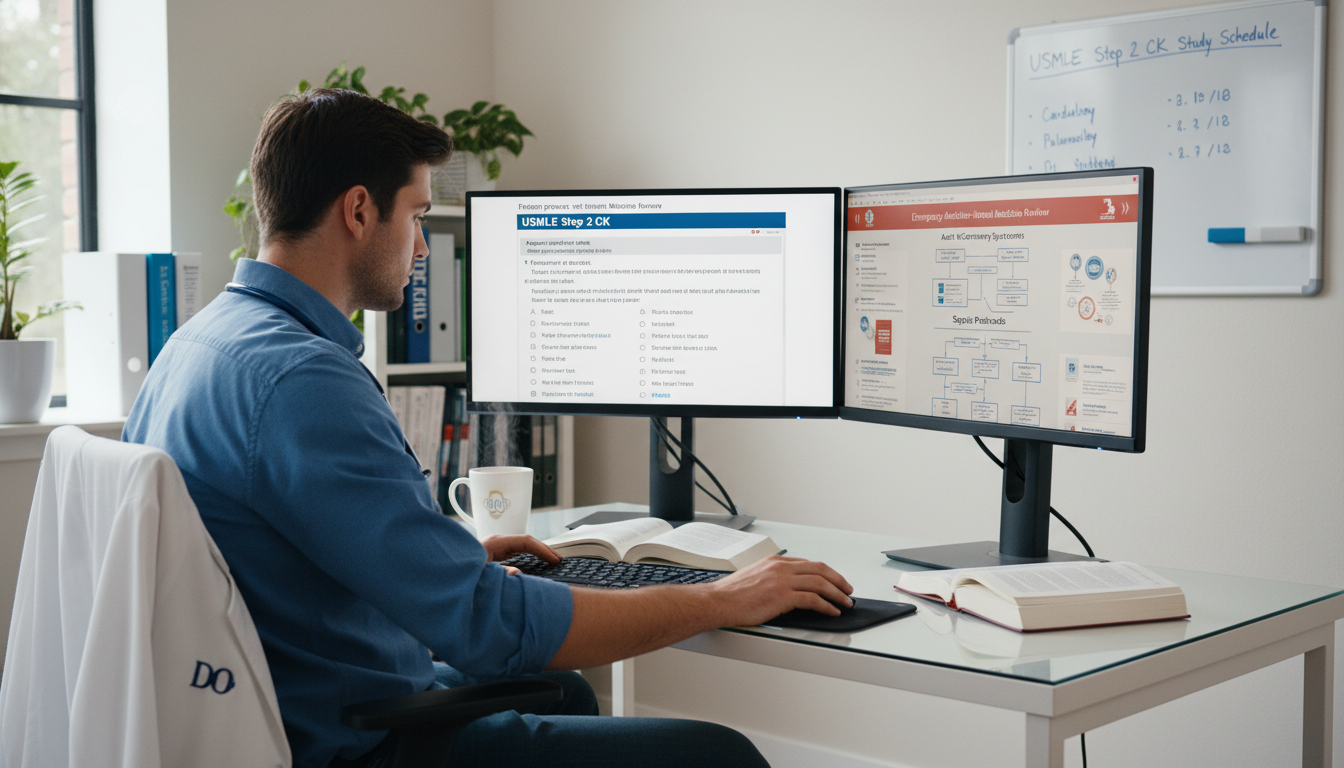
For an international medical graduate (IMG) targeting diagnostic radiology, Step 2 CK is more than just another exam—it is a major data point in the diagnostic radiology match and one of the few standardized ways programs can compare you with U.S. graduates.
Why Step 2 CK Matters So Much for IMGs in Radiology
- Compensates for lack of Step 1 numeric score: With Step 1 now pass/fail, program directors look more heavily at your Step 2 CK score to assess medical knowledge and test-taking ability.
- Radiology is competitive: Diagnostic radiology residency is increasingly competitive. A strong Step 2 CK score can:
- Get your application past score filters in ERAS.
- Offset perceived disadvantages of being an international medical graduate.
- Strengthen your file if you don’t have extensive U.S. clinical experience or research.
- Demonstrates clinical reasoning: Even though radiology is image-focused, radiologists are consultants. Step 2 CK showcases your:
- Ability to integrate clinical information with diagnostic decisions.
- Knowledge of when imaging is indicated and how to interpret findings in context.
What is Actually Tested on Step 2 CK?
Step 2 CK emphasizes clinical application, not basic science. Domains include:
- Internal Medicine (large majority of questions)
- Surgery
- Pediatrics
- Obstetrics/Gynecology
- Psychiatry
- Emergency Medicine
- Preventive Medicine, Ethics, and Professionalism
Radiology-specific content is relatively small but appears in many questions as:
- Appropriate imaging choices (e.g., when to order CT vs MRI vs ultrasound).
- Interpretation of classic imaging findings described in text or shown as images.
- Next-best-step questions where imaging is one of the options.
For a future radiologist, this is an opportunity: if you understand imaging appropriateness and classic radiologic patterns, you can often eliminate wrong answers quickly.
Setting Realistic Step 2 CK Score Goals as an IMG in Radiology
Before designing a USMLE Step 2 study plan, you must define your target score.
What Score Should an IMG Radiology Applicant Aim For?
Exact numbers change yearly, and ranges vary by program, but a practical IMG residency guide for diagnostic radiology would suggest:
- Minimum competitive target:
- Many radiology programs become interested around ≥ 245–250.
- More competitive for mid‑ to high‑tier programs:
- A Step 2 CK score in the 250–260+ range significantly helps.
- Context matters:
- A slightly lower score may still be viable if:
- You have strong U.S. letters of recommendation.
- You completed U.S. clinical electives or sub‑internships.
- You have radiology research or publications.
- Conversely, if you lack U.S. experience or research, aiming toward the upper 250s becomes more important.
- A slightly lower score may still be viable if:
Think of Step 2 CK as one pillar in your diagnostic radiology match strategy. For IMGs, you generally need that pillar to be as strong as possible.
Using Your Background to Set a Timeline
Consider these factors when planning:
- Clinical knowledge recency:
- If you graduated more than 2–3 years ago, you’ll likely need more time to refresh core medicine.
- English proficiency:
- Step 2 CK questions are dense and time-limited. Non-native speakers may need extra time to practice reading speed and comprehension.
- Other obligations:
- Working clinically, research, or family responsibilities all extend the preparation time.
For many IMGs, a 4–6 month dedicated Step 2 CK preparation window is reasonable, with the final 2 months being high-intensity and question-bank focused.

Building an Effective Step 2 CK Study Plan for IMGs
A strong Step 2 CK preparation strategy integrates content review, question practice, self-assessment, and test-day readiness. Below is a structured approach tailored for international medical graduates with radiology ambitions.
Phase 1 (Weeks 1–4): Foundation and Orientation
Goals:
- Understand exam structure and expectations.
- Diagnose your strengths and weaknesses.
- Refresh high-yield clinical foundations.
Key Actions:
Diagnostic Self-Assessment
- Take an early practice exam (e.g., NBME Comprehensive Clinical Science Self-Assessment or a free practice form) under test-like conditions.
- Use the result for:
- Identifying weakest disciplines (e.g., OB/Gyn, Pediatrics).
- Identifying problem-solving gaps (e.g., misreading questions, time management).
Select Core Study Resources For IMGs, juggling too many resources is a common trap. Prioritize:
- Primary Qbank (must-have):
- UWorld Step 2 CK is still the gold standard.
- Concise reference text (optional but useful):
- Examples: Master the Boards Step 2 CK, Step-Up to Medicine for IM, or similar.
- Video/lecture resource (if needed):
- If you graduated years ago or feel weak in certain subjects, choose a single comprehensive video course and stick to it.
- Primary Qbank (must-have):
Start UWorld in Tutor Mode (Initially)
- Begin with blocks of 10–20 questions, untimed, in system-based mode (e.g., Cardiovascular, Pulm, GI).
- Carefully review explanations, especially:
- Why wrong options are wrong.
- Imaging choices and corresponding indications.
- Build a personal notebook or digital document of key algorithms, classic presentations, and “must-not-miss” conditions.
Re-activate Clinical Thinking As an IMG, you may come from a healthcare system with different:
- Guidelines.
- Terminology.
- Standard-of-care practices.
Pay attention to:
- U.S.-style management algorithms.
- Screening and prevention recommendations (USPSTF, etc.).
- Legal/ethical questions from a U.S. perspective.
Phase 2 (Weeks 5–10): Intensive Qbank and Targeted Review
Goals:
- Build exam stamina and timing.
- Raise your baseline performance across all subjects.
- Develop pattern recognition in clinical vignettes.
Key Actions:
Move to Timed, Random UWorld Blocks
- Do 2–3 blocks of 40 questions per day if full-time studying; 1 block per day if part-time.
- Use timed mode to mimic test conditions.
- Randomize subjects to train rapid switching between disciplines, as on the real exam.
Deep Review Process For each block:
- Spend at least as long reviewing as you did answering questions.
- For each question:
- Write down the key clinical clues.
- Summarize the diagnosis, next step in management, and why alternatives are wrong.
- Note any imaging-related decisions (e.g., “For suspected appendicitis in pregnancy → ultrasound first, MRI if nondiagnostic”).
Reinforce Weak Areas
- Identify subjects where your Qbank performance is <60–65%.
- Allocate extra time:
- Do additional UWorld questions filtered by subject.
- Review a short reference/high-yield chapter for that area.
- Common IMG pain points on Step 2 CK:
- OB/Gyn (especially antepartum, intrapartum management).
- Pediatrics (developmental milestones, vaccine schedules).
- Psychiatry (DSM-based diagnostic criteria and first-line treatments).
- Preventive medicine and biostatistics.
Integrate Radiology-Relevant Learning Although Step 2 is not a radiology exam, you can build radiology-friendly habits:
- Each time a question mentions imaging, ask:
- Why was that modality chosen?
- What are the sensitivities/specificities?
- What would be an alternative in pregnancy, renal failure, or pediatric patients?
- Create a small table of “Imaging First-Line Choices” for:
- Acute abdomen (by age, pregnancy status).
- Trauma.
- Stroke.
- Suspected PE or DVT.
- Evaluation of suspected malignancy.
- Each time a question mentions imaging, ask:
Phase 3 (Final 4–6 Weeks): High-Yield Refinement and Exam Simulation
Goals:
- Maximize your Step 2 CK score.
- Fine-tune timing and endurance.
- Calibrate expectations using NBME self-assessments.
Key Actions:
Self-Assessments
- Take an NBME exam 4–5 weeks before your test date.
- If your score is significantly below your target:
- Postpone the exam if possible.
- Increase daily question volume and focused review.
- Plan at least 2 self-assessments in the final month:
- One 4–5 weeks before.
- One 1–2 weeks before (or a practice test via UWorld if preferred).
Second Pass or Reset of Qbank (If Time)
- For many IMGs, a full second UWorld pass is beneficial.
- If time is short, selectively redo:
- Questions you got wrong previously.
- High-yield systems (Cardio, Pulm, GI, Neuro, OB/Gyn).
Refine High-Yield Topics Focus on topics that are overrepresented on Step 2 CK:
- Infectious diseases (HIV, TB, endocarditis, meningitis, hospital-acquired infections).
- Cardiology (ACS, heart failure, arrhythmias, valvular disease).
- Pulmonology (PE, COPD/asthma, pneumonia).
- Endocrinology (diabetes, thyroid disease, adrenal disorders).
- OB/Gyn (pregnancy complications, fetal monitoring, contraception).
- Pediatrics (common infections, congenital disorders, emergency presentations).
Simulate Full Test Days
- At least once, do 7–8 blocks in one day under timed conditions.
- Practice:
- Nutrition and hydration strategies.
- Short break planning between blocks.
- Mental focus and fatigue management.
Leveraging Radiology Skills and Interests to Boost Step 2 CK Performance
Your interest in diagnostic radiology can actually help your Step 2 CK preparation, even though the exam is clinically broad.
Using Imaging Logic to Approach Questions
Radiologists systematically think through:
- Clinical context.
- Most likely diagnosis.
- Best imaging test to answer the clinical question.
Apply that logic:
Clarify the Clinical Question
- Identify what the examiner is truly asking: diagnosis? immediate next step? most appropriate initial test?
- Treat each question as a mini consult.
Use “Imaging Appropriateness” to Eliminate Options For example:
In a young woman with right lower quadrant pain and a positive pregnancy test:
- Transvaginal ultrasound is the correct imaging choice.
- CT abdomen/pelvis would be inappropriate as first-line.
In suspected pulmonary embolism in a hemodynamically stable non-pregnant adult:
- CT pulmonary angiography is first-line.
- V/Q scan may be reserved for pregnancy or severe contrast allergy.
Mentally Visualize Common Findings Even when an image is not provided, a question may describe:
- “Ground-glass opacities” → think interstitial or atypical pneumonias.
- “Thumbprinting sign” → colonic ischemia.
- “Ring-enhancing lesions” in the brain → think abscess, toxoplasmosis, metastatic disease depending on context.
This habit strengthens both your Step 2 CK performance and your early radiology pattern recognition.
Aligning Study with Future Radiology Training
While Step 2 CK is primarily about general clinical knowledge, certain areas are especially relevant to diagnostic radiology:
- Oncology: Staging, common cancer presentations, screening guidelines.
- Trauma: ATLS principles, initial imaging choices, classic injuries.
- Neurology/Stroke: Acute stroke algorithms, indications for CT vs MRI.
- Pulmonology: Interpretation of common CT/Chest X‑ray findings described in text.
Consider briefly looking at:
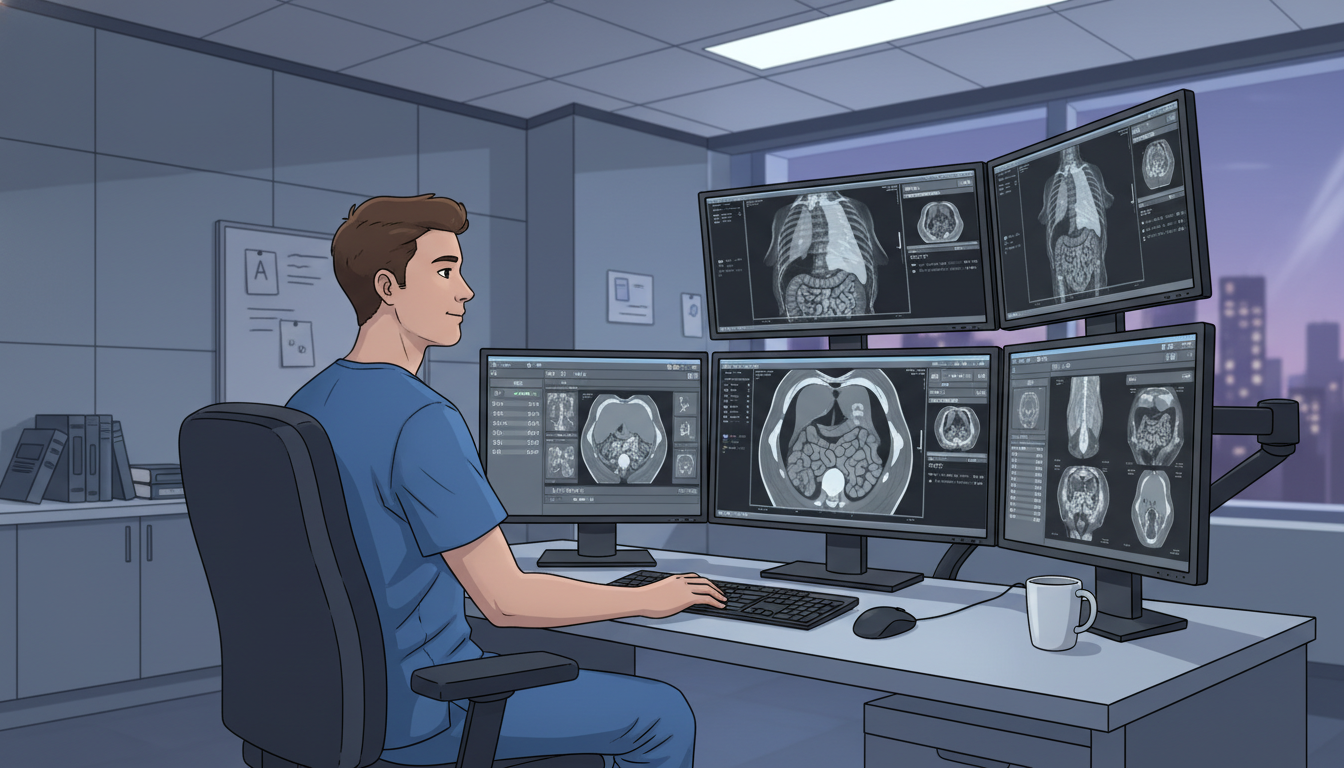
- Example radiology cases (e.g., free teaching files from academic radiology departments) after studying related Step 2 topics. This creates a powerful memory link between clinical presentation and imaging patterns.
Practical Test-Day Strategies for IMGs
Beyond content and question practice, test-day logistics can significantly influence your Step 2 CK score.
Managing Time and Fatigue
- Pacing during each block:
- Aim for ~1 minute and 15–20 seconds per question.
- If stuck, choose the best option, mark the question, and move on. Do not let one question cost you multiple others.
- Break strategy:
- You typically get about 45 minutes of break time.
- Consider:
- One longer break (10–15 minutes) mid-exam for food and bathroom.
- Several short breaks (5 minutes) between other blocks.
- Energy and nutrition:
- Bring easy, familiar snacks: nuts, fruit, simple sandwiches, or energy bars.
- Avoid trying new caffeine or energy drinks on test day.
Handling Exam Anxiety as an IMG
- Simulate the environment in advance:
- Take practice tests in a quiet environment with a hard chair, no phone, and strict timing.
- Use structured breathing during the exam:
- Between blocks, do 3–4 slow deep breaths to reset your focus.
- Normalize uncertainty:
- Nobody feels certain about every question; your goal is to consistently apply reasoning, not achieve perfection.
Common Pitfalls for IMGs
- Over-emphasizing rare diseases:
- Step 2 CK overwhelmingly tests common, high-impact conditions.
- Underestimating ethics and communication:
- Many IMGs struggle with these. Make sure you review:
- Confidentiality.
- Informed consent.
- End-of-life decisions.
- Cultural sensitivity and patient autonomy.
- Many IMGs struggle with these. Make sure you review:
- Not addressing language speed:
- If English is not your first language, practice reading long vignettes under time pressure using Qbanks and self-assessments.
Integrating Step 2 CK Preparation into a Broader Radiology Application Strategy
Step 2 CK is one component of your application; as an international medical graduate aiming for radiology residency, think strategically.
When to Take Step 2 CK Relative to the Match
Ideally, take Step 2 CK well before ERAS application deadlines, so:
- Your score is available when programs screen applications.
- You can demonstrate improvement if Step 1 was weak or borderline.
If your practice scores indicate:
- You are substantially below your target, it may be wise to delay taking the exam, even if that means applying a cycle later, to present a stronger application.
Using a Strong Step 2 CK Score in Your Application
- Personal statement:
- You usually wouldn’t highlight a test score directly, but you can:
- Emphasize resilience, disciplined study habits, and clinical reasoning skills that led to your performance.
- You usually wouldn’t highlight a test score directly, but you can:
- Letters of recommendation:
- Strong U.S. clinical or radiology letters that comment on your clinical judgment will pair nicely with a strong Step 2 CK score.
- Interview discussions:
- Be prepared to explain:
- How you approached your USMLE Step 2 study.
- What you learned about your own learning style.
- How those habits will translate to radiology training (e.g., meticulous review, pattern recognition).
- Be prepared to explain:
FAQs: Step 2 CK Preparation for IMGs in Diagnostic Radiology
1. How high does my Step 2 CK score need to be to match into diagnostic radiology as an IMG?
There is no universal cutoff, but for most IMGs, a Step 2 CK score ≥ 245–250 is a realistic minimum target for many radiology programs, with 250–260+ giving you a stronger chance at mid‑ to upper‑tier programs. Remember that this is only one part of your application; strong clinical experience, radiology exposure, and letters of recommendation are also critical.
2. Should I delay my Step 2 CK exam if my practice scores are low?
If your NBME or UWorld self-assessment scores are significantly below your target (for example, consistently under 235–240 when you are aiming for 250+), consider delaying the exam if your visa, graduation, or match timeline allows. It is generally better to take Step 2 CK once, with strong preparation, than to rush and obtain a weaker score that is hard to offset.
3. Do I need radiology-specific resources to prepare for Step 2 CK?
You do not need radiology textbooks or specialty resources for Step 2 CK preparation. Standard resources like UWorld and a concise Step 2 CK review book are sufficient. However, paying attention to imaging choices and classic radiologic descriptions in your Qbank explanations can subtly build your radiology knowledge while you prepare for the exam.
4. How can I balance Step 2 CK preparation with radiology research or observerships?
If you are engaged in research or observerships:
- Prioritize consistent daily Qbank practice, even if shorter (e.g., 1 block/day on busy days).
- Use early mornings or evenings for dedicated study.
- On lighter research days or weekends, increase your block count and devote time to deep review.
- Be realistic about your test date; if your obligations significantly limit your study time, extend the preparation period to 6+ months and schedule Step 2 CK for when you can commit to a high-intensity final 6–8 weeks.
By understanding how Step 2 CK fits into the diagnostic radiology match landscape and approaching your USMLE Step 2 study with a structured, IMG-focused plan, you can transform this exam from a barrier into a major strength in your application.