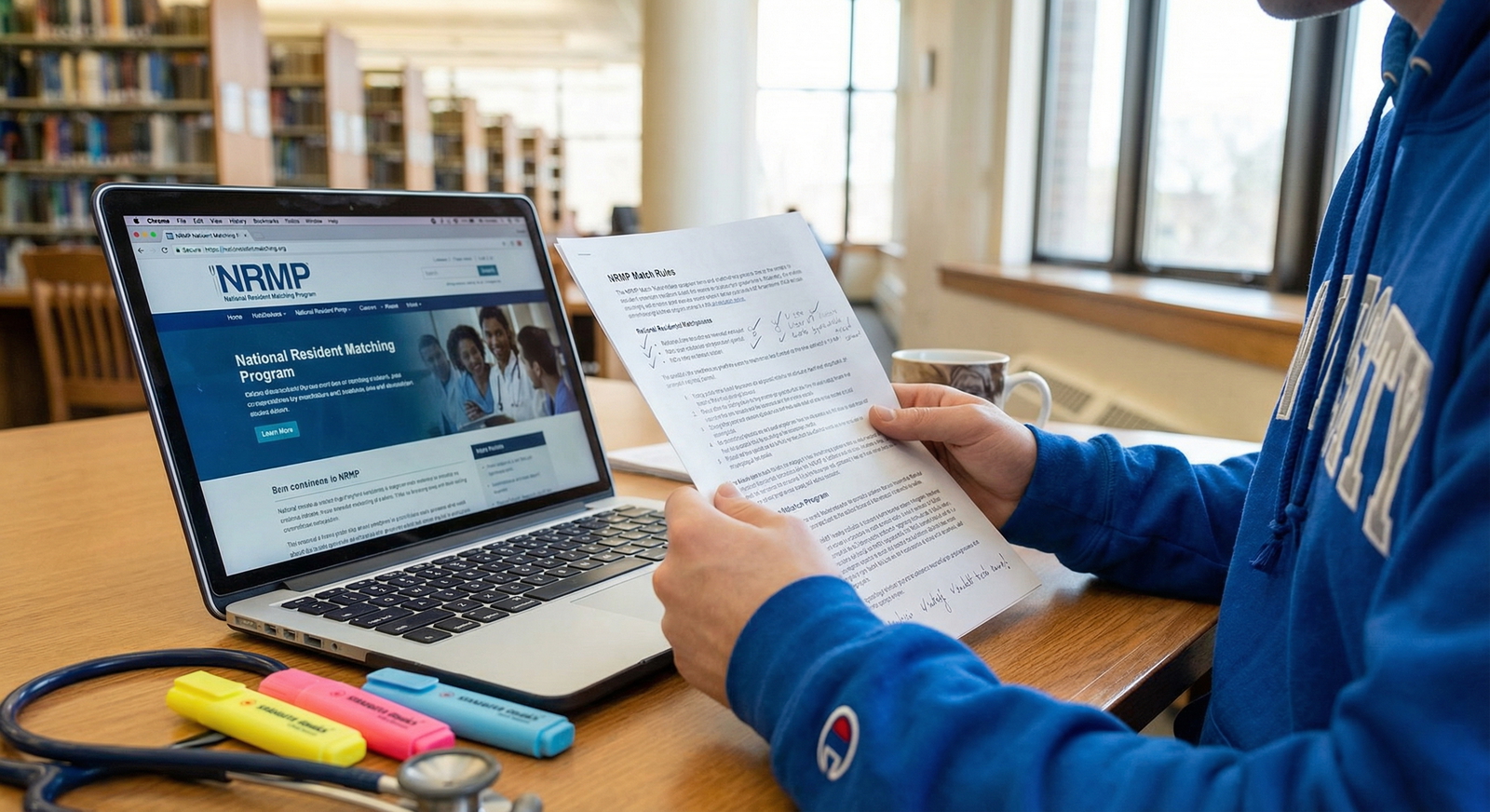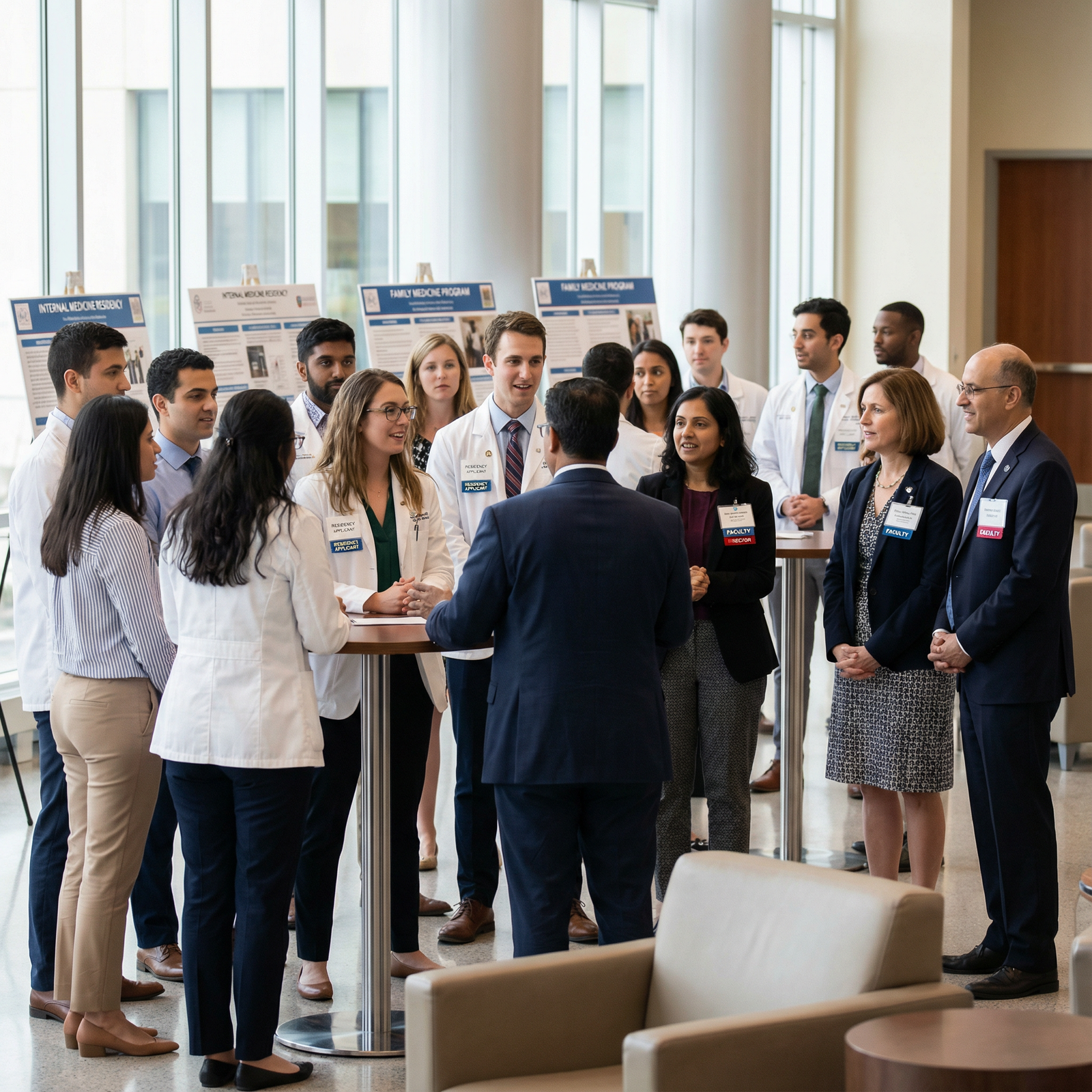
Understanding Step 2 CK in the Context of a Preliminary Surgery Year
For a non-US citizen IMG aiming for a preliminary surgery residency, USMLE Step 2 CK is strategically critical. While Step 1 has moved to pass/fail, program directors now rely much more heavily on your Step 2 CK score to compare applicants, especially foreign national medical graduates and non-US citizen IMGs.
For preliminary surgery (prelim surgery) specifically:
- Many prelim surgery spots are extremely competitive at university and large academic centers.
- Your Step 2 CK score may be the primary objective metric programs use to:
- Screen non-US citizen IMG applications
- Decide who to invite for interviews
- Distinguish strong prelim candidates from categorical surgery applicants who are “backing up” with a prelim year
What Step 2 CK tests:
Step 2 CK focuses on clinical knowledge and decision-making across core disciplines:
- Internal Medicine (majority of the test)
- Surgery (general surgery + subspecialties)
- Pediatrics
- OB/GYN
- Psychiatry
- Emergency Medicine
- Preventive medicine and public health
For a future surgical trainee, Step 2 CK is also a signal of:
- Ability to handle high-volume, acute clinical decision-making (e.g., trauma, GI bleeding, post-op management)
- Readiness for US hospital systems and multidisciplinary care
- Reliability and discipline—key traits on busy prelim surgery services
How Programs View Step 2 CK for Non-US Citizen IMGs
As a non-US citizen IMG or foreign national medical graduate, program directors often ask themselves:
- “Can this applicant function safely on my service on day one?”
- “Is this applicant able to manage post-op patients, call consults, and recognize emergencies?”
- “Will they pass Board exams and handle in-training exams?”
A strong USMLE Step 2 CK score helps answer “yes” to all of these.
While no single number guarantees interviews, competitive benchmarks for non-US citizen IMGs targeting prelim surgery at solid programs often look like:
- Target Step 2 CK score: Ideally >245, realistically ≥235 for broader options
- For very competitive academic programs or top university hospitals: aim ≥250 if possible
These are not hard cutoffs, but strategic goals. Programs understand that many foreign national medical graduates come from diverse systems; a strong score demonstrates your ability to excel in the US environment.
Strategic Planning: When and How to Prepare as a Non-US Citizen IMG
Timing Your Step 2 CK as an IMG Aiming for Preliminary Surgery
Your exam timing must align with the residency application cycle:
- For the NRMP Match, ERAS applications typically open in September.
- Most surgery programs want a Step 2 CK score available by interview season (October–January).
- As a non-US citizen IMG, you often need your Step 2 CK before you apply, because:
- Programs may hesitate to offer interviews without a numeric score.
- Visa needs can make programs more risk-averse.
Best-case timing:
- Take Step 2 CK by June–August of the year you apply, so your score is ready for ERAS submission in September.
- If you already took Step 1 late or had a marginal pass, Step 2 CK becomes even more time-sensitive and more important.
If you are still in medical school abroad:
- Consider doing Step 2 CK within 3–6 months of finishing core clinical rotations, when clinical medicine is fresh.
- If possible, pair your USMLE Step 2 study with a US clinical observership or elective; this improves both your clinical thinking and your letters of recommendation.
If you have already graduated:
- Plan at least 3–6 months of focused preparation if you have been away from clinical practice.
- Combine Step 2 CK preparation with recent clinical experience (national or international) to keep your clinical mind active.
Study Duration and Overall Strategy
Typical US students often study 6–10 weeks intensively. For a non-US citizen IMG with diverse curricula and possibly a gap from training, realistic planning is:
- 3 months: If you just finished clinical rotations and are strong in US-style multiple-choice testing.
- 4–6 months: If:
- You graduated more than 1–2 years ago,
- Your clinical exposure was limited,
- Or your English medical vocabulary needs reinforcement.
Break your total preparation into three phases:
Foundation & Content Review (4–10 weeks)
- Solidify core concepts in internal medicine, surgery, OB/GYN, pediatrics, psych, and emergency medicine.
- Build quick recall of “bread and butter” diagnoses and management.
Question-Heavy Integration (4–6 weeks)
- Focus primarily on question banks (UWorld, etc.).
- Identify weak areas and close knowledge gaps.
Exam Readiness & High-Yield Review (2–4 weeks)
- Practice full-length exams under timed conditions.
- Review high-yield topics, formulas, and guidelines.
- Fine-tune endurance and exam-day strategies.
Core Study Resources and How to Use Them Effectively

For USMLE Step 2 study as a foreign national medical graduate, your resource selection should be focused, not excessive. Using too many resources dilutes your efforts and delays progress.
1. Question Banks (Q-Banks) – The Core of Your Prep
UWorld Step 2 CK
This should be your primary resource. It mimics the style and difficulty of the real exam and integrates clinical reasoning and evidence-based management.
How to use it strategically:
- Aim to complete at least one full pass (≈3,000+ questions).
- If time allows, do a second, targeted pass of weak areas.
- Start relatively early—don’t wait until you’ve “finished content review.”
- Do timed, random blocks once you have a basic foundation. This trains you to switch between specialties like the real exam.
For a non-US citizen IMG:
- Use the “tutor mode” early if you are not yet comfortable with English medical terminology.
- Carefully read explanations for both right and wrong answer choices—this is where the learning happens.
- Build a digital or handwritten “error log” of mistakes and patterns (e.g., “always misjudge pre-op cardiac risk,” “often confuse ulcerative colitis and Crohn’s management”).
NBME Practice Exams & UWSAs
- Use NBME Comprehensive Clinical Science exams and UWorld Self-Assessments (UWSA) to:
- Estimate your Step 2 CK score
- Identify remaining weaknesses
- A common sequence:
- Early-mid prep: NBME to baseline your performance
- 4–6 weeks out: One NBME or UWSA
- 1–2 weeks out: Another self-assessment to confirm readiness
Don’t aim to memorize NBME question answers; instead focus on why you missed questions and what concept you misunderstood.
2. Content Review: Books and Online Lecture Series
You do not need many “big” textbooks. Choose one core reference plus targeted resources:
Popular core texts:
- Step-Up to Medicine – Strong for internal medicine concepts, high-yield, and clinically oriented.
- Online MedEd (videos & notes) – Excellent for structured conceptual review, especially if your clinical education was fragmented.
- Boards and Beyond (Step 2) – Useful for system-based deep dives.
For surgery-specific reinforcement to support your prelim surgery goals:
- Dr. Pestana’s Surgery Notes – Concise and high-yield for surgical decision-making.
- Selected resources like:
- “Surgical Recall” (especially if you are planning US clinical work or hands-on rotations)
- Online trauma and ATLS-based summaries (e.g., initial trauma survey, shock management)
As a non-US citizen IMG, pay extra attention to:
- US guidelines and protocols (e.g., ACS trauma guidelines, ACC/AHA cardiac guidelines, USPSTF screening).
- Emergency care algorithms (e.g., sepsis, anaphylaxis, MI, stroke).
3. Specialty-Specific Focus
Even though you are targeting preliminary surgery, remember that internal medicine is the largest portion of Step 2 CK.
Allocate approximate percentage of your study time:
- Internal Medicine: 40–50%
- Surgery: 15–20%
- OB/GYN: 10–15%
- Pediatrics: 10–15%
- Psychiatry and Ethics: 10–15%
Emphasize areas that align closely with surgical practice:
- Pre-op evaluation and risk stratification
- Fluid and electrolyte management
- Post-op complications (DVT/PE, wound infections, ileus, anastomotic leak)
- Sepsis and shock
- Trauma (blunt vs penetrating, head trauma, spinal trauma, abdominal imaging decisions)
Building a High-Yield Study Plan Tailored to Prelim Surgery Aspirants
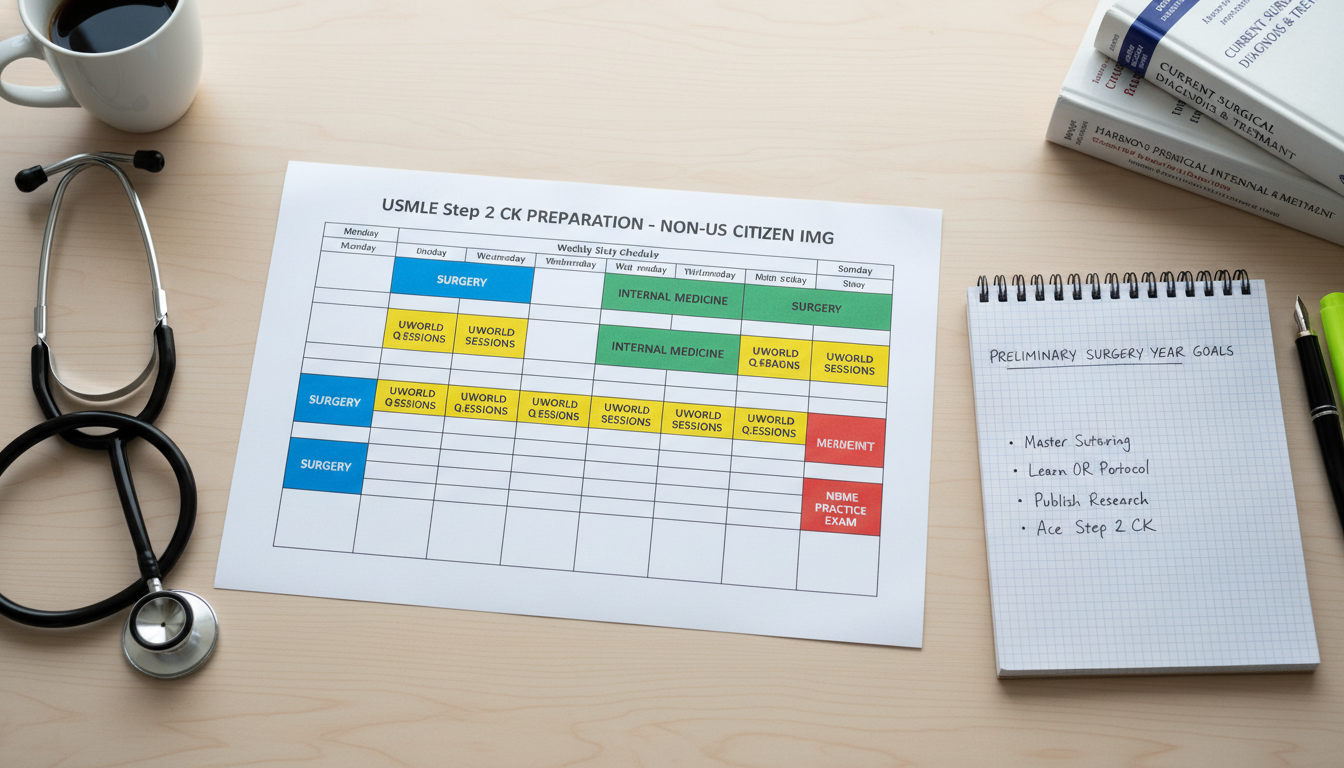
Sample 16-Week Study Plan for a Non-US Citizen IMG
You can adjust based on your timeline, but the structure below is a solid starting point.
Weeks 1–4: Foundation and Structured Review
Goals:
- Refresh core clinical medicine across systems.
- Start building US-style clinical reasoning and vocabulary.
Daily structure (approximate):
- 3–4 hours: Watch high-yield videos (Online MedEd / Boards & Beyond) or read Step-Up to Medicine.
- 2–3 hours: UWorld (20–40 questions/day in tutor or timed mode).
- 1 hour: Review UWorld explanations, update your error log, and make brief notes.
Weekly focus rotation:
- Week 1: Internal medicine (cardio, pulm, renal)
- Week 2: GI, surgery basics (pre-op/post-op), trauma principles
- Week 3: OB/GYN + pediatrics foundational topics
- Week 4: Psychiatry, neurology, ethics, epidemiology
Special tips for foreign national medical graduates:
- Every time you encounter unfamiliar guidelines (e.g., US cancer screening intervals), write them in a simple chart and review them weekly.
- If English is not your first language, read explanations aloud sometimes to internalize phrasing and vocabulary.
Weeks 5–10: Question-Heavy and Integration Phase
Goals:
- Transition to primarily Q-bank driven learning.
- Simulate exam conditions regularly.
Daily structure:
- 3–4 hours: UWorld (40–60 questions/day, increasingly in timed, random mode).
- 2–3 hours: Deep review of explanations, targeted reading only where needed.
- 0.5–1 hour: Review of notes, flashcards, or Anki (if you use it).
Key targets:
- By Week 10, aim to have completed 100% of UWorld once.
- Take your first NBME or UWSA around Week 6–8 to gauge progress.
How to interpret practice scores:
- If your practice exam score predicts <230, increase your focus on fundamentals, slow down, and address knowledge gaps.
- If you’re in the 235–245 range, you’re on track; continue consolidating and aim to push higher.
- If you’re >245, focus on preserving strengths and ironing out specific weaknesses before test day.
Weeks 11–16: Final Push, High-Yield Review, and Full-Length Practice
Goals:
- Strengthen weak areas identified by practice exams.
- Build test endurance and time management skills.
- Sharpen high-yield surgery and emergency care topics.
Weekly structure:
- 3–4 days/week: Two timed blocks of UWorld or mixed questions + review.
- 1–2 days/week: Dedicated weakness review (e.g., OB hemorrhage, pediatric rashes, psych emergencies).
- 1 day/week: If available and feasible, full-length exam simulation (multiple blocks, standard breaks).
High-yield checklist for prelim surgery aspirants:
- Can you confidently manage:
- Post-op fever by postoperative day (POD #1 vs POD #5 vs POD #10)?
- Acute abdomen (ruptured aneurysm vs perforated ulcer vs appendicitis)?
- Common orthopedic emergencies (compartment syndrome, septic arthritis)?
- Trauma triage decisions (who goes to OR immediately vs CT vs observation)?
- Are you strong on internal medicine basics that surgeons use daily?
- DKA vs HHS
- Hyponatremia, hyperkalemia management
- DVT/PE diagnosis and anticoagulation
- Have you memorized:
- VTE prophylaxis protocols in surgical patients
- Antibiotic prophylaxis (which operations need which prophylaxis)
- Vaccination and screening guidelines relevant to pre-op evaluation
Common Challenges for Non-US Citizen IMGs and How to Overcome Them
1. Differences in Clinical Culture and Guidelines
Many non-US medical schools emphasize:
- Pathology over clinical algorithms
- Memorization over evidence-based guidelines
- Different local treatment protocols
To adapt effectively:
- Throughout your USMLE Step 2 study, actively compare “what I learned at home” vs “what US guidelines recommend.”
- For conflicting approaches, follow US guidelines for the exam:
- Example: initial management of STEMI, DVT, sepsis, breast cancer screening ages, colon cancer screening intervals.
Use authoritative sources for quick verification:
- UWorld explanations (they often reference major guidelines)
- UpToDate (if you have access)
- ACC/AHA, ACS, USPSTF summaries (abbreviated guideline charts online)
2. Language, Reading Speed, and Test Endurance
As a foreign national medical graduate, you may face:
- Slower reading of long question stems in English
- Fatigue across 8 testing blocks
- Difficulty parsing subtle wording and “trick phrases”
Practical strategies:
- Practice under timed conditions early, not just in the last weeks.
- When reviewing questions, notice:
- Phrases that change management (“hemodynamically unstable,” “allergic to penicillin,” “pregnant,” “elderly with CKD”).
- Regularly do 1–2 blocks back-to-back to build stamina.
- Simulate test conditions:
- Use noise-cancelling headphones or earplugs.
- Sit at a desk, no phone, strict timing.
If you find reading speed to be a major limitation:
- Spend 10–15 minutes daily reading English-language clinical articles or US guidelines.
- Avoid translating in your head; practice thinking in English about clinical cases.
3. Balancing Step 2 CK Prep with Other Application Tasks
Non-US citizen IMGs often must juggle:
- Securing US clinical experiences / observerships
- Collecting letters of recommendation
- Dealing with visa documentation
- Preparing ERAS and personal statements
To protect your Step 2 CK preparation:
- Treat your USMLE Step 2 study as your main “full-time job” during your preparation period.
- Batch administrative tasks:
- 1–2 afternoons per week for ERAS, CV, email communication.
- Communicate clearly with supervisors:
- If doing an observership, mention you are preparing for Step 2 CK and may need some evenings for study.
Using Your Step 2 CK Score Strategically for Preliminary Surgery Applications
Your final Step 2 CK score becomes a central part of your prelim surgery residency strategy.
Interpreting Your Score as a Non-US Citizen IMG
- >250: Strong for many university and academic prelim surgery programs. Combine this with solid letters (preferably US surgeons), clear explanation of your career goals, and any research or clinical work.
- 240–249: Still competitive for many programs. Prioritize programs known to take non-US citizen IMGs and be realistic but confident.
- 230–239: You should apply broadly and strategically:
- Mix academic and strong community programs.
- Consider programs with a history of sponsoring visas.
- Below 230: Focus on:
- Programs that explicitly welcome IMGs.
- Strengthening the rest of your application (US clinical experience, strong letters, clear motivation, possibly research).
Matching Your Application Story with Your Score
For a preliminary surgery year, program directors know that:
- Some applicants want eventual categorical general surgery.
- Others are using a prelim surgery year as a stepping stone into other specialties (anesthesia, radiology, etc.).
- Non-US citizen IMGs may have more complex immigration or career pathways.
Use your personal statement and interviews to:
- Clearly state why you want a prelim surgery year:
- Commitment to surgery as a long-term career, or
- Desire for intense clinical exposure and operative experience before reapplying to categorical positions.
- Explain how your USMLE Step 2 CK preparation and performance demonstrate:
- Strong work ethic
- Rapid adaptability to US clinical practice
- Readiness to take call and manage acute surgical patients
If you had a weaker Step 1 but a stronger Step 2 CK:
- Emphasize the improvement as evidence of growth, resilience, and maturity.
- Program directors often view a strong Step 2 CK score as more relevant to clinical performance than Step 1 now.
FAQs: Step 2 CK Preparation for Non-US Citizen IMGs Targeting Preliminary Surgery
1. What is a “good” Step 2 CK score for a non-US citizen IMG applying to prelim surgery?
While there is no universal cutoff, approximate targets are:
- 250+ – Very strong; competitive for many academic prelim surgery programs.
- 240–249 – Solid; competitive for a broad range of programs if the rest of your application is strong.
- 235–239 – Reasonable; you should apply broadly, especially to IMG-friendly and community-based programs.
- <235 – You can still match, but you must emphasize your strengths (US clinical experience, strong LORs, research, and clear career goals) and apply widely.
Programs will interpret your Step 2 CK score in the context of your overall profile: medical school, gaps, visa needs, clinical experience, and letters.
2. How many months should I study for Step 2 CK as a foreign national medical graduate?
Most non-US citizen IMGs do well with:
- 3 months of intensive study if recently finished clinical rotations and have no large knowledge gaps.
- 4–6 months if:
- There has been a gap since graduation,
- You trained in a system very different from the US,
- Or English is a major barrier.
The key is consistent, daily work rather than an exact number of months. You should be consistently scoring near or above your target range on NBME/UWSA practice exams before scheduling the real test.
3. Should I delay my ERAS application to improve my Step 2 CK score?
In general:
- If you are likely to improve from borderline to clearly competitive (for example, predicted 225 vs potential 240+), it may be worth delaying the test slightly, but not the entire application cycle.
- For non-US citizen IMGs, it is usually better to have a solid Step 2 CK score in your application at the time of submission, because many programs will not offer interviews without it.
- Avoid planning the exam so late (e.g., November–December) that your score comes after most interviews have been offered.
Discuss your specific situation with mentors or advisors who understand the prelim surgery residency landscape and your visa circumstances.
4. Do I need a specially high Step 2 CK score because I am a non-US citizen IMG?
You are competing not only with other non-US citizen IMGs, but also with US graduates and categorical surgery applicants seeking backup prelim positions. Because some programs are cautious about visa sponsorship, they may unconsciously hold IMGs to a slightly higher standard on objective metrics.
This does not mean you must have a “perfect” score; it means:
- Treat Step 2 CK as an opportunity to stand out positively.
- Aim to minimize doubts in a program director’s mind: a strong Step 2 CK score is one of the clearest ways to do that.
- Even if your score is average, a carefully built application—IMG-friendly programs, strong US letters, coherent story—can still secure interviews and a prelim surgery year.
By approaching USMLE Step 2 CK preparation with a clear strategy tailored to your situation as a non-US citizen IMG and aligning your efforts with the expectations of preliminary surgery residency programs, you significantly improve your chances of securing interviews and matching. Your Step 2 CK score is not just a number; it is a powerful signal of your readiness to thrive in the demanding, fast-paced environment of a prelim surgery year in the US.