



Why Step 2 CK Matters So Much for US Citizen IMGs Targeting PM&R
For a US citizen IMG or American studying abroad, your USMLE Step 2 CK score is often the single most important numeric factor in your physiatry match application. As more Physical Medicine & Rehabilitation (PM&R) programs move away from Step 1 score-based screening, they increasingly use Step 2 CK to:
- Decide whom to interview
- Compare IMGs to US MD/DO applicants
- Assess readiness for residency and clinical reasoning skills
For a US citizen IMG, Step 2 CK matters even more because program directors may have limited context about your school’s grading, clinical rigor, or reputation. A strong Step 2 CK score can:
- Reassure programs that you can handle US-based clinical work
- Compensate (to a degree) for older Step 1 attempts, initial failures, or a lesser-known school
- Help you stand out in a competitive PM&R residency pool
PM&R–specific angle: Many PM&R trainees come from Internal Medicine, Neurology, or Family Medicine prelim years. Programs want applicants with solid internal medicine and neurology foundations—both heavily tested on Step 2 CK. Your performance on Step 2 CK is an indirect signal that you’ll be safe and effective when managing:
- Neurorehab patients (stroke, TBI, SCI)
- Complex medical comorbidities (CAD, diabetes, CKD)
- Post-op rehab (orthopedics, spine, amputees)
So, as a US citizen IMG targeting PM&R, your Step 2 CK preparation is not just about passing—your goal is a clear strength on your application.
Understanding Step 2 CK Through a PM&R Lens
Exam Structure and Weighting
USMLE Step 2 CK is a one-day, computer-based exam with eight 60-minute blocks, ~40 questions per block (maximum 318 questions total). It emphasizes:
- Clinical reasoning and decision making
- Diagnosis and management
- Prognosis and preventive care
- Medical ethics and communication
Content is distributed among:
- Internal Medicine & Subspecialties – largest share
- Surgery, OB/GYN, Pediatrics, Psychiatry – significant portions
- Neurology & Emergency Medicine – heavily integrated
For PM&R, pay particular attention to:
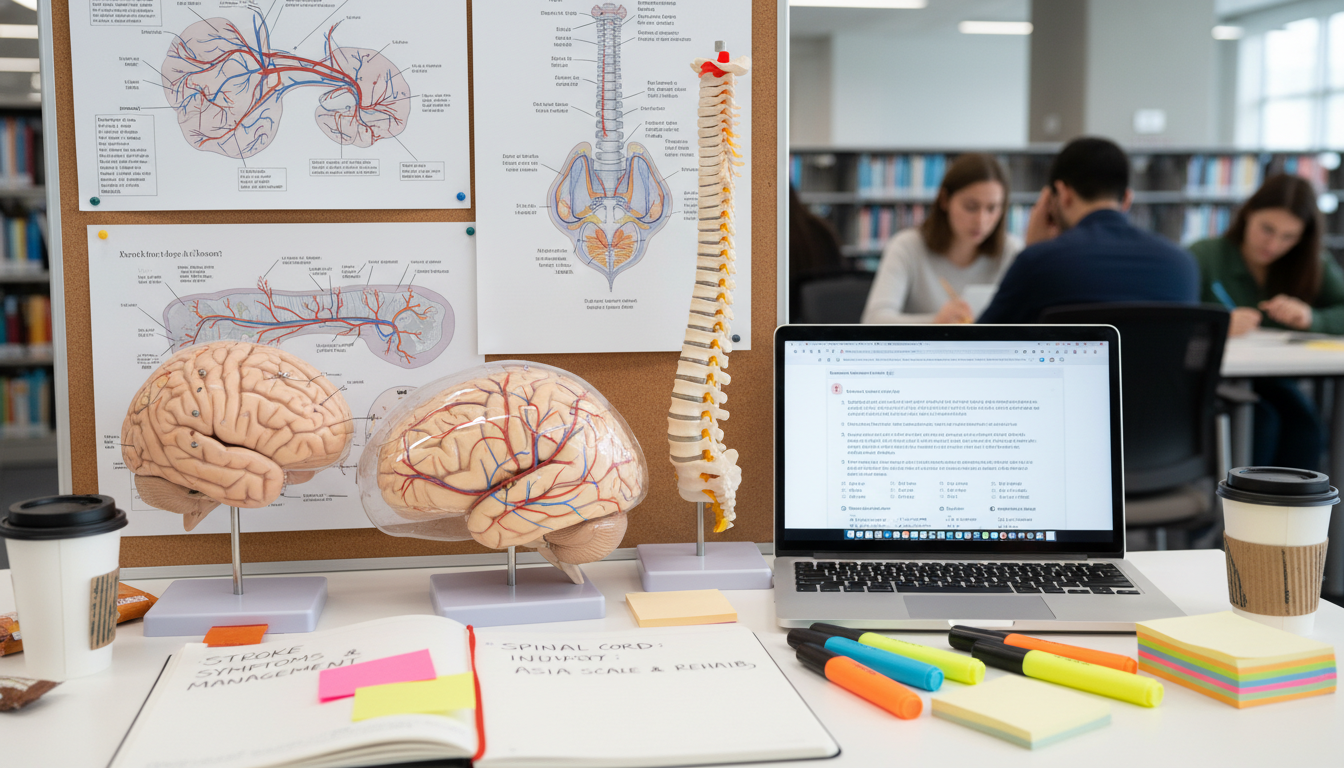
- Neurology (stroke, multiple sclerosis, spinal cord injury, neuropathies)
- Musculoskeletal medicine (low back pain, osteoarthritis, fractures)
- Rheumatology and orthopedic topics
- Pain management and safe opioid prescribing
- Functional status, rehab planning, and discharge disposition (even if not labeled “PM&R”)
While PM&R is not a “core” tested discipline like internal medicine, the clinical situations you’ll see in physiatry (post-stroke rehab, SCI, amputations, chronic pain) are deeply embedded in neurology, orthopedics, and internal medicine questions.
What Score Should a US Citizen IMG Aim For in PM&R?
Ranges vary by year, but general guidance for US citizen IMGs pursuing PM&R:
- Minimum to remain competitive at many programs: ~225–230
- Stronger shot at interviews, including mid-tier programs: 235+
- Highly competitive, especially if other parts of your file are solid: 245+
These are not rigid cutoffs, but they’re realistic benchmarks if you want to maximize your physiatry match chances as a US citizen IMG.
If your Step 1 is pass/fail or slightly weaker, your Step 2 CK score becomes the main objective measure of your knowledge and test-taking ability. Plan your USMLE Step 2 study to reflect that.
Building a High-Yield Step 2 CK Study Plan as a US Citizen IMG

Step 1: Clarify Your Timeline and Constraints
As an American studying abroad, your calendar is often more complex than a US medical student’s. Consider:
- Current clinical responsibilities: Are you in heavy wards, outpatient electives, or a lighter research block?
- Geography and time zones: Will you take the exam in the US or abroad? Schedule earlier if travel is involved.
- Residency application cycle:
- Taking Step 2 CK by June–July of the application year is ideal to have your score ready by ERAS opening.
- Later exams (e.g., September–October) can work but may limit early interview offers.
Action point: Pick a test date 3–6 months away, depending on your baseline, and build a backwards-timed schedule.
Step 2: Decide on Study Duration and Intensity
Typical timelines for US citizen IMGs:
- 3 months (full-time dedicated) – For strong Step 1 performance, strong clinical background, aiming for 240+
- 4–6 months (part-time while on rotations) – More common for IMGs; can still achieve an excellent Step 2 CK score if well-structured
- 8+ months (fragmented, low intensity) – Risky unless followed by a 6–8 week intense dedicated phase to consolidate
When planning, be honest about:
- Daily available hours (consistent 4–6 hours vs. 1–2 hours on busy rotation days)
- Level of fatigue and burnout after long clinical shifts
- Access to stable internet and quiet study spaces
Step 3: Core Resources for Step 2 CK Preparation
For both US citizen IMGs and US grads, the core toolkit is similar, but you must be especially strategic and disciplined:
1. Question banks (Qbanks)
UWorld Step 2 CK – Non-negotiable primary resource
- Aim to complete 100% of questions, preferably 1.2–1.5x if time allows
- Use tutor mode early for learning, then timed blocks later
- Treat UWorld as a learning tool, not just an assessment
Amboss (optional, but helpful if you want a second bank or better explanations)
- Good for targeted weaknesses (e.g., neurology, MSK, pediatrics)
2. Review resources
Online MedEd (OME) / Boards & Beyond (if you used it for Step 1/2)
- Great for revisiting weak systems and building clinical frameworks
- Use on commute or lighter days
NBME practice exams and UWSAs
- Essential for tracking readiness and estimating your Step 2 CK score
- Take at least 2–3 NBME forms and UWSA1 + UWSA2
3. Reference texts (selected, not primary)
- Step-Up to Medicine or similar, if you need deeper internal medicine reinforcement
- Targeted references in neurology, orthopedics, and rheumatology as these relate closely to PM&R practice
Step 4: Designing Your Weekly Study Structure
A structured weekly schedule is critical, especially if you are balancing clinical duties as an IMG:
Example: 5–6 day/week schedule (4–6 hours per day)
- Daily (core):
- 40–80 UWorld questions (1–2 blocks) in timed mode
- Thorough review of all explanations, including wrong and right answers
- 3–4 days/week:
- 1–2 hours of video or systematic review (e.g., OME) for weak systems
- 1 day/week:
- Longer content review and error log consolidation
- Light reading or rest in the evening
Dedicated period (final 4–6 weeks)
- Ramp up to 80–120 UWorld questions/day
- Full-length simulation once weekly (NBME or UWSA)
- Active review of your highest-yield notes and errors
For a US citizen IMG, the challenge is often consistency while in a different healthcare system. Protect your study time aggressively:
- Communicate with attending physicians about exam prep (within reason)
- Block off non-negotiable hours in your calendar
- Use shorter windows (20–30 minutes) for flashcards and quick review
High-Yield Content Strategies with a PM&R Emphasis
Internal Medicine: The Foundation of Safe PM&R
Internal medicine is the largest portion of Step 2 CK and directly informs rehab management. Focus on:
Cardiology:
- ACS, heart failure, arrhythmias, anticoagulation
- Perioperative risk assessment (important for elective surgeries leading to rehab)
Pulmonology:
- COPD/asthma exacerbations, pneumonia, pulmonary embolism
- Ventilator management basics—critical for SCI and severe TBI rehab planning
Endocrinology:
- Diabetes management (insulin regimens, DKA/HHS)
- Hypothyroidism, hyperthyroidism, adrenal disorders
Nephrology and electrolytes:
- AKI vs CKD, dialysis indications
- Sodium, potassium, and calcium disorders—test favorites
PM&R relevance example:
A stroke patient in inpatient rehab suddenly becomes short of breath and tachycardic. Your Step 2 CK training should allow you to think “PE vs pneumonia vs CHF exacerbation” and know immediate next steps (e.g., CT-PA vs chest X-ray vs diuretics).
Neurology: Essential for PM&R Physicians
Neurology is arguably the most PM&R-relevant Step 2 CK domain. Prioritize:
Stroke:
- Ischemic vs hemorrhagic, acute management, secondary prevention
- Complications: aspiration, DVT, depression, spasticity
Spinal cord injury (SCI):
- Level and completeness of lesions
- Neurogenic bladder/bowel, autonomic dysreflexia, pressure ulcer prevention
Demyelinating and neuromuscular disease:
- Multiple sclerosis, Guillain–Barré, myasthenia gravis, peripheral neuropathies
Movement disorders and gait abnormalities
Even though the exam may not say “rehab plan,” questions often ask about:
- Disposition (acute rehab vs SNF vs home with PT/OT)
- DVT prophylaxis, pressure ulcer prevention, and aspiration risk reduction
- Appropriate therapy services for various functional limitations
Musculoskeletal, Orthopedics, and Rheumatology
These domains overlap heavily with everyday physiatry:
Back and neck pain:
- Red flag symptoms (cauda equina, malignancy, infection)
- First-line management and imaging guidelines
Osteoarthritis vs inflammatory arthritis:
- Diagnosis, initial management, indications for joint replacement
Fractures and post-op care:
- Hip fractures, vertebral compression fractures
- When weight-bearing is allowed, thromboprophylaxis
Amputations:
- Indications (e.g., critical limb ischemia, severe trauma)
- Early post-op management and prosthetic-related issues
PM&R relevance example:
A question may ask whether a patient with a hip fracture post-ORIF should go to acute rehab or SNF. Understanding medical complexity vs functional potential—core PM&R thinking—helps you choose the best disposition.
Psychiatry and Behavioral Health: Often Underestimated
PM&R patients often struggle with:
- Depression after spinal cord injury or stroke
- Substance use disorders, especially in chronic pain
- Adjustment disorders and anxiety
For Step 2 CK, make sure you can:
- Distinguish between major depressive disorder, adjustment disorder, grief
- Recognize and manage opioid use disorder and safe tapering strategies
- Apply basic principles of psychotherapy and pharmacologic treatment
Ethics, Communication, and Systems-Based Practice
US citizen IMGs can be at a disadvantage if their school did not emphasize US-style ethics and systems questions. These are high-yield and relatively easy points once you know the patterns:
- Informed consent, capacity, and surrogate decision-making
- End-of-life care, DNR/DNI, palliative vs hospice care
- Dealing with angry or nonadherent patients
- Confidentiality (minors, abuse, reportable diseases)
PM&R is a highly team-based and patient-centered specialty; demonstrating strength in these areas on Step 2 CK is both exam- and specialty-relevant.
Test-Taking Strategy, Self-Assessment, and Execution on Exam Day
Using Practice Exams to Guide Your Prep
For serious Step 2 CK preparation, especially as a US citizen IMG, plan multiple data points:
- NBME forms (e.g., 9, 10, 11 or whichever are currently available)
- UWorld Self-Assessment 1 (UWSA1)
- UWorld Self-Assessment 2 (UWSA2)
How to use them:
Baseline NBME early (8–12 weeks out)
- Establish starting level
- Identify broad weak areas (e.g., pediatrics, OB, neurology)
Mid-prep NBME or UWSA (4–6 weeks out)
- Evaluate if your current Step 2 CK study strategy is working
- Adjust resource allocation (more time to weak systems)
Final UWSA + NBME (1–2 weeks before exam)
- Should be within ~5–10 points of each other
- If both are at or above your target score, you’re ready
- If significantly below, consider whether to postpone
Targeting Weaknesses Systematically
Creating an error log is critical:
Log each missed question with:
- System and topic (e.g., neuro – stroke, IM – heart failure)
- Type of error (knowledge gap, misread question, poor time management)
- Key takeaway or rule
Revisit this log every 2–3 days, and intensively during the final 2 weeks
As a US citizen IMG, you may notice patterns tied to your medical school’s curriculum gaps—e.g., limited pediatrics or OB exposure. Use targeted review (videos, Amboss articles, specific UWorld blocks) to close those gaps.
Exam Day Skills: Endurance and Timing
Step 2 CK is mentally exhausting. To simulate the real test:
- Once a week in the final month, do:
- 6–8 consecutive timed blocks of 40 questions (UWorld or mixed NBME/UWSA + UWorld)
- Practice break management (10–15 minutes after every 2nd block)
On exam day:
- Use every break wisely—hydration, quick snack, brief walk
- Avoid reviewing answers during breaks; focus on recovery
- Don’t obsess over a single hard question—pick best answer, mark if needed, move on
PM&R-Specific Opportunities Around Step 2 CK
Step 2 CK preparation doesn’t exist in isolation. As a US citizen IMG aiming for PM&R residency, you can strategically connect your exam prep to your broader application:
1. Aligning Electives with Your Step 2 CK Timeline
If possible, schedule:
- Internal Medicine or Neurology rotations before or during your Step 2 CK study period
- US-based PM&R electives after Step 2 CK, when you’re less stressed about standardized exams
The internal medicine and neurology content you study will:
- Help you shine on clinical rotations (better evals and letters)
- Reinforce the high-yield topics you’ll see on Step 2 CK
2. Talking About Step 2 CK in Your PM&R Narrative
If you achieve a strong Step 2 CK score, you can emphasize it as evidence of:
- Robust clinical reasoning
- Strong internal medicine/neurology foundation for rehabilitation medicine
- Ability to succeed in a rigorous US training environment and exams (e.g., future boards)
If your score is more modest but solidly passing:
- Highlight upward trend from Step 1, if applicable
- Emphasize your clinical performance, PM&R exposure, and hands-on skills
3. Timing Score Release with ERAS
If you take Step 2 CK:
- By late June–early July: Score often available before ERAS opens; programs see it early
- August–September: Scores may still be available in time but may miss some early screening
- October or later: Risky—many programs may already have sent initial interview offers
For a US citizen IMG, earlier is generally better, but never rush Step 2 CK at the expense of adequate preparation. A strong late score is usually more valuable than a weak early one.
Frequently Asked Questions (FAQ)
1. As a US citizen IMG, how important is my Step 2 CK score for PM&R compared to US grads?
Your Step 2 CK score often carries more weight as a US citizen IMG than for US MD/DO students because:
- Programs have fewer reference points for your school’s grading and clinical rigor
- Some may use exam scores as an initial screen to decide which IMGs to review in depth
A strong Step 2 CK score can significantly improve your chances of a successful physiatry match, especially when paired with US clinical experience and PM&R electives.
2. What Step 2 CK score should I realistically aim for if I want to maximize my PM&R residency chances?
For most US citizen IMGs targeting PM&R:
- 225–230: Competitive for some programs if other parts of your file are strong
- 235+: Solid for many programs; opens more doors
- 245+: Highly competitive range, especially when combined with strong letters, US rotations, and PM&R exposure
Your individual target should consider your Step 1 history, school background, and the types of programs you’re aiming for.
3. How can I balance Step 2 CK preparation with PM&R electives and research?
Prioritize in this order:
- Strong Step 2 CK score – foundational for getting interviews
- US-based PM&R electives and letters of recommendation
- Research – helpful but usually secondary to scores and clinical performance
If you’re on a busy PM&R elective close to your exam, maintain at least 2–3 hours/day of focused Step 2 CK study, and consider scheduling the exam shortly after your block rather than mid-rotation.
4. Should I delay my Step 2 CK exam if my practice scores are below my target?
Yes, if:
- Your NBME and UWSA scores consistently fall well below your target
- You estimate that with an extra 4–6 weeks of focused study you could realistically improve
Do not delay repeatedly without changing your study approach. Analyze your weaknesses, adjust your USMLE Step 2 study plan, and use your additional time strategically. For most US citizen IMGs, a stronger late score is better than rushing into a mediocre one that could limit PM&R interview opportunities.
By approaching your Step 2 CK preparation with a structured plan, clinical reasoning focus, and PM&R-oriented perspective, you can turn this exam into a core strength of your application as a US citizen IMG and significantly enhance your chances of matching into a rewarding career in Physical Medicine & Rehabilitation.




















