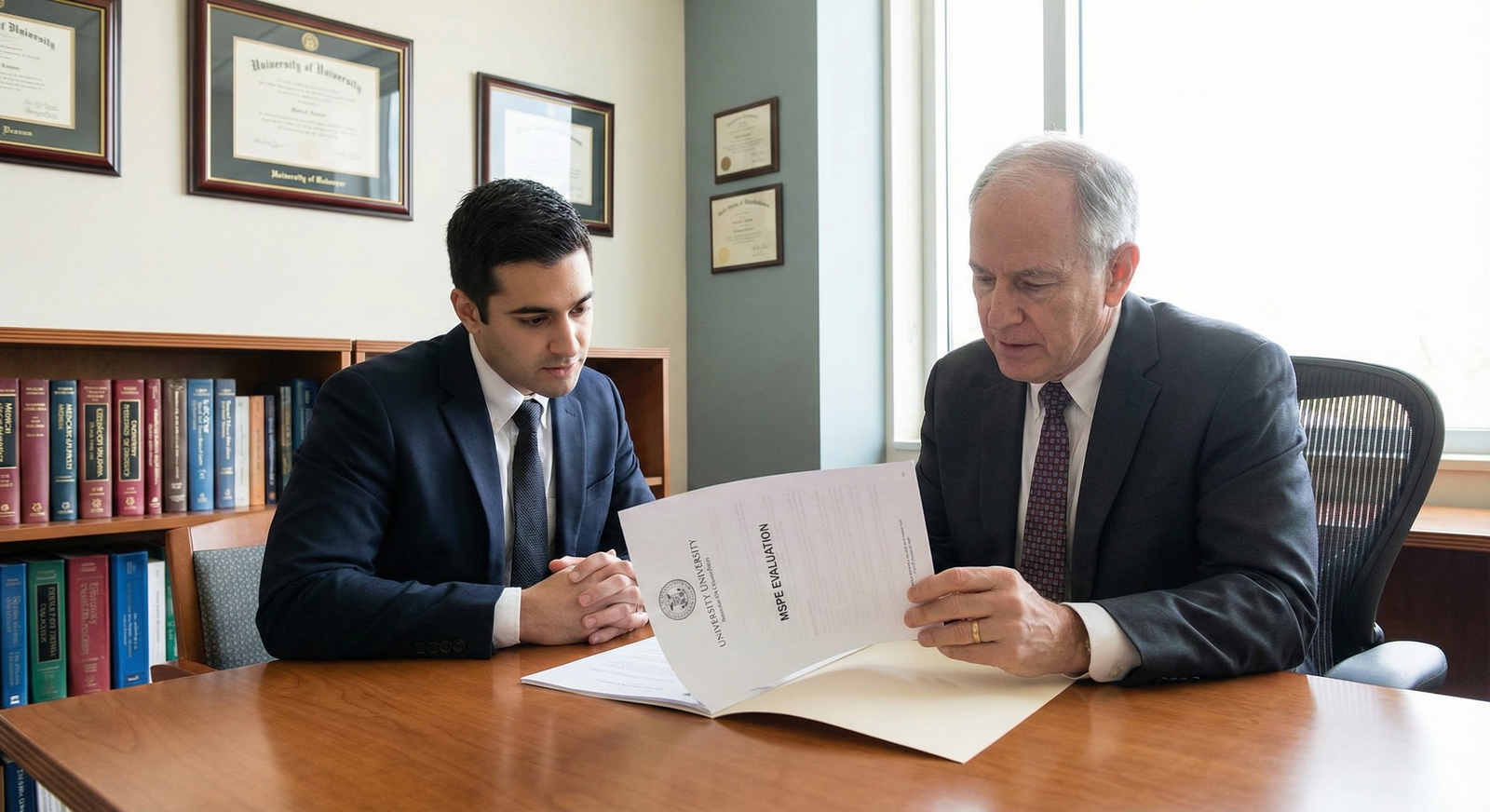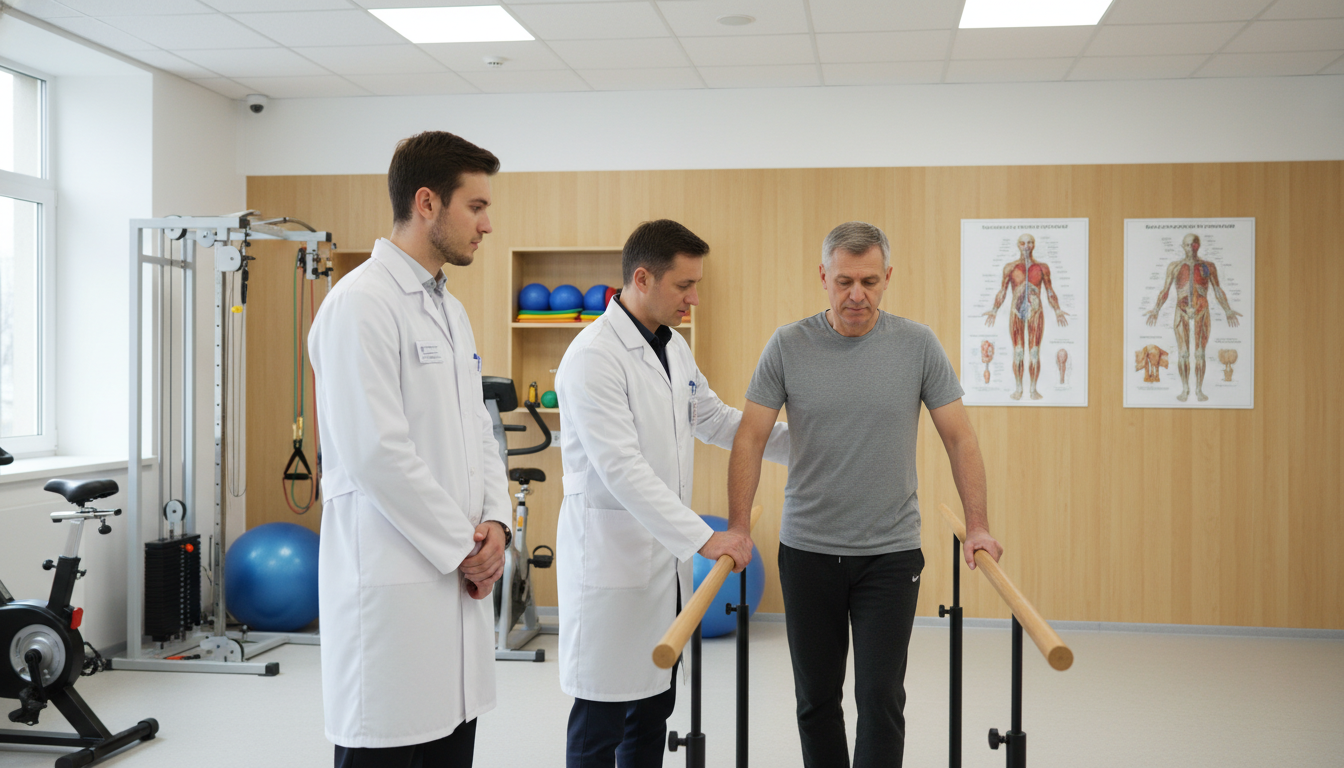
Preparing for USMLE Step 2 CK as a future orthopedic surgeon is uniquely challenging. You’re balancing demanding clinical rotations, sub-internships, research, and early ortho application planning—while still needing a competitive Step 2 CK score for an increasingly data-driven ortho match. This guide is designed specifically for orthopedic surgery residency applicants who want to build a high-yield, efficient, and realistic Step 2 CK preparation plan.
Understanding Step 2 CK in the Orthopedic Surgery Residency Context
Orthopedic surgery remains one of the most competitive residency specialties. With the USMLE Step 1 transition to pass/fail, many program directors now rely more heavily on Step 2 CK scores when screening applications.
Why Step 2 CK Matters for Ortho
For the orthopedic surgery residency selection process, Step 2 CK can serve several roles:
- Screening metric: Programs often use score thresholds for initial application review. A strong Step 2 CK score can compensate for a pass-only Step 1 and help you survive first-round filters.
- Evidence of clinical readiness: Step 2 CK emphasizes clinical reasoning, patient management, and real-world scenarios—skills crucial for surgical interns.
- Tie-breaker between strong applicants: When many applicants have similar research, clerkship grades, and letters, a higher Step 2 CK score can stand out.
- Redeeming factor: If you had a weaker Step 1 outcome (or took it late), a strong Step 2 CK score can demonstrate upward trajectory and resilience.
Target Step 2 CK Score for Ortho Match
Exact thresholds vary by year and by program, but as a rule of thumb for the ortho match:
- Highly competitive academic programs: Often prefer applicants with Step 2 CK ≥ 250+
- Mid-to-strong programs: Many successful applicants will cluster around 240–250
- More attainable but still solid: 235–240 can still be competitive if the rest of your application is strong (honors in core clerkships, strong letters, meaningful ortho exposure)
These are not strict cutoffs, and strong clinical performance, research, and mentorship can compensate for somewhat lower scores. However, aiming for at least the high 230s or above is a reasonable goal if orthopedic surgery residency is your primary target.
Building a High-Yield Study Strategy for Step 2 CK
Your Step 2 CK strategy must fit around demanding clinical rotations and early ortho application planning. A generic “study hard” approach is not enough—you need a structured, orthopedically realistic plan.
Step 1: Assess Your Baseline and Timeline
Before committing to resources and schedules:
- Identify your exam window.
- Most ortho applicants take Step 2 CK between end of third year and early fourth year, often:
- After core clerkships and before acting internships (sub-Is), or
- Between early sub-Is to ensure a score is available for ERAS.
- Most ortho applicants take Step 2 CK between end of third year and early fourth year, often:
- Determine your dedicated time.
- Many students get 2–6 weeks of “dedicated” time.
- Ortho-bound students often have less flexibility due to sub-Is and away rotations; planning early is essential.
- Take a baseline practice exam.
- Use an NBME Step 2 CK practice form or UWorld Self-Assessment (UWSSA).
- This guides how aggressively you need to study and what Step 2 CK score target is realistic.
Example baseline interpretation (not official scales):
- 260+ baseline: Maintain and refine; focus on weaknesses and test-taking strategy.
- 240–255: Very solid; push for incremental gains toward 250+.
- 220–240: Strong potential for improvement with focused work; prioritize high-yield topics and question bank completion.
- <220: Consider extending your timeline if possible and be systematic about content gaps.
Step 2: Select Core Resources (Less Is More)
Resist resource overload. For orthopedics-bound students juggling rotations, a lean, high-yield set is best:
Primary resources:
- UWorld Step 2 CK QBank (non-negotiable)
- NBME practice exams (for score prediction and pacing)
- A concise text or platform such as:
- UWorld explanations + notes as your main content review
- Or a dedicated Step 2 CK review book / online system (e.g., OnlineMedEd, Boards & Beyond for tricky foundations if needed)
Secondary (optional) resources if you have time or clear weaknesses:
- Amboss QBank (particularly helpful for rapid reference during rotations)
- Specialty-specific questions for weak areas (e.g., pediatrics or OB/GYN if you struggled clinically)
For an ortho applicant, it’s better to master one QBank thoroughly than superficially skim multiple.
Step 3: Integrate Study with Rotations
The reality for most ortho-bound students:
- You’re doing surgical clerkships, sub-Is, and away rotations.
- You have early mornings and long days.
- You often have limited uninterrupted time outside the hospital.
Practical strategies:
- Daily minimum question goal:
Commit to 20–40 questions/day on busy rotation days and 60–80 on lighter days or weekends. - Use micro-moments:
- 15–20 minutes at lunch = 5–10 questions.
- Downtime in clinic = flashcards or reviewing missed questions.
- Prioritize weak non-surgical systems:
Ortho-minded students often excel at MSK and surgery but underperform in:- Psychiatry
- OB/GYN
- Pediatrics
- Preventive medicine and public health
Explicitly schedule blocks dedicated to these weaker areas.
Core Content Priorities and Orthopedic-Relevant Topics
While Step 2 CK is broad, some patterns are especially relevant for future orthopedic surgery residents: trauma, musculoskeletal presentations, and perioperative care. That said, you cannot ignore internal medicine, pediatrics, or OB/GYN—these are heavily weighted on the exam and in question banks.

Musculoskeletal and Trauma Topics
Even if musculoskeletal questions are a relatively small percentage of Step 2 CK, as a future orthopedic surgeon you should dominate them. Common high-yield patterns include:
- Fracture identification & management:
- Hip fractures (femoral neck vs intertrochanteric)
- Wrist fractures (Colles, Smith, scaphoid)
- Shoulder dislocations (anterior vs posterior) and associated nerve injuries
- Pediatric fractures (Supracondylar humerus, Salter-Harris classification)
- Compartment syndrome & acute limb ischemia
- Osteomyelitis and septic arthritis (adult vs pediatric; diabetic foot considerations)
- Spine emergencies:
- Cauda equina
- Spinal cord compression
- Epidural abscess
- Orthopedic infections and post-op complications:
- Prosthetic joint infections
- DVT/PE prophylaxis and management
- Perioperative antibiotic selection
Connect these with broader Step 2 CK domains (antibiotics, imaging choice, emergency stabilization).
Perioperative Medicine and Surgical Principles
Orthopedic interns spend much of their time managing post-op patients. Step 2 CK frequently tests:
- Preoperative risk assessment:
- When to delay surgery for cardiac or pulmonary optimization
- Managing anticoagulants around surgery
- Fluid and electrolyte disorders:
- Hyponatremia, hyperkalemia, metabolic acidosis in post-op patients
- Postoperative complications:
- Fever “5 W’s”: Wind, Water, Wound, Walking, Wonder drugs
- Wound infections vs dehiscence vs necrotizing fasciitis
- Pain management and opioid stewardship
Excelling in these areas helps both your exam performance and your actual day-1 readiness as an orthopedic intern.
Non-Ortho High-Yield Systems You Can’t Ignore
Step 2 CK is broad; orthopedic surgery residency programs expect you to be a competent physician first and a surgeon second. High-yield systems:
- Cardiology & Pulmonology (Internal Medicine):
- ACS, heart failure, arrhythmias (especially perioperative)
- COPD/asthma exacerbations, pulmonary embolism, pneumonia
- Endocrinology:
- Diabetes management (especially perioperative)
- Thyroid disease
- Adrenal crisis
- Neurology:
- Stroke, TIA
- Seizure management
- Neuromuscular emergencies (e.g., Guillain-Barré)
- Obstetrics & Gynecology:
- Pregnancy complications (preeclampsia, ectopic pregnancy, miscarriages)
- Labor management and fetal monitoring basics
- Pediatrics:
- Developmental milestones
- Common infections and congenital conditions
- Psychiatry & Behavioral Health:
- Depression, suicidality, psychosis
- Substance use disorders
- Delirium vs dementia
Your USMLE Step 2 study plan should reserve explicit time for your weakest 2–3 of these domains.
Making the Most of Question Banks and Assessments
The single most important tool for Step 2 CK preparation is active engagement with high-quality questions.

How to Use UWorld for Orthopedic-Bound Students
1. Mode: Timed vs Tutor
- Early phase (first 25–40% of the bank):
- Use tutor mode for learning.
- Focus on understanding explanations deeply.
- Later phase (60–100% of the bank):
- Switch to timed blocks of 40 questions to simulate exam conditions.
- Practice pacing, mental stamina, and anxiety management.
2. Systematic Coverage
Aim to complete 100% of UWorld at least once. If you start early:
- Try for 1.2–1.5 passes: a full pass plus a targeted second pass on marked/wrong questions or weak systems.
3. Review Strategy
For each block:
- Review every question, not just the ones you missed.
- For wrong questions:
- Identify the knowledge gap (e.g., misremembered antibiotic choice).
- Identify the cognitive error (misreading the stem, rushing, overthinking).
- Consider making:
- A brief OneNote / Notion / Anki deck for recurring mistakes.
- A “Top 5 errors of the week” list you re-read before new blocks.
Using NBME and UW Self-Assessments
Plan to take 2–4 full-length practice exams, spaced out:
- 6–8 weeks before exam: Baseline NBME or UWSSA
- 3–4 weeks before exam: Second assessment; adjust study plan based on gaps
- 1–2 weeks before exam: Final NBME or UWSSA to confirm readiness and refine timing
Interpretation tips:
- Look at content area breakdowns (e.g., weak in OB or peds).
- Don’t obsess over single-digit score shifts; look for overall trajectory and consistent time management.
If your predicted Step 2 CK score is significantly below your target for orthopedic surgery residency:
- Consider whether you can safely delay the exam to allow more preparation, especially if your ortho applications are not time-sensitive yet.
- Discuss with an advisor or dean’s office, considering your overall application strength.
Sample 6–8 Week Step 2 CK Study Plan for Ortho Applicants
Below is a template you can adapt. Assume you have moderate clinical responsibilities (not an extremely heavy sub-I), and aim for a Step 2 CK score in the mid-240s or higher.
Weeks 1–2: Foundation and Gap Identification
- Daily:
- 40–60 UWorld questions (tutor mode, mixed blocks or by system if your baseline is low).
- Detailed review and notes on mistakes.
- Content focus:
- Start with major systems: Internal Medicine (cards/pulm/GI).
- Begin tracking your weakest subjects.
- Assessments:
- One NBME or UWSSA at the end of Week 2.
- Ortho-specific integration:
- During breaks, review trauma/musculoskeletal modules or key ortho lectures from clerkship.
Weeks 3–4: Intensification and Weak Area Focus
- Daily:
- 60–80 UWorld questions, shifting to timed mode for at least one block/day.
- Targeted review of weak systems (e.g., OB/Peds/Psych).
- Content focus:
- Ensure coverage of:
- OB/GYN
- Pediatrics
- Psychiatry
- Neurology
- Ensure coverage of:
- Assessments:
- One NBME at end of Week 4.
- If the predicted score is ≥ your goal or trending well, stay the course; if not, expand review.
Weeks 5–6: Exam Simulation and Fine-Tuning
- Daily:
- 60–80 UWorld questions in timed, mixed blocks.
- Rapid review of notes, high-yield summary tables, and your error logs.
- Assessments:
- Another NBME or UWSSA ~10–14 days before the real exam.
- Focus:
- Pacing, minimizing preventable errors, and reinforcing high-yield topics (e.g., ACS, sepsis, pregnancy complications, psych emergencies).
Optional Weeks 7–8 (If Available)
If you have the luxury of extra time:
- Complete any remaining UWorld questions.
- Do a targeted second pass of weak areas and marked questions.
- Take a final assessment 7–10 days before test day.
Test Day Strategy and Mindset for Ortho Applicants
Performing well on Step 2 CK is not only about knowledge—it’s also about execution under pressure.
Test-Day Logistics
- Sleep and nutrition: Treat Step 2 CK like a long OR day:
- Sleep well for 2–3 nights prior.
- Pack snacks and hydration (complex carbs, nuts, water, electrolyte drink).
- Arrive early: Aim to be at the center 30–45 minutes before check-in.
- Break planning:
- The exam has 8 blocks. Many students:
- Do 2 blocks, take a short break.
- Then alternate 1–2 blocks with shorter breaks.
- Choose a strategy that matches your practice exam pattern.
- The exam has 8 blocks. Many students:
Cognitive Strategy During the Exam
- Read stems efficiently:
- Skim last line/question first, then read stem with purpose.
- Elimination over perfection:
- Narrow down to 2 choices and choose the best based on guidelines/tests of reasoning.
- Aim for consistent pacing:
- Don’t let a single long stem derail you; mark and move on if needed.
- Don’t double-guess everything:
- Avoid excessive answer changes unless you clearly misread the question initially.
Orthopedic Mindset: Focus on Execution
Orthopedic surgery is a procedural, execution-focused field. Bring the same principles here:
- Trust your rehearsed process (as you would a surgical checklist).
- Avoid panic over unexpected questions; no one gets everything right.
- Maintain composure block-to-block; each new block is a reset opportunity.
Frequently Asked Questions (FAQ)
1. How important is my Step 2 CK score for orthopedic surgery residency if Step 1 is pass/fail?
With Step 1 now pass/fail, your Step 2 CK score has increased relative importance as a numerical metric in the ortho match. Program directors often rely on Step 2 CK to compare applicants objectively. While there is no universal cutoff, aiming for at least the high 230s–240+ is advisable, with many successful applicants to top programs scoring 250+. Still, letters, research, clinical grades, and demonstrated commitment to ortho remain critical.
2. When should I take Step 2 CK if I’m planning orthopedic sub-Is and away rotations?
Many ortho applicants choose one of these approaches:
- End of third year (ideal for many):
- After completing all core clerkships.
- Leaves fourth year more open for ortho sub-Is and away rotations.
- Early fourth year (riskier):
- After one sub-I but before ERAS submission, to ensure your Step 2 CK score can be included.
- Helpful if you want more time to prepare, but you must manage overlap with rotation demands.
Try to avoid taking Step 2 CK in the middle of very intense ortho sub-Is or away rotations, when fatigue and schedule instability can compromise your preparation.
3. How can I balance Step 2 CK preparation with orthopedic research and clinical commitments?
Prioritize based on immediate deadlines:
- If Step 2 CK is in 4–8 weeks, temporarily scale back on new research commitments, focusing instead on:
- Finishing existing projects.
- Preparing for the exam with structured daily question goals.
- Use time-blocking:
- Early morning or late evening for questions.
- Weekends for longer review sessions.
- Remember that a strong Step 2 CK score enhances your application broadly, whereas some research can be completed or finalized later in the season.
4. Do I need ortho-specific resources for Step 2 CK, or will general resources suffice?
General Step 2 CK resources (UWorld, NBMEs) are sufficient for exam preparation, including ortho-relevant content. For deeper orthopedic knowledge (e.g., for sub-Is, away rotations, or interviews), you may use ortho-specific resources (e.g., AAOS OrthoWise, Orthobullets). But for USMLE Step 2 study, your priority should be mastering core medicine, surgery, and perioperative content, along with trauma and musculoskeletal emergencies as presented in standard Step 2 resources.
Focusing on a disciplined, question-based Step 2 CK preparation strategy that respects your orthopedic surgery ambitions—and your limited time—will position you well for both the exam and the ortho match. With deliberate planning, realistic goals, and consistent execution, your Step 2 CK score can become a genuine asset in your orthopedic surgery residency application.