
Understanding Step 2 CK in the Context of Pediatrics-Psychiatry
USMLE Step 2 CK is not just another hurdle on the way to residency. For applicants aiming at Pediatrics-Psychiatry pathways—especially peds psych residency tracks and triple board (Pediatrics–Psychiatry–Child & Adolescent Psychiatry) programs—Step 2 CK is often the single most important standardized metric on your application.
Why?
- Step 1 is now pass/fail, so programs use Step 2 CK to compare applicants.
- Combined pediatrics-psychiatry programs are small and selective; they need evidence you can handle both complex pediatric medicine and nuanced psychiatric decision-making.
- Program directors know that Step 2 CK content—clinical reasoning, management, and patient safety—is more predictive of residency performance than basic science scores.
Your goal is not only to pass but to earn a strong Step 2 CK score that:
- Confirms your clinical readiness
- Compensates for any weaker parts of your application
- Demonstrates mastery in pediatrics and psychiatry content areas directly relevant to your chosen specialty
This guide walks you through USMLE Step 2 study planning, high-yield pediatrics and psychiatry integration, and test-day strategies—specifically tailored to future pediatrics-psychiatry and triple board applicants.
Step 2 CK and Your Pediatrics-Psychiatry Trajectory
How Programs View Step 2 CK for Peds-Psych and Triple Board
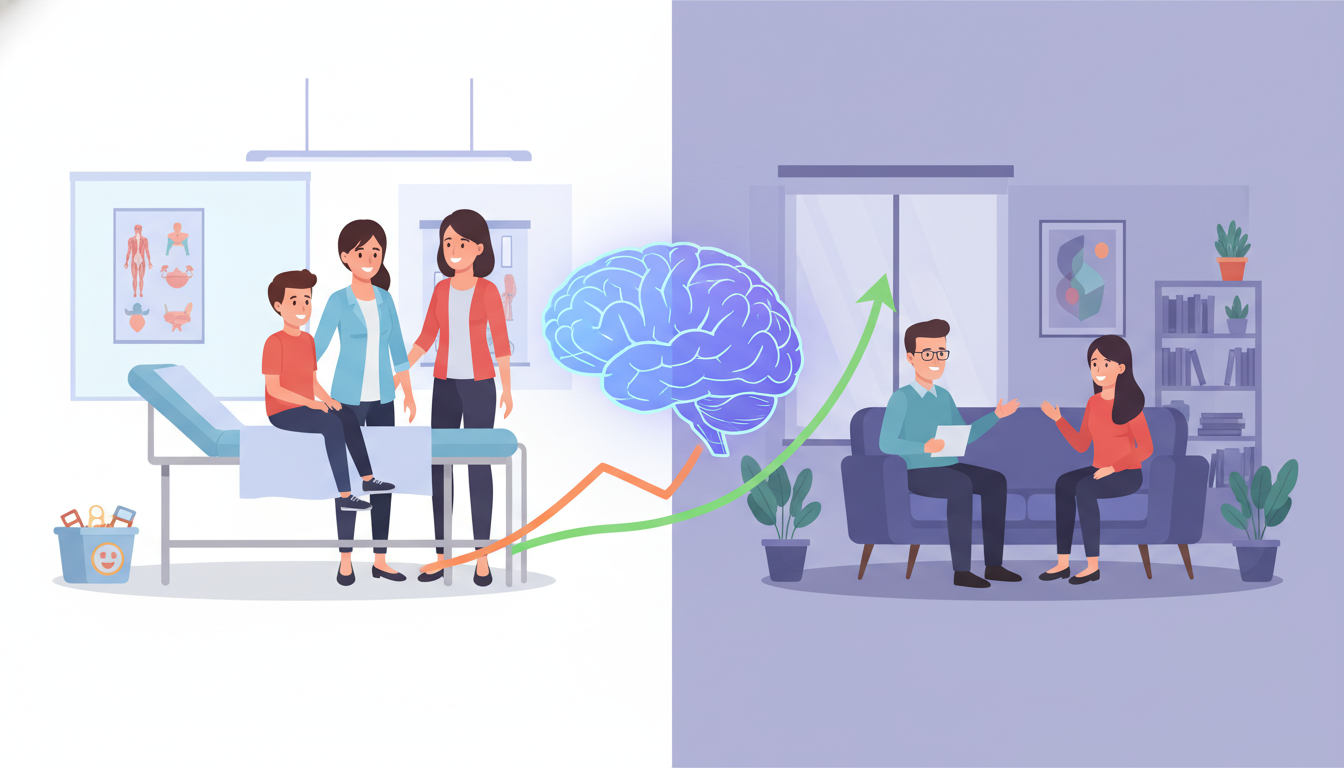
Triple board and pediatrics-psychiatry programs are looking for applicants who can think across systems and timeframes—bridging developmental pediatrics and mental health over the lifespan. Step 2 CK becomes a proxy for:
- Your clinical reasoning in complex, multi-system cases
- Your stamina for long testing and, by extension, long clinical days
- Your ability to synthesize psychosocial and biomedical factors—central to pediatrics-psychiatry training
While there’s no universal cutoff, competitive programs commonly see:
- Step 2 CK scores at or above their categorical pediatrics or psychiatry averages
- Strong performance in pediatrics, psychiatry, OB/GYN, and medicine sections—all relevant to children, adolescents, and family-based care
If your Step 1 is modest or pass on a second attempt, a high Step 2 CK score can partially offset concerns and show clear academic upward trajectory.
Why a Psych + Peds Mindset Matters on Step 2 CK
Even though Step 2 CK is not specialty-specific, many questions combine:
- Pediatric presentations + behavioral or psychiatric symptoms
- Medical conditions + psychotropic medication side effects
- Psychiatric emergencies in children and adolescents
For someone targeting a peds psych residency or triple board training, this synergy is an advantage—if you prepare intentionally. You’re uniquely positioned to excel in:
- Developmental milestones and pediatric growth
- Child and adolescent psychiatric disorders
- The interplay of medical illness and mental health in young patients
Building a High-Yield Step 2 CK Study Plan
Step 1: Clarify Your Timeline and Targets
Before diving into resources, make three decisions:
Test Date Range
- Ideal window: After core clerkships (especially Pediatrics, Psychiatry, Internal Medicine, OB/GYN, Surgery) and before ERAS submission.
- For residency applications, aim to have your Step 2 CK score available by September of the application year, if possible.
Score Goal
- Look at national averages and your Step 1 performance.
- For competitive combined programs, aim at least above the national mean; stronger applicants often target 10–15 points above mean.
- If your Step 1 is weak, consider an ambitious but realistic goal to demonstrate improvement.
Study Length
- Common dedicated study periods: 4–8 weeks full-time.
- If you’re studying while on rotations, plan 2–4 months with a hybrid (part-time) approach.
Step 2: Choose Core Resources (Less Is More)
A disciplined USMLE Step 2 study strategy relies on a few high-yield resources used thoroughly:
Question Banks
- UWorld Step 2 CK (non-negotiable primary QBank)
- Aim for at least 1 full pass (2,000+ questions) and, if possible, a second targeted pass of missed/marked questions.
- Do questions timed and random once you’re comfortable to simulate exam conditions.
- A second QBank (e.g., AMBOSS) can be helpful only if you have time after doing UWorld well.
Practice Exams
- NBME Comprehensive Clinical Science Self-Assessments (CCSSA): Take 2–3 exams to:
- Benchmark progress
- Predict score range
- Identify weak systems (e.g., psychopharmacology, pediatric neurology)
- UWorld Self-Assessments (UWSA1, UWSA2): Often closely predictive near test date.
Content Review
- A condensed Step 2 CK text or video series (e.g., OnlineMedEd, Boards & Beyond) for:
- Rapid review of algorithms and key differentials
- Clarifying difficult systems (cardiology, infectious disease, neurology)
- Pediatrics-Psychiatry–specific supplements:
- A brief child and adolescent psychiatry handbook or notes
- A pediatric development and behavior review (to solidify milestones, autism spectrum, ADHD, etc.)
Step 3: Daily Structure That Mirrors the Exam
Organize each study day around three pillars: Questions, Review, and Targeted Content.
Sample Dedicated-Day Schedule (8–10 hours):
Morning (3–4 hours):
- 2 blocks of 40 UWorld questions each (timed, random, full mix)
- Short break between blocks
Midday (3–4 hours):
- Review both blocks thoroughly
- For each question:
- Understand why the correct answer is correct
- Note why each wrong option is wrong (especially for psych/peds items)
- Create brief notes or Anki cards for:
- Frequently tested pediatric conditions
- Essential psych meds, side effects, black box warnings
- Safety and ethics principles
Afternoon/Evening (2–3 hours):
- Targeted content review based on:
- Missed questions
- Systems you’re weak in
- Short daily review of:
- Developmental milestones
- Psych diagnostic criteria and treatment algorithms
- Targeted content review based on:
If Studying While on Rotations:
- Do 1 timed block (40 questions) per day (or 20 on busier days).
- Use evenings and weekends for:
- Reviewing incorrect questions
- Focused reading on psych + pedi topics
High-Yield Focus: Pediatrics and Psychiatry for Step 2 CK
Core Pediatric Topics You Must Own
Even though Step 2 CK covers all ages, pediatrics is a substantial component. For a pediatrics-psychiatry applicant, these topics are essential:
1. Growth, Development, and Preventive Care
- Developmental Milestones
- Gross motor, fine motor, language, and social milestones at key ages (2, 4, 6, 9, 12, 15, 18 months; 2, 3, 4 years)
- Recognizing red flags that suggest autism, intellectual disability, or neurologic problems
- Growth Curves
- Normal vs. abnormal weight, height, and head circumference trends
- Failure to thrive: organic vs. non-organic causes
- Well-Child Visits
- Immunization schedules and catch-up vaccines
- Screening for anemia, lead, obesity, and depression (older children/adolescents)
These directly overlap with psychiatry when you consider early signs of:
- Autism spectrum disorder
- ADHD
- Learning disabilities
- Disruptive behavior disorders
2. Neonatology and Early Infancy
Key Step 2 CK themes:
- Neonatal resuscitation basics
- Common conditions: RDS, TTN, sepsis, hyperbilirubinemia, hypoglycemia
- Effects of maternal substance use (opioids, alcohol, SSRIs) on the newborn—highly relevant to peds-psych.
This content links to psychiatry through:
- Maternal mental health
- Perinatal exposures
- Early attachment and bonding issues
3. Pediatric Infectious Disease and Immunology
- Classic pediatric infections (otitis media, pneumonia, meningitis, pharyngitis, bronchiolitis)
- Rash + fever illnesses (measles, rubella, varicella, fifth disease, roseola, Kawasaki disease, MIS-C)
- Vaccination-preventable diseases, immunocompromised hosts
- HIV and chronic conditions in children—effects on mood, development, and family dynamics.
You’ll frequently see questions where infection or chronic disease coexists with:
- School problems
- Mood changes
- Family stressors
4. Pediatric Neurology and Seizures
- Febrile seizures vs. epilepsy
- Childhood absence epilepsy vs. ADHD/inattentiveness
- Cerebral palsy and developmental delay
- Neuromuscular disorders (Duchenne, spinal muscular atrophy)
- Headaches, migraines, pseudotumor cerebri
These often intersect with psychiatry:
- Cognitive and behavioral symptoms
- Psychosocial impact of chronic neurologic conditions
Child and Adolescent Psychiatry: High-Yield Step 2 CK Content
Step 2 CK loves psychiatric questions that test diagnostic discrimination and safe management. For pediatrics-psychiatry, master:
1. Neurodevelopmental and Disruptive Behavior Disorders
- Autism Spectrum Disorder
- Early social communication deficits
- Restricted, repetitive behaviors
- Screening and early intervention
- ADHD
- Inattention vs. hyperactivity vs. combined type
- Differential diagnosis: learning disorder, anxiety, absence seizures
- Treatment: stimulants vs. non-stimulants; side effects and contraindications
- Oppositional Defiant Disorder (ODD) and Conduct Disorder
- Patterns of behavior, age of onset
- Association with antisocial personality disorder in adulthood
- Behavioral interventions and family-based therapy
2. Mood and Anxiety Disorders in Youth
- Major Depressive Disorder in Children and Adolescents
- Presentation may be more irritability than sadness
- Risk assessment for suicidality
- First-line treatments: psychotherapy, SSRIs
- Anxiety Disorders
- Separation anxiety, generalized anxiety, social anxiety
- School refusal differentials (bullying, learning problems, depression)
- Bipolar Disorder in Adolescents
- Differentiating from ADHD, substance use, personality traits
- Mood stabilizers and atypical antipsychotics; monitoring metabolic and neurologic side effects
3. Psychosis and Substance Use in Adolescents
- Early-onset schizophrenia, brief psychotic disorder, and substance-induced psychosis
- Cannabis, alcohol, vaping, prescription medicine misuse
- Safety, risk, and legal/ethical issues (confidentiality, parental involvement)
4. Eating Disorders and Somatic Symptom Presentations
- Anorexia nervosa vs. bulimia nervosa vs. binge-eating disorder
- Medical stability and hospitalization criteria (bradycardia, hypotension, electrolyte changes)
- Psychotherapy modalities (CBT, family-based therapy)
- Somatic symptom disorder and conversion disorder presentations in teens
Integrated Example: How Step 2 CK Tests Peds + Psych Together
Example Scenario: A 14-year-old girl presents with weight loss, amenorrhea, fatigue, and preoccupation with calories. Her BMI is 16, pulse 45, BP 85/50. She denies suicidality but insists she is “still fat.”
- You must:
- Diagnose anorexia nervosa.
- Recognize medical instability (bradycardia, hypotension) requiring hospitalization.
- Understand long-term psychiatric treatment and medical monitoring.
This sort of question is common and directly showcases the integrated skill set valued in peds psych residency and triple board pathways.

Maximizing Your Step 2 CK Score: Testing Skills and Strategy
Leveraging Practice Exams
Your Step 2 CK preparation should include multiple timed, full-length simulations:
Baseline NBME early in dedicated:
- Identify strengths and weaknesses
- Set realistic score goals and study intensity
Mid-dedicated NBME or UWSA:
- Adjust your plan based on subject-level performance
- Ask: Are peds and psych where you expected? Is there underperformance in adjacent areas (e.g., neurology, endocrinology) that you must shore up?
Final NBME or UWSA within 1–2 weeks of the exam:
- Confirm score trajectory
- Make the go/no-go decision about test date
Interpret score reports thoughtfully:
- If pediatrics or psychiatry are low, re-examine:
- Developmental milestones and screening guidelines
- DSM-based criteria and first-line treatments
- If internal medicine or surgery are weak, focus on:
- Bread-and-butter conditions
- Acute management and next best steps
Test-Taking Techniques for Complex Cases
For peds-psych–relevant questions, use a consistent approach:
Identify the Clinical Question
- Diagnosis?
- Next best step in management?
- Most likely complication or risk factor?
- Best test or interpretation?
Filter for Age and Development
- Many vignettes hinge on recognizing age-appropriateness: what’s normal vs. pathological behavior for that developmental stage?
Integrate Bio-Psycho-Social Factors
- Look for contextual clues:
- Family dynamics
- School performance
- Substance use
- Trauma history
- These often nudge you toward psychiatric vs. primary medical explanations.
- Look for contextual clues:
Use Safety First
- In psychiatry questions (especially adolescents), default to safety:
- Acute suicidality → emergency evaluation, possible admission
- Homicidal thoughts → more urgent intervention
- In pediatrics, know the medical emergencies: sepsis, meningitis, status epilepticus, torsion, etc.
- In psychiatry questions (especially adolescents), default to safety:
Avoid Overthinking Rare Diagnoses
- Step 2 CK is heavily weighted toward common, clinically relevant problems.
- For a given vignette, first consider:
- Common pediatric diagnoses
- Frequent psychiatric conditions for that age group
- Rare syndromes are tested, but far less frequently than bread-and-butter conditions.
Managing Exam Day for Peak Performance
- Sleep and Nutrition
- Aim for consistent sleep in the week prior.
- Avoid major schedule shifts right before the test.
- Practice the Full Exam Length
- At least 1–2 times, do 7–8 hours of questions and review to get used to sustained focus.
- Block Strategy
- Many students aim for:
- 40 questions/block × 8 blocks
- Use breaks of 5–10 minutes between blocks and a longer lunch break in the middle.
- Many students aim for:
- Mindset
- Expect several blocks to feel “harder.”
- Focus on question-by-question performance; don’t ruminate on past blocks.
Aligning Step 2 CK Prep With Your Pediatrics-Psychiatry Brand
Using Your Study to Strengthen Your Application Narrative
Your Step 2 CK preparation in pediatrics-psychiatry is not just about one exam; it should reinforce your overall career direction.
Ways to align your efforts with your application:
- Clerkship Excellence
- Apply your Step 2 CK studying to your Pediatrics and Psychiatry rotations.
- Ask attendings for feedback on your clinical reasoning and patient interaction—skills essential to both the test and your future specialty.
- Letters of Recommendation
- Strong performance in peds and psych rotations, supported by a good Step 2 CK score, leads to compelling letters that affirm your readiness for combined training.
- Personal Statement and Interviews
- You can speak about how your USMLE Step 2 study:
- Deepened your understanding of developmental psychopathology
- Highlighted the need for integrated medical and mental health care in youth
- Reinforced your interest in triple board or pediatrics-psychiatry–focused pathways
- You can speak about how your USMLE Step 2 study:
Step 2 CK as a Springboard, Not a Finish Line
Once you’ve taken Step 2 CK:
- Use your score report breakdown:
- Identify lingering gaps (e.g., psychopharmacology nuances, adolescent medicine).
- Target these during sub-internships or electives in pediatrics, psychiatry, or child and adolescent psychiatry.
- Consider research or quality improvement projects in:
- Pediatric mental health screening
- Integrated behavioral health in primary care
- Transition-of-care models for teens with chronic illness and psychiatric comorbidities
Strong Step 2 CK performance is evidence that you’ll thrive in the rigorous, interdisciplinary environment of a peds psych residency or triple board program.
FAQs: Step 2 CK Preparation for Pediatrics-Psychiatry Applicants
1. How high does my Step 2 CK score need to be for triple board or pediatrics-psychiatry programs?
There is no universal cutoff, but combined programs are relatively small and competitive. Aim to score at or above the national mean, and ideally 10–15 points higher if you are applying to more competitive institutions. If your Step 1 performance was weaker, a strong Step 2 CK score becomes even more important to demonstrate readiness and upward trajectory.
2. Should I tailor my Step 2 CK studying toward pediatrics and psychiatry specifically?
Yes—but with caution. You should:
- Ensure strong baseline performance across all systems (internal medicine, surgery, OB/GYN, neuro, etc.).
- Then allocate extra refinement time to pediatrics and psychiatry:
- Developmental milestones, preventive pediatrics, pediatric emergencies
- Child/adolescent psychiatry, psychopharmacology, safety/risk management
This balanced approach both maximizes your score and reinforces your identity as a pediatrics-psychiatry applicant.
3. How many practice tests should I take before Step 2 CK?
Most successful test-takers aiming for competitive programs complete:
- 2–3 NBME practice exams (CCSSA)
- 1–2 UWorld Self-Assessments
Space them out across your dedicated period (and late clerkships if studying early). Use each to: - Fine-tune your content focus
- Adjust your testing strategy
- Decide on your final exam date based on consistent performance
4. How do I balance clinical rotations with Step 2 CK preparation?
If you can’t take a long dedicated period, integrate Step 2 prep into rotations by:
- Doing at least 1 UWorld block daily (or 20 questions on exceptionally busy days).
- Spending 30–60 minutes each night reviewing incorrect questions and reinforcing weak topics.
- Focusing extra on peds/psych rotations:
- Ask teaching attendings to walk through reasoning steps.
- Link cases you see to NBME-style questions and practice concepts in real time.
This steady approach can set you up for an efficient shorter dedicated period (3–4 weeks) just before the exam.
By approaching USMLE Step 2 CK preparation in pediatrics-psychiatry as both an exam strategy and a stepping stone toward your future peds psych residency or triple board training, you’ll not only optimize your Step 2 CK score but also refine the integrated clinical mindset that will define your career.