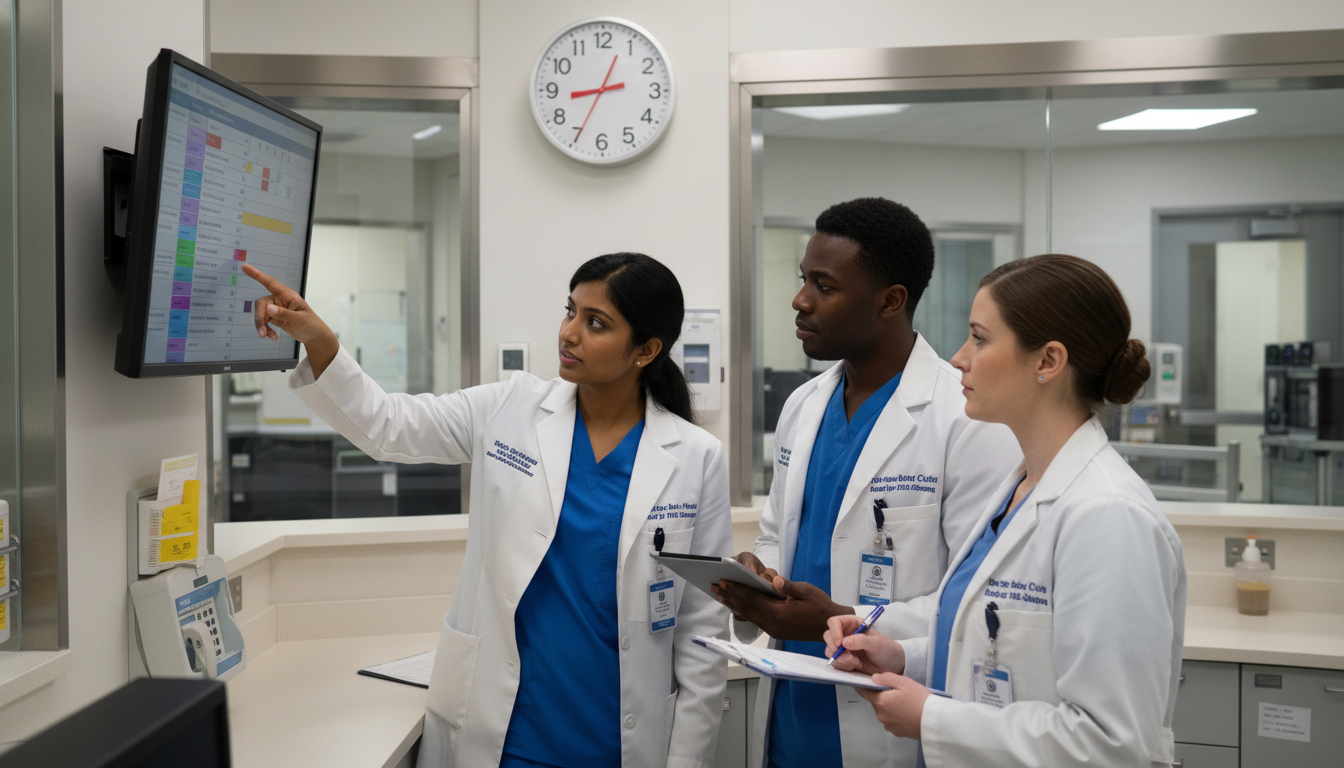
Why Step 3 Still Matters in Diagnostic Radiology
Diagnostic radiology has a reputation as a “lifestyle” specialty focused more on image interpretation than direct patient management. That can create a false sense that USMLE Step 3 is a minor hurdle. It isn’t.
Even in radiology, Step 3 influences:
- Licensing and independent practice
- Visa and credentialing timelines
- Fellowship and job applications
- Scheduling flexibility during residency
Why Step 3 Matters Specifically for Radiology Residents
State licensing requirements
Many states require a passing USMLE Step 3 for full medical licensure after one or two years of graduate training. Without this:- You may only hold a limited or training license.
- Moonlighting or teleradiology in some jurisdictions may be restricted.
- Credentialing for certain hospitals or groups can be delayed.
Fellowship and future employment
While radiology fellowships rarely select based on Step 3 scores, timing of a pass matters:- A failed attempt late in residency can delay licensure and onboarding.
- Some employers require proof of Step 3 passage before finalizing contracts.
Visa and immigration considerations
For international medical graduates (IMGs) on J‑1 or H‑1B:- Step 3 is often required for H‑1B sponsorship.
- Late or failed attempts can complicate visa transitions or job start dates.
Clinical credibility and cross-disciplinary communication
Radiologists engage in:- Contrast safety decisions (renal function, allergies, pregnancy)
- Emergency imaging triage (stroke, trauma, PE, aortic dissection)
- Multidisciplinary tumor boards
Step 3’s focus on clinical management, prognosis, and next best step helps you:
- Communicate more confidently with ED, ICU, and surgical teams.
- Understand the downstream impact of your imaging reports and recommendations.
Personal bandwidth and career trajectory
If you don’t handle Step 3 during a relatively lighter training period (e.g., a transitional/preliminary year or early PGY‑2), you risk:- Preparing during a heavy call block or intense subspecialty rotation.
- Splitting attention between complex imaging learning curves and exam prep.
The key message: Step 3 is less about your “competitiveness” in the diagnostic radiology match and more about clearing a regulatory and practical hurdle strategically so it doesn’t derail your radiology training.
Understanding USMLE Step 3: Structure, Content, and What Radiologists Must Know
USMLE Step 3 is a two‑day exam designed to assess whether you can apply medical knowledge and understanding of biomedical and clinical science essential for the unsupervised practice of medicine.
Exam Structure Overview
Day 1: Foundations of Independent Practice (FIP)
- Focus: Basic medical sciences applied to clinical practice, diagnosis, and foundational management.
- Format:
- Multiple choice questions (MCQs) in timed blocks.
- Emphasis on:
- Pathophysiology
- Epidemiology, biostatistics, and ethics
- Diagnosis and initial management across specialties
Day 2: Advanced Clinical Medicine (ACM)
- Focus: Patient management, outcomes, and continuity of care.
- Format:
- MCQs
- Clinical Case Simulations (CCS) – interactive computer-based patient scenarios.
For radiology residents, the CCS and management-heavy MCQs are often the biggest departure from daily work, which is why they deserve focused attention.
Major Content Domains Relevant to Radiology Trainees
While Step 3 covers the full range of clinical medicine, you can prioritize high-yield systems and scenarios where radiology’s interface with clinical care is strongest.
Emergency and acute care
Frequently tested:- Acute coronary syndrome, arrhythmias, heart failure
- Stroke and TIA management (thrombolysis criteria, thrombectomy, timing)
- Pulmonary embolism, DVT, and anticoagulation decisions
- Trauma resuscitation and imaging choices (CT vs. FAST vs. XR)
- Sepsis, shock, and ICU transfer criteria
Radiology tie‑ins:
- When to order CT head vs. MRI vs. CT angiography.
- Imaging pathways in trauma (pan‑scan vs. selective imaging).
- Recognizing the implication of imaging for emergent management (e.g., large vessel occlusion in stroke).
Internal medicine and chronic disease management
- Diabetes, hypertension, CKD, COPD, asthma
- Cirrhosis, GI bleeding, pancreatitis
- Rheumatologic disorders and immunosuppression
- Endocrinopathies (thyroid, adrenal, pituitary)
Radiology tie‑ins:
- Understanding when imaging is appropriate vs. low‑value.
- Interpreting imaging consequences of chronic diseases (e.g., diabetic foot infection, osteomyelitis workup).
Obstetrics and gynecology
- Prenatal care, antepartum complications
- Ectopic pregnancy, early pregnancy bleeding
- Hypertensive disorders of pregnancy
- Fetal monitoring and labor management
Radiology tie‑ins:
- When to use ultrasound vs. MRI vs. CT in pregnancy.
- Radiation safety in pregnancy and lactation.
Pediatrics
- Neonatal resuscitation and jaundice
- Pediatric infections and vaccinations
- Failure to thrive, child abuse suspicion
- Common pediatric emergencies (intussusception, appendicitis, meningitis)
Radiology tie‑ins:
- Radiation dose considerations in children.
- Choosing US vs. CT vs. MRI in pediatric scenarios.
Surgery, ortho, and perioperative care
- Preoperative risk assessment
- Postoperative complications (PE, ileus, infection)
- Management of fractures, joint infections, and vascular emergencies
Radiology tie‑ins:
- Appropriate follow‑up imaging.
- Recognizing life‑threatening complications that require immediate surgical input.
Psychiatry, ethics, and patient safety
- Suicidality, psychosis, depression, substance use
- Capacity, informed consent, confidentiality
- Medical errors, quality improvement, risk management
Radiology tie‑ins:
- Handling incidental findings, critical results communication.
- Informed consent for radiation and contrast risks.
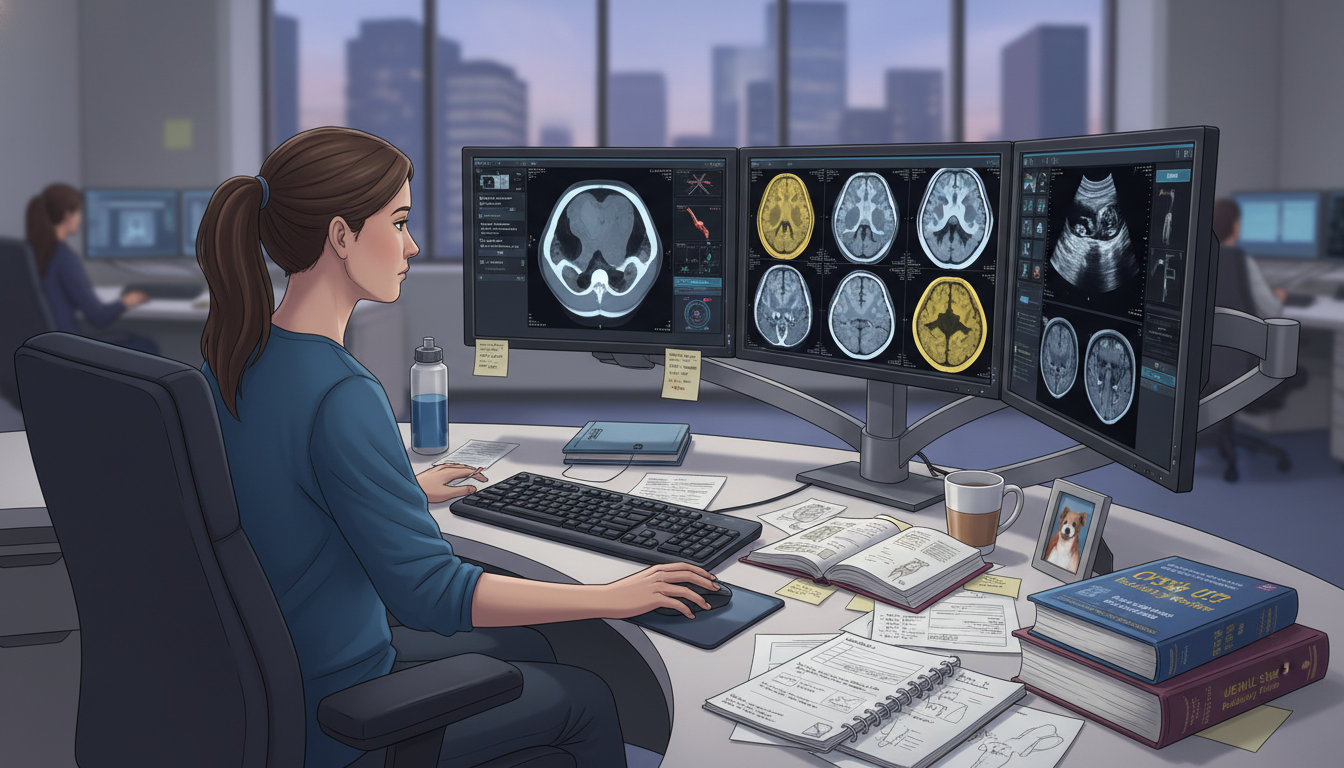
Optimal Timing: When to Take Step 3 as a Future or Current Radiology Resident
Choosing when to take USMLE Step 3 is as important as choosing how to study. For radiology-bound applicants and residents, the goal is to minimize interference with imaging training and residency performance.
Before Diagnostic Radiology Residency (During PGY‑1)
If you are in a transitional year, prelim medicine, or prelim surgery:
Advantages:
- You’re actively doing frontline clinical medicine, which aligns directly with Step 3 content.
- You typically have some elective or lighter rotations where study time is more feasible.
- Minimizes conflict with learning radiology fundamentals in PGY‑2.
- Allows early Step 3 completion needed for H‑1B visas in some cases.
Disadvantages:
- You may be fatigued from Step 1 and Step 2 CK and want a break.
- If your internship is very busy, you may struggle to carve out preparation time.
Who should strongly consider this option:
- IMGs who anticipate visa needs where a USMLE Step 3 pass is required.
- Applicants who feel strong in clinical medicine and want to “clear the deck” before radiology starts.
- Those in transitional years with scheduled elective blocks and lighter calls.
Early in Radiology Residency (PGY‑2 / R1 Year)
If you did not take Step 3 in internship, aim for:
- Fall or early winter of PGY‑2, if your program structure allows.
- A block with fewer calls or lighter service (e.g., non‑call rotation).
Advantages:
- You still retain a good amount of clinical knowledge from internship.
- You can align studying with contrast protocols, stroke codes, and ED imaging to reinforce management principles.
Disadvantages:
- You’re simultaneously learning foundational radiology (physics, anatomy, normal variants, basic interpretation).
- Studying extensively for Step 3 may be challenging on rigorous core rotations.
Practical suggestion:
- Plan at least 6–8 weeks ahead: secure test dates, align with lighter rotations, and inform chiefs/program director.
Later in Residency (PGY‑3/4 and Beyond)
This approach is rarely ideal, but sometimes unavoidable.
Risks:
- You are further removed from hands‑on clinical medicine; knowledge decay can make Step 3 harder.
- Fellowship and job applications, plus core exam and subspecialty reading, may compound stress.
- A late failure or delay can have real licensing and job‑start consequences.
When it might make sense:
- You matched into radiology unexpectedly late and couldn’t schedule earlier.
- Personal or health circumstances delayed prior attempts.
Action plan if you’re in this situation:
- Consider a more extended prep (2–3 months) with heavier emphasis on internal medicine, OB/GYN, and pediatrics question banks.
- Discuss with your program leadership; they may help adjust rotations to accommodate your prep.
Building an Efficient Step 3 Study Strategy for Radiology Residents
Radiology is demanding; your Step 3 preparation must be efficient, targeted, and realistic. You don’t need a perfect score—you need a comfortable pass without derailing your training.
Step 1: Define Your Timeline and Work Backward
Choose a test date based on:
- Rotation load (avoid heavy call months).
- Life events (weddings, moves, family needs).
- Visa or licensure deadlines if applicable.
Set a study duration:
- Strong clinical background, recent Step 2 CK: 4–6 weeks part‑time (10–15 hours/week).
- Longer gap from clinical medicine or weaker Step 2: 6–10 weeks (10–20 hours/week).
Allocate weekly hours:
- 1–2 hours on most weekdays.
- 3–5 hours on one or both weekend days.
Step 2: Choose High‑Yield Resources (Less Is More)
You don’t need a dozen books. For most radiology‑bound trainees:
Question Banks (QBank) – Core of Your Prep
- A primary Step 3‑dedicated QBank (e.g., UWorld for Step 3).
- Target: 60–80% of the available questions, focusing on weak areas.
Clinical Case Simulations (CCS) Practice Tool
- Use official USMLE CCS cases and/or a CCS‑simulator from your QBank provider.
- Aim: at least 20–25 full practice CCS cases.
Concise Review Book or Notes (Optional but Helpful)
- A brief Step 3 review text or your own condensed notes for:
- Management algorithms
- OB/peds charts
- Antibiotic choices
- Hypertension and diabetes guidelines
- A brief Step 3 review text or your own condensed notes for:
Supplement for Weak Areas
- If you’re a radiology resident far removed from wards, consider:
- Short, high-yield internal medicine podcasts.
- OB/peds quick-reference guides.
- If you’re a radiology resident far removed from wards, consider:
Step 3: Study Approach That Fits Radiology Schedules
Weekday strategy (post‑call or between shifts):
- Do a 10–20 question timed block on workdays.
- Review explanations carefully, especially:
- Why the incorrect choices are wrong.
- The “next best step” logic.
- Note recurring patterns (e.g., what test to order first, inpatient vs. outpatient management).
Weekend strategy:
- Larger blocks: 40–60 questions per day.
- Add 1–2 CCS cases per weekend.
- Spend time solidifying algorithms (e.g., chest pain workup, syncope, GI bleed).
Radiology-specific integration:
- When you read CTs and MRIs on service:
- Ask yourself, “What is the ED or primary team going to do now that they have this result?”
- Practice linking imaging findings with appropriate management steps—this mirrors Step 3’s logic.
Step 4: Mastering CCS for Non-Clinically Active Residents
For radiology residents, CCS can feel awkward because:
- You rarely “place orders” or manage vitals directly.
- You’re more of a consultant than a primary decision-maker.
Key CCS principles:
Always stabilize first
- Airway, breathing, circulation.
- Oxygen, IV access, cardiac monitoring if indicated.
- Initial labs and imaging guided by presenting complaint.
Set the right environment
- Outpatient clinic vs. ED vs. inpatient.
- Use hospital or ICU transfer when illness severity escalates.
Use time strategically
- Don’t prematurely end the case.
- Advance time to see test results and patient response.
- Reassess vitals and symptoms after interventions.
Avoid overkill testing, but don’t miss critical studies
- Order high‑yield, guideline-consistent tests.
- Use imaging judiciously—no shotgun pan-scanning.
Practice routine for CCS:
- First 1–2 weeks: Slowly walk through guided cases, focusing on the interface and order sets.
- Middle weeks: Timed, self-directed cases with post‑case review.
- Final 1–2 weeks: Simulate exam conditions with multiple CCS cases in a row.

Balancing Step 3 During Radiology Residency: Rotation‑Specific Strategies
Radiology residents often ask how to realistically fit USMLE Step 3 preparation into their daily workflow. The answer depends heavily on the type of rotation.
On Light or Elective Rotations
Examples: research block, informatics, non‑call subspecialty with predictable hours.
- Target: 10–15 questions/day weekdays, 40+ each weekend day.
- Integrate brief reading or flashcard review for OB, pediatrics, and ethics at night.
- Use this period as your primary prep window if possible.
During Busy Rotations (ER, Night Float, Call‑Heavy Months)
- Maintain minimal but consistent engagement:
- 5–10 questions on days when possible.
- Focus on question review rather than new content.
- Avoid scheduling your exam immediately after or during a night-float block.
- Use real-time cases to reinforce:
- Stroke/imaging timelines.
- Appendicitis, PE, and trauma pathways.
While Preparing for Radiology Core Exam
If your Step 3 window overlaps with core exam studying:
- Consider deferring Step 3 if possible; your core exam is central to your radiology career.
- If deferral is not possible:
- Compress Step 3 prep into a shorter but intense 3–4 week period.
- Focus almost entirely on QBank + CCS, skipping extra reading.
- Communicate clearly with your program about your constraints.
Step 3 During Transitional or Preliminary Year
If you are still pre‑radiology but matched into diagnostic radiology:
- View Step 3 as a strategic priority to complete before PGY‑2.
- Integrate questions into your inpatient workflow:
- On quieter call nights or during long commutes (if appropriate and safe).
- Time the exam during an elective month when ward responsibilities are lighter.
Common Pitfalls and How Radiology Trainees Can Avoid Them
1. Underestimating Step 3 Because “It’s Just Pass/Fail”
While there’s no national percentile pressure like Step 1 used to carry, Step 3 can still cause trouble when:
- It’s postponed repeatedly and then collides with major milestones.
- You assume you can “wing it” and end up failing or barely passing.
Solution:
Set a realistic score goal (e.g., comfortably above the passing mark), schedule a dedicated preparation window, and respect the exam as a licensure requirement.
2. Ignoring Pediatrics and OB/GYN
Radiology residents, especially those removed from general wards, often:
- Overfocus on adult internal medicine.
- Underprepare pediatrics, neonatology, and pregnancy topics.
Solution:
Intentionally track your performance by discipline in your QBank:
- If pediatrics or OB/GYN is <60–65% correct, add dedicated review sessions.
- Use quick-reference summaries for pregnancy-safe medications, neonatal jaundice, prematurity, hypertensive disorders of pregnancy.
3. Not Practicing CCS Enough
CCS is a unique format. Even if you know clinical medicine, you can lose points by:
- Under-ordering (missing key labs, imaging, or monitoring).
- Over-ordering unnecessary tests.
- Mismanaging time or setting.
Solution:
Practice CCS early and often:
- Allocate 1–2 sessions weekly, increasing frequency closer to the exam.
- After each case, review not just the correct management but also how you sequenced and timed your orders.
4. Studying Only in Short, Exhausted Bursts
Radiology call and night float are exhausting. If your study pattern is “random questions when I’m half-asleep,” your retention will be poor.
Solution:
- Reserve even 2–3 “protected” blocks of focused study time per week—mornings off, post‑call afternoons, or early weekends.
- Treat these blocks as non‑negotiable professional responsibilities.
5. Neglecting Wellness
Burnout is real, especially when juggling:
- Radiology call
- USMLE Step 3
- Research, fellowship planning, and personal life
Solution:
- Schedule deliberate breaks: exercise, sleep, social time.
- Use low‑energy moments for passive review (audio, flashcards) rather than high‑intensity QBank sessions.
FAQs: USMLE Step 3 for Diagnostic Radiology Residents and Applicants
1. Do radiology fellowship or job programs care about my Step 3 score?
In most cases, they care that you passed, not your exact score. Diagnostic radiology fellowship directors and employers are far more interested in:
- Your radiology performance (rotation evaluations, case logs).
- Board exam results (Core and Certifying Exams).
- References and clinical acumen.
However:
- A very low score or failed attempts can raise administrative or licensure concerns.
- For visa candidates, a timely Step 3 pass may matter for H‑1B sponsorship.
2. Is it better to take Step 3 before starting diagnostic radiology?
If feasible, yes, it often is. Completing USMLE Step 3 during your transitional or preliminary year offers several advantages:
- You’re still deeply embedded in direct patient care.
- You free your radiology years to focus on imaging and board prep.
- You avoid the stress of Step 3 during the radiology core exam period.
That said, many radiology residents successfully take Step 3 during PGY‑2 or early PGY‑3; what matters most is planning and timing.
3. How much time do I really need to prepare for Step 3 during residency?
For most radiology residents:
- With a solid Step 2 CK background and recent clinical experience:
4–6 weeks of part‑time study (10–15 hours/week) is sufficient. - If you are several years removed from direct patient care or had borderline Step 2 performance:
6–10 weeks, with more emphasis on internal medicine, OB/GYN, and pediatrics.
The key is consistency: even small daily question blocks plus weekly CCS practice add up effectively.
4. Can I rely solely on a QBank and CCS practice without reading a full Step 3 book?
Many radiology-bound trainees successfully pass using only:
- A strong Step 3 QBank (with thorough explanation review).
- Regular CCS practice cases.
A full Step 3 book is optional. It can help if:
- You prefer structured text learning.
- You discover major weak spots in your QBank performance that need a conceptual reset.
For time‑pressed residents, a QBank-first strategy plus CCS, supplemented by short high-yield summaries, is typically the most efficient and realistic approach.
By approaching USMLE Step 3 as a strategic, time‑limited project—rather than an afterthought—you can clear this requirement smoothly while building clinical reasoning skills that will make you a better diagnostic radiologist. Plan your timing carefully, commit to a focused and efficient study strategy, and prioritize passing Step 3 in a way that supports, rather than competes with, your radiology training and career goals.