Understanding the Vascular Surgery Rotation: What Makes It Unique
Vascular surgery offers a fast-paced, high-acuity environment that blends meticulous operative technique with complex medical management. To excel in clinical rotations in vascular surgery—whether it’s a core third year rotation, a visiting sub-internship, or an elective in an integrated vascular program—you need to understand what sets this specialty apart.
The scope of vascular surgery
Vascular surgeons manage diseases of arteries, veins, and lymphatics (excluding the heart and intracranial vessels). Common pathologies you’ll encounter on rotation include:
- Peripheral arterial disease (PAD) and critical limb ischemia
- Aortic aneurysms and dissections
- Carotid artery disease and stroke prevention
- Acute limb ischemia and embolic events
- Dialysis access creation and maintenance
- Venous disease, DVT, and chronic venous insufficiency
- Vascular trauma and iatrogenic vascular injuries
You will see patients across a wide spectrum of settings:
- Emergency department (acute limb ischemia, ruptured AAA, trauma)
- ICU and step-down units (post-op open aortic repairs, complex endovascular cases)
- General wards (bypass grafts, amputations, wound care, graft infections)
- Outpatient clinic (surveillance of aneurysms, PAD management, venous disease)
- Procedure suites and ORs (open reconstructions, endovascular interventions)
Understanding this breadth lets you anticipate where your help is needed and what you should read about each night.
Typical expectations of students on vascular surgery
Most vascular surgery teams will expect you to:
- Pre-round on assigned patients and know their overnight events
- Present succinct, structured updates on rounds
- Write progress notes and help prepare discharges
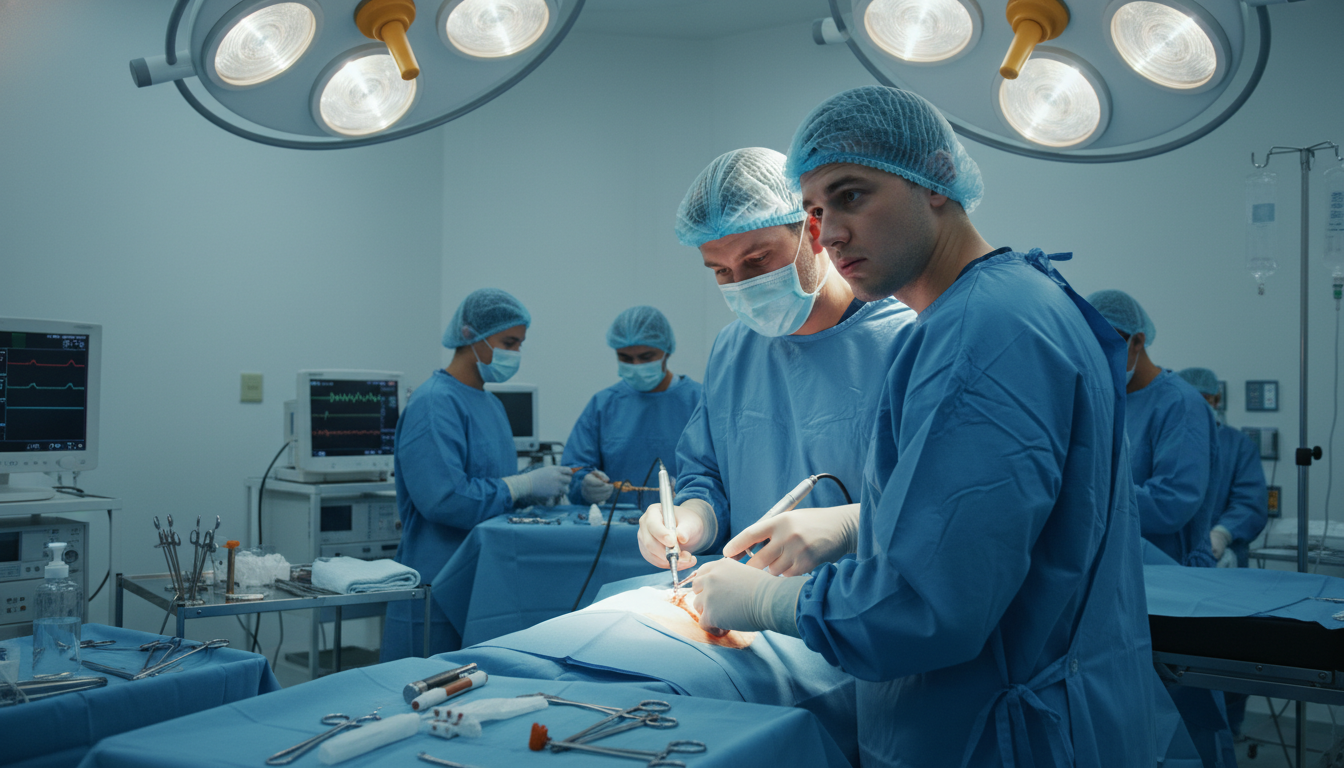
- Assist in the OR (retracting, suturing, managing lines)
- See consults with residents/fellows and help with initial assessments
- Participate in clinics and contribute to documentation or counseling
- Attend conferences, M&M, and didactics
Your goal is to function as close to an intern as your level allows—safely, under supervision. Rotations are an extended audition: your work ethic, curiosity, and reliability often matter more than your initial knowledge base.
Preparing Before the Rotation Starts
The best way to stand out early is to arrive prepared. Even a few focused hours before day one can dramatically improve your confidence and performance.
Core concepts to review
You don’t need to be a vascular expert to start, but you should be familiar with core vascular principles. Before your first day, review:
1. Vascular anatomy and landmarks
Focus on practical, operative-relevant anatomy:
- Aorta and its branches (especially renal, mesenteric, iliac)
- Carotid and vertebral circulation
- Major lower extremity arteries: common femoral, profunda femoris, superficial femoral, popliteal, tibial and peroneal vessels
- Major venous anatomy: femoral vs. superficial femoral vein, saphenous system, central veins
Being able to visualize arterial inflow/outflow and describe segmental disease is crucial for following cases and plans.
2. Pathophysiology and key disease states
- PAD and critical limb ischemia: risk factors, Rutherford classification, basic management (antiplatelets, statins, smoking cessation, revascularization options)
- Aortic aneurysm: risk factors, screening, size thresholds for repair, endovascular vs. open approaches
- Carotid disease: symptomatic vs. asymptomatic, indications for carotid endarterectomy vs. stenting
- Venous thromboembolism: basic diagnosis and anticoagulation strategies
You don’t need to know exact protocol-level details, but you should know the “why” behind interventions.
3. Vascular testing basics
Read about:
- ABI (ankle-brachial index): how it’s measured, what values mean
- Duplex ultrasound: what “triphasic/biphasic/monophasic” flow means
- CT angiography vs. MR angiography: pros/cons and typical indications
This knowledge helps you understand attending discussions and follow imaging reviews.
Recommended quick resources
In the week before your rotation, consider:
- Reading the vascular chapters in a surgical text (e.g., sections in Sabiston or Schwartz)
- Skimming a student-targeted surgery handbook with a vascular section
- Reviewing institutional vascular surgery clinical guidelines if available (often on the department website or internal portals)
Even 30–60 minutes per day for a few days is enough to significantly boost your starting point.
Logistics and mindset
Clarify expectations early:
- Ask the coordinator or chief resident about:
- Start time and typical daily schedule
- Call expectations
- Required conferences
- Dress code (scrubs vs. business attire for clinic)
- Understand how notes and orders are handled (students often write notes for co-signing, but rules vary by institution).
Set personal goals:
Examples of realistic goals for a vascular surgery rotation:
- “By the end of this month, I want to be able to independently present a new PAD consult, including ABI interpretation and initial workup.”
- “I want to competently close simple incisions and tie secure instrument ties.”
- “I want to recognize signs of acute limb ischemia and know the emergent workup.”
Having goals gives you direction and makes feedback more meaningful.

Day-to-Day Excellence: Clinical Rotations Tips for Wards, Consults, and Clinic
Whether you’re on an integrated vascular program or doing a stand-alone elective, your performance in daily clinical work is what people remember most.
Mastering pre-rounds and inpatient care
1. Pre-round effectively
On vascular surgery services, patients are often medically complex. To excel:
- See your patients early enough to be ready by rounds
- Check:
- Overnight events, vitals, pain scores
- I/Os, drains, wound vac output
- Labs (Hgb, creatinine, WBC, coagulation profile)
- Imaging or vascular studies completed overnight
Practice a concise structure:
“Ms. Smith is POD#2 from right femoral-to-popliteal bypass. Overnight she had no events, pain 3/10 on oral meds, tolerating diet, ambulating with PT. Exam: Incision clean/dry/intact, palpable dorsalis pedis pulse, motor and sensation intact. Labs: Hgb 9.8 (from 10.1), creatinine stable. Plan: pain control, incentive spirometry, ambulation, DAPT continuation, discharge planning possibly tomorrow.”
2. Understand vascular-specific physical exam
You will impress your team if you do focused, relevant exams:
- Palpate and grade pulses (0 to 3+) and compare sides
- Use Doppler and describe signals (monophasic vs. biphasic vs. triphasic)
- Check capillary refill, skin temperature, and color
- Assess motor and sensory function in limbs
- Examine wounds and graft sites carefully
Record your findings precisely—especially pulse changes. Trends in vascular exams can signal complications early.
3. Be proactive with problems
When you notice:
- New or worsening pain in a revascularized limb
- Decreased or absent pulses compared to baseline
- Rapidly increasing wound drainage, swelling, or bleeding
- Signs of graft infection (erythema, drainage, fevers)
Alert the resident immediately. Demonstrating vigilance and understanding of what matters in vascular care shows maturity and clinical insight.
Excelling on consults and in the ED
Vascular consults are often high-stakes: acute limb ischemia, trauma-related vascular injury, or symptomatic carotid disease.
When called to join a consult:
Gather essential data:
- Reason for consult and urgency
- Brief history, risk factors (smoking, diabetes, CAD, prior PAD)
- Pertinent medications (anticoagulants, antiplatelets)
- Vital signs and hemodynamic status
On exam, focus on:
- Pulses and Doppler signals
- Presence of the 6 Ps of acute limb ischemia (pain, pallor, pulselessness, paresthesia, paralysis, poikilothermia)
- Neurologic deficits for carotid or cerebral issues
Prepare a one-minute summary before presenting:
“We are seeing Mr. Jones, a 72-year-old with diabetes, CAD, and a 60-pack-year smoking history, for acute left leg pain and pallor for 6 hours. He has no palpable dorsalis pedis or posterior tibial pulses on the left; femoral pulse is diminished but present. Sensation is reduced in the foot; he has difficulty moving his toes. No signs of systemic instability. I’m concerned for acute limb ischemia and would like to discuss emergent imaging and anticoagulation.”
Showing that you can prioritize key information during third year rotations is a major component of clerkship success in a specialty like vascular surgery.
Performing well in vascular clinic
Clinic is where you see longitudinal management, surveillance, and shared decision-making.
To stand out:
- Arrive early: review the schedule and skim charts for aneurysm size trends, last ABI, or prior interventions.
- Volunteer to see patients first: get histories focused on claudication, rest pain, wound healing, and functional status.
- Practice counseling:
- Smoking cessation
- Walking programs for claudication
- Medication adherence (statins, antiplatelets, diabetes control)
Try to link your clinic work to what you see in the OR and wards—e.g., recognizing a patient whose critical limb ischemia you helped manage surgically and now see for follow-up.
Succeeding in the OR: How to Be an Indispensable Team Member
The OR is where many students feel the most pressure, but it’s also where you can show focus, discipline, and teamwork.
Before the case: anticipation and preparation
Know the patient and the plan:
- Read the pre-op note and most recent imaging (CTA, duplex).
- Understand:
- Diagnosis and indication for surgery
- Planned procedure (e.g., fem-pop bypass vs. endovascular angioplasty and stenting)
- Key anatomic considerations (e.g., infrarenal AAA vs. juxtarenal)
If you know you’ll be scrubbed in, read a short description of the operation the night before, including common steps and complications.
Introduce yourself and volunteer appropriately:
- Introduce yourself to the circulating nurse, scrub tech, and anesthesiology team.
- Ask the resident, “Where would you like me to stand? Is there anything I should focus on during this case?”
This demonstrates respect for team dynamics and OR flow.
Intraoperative conduct: the basics done well
1. OR etiquette and professionalism
- Be on time (ideally present before the first incision).
- Do not touch the sterile field until you’ve been properly gowned and gloved.
- Keep your hands visible and above the waist; avoid leaning on sterile surfaces.
- Minimize unnecessary talking, especially during critical steps (clamping, anastomosis).
2. Retracting and assisting
Retraction is your first job. To excel:
- Provide steady, gentle, and purposeful retraction.
- Watch the field and adjust subtly without being told after you understand the surgeon’s view.
- Avoid obstructing the surgeon’s line of sight or instruments.
- If you feel fatigued or unsure, quietly ask the resident for guidance.
3. When (and how) to ask questions
- Save most questions for non-critical times (closing, positioning, or while waiting for anesthesia to set up).
- Ask specific, thoughtful questions:
- “I noticed you chose a prosthetic graft instead of vein—can you share how you decide between them?”
- “For this aneurysm size, what factors pushed toward surgery instead of continued surveillance?”
Avoid asking questions you could easily look up during a lull (e.g., “What’s an ABI?”) unless it directly impacts what’s happening.
Building basic technical skills
Vascular surgery is highly technical, and while you won’t be doing anastomoses as a student, you can still build foundational skills.
Ask residents if you can:
- Practice simple interrupted sutures during closure (skin and subcuticular).
- Tie instrument ties and two-handed knots using the correct technique.
- Help with line placement or dressing application under supervision when appropriate.
Track your progress: which skills you’ve done, how often, and what you want to improve. This is particularly beneficial if you’re considering an integrated vascular program, where early technical development matters.

Academic Performance: Impressing on Shelf Exams and Evaluations
Clerkship success in vascular surgery isn’t just about the clinical day-to-day; your formal evaluations and exam performance also matter, especially if you’re considering vascular surgery residency.
Strategies for strong evaluations
1. Reliability and ownership
Attendings and residents notice students who:
- Show up early, stay engaged, and are prepared for each day
- Follow up on tasks they volunteer for (e.g., “I’ll track that patient’s ABI result and report back on rounds tomorrow”)
- Remember patient details and advocate for their needs (e.g., pain control, PT consults, social work barriers)
Ownership doesn’t mean acting independently—it means caring deeply and following through.
2. Clinical reasoning over rote facts
When asked for your assessment, structure your thinking:
For a PAD patient:
- “Problem: Rutherford class 3 claudication with lifestyle-limiting symptoms despite medical therapy. Probably multifocal disease based on ABI and exam. I’d like to understand the angiographic anatomy to decide between endovascular vs. open revascularization options.”
For an aneurysm patient:
- “Abdominal aortic aneurysm at 5.7 cm in a high-risk smoker. Indication met for repair; decision between EVAR and open based on neck anatomy, iliac access, and overall surgical risk.”
Even if you’re not fully correct, clear reasoning impresses evaluators.
3. Seeking and using feedback
Midway through the rotation, explicitly ask:
“Could I get feedback on how I’m doing and what I could improve in the second half of the rotation?”
Common areas for growth:
- Shorter, more focused presentations
- Stronger vascular-focused physical exam
- More proactive participation in OR and clinic
Apply suggestions visibly; attendings will often note this positively in final evaluations.
Shelf exams and knowledge consolidation
On surgery rotations, the NBME Surgery Shelf or equivalent exam is usually broad and not vascular-specific. However, vascular content is frequently tested.
To prepare:
- Use a reputable question bank and tag vascular topics (AAA, PAD, carotid disease, DVT).
- Review:
- AAA screening recommendations and treatment thresholds
- Initial management of acute limb ischemia
- Post-op complications after vascular surgery (graft occlusion, bleeding, infection)
Link your daily cases to exam content: after seeing a carotid endarterectomy, read up on stroke risk reduction and perioperative antiplatelet management.
Positioning Yourself for a Vascular Surgery Residency
If you discover a passion for vascular surgery during your rotation, this is your launching pad for a future vascular surgery residency.
Signaling genuine interest
Vascular faculty can usually tell who is genuinely interested versus casually exploring. You can:
- Ask to attend vascular conferences, M&M, and journal clubs regularly.
- Request to join complex cases even when not strictly “assigned” (e.g., late EVAR or hybrid procedures).
- Seek opportunities to help with research projects (chart reviews, database work, case series).
Make your interest explicit but professional:
“I’m seriously considering vascular surgery and would love to get more involved with the team and any ongoing projects. Is there someone you’d recommend I speak with about research opportunities?”
Making the most of sub-internships and away rotations
For those targeting an integrated vascular program:
Use your vascular sub-I to function as close to an intern as possible:
- Carry a patient load
- Call consults under supervision
- Write full notes and follow up on plans
Clarify evaluation structure early:
- Who will be writing your letters?
- What are they looking for in an applicant?
You’re not expected to be perfect, but you are expected to be hardworking, teachable, and steady under pressure.
Building a strong application foundation
Even if you’re early in medical school, your vascular rotation informs your long-term plan:
- Identify potential letter writers (attendings who saw you on the wards and in the OR).
- Ask for letters while your performance is fresh in their memory.
- Document your vascular-related experiences (rotations, cases, research, QI projects, leadership) for your CV and ERAS application.
These steps translate your strong performance on clinical rotations into a compelling narrative for residency programs.
FAQs: Clinical Rotations in Vascular Surgery
1. Do I need to know I want vascular surgery before starting the rotation?
No. Many students use this experience to explore whether vascular surgery is right for them. What matters is that you approach the rotation with curiosity and effort. If you later decide to apply to vascular surgery residency, a strong rotation—regardless of initial intent—still reflects well on you and can generate meaningful letters.
2. How can I stand out if I’m not very confident technically in the OR?
Focus on what you can control: preparation, attention, and reliability. Know the patient’s story and why the operation is being done. Retract well, follow the field, and anticipate simple needs (suction, exposure). Ask for opportunities to practice basic suturing and knot tying. Faculty understand you’re a learner; they value attitude and engagement as much as early technical ability.
3. What if my school doesn’t have a dedicated vascular surgery rotation?
You can still gain exposure through general surgery, trauma, or interventional radiology rotations—many vascular issues overlap. Seek out vascular cases, ask to follow vascular consults, and consider doing a visiting elective at an institution with a strong vascular surgery program if you’re seriously interested in the field.
4. How important is my vascular surgery rotation for matching into an integrated vascular program?
For applicants targeting an integrated vascular program, your vascular surgery rotation and any sub-internships are highly influential. They provide concrete evidence of your interest, work ethic, and fit for the specialty. Strong evaluations and enthusiastic letters from vascular faculty can significantly strengthen your application—but even if vascular surgery remains just an interest area, excelling on this rotation will improve your overall clinical skills and enhance your candidacy for any surgical specialty.
By preparing thoughtfully, engaging fully in ward, clinic, and OR experiences, and seeking feedback throughout, you can turn your vascular surgery rotation into a defining component of your medical education—whether or not you ultimately pursue vascular surgery residency.