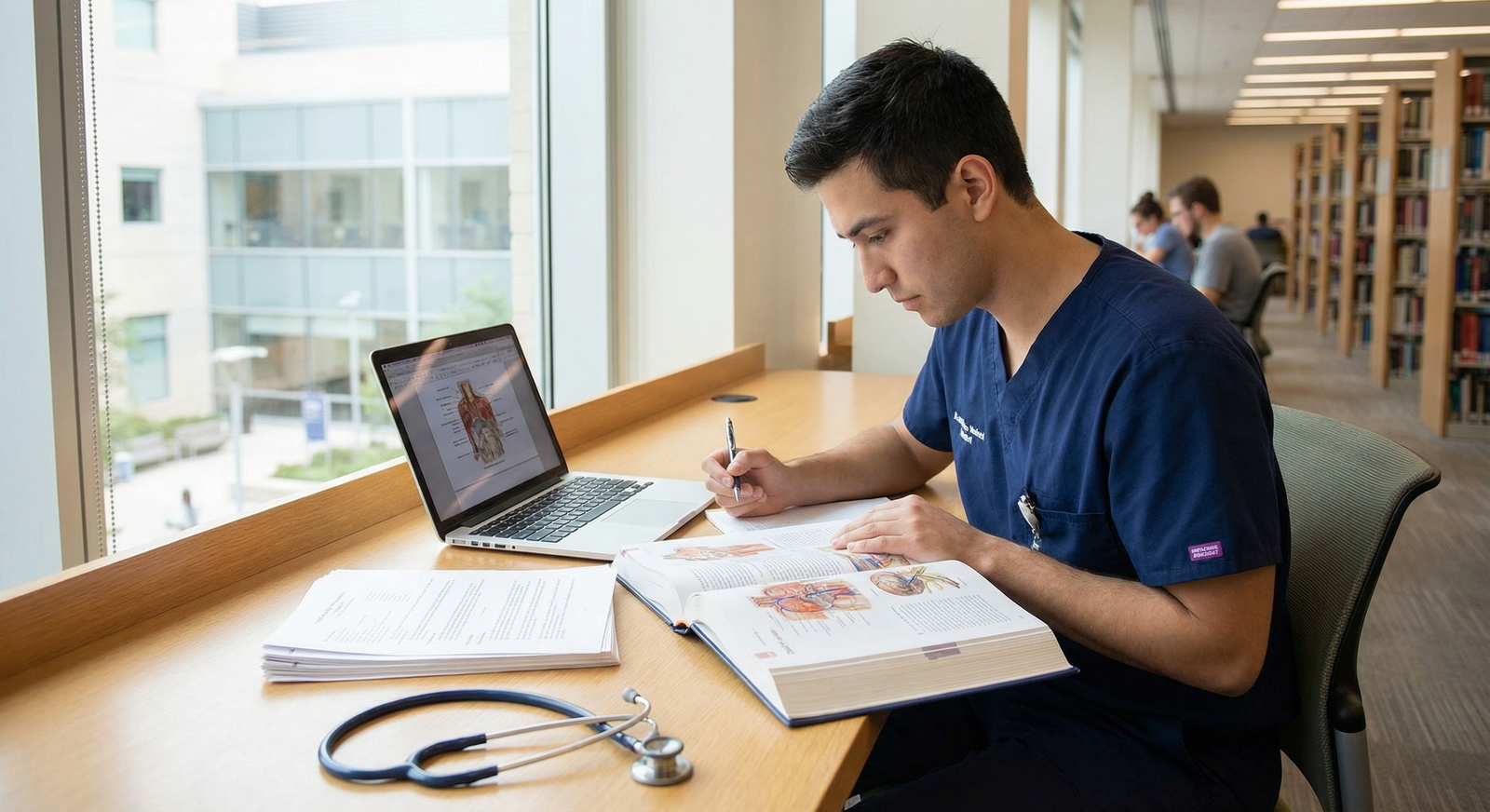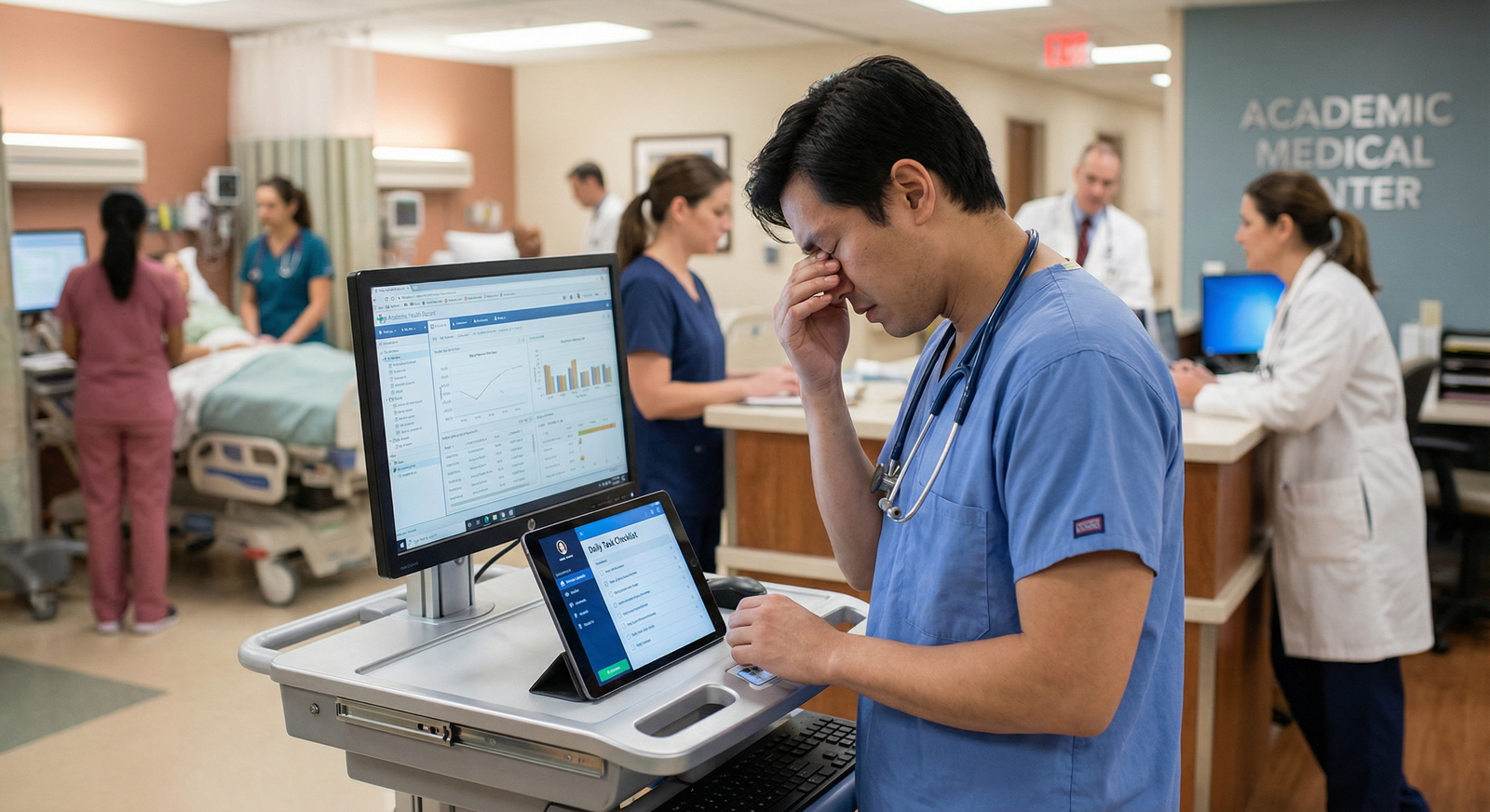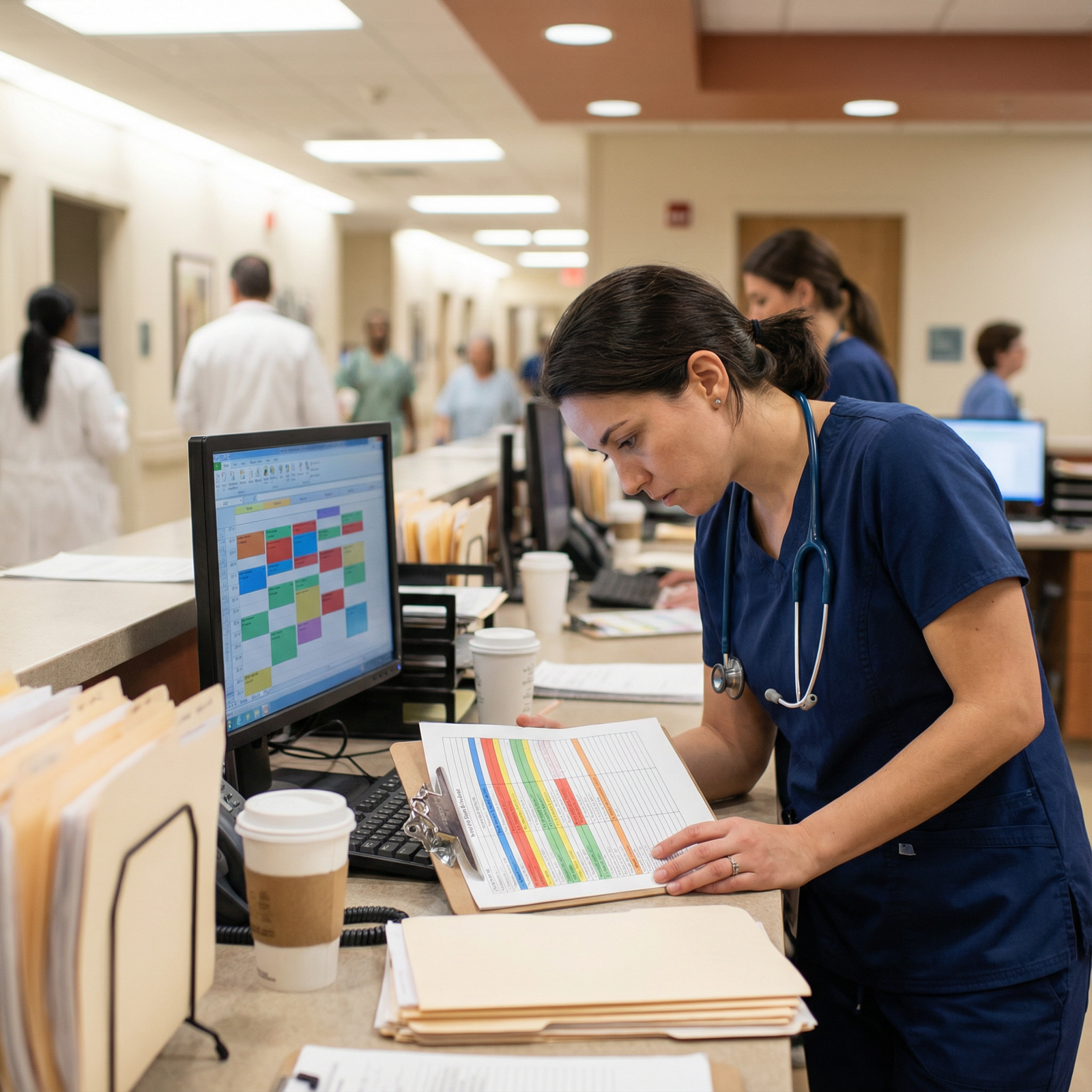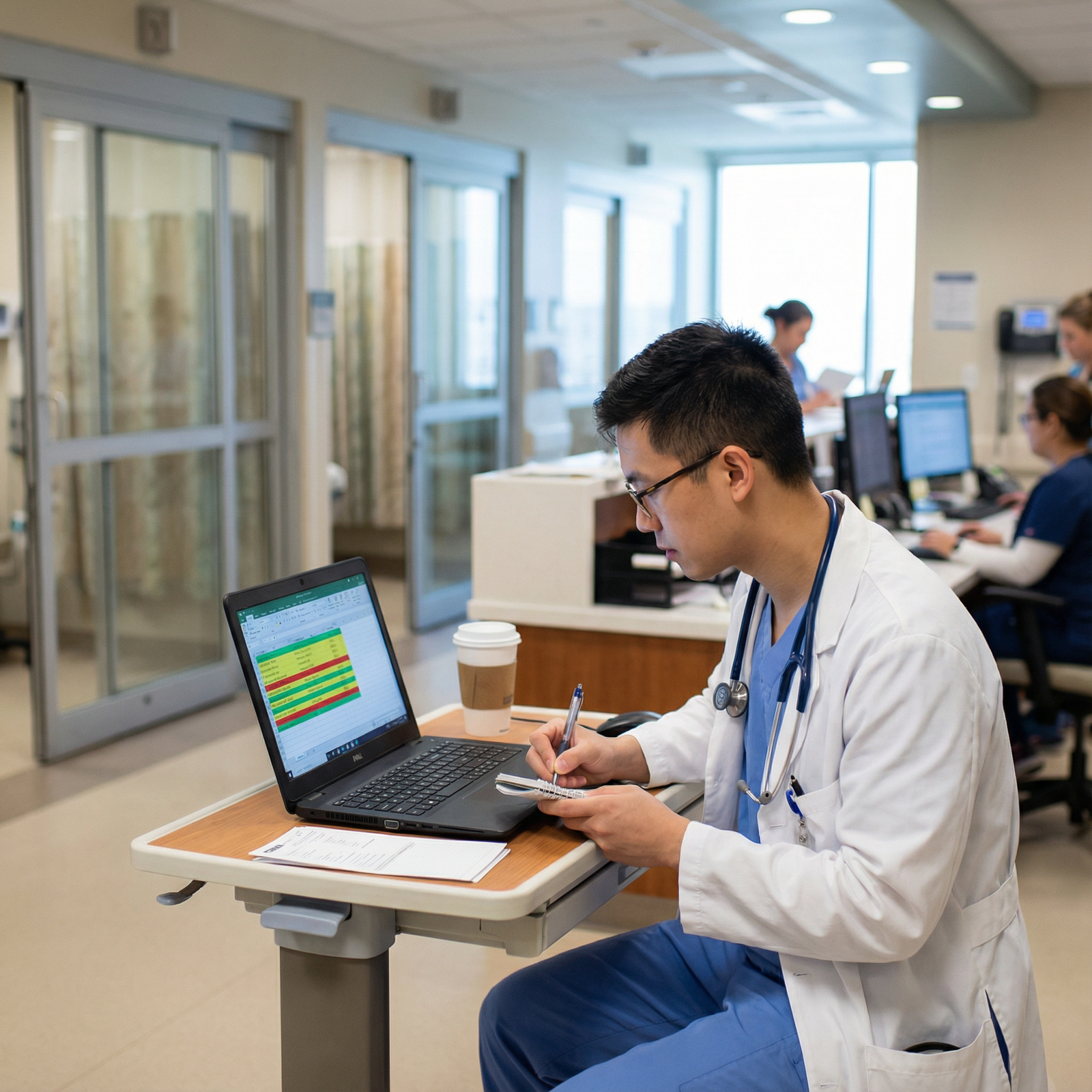
Residency is one of the most demanding phases of a physician’s career. Long shifts, high-acuity patients, overnight calls, and continuous learning can easily push you into survival mode. When you’re exhausted, it’s tempting to hit snooze until the last possible minute, rush out the door, and grab coffee as your only “breakfast.”
Yet this is exactly when a well-designed morning routine can be most powerful.
A streamlined morning is not about perfection or a rigid 5 a.m. “optimization” culture. It’s about intentionally setting up the first hour of your day so that you:
- Reduce decision fatigue and chaos
- Arrive at work calmer and more focused
- Protect your physical and mental health over the long haul
Thoughtful morning habits are a practical form of Physician Wellness and Stress Management. They can meaningfully improve Productivity on the wards and help you show up as the kind of resident—and future attending—you want to be.
Below is a detailed, residency-specific guide to building a realistic, flexible morning routine that actually works with night float, 28‑hour calls, and schedule changes.
Why a Morning Routine Matters in Residency
Before diving into the “how,” it helps to understand the “why.” For residents, a consistent morning routine isn’t a luxury; it’s a survival tool.
How Morning Routines Reduce Stress and Decision Fatigue
Residency throws thousands of decisions at you daily: medication choices, diagnostic workups, consults, discharges, handoffs. If your morning is disorganized, you start the day already behind and stressed.
A structured morning routine:
- Reduces last-minute scrambling (Where’s my badge? Do I have my stethoscope?)
- Minimizes decision fatigue by automating small choices like what to wear or what to eat
- Creates a sense of control in a work environment that can feel unpredictable
This calmer start can make it easier to handle complex patients, difficult families, and critical pages later in the day.
The Link Between Morning Habits and Productivity
Your first 60–90 minutes can set the tone for the rest of your shift. Residents who build intentional routines often report:
- More efficient prerounding and note-writing
- Fewer forgotten tasks (e.g., missing a lab follow-up or consult call)
- Better focus in conferences and didactics
- More emotional bandwidth to teach students and collaborate with colleagues
A morning routine is one of the most practical Residency Tips for improving both clinical performance and learning.
Supporting Long-Term Physician Wellness
Residency is a marathon, not a sprint. Chronic sleep deprivation, emotional exhaustion, and lack of boundaries can contribute to burnout. Small, repeatable health-promoting habits—hydration, movement, mindfulness—integrated into your morning can:
- Improve energy levels
- Support mood and emotional resilience
- Protect against burnout and compassion fatigue over time
Think of your morning routine as daily preventative care for yourself.
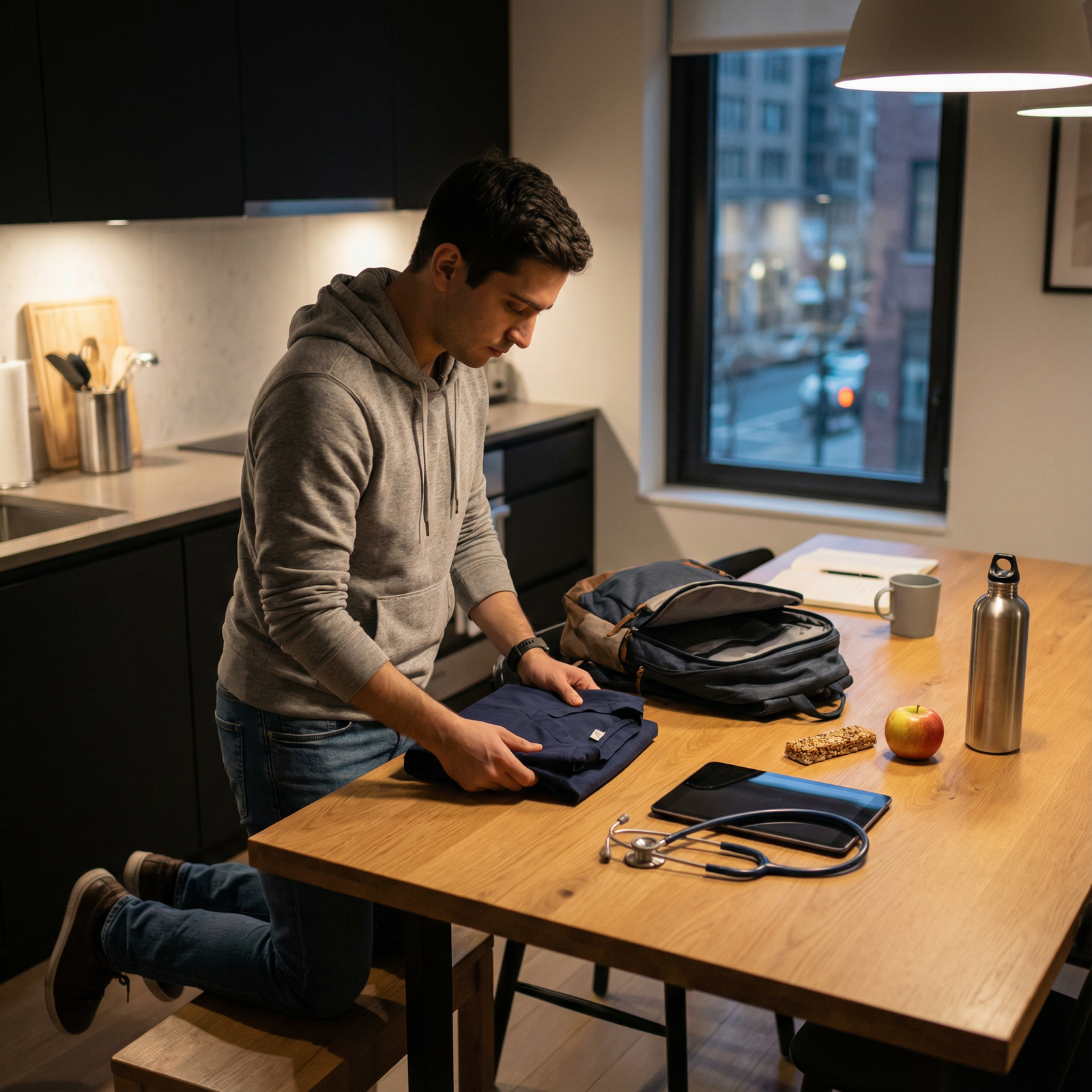
1. Prepare the Night Before: Start Tomorrow’s Morning Tonight
The easiest way to streamline your mornings is to do as much as possible the evening before, when you’re not racing the clock.
Create a 5–10 Minute “Shutdown” Routine
Set a short, repeatable checklist for the last 10 minutes before bed. For example:
- Glance at tomorrow’s schedule
- Lay out clothes
- Pack bag, badge, keys, and wallet in one spot
- Prep breakfast and snacks
- Plug in phone and set alarms
This routine reduces the chances of panicked searches for missing items at 4:45 a.m.
Outfit and Gear: Eliminate Morning Decisions
- Choose clothes ahead: Whether you wear hospital-provided scrubs or your own, lay out everything: scrubs, undershirt, socks, comfortable shoes, lab coat if needed.
- Designate a “work station” at home: Keep your stethoscope, penlight, reference cards, pager (if applicable), and ID badge in the same place every day.
- Weather check: If you’re in a region with real seasons, check the weather and prep any layers, gloves, or umbrellas the night before.
This not only saves time but also cuts down on mental clutter.
Pack Your Bag with Intention
Think of your bag as your mobile survival kit:
- Clinical tools: Stethoscope, pens, highlighters, small notebook or index cards
- Tech: Tablet or laptop (if used), chargers, power bank, headphones
- Fuel: High-protein snacks (nuts, string cheese, protein bars, trail mix, fruit), refillable water bottle
- Comfort items: Lip balm, hand cream, small pack of tissues, hair ties, a spare pair of socks
Repack your bag each night so it’s ready to grab and go.
Review Your Schedule and Mental Map of the Day
- Check your start time, clinic vs wards, and any early sign-outs, conferences, or procedures.
- If you’ll be cross-covering or on nights, mentally note the likely high-yield issues (e.g., post-op checks, labs to follow, frequent pages).
- If applicable, quickly skim your patient list so you know roughly who you’re seeing first.
You’ll sleep better and wake up less anxious when you know what’s coming.
2. Build a Consistent (but Flexible) Sleep and Wake Strategy
In residency, you might never have a perfectly regular sleep schedule. But you can still use Sleep Hygiene principles to stabilize your energy as much as possible.
Aim for Sleep Consistency When You Can
On rotations with predictable hours (e.g., clinic blocks):
- Pick a target bedtime and wake time and stick to them within a 30–45 minute window.
- Protect that time like an important meeting—say no to non-essential late-night activities when you’re exhausted.
On more chaotic services (ICU, nights, trauma):
- Create a “default” pattern for that rotation (e.g., post-call nap plus earlier bedtime) and reuse it rather than improvising every day.
- Avoid wildly swinging between day and night schedules on your days off; instead, make smaller adjustments.
Pre-Bed Routine for Better Rest
Your brain needs a wind-down signal, especially when your day has been emotionally intense.
Consider a 10–20 minute pre-bed routine:
- Screen downshift: Avoid emails, notes, and social media for 30–60 minutes before bed when possible. If you must use screens, use night mode and lower brightness.
- Low-stimulation activities: Light reading, gentle stretching, or a short mindfulness exercise.
- Environment cues: Dim the lights, cool the room slightly, and, if needed, use white noise or earplugs.
You won’t always get 7–9 hours, but improving the quality of whatever sleep you can get is essential for Physician Wellness.
3. Rising Early (Enough): Creating a Buffer Without Self-Torture
You don’t need a 5 a.m. miracle routine. You do need enough of a buffer so you’re not sprinting from bed to sign-out.
Find Your Minimum Effective Wake-Up Time
Work backward:
- What time do you need to arrive at the hospital (ideally 5–10 minutes early)?
- How long does your commute realistically take with traffic?
- How much time do you need at home to wake up, wash, dress, eat something, and gather your things?
Start by adding 15–30 minutes more than you think you need. You can always adjust once you see how it feels.
Break the Snooze Cycle
- Put your alarm across the room, so you have to physically get out of bed.
- Use an alarm sound that is firm but not panic-inducing.
- Once you’re up, turn on lights immediately—light exposure helps your brain understand it’s go-time.
If you’re consistently needing multiple alarms, it may signal sleep debt; adjust your bedtime or nap strategy rather than endlessly snoozing.
Micro-Routines to Transition from Sleep to Action
Create a simple 2–3 step pattern you do every morning without thinking, such as:
- Turn off alarm, open blinds or turn on lights
- Drink a glass of water on your nightstand
- Step into the bathroom to wash your face/brush your teeth
These tiny anchors make it much easier to overcome that first wave of grogginess.
4. Hydration and Nutrition: Fuel Like a Professional Athlete
Residents often care for diabetic ketoacidosis and malnourished patients while personally surviving on coffee and leftover cookies from conference. You can do better—and it doesn’t need to be elaborate.
Hydrate First, Caffeinate Second
- Keep a full glass or bottle of water by your bed and drink it within the first few minutes of waking.
- Aim to refill your water bottle before you leave the house; put it in your bag where you can easily reach it.
- Coffee and tea are fine, but try not to rely on them as your only morning intake.
Even modest dehydration can worsen fatigue and headaches—two things you don’t need on call.
Quick, Realistic Breakfast Options for Residents
You may not have time for a full sit-down meal, but something is better than nothing—especially protein and fiber.
High-yield options you can prep ahead:
- Overnight oats with Greek yogurt, chia seeds, and fruit
- Egg muffins baked on the weekend, stored in the fridge or freezer
- Greek yogurt + granola + frozen berries
- Smoothie bags (frozen fruit + spinach + protein powder) you can blend in 2 minutes
- Whole grain toast with nut butter and banana
If you truly have no time in the morning, prep and store individual grab-and-go portions so you can eat in the resident lounge as you skim labs.
Smart Snacks for Long Shifts
Snacks aren’t optional; they’re a Stress Management tool when meals are delayed.
Pack:
- Nuts or trail mix
- Protein bars with reasonable sugar content
- String cheese or cheese sticks
- Pre-washed fruit (apples, clementines, grapes)
- Whole grain crackers or mini sandwiches
Put snacks in multiple places (bag, lab coat pocket, on your desk) so you’re more likely to actually eat them.
5. Add Movement: Physical Activity for Energy and Focus
You might not always have time for a full workout, but even small doses of physical activity in your morning routine can have outsize benefits for Productivity and mood.
Keep It Short and Achievable
On early-start or post-call days, aim for 5–15 minutes of gentle movement:
- Light stretching
- Yoga sun salutations
- A brisk walk around your block or down the hallway
- Bodyweight exercises (squats, lunges, push-ups) while your coffee brews
On later-start days or outpatient blocks, you might plan a longer session (20–30 minutes), which could be:
- A short run
- A home workout app or YouTube HIIT video
- Stationary bike or treadmill while listening to a podcast
The goal is not training for a marathon (unless that’s your thing); it’s priming your brain and body.
Stack Movement with Existing Habits
Habit stacking helps busy residents build consistency:
- Stretch while your coffee drips
- Do a 5-minute movement routine right after brushing your teeth
- Walk an extra block from your parking spot if safe and feasible
Repeating these pairings helps you maintain exercise even when work is intense.
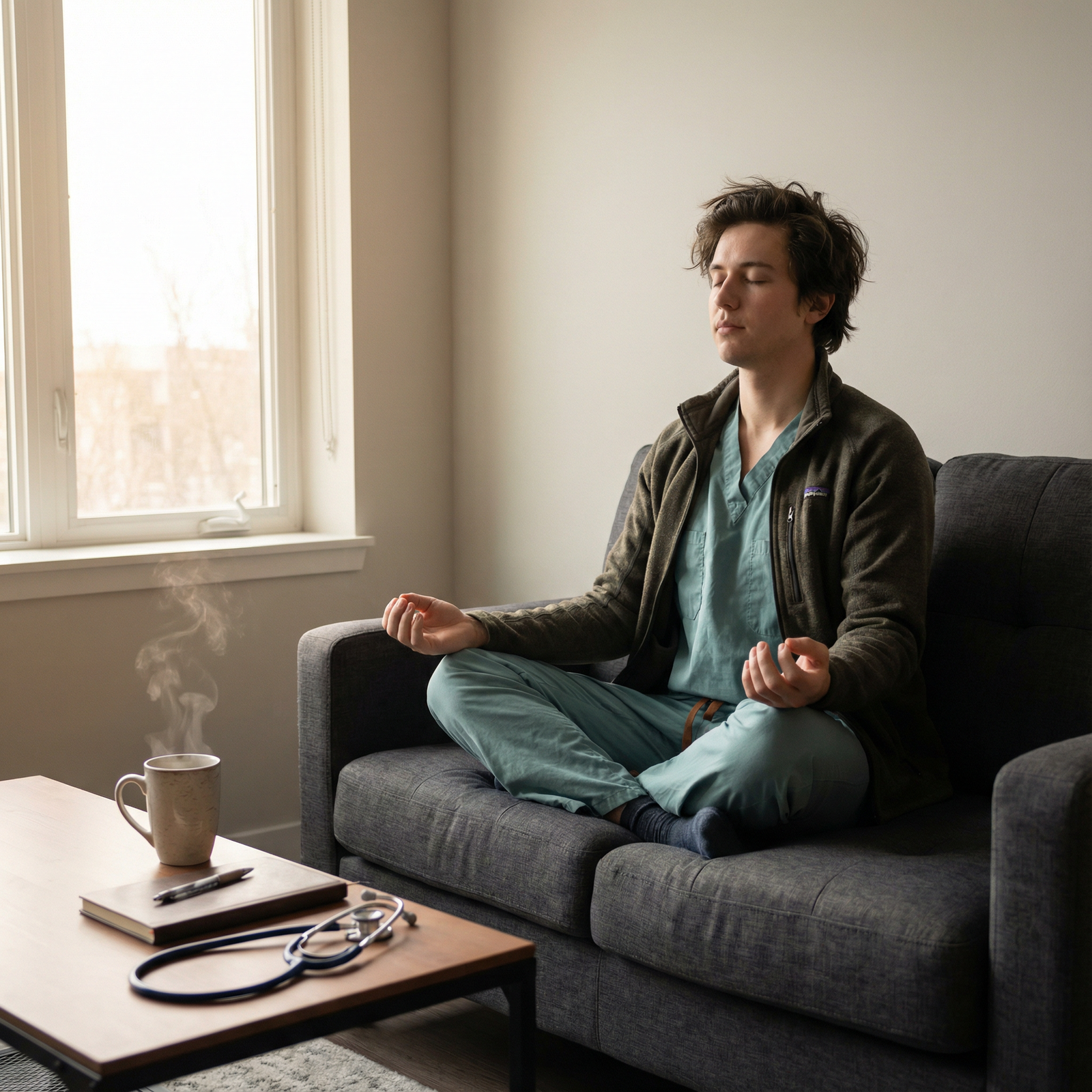
6. Mindfulness and Mental Preparation: Protecting Your Headspace
Residency is cognitively and emotionally heavy. A tiny dose of mindfulness or reflection each morning can significantly improve Stress Management and emotional resilience.
Quick Mindfulness Practices (3–10 Minutes)
You don’t need a meditation cushion or 30 minutes of silence.
Options that fit a resident’s reality:
- Guided meditation apps: Headspace, Calm, Ten Percent Happier – choose a 5–10 minute session before you leave home or during your commute (audio only if driving).
- Box breathing: Inhale for 4 seconds, hold for 4, exhale for 4, hold for 4. Repeat 4–5 cycles while sitting on your bed or at a stoplight (safely).
- Gratitude check-in: Mentally list 2–3 things you’re grateful for—could be as simple as a working coffee maker, a supportive co-resident, or a calm overnight shift.
Over time, these practices can increase your capacity to handle codes, bad news conversations, and interpersonal conflicts.
Intentional Mental Rehearsal
Spend one minute mentally walking through your upcoming day:
- What’s your first action when you get to the hospital—print patient list, check labs, touch base with the night intern?
- Any anticipated stress points—a difficult family meeting, a packed clinic, a challenging attending? Think of one practical way you’ll handle each.
- Set a micro-intention:
- “I will communicate clearly with my team.”
- “I will ask for help early when I’m stuck.”
- “I will eat at least one small snack before noon.”
This kind of visualization can decrease anxiety and increase your sense of agency.
7. Streamlining Your Commute: Turn Transit into a Transition
Commute time can either amplify stress or become a helpful buffer between home and hospital.
Logistical Streamlining
- Check traffic or transit apps before leaving to avoid surprises.
- Build in a 5–10 minute cushion so you’re not panicking about being late.
- If you park far away, factor in the walk time—this can double as morning movement.
Knowing you’re not running late immediately lowers baseline stress.
Use Commute Time Intentionally
Depending on your energy level and mental state, your commute can be:
- Learning time: Medical podcasts, review questions in audio format, language learning apps if you work with specific populations.
- Decompression time: Music, audiobooks, or silence if you’re coming off a hard call or anticipate a tough day.
- Mindfulness on the move: Gentle breath awareness at red lights (while still paying attention to the road).
Avoid starting the day doomscrolling on social media or re-reading contentious emails in the car. That mental clutter can follow you into rounds.
8. Digital Organization: Tech That Supports (Not Sabotages) Your Morning
Used thoughtfully, digital tools can streamline both your morning and your entire clinical day.
Calendar and Task Systems
- Use a single primary calendar (e.g., Google Calendar, Outlook) for rotations, clinics, didactics, and personal commitments. Color-code by category.
- Set alerts for shift start times, conferences, or recurring tasks (like dictations or call schedule sign-ups).
- Create a simple to-do list for the next day each evening; glance at it in the morning to orient yourself.
Knowing what’s coming reduces anxiety and frees up cognitive bandwidth.
Digital Note-Taking and Workflow
- Use apps like OneNote, Notion, or Evernote to store:
- High-yield clinical notes and references
- Templates for H&Ps and progress notes
- Checklists (admission orders, discharge planning steps)
- Pin or star the most important notes so they’re easy to access during prerounding.
A few minutes of digital organization at night makes your morning prep and prerounds faster and more efficient.
9. Limit Morning Distractions and Protect Your Focus
Your early morning time is precious. Guard it from low-value distractions.
Be Deliberate About Screens
- Avoid opening email or the EMR from bed—it pulls you instantly into work mode and can spike stress before you’re even upright.
- If social media leaves you feeling rushed or inadequate, save it for a later time (or not at all).
- Consider charging your phone outside of your bedroom to reduce mindless scrolling before sleep and upon waking.
You’ll feel calmer and more present as you move through your essentials.
Create a Calming Micro-Environment
Small environmental tweaks can make morning feel less chaotic:
- Use soft lighting instead of harsh overheads when you first wake.
- Play low-volume instrumental music or white noise while you get ready.
- Keep your primary spaces (bathroom counter, kitchen table) relatively uncluttered.
Even in a tiny apartment or call-room, you can carve out one small area that feels orderly and supportive.
Pulling It Together: Example Morning Routines for Different Rotations
To make these concepts concrete, here are sample routines you can adapt:
Early Wards/ICU Shift (Need to leave by 5:30 a.m.)
- 4:45 – Alarm, lights on, drink water
- 4:48 – Bathroom: brush teeth, quick face wash
- 4:55 – 5-minute stretch / box breathing
- 5:00 – Grab prepped breakfast (overnight oats) and coffee, pack into bag
- 5:05 – Quick mental review of patient list or day’s tasks
- 5:10 – Get dressed (scrubs already laid out), grab bag, check that badge/keys are in their spot
- 5:20 – Leave home, listen to a short podcast or quiet music on commute
Clinic Day (Later Start, Need to leave by 8:00 a.m.)
- 6:45 – Wake, water, open blinds
- 6:50 – 10–15 minute light workout or brisk walk
- 7:05 – Shower and get dressed
- 7:20 – Sit down for 10-minute breakfast, check calendar and clinic schedule
- 7:30 – 5–7 minute mindfulness/meditation
- 7:40 – Final bag check (snacks, charger, stethoscope), head out with coffee
Use these as templates and adjust based on your own start times, commute, and preferences.
Frequently Asked Questions About Morning Routines in Residency
What if my schedule is too unpredictable to have a consistent morning routine?
Think in terms of modules, not one fixed routine. Create 2–3 mini-routines:
- Post-call routine (very short): Wake, hydrate, basic hygiene, safe commute home, light snack, sleep.
- Early-start routine: 20–30 minutes total with essentials only (hygiene, simple breakfast, mental check-in).
- Late-start routine: Add exercise and longer mindfulness or study blocks.
Rotate among these modules based on your call schedule instead of expecting one routine to fit all days.
How can I stay motivated to stick to my morning routine when I’m exhausted?
Focus on minimum effective habits and make them as easy as possible:
- Shrink your routine to the smallest version you can maintain on your hardest days (e.g., water + hygiene + one healthy snack packed).
- Add one enjoyable element, like a favorite podcast, a special coffee, or 2 minutes of stretching that feels good.
- Track wins, not perfection: Did you drink water? Eat something with protein? Lay out scrubs the night before? Those all count.
Small, consistent actions are more powerful than occasional “perfect” mornings.
Is breakfast really that important for residents?
Yes. You don’t need a large meal, but some intake—especially protein and complex carbs—can:
- Improve concentration and reaction time
- Reduce irritability and mid-morning energy crashes
- Help prevent overeating junk food later in the day
If you can’t eat much right away, pack a portable breakfast to eat during sign-out or while reviewing labs.
How does a morning routine relate to physician wellness and stress management?
A supportive morning routine is one of the most practical Physician Wellness tools you control. It:
- Reduces chaos and uncertainty
- Builds in small acts of self-care (hydration, nutrition, movement, reflection)
- Creates mental space for coping with difficult clinical events
Over months and years, these habits accumulate and can reduce burnout risk, improve mood, and even enhance job satisfaction.
What resources can help me manage stress and build healthier routines during residency?
Helpful options include:
- Mindfulness and meditation apps: Headspace, Calm, Insight Timer
- Habit-forming tools: Habit tracking apps (e.g., Streaks, Habitica), simple paper checklists on your fridge
- Peer and institutional support: Resident wellness committees, confidential counseling services, peer support groups
- Educational content: Articles on time management, burnout, and work-life integration specifically for residents
For more comprehensive Residency Tips on thriving during training, see resources on navigating work-life balance and effective time management for residents. Building small, sustainable morning habits is a powerful first step toward a healthier, more resilient residency experience.