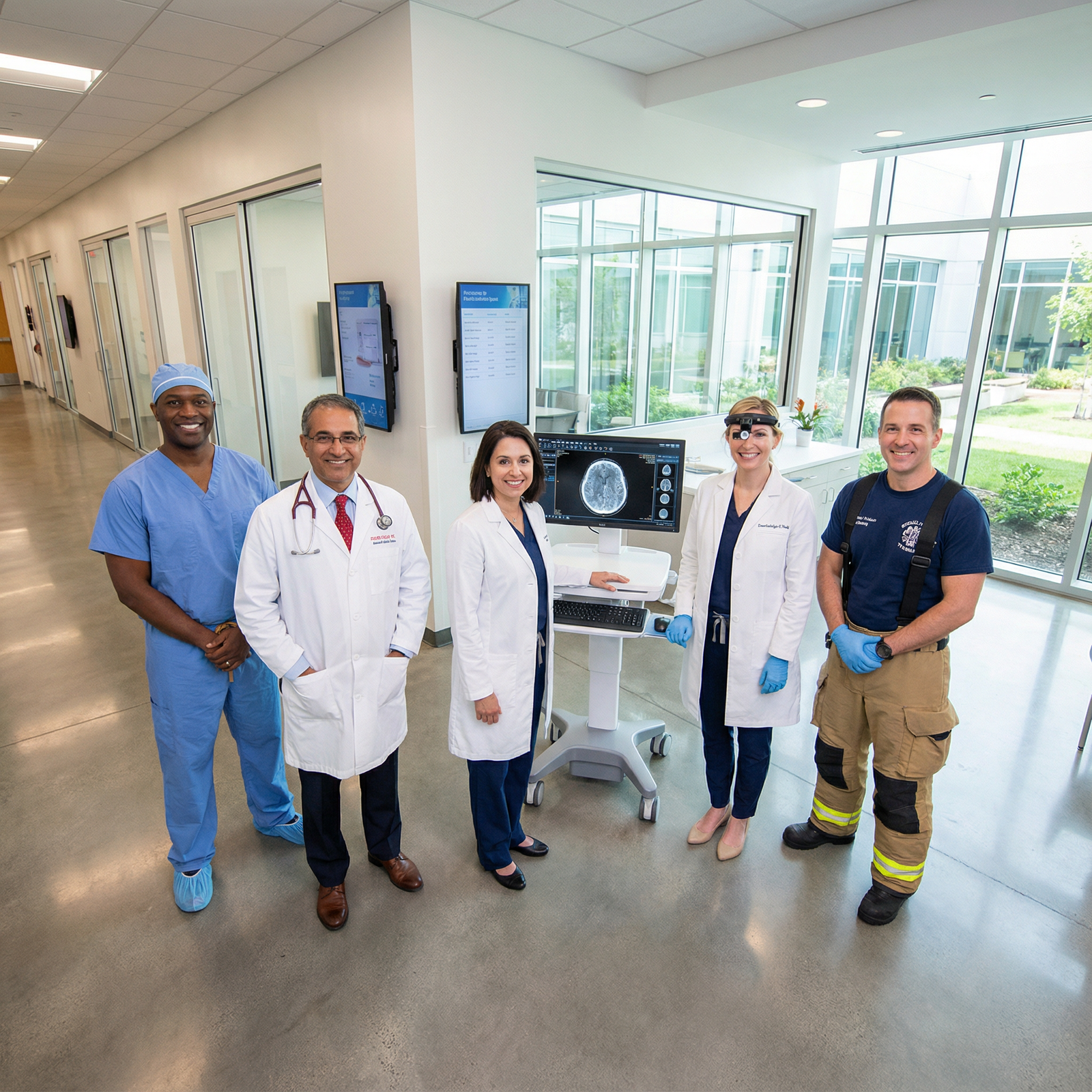
Understanding the Highest Paid Medical Specialties and Physician Earnings in 2023
The medical profession remains one of the most respected—and potentially lucrative—career paths. For medical students, residents, and early-career physicians, understanding which Medical Specialties offer the highest compensation can help shape long-term career and lifestyle decisions.
This expanded guide goes beyond simple salary rankings. It explores why certain specialties are among the highest paid, how compensation structures work, and what factors you should consider as you navigate your own path in healthcare careers. While money is not (and should not be) the only driver of specialty choice, realistic salary insights are an important part of informed decision-making.
Overview of Physician Earnings in 2023
Physician incomes in 2023 continue to reflect a complex mix of market forces, demographic trends, and evolving healthcare delivery models. Survey data from Medscape, the U.S. Bureau of Labor Statistics, and major healthcare compensation reports consistently show:
- Average physician salaries (all specialties combined) generally range from $200,000 to over $400,000 annually.
- Primary care physicians (e.g., family medicine, internal medicine, pediatrics) typically occupy the lower-to-middle end of that spectrum.
- Procedural and surgical specialties dominate the upper tiers of compensation.
Key Trends in Physician Compensation
Several trends shape physician earnings across medical professions in 2023:
- Rising demand for specialty care: An aging population and increased chronic disease burden drive demand for cardiology, gastroenterology, orthopedic surgery, and other high-intensity specialties.
- Shift toward employed models: More physicians now work for hospitals and large health systems rather than owning small private practices, changing how income is structured (salary + bonus vs. purely productivity-based).
- Telemedicine and remote work: Fields like radiology and dermatology increasingly incorporate telehealth, affecting workflow, productivity, and lifestyle (and in some cases expanding earning opportunities).
- Procedure-based reimbursement: Specialties that perform high-volume or high-complexity procedures continue to benefit from higher reimbursement per unit of work.
Core Factors Influencing Physician Salaries
Understanding why some specialties pay more than others requires looking beyond the number itself. Several factors consistently influence Physician Earnings:
Specialty Type and Complexity
- Procedural, high-risk, and surgically intensive specialties often command higher compensation.
- Advanced training (e.g., multiple fellowships) and subspecialization can increase earning potential.
Geographic Location
- Urban vs. Rural: Rural or underserved areas often offer higher base salaries, loan repayment, or signing bonuses to attract specialists.
- Region and Cost of Living: States with higher costs of living may offer higher nominal salaries, but real purchasing power may not always be greater.
- Market Competition: Regions with many training programs or specialists may see lower starting salaries due to supply/demand dynamics.
Experience, Skills, and Reputation
- Senior physicians with decades of experience generally earn more than those early in their careers.
- Physicians known for specific procedures or niche expertise (e.g., complex spine surgery, advanced endoscopy) often negotiate higher compensation or build highly profitable practices.
- Leadership roles (department chair, medical director) add administrative income.
Type of Practice and Employment Model
- Private Practice: Higher income potential but more financial risk. Income tied closely to productivity and business management.
- Hospital-Employed: More stable salary, benefits, and predictable hours; bonuses often tied to RVUs (Relative Value Units) or quality metrics.
- Academic Medicine: Lower base salaries on average, but may include protected research time, teaching, and institutional prestige.
Workload and Call Requirements
- Specialties with frequent emergency call (e.g., trauma surgery, obstetrics, cardiology interventional call) may pay more to compensate for nights, weekends, and intensity.
- Some high-paying specialties maintain demanding schedules that directly influence burnout risk and long-term work-life balance.

The Highest Paid Medical Specialties of 2023
Below is an overview of the highest-paid medical specialties in 2023, along with approximate average annual salaries. These figures are general estimates gathered from major compensation surveys; individual earnings vary widely based on the factors described above.
1. Orthopedic Surgery
Average Salary: ~$570,000
Orthopedic surgery consistently ranks among the top-paying Medical Specialties. Orthopedic surgeons diagnose and treat diseases and injuries of the musculoskeletal system, including bones, joints, ligaments, tendons, and muscles.
Why Orthopedic Surgery Pays So Well
- High procedure volume: Joint replacements, fracture repairs, arthroscopic procedures, and spine surgeries are common and often well-reimbursed.
- Aging population: Demand for hip and knee replacements and degenerative spine care is growing as populations age.
- Intensive training and risk: Orthopedic residency followed by optional subspecialty fellowships (sports medicine, spine, hand, trauma) reflects the complexity and risk profile of the work.
Practical Example
An orthopedic surgeon in a high-volume joint replacement center performing multiple hip and knee arthroplasties per week can generate substantial revenue for the hospital or practice. This translates into generous productivity bonuses on top of a strong base salary, often pushing total compensation well above the average.
Lifestyle Considerations:
- Significant OR time and physical demands.
- Call coverage for trauma and fractures can be intense, especially early in a career.
- Potential for long, physically taxing days but also opportunities for high income and sub-specialization that can adjust workload.
2. Cardiology
Average Salary: ~$490,000
Cardiologists specialize in the diagnosis and management of cardiovascular disease. This expansive field includes general (non-invasive) cardiology and subspecialties such as interventional cardiology and electrophysiology (EP), which may command even higher earnings.
Drivers of High Income in Cardiology
- Chronic disease prevalence: Heart disease remains a leading cause of morbidity and mortality worldwide, maintaining high and stable demand.
- Procedural revenue: Interventional cardiologists performing angioplasties, stent placements, structural heart procedures (e.g., TAVR), or EP procedures (e.g., ablations) can significantly increase their income.
- Technological advances: Growth in minimally invasive therapies boosts utilization of cardiac catheterization labs and advanced imaging.
Real-World Scenario
A cardiologist working in a large health system who splits time between clinic visits, non-invasive imaging, and procedures might receive a base salary plus strong RVU-driven bonuses. An interventional cardiologist who is frequently on call for STEMI (ST-elevation MI) activations can further increase earnings through procedure-based compensation.
Lifestyle Considerations:
- High-acuity patients and frequent emergencies.
- Interventional and EP cardiology require significant call and off-hours work.
- Non-invasive cardiology may offer more predictable hours and still strong compensation.
3. Plastic Surgery
Average Salary: ~$487,000
Plastic surgery straddles the line between reconstructive and cosmetic medicine. Plastic surgeons treat congenital anomalies, trauma, burns, and post-cancer reconstruction, as well as elective aesthetic procedures such as rhinoplasty, breast augmentation, and body contouring.
Income Drivers in Plastic Surgery
- Elective procedures: Cosmetic surgeries are often self-pay and less constrained by insurance reimbursement.
- High-margin services: Aesthetic procedures and non-surgical treatments (e.g., injectables, laser therapies) can offer excellent profit margins in private practice.
- Branding and reputation: Surgeons who build strong reputations and social media visibility can attract a large elective patient base.
Case Study Example
A plastic surgeon with a dual practice—reconstructive cases at a hospital plus a private cosmetic clinic—can combine stable salary (hospital work) with high-margin elective procedures. Offering packages that include surgery, post-operative care, and adjunct cosmetic treatments can significantly raise total annual income.
Lifestyle Considerations:
- More control over schedule in private cosmetic practice compared to trauma-based reconstruction.
- Business and marketing skills are critical in building a successful high-earning aesthetic practice.
- Competition is intensive in major metropolitan markets.
4. Gastroenterology
Average Salary: ~$485,000
Gastroenterologists manage diseases of the digestive system, including the esophagus, stomach, intestines, liver, gallbladder, and pancreas. Their scope includes both medical management and endoscopic procedures.
Why Gastroenterology is Highly Compensated
- High procedure volume: Colonoscopies, upper endoscopies, and advanced therapeutic endoscopies generate substantial revenue.
- Preventive screening: Colon cancer screening guidelines drive steady demand for colonoscopy.
- Chronic disease management: Conditions like inflammatory bowel disease, fatty liver disease, and GERD require long-term care.
Lifestyle Considerations:
- Mix of clinic, endoscopy suite procedures, and hospital consults.
- Call responsibilities vary by practice; some GI groups share call among many partners.
- Opportunities for advanced endoscopy (ERCP, EUS) can increase both earning potential and complexity of work.
5. Radiology
Average Salary: ~$475,000
Radiologists interpret medical imaging studies that are central to diagnosis and treatment planning: X-rays, CT scans, MRIs, ultrasound, mammography, and nuclear medicine.
Income Drivers in Radiology
- High-volume workflow: Radiologists can read large numbers of studies daily, especially with optimized PACS systems and teleradiology.
- Subspecialization: Neuroradiology, interventional radiology (IR), and breast imaging may offer higher compensation than general diagnostic radiology.
- Remote work opportunities: Teleradiology allows radiologists to work from various locations, sometimes for night-coverage groups that pay premiums.
Lifestyle Considerations:
- Less direct patient contact (except IR and some subspecialties).
- Shift-based work can support flexible schedules but may include nights and weekends.
- Technological reliance and evolving AI tools will shape future practice patterns.
6. Urology
Average Salary: ~$471,000
Urologists manage diseases of the urinary tract and male reproductive system, including kidney stones, prostate disorders, incontinence, and urologic cancers.
Why Urology Offers Strong Compensation
- Procedural volume: Cystoscopies, prostate procedures (e.g., TURP, HoLEP), endoscopic stone treatments, and robotic surgeries are common.
- Aging population: Benign prostatic hyperplasia (BPH) and other age-related conditions are highly prevalent.
- Technological innovation: Minimally invasive and robotic techniques enable efficient, high-value procedures.
Lifestyle Considerations:
- Blend of clinic and OR time; moderate to heavy call, depending on practice.
- Opportunity to specialize in oncology, female urology, or minimally invasive surgery.
- High patient demand in many regions, often translating into strong job security and negotiation power.
7. Anesthesiology
Average Salary: ~$460,000
Anesthesiologists play an essential role in perioperative care, pain management, and critical care. They oversee anesthesia for surgeries and procedures, optimize patient safety, and sometimes manage chronic pain clinics.
Key Drivers of Anesthesiology Income
- Central role in surgery: Every major surgical procedure requires anesthesia services.
- Wide practice settings: Hospitals, ambulatory surgery centers (ASCs), pain management clinics.
- Case complexity: Cardiac anesthesia, pediatric anesthesia, and critical care can command higher compensation.
Lifestyle Considerations:
- Variable schedules depending on group structure: predictable daytime work vs. substantial call.
- Some groups offer “no-call” positions at lower pay; others involve high-intensity OR coverage and nights.
- Non-OR roles (e.g., chronic pain management) may offer more daytime outpatient schedules.
8. Dermatology
Average Salary: ~$450,000
Dermatologists treat skin, hair, and nail conditions, from acne and eczema to skin cancers and autoimmune disorders. Many also offer cosmetic procedures.
Why Dermatology Remains a High-Earning Specialty
- Demand for skin care: High prevalence of skin disease plus cosmetic interest across all age groups.
- Outpatient, procedure-heavy work: Biopsies, excisions, Mohs surgery, cosmetic treatments (fillers, neurotoxins, lasers) add billable procedures.
- Flexible practice models: Private practices can tailor services to local market demand, often with cash-pay cosmetic options.
Lifestyle Considerations:
- Predominantly outpatient with predictable weekday hours.
- Minimal emergency call compared to surgical or acute care specialties.
- Highly competitive residency entry due to favorable income plus lifestyle profile.
9. Obstetrics & Gynecology (OB/GYN)
Average Salary: ~$400,000
OB/GYNs care for women’s reproductive health, pregnancy, childbirth, and related surgical needs. The specialty combines office-based practice with labor & delivery and gynecologic surgery.
Compensation Drivers in OB/GYN
- Continuous demand: Prenatal care, deliveries, and gynecologic procedures are core healthcare needs.
- Procedural component: C-sections, hysterectomies, laparoscopic and robotic surgeries increase earning potential.
- Subspecialties: Maternal–fetal medicine, reproductive endocrinology & infertility, and gynecologic oncology often pay more than general OB/GYN.
Lifestyle Considerations:
- Historically demanding call schedules and unpredictable hours due to deliveries.
- Some physicians transition to “gynecology-only” practices later in their careers for more predictable schedules.
- Hospitalist OB/GYN models (laborists) can structure work into shifts with clearer boundaries.
10. General Surgery
Average Salary: ~$395,000
General surgeons handle a broad range of surgical conditions—commonly involving the abdomen, breast, soft tissues, and endocrine systems. Many later sub-specialize in vascular surgery, colorectal surgery, surgical oncology, or minimally invasive surgery.
Why General Surgery Remains Well-Compensated
- Essential services: Emergency surgeries (appendectomies, cholecystectomies, trauma procedures) are core hospital services.
- High acuity and responsibility: General surgeons often manage critically ill patients and complex operative cases.
- Subspecialization potential: Fellowship training can yield higher compensation than general practice alone.
Lifestyle Considerations:
- Intense residency and demanding early-career workload.
- Frequent emergency call, including nights and weekends.
- Subspecialty paths and practice setting choices can moderate or increase intensity and income.

Beyond Salary: Choosing the Right Medical Specialty
Knowing which fields are among the highest paid medical specialties is only one piece of the puzzle. For a sustainable and satisfying career in medicine, you should also weigh several qualitative factors.
Aligning Interests, Aptitudes, and Lifestyle
Consider:
- Clinical interests: Do you enjoy procedures? Long-term patient relationships? Diagnostic reasoning? Acute care?
- Tolerance for stress and risk: How comfortable are you with life-or-death decisions, litigation risk, or night emergencies?
- Preferred work environment: Do you see yourself mainly in the OR, clinic, ICU, imaging suite, or lab?
- Work–life balance: What level of call and overtime are you willing to accept, especially over a 20–30+ year career?
Practical Steps for Medical Students and Residents
Maximize Clinical Exposure
- Use third- and fourth-year rotations to explore a variety of medical professions and practice settings.
- Request electives in top-earning specialties you’re considering—orthopedics, cardiology, radiology, GI, dermatology, etc.
Seek Mentorship
- Connect with attendings and fellows in different specialties.
- Ask candid questions about their typical week, call schedule, compensation structure, and what they might do differently in hindsight.
Understand Compensation Structures Early
- Learn basic concepts: RVUs, base salary vs. productivity bonuses, partnership tracks, buy-ins, and profit sharing.
- Review physician compensation reports from organizations like Medscape, MGMA, and specialty societies.
Evaluate Long-Term Outlook
- Consider projected demand for your specialty regionally and nationally.
- Think about how technology (e.g., AI in radiology, robotics in surgery) might change practice patterns and earning potential over time.
Balance Income With Fulfillment
- A slightly lower-paying specialty that you genuinely enjoy may provide far greater long-term satisfaction and reduce burnout risk.
- Remember: lifestyle quality, sense of purpose, and day-to-day enjoyment matter just as much as the top line of your income statement.
FAQ: Salary Insights and Specialty Selection in Healthcare Careers
1. Are salaries the most important factor when choosing a medical specialty?
No. While salary is an important practical consideration—especially if you have significant educational debt—it should not be the sole driver. You’ll likely spend decades in your chosen specialty, so alignment with your interests, strengths, and preferred lifestyle matters tremendously. Burnout rates can be high in some of the most demanding, highly paid specialties. Ideally, you should choose a field where you enjoy the daily work and can envision a sustainable life, not just a strong paycheck.
2. How can I increase my earning potential within my chosen specialty?
Several strategies can help you maximize income regardless of specialty:
- Pursue subspecialty training (e.g., interventional cardiology, advanced endoscopy, surgical oncology) if aligned with your interests.
- Develop procedural skills that are in high demand and well reimbursed.
- Consider practice setting: High-volume private practice or partnership-track positions often out-earn academic roles.
- Negotiate wisely: Learn how to interpret contracts, RVU targets, non-compete clauses, and partnership terms.
- Build your reputation: Excellence in clinical care, strong patient satisfaction, and niche expertise can attract referrals and enhance your value.
3. How much do physician salaries vary by region in the U.S. (or globally)?
Regional variation is significant. In the U.S., for example:
- Midwest, South, and rural areas often offer higher nominal salaries and loan repayment incentives due to recruitment challenges.
- Coastal urban centers may offer lower relative salaries but higher prestige or research opportunities—alongside a higher cost of living.
- Globally, compensation varies widely by country, healthcare system (public vs. private), and local demand. If you are considering practicing abroad, review country-specific physician earnings data and licensing requirements.
4. What resources can I use to research salary expectations in various medical specialties?
Useful resources include:
- Medscape Physician Compensation Reports (annual, by specialty).
- MGMA (Medical Group Management Association) compensation data (often accessed through institutions).
- Specialty society surveys, e.g., from the American College of Cardiology, American College of Surgeons, American Academy of Dermatology, etc.
- Residency program directors and mentors, who can share current market trends and regional nuances.
- Physician discussion forums and alumni networks, which may provide real-world perspectives—but interpret anecdotal reports with caution.
5. How can I choose a specialty that aligns with both my interests and my financial goals?
A structured approach can help:
- Self-assessment: Reflect on what aspects of medicine you enjoy—procedures, longitudinal care, acute vs. chronic disease, team leadership, technical skills, or complex diagnostics.
- Exposure and shadowing: Spend time in multiple specialties, including both clinic and on-call hours, to understand the full picture.
- Financial modeling: Estimate your loan burden, projected income in various specialties, anticipated location, and lifestyle goals. Simple budgeting tools can illustrate how different income levels affect your long-term financial trajectory.
- Mentor conversations: Ask attending physicians why they chose their specialty, what they would change, and how their income aligns with their initial expectations.
- Revisit priorities regularly: Your values and goals may evolve during medical school and residency; remain open to re-evaluating your path with new information and experiences.
By understanding the landscape of the highest paid medical specialties and the many variables that influence Physician Earnings, you can approach specialty choice with a balanced, informed perspective. Thoughtful planning, honest self-reflection, and strategic career decisions will help you craft a medical career that is not only financially rewarding but also deeply meaningful and sustainable over the long term.