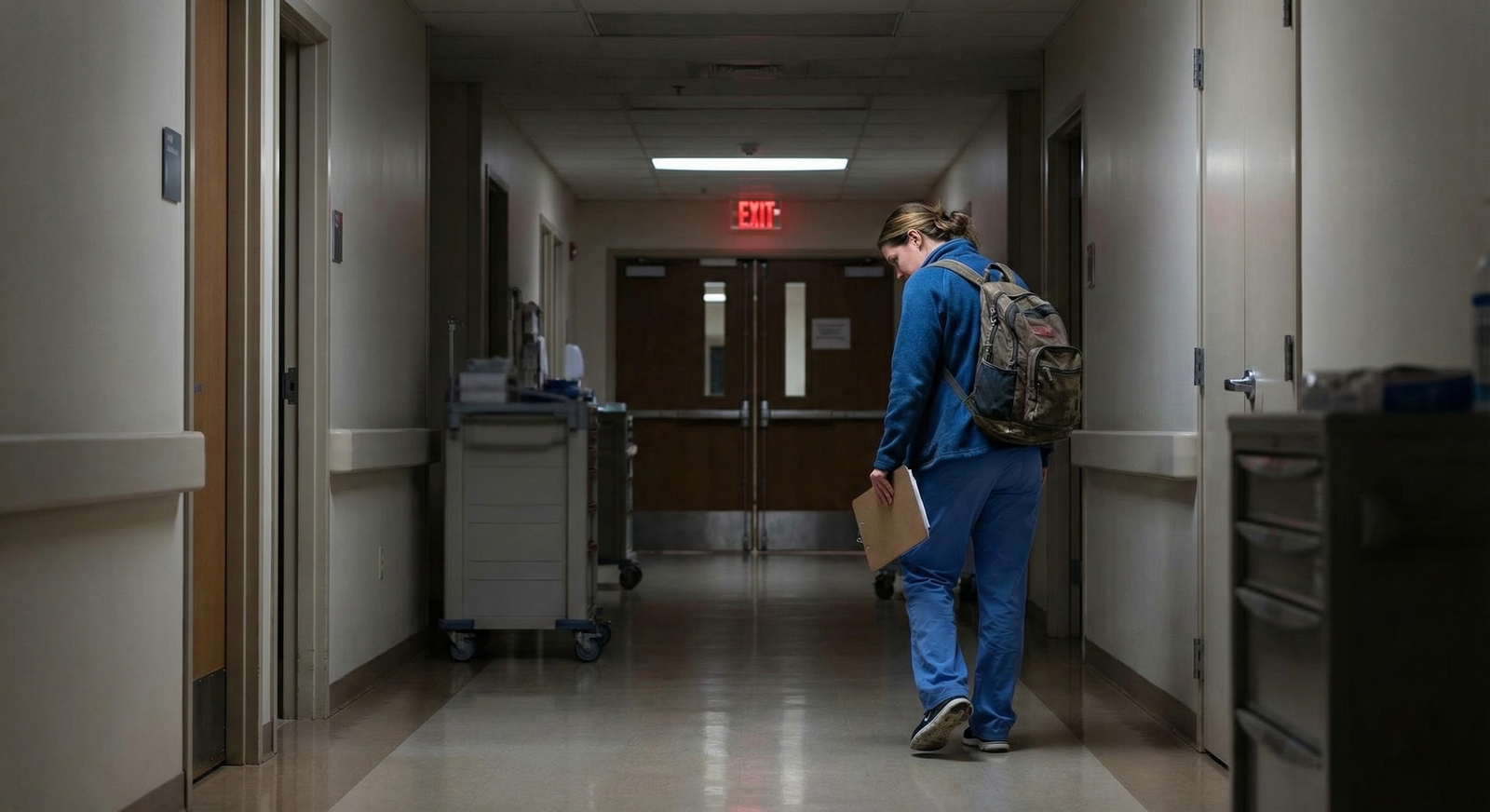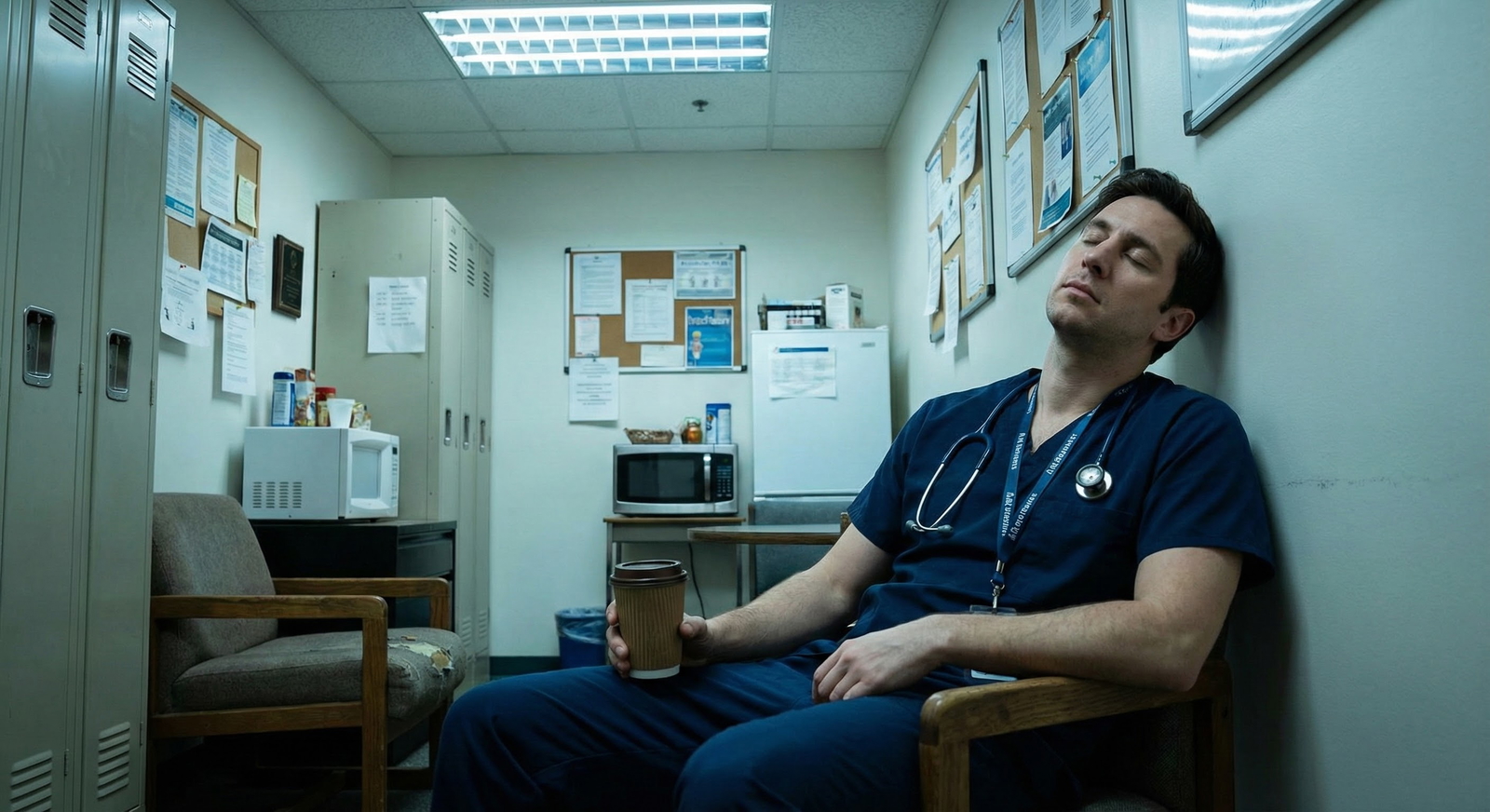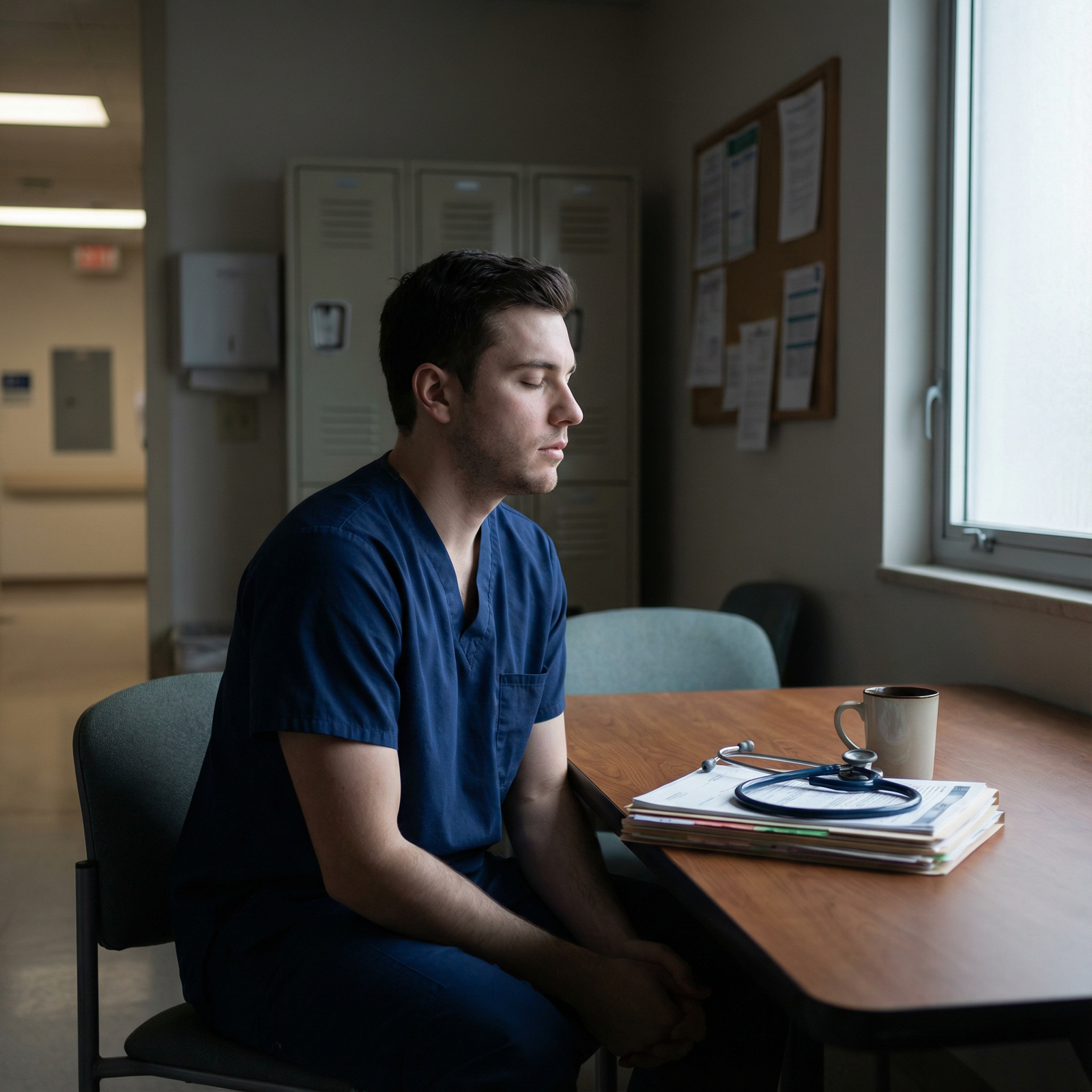
In the relentless pace of medical residency—night float, cross-cover pages, emotionally charged family meetings, and back-to-back admissions—your attention is constantly pulled in a dozen directions at once. Mindfulness is not about becoming perfectly calm or detached; it is about training your mind to stay present, steady, and responsive in the middle of that chaos.
By deliberately cultivating mindfulness, residents can improve stress management, sharpen clinical focus, enhance personal development, and ultimately provide safer, more compassionate patient care. This expanded guide walks through why mindfulness matters during residency, specific techniques tailored for busy trainees, and practical strategies for building a sustainable routine in real-world training environments.
Why Mindfulness Matters in Medical Residency
Mindfulness—often defined as paying attention, on purpose, in the present moment, and without judgment—is more than a wellness buzzword. For residents, it is a set of trainable mental skills that support both professional performance and personal well-being.
The Unique Stressors of Residency
Residency combines several high-stress factors:
- Long, irregular hours and sleep disruption
- Constant information overload and decision fatigue
- Responsibility for acutely ill patients with little margin for error
- Exposure to suffering, loss, and emotionally intense encounters
- Evaluation pressure from attendings, peers, and standardized exams
- Limited control over schedule, workload, or patient volume
These conditions create fertile ground for anxiety, burnout, and depersonalization. Research consistently shows high rates of burnout and depression among residents, which are linked to:
- Increased medical errors
- Reduced empathy and patient satisfaction
- Impaired learning and memory
- Higher rates of substance use and attrition from training
Mindfulness does not remove these stressors—but it changes how you relate to them.
How Mindfulness Supports Resident Performance and Well-Being
Mindfulness can be thought of as “mental cross-training” for residency. Core benefits include:
1. Stress Reduction and Physiologic Calm
Deliberate attention to the present moment can downshift your nervous system from “fight or flight” to a more regulated state. This:
- Lowers heart rate and blood pressure
- Reduces muscle tension and physical symptoms of stress
- Creates space to respond thoughtfully instead of reacting impulsively
For a resident, that might look like noticing your chest tightening during a rapid response and using a single slow breath to steady yourself before speaking.
2. Enhanced Concentration and Cognitive Clarity
Mindfulness trains you to notice distraction and gently return your focus. Over time this:
- Improves sustained attention (vital during long cases and sign-out)
- Helps filter signal from noise in complex patient presentations
- Supports working memory and clinical reasoning under pressure
You’re better able to follow a patient’s story, catch subtle exam findings, and avoid cognitive errors when your attention is more stable.
3. Improved Emotional Regulation and Professionalism
Mindfulness emphasizes observing emotions rather than being swept away by them. For residents, this can mean:
- Recognizing irritation before snapping at a nurse or colleague
- Noticing fear or self-doubt without letting it paralyze decision-making
- Staying grounded during difficult conversations with families
Over time, this fosters more compassionate communication, fewer interpersonal conflicts, and a more supportive team culture.
4. Increased Resilience and Burnout Protection
Consistent mindfulness practice builds psychological flexibility—the ability to adapt to changing circumstances without losing your core values or sense of self. This:
- Helps you recover more quickly after bad outcomes or mistakes
- Reduces rumination and self-criticism
- Supports sustained engagement with work instead of emotional numbness
It does not eliminate stress, but it can change how heavy that stress feels and how long it lingers.
5. Healthier Work–Life Boundaries and Self-Awareness
Mindfulness strengthens your awareness of internal states—fatigue, overwhelm, satisfaction, alignment with your values. That awareness is essential for:
- Recognizing when you need rest, food, or support
- Setting boundaries (e.g., saying no to extra tasks when unsafe)
- Making intentional choices about your personal development and career path
In short, mindfulness is not a luxury add-on to residency; it is a practical toolkit that helps you survive and grow in an inherently demanding environment.
Core Mindfulness Techniques Tailored for Busy Residents
You do not need long retreats or 45-minute meditations to benefit from mindfulness. Micro-practices—30 seconds to 5 minutes—can be woven into your existing workflow.
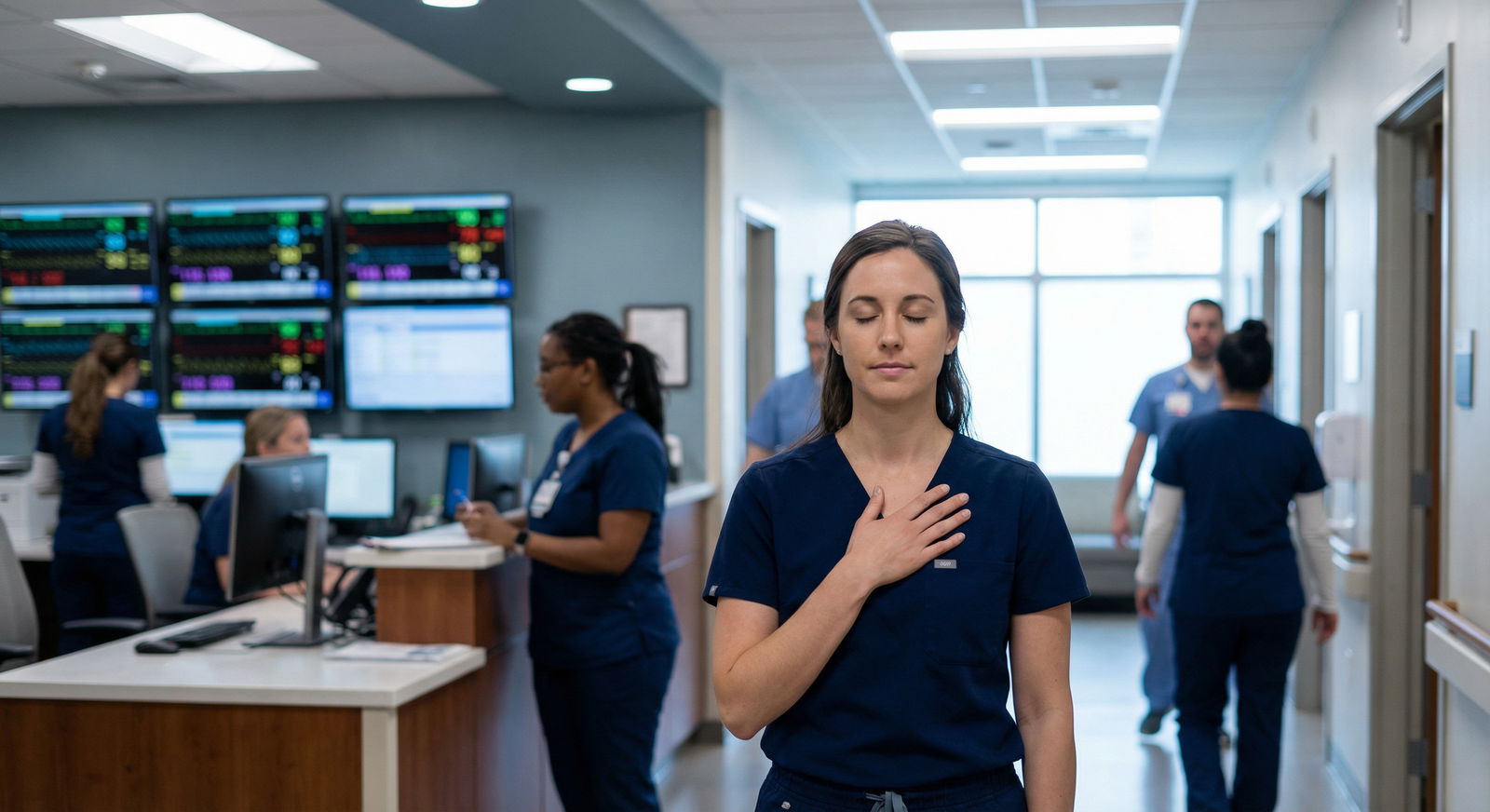
1. Mindful Breathing for On-the-Spot Stress Management
Mindful breathing is your most portable, evidence-supported tool. It can be done almost anywhere—during handwashing, elevator rides, or while waiting for lab results to populate.
How to Practice (1–2 Minutes)
Pause and feel your feet on the ground
Standing or sitting, gently bring awareness to the sensation of your feet resting on the floor.Inhale through your nose for a count of four
Notice the cool air moving in, your chest or belly rising.Hold for a count of four
Not rigidly—just a gentle pause.Exhale slowly through your mouth for a count of six
Soften your shoulders and jaw as you exhale.Repeat for 4–6 cycles
When your mind wanders (and it will), simply notice it and bring attention back to the breath.
Real-World Uses
- Before entering a room to give bad news or have a difficult conversation
- Between back-to-back admissions to reset your focus
- After a tense interaction with a colleague or consultant
- During scrub-in for procedures to steady your hands and attention
Even a single slow, intentional breath before speaking can change the tone of an entire interaction.
2. Body Scan Meditation to Reconnect with Your Own Body
Residency often teaches you to override your body’s signals—ignoring hunger, fatigue, or pain. Over time, this disconnect contributes to burnout and health problems.
A body scan reverses that pattern by systematically checking in with each region of the body.
How to Practice (5–20 Minutes)
Find a relatively quiet space
This might be a call room, your parked car, or your bedroom at home.Get comfortable
Sit upright in a chair or lie on your back if possible. Close your eyes or soften your gaze.Start at the toes
Gently place your attention on your toes. Notice sensations: warmth, coolness, tingling, or numbness—without judging them.Move slowly upward
Ankles → calves → knees → thighs → pelvis → abdomen → chest → hands → arms → shoulders → neck → face → scalp.
At each area, simply notice what is present.Breathe into areas of tension
If you notice tightness (e.g., in your shoulders or jaw), imagine sending your breath into that area as you exhale.Close with a few full-body breaths
Sense your entire body as a whole and take a few slow, generous breaths.
Real-World Uses
- As a nightly ritual to transition from call to rest
- On post-call days to notice where you’re storing tension
- Before bed on ICU months to help shift out of constant alert mode
Shortening this to a 3–5-minute “mini scan”—checking in with shoulders, jaw, chest, and gut—can still be powerful.
3. Mindful Walking Between Patients or Departments
You already walk constantly during residency. Turning some of those steps into mindful walking infuses your day with brief, restorative breaks.
How to Practice (30 Seconds–5 Minutes)
Slow your pace slightly (if safe)
You don’t need to stroll; just move from “rushed” to “purposeful.”Notice the contact of your feet with the floor
Feel heel, arch, toes touching down and lifting.Synchronize with breath
Perhaps 2–3 steps per inhale, 2–3 steps per exhale. No need to count perfectly.Open your senses
- Sight: light on the floor, colors of scrubs, movement around you
- Sound: distant monitors, footsteps, voices as simple sounds, not stories
- Touch: air on your skin, fabric of your coat
Return to walking when the page goes off
When interrupted, simply note “back to work” and transition.
Real-World Uses
- Walking from the ED to the wards or ICU
- Heading to the cafeteria or back from conference
- On your way to a family meeting or code debrief
These small moments gradually train your nervous system to visit a calmer baseline multiple times per day.
4. Gratitude Journaling for Perspective and Personal Development
Residency can narrow your mental spotlight to what went wrong—missed labs, difficult feedback, critically ill patients. Gratitude journaling broadens that focus to include what is still going right, fostering resilience and hope.
How to Practice (3–5 Minutes)
Choose a consistent time
Common options:- Before bed
- After sign-out
- On your commute home (voice notes if you’re driving)
Write down three things you are grateful for
They can be small or large, such as:- A nurse who helped you place lines efficiently
- A patient who thanked you for explaining their diagnosis clearly
- Ten quiet minutes to eat lunch
- A fellow resident who checked in after a difficult code
Add one sentence of “why”
This deepens the effect: “That moment mattered because it reminded me I’m not alone here,” or “It helped me feel competent and trusted.”Include both personal and professional moments
Don’t forget nonwork joys: a warm shower, a call from a friend, a good workout, a pet greeting you at home.
Real-World Impact
Over weeks, you build a record that counters the negativity bias of stressful training. This supports emotional balance, improves mood, and reminds you why you chose medicine in the first place—key aspects of long-term personal development.
5. Mindful Eating During Short Breaks
Residents often inhale food in front of a computer while finishing notes, if they eat at all. Mindful eating reclaims mealtimes as short, restorative pauses that support both physical and mental health.
How to Practice (5–10 Minutes)
When possible, step away from your workstation
Even moving to a different chair or corner can help.Put away additional screens and multitasking
Just for a few minutes, no charting or scrolling while you eat.Before your first bite, pause
- Notice the colors, smells, and textures of your food.
- Take one slow breath in and out.
Take smaller bites and chew slowly
Pay attention to taste, temperature, and the act of chewing and swallowing.Check in with hunger and fullness halfway through
Ask yourself: “How hungry am I now?” This helps you honor your body’s needs and prevent extremes of under- or overeating.
Real-World Uses
- A five-minute mindful snack on a busy call night
- Protecting at least part of your lunch break as “no-chart time” if safe for patient care
- Resetting your nervous system after a stressful code before returning to the floor
You will likely return to work clearer, more energized, and less irritable.
6. Guided Mindfulness and Apps for Structured Support
If you are new to mindfulness or prefer structure, guided sessions can be extremely helpful.
How to Practice (5–15 Minutes)
Choose a reputable app or platform
Popular options include:- Headspace
- Calm
- Insight Timer
- Ten Percent Happier
Many institutions now offer free or discounted access for trainees—ask GME or wellness leadership.
Select brief, targeted practices
Look for sessions labeled:- “For stress”
- “Before sleep”
- “On the go”
- “For healthcare workers”
Anchor sessions to existing routines
- 5 minutes before leaving for work
- On public transit (eyes open, listening)
- Right after you get home, before you check your phone
Join local or virtual groups if available
Some hospitals have mindfulness groups, Balint groups, or wellness rounds. Practicing with others can normalize stress and reduce stigma around seeking support.
Real-World Uses
- Creating a 10-minute pre-bed routine to improve fragmented sleep
- Using a 5-minute “reset” meditation after a bad outcome
- Participating in group mindfulness during noon conference or wellness workshops
Building a Sustainable Mindfulness Routine in Residency
The goal is not perfection—it is consistency over time in small, realistic doses.
Step 1: Start Tiny and Specific
Instead of committing to “30 minutes of meditation daily,” choose one or two micro-practices:
- Three mindful breaths before each patient encounter
- One 3-minute body scan before bed on non-call nights
- Gratitude journaling twice per week
Concrete, tiny commitments are more sustainable during heavy rotations.
Step 2: Use Habit Anchors
Attach mindfulness to things you already do every day:
- Handwashing → 20–30 seconds of mindful breathing
- Elevator rides → mindful standing and breath awareness
- Logging into the EMR → one intentional breath before typing
- Taking off your badge at home → signal to do a quick reflection or gratitude note
These anchors reduce the mental load of “remembering” to practice.
Step 3: Track, Reflect, and Adjust
Every 1–2 weeks, briefly check in:
- What practices actually fit my schedule?
- When did I feel slightly more grounded, present, or patient?
- Are there rotations where I need shorter, more flexible practices?
Adjust intensity and frequency by block (e.g., lighter practices on ICU months, longer sessions on elective).
Step 4: Integrate Mindfulness into Patient Care
Mindfulness is not just for your own stress management; it can directly enhance patient care:
- Before entering a patient’s room: One slow exhale and a silent intention: “Let me be present with this person.”
- During patient interviews: Notice when your mind drifts to your to-do list, gently return to the patient’s words and body language.
- During procedures: Use breath to steady your hands and attention.
- During family meetings: Practice listening fully without rehearsing your next sentence; notice and ride out your own discomfort.
This presence improves rapport, reduces misunderstandings, and supports safer, more thoughtful clinical decisions.
Overcoming Common Barriers to Mindfulness in Residency
Many residents have understandable doubts about mindfulness. Addressing these can help you stick with it.
“I Don’t Have Time”
- You do not need extra time—start with practices that fit into tasks you already do (walking, handwashing, waiting for the CT to upload).
- Even 30 seconds of deliberate breathing before answering a page can shift your response.
“It Feels Too ‘Soft’ for Real Medicine”
Mindfulness is not about being passive or detached; it is about optimizing mental performance under pressure. Many elite athletes, military personnel, and high-stakes professionals use similar techniques to enhance focus and resilience.
“My Mind Won’t Stop Wandering”
That wandering is normal—and noticing it is the practice. Each time you realize you’re distracted and gently return to the breath, you are strengthening your attention “muscle,” just like reps at the gym.
“I Tried Once and Didn’t Feel Anything”
Mindfulness is a skill, not a quick fix. Benefits usually accumulate over days to weeks of consistent, small practice. Like procedural skills, brief, repeated sessions are more effective than one long attempt.

FAQs About Mindfulness in Medical Residency
1. How long do I need to practice mindfulness to see benefits?
You can notice small shifts—slightly slower heart rate, clearer thinking, less reactivity—from even a few mindful breaths. For more consistent benefits in stress management and emotional regulation, studies suggest:
- 5–10 minutes daily for several weeks can improve mood and focus
- Short, repeated practices throughout the day (breathing, mindful walking) are as important as single longer sessions
Focus on regularity rather than duration. Even busy interns can realistically fit in multiple 30–60 second practices.
2. Can mindfulness actually improve my patient care?
Yes. Mindfulness can support patient care by:
- Enhancing your listening and reducing missed details during history-taking
- Decreasing cognitive errors that stem from fatigue, distraction, or emotional overwhelm
- Improving empathy, which strengthens therapeutic relationships and patient satisfaction
- Helping you stay calm and organized during emergencies, leading to clearer communication and safer decisions
Patients often notice when a clinician is genuinely present, even in very brief encounters.
3. Is mindfulness only for when I feel overwhelmed or in crisis?
Mindfulness is helpful during crises, but its greatest impact comes from regular practice during everyday moments. Like physical conditioning, you build the mental capacity before you need it most. Then, when you face a bad outcome, code, or complaint, you already have the tools to:
- Recognize and name your emotional state
- Pause and choose a response aligned with your values
- Prevent one difficult event from derailing your entire day or week
4. What if mindfulness stirs up uncomfortable emotions or memories?
This can happen, especially in a high-stress field like medicine. If you notice strong emotions:
- Shorten your practice and focus on grounding sensations (feet on the floor, contact with the chair).
- Keep eyes open and stay connected to the room.
- Consider guided practices specifically designed for stress and trauma.
- Reach out to trusted supports—program wellness resources, a mentor, peer support, or mental health professionals.
Mindfulness is not a replacement for therapy. If you have a history of trauma, significant anxiety, or depression, working with a mental health professional while exploring mindfulness can be especially helpful.
5. How can I get my program or co-residents involved?
Bringing mindfulness into your training environment can amplify the benefits:
- Suggest a 1–2 minute breathing exercise at the start of didactics or morning report.
- Propose a brief “mindful pause” before morbidity and mortality conferences or code debriefs.
- Ask GME leadership about institutional subscriptions to mindfulness apps.
- Start an informal peer group to practice once a week after sign-out (even 10 minutes).
A culture that values mindfulness supports better teamwork, communication, and patient care—and can make residency feel more humane.
By integrating even a few of these techniques into your daily routine, you are not just “adding one more thing” to your already full plate. You are changing the way your mind holds that plate—more steadily, more flexibly, and with greater clarity.
Begin with a single, realistic step: three mindful breaths before your first patient of the day, or a two-minute body scan before sleep. Over time, these moments of presence can transform how you experience residency, support your personal development, and ultimately help you show up more fully for the patients who depend on you.