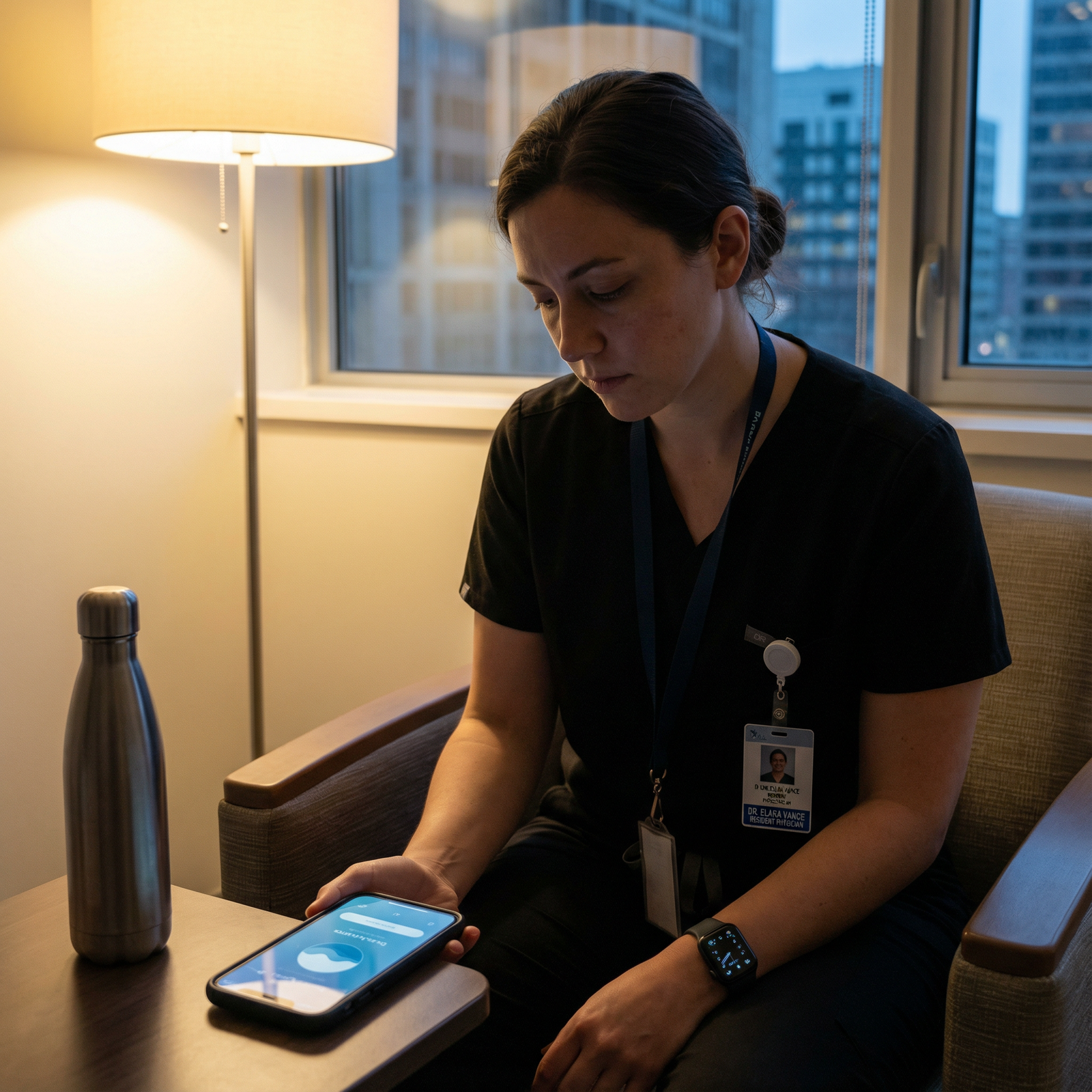
Juggling Responsibilities: Advanced Organization Strategies for Busy Residents
The journey from medical school to independent practice is exhilarating, demanding, and often chaotic. Residency compresses intense clinical responsibilities, ongoing medical education, exams, research, and personal life into days that never feel long enough. Without deliberate systems for Time Management and organization, it’s easy to feel like you’re constantly reacting instead of intentionally leading your day.
Effective organization is not about being rigid or perfect—it’s about creating structures that support your clinical performance, learning, and Work-Life Balance. With the right tools and routines, you can navigate Residency more confidently, reduce stress, and preserve the energy you need to care for patients and yourself.
Why Organization Is a Critical Survival Skill in Residency
Residency life is a perfect storm of long hours, emotional intensity, and information overload. Organization skills aren’t a “nice-to-have”; they’re a core survival tool.
How Organization Supports Clinical Excellence and Well-Being
Improved Time Management in a High-Demand Environment
Organized residents don’t magically have more hours; they use the ones they have more strategically. Clear systems help you:- Identify the truly urgent tasks (e.g., unstable patient, STAT orders).
- Protect time for essentials (sign-out, charting, studying).
- Avoid wasted time searching for information, notes, or orders.
Reduced Cognitive Load and Stress
Residency constantly pulls at your attention. Externalizing tasks into trusted systems (lists, calendars, checklists) frees up mental bandwidth for clinical reasoning and patient care. This reduces:- Anxiety about forgetting orders or follow-ups.
- Decision fatigue from juggling competing priorities.
- The sense of being overwhelmed by “everything at once.”
Enhanced Learning and Long-Term Retention
A structured approach to learning—organized notes, dedicated study blocks, and planned review—helps you:- Integrate clinical experiences with textbook knowledge.
- Prepare for in-training exams and boards efficiently.
- Build a sustainable learning system instead of last-minute cramming.
Better Work-Life Balance and Burnout Prevention
Effective organization doesn’t just help you work more; it helps you protect your life outside the hospital:- Scheduling time off, rest, and personal commitments with the same seriousness as work.
- Reducing take-home charting and “loose ends” that bleed into your evenings.
- Creating predictable routines that support sleep, nutrition, and relationships.
Core Organization Strategies for Busy Residents
The most successful residents don’t simply “work harder”—they work with systems. Below are practical Organization Tips you can adapt to your specialty, rotation, and personal style.

1. Build a Smart Digital Calendar System
A digital calendar (e.g., Google Calendar, Outlook) can be the backbone of your organizational system.
Key practices:
Centralize Everything
Put all professional and personal commitments in one place:- Rotations, call schedules, night float, clinic days
- Conferences, noon lectures, grand rounds
- Exam dates, research deadlines
- Personal appointments, family events, self-care blocks
Use Color-Coding Intentionally
Develop a consistent color scheme, for example:- Blue: Clinical duties (rounds, call, clinic)
- Green: Education (lectures, conferences, study blocks)
- Red: Critical deadlines (exams, manuscript submissions)
- Yellow: Personal life (exercise, social plans, appointments)
This visual structure helps you instantly see where your time is going.
Set Layered Reminders
Use multiple reminders for high-stakes events:- 1–2 days before: to prepare (review charts, create slides).
- 1 hour before: to transition from previous tasks.
- 10–15 minutes before: to ensure you arrive on time.
Match Calendar to Rotation Rhythm
- On inpatient months, block post-call time for rest instead of study.
- On lighter rotations, build recurring weekly or daily study sessions.
2. Design Effective Daily To-Do Systems
A to-do list is only helpful if it’s realistic, prioritized, and updated.
Use a structured daily list:
Brain Dump First, Then Prioritize
At the start of the day (or night shift), list everything on your mind:- Patient follow-ups, discharge planning, notes
- Orders to place, consults to call
- Teaching points to review, questions from rounds
- Personal tasks (pay bill, call pharmacy)
Then prioritize using a simple ABC or Eisenhower Matrix:
- A: Urgent and important (today, no exceptions)
- B: Important but not urgent (can be scheduled)
- C: Nice-to-do if time allows
Limit Your “Must-Do Today” List
Aim for 3–5 high-impact tasks outside of routine patient care. For example:- Finish all progress notes before sign-out.
- Call two families with detailed updates.
- Review sepsis guidelines after shift.
Time-Box Certain Tasks
Assign approximate time windows:- 08:00–09:00: pre-rounding and note drafting
- 13:00–13:30: discharge summaries
- 18:00–18:30: inbox clean-up and task review
End-of-Day Review
Spend 5 minutes before leaving:- Mark completed items (and celebrate wins).
- Move unfinished tasks to tomorrow with adjusted priority.
- Note any tasks to hand off in sign-out.
Digital tools like Todoist, Microsoft To Do, or Notion can sync across devices, but even a pocket notebook or index card system can work if used consistently.
3. Organize Clinical Responsibilities with Purpose-Built Systems
Residency revolves around patient care. Organizing your clinical work is one of the highest-yield skills you can develop.
Use the EHR as an Ally, Not an Obstacle
Create Custom Worklists
Build patient lists by team, level of acuity, or location. For each patient, track:- Active problems
- Pending labs/imaging
- Consults requested
- Anticipated discharge date
Standardize Note Templates and Smart Phrases
- Create templates for H&Ps, daily progress notes, and discharge summaries.
- Use smart phrases for common conditions, checklists (e.g., VTE prophylaxis), and patient education.
- This supports completeness and saves time without compromising critical thinking.
Set EHR Reminders and Flags
- Use reminder functions for time-sensitive tasks (e.g., recheck lactate, redraw labs).
- Flag labs that need follow-up on night shift or next day.
Use Checklists for Rounds and Handoffs
Daily Rounding Checklist
For each patient, ensure you track:- Vitals and overnight events
- Labs and imaging results
- Consult recommendations
- Anticipated disposition (home/SNF/ICU)
- Barriers to discharge (PT evals, social work, prior auth)
Handoff Templates
Standardized handoffs (e.g., I-PASS) reduce errors:- Illness severity
- Patient summary
- Action list
- Situation awareness and contingency planning
- Synthesis by receiver
This structure improves patient safety and helps you feel more in control of your service.
4. Use Project Management Tools for Research and Long-Term Tasks
Residency isn’t just day-to-day clinical work; you’re also juggling:
- Research projects
- QI initiatives
- Presentations and teaching sessions
- Fellowship or job applications
Tools like Trello, Asana, or Notion are particularly helpful here.
How to organize a research project board:
- Columns: Ideas → Background/Literature → Data Collection → Analysis → Manuscript → Submission
- Cards: Specific tasks (e.g., “Draft IRB,” “Run stats for secondary outcome,” “Submit abstract to national conference”).
- Assignments & Deadlines: Tag yourself and co-authors and assign due dates.
- Attachments: Store key PDFs, protocols, or datasets directly in the card.
This helps you maintain progress even when your clinical schedule is unpredictable.
5. Develop a Flexible, Realistic Study Schedule
Balancing board prep and clinical learning requires intentional planning.
Build Study Into Your Week
Start with a Weekly Framework
For example:- Mon/Wed/Fri: 30–45 minutes of question blocks (UWorld, Rosh Review, etc.).
- Tue/Thu: 30 minutes reviewing missed questions plus reading from a primary resource.
- Weekend: 1–2 hours of deeper topic review, spaced repetition, or exam-focused study.
Align Study Topics with Rotations
- On an ICU month, focus on ventilator management, sepsis, shock, electrolyte disorders.
- On outpatient months, review preventive care guidelines and chronic disease management.
This increases relevance and retention.
Use Spaced Repetition and Active Recall
- Incorporate apps like Anki for flashcards.
- Turn clinical cases into questions:
“What is the next best step in management for a patient with X and Y?”
Micro-Study During Natural Downtime
- 5–10 questions during a quiet call night.
- Quick flashcard review while commuting (if not driving), waiting for rounds, or sitting in conference early.
The goal is consistency, not perfection. Missing a study block is not failure; adjust and restart.
Collaboration, Delegation, and Communication: Organizational Force Multipliers
Personal organization only goes so far if your team function is chaotic. Strong communication and collaboration dramatically increase efficiency and reduce errors.
1. Delegate Thoughtfully and Use the Team
Residency is a team sport. You’re expected to share workload, not shoulder everything alone.
Work With Co-Residents and Interns
- Divide tasks by patient load or categories (e.g., one person handles discharge paperwork; another follows up on consults).
- Be clear: “I’ll handle orders and notes for rooms 1–5; you take 6–10.”
Leverage Medical Students
- Assign them discrete, educational tasks:
“Can you look up current guidelines on community-acquired pneumonia scoring systems and present at noon?” - Allow them to pre-chart or draft notes where permitted.
- Assign them discrete, educational tasks:
Use Nursing and Allied Health Team Members
- Ask nursing to notify you of specific changes (e.g., urine output, mental status).
- Coordinate with case managers, social workers, and therapists early in the hospitalization.
2. Maintain Clear, Proactive Communication
Many organizational problems are actually communication problems.
Brief Morning Huddles or Check-Ins
- With your team: Clarify top priorities, sickest patients, anticipated discharges.
- With nursing: Identify which patients need extra attention, pain control, or family updates.
Use Secure Messaging Wisely
- Keep messages concise and structured.
- Avoid fragmented orders—bundle related requests to reduce back-and-forth.
Summarize and Confirm
After complex discussions (with attendings, consultants, or families), summarize:- “To confirm, we’re stopping X, starting Y, and planning Z if no improvement by tomorrow.”
This not only organizes your mental model but also prevents missteps.
Extending Organization to Your Personal Life: Protecting Work-Life Balance
You are not just a resident; you’re a person with relationships, interests, and limits. Extending your organizational skills beyond patient care helps preserve your humanity during Residency.
1. Streamline Personal Logistics
Residency leaves little time for daily decision-making. Systems can help.
Meal Planning and Prep
- Choose one or two days per week to batch cook simple, healthy meals.
- Use a rotating menu (e.g., stir-fry, chili, sheet-pan meals, salads) to reduce decision fatigue.
- Keep emergency snacks in your bag (nuts, granola bars, fruit).
Automate What You Can
- Set bills and loan payments to autopay.
- Use recurring reminders for license renewals, certifications, and mandatory trainings.
- Use grocery delivery or pickup services, especially post-call.
Create Go-Bags for Different Shifts
- Night shift bag: eye mask, earplugs, snacks, water bottle, light sweater.
- Call bag: chargers, toiletries, extra socks, minimal sleep gear.
2. Schedule Rest, Recovery, and Joy Intentionally
Work-Life Balance doesn’t happen by accident in Residency; you must protect it.
Block Protected Personal Time
- Treat sleep and recharge time as non-negotiable “appointments.”
- Schedule small, reliable rituals: weekly call with a loved one, a walk after clinic, a weekly hobby.
Set Boundaries Where Possible
- Avoid checking work email or EHR at home unless on call or specifically required.
- Protect one part of the week (even if short) as your “no-medicine” zone.
Monitor Your Well-Being
- Pay attention to signs of burnout: emotional exhaustion, cynicism, decreased sense of accomplishment.
- Reach out early—to mentors, peers, or mental health professionals—if you feel overwhelmed.
Common Obstacles to Organization in Residency and How to Overcome Them
Even with systems, challenges will arise. Planning for them makes you more resilient.
1. Unpredictable Schedules and Time Constraints
Residency shifts can derail the best-laid plans.
Strategies:
- Use flexible frameworks rather than rigid timetables (e.g., “3 study sessions per week” instead of “every day at 7 PM”).
- Plan “backup” study times for days when call or emergencies disrupt your routine.
- Focus on small, consistent wins (10–20 minutes) rather than marathon sessions.
2. Perfectionism and Psychological Barriers
Many residents struggle with feeling like they must do everything perfectly.
Strategies:
- Aim for “good enough and consistent” rather than flawless.
- Reframe incomplete tasks: adjust, reschedule, or delegate instead of viewing them as failures.
- Practice self-compassion: recognize that residency is inherently demanding and no one executes perfectly every day.
3. Information Overload and Fragmented Learning
You’re exposed to a massive volume of clinical and didactic content.
Strategies:
- Capture key learning points daily (e.g., a “learning log” with 3 takeaways from each shift).
- Use spaced repetition tools for high-yield facts and guidelines.
- Revisit important cases by reading on the diagnosis or management that same week.
4. Technology Overuse and Tool Overload
It’s easy to lose time setting up complicated systems or switching between too many apps.
Strategies:
- Start simple: one calendar, one to-do list, one study tool.
- Evaluate tools by asking: “Does this save me time and reduce stress?” If not, simplify.
- Periodically declutter: archive old notes, consolidate lists, and retire redundant apps.

FAQs: Organization, Time Management, and Work-Life Balance in Residency
1. What are the most helpful tools for staying organized during residency?
Common high-yield tools include:
- Digital calendar (Google Calendar, Outlook) for schedules and deadlines.
- Task manager (Todoist, Microsoft To Do, Notion) for daily and weekly lists.
- Project management apps (Trello, Asana) for research and long-term projects.
- Spaced repetition apps (Anki) for efficient studying.
- EHR features (worklists, templates, reminders) for organizing clinical work.
The best tools are the ones you will actually use consistently. Start with the simplest setup and add complexity only if it clearly helps.
2. How can I realistically maintain Work-Life Balance in such a demanding residency schedule?
Total balance every day is unrealistic, but sustainable patterns over weeks are possible:
- Protect sleep as a top priority whenever your schedule allows.
- Plan small, regular personal rituals (weekly coffee with a friend, exercise session, or hobby time).
- Use your calendar to schedule rest and personal commitments with the same seriousness as work.
- Be intentional about your off days: combine rest, basic life maintenance (laundry, groceries), and one or two enjoyable activities.
- Ask for help—from co-residents, family, or mentors—when you notice signs of burnout.
3. How can I manage study time when my rotation is extremely busy?
During heavy rotations (ICU, busy wards, trauma):
- Focus on short, high-yield sessions (10–20 minutes), often with question banks.
- Align topics with patients you’re seeing to improve relevance and recall.
- Use audio resources (podcasts, recorded lectures) during commutes or workouts.
- Accept that some weeks are more about clinical learning at the bedside than structured board prep. Compensate on lighter rotations by increasing formal study.
4. What should I do if I feel constantly overwhelmed despite trying to be organized?
Feeling overwhelmed is common and not a personal failure. Consider:
- Simplifying your systems: one calendar, one core list, one study resource.
- Reviewing your commitments and saying no to optional tasks you cannot realistically manage.
- Talking to your chief residents, program leadership, or mentors about your workload.
- Using institutional or community mental health and wellness resources.
- Regularly asking yourself: “What are the 1–2 most important things I need to do today?” and focusing there.
5. How do I stay organized across different rotations with changing expectations?
Each rotation has its own rhythm. Before or at the start of a rotation:
- Ask seniors: “What organization habits work best on this service?”
- Set up or adjust your:
- Daily pre-rounding routine
- Rounding checklist
- Study focus to match the rotation (e.g., cardiology topics on cards).
- Reflect briefly at the end of week one:
- What is working?
- What is not?
- What small tweak could make next week easier?
Over time, you’ll build a flexible toolkit you can adapt to any service.
Effective organization won’t remove the inherent challenges of Residency, but it can dramatically change how you experience them. By building intentional systems for Time Management, clinical responsibilities, learning, and personal life, you can move from constant firefighting to a more confident, proactive, and sustainable approach.
Start small: choose one or two strategies from this guide to implement this week. As you refine your systems, you’ll find that you’re not just surviving residency—you’re growing into the organized, resilient, and compassionate physician you set out to become.