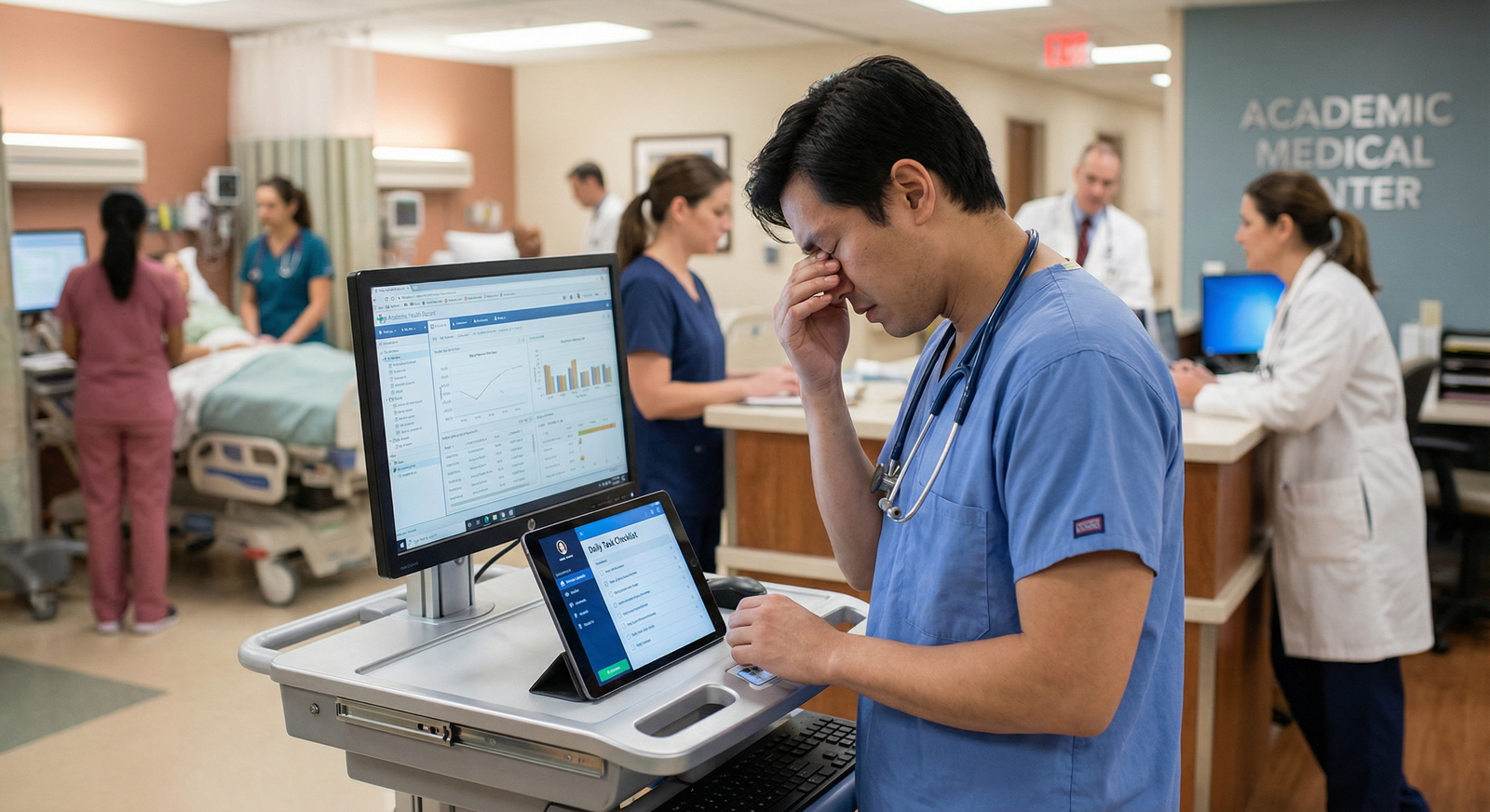
Networking and Support: Building Connections to Survive (and Thrive in) Residency
Residency is one of the most demanding stages of medical training. Long shifts, steep learning curves, emotionally charged cases, and constant evaluation can leave even the most motivated residents feeling exhausted and isolated. Amid this pressure, Networking and strong Support Systems aren’t “nice-to-haves”—they are essential survival tools for residency life and long-term professional development.
Deliberately building relationships—with peers, faculty, mentors, allied health professionals, and loved ones outside medicine—can protect your mental health, expand your opportunities, and accelerate your growth as a physician. This guide walks through practical, realistic ways to build and maintain those connections, even with an unpredictable schedule.
Why Networking Matters in Residency and Beyond
Networking in residency is not about collecting business cards or chasing status. At its core, networking is the process of forming genuine, mutually beneficial professional relationships that support both your current work and your future career.
Key Benefits of Networking During Medical Training
Knowledge Sharing and Clinical Growth
- Informal conversations with co-residents about difficult admissions, procedures, or challenging attendings can give you strategies that no textbook ever will.
- Learning how others approach sign-out, cross-cover, or night float can help you streamline your own workflow and avoid common pitfalls.
- Discussing evidence-based practices across services (e.g., ICU, ED, wards) broadens your clinical perspective and improves patient care.
Mentorship and Sponsorship
- Mentors help you refine your clinical reasoning, select electives strategically, and clarify your long-term career goals (academic vs. community, fellowship vs. general practice, etc.).
- Sponsors—often senior faculty who know your work—can actively advocate for you: nominate you for awards, recommend you for fellowships, or invite you onto high-impact projects.
- A robust network increases the chances you’ll encounter both mentors and sponsors suited to your interests and values.
Emotional and Social Support
- Connecting with peers who understand the unique stresses of residency can reduce feelings of isolation and burnout.
- Shared experiences—like surviving a tough call night, losing a patient, or celebrating a successful code—build camaraderie and resilience.
- Having trusted colleagues to debrief with after difficult cases can be emotionally protective and can prevent problems from festering.
Career and Research Opportunities
- Many research projects, QI initiatives, and teaching roles arise informally through conversations: “We’re starting a project on X; want to join?”
- Networking at conferences or through alumni can lead to:
- Visiting rotations or observerships
- Collaborative publications
- Early visibility in your desired subspecialty community
- When it comes time to apply for fellowship or jobs, your network can provide insider information, introductions, and strong letters.
Professional Identity and Confidence
- By engaging with others in your specialty or interest area, you gradually see yourself as a member of a larger professional community.
- Participating in local or national groups (e.g., specialty societies, committees) helps you understand issues shaping your field, from policy to technology.
- This broader perspective can make the daily grind of residency feel more purposeful and aligned with long-term professional development.
Practical Networking Strategies for Residents with Limited Time
Residency schedules are unpredictable, and energy is often scarce. Effective networking in this context must be intentional, efficient, and sustainable. You don’t need to do everything—but you do need to choose a few strategies and commit to them consistently.

1. Get the Most Out of Conferences and Professional Events
Conferences, grand rounds, specialty society events, and local hospital symposia are dense networking opportunities—if you approach them strategically.
Before the event:
- Identify 3–5 people or groups you’d like to meet (e.g., program directors from specific fellowships, authors of papers you admire, leaders of interest groups).
- Prepare a brief “elevator pitch”:
- Who you are (name, PGY level, program)
- Your clinical or research interests
- One or two things you’re looking for (mentorship, project ideas, advice on fellowships)
- Print a small number of simple, professional business cards (optional but helpful at conferences where others use them regularly).
During the event:
- Attend smaller sessions (breakout rooms, workshops, interest group meetings) where conversation is easier than in large plenaries.
- Ask short, thoughtful questions after talks to make yourself memorable:
- “How might your findings apply to a resource-limited setting?”
- “If a resident wanted to get involved in similar research, where should they start?”
- When you connect with someone, note a specific detail in your phone (e.g., “Dr. Lee – cardio-oncology, suggested email about project on chemo cardiotoxicity”).
After the event:
- Within 3–5 days, send a personalized follow-up email:
- Remind them how you met.
- Mention a specific point from your conversation.
- Clearly state any next step (e.g., “Could we schedule a 20-minute call to learn more about your training path?”).
- Connect on LinkedIn or relevant platforms with a brief message, rather than a generic connection request.
2. Use Social Media and Professional Platforms Intentionally
Online platforms can extend your networking beyond geography and time zones—especially useful with a residency schedule.
Recommended platforms for residents:
- LinkedIn – For a professional profile, networking with alumni, and sharing career milestones.
- X (Twitter) – Many specialties have vibrant “MedTwitter” communities discussing evidence, cases, and career topics.
- Doximity, Sermo, specialty-specific forums – For physician-only discussion and networking.
Best practices:
- Maintain a professional profile:
- Clear professional headshot
- Concise summary of your current role, interests, and goals
- Highlights of research, leadership, or quality improvement work
- Share selectively and constructively:
- Comment on new studies in your field
- Share your conference posters or accepted abstracts
- Highlight involvement in teaching, advocacy, or QI projects
- Use social media to:
- Identify mentors and thought leaders in your interest area
- Learn about calls for abstracts, grant opportunities, and committees
- Stay up-to-date on specialty trends and debates
Always follow your institution’s social media policy and never share identifiable patient information or details that could compromise privacy.
3. Join Professional and Specialty Organizations
Membership in professional organizations integrates you into the broader community of your specialty and expands your support systems beyond your institution.
What to look for:
- Resident or trainee sections with reduced membership fees
- Formal mentorship programs pairing residents with senior faculty
- Opportunities to:
- Present posters or oral abstracts
- Serve on committees (education, diversity, wellness, advocacy)
- Access career development webinars and workshops
Examples of engagement:
- Volunteer for a resident or early-career leadership role (e.g., “resident representative,” “social media ambassador,” “education committee member”).
- Join email listservs or Slack/Discord communities where clinical questions, job postings, and opportunities are shared.
- Use these platforms to ask practical questions (e.g., “How did you prepare for board exams while doing a busy ICU rotation?”).
4. Build Networks Within Your Own Hospital and Program
Some of the most impactful relationships you’ll cultivate are right where you work.
With co-residents and fellows:
- Participate in:
- Informal case discussions after teaching rounds
- Group board review or journal clubs
- Peer-led teaching sessions
- Offer help when colleagues are overwhelmed (covering a page for 10 minutes, swapping a call night when feasible). Reliability is remembered and reciprocated.
With attendings and faculty:
- Identify a few attendings whose teaching style or clinical practice you admire.
- Ask them for:
- Brief feedback on your performance at the end of rotations
- Advice on your career direction or elective choices
- Involvement in their research or QI work if it aligns with your interests
- Send a follow-up thank you email after a great rotation, specifying what you learned from them. This small act builds long-term goodwill.
With interprofessional team members:
- Build relationships with nurses, pharmacists, social workers, PT/OT, and case managers:
- Ask for their perspective on complex discharges or medication plans.
- Show appreciation for their contributions.
- These connections improve patient care, make the workday smoother, and enhance your professional reputation.
Creating Robust Support Systems to Protect Your Well-Being
Networking supports your career. A support system protects your mind, body, and identity while you navigate residency’s demands. Both are essential.
1. Identify Your Core Support People
Different people will support different parts of your life:
- Professional mentors and sponsors
- Guide your clinical growth, research, and career pathway.
- Help you navigate conflicts, performance concerns, or career decisions.
- Peer support (co-residents, fellows)
- Share the day-to-day lived experience: night float, ED shifts, tough attendings, error disclosure.
- Often your first line for real-time emotional processing.
- Supervisors and program leadership
- Can assist with schedule modifications, remediation, or formal supports if you’re struggling.
- Should be aware (at least broadly) if major issues are affecting your training.
- Family, partners, and close friends
- Anchor you outside medicine and remind you you’re more than your last evaluation or exam.
- Provide practical support (meals, childcare, logistics) and perspective.
- Peers outside medicine
- Offer non-medical conversation and activities that give your brain a break from clinical work.
Make a short, intentional list of 5–10 people you can realistically lean on for different needs (career advice, venting, crisis support, joy and fun). Keep this list accessible when you’re sleep-deprived and overwhelmed.
2. Foster Open, Honest Communication
You can’t receive support if others don’t know you need it.
At work:
- Normalize saying:
- “I’m not sure how to handle this conversation with the family—can you walk me through how you’d approach it?”
- “This patient’s case is really affecting me. Can I debrief with you later?”
- Meet with mentors or advisors at regular intervals (e.g., once per quarter) instead of waiting for a crisis.
- Be honest about your bandwidth before taking on new responsibilities. It’s better to say, “I’d love to help, but not until after this ICU block,” than to overcommit and silently struggle.
Outside work:
- Tell family or partners what support looks like for you:
- “After a night shift, I need 20 minutes to decompress in silence before I talk.”
- “If I’m withdrawn after a bad case, gentle questions and a walk help me.”
- Share your schedule for the week so others know when you’ll be intermittently unavailable.
3. Actively Use Wellness and Mental Health Resources
Residency programs increasingly offer formal resources—but they only help if you access them.
Potential supports include:
- Confidential counseling or employee assistance programs
- Peer support groups, Balint groups, or debriefing sessions
- Wellness workshops on mindfulness, sleep, stress management, financial planning
- Dedicated chief residents or faculty leads for wellness and professionalism
Consider using these resources:
- Proactively “as maintenance” (e.g., monthly therapy) rather than only in crisis
- After sentinel events, patient deaths, or medical errors
- When you notice persistent changes in sleep, mood, motivation, or engagement
Engaging with these supports is a sign of professionalism and self-awareness, not weakness.
4. Maintain a Personal Life and Identity Outside Residency
A resilient support system extends beyond the hospital.
- Protect time for important relationships:
- Even short but predictable rituals (Sunday breakfast, weekly video call with family, monthly date night) can be stabilizing.
- Keep at least one non-medical activity:
- Exercise, music, religious or spiritual practice, volunteer work, reading, gaming—anything that feels restorative.
- Set small, realistic goals:
- During tough rotations, a 15-minute walk or 10 pages of reading a novel might be all that fits. That still counts.
These activities help counterbalance the intensity of residency and reduce burnout risk.
Using Your Network and Support Systems to Build Resilience
Resilience in residency is not about enduring everything alone. It’s about recovering and adapting with the help of your community and connections.

1. Ask for Help Early and Specifically
When a problem emerges—clinical, emotional, or logistical—reach out sooner rather than later.
- Clinical:
- “I’m not comfortable with this procedure yet—can you supervise and talk me through it?”
- Personal:
- “I’m having trouble sleeping and it’s affecting my concentration. Do you know who I can speak to about this?”
- Career:
- “I’m torn between two specialties. Could we schedule a time to talk through pros and cons?”
Specific asks are more likely to receive concrete, actionable responses.
2. Be a Supportive Colleague
Networks and support systems are strongest when they’re reciprocal.
- Check in on peers who’ve had especially rough calls, patient deaths, or difficult feedback.
- Offer small kindnesses:
- Bring coffee for a co-resident coming off a 24-hour shift.
- Volunteer to help with a time-limited task when someone is overwhelmed.
- Celebrate others’ successes—presentations, publication acceptances, match results, or simply surviving a brutal rotation.
This culture of mutual support enhances morale and makes your workplace more humane.
3. Create Microsystems of Community
If you don’t find strong existing communities, you can create small ones.
Examples:
- A monthly “resident dinner” or potluck (in person or virtual)
- A small peer group for board prep and case discussions
- Wellness activities like group runs, yoga, or movie nights
- A shared online group (WhatsApp, Signal, Slack) for your class or rotation team
These don’t need to be elaborate. The goal is repeated, low-pressure opportunities for connection.
4. Learn from Adversity Together
Residency will include mistakes, near misses, and painful clinical experiences. Use your network and support systems to process and grow from these.
- Debrief cases with mentors to understand:
- What could have been done differently?
- What systemic factors contributed?
- How to prevent similar issues in the future?
- Participate in M&M (morbidity and mortality) conferences and quality improvement efforts—not just as critique, but as learning and healing opportunities.
- Share lessons learned with junior residents and students to build a culture of safety and openness.
Conclusion: Residency as a Collective Journey
Residency is intense, but it is not meant to be endured in isolation. Thoughtful Networking and intentional Support Systems can transform residency from a purely survival experience into a period of robust Professional Development and personal growth.
By:
- Building connections within and beyond your program
- Prioritizing mentors, sponsors, and peer support
- Engaging in wellness and mental health resources
- Maintaining meaningful relationships and interests outside medicine
…you equip yourself to handle the pressures of residency more sustainably and with greater satisfaction.
Your future self—as an attending, fellow, leader, or educator—will look back and recognize that the relationships you invested in during training were as important as any textbook or procedure. Residency is a shared journey; when you embrace it as a collaborative endeavor, you don’t just survive—you thrive.
FAQs: Networking and Support During Residency
1. Why is networking so important during residency if I’m already in a training program?
Networking during residency helps you:
- Find mentors and sponsors who can guide your next steps (fellowship, job search, academic roles).
- Learn practical skills and strategies from peers and faculty that aren’t explicitly taught.
- Access hidden opportunities—research, leadership positions, teaching roles, and quality improvement projects.
- Build a professional identity within your specialty community early, which can significantly benefit you later.
Even if you’re not yet applying for jobs or fellowships, the relationships you build now can shape your long-term career trajectory.
2. How can I realistically network with such a demanding schedule?
Focus on low-effort, high-yield strategies:
- Use existing structures: teaching conferences, grand rounds, journal clubs, and hospital committees.
- Set a simple goal, like one new professional connection per month.
- Engage on professional platforms (LinkedIn, specialty societies) for a few minutes a week.
- Combine tasks: discuss career questions with attendings during slower moments on rounds or after sign-out.
Small, consistent actions over months will build a meaningful network without overwhelming your schedule.
3. What should I look for in a good mentor, and how do I approach them?
A strong mentor typically:
- Has experience in areas aligned with your interests (clinical, research, leadership, work-life balance).
- Is approachable, responsive, and willing to provide honest feedback.
- Respects your goals rather than imposing their own path on you.
To approach a potential mentor:
- Send a concise email introducing yourself and your interests.
- Mention why you’re reaching out specifically to them.
- Ask for a brief meeting (15–20 minutes) to discuss your goals and get their perspective.
- Come prepared with a few focused questions (e.g., “How did you choose your subspecialty?” “What would you recommend early in residency for someone considering X?”).
4. How can I tell if my support system during residency is strong enough?
Healthy support systems usually include:
- At least one or two trusted mentors or faculty who know you and your goals.
- A few peers you can be honest with—about both successes and struggles.
- At least one consistent support person outside medicine (family, partner, or friend).
- Awareness of, and willingness to use, counseling or wellness resources when needed.
If you feel persistently alone, dread going to work, or don’t know who you’d talk to about serious concerns, it’s a sign to intentionally strengthen your network and reach out—starting with a trusted co-resident, chief, or advisor.
5. What should I do if I feel burned out or emotionally overwhelmed despite having a network?
Burnout can occur even with a strong support system. When that happens:
- Acknowledge the signs: persistent fatigue, cynicism, reduced empathy, difficulty concentrating, or loss of interest in things you used to enjoy.
- Reach out early:
- Talk with a trusted mentor, chief resident, or program director.
- Make use of confidential counseling or mental health services.
- Reassess your commitments and boundaries; it may be appropriate to:
- Step back temporarily from nonessential projects.
- Request schedule accommodations if possible.
- Lean on your network for both emotional support and practical help.
Seeking help is an integral part of thriving in residency—not a failure of resilience. Your network and support systems exist precisely for these moments.