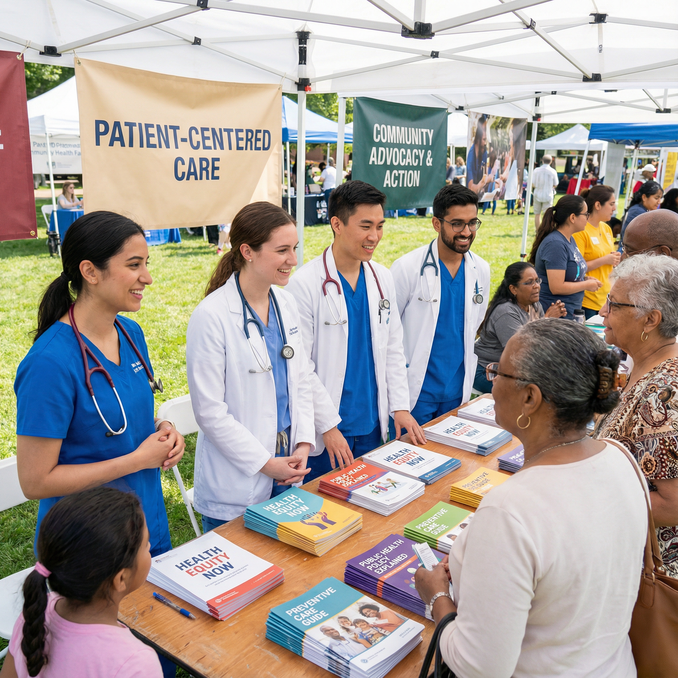
Medical students: show how advocacy can strengthen residency applications. Learn to present advocacy as patient-centered, clinically relevant experience.
110 articles found in 0.98s
Medical students: show how advocacy can strengthen residency applications. Learn to present advocacy as patient-centered, clinically relevant experience.
Learn how integrated clinical advocacy boosts residency outcomes and core ACGME competencies with actionable data and steps.
Why dermatology residency favors relationships over stats: learn how away rotations, advocacy, and interview fit help average applicants match.
Learn how to safely disagree with your attending's care plan: practical scripts, fact-check steps, and escalation guidance to protect patient safety now.
Choose observerships strategically: learn when IMG-friendly programs help and when community sites yield stronger LORs, advocacy, and interview chances.
Navigate years 0-3 of a new residency: actionable month-by-month advice for PGY-1s on shaping systems, protecting duty hours, and building curriculum.
Learn unspoken rules for writing a physician policy op-ed: open with a clinical moment, offer concrete policy asks, and avoid institutional pitfalls.
Guide for doctors on supervised consumption sites and harm reduction: evidence, ethics, and policy frameworks to inform clinical advocacy and program design.
Learn how clinicians can impact health policy and advocate for better care through healthcare advocacy, enhancing public health and access for all.
Why politics matters in medicine: examine how health policy affects mortality, principles of medical ethics, and physician advocacy to improve care.