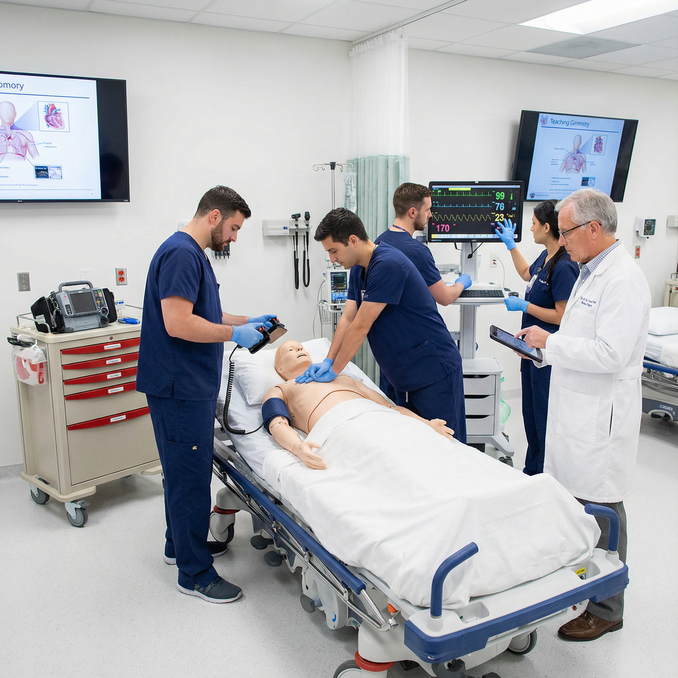
Compare 8-, 12-, and 24-hour shift models and learn how shift length, weekly hours, and schedule control affect burnout, fatigue, and medical error risk.
17 articles found in 5.00s
Compare 8-, 12-, and 24-hour shift models and learn how shift length, weekly hours, and schedule control affect burnout, fatigue, and medical error risk.
Data-driven analysis of resident shift length and performance, compare 24h, 16h, and 8-12h models to reduce errors, crashes, and cognitive impairment risk.
Learn how shift length and sleep deprivation increase resident medical errors, needlesticks, and crash risk - evidence-based tips to reduce harm on call.
Clear ACGME guide to how residency work hours are counted: what counts, common gray zones, and how to accurately record hours to protect sleep and compliance.
How guaranteed salary length affects physician retention: learn why longer guarantees often shift, not prevent, attrition and how employers calculate risk.
Data-driven look at how long-call sleep loss raises medical error rates and harms resident well-being, evidence, numbers, and ethical implications.
Do shorter duty hours reduce medical errors? Review landmark trials (FIRST, iCOMPARE, ROSTERS) on duty hours, patient outcomes and resident safety.
Compare 4-hour versus 8-hour shifts to determine the optimal schedule for minimizing fatigue and maximizing patient throughput efficiency.
Improve night-call performance: when to nap before call, best nap lengths (15-90 min), and timing tips to avoid sleep inertia for residents.
Learn safe night float workout timing for residents: when to train, what intensity to use, and how to protect sleep to avoid crashing.