Reset your circadian rhythm after night float with this evidence-based 48-hour recovery timeline. Sleep, hydrate, bounce back faster.
16 articles found in 0.94s
Reset your circadian rhythm after night float with this evidence-based 48-hour recovery timeline. Sleep, hydrate, bounce back faster.
4 hours of sleep spikes test anxiety into clinical ranges and tanks cognitive performance. Learn evidence-based sleep recovery protocols for med students.
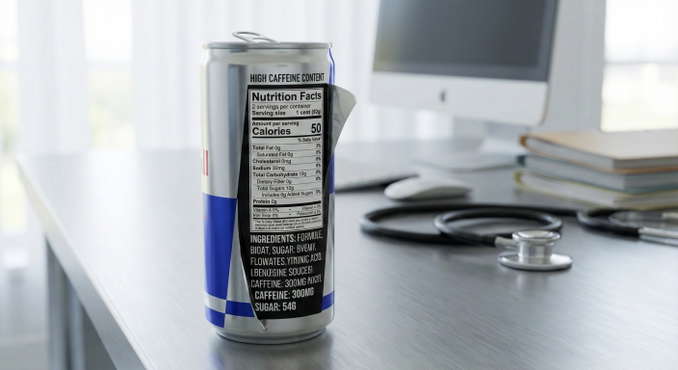
Optimize caffeine timing and dosing for night-shift performance - evidence-based schedules to boost vigilance, reduce errors, and protect post-call sleep.
Learn when night shifts are harming your health: signs, red flags, and how residents should tell their program to protect safety and wellbeing.
Explore duty-hours research on night float vs extended call, burnout, and sleep, why night float isn't always worse and how schedule design protects residents.
Debunking the myth that surgery needs unsafe hours, evidence shows duty-hour limits maintain patient safety while protecting resident health and education.
Avoiding sleep debt: how interns can reduce fatigue, protect patient safety, preserve learning, and uphold ethical practice during residency.
Learn how burnout during dedicated USMLE/COMLEX rises from isolation, sleep loss, and pressure, data-driven guidance to protect mental health.
Learn why 'powering through' fatigue fuels resident burnout and how residents can spot warning signs, protect sleep, and prevent clinical errors.
Learn how saying yes to extra shifts fuels physician burnout, harms patient safety, and undermines staffing, set boundaries to protect care and career.