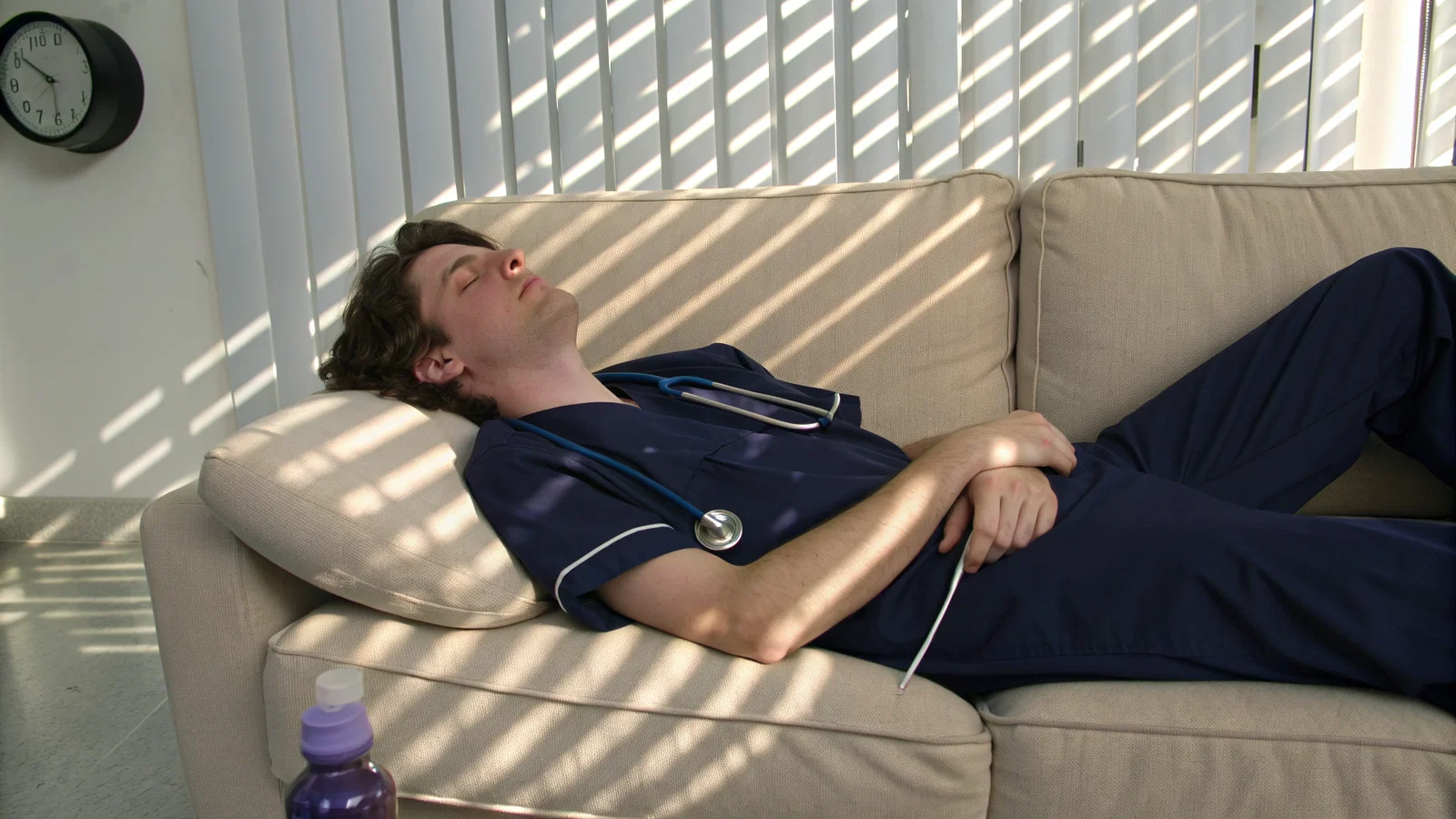
The Scenario: The 'Gray Matter' Moment
You just walked through your front door at 7:00 AM. Seven nights of night float are over. Seven nights of admitting patients at 2 AM, answering pages about chest pain, and pretending the vending machine coffee tastes like anything other than burnt regret.
Your brain is mush. Not the cute "I'm tired" kind, the kind where you stare at your house key for three seconds before remembering which way it goes into the lock. Your eyes burn like you've been sandpapering them. The house is quiet. Too quiet. The silence almost hurts.
You have exactly 48 hours before you're expected to be "on" again. The old you, the pre-residency you, would collapse into bed and doom-scroll for twelve hours, then crash at 4 PM, wake up at midnight, and walk into your next shift a zombie.
That doesn't work. I've watched too many interns limp through their next block because they skipped the reset protocol. You can't just "sleep when you're tired" after night float. You need structure. You need a plan that treats your recovery like a medical intervention, because it is.
Here's the 48-hour recovery timeline I've refined over years of watching good residents burn out and smart ones survive.
Step 1: The Hard Shutdown (Day 1, 0-12 Hours)
The moment you close that door, you are off the grid. No pager. No phone. No work email. Not even a single glance at the hospital group chat where someone's inevitably asking "who has the list from last night?" That's not your problem.
At this point you should do the following, in order:
- Hydrate immediately. Not tomorrow, not after a nap. Right now, before you sit down. Down a full glass of water, two if you can stomach it. Sleep deprivation wrecks your fluid balance. Caffeine is not hydration. Water is.
- Eat a real meal. Protein, complex carbs, fat. Eggs. Oatmeal. Toast with peanut butter. Not a granola bar and a Gatorade. Your blood sugar is on the floor. Feed it properly.
- Set an alarm for 12 hours from now. Even if you feel like you could sleep for 20. Trust me, waking up at a fixed time is the single most important thing you'll do to reset your circadian rhythm. Sleep until the alarm, whatever that looks like. 8-10 hours of uninterrupted rest is the goal.
- Do not look at screens in bed. The bed is for sleeping, not for "just checking one thing" on your phone. Blue light suppresses melatonin. You already have a melatonin deficit. Don't make it worse.
I learned this the hard way. During my own intern year, I once came home after a brutal stretch, scrolled Instagram for three hours "to unwind," and then couldn't fall asleep until 2 PM. Woke up at 6 PM feeling worse than when I'd walked in the door. Never again.
The hard shutdown isn't about being lazy. It's about giving your body a clean break from the hospital's demands. If you skip this, every other step falls apart.
Step 2: The Digital Detox (Day 1, 12-24 Hours)
You've slept. You've hydrated. You've eaten. Now comes the part that most interns screw up: they wake up and immediately open their laptop, check Epic, or start texting about that one patient whose lactate was borderline.
Stop.
You are not on service. The hospital will still be there tomorrow. Your co-residents will survive without you.
Your checklist for this window:
- Keep screens to a minimum. No laptops, no tablets, no TikTok rabbit holes. If you must use your phone, set a timer for 20 minutes and put it in another room when it rings.
- Engage in a low cognitive load activity. Read a physical book. Listen to a podcast while you fold laundry. Go for a slow walk around the block. The goal is to let your brain idle in neutral, not rev it back up.
- Take a shower. This sounds stupid, but it works. The hot water, the steam, the ritual of washing off the hospital smell, it tells your body that night shift mode is over. Day mode has begun.
- Do not discuss work cases with friends or family. They don't understand what a "crumping patient" means, and rehashing it just re-traumatizes you. Talk about anything else. Sports. A dumb reality show. The weather. Literally anything but the ICU.
At this point, you should feel a slight return of mental clarity. Not 100%, you're not there yet, but the fog should be lifting. If you're still a zombie by hour 18, you either didn't sleep enough or you're still sneaking glances at your pager. Fix that.
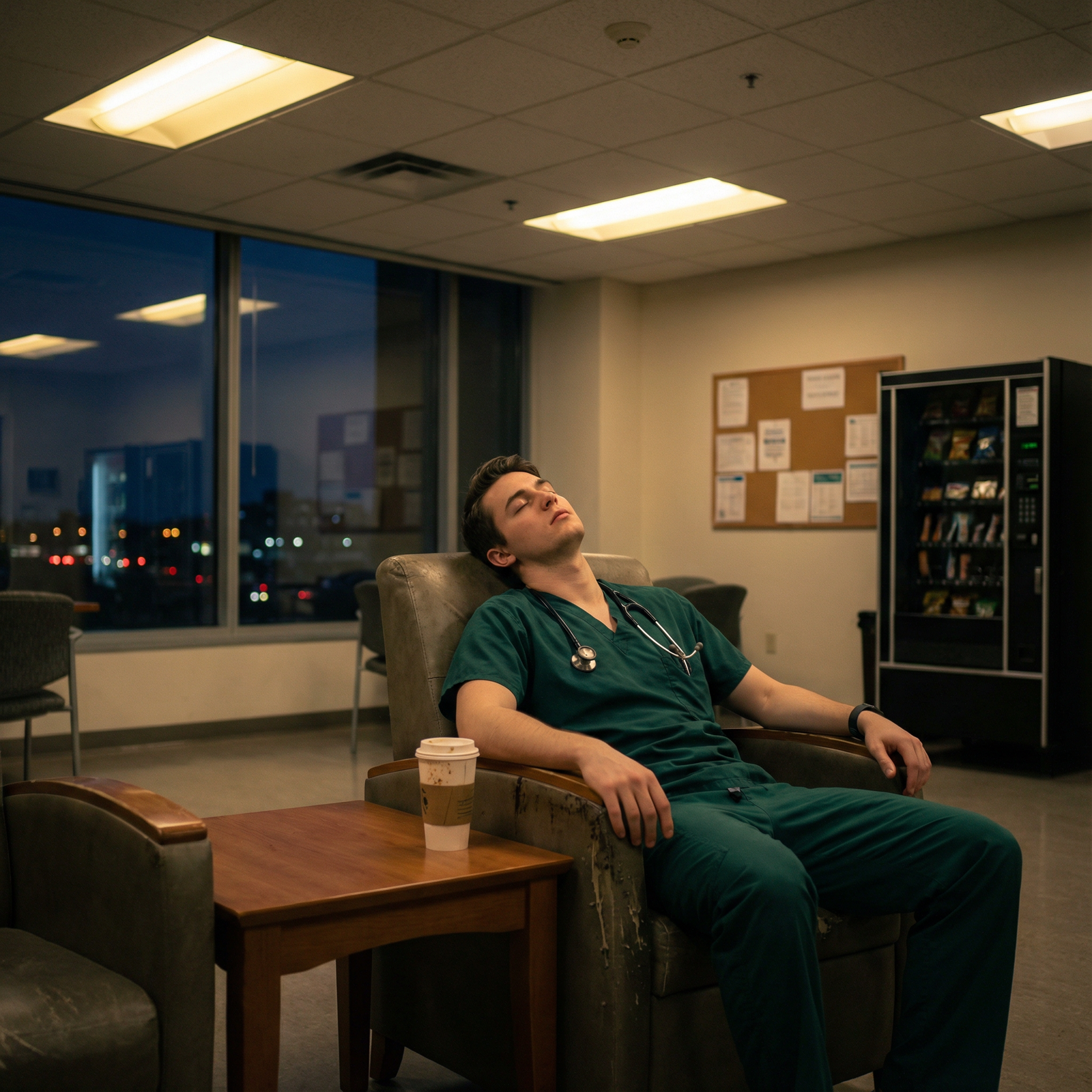
Step 3: The Physical Reset (Day 2, 0-12 Hours)
You've made it past the first 24 hours. Now it's time to get out of your head and into your body. Night float makes you sedentary. You sit at a workstation, you walk to the cafeteria, you sit again. Your hips get tight, your shoulders creep up to your ears, and your lower back starts filing a formal complaint.
This step is about moving your body, not your mind.
- Light physical activity only. I'm not talking about a CrossFit WOD. A 30-minute walk outside does more for your circadian rhythm than any supplement. Sunlight on your retinas in the morning helps anchor your sleep-wake cycle. If it's cold or raining, do 20 minutes of gentle yoga or stretching indoors. Touch your toes. Roll your neck. Breathe.
- Tackle one small household chore. Laundry. Dishes. Taking out the trash. Not because you're suddenly a domestic god, but because completing a single tangible task rebuilds your sense of agency. Night float strips you of control. Folding a pile of socks gives a tiny bit back.
- Eat a nutrient-dense lunch. Think salmon, quinoa, dark leafy greens. Or a hearty soup with lentils and vegetables. Not a frozen pizza. Your mitochondria are still recovering. Feed them what they actually need.
Here's the thing about caffeine at this stage: most residents reach for it like a lifeline. It's not. Look at the chart below, caffeine spikes your alertness, then dumps you four hours later. Water keeps you steady. I'm not saying never drink coffee. I'm saying if you're chugging an energy drink at 2 PM, you're sabotaging your own reset.
Step 4: The Mental Re-entry (Day 2, 12-24 Hours)
You're almost done. The final stretch is about preparing your brain to be a functioning doctor again. Not the sleep-deprived zombie who left the hospital 36 hours ago, the sharp, competent clinician you actually are.
Do these things, in this order, and then go to bed early.
- Review your schedule for the upcoming shift. Not the whole week, just the next day or block. What time do you need to be there? Who's your attending? Any pre-rounding patients from sign-out? Knowing what's waiting for you reduces the low-grade anxiety that keeps you up at night. Uncertainty is the enemy of sleep.
- Prepare your scrubs and bag. This takes five minutes and eliminates the 5:30 AM scramble. Put your ID badge, stethoscope, and phone charger in one place. Lay out your clothes. Pack a lunch or at least a protein bar. The less you have to think tomorrow morning, the better.
- Connect socially, in person or by phone. Call your mom. Meet a friend for a quick coffee. Play fetch with your dog. Something that reminds you that you are a person, not just an intern. Night float isolates you. This step breaks that isolation.
- Go to bed at a reasonable hour. 10:00 PM. No later. Even if you don't feel sleepy, get in bed, turn off the lights, and let your body remember what it's like to sleep at night. If you've followed the protocol, you'll drift off within 20 minutes.
At this point, you are physically and mentally ready to return. Not just "survive" the next block, actually function. That's the difference between a reset and a stumble-through.

Key Takeaways
- Prioritize 8-10 hours of sleep immediately upon returning home to reset your circadian rhythm. Nothing else matters until you've slept.
- Avoid screens and work discussions for the first 24 hours to prevent cognitive overload. The hospital will survive without you.
- Light physical activity and household organization help bridge the gap between "rest" and "work mode." They turn you from a passive recovering patient into an active participant in your own reset.
The Bottom Line
Night float isn't just physically exhausting, it's mentally disorienting. The 48 hours after a block aren't a vacation. They're a medical recovery period, and you should treat them with the same seriousness you'd give a post-op patient. Follow this timeline. Stick to the hard shutdown. Keep screens away. Move your body. Prepare for re-entry.
You have two days. Use them wisely. Your patients, and your future self, will thank you.
Now go set that alarm.
This guide is for educational purposes only and is not medical advice. Every individual's sleep and recovery needs vary. Consult a qualified professional if you experience persistent insomnia, profound fatigue, or signs of burnout.