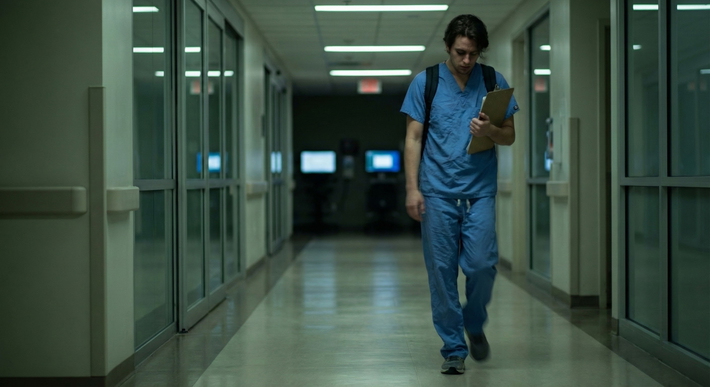
The way most interns use post-call days is wrong. You are not “off.” You are actively preparing your brain and body for the next shift in a 24‑hour window that starts the moment you sign out.
You are managing jet lag. Every. Single. Week.
Here is a strict, practical, hour‑by‑hour post‑call recovery schedule that protects your next shift rather than just collapsing and hoping for the best.
Big Picture: What Your Post‑Call Day Must Do
On a post‑call day, your priorities are not optional. In this order:
- Prevent dangerous microsleeps on the drive home.
- Get enough sleep to reverse acute sleep debt.
- Realign your sleep schedule so you are functional for the next shift.
- Restore basic physiology: hydration, food, movement, light.
- Contain the “day off” so you do not wreck the following night.
That is the framework. Now we walk it in sequence.
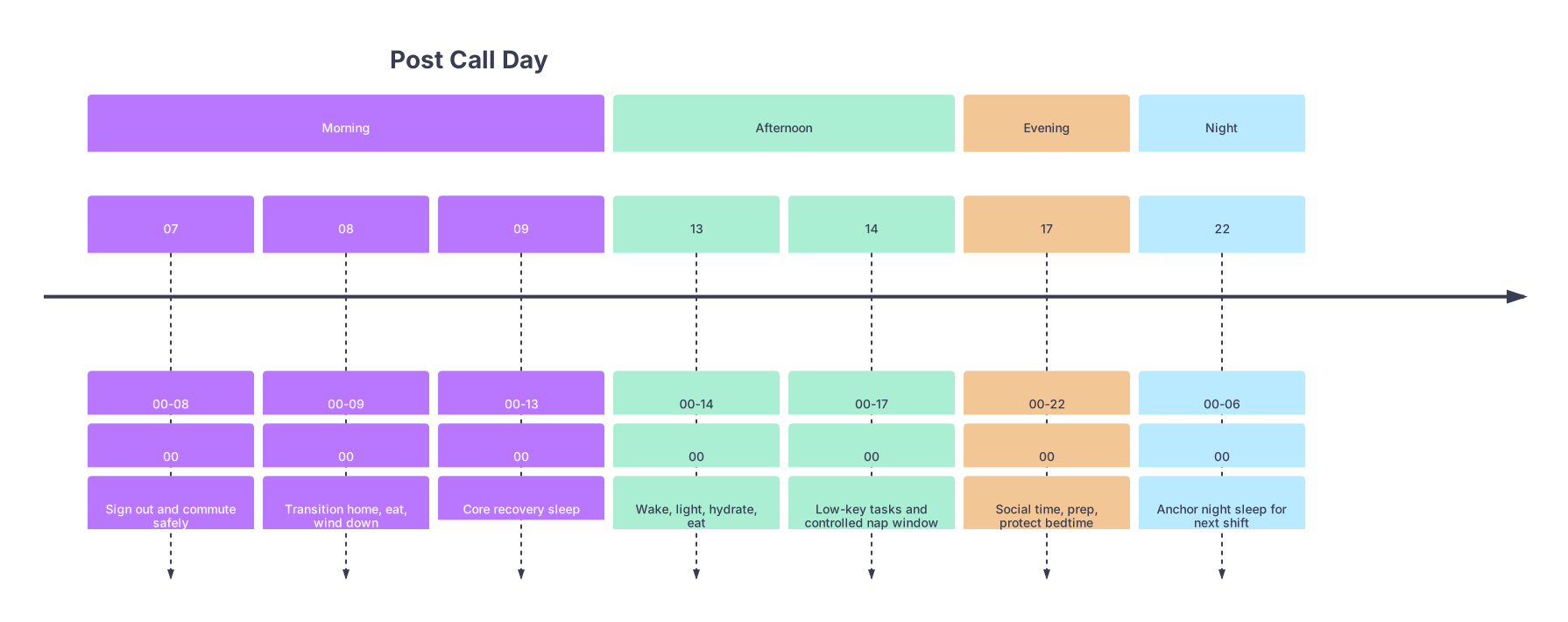
| Period | Event |
|---|---|
| Morning - 07 | 00-08 |
| Morning - 08 | 00-09 |
| Morning - 09 | 00-13 |
| Afternoon - 13 | 00-14 |
| Afternoon - 14 | 00-17 |
| Evening - 17 | 00-22 |
| Night - 22 | 00-06 |
07:00–09:00 – The Commute and Landing Zone
You just handed off. You are exhausted and a little wired. At this point you should treat the next 2 hours like a safety operation, not free time.
07:00–07:20 – Sign Out and Immediate Aftermath
- Finish sign out.
- Use the bathroom.
- Drink a full glass of water. Caffeine now is a trap if you want to sleep soon.
Quick decision tree I have watched too many people ignore:
- If you are struggling to keep your eyes open at the workstation, you do not drive home alone.
- If you have a 30+ minute commute after a brutal night, arrange a backup option when you know your call schedule (co-resident carpool, Uber/Lyft budget, partner pick-up).
| Situation | Best Option |
|---|---|
| 10–15 min drive, mildly tired | Drive, windows down, no podcasts |
| 30+ min highway drive | Rideshare or carpool |
| Nod off at computer | Nap 20–30 min before leaving |
| Public transit available | Train/bus + standing if needed |
If you are truly unsafe, 20–30 minutes of a “parking garage nap” in your car before driving is vastly better than white‑knuckling the drive.
07:20–08:00 – The Commute Home
At this point you should:
- Avoid heavy music, podcasts, or phone calls that lull you.
- Crack a window; cold air helps.
- If you catch your head bobbing more than once, pull over and close your eyes for 15 minutes. That is not weakness. That is survival.
08:00–09:00 – Arrival Home: Controlled Wind‑Down
The rookie mistake: collapsing on the couch with your phone and “accidentally” staying up until 11.
At this point you should:
- Go straight to the bathroom. Quick shower or at least wash face; signal to your brain, “night is ending.”
- Light snack, not a heavy brunch:
- Examples that work: Greek yogurt and fruit; toast with peanut butter; small bowl of oatmeal.
- Avoid big greasy meals. They bloat you and fragment sleep.
- Zero screens in bed. Set an alarm for your wake time before lying down.
Target: head on pillow by 08:30–09:00.
09:00–13:00 – Core Recovery Sleep Block
This is your anchor. Protect it like a procedure.
At this point you should aim for:
- 3.5–4 hours minimum of uninterrupted sleep. More is fine, but there is a ceiling.
Why this window:
- Less than 3 hours and you stay foggy all day.
- More than 5–6 hours post‑call and you destroy your ability to fall asleep that night at a reasonable hour.
So:
- Target: Sleep 09:00–13:00.
- Blackout your room as much as possible. Eye mask if needed.
- White noise or fan if your home is loud.
If you wake at 11:30 and feel wrecked, do not immediately jump up. Give yourself a chance to fall back asleep. But set a hard alarm for 13:00.
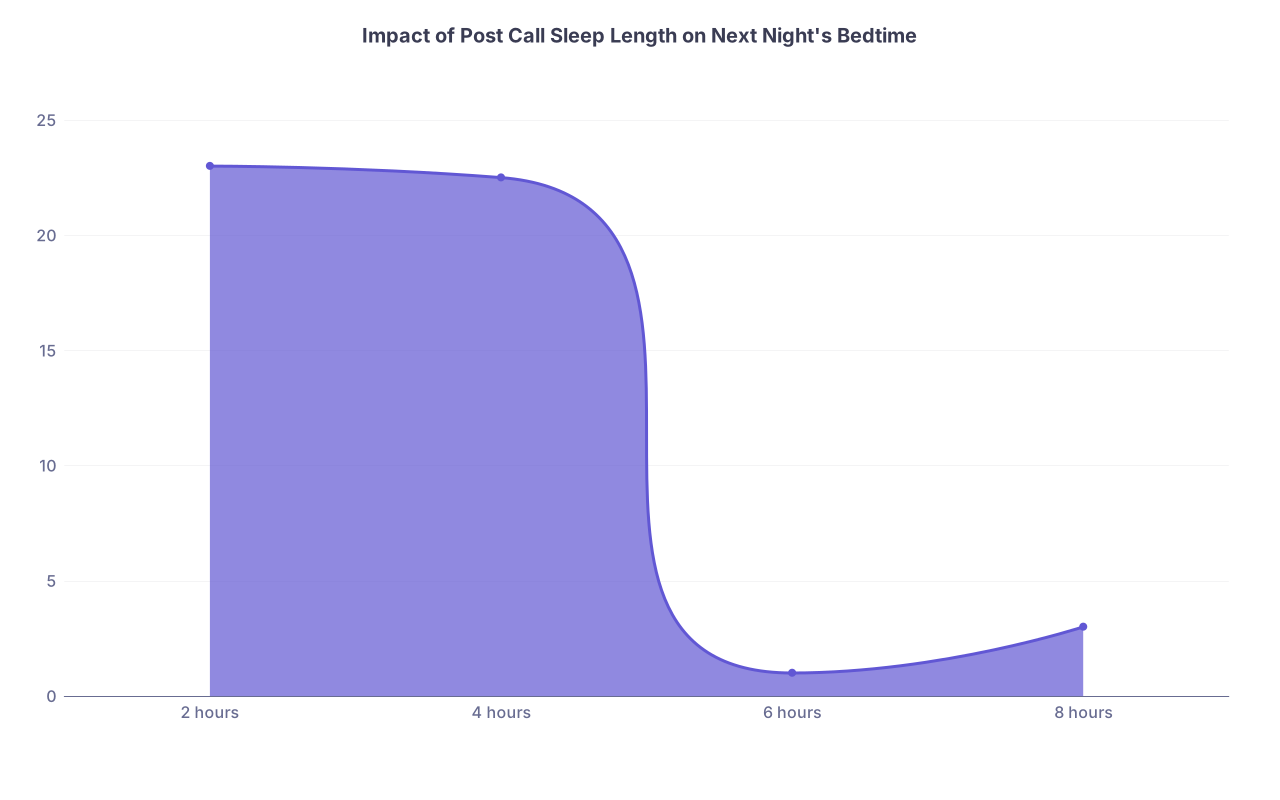
| Category | Value |
|---|---|
| 2 hours | 23 |
| 4 hours | 22.5 |
| 6 hours | 1 |
| 8 hours | 3 |
(Values are approximate usual bedtime start times in 24‑hour format for the next night; longer daytime sleep shifts you later.)
13:00–14:00 – Controlled Wake-Up and Reboot
You will wake up groggy. That is not a sign you need “just 2 more hours.” That is sleep inertia.
At this point you should:
- Get out of bed on the first or second alarm. Do not snooze 45 minutes into a semi‑coma.
- Open blinds. Get direct light on your face for at least 10–15 minutes.
- Hydrate again. Large glass of water or electrolyte drink.
- Have a proper meal:
- Protein + complex carbs + some fat.
- Example: Eggs and toast, or leftovers, or a grain bowl. Not just cereal.
Caffeine:
- First coffee or tea of the day goes here, around 13:00–13:30.
- Keep it modest. You are not studying for boards. You are resetting your clock.
- Hard cutoff for additional caffeine: no later than 15:00–16:00.
14:00–17:00 – The “Functional But Gentle” Afternoon
This is where most interns sabotage themselves. They either:
- Try to be a superhero and run errands, work out hard, study for 3 hours, or
- Melt into Netflix for 6 straight hours and “accidentally” nap at 18:00.
You are not trying to be productive. You are trying to return to baseline.
At this point you should:
14:00–15:30 – Light Movement and Life Maintenance
Pick two or three low‑intensity tasks:
- 20–30 minute easy walk outside. No running sprints, no heavy lifts.
- Quick grocery run.
- 1–2 loads of laundry.
- 30 minutes of low‑stress admin: paying bills, replying to non‑urgent messages.
Limit “high‑stakes” studying or projects. Your brain is tired and mistakes will be common.
15:30–17:00 – Optional Controlled Nap Window
This is the part that divides people.
If your next day is OFF:
- You can skip another nap and simply go to bed a bit earlier. Or take a 20–30 minute power nap around 15:30.
If your next day is a NORMAL DAY SHIFT:
- A short nap here (20–40 minutes, max) can make your afternoon safer and your mood less murderous.
- Set an actual alarm. Lie on top of the covers. Lights dim, not pitch black. This is a “booster,” not a second main sleep.
If your next is ANOTHER NIGHT or LATE SHIFT:
- Different strategy. You may want:
- Longer nap (60–90 minutes) starting 15:30–16:00.
- Then accept that your “main sleep” will be later.
- This is closer to rotating shift work strategy, but the principle stays: naps are scheduled on purpose, not when you crash on the couch.

17:00–22:00 – The Evening: Protect the Next Shift
At this point you should treat the evening as mission-critical for your sleep schedule.
17:00–19:00 – Social and Decompression Window
You will be tempted to say yes to everything because technically you are “off.”
Set rules:
Yes:
- Dinner with your partner or roommate.
- Light socializing with one or two friends.
- An episode or two of a show.
No:
- Multi‑hour bar hangs.
- Starting a complicated trip (I have seen interns fly out post‑call. They regret it).
- “Let’s just play one game” that somehow ends at 01:00.
Eat a real dinner around 18:00–19:00:
- Again: protein + complex carbs + vegetables.
- Avoid crushing a pizza at 21:30. Your GI tract is already annoyed from call food.
19:00–20:30 – Low‑Cognitive Tasks and Next-Day Prep
At this point you should think ahead for your next shift:
- Check tomorrow’s schedule: start time, clinic vs wards, OR vs ED.
- Pack your bag:
- Badge, stethoscope, chargers, snacks.
- Refill any meds you rely on (including your own).
- Lay out clothes / scrubs. It makes the morning 10% less miserable.
If you must do any reading or chart review:
- Cap it at 30–45 minutes of focused, light reading.
- No heavy-duty board prep tonight. You will retain almost none of it.

20:30–22:00 – Wind-Down for Anchor Sleep
Your goal: a normal-ish bedtime, not a 02:00 collapse.
At this point you should:
- Stop screens at least 30–45 minutes before target sleep.
- Dim lights.
- Short calming routine:
- 5–10 minutes of stretching or gentle yoga.
- Quick shower if you did not in the morning.
- Light reading (non‑medical, ideally).
Target bedtimes:
- If tomorrow is a day shift starting 06:00–07:00:
- Target sleep: 21:30–22:00.
- If tomorrow is a later start (08:00–09:00):
- Target sleep: 22:30–23:00.
You may not feel naturally sleepy right away. This is where discipline matters.
- Go to bed on time anyway.
- If not asleep after 30 minutes, get up, do a quiet, boring activity for 10–15 minutes, then back to bed.
22:00–06:00 – Night Sleep That Actually Protects Your Next Shift
Think of this as the shift that decides how you function tomorrow.
At this point you should:
- Protect a 7–8 hour time-in-bed window. You may not sleep all of it, but aim for the opportunity.
- Use your usual sleep aids if you have safe, pre‑discussed options (melatonin, etc.). Do not start new sedatives randomly post‑call.
- Keep phone out of reach. Charging across the room is often enough.
If you wake at 03:00 and start ruminating about the patient from last night:
- Get out of bed for 5–10 minutes.
- Write down the concern, or jot a to‑do.
- Return to bed with lights off. Do not pick up your phone “just to check something.”
How This Looks Across Your First Intern Month
Let us zoom out. The schedule I gave works best if it is predictable. But residency is not predictable. You toggle between:
- Regular days
- Calls / nights
- Golden weekends (if you are lucky)
Here is how a typical 3‑shift block with one call might look in practice.
| Day | 06:00–18:00 | 18:00–06:00 | Post-call day plan |
|---|---|---|---|
| Day 1 (Pre) | Regular day shift | Off | Normal 22:00 bedtime |
| Day 2 (Call) | Work 06:00–18:00 | In-house call 18:00–06:00 | See 24-hr schedule above |
| Day 3 (Post) | Post-call “off” | Protected sleep night | Follow recovery plan |
Your job is to treat every post‑call day as active recovery, not discretionary free time.
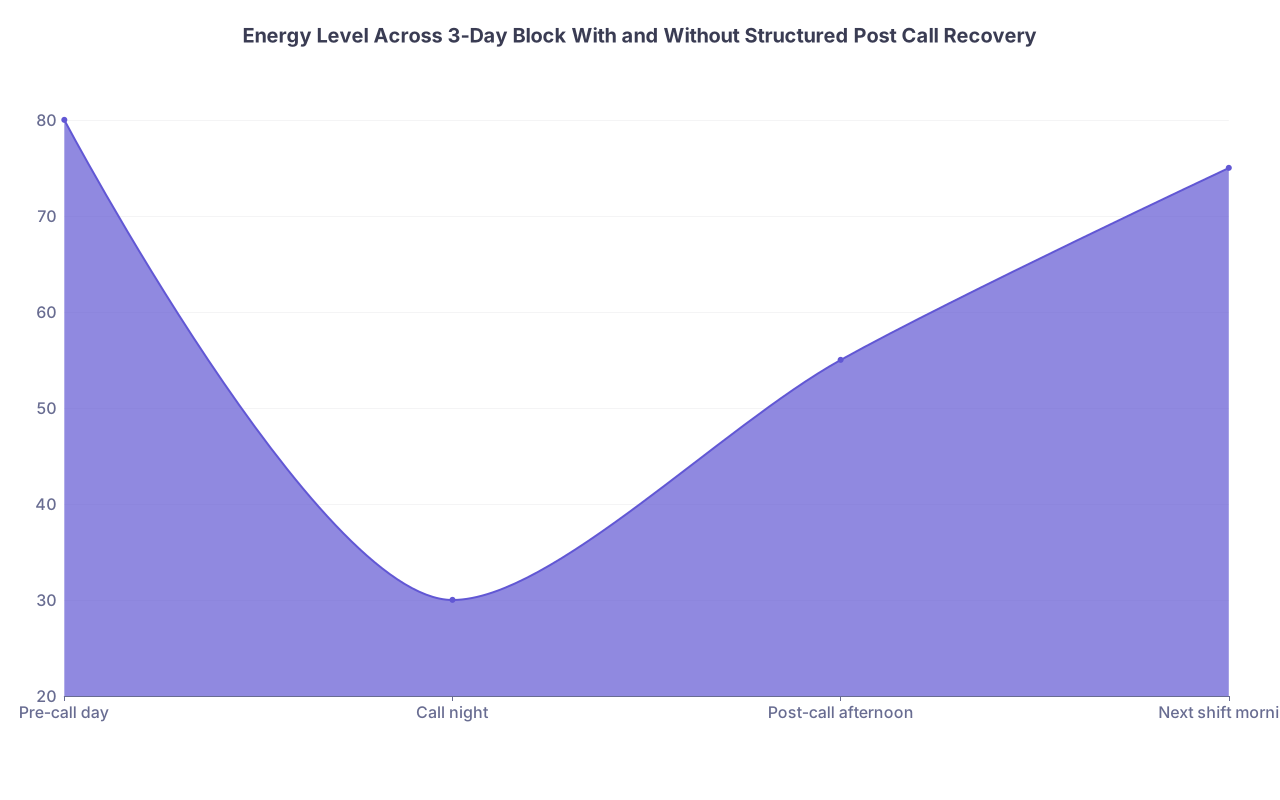
| Category | Value |
|---|---|
| Pre-call day | 80 |
| Call night | 30 |
| Post-call afternoon | 55 |
| Next shift morning | 75 |
Common Variations and How to Adjust
You are not a robot. You have a life, family, and sometimes chaos. Here is how to adjust without destroying your next shift.
Scenario 1: You Have Kids or Family Obligations
Reality: Sometimes you go home post‑call and your partner hands you a toddler.
At this point you should:
- Guard at least a 2.5–3 hour protected sleep block in the morning, even if that means trading afternoon duties.
- Use tag‑team scheduling with your partner before the rotation starts. Plan post‑call mornings in advance, not the night before.
- Lean on screen time for kids strategically that afternoon rather than skipping your sleep.
Scenario 2: You Feel “Too Wired to Sleep” at 09:00
You are not special. This happens often after intense nights or codes.
- Keep the same routine:
- Light snack, shower, dark room by 09:00.
- Try for at least 45–60 minutes.
- If still wide awake after 60 minutes:
- Get up, do something boring for 15–20 minutes (paper book, stretching).
- Back to bed.
- Do not caffeinate yourself into “I’ll just push through the day.” That ruins both safety and recovery.
Scenario 3: You Slept Terribly Overnight On Call
You had a “call” night that was basically a normal shift until 03:00 then chaos until 06:00.
At this point you should:
- Extend the morning sleep to 4–5 hours (09:00–14:00 window) if safe.
- Shorten or skip the afternoon nap.
- Move bedtime 30–60 minutes later if needed, but still aim for a consolidated night.
Micro‑Habits That Make This Work Long-Term
The 24‑hour plan only works if you remove friction.
Build these into your routine:
- Keep “post‑call snacks” ready at home: yogurt, nuts, fruit, instant oatmeal. Do not rely on a 30‑minute DoorDash delay at 08:30.
- Maintain blackout options: cheap blackout curtains, eye mask, and a fan. The difference in sleep quality is enormous.
- Have a standing post‑call script with family and friends:
- “Post‑call today; I will be out of commission until about 15:00.”
- You should not be fielding calls at 11:00 from relatives who forgot your schedule.

The Non-Negotiables
Let me strip this down. If you remember nothing else, your post‑call day must:
- Include a protected 3.5–4 hour morning sleep block ending by early afternoon.
- Avoid long, late naps that push your bedtime past 23:00.
- Use the evening intentionally to prep and anchor your next night of real sleep.
Get those three right most of the time, and your next shift will feel like a day at work, not an out‑of‑body experience.