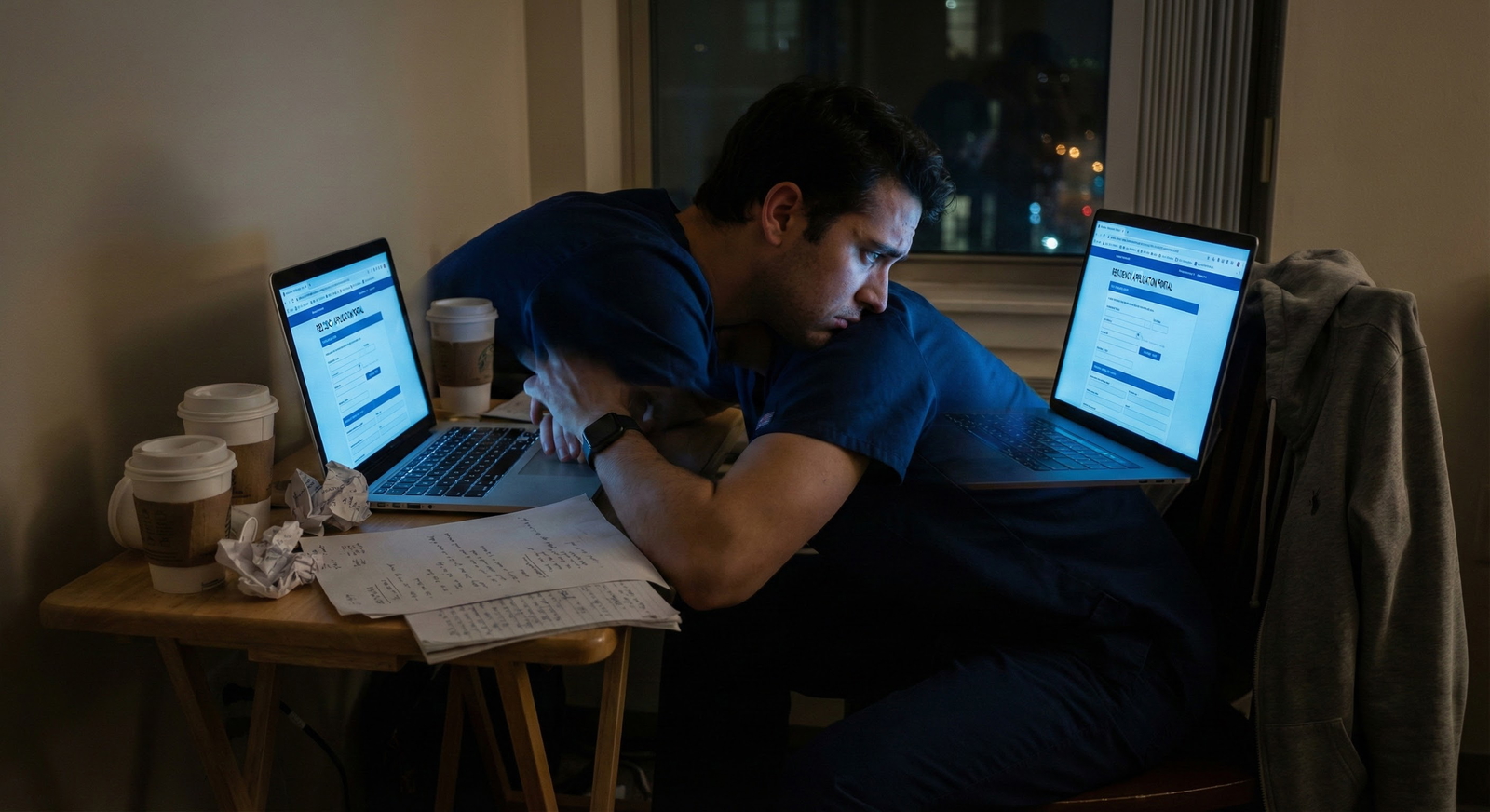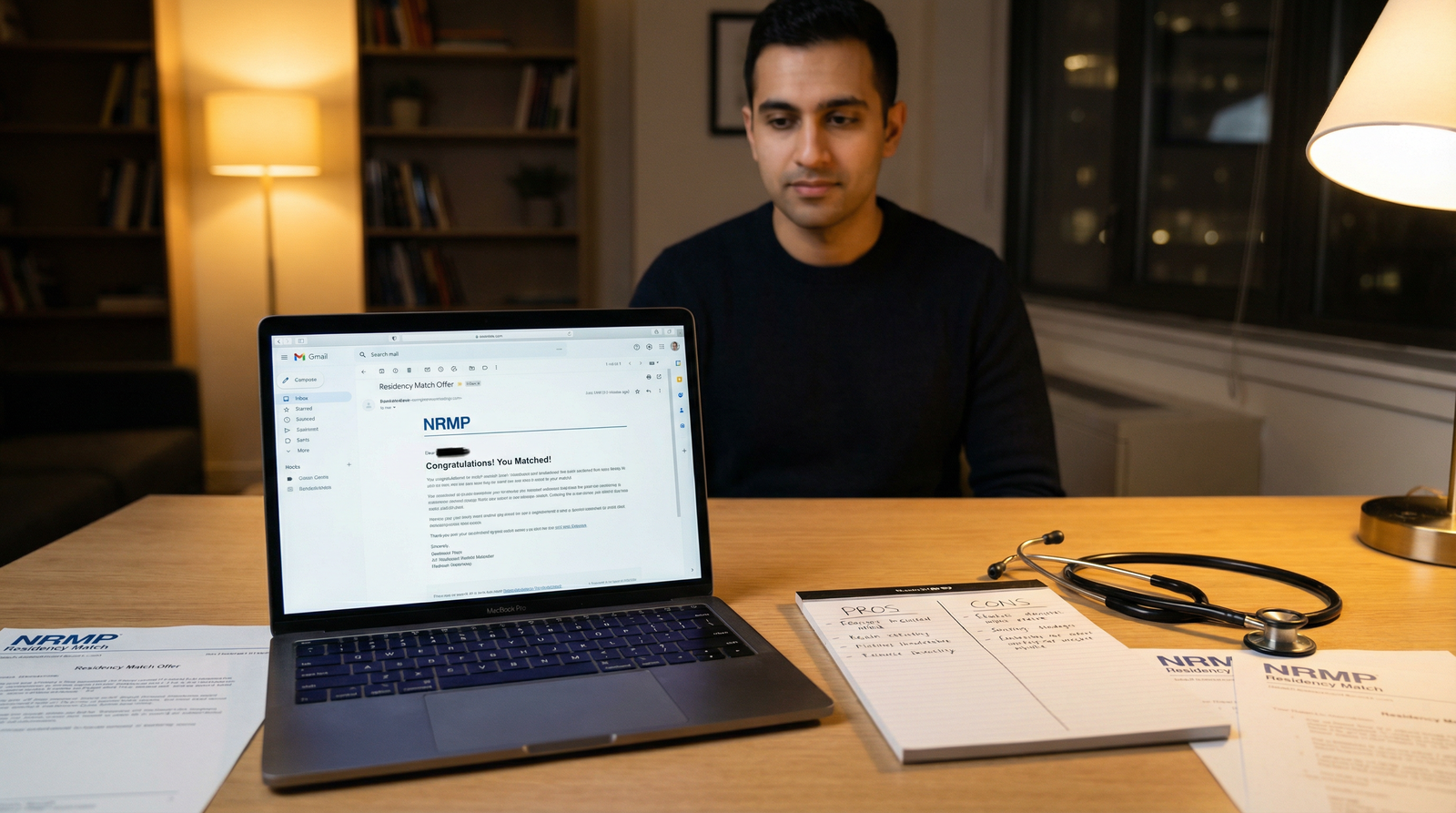
Maximize every conversation: when you have only a few interviews during the Supplemental Offer and Acceptance Program (SOAP), each interaction can determine whether you secure a residency position. With the right preparation, strategy, and follow-through, even a small number of interviews can translate into a successful SOAP outcome.
Understanding SOAP and the Reality of Limited Interviews
The Supplemental Offer and Acceptance Program (SOAP) is a structured process within the National Resident Matching Program (NRMP) that helps unmatched applicants connect with programs that still have unfilled positions. For many students and graduates, it represents a second chance—but it also moves quickly and can feel high-stakes.
Key Features of SOAP You Must Know
To leverage your limited interviews effectively, you first need to understand the framework you’re operating in:
Short, intense timeline
SOAP typically occurs over a four-day period immediately after Match results are released. Within that time:- Programs review applications from the pool of SOAP-eligible candidates.
- Programs conduct brief, often virtual, interviews.
- Multiple rounds of offers are extended and must be accepted or rejected within a short time window (often just a couple of hours).
Eligibility and status
You are eligible for SOAP if:- You are registered for the NRMP Main Match and are unmatched or partially matched (e.g., matched to an advanced but not a preliminary position).
- You are not withdrawn or excluded for policy reasons. ERAS and NRMP designate your SOAP eligibility status, and programs can see that you are SOAP-eligible.
ERAS-driven process
- You apply to unfilled programs using ERAS, with a defined limit on the number of programs you can apply to each SOAP round.
- Programs cannot solicit or accept communication outside of approved channels until specific SOAP periods, so timing and professionalism matter.
Interview constraints
- Interviews during SOAP are usually short (often 10–20 minutes).
- Many are conducted over the phone or video.
- Program directors and faculty may be reviewing many candidates at once, so your clarity and impact per minute are critical.
Understanding this environment helps you align your Interview Skills, Job Search Strategies, and overall Residency Applications approach to SOAP’s unique pressures and opportunities.
1. Strategic Preparation: Turning Limited Interviews into High-Yield Opportunities
Preparation is the single most important factor in turning a small number of interviews into real residency offers. Your goal is to enter each interaction already informed, focused, and ready to demonstrate fit.
A. Research Programs with Surgical Precision
In SOAP, you don’t have the luxury of generic interviewing. Every program wants to know: Why us? Why you? Why now?
How to research efficiently and deeply:
Start with core sources:
- Program’s website (curriculum, mission, leadership, call structure, fellowship placements)
- FRIEDA/AMA and ACGME links for case volume, accreditation status, and program details
- Program’s social media (Twitter/X, Instagram, LinkedIn) for recent updates, resident life, initiatives
Identify “fit signals”: Ask:
- Does this program emphasize community medicine, underserved care, research, or academic careers?
- What patient populations and pathologies does it highlight?
- Are there unique tracks (e.g., global health, QI, leadership, medical education)?
Create a quick-reference sheet for each program:
- 3–4 key strengths or features that appeal to you
- 2–3 ways your background aligns (e.g., prior community work, research area, language skills)
- Specific faculty or initiatives you can mention in conversation
This level of preparation allows you to tailor your responses and questions, showing programs that—even in SOAP—you are making intentional choices.
B. Upgrade and Align Your Application Materials
Even during SOAP, your ERAS application, CV, and personal statement continue to influence whether you receive interviews and how interviewers perceive you.
Steps to refine your materials quickly but effectively:
Update your CV and ERAS entries:
- Add any recent rotations, research updates, volunteer work, QI projects, or new responsibilities.
- Make sure descriptions are concise, impact-oriented, and specialty-relevant.
- Correct any inconsistencies or typos—small errors can reinforce negative biases in a high-stress setting.
Tailor your personal statement when possible:
- If ERAS allows multiple personal statements, consider:
- One for your primary specialty
- A modified version emphasizing different themes (e.g., community-focused vs academic) for targeted SOAP applications
- Highlight:
- Commitment to the specialty
- Clinical maturity and reliability
- Any explanation (brief, factual, non-defensive) of unusual paths, gaps, or transitions
- If ERAS allows multiple personal statements, consider:
Clarify your SOAP strategy on paper:
- Use your personal statement and experiences to answer—is this applicant:
- Authentic about their interest in this specialty?
- Likely to stay, work hard, and complete the program?
- Someone I would trust on my team at 2 a.m.?
- Use your personal statement and experiences to answer—is this applicant:
When your written materials and interview narrative are aligned, your message becomes more powerful and coherent.

2. Mastering High-Impact Interview Skills During SOAP
With limited interviews, each conversation is essentially a high-stakes job interview compressed into minutes. Your objective is to be:
- Clear
- Memorable
- Professional
- Easy to advocate for in the post-interview discussion
A. Practice Focused, SOAP-Specific Interview Techniques
1. Use Mock Interviews Strategically
Don’t just “practice” interviews; practice for this environment.
Who to practice with:
- Faculty mentors or advisors
- Residents in your target specialty
- Career services or advising offices
- Peers who can play the role of “program director”
What to focus on:
- Classic residency questions:
- “Tell me about yourself.”
- “Why this specialty?”
- “Why our program?”
- “Tell me about a challenging clinical situation and how you handled it.”
- SOAP-relevant questions:
- “Can you walk me through your path to SOAP?”
- “What did you learn from not matching?”
- “How would you handle a heavy workload or steep learning curve?”
- Red-flag management:
- Low scores, gaps, repeats, leaves of absence, career changes
- Classic residency questions:
Use the STAR method (Situation, Task, Action, Result) to structure answers:
- Situation: Brief context
- Task: Your responsibility or goal
- Action: What you did, specifically
- Result: Outcome and what you learned
Keep responses 1–2 minutes unless the interviewer clearly wants more depth.
2. Prepare a Strong, Consistent Narrative
You will almost always get some version of “Tell me about yourself” or “Walk me through your journey.”
Craft a 90-second core story that:
- Highlights your path to medicine and this specialty
- Emphasizes 2–3 strengths (e.g., teamwork, resilience, communication, work ethic)
- Shows growth and self-awareness (not just a list of accomplishments)
- Briefly and professionally acknowledges any non-linear elements in your trajectory
Example structure:
“I completed my medical training at [School], where I was drawn to [specialty] early on through [rotation or experience]. I’ve consistently gravitated toward roles focused on [teamwork/leadership/underserved care/etc.], which led me to [specific projects or experiences]. During my clinical years, I realized that [specialty] aligned best with my strengths in [X, Y, Z]. Not matching this cycle was difficult, but I’ve used it to critically reassess my application, seek more feedback, strengthen my [skills/knowledge], and I’m very motivated to contribute and grow within a program like yours.”
B. Demonstrate Fit and Professionalism in Every Answer
1. Show Why You Belong There, Not Just Anywhere
Programs know that SOAP is fast-paced and imperfect—but they still want residents who have genuine reasons for choosing them.
When answering “Why our program?”:
- Reference specific elements from your research:
- “I admire your strong community partnerships and FQHC rotations.”
- “Your resident-led QI curriculum aligns with my prior project on [topic].”
- “Your diverse patient population and language needs align with my fluency in [language] and interest in [population].”
- Connect these features to your goals and values:
- “I see myself building a career in [academic/community] medicine.”
- “I want training that prepares me to practice in [setting or patient population].”
2. Maintain Strong Non-Verbal and Virtual Presence
Even by phone or video, non-verbal cues matter.
For video interviews:
- Test your technology, camera angle, lighting, and microphone ahead of time.
- Look at the camera when speaking to simulate eye contact.
- Sit upright, avoid fidgeting, and keep a slight, natural smile.
- Keep your background plain and professional.
For phone interviews:
- Smile while speaking—your tone becomes warmer and more energetic.
- Stand or sit upright to project better.
- Have a printed or handwritten sheet with your key points and program notes, but don’t read.
Active listening:
- Brief verbal acknowledgments (“That makes sense,” “I appreciate that perspective.”)
- Wait for the interviewer to finish before responding.
- Paraphrase to confirm understanding when a question is complex.
C. Ask High-Quality, Insightful Questions
Programs almost always ask, “What questions do you have for us?” This is a powerful chance to stand out.
Avoid questions that are:
- Easily answered on the website
- Focused only on perks (salary, vacation) early in the conversation
Instead, ask questions that show:
- Preparation
- Maturity
- Investment in training quality
Examples:
- “How would you describe the culture among residents and between residents and faculty?”
- “Can you share how residents who match here typically do after graduation—fellowships, jobs, practice settings?”
- “How does the program support feedback and remediation if a resident is struggling in a particular area?”
- “Are there opportunities to get involved in teaching, QI projects, or leadership as a junior resident?”
Take brief notes—these can later inform your thank-you messages and offer decisions.
3. Maximizing Your Impact After Each Interview
Your performance doesn’t end when the video call or phone call does. Strategic follow-up can reinforce your interest and help programs remember you in a crowded field.
A. Craft Thoughtful, Targeted Follow-Up
1. Personalized Thank-You Messages
Within 24 hours of each interview (often sooner, given SOAP’s pace):
- Send individualized messages to:
- Program Director
- Key faculty interviewers
- Chief residents or coordinators if they were primary interviewers
Your message should:
- Express genuine appreciation:
“Thank you for taking the time to speak with me today about your [specialty] residency program.” - Reference something specific from the conversation:
“I particularly appreciated hearing about your emphasis on resident autonomy in the ICU and the mentorship structure for PGY-1s.” - Reiterate your interest and fit:
“Our discussion further confirmed that [Program Name] aligns with my goals in [X] and my commitment to [Y]. I would be excited to train and grow as part of your team.”
Keep it concise—5–7 sentences is usually enough.
2. Maintaining Professional Contact
In SOAP, there is limited time and strict rules. Always check current NRMP policies and your dean’s office guidance about communication.
Appropriate follow-up might include:
- Clarifying questions about schedule, support systems, or expectations if they affect your decision.
- Providing requested materials (e.g., updated CV, additional letters, Step scores).
Avoid:
- Repeatedly emailing or calling without a clear purpose.
- Asking for information that could be perceived as attempting to circumvent SOAP rules.
B. Stay Ready for Rapid Decisions and Offers
SOAP offers can come quickly, with short acceptance windows. You must be ready to make informed choices.
1. Build a Pre-Interview Decision Framework
Before interviews begin, outline what matters most to you:
- Training quality: case volume, supervision, board pass rates
- Location considerations: family, cost of living, support systems
- Program culture: collegial vs. hierarchical, diversity, wellness
- Career goals: community vs academic vs fellowship
- Visa or licensing requirements (for IMGs)
Rank these criteria and use them to quickly assess:
- “If [Program A] offers me a position, is it an automatic yes?”
- “If I receive offers from multiple programs, which factors break ties?”
2. Stay Logistically Organized
Have ready:
- A simple spreadsheet or document tracking:
- Programs you applied to
- Interview times
- Key impressions
- Pros/cons
- Required documents:
- Updated CV
- Identification and paperwork requested by HR once you accept (immunization records, certifications, etc.)
Being organized lowers cognitive load during an already stressful period and helps you make sound decisions quickly.
4. Leveraging Support Systems and Resources During SOAP
You do not have to navigate SOAP alone. Smart use of resources is a Job Search Strategy in itself.
A. Institutional Support: Advisors, Counselors, and Workshops
Most medical schools and many international advising organizations offer targeted support:
Career services and dean’s office:
- SOAP-specific strategy sessions
- Individualized review of your ERAS application and personal statement
- Mock interviews focused on your specialty and red flags
- Guidance on program list construction and messaging
Workshops and webinars:
- NRMP/ERAS webinars on SOAP logistics (deadlines, rules, offer rounds)
- Specialty-specific sessions (e.g., how to SOAP into Internal Medicine vs Family Medicine vs Pediatrics)
Reach out early; do not wait until the moment you discover you are unmatched. Pre-planning gives you an immediate head start if you end up in SOAP.
B. Peer Networks and Online Communities
Hearing from others who are in or have gone through SOAP can be invaluable.
Peers in your class or prior classes:
- Can share what worked, what didn’t, and how they handled the emotional side
- May have insights into particular programs
Online forums and groups (use discernment):
- Reddit (e.g., r/medicalschool, r/Residency)
- Specialty-specific Discords or Facebook groups
- IMG-focused communities
Use them for:
- Emotional support
- General strategy ideas
- Example timelines and experiences
But remember:
- Not all advice online is accurate or applicable to your situation.
- Protect confidentiality and professionalism—programs and faculty may also read these spaces.

5. Maintaining Perspective and Planning for All Outcomes
SOAP is intense and emotional, and not every applicant will secure their ideal position on the first attempt. Part of professionalism is being prepared for multiple possible outcomes.
A. If You Match Through SOAP
If you accept a SOAP offer:
- Celebrate—this is a significant achievement.
- Quickly:
- Clarify next steps with the program’s GME office and coordinator.
- Confirm start date, orientation schedule, and required paperwork.
- Begin preparing clinically and logistically for your intern year.
Recognize that many highly successful physicians started their careers through SOAP or post-match positions. Your performance in residency ultimately matters far more than how you got there.
B. If You Do Not Secure a Position in SOAP
This outcome is painful but not the end of your career. Many unmatched applicants successfully reapply and match strongly the next cycle.
Immediate next steps:
Meet with trusted advisors to take an honest inventory:
- Academic metrics (scores, attempts, class rank)
- Clinical performance and evaluations
- Special circumstances or red flags
- Specialty choice competitiveness vs your profile
Consider options to strengthen your application:
- Additional clinical experience (sub-internships, observerships, prelim/transitional positions)
- Research or QI work in your target specialty
- Improved language skills or communication training
- Targeted remediation or additional coursework if needed
Re-examine:
- Specialty choice and competitiveness
- Breadth and realism of your future program list
- Narrative coherence and interview strategy
Many applicants match on a subsequent attempt after a focused, honest reset.
FAQs: Navigating SOAP with Limited Interviews
Q1: I only have one or two SOAP interviews. Do I still have a realistic chance of matching?
Yes. Many applicants match with only a small number of interviews, especially in SOAP where interview volume varies widely by program and specialty. The key is to:
- Prepare intensely for each interview.
- Demonstrate clear fit and strong professionalism.
- Follow up thoughtfully and be ready to accept a suitable offer quickly. Your goal is not to have many interviews; it is to make each one high-yield.
Q2: How can I explain not matching in the main cycle without hurting my chances in SOAP interviews?
Keep your explanation:
- Brief
- Honest
- Non-defensive
- Growth-oriented
Example:
“I was disappointed not to match in the main cycle. In reviewing my application with mentors, I realized [specific factor, e.g., late specialty decision, limited letters, weaker Step score]. Since then, I’ve [concrete steps taken—added clinical experiences, obtained stronger letters, refined my application], and I’m fully committed to succeeding in residency and contributing to a program like yours.”
Then pivot back to your strengths and readiness.
Q3: Should I apply broadly to any specialty during SOAP or stay focused on my primary specialty?
It depends on:
- Your long-term goals
- Your competitiveness
- Available unfilled positions
General guidance: - If you are flexible and your priority is starting residency promptly, consider related or less competitive specialties you could see yourself practicing.
- If your commitment to one specialty is very strong, you might focus your SOAP applications there but be realistic about the numbers. Discuss strategy with advisors who know your profile and real-time SOAP data.
Q4: Do programs view SOAP applicants differently than main Match candidates?
Programs know SOAP is part of the official NRMP process. Some may have concerns about why applicants didn’t match, but:
- A well-prepared, professional, and motivated SOAP candidate can absolutely earn a program’s confidence.
- Your behavior during SOAP—reliability, communication, insight, and maturity—can quickly override initial reservations.
Q5: What are some red-flag mistakes to avoid during SOAP interviews and communication?
Common pitfalls include:
- Speaking negatively about prior institutions, supervisors, or the Match process.
- Being vague or evasive about clear issues in your record.
- Sounding desperate rather than focused and professional.
- Over-contacting programs or violating NRMP communication rules.
- Being unprepared for standard questions (“Why this specialty?” “Why our program?”).
Avoid these by:
- Practicing your narrative.
- Seeking feedback from mentors.
- Maintaining professionalism in every interaction—written and verbal.
By approaching SOAP with clear strategy, focused Interview Skills, and efficient Job Search Strategies, you can turn even a small number of interviews into real opportunities. Every interaction—before, during, and after the interview—is a chance to communicate your readiness to be an excellent resident and colleague.