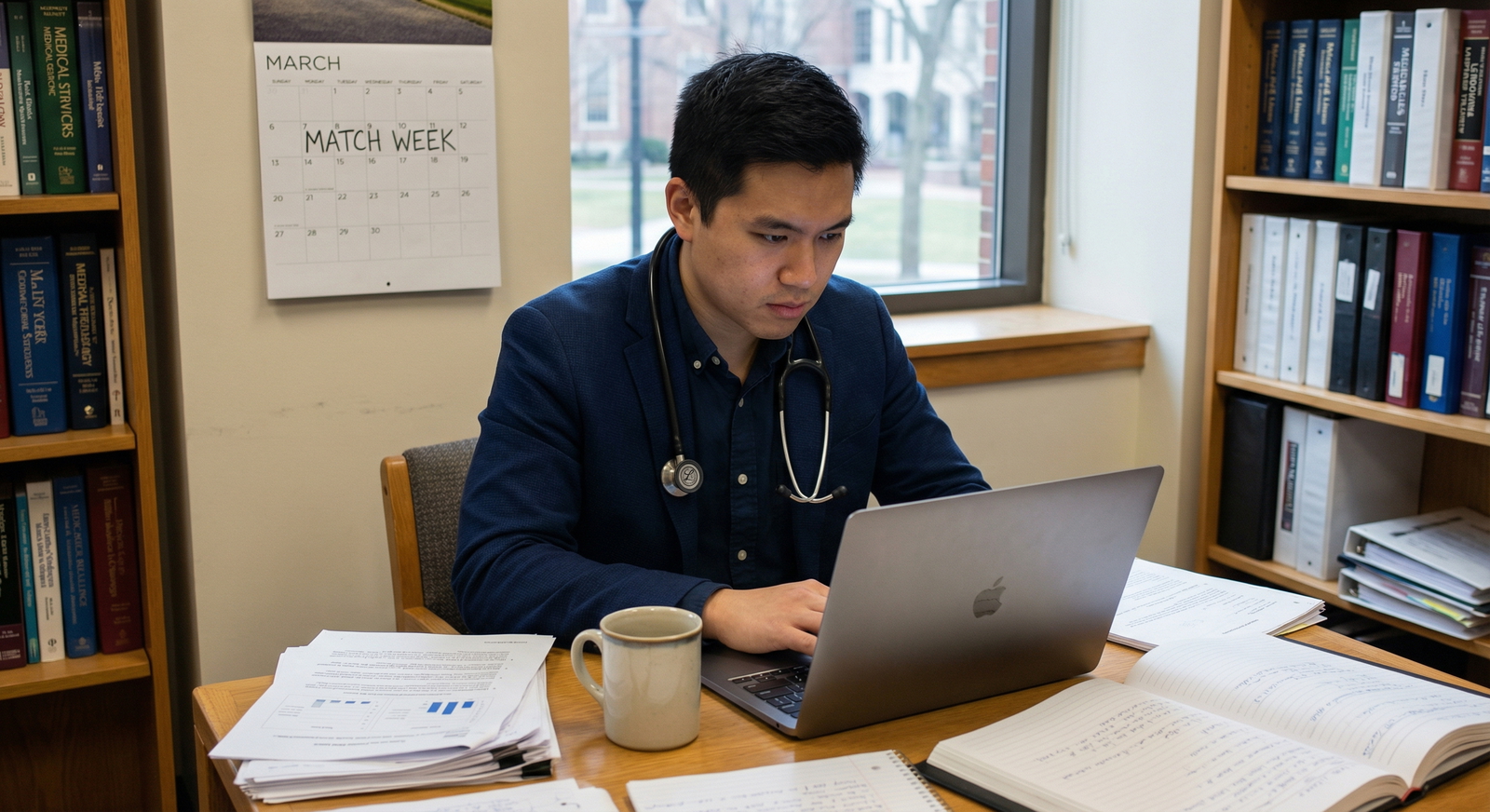
Conquering the SOAP Challenge: Strategies for Unmatched Candidates With Limited Interviews
Navigating the Supplemental Offer and Acceptance Program (SOAP) can feel overwhelming—especially if you enter the process with few or no residency interviews. The pressure of having gone unmatched combined with SOAP’s fast pace can make this week one of the most stressful times in medical training.
Yet, SOAP is also a powerful second chance. With deliberate planning, clear priorities, and strategic networking, many candidates successfully launch their medical careers through SOAP—even when their initial interview numbers were low.
This guide breaks down practical, step-by-step approaches to help you maximize your odds of success in SOAP despite limited interviews.
Understanding SOAP in the Residency Match Process
SOAP is an official component of the National Resident Matching Program (NRMP) designed to connect unmatched or partially matched applicants with unfilled residency positions. For many, it is the final structured opportunity each cycle to secure a residency position.
What SOAP Is (and What It Is Not)
SOAP is:
- A formal, time-limited process that takes place the same week Match results are released
- A structured way for applicants to apply to unfilled positions through ERAS
- A series of offer “rounds” where programs extend and applicants accept or decline positions
- A chance to pivot specialties, geographic regions, or program types
SOAP is not:
- An open-market scramble where you can cold-call programs outside the rules
- A guarantee that you will receive interviews or offers
- A process you can “wing;” success usually requires careful preparation and rapid decision-making
SOAP Eligibility and Timeline Essentials
To participate in SOAP, you must be:
- Registered with NRMP
- Unmatched or partially matched after the Main Residency Match
- Certified by ECFMG (for IMGs) by the deadline
- Have an active ERAS application
A typical SOAP week (March, exact dates vary):
Monday Morning:
- You learn your Match status (matched, partially matched, or unmatched).
- Unmatched candidates gain access to the List of Unfilled Programs through NRMP.
Monday–Tuesday:
- Applicants and schools review the unfilled list.
- You update your ERAS application components where allowed (e.g., new personal statements for different specialties).
- You select and submit applications to SOAP-eligible programs (with strict limits on the number of programs).
Tuesday–Thursday:
- Programs review applications, conduct rapid interviews (often virtual or phone), and participate in several SOAP “offer rounds.”
- Applicants can receive offers in each round and must respond within strict time windows.
After SOAP:
- Any positions still unfilled may be pursued outside SOAP, following NRMP rules.
- Unmatched candidates begin planning for reapplication or alternative next steps.
Key takeaway: SOAP moves extremely fast. The more you prepare before Match Week—even before Match results—the more calmly and strategically you can navigate limited interviews.
Step-by-Step SOAP Process: What to Expect and How to Prepare
Core SOAP Steps
Confirm Eligibility and Read the Rules
- Make sure you are registered with NRMP and eligible for SOAP.
- Review the NRMP SOAP guidelines, including communication rules (e.g., no unsolicited calls/emails to programs during certain periods).
- Clarify with your dean’s office or advisor how your school supports SOAP.
Optimize Your ERAS Profile Before Match Week
- Update:
- Experiences (recent rotations, volunteering, research)
- Publications and presentations
- Contact information and availability
- Prepare multiple personal statements aligned with:
- Your primary specialty
- Possible backup specialties you’d consider during SOAP
- Update:
Review the Unfilled Positions List Strategically
- Once available, filter by:
- Specialty and program type (categorical vs preliminary vs transitional)
- Geographic region and visa sponsorship (for IMGs)
- Historical fill rates (if you can find them through your school or online communities)
- Make a tiered list:
- Tier 1: Realistic programs aligning with your credentials and interests
- Tier 2: Slight stretches but possible fits
- Tier 3: Backup options that keep you in the system (prelim, transitional, alternative specialties)
- Once available, filter by:
Submit Targeted Applications
- Use all allotted SOAP applications thoughtfully.
- Avoid applying blindly to every open position; instead, align with:
- Your exam scores and academic history
- Your clinical strengths and experiences
- Your long-term Medical Careers goals (even if through a non-linear path)
Respond Rapidly to Interview Invitations
- During SOAP, programs often:
- Schedule brief virtual/video interviews on short notice
- Call directly for quick conversations
- Keep:
- Phone ringer on and voicemail professional
- Email open and notifications on
- Access to stable internet and a quiet interview space
- During SOAP, programs often:
Manage Offers During SOAP Rounds
- If you receive an offer:
- You have a limited window (often 2 hours) to accept or decline.
- Once you accept, you are bound to that program and exit SOAP.
- If you decline:
- You can still receive other offers in subsequent rounds, but there is risk in waiting.
- If you receive an offer:

Strategies for Candidates Entering SOAP With Few or No Interviews
Many SOAP participants are in exactly your position: limited or no interviews from the main Match. This is common and does not mean your Medical Career is over. It does mean you need to be highly intentional.
1. Re-evaluate and Sharpen Your Application Materials
SOAP gives you a chance to address weaknesses and highlight strengths more clearly—even under tight deadlines.
Personal Statement: Concise, Focused, and Honest
Create specialty-specific statements.
For example, if you are open to both Internal Medicine and Family Medicine during SOAP, write separate statements that:- Describe why that specialty fits your skills and values
- Highlight relevant rotations, projects, and patient care experiences
- Reflect maturity and resilience in handling setbacks
Address the elephant in the room—briefly.
If you went unmatched or had limited interviews:- Acknowledge challenges without over-explaining.
- Emphasize what you learned (e.g., improved study habits, strengthened communication, focused on professionalism).
- Reframe the situation as part of your growth as a future physician.
Show readiness, not desperation.
- Focus on what you can contribute to a residency team: work ethic, reliability, teachability, and genuine interest in patient care.
Letters of Recommendation (LoRs): Use What You Have Strategically
SOAP often doesn’t allow time for entirely new letters, but you can:
Prioritize your strongest letters.
- Choose letters from attendings who supervised you directly in clinical settings.
- Prefer letters that speak to reliability, teamwork, and communication.
Consider a dean’s or advisor’s letter (if available).
- Some schools rapidly generate support letters for SOAP applicants that:
- Clarify any academic irregularities
- Emphasize recent improvement and clinical performance
- Some schools rapidly generate support letters for SOAP applicants that:
CV / ERAS Experiences: Highlight What Matters Now
Move the most SOAP-relevant experiences to the top:
- Recent sub-internships or acting internships
- Clinical electives in the specialty you’re targeting
- Volunteer work that demonstrates commitment and resilience
Use descriptions that:
- Focus on impact and responsibility (“Managed a panel of 5–8 patients per day under supervision…”)
- Showcase teamwork and communication (“Coordinated with interdisciplinary teams…”)
2. Strategize Your Program Selection: Depth Over Name Recognition
With limited interviews, where you apply matters even more.
Look Beyond Prestige and Focus on Fit
Community and smaller academic programs may:
- Be more open to candidates with non-traditional paths
- Value work ethic, adaptability, and genuine interest in their patient population
Consider preliminary and transitional year positions when:
- You are open to reapplying for advanced specialties (e.g., Radiology, Anesthesiology) later
- You want to stay clinically active, build U.S. clinical experience, and earn strong, recent LoRs
Geographic and Demographic Realities
Programs in less competitive or less urban regions may:
- Have more unfilled spots
- Be particularly welcoming to candidates who demonstrate willingness to live and work there
Honestly assess:
- Your flexibility with relocating
- Your visa or licensure needs (for IMGs)
- Areas where your background may be especially valued (e.g., bilingual skills, experience in underserved care)
3. Leverage Networking Intentionally During SOAP
Networking during SOAP is delicate, as there are strict NRMP rules about contacting programs. However, appropriate, professional networking can still make a major difference.
Use Your Existing Relationships
Alumni of your medical school
- Ask if they are willing to:
- Provide insight into their program’s culture and expectations
- Confirm whether their program typically participates in SOAP
- Alert their program leadership that you’ve applied (when allowed)
- Ask if they are willing to:
Faculty and mentors
- Ask them to:
- Review your SOAP strategy and specialty list
- Provide honest feedback on where your application is competitive
- Reach out to colleagues informally if it does not violate NRMP policies
- Ask them to:
Professional Platforms and Informal Channels
LinkedIn and professional networks
- Keep your profile updated and professional.
- Engage with content related to your target specialty.
- Reach out politely to residents or faculty for general advice—not for direct favors during blackout periods.
Current residents and fellows
- Ask what their program looks for in SOAP candidates.
- Learn how interviews are typically structured and how quickly decisions are made.
4. Preparing for High-Yield SOAP Interviews
Even if you only get one or two interviews during SOAP, any interview can be your pathway to a residency position. Treat each as critically important.
Mock Interviews and Rapid Practice
Ask your school’s Career/Student Affairs office to:
- Schedule emergency mock interviews
- Review your answers to difficult questions (e.g., exam failures, gaps, no prior interviews)
Practice with:
- Peers who matched previously
- Residents you know in your target specialty
Focus on:
- Clear, structured answers (use the STAR method: Situation, Task, Action, Result)
- Avoiding defensiveness when discussing setbacks
- Demonstrating insight and growth
Common SOAP Interview Topics
Expect questions such as:
- “Why do you think you went unmatched, and what have you learned from the experience?”
- “Why are you interested in our program specifically?”
- “Why are you open to this specialty/preliminary year/opportunity?”
- “Tell us about a challenging clinical situation and how you handled it.”
- “How do you handle stress and high workload?”
Prepare specific examples that show:
- Professionalism under pressure
- Willingness to accept feedback
- Ability to work well in teams
- Commitment to patient-centered care
Addressing Limited Interviews Honestly
When asked about few or no prior interviews:
- Avoid blaming others or the system.
- Briefly acknowledge factors (e.g., step score, late exam completion, limited specialty exposure).
- Pivot to:
- What you’ve done to improve (e.g., improved test-taking strategies, extra clinical work)
- Why you are fully ready to succeed in residency now
5. High-Impact Follow-Up and Professional Communication
Thoughtful communication can reinforce a strong interview impression and demonstrate maturity.
Thank-You Notes: Short but Personalized
- Send within 24 hours of your interview.
- Include:
- Specific reference to something you discussed
- A clear statement of continued interest in the program
- Keep tone professional and sincere, not overly emotional or repetitive.
Maintaining Engagement (Within the Rules)
Respond promptly to:
- Any clarification requests
- Additional interview offers
- Administrative questions from programs
Avoid:
- Excessive emails or pressure on programs
- Asking for ranking or offer guarantees
Seeking Feedback Later (If You Don’t Match)
After SOAP and Match Week are fully completed:
- Politely reach out to selected programs or advisors to ask:
- Whether they can offer general feedback on your application
- How you might strengthen your candidacy for the next cycle
Use this feedback to:
- Adjust your specialty choices if needed
- Plan additional clinical, research, or academic work
- Consider post-graduate options (e.g., research positions, MPH, post-bac programs) that align with future applications

Maintaining Perspective: Resilience and Long-Term Career Planning
SOAP is intense and emotional. It’s easy to confuse this one week with your entire future. It is not.
Reframing the Experience
- Many successful physicians:
- Participated in SOAP
- Reapplied after not matching
- Changed specialties or training paths
- What programs often value most after setbacks:
- Humility
- Consistency
- Documented improvement over time
If You Don’t Secure a Position Through SOAP
Use the months after Match to:
- Meet with advisors and mentors to review:
- Specialty fit
- Exam performance
- Application strategy
- Consider:
- Gaining structured clinical experience (e.g., observerships, research assistantships)
- Strengthening exam scores (retakes where appropriate and allowed)
- Broadening specialty targets if needed
Your path may be non-linear, but it can still lead to a meaningful, satisfying Medical Career. Many applicants match in a later cycle with stronger applications and clearer goals.
Frequently Asked Questions About SOAP With Limited Interviews
1. What should I do if I don’t receive any interviews during SOAP?
If you do not receive interviews:
Decompress briefly, then:
- Meet with your dean’s office or advisor for a structured debrief.
- Review your ERAS application critically (personal statement, LoRs, exam scores, red flags).
- Ask whether your specialty choices were realistic for your profile.
Strengthen your candidacy:
- Seek research, clinical, or teaching roles that build your CV.
- Address known weaknesses (e.g., exam retakes, improved language skills, new clinical experiences).
- Consider recalibrating to a more attainable specialty in the next cycle.
Stay engaged in the medical field:
- Avoid large gaps without explanation.
- Document your work and learning during this time.
2. How can I identify and prioritize unfilled residency positions that are realistic for me?
Use a combination of:
- NRMP unfilled list and ERAS filters:
- Filter by specialty, state, and program type.
- Self-assessment:
- Compare your Step/COMLEX scores and academic record with typical ranges for that specialty and region.
- Advisor guidance:
- Ask whether your target programs tend to consider candidates with your profile (e.g., IMGs, prior fail, gap years).
- Program context:
- Community-based and smaller programs may be more flexible.
- Programs repeatedly appearing on the unfilled list may require due diligence about training environment but can also be realistic options.
Rank programs based on both:
- Likelihood of getting an interview
- Whether you would be willing to train there if offered a position
3. Is it worth applying to specialties I didn’t originally target in the Match?
In some cases, yes—if:
- You have at least some tangible connection to that specialty:
- Rotations, shadowing, research, or mentorship
- You can honestly see yourself practicing in that field long-term or as a stepping stone (prelim year) while you re-evaluate
- You can quickly create a credible application:
- Specialty-appropriate personal statement
- Relevant experiences on your CV
- Letters that at least partially support your interest
However, avoid choosing a specialty solely out of panic. Discuss with mentors before pivoting dramatically, and understand the implications for your long-term Medical Career satisfaction.
4. How can networking practically help during SOAP without breaking NRMP rules?
Networking can help you:
- Understand which programs:
- Historically consider SOAP candidates
- Value IMGs or non-traditional candidates
- Are likely to have unfilled spots
- Clarify what specific programs prioritize:
- Research vs. clinical strength
- Exam scores vs. holistic review
- Receive informal advocacy:
- A current resident might mention you to their PD after you apply (when allowed).
- Faculty may share general guidance on how best to contact programs within rules.
Always:
- Review current NRMP SOAP communication policies.
- Avoid unsolicited direct contact with programs during blackout periods unless clearly allowed.
5. Can I still build a successful Medical Career if I don’t match or only get a preliminary year?
Yes. Many physicians have:
- Started with a preliminary or transitional year and then:
- Matched into advanced specialties later
- Switched into categorical programs in other specialties
- Taken 1–2 years between graduation and residency to:
- Improve exam performance
- Build strong research portfolios
- Gain substantial clinical or public health experience
Residency program directors value:
- Persistence
- Documented improvement
- Clear, thoughtful explanations for detours Your path might be different from peers, but it can still lead to a deeply fulfilling Medical Career.
By understanding the SOAP process, refining your Residency Applications, leveraging targeted Networking, and preparing thoroughly for even a small number of Interviews, you can significantly improve your chances of success—despite limited initial opportunities. Stay organized, seek honest feedback, and remember that this week is one chapter in a much longer professional journey.