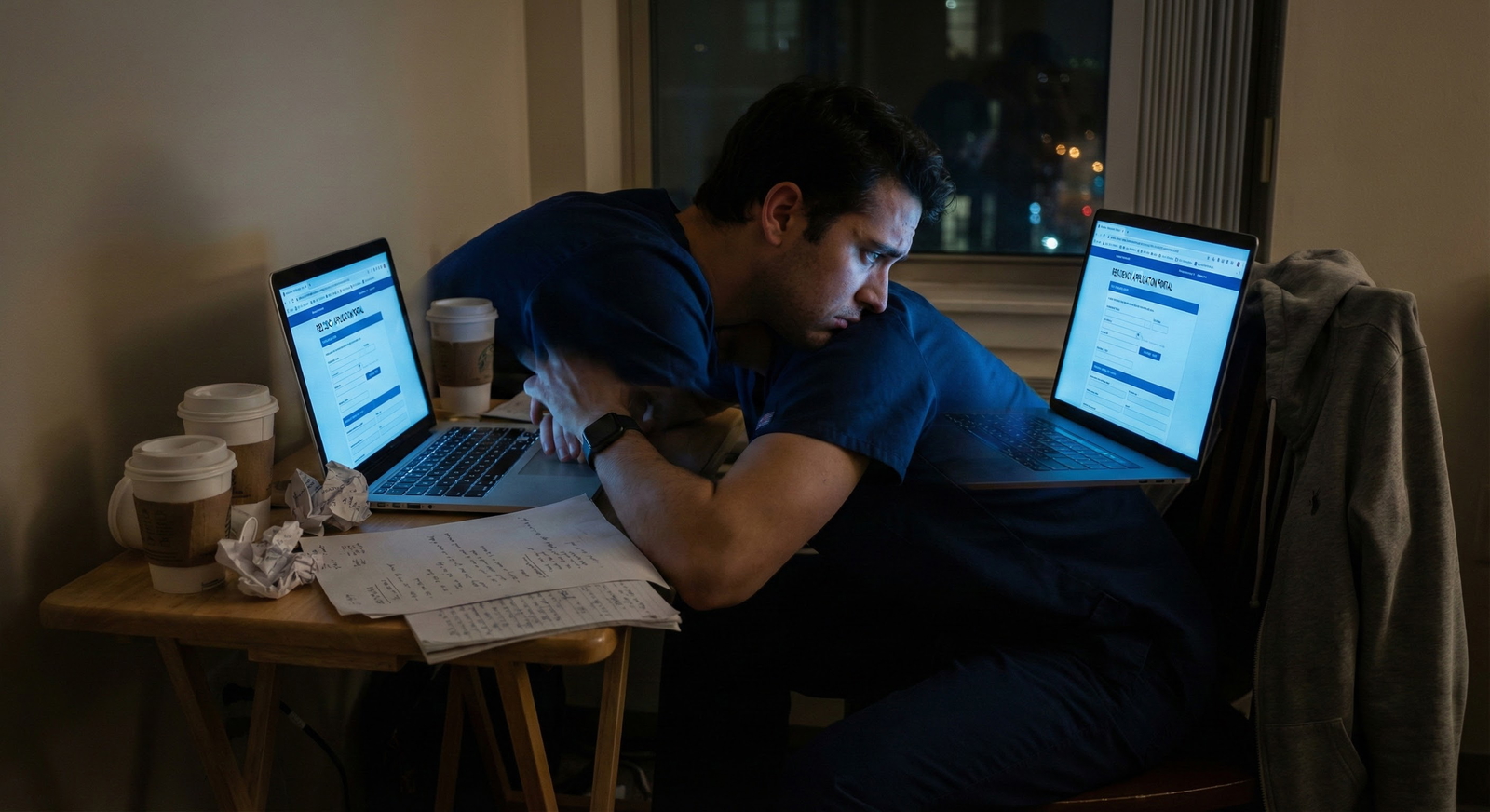
Adapting to Limited Interview Scenarios During SOAP: A Practical Guide for Residency Applicants
Navigating the Supplemental Offer and Acceptance Program (SOAP) is demanding under any circumstances—but it can feel especially overwhelming when you have few or no residency interviews. Limited interview scenarios are more common than most applicants realize, and they do not automatically mean the end of your residency aspirations.
This guide will help you adapt strategically, make the most of every opportunity, and use SOAP as a meaningful pathway to a residency position. You’ll find practical steps, examples, and mindset shifts tailored for unmatched or partially matched applicants in the current residency landscape.
Understanding SOAP in the Residency Match Process
Before diving into strategy, it’s essential to understand where SOAP fits within residency applications and how it operates.
What Is SOAP and When Does It Happen?
The Supplemental Offer and Acceptance Program (SOAP) is a structured process run by the NRMP during Match Week for applicants who:
- Are eligible for the Match, and
- Did not match to any program, or
- Partially matched (e.g., matched to a preliminary position but not an advanced one).
During SOAP:
- Programs with unfilled positions list those spots in the NRMP system.
- Unmatched/partially matched applicants can apply to these open positions through ERAS.
- Programs review applications, may conduct brief Residency Interviews (often virtual), and then extend offers in several SOAP offer rounds.
SOAP is fast-paced and highly structured. Understanding the rules and timeline is crucial for effective career development during this intense week of medical education decision-making.
Key Components of the SOAP Process
Notification of Match Status
On Monday of Match Week, you receive your match status. If you are unmatched or partially matched and SOAP-eligible, you gain access to the list of unfilled programs.Application Submission via ERAS
You can submit applications to a limited number of programs (the cap changes periodically; verify the current limit on NRMP/AAMC websites). During SOAP, you cannot contact programs directly outside permitted channels.Program Review and Resident Selection
Programs review your ERAS materials—personal statement, CV, USMLE/COMLEX scores, letters of recommendation, and your supplemental application (when applicable). They may conduct brief interviews by phone or video.SOAP Offer Rounds
Programs submit ranked lists of applicants to NRMP. Applicants receive offers in multiple rounds, each with a short time window to accept or reject. Accepting an offer ends your participation in SOAP.
Knowing this structure allows you to plan. Limited interview invitations during SOAP mean you must be efficient, targeted, and prepared to stand out quickly.
Recognizing Why Interviews May Be Limited—and What You Can Control
Limited Residency Interviews happen for many reasons, and understanding the “why” is important both for strategy in SOAP and for long-term career development.
Common Reasons for Limited Interviews
- Highly competitive specialty choices (e.g., dermatology, plastic surgery, orthopedic surgery) with relatively few spots.
- Geographic limitations, such as applying only in one region or specific city.
- Application gaps or red flags, including exam failures, leaves of absence, or significant time since graduation.
- Underdeveloped application materials, such as generic personal statements or weak letters of recommendation.
- Insufficient networking prior to the Match, leading to fewer advocates or internal supporters.
- Late specialty decision with minimal specialty-specific experiences or lack of sub-internships.
These factors are common and do not define your future. Many residents matched through SOAP or a subsequent cycle after addressing these issues strategically.
Shifting From Self-Blame to Strategic Action
When you learn that you’re unmatched or have very few interviews, it’s easy to internalize this as failure. Instead:
- Treat SOAP as a second, highly focused application cycle, not a consolation prize.
- Identify immediately actionable changes: revising your personal statement, tightening your narrative, re-evaluating your specialty and geographic flexibility.
- Plan for both short-term (SOAP week) and long-term career development (e.g., research years, additional clinical experience) if needed.
SOAP is about maximizing the opportunities available in a constrained window. With the right plan, limited interviews can still lead to a successful match.

Strategy 1: Sharpen and Align Your Personal Narrative
When interviews are scarce, every interaction counts. A focused, authentic personal narrative becomes one of your most powerful tools.
Clarify Your Story: Who Are You As a Future Resident?
Your narrative should answer three core questions:
Why medicine?
What experiences solidified your decision to become a physician?Why this specialty or type of program?
Why Internal Medicine vs. Family Medicine vs. Psychiatry, etc.? Or why are you now open to a broader range of specialties?Why you, and why now?
What strengths, experiences, and values do you bring that will benefit a residency program in 2025 and beyond?
Spend time journaling or discussing with mentors:
- Pivotal patient encounters
- Leadership or teaching moments
- Times you managed adversity or failure
- Ways you improved systems, teamwork, or patient care
Then distill these into 2–3 key themes (e.g., “commitment to vulnerable populations,” “interest in quality improvement and patient safety,” “strong team-based communicator under pressure”).
Revise Your Personal Statement for SOAP
SOAP often requires targeted, high-yield revisions rather than a complete rewrite:
- Align with a broader range of programs if you are expanding your specialty choices (e.g., from categorical Internal Medicine only to including Family Medicine or Preliminary Medicine).
- Highlight adaptability, resilience, and teachability—qualities programs value particularly in the SOAP context.
- Incorporate a concise explanation of any red flags, framed with accountability and evidence of growth (e.g., improved scores, additional coursework, or faculty support).
Example adjustment:
If your original statement was heavily research-focused for a highly competitive academic program, a SOAP-oriented version might emphasize:
- Clinical reliability and work ethic
- Interest in community or safety-net hospitals
- Flexibility regarding geographic location and type of program
Create a Consistent Narrative Across All Touchpoints
Your narrative should be consistent in:
- ERAS application entries
- Personal statement
- Email communications with advisors or institutional representatives
- Residency Interviews during SOAP
When an interviewer hears your story, they should see the same person they read about in your application.
Strategy 2: Target Programs Thoughtfully and Use Data
With limited interviews and a restricted number of applications allowed during SOAP, you must be strategic.
Analyze Your Profile Honestly
Look at your application as a program director would:
- USMLE/COMLEX scores and any failures
- Clerkship grades and narrative comments
- Research, leadership, and volunteer experiences
- Gaps in training or time since graduation
- Visa needs (if applicable)
Then ask:
Which types of programs are most realistic?
Community vs. academic, newly accredited programs, or those historically more IMG-friendly?Which specialties remain feasible?
If categorical positions are scarce, consider preliminary or transitional year options that align with long-term goals.
Use Available Data and Resources
Leverage tools and data sources to make informed decisions:
- NRMP’s Charting Outcomes and Program Director Survey to understand competitiveness.
- Program websites and social media for clues about culture, mission, and resident background.
- School advisors or alumni networks to identify programs historically open to SOAP or to applicants with similar profiles.
Prioritize:
- Programs that historically have taken
SOAP candidates. 2. Locations where you have some regional ties (home institution, family, or previous rotations). 3. Programs whose mission aligns with your strengths (e.g., underserved care, community orientation, research interest).
Tailor Materials for Each Program Cluster
You might not have time for a fully custom statement for each program, but you can:
- Create 1–2 specialty-specific versions (e.g., one for Internal Medicine, one for Family Medicine).
- Adjust emphasis to match program type (community-based vs. academic).
- Update ERAS experiences or descriptions to highlight experiences most relevant to that specialty (e.g., continuity clinic for primary care–oriented programs).
This level of targeting can be the difference between being overlooked and receiving a crucial interview invitation.
Strategy 3: Leverage Networking and Mentorship—Even During SOAP Week
Networking is not just for pre-Match season. Thoughtful, professional networking during SOAP can still influence outcomes and, if not this cycle, your long-term career development.
Use Your Existing Network First
Reach out to:
- Clerkship directors and core faculty
- Program directors or associate PDs who know you from rotations
- Research mentors
- Alumni from your school in your desired specialties
Ask for:
- Honest feedback on your application and specialty choices.
- Insight into which programs might be realistic given your profile.
- Permission to list them as a potential reference if programs contact them during SOAP.
If a mentor has a trusted relationship with another program, they might be able to:
- Put in a courteous, brief word of support (“I’ve worked with this student closely; they would be a solid, reliable intern.”).
- Help you understand which programs are truly interested versus unlikely to move forward.
Virtual Networking and Online Presence
During SOAP, time is limited, but you can:
- Attend last-minute webinars or open houses if programs host them to fill unfilled spots.
- Maintain or update a professional LinkedIn profile, including:
- A concise, professional headline (“US MD graduate applying Internal Medicine residency; interests in community health and quality improvement.”)
- A short summary that mirrors your narrative.
- Be prepared to share a brief professional bio via email when advisors or faculty ask to advocate for you.
Networking cannot override application fundamentals, but it can ensure that your name is recognized and that program directors can quickly verify your strengths.
Strategy 4: Master Virtual Residency Interviews Under Pressure
During SOAP, interviews are often shorter, more direct, and conducted virtually. You may have only 10–20 minutes to make a strong impression.
Optimize Your Technical Setup
- Use a reliable device (laptop preferred) with a good webcam and microphone.
- Ensure a stable internet connection; if your own is unreliable, consider your school, library, or a quiet office space.
- Position your camera at eye level, ensure good lighting (facing a window or lamp), and keep your background simple and professional.
- Test your setup in advance with a friend, advisor, or mock interview.
Prepare Your Core Responses
Have clear, practiced responses for:
“Tell me about yourself.”
→ 1–2 minutes connecting your background, motivations, and why you’re applying to this specialty/program.“Why this specialty?” and, if applicable, “Why the change or broadening from your original choices?”
“What happened this cycle?” (for unmatched applicants)
→ Brief, non-defensive, reflective explanation focused on what you’ve learned and how you’ve grown.“Why our program?”
→ Specifics about their patient population, curriculum, location, or mission.
Use the STAR method (Situation, Task, Action, Result) for behavioral questions:
- Team conflict
- Handling a mistake
- Managing a difficult patient encounter
- Advocating for patient safety
Communicate Maturity and Resilience
Programs know SOAP is stressful. They are evaluating:
- How you handle disappointment and pressure
- Whether you remain professional and collaborative
- Your ability to be reliable on Day 1 of residency
Avoid blaming others (school, exams, the system). Instead:
- Own your part in the outcome.
- Explain practical steps you’ve taken to improve (e.g., additional studying strategies, clinical remediation, feedback utilization).
- Emphasize your readiness to work hard and learn as a PGY-1.
Strategy 5: Track, Reflect, and Iterate During SOAP Week
SOAP moves quickly. A deliberate system for tracking experiences and feedback helps you adapt in real time.
Keep a SOAP Journal or Log
After each interaction—webinar, informal meeting, mock interview, or actual SOAP interview—write down:
- Who you spoke with and their role
- Key questions asked
- Your responses and what felt strong vs. weak
- Any constructive feedback or themes
Over a few encounters, patterns will emerge (e.g., frequently asked questions, areas where you stumble). Address these immediately with targeted practice.
Use Peer and Mentor Feedback Efficiently
Ask:
- A faculty mentor to conduct a focused 20–30 minute mock interview.
- A trusted peer or recent graduate to review your updated personal statement and ERAS entries.
- For honest feedback: “If you were a PD, what would concern you about my application, and how would you recommend I address it in an interview?”
Capture this feedback in your journal and implement changes quickly.
Strategy 6: Perform Strongly on Interview Day—and Afterwards
With limited Residency Interviews, both your performance and your follow-up matter.
Handling On-the-Spot or Difficult Questions
Anticipate questions such as:
- “Why do you have limited interviews this cycle?”
- “How do you manage stress and high workload?”
- “Tell me about a time you received critical feedback.”
Approach:
- Be direct and honest, not evasive.
- Use STAR to structure your answers.
- Conclude with what you learned and how it will make you a better resident.
For clinical or ethical scenarios:
- Walk through your reasoning step-by-step.
- Emphasize patient safety, teamwork, and communication.
- If unsure, say how you would seek help or escalate appropriately.
Send Professional, Specific Thank-You Emails
After each SOAP interview:
- Email each interviewer (if you have their contact) within 24 hours.
- Include:
- A brief expression of gratitude.
- One or two specific points from your conversation.
- A concise reminder of why you believe you fit the program.
Example:
Thank you again for speaking with me today about your Internal Medicine program. I especially appreciated hearing about your strong emphasis on caring for underserved populations and the opportunity to work in your continuity clinic. My experiences working with uninsured patients during medical school have prepared me well for this focus, and I would be honored to contribute as a resident in your program.
Keep it sincere, specific, and brief. Overly long or repetitive emails are less effective.

Looking Beyond SOAP: Contingency Planning and Long-Term Career Development
While your focus during Match Week is rightly on SOAP, it’s wise to spend a small amount of time considering contingency plans—especially if interviews are very limited or offers do not materialize.
If SOAP Is Unsuccessful This Cycle
If you don’t secure a position:
- Schedule a formal debrief with your dean’s office or advisor.
- Request specific feedback about:
- Specialty choice and competitiveness
- Application gaps or red flags
- Improvements needed for letters, experiences, or exams
Consider options such as:
- Research or clinical fellowships (paid or volunteer) in your desired specialty.
- Additional clinical experience (e.g., observerships, externships, hospitalist scribe positions) to demonstrate ongoing engagement in patient care.
- Graduate degrees or certificates (MPH, clinical research, quality improvement) if they align with your goals and resources.
- Reapplying with a modified specialty focus or broader geographic preferences.
Unmatched does not equal unqualified or hopeless. Many successful physicians had non-linear paths, including SOAP participation or multiple application cycles.
SOAP and Limited Interviews: Key Takeaways
- Limited interviews during the main residency cycle are common and not a verdict on your future.
- SOAP offers a structured, time-sensitive path to residency positions; understanding the process is crucial.
- A clear, aligned personal narrative and targeted program strategy can increase your chances significantly.
- Effective use of networking, mentorship, and virtual interview skills can help you stand out even in brief encounters.
- Tracking feedback, reflecting, and making real-time adjustments are essential during SOAP week.
- Regardless of outcome, approaching SOAP with professionalism, resilience, and intention is a powerful step in your medical education journey.
FAQs: Navigating SOAP with Limited Interviews
1. I received few or no interviews before Match. Does that mean SOAP won’t work for me?
Not necessarily. The SOAP applicant pool and available programs differ from the main Match. Some programs intentionally reserve spots for SOAP, and others may reassess their criteria when positions remain unfilled. If you strategically broaden your specialty and geographic preferences, refine your narrative, and apply intelligently, you can still secure a residency position through SOAP.
2. How can I explain being unmatched or having limited interviews in a SOAP interview?
Be honest and concise. Avoid blaming others. Acknowledge factors such as competitive specialty choices, geographic limitations, or aspects of your application that were less competitive, then focus on what you’ve learned and the concrete steps you’ve taken to improve. Programs value maturity, self-awareness, and growth more than a “perfect” record.
3. Should I broaden to other specialties during SOAP, even if they weren’t in my original plan?
Potentially, yes—if those specialties are genuinely acceptable to you as a long-term career. For example, some applicants who originally applied to categorical Internal Medicine might also consider Family Medicine, Transitional Year, or Preliminary Medicine in SOAP. Discuss this carefully with advisors; making a realistic, thoughtful adjustment can significantly increase your options.
4. How does networking really help during SOAP when direct contact with programs is restricted?
While you can’t cold-contact programs inappropriately during SOAP, your mentors, deans, and faculty can often communicate with colleagues at other institutions. A short, credible endorsement from a trusted faculty member can encourage a program to take a closer look at your application or invite you for a brief interview. Networking is also crucial for post-SOAP planning if you need to strengthen your application for a future cycle.
5. What can I do now to prepare if I’m worried I might end up in SOAP?
Proactive preparation is powerful. Before Match Week:
- Clarify your narrative and be ready to update your personal statement quickly.
- Identify backup specialties or geographic regions you would genuinely consider.
- Meet with advisors to review your risk of going unmatched and to outline a SOAP strategy.
- Practice virtual interview skills and set up a professional space at home. If SOAP becomes necessary, you’ll respond with a structured plan instead of scrambling under pressure.
By approaching SOAP as a focused extension of your residency application journey—and not as a final judgment—you can maintain control, protect your confidence, and maximize your chance of successfully continuing your medical education and career development.