Turning Limited Interviews into SOAP Residency Match Success
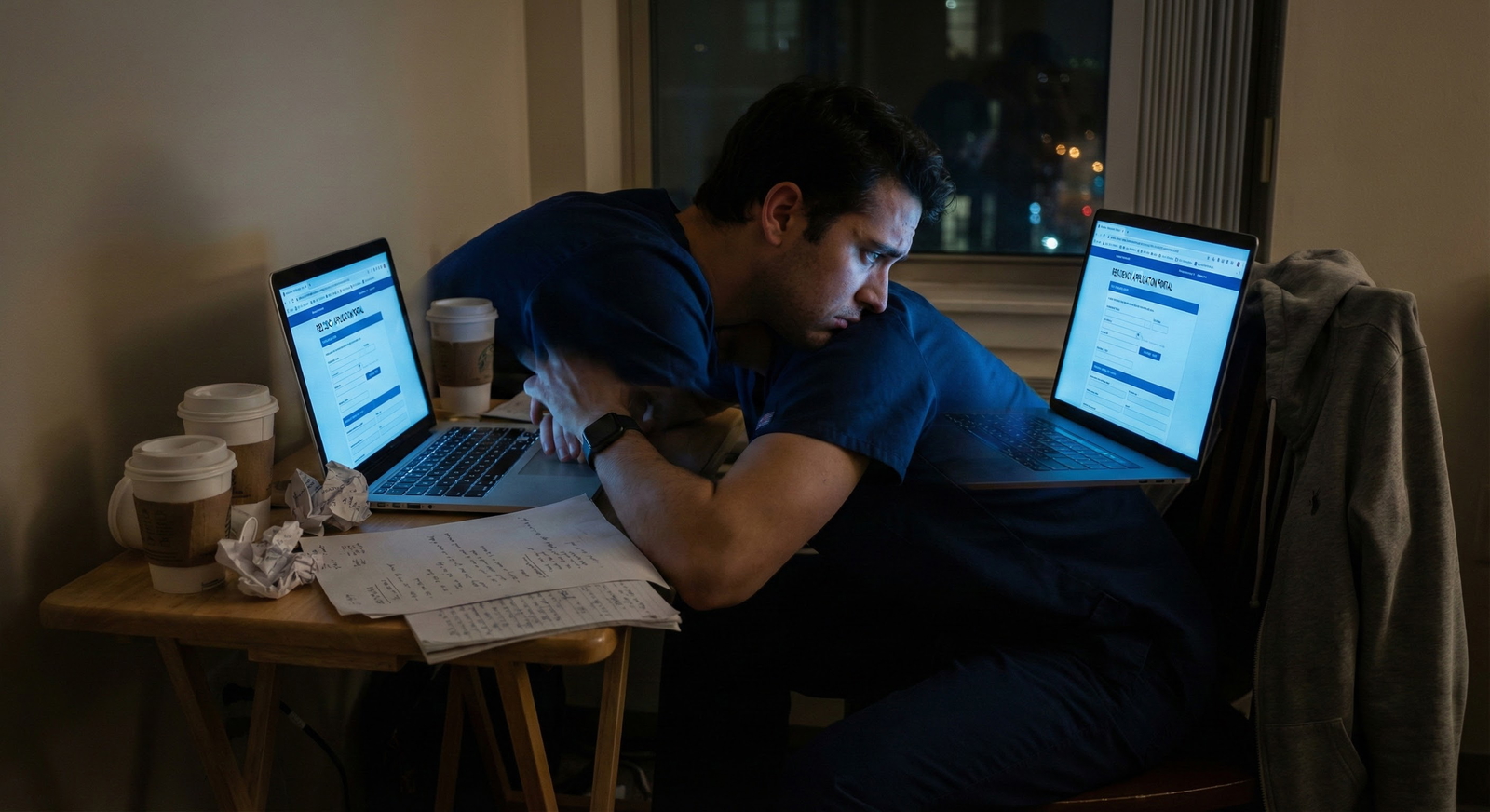
Navigating the Supplemental Offer and Acceptance Program (SOAP) with only a few or no interviews can feel like standing at the edge of a cliff with little room to maneuver. Yet every year, applicants in exactly this position successfully secure residency spots—often in programs where they ultimately thrive.
This guide is designed for medical students and graduates entering SOAP with limited interviews or uncertain prospects. It will help you transform a seemingly disadvantageous situation into a structured, strategic plan for Residency Match success.
We’ll cover what SOAP really is (and isn’t), why limited interviews don’t define your fate, and specific, actionable strategies in Medical Education, Interview Strategies, and Networking to maximize every opportunity you receive during SOAP week.
Understanding SOAP in the Context of the Residency Match
To use SOAP strategically, you need to understand where it fits in the overall Residency Match process and how programs think during this high-pressure week.
What Is SOAP and When Does It Happen?
The Supplemental Offer and Acceptance Program (SOAP) is the NRMP‑managed process that takes place immediately after Main Residency Match results are released. It serves as an organized way for:
- Unmatched or partially matched applicants to apply for unfilled positions
- Programs with unfilled spots to rapidly review candidates and extend offers
Key features of SOAP:
- Timing: SOAP week runs during Match Week, with defined application and offer rounds.
- Structure: Applicants can only communicate with programs in SOAP‑appropriate ways and within NRMP rules.
- Speed: Programs move quickly. Decisions that normally take months happen in days or even hours.
Who Is Eligible for SOAP?
You are typically SOAP-eligible if:
- You registered for the Main Match
- You are unmatched or partially matched (e.g., advanced position without a preliminary year)
- You have no active binding residency contracts elsewhere
- NRMP has officially designated you as SOAP-eligible (visible in your NRMP/ERAS status)
If you are uncertain, confirm with:
- Your Dean’s office or Student Affairs
- The NRMP or ERAS portal on SOAP Monday
- Your institution’s Match advisor
How SOAP Applications and Interviews Work
During SOAP:
- You can submit up to a limited number of applications to unfilled programs (the cap varies by year but is typically 45).
- Programs review ERAS applications, then may contact you for:
- Brief phone or video interviews
- Rapid follow-up questions
- Clarification about your application
Because of time constraints:
- Interviews are often shorter, more focused, and more direct than traditional interview season.
- A strong, clear application and well-prepared talking points become even more critical.
- With limited interviews, every interaction has more weight—but also more potential impact.

The Real Impact of Having Limited Interviews
Having just one or two interviews—or none at all before SOAP—can feel devastating. But it changes how you should strategize, not whether you still have a path to success.
Common Challenges with Limited Interviews
Lower Visibility
- Fewer interviews mean fewer chances to showcase your personality, communication skills, and clinical maturity.
- Programs may rely more heavily on your written application and letters.
Increased Competition for Each Spot
- Unfilled positions during SOAP can attract a very large number of applicants in a short time.
- Programs often pre-screen aggressively, meaning small weaknesses can be magnified if not addressed.
Emotional and Cognitive Overload
- Stress, self-doubt, and comparison with classmates can sap your focus.
- The fast pace of SOAP week can feel chaotic if you’re not organized.
Why Limited Interviews Don’t Eliminate Your Chances
Despite these challenges, limited interviews do not automatically mean you won’t match in SOAP:
- Programs are also under pressure: They must fill spots quickly with applicants who can function safely and effectively on Day 1.
- Fit and readiness can outweigh numbers: A strong, targeted application and authentic performance in even a single interview can tip the scales.
- SOAP is designed for rapid decision-making: Programs may prioritize applicants who are clearly interested, responsive, and prepared—even if their interview count is small.
Your goal is to maximize the impact of every application, every email, and every interaction you have during this week.
Strategy 1: Elevate Your Application Materials for SOAP
When interviews are limited, your written materials become your primary way to stand out. Treat your application as a high-yield, high-impact tool—especially during SOAP.
Optimize Your ERAS Application for SOAP
Focus on clarity, consistency, and alignment with the specialty:
- Update experiences: Ensure all work, research, and volunteering are current and accurate.
- Reorder entries strategically:
- Place the most relevant experiences for the target specialty at the top.
- Use concise bullets focused on measurable impact, leadership, and teamwork.
- Address gaps and red flags briefly but directly:
- USMLE/COMLEX failures, leaves of absence, or career changes should be explained in a professional, non-defensive tone in the “Education” or “Experience” descriptions or in your personal statement.
Example for an attempt at Step 1:
“Following an unsuccessful initial attempt at Step 1, I sought faculty mentorship, revisited my study strategies, and implemented structured weekly practice exams. The process improved my test-taking skills and deepened my foundational knowledge, which translated into stronger clinical performance evaluations.”
Craft High-Impact SOAP Personal Statements
During SOAP, you may apply to multiple specialties or a mix of programs (e.g., community vs. academic). Your personal statement should:
- Be concise (about 3/4 to 1 page) and focused
- Clearly communicate:
- Why this specialty and this type of program
- How your background prepared you for this path
- How you handle adversity and feedback
- Optionally address why you’re in SOAP without sounding apologetic
If applying to multiple specialties in SOAP:
- Prepare separate personal statements tailored to each specialty.
- Emphasize genuine experiences in that field (rotations, electives, sub‑internships, research, or mentorship).
- Avoid generic language that could apply to any specialty.
Strengthen Your CV and Experiences
Your CV (as reflected in ERAS) should quickly answer three questions for program directors:
- Can I trust this applicant with patient care?
- Do they understand this specialty’s demands?
- Will they be a positive, reliable team member?
To support those answers:
- Highlight clinical experiences most relevant to the specialty (e.g., sub‑I in Internal Medicine for IM SOAP applications).
- Emphasize interprofessional collaboration and quality improvement projects—it demonstrates maturity and systems thinking.
- Showcase leadership or teaching roles: serving as a peer tutor, orientation leader, or teaching assistant speaks to communication skills and responsibility.
Letters of Recommendation During SOAP
Most letters are already in place by SOAP week, but you can still:
- Reassign letters strategically across specialties if appropriate.
- Prioritize letters from:
- Faculty in the specialty you’re targeting
- Clinical supervisors who can speak to work ethic, reliability, and team functioning
- If you have time before SOAP week:
- Consider asking a mentor to write a brief updated letter that acknowledges growth since interviews or prior cycles.
If you lack specialty-specific letters (e.g., pivoting into a different specialty for SOAP):
- Use strong, general clinical letters from:
- Internal medicine, surgery, pediatrics, or family medicine
- Hospitalist or attending physicians who oversaw you closely
- Ask them (if possible) to mention qualities transferable to your new target specialty (e.g., procedural skills for surgery, continuity of care interest for primary care).
Strategy 2: Sharpen Your SOAP Interview Strategies
When you have only a few interviews—or when programs might call on short notice—interview readiness becomes one of your biggest competitive advantages.
Understand How SOAP Interviews Differ
SOAP interviews are often:
- Shorter (10–30 minutes)
- More focused on:
- Clinical readiness
- Professionalism and communication
- Your immediate availability and commitment
- Less likely to include extensive program tours or multiple faculty interactions
Programs want answers to:
- “Can this person step into a busy residency on July 1?”
- “Will they fit our team culturally?”
- “Are they genuinely interested in us, or just applying everywhere?”
Build Your Core Talking Points
Prepare 6–8 “anchor stories” that you can adapt to most questions:
- A time you handled a difficult clinical situation
- A conflict on a team and how you resolved it
- A case where you received critical feedback and used it to improve
- An example of leadership or initiative
- An instance where you made or caught an error and learned from it
- A time you supported a struggling colleague or patient family
Use the STAR format (Situation, Task, Action, Result) to keep answers structured and concise.
Common SOAP Interview Questions to Practice
Have concise, thoughtful responses ready for:
- “Why are you interested in our program specifically?”
- “Why did you go unmatched / end up in SOAP?” (if asked)
- “What have you been doing since graduation / over the past year?”
- “Tell me about a challenging patient interaction.”
- “Where do you see yourself in 5–10 years?”
- “If you don’t match this year, what is your plan?”
When explaining why you are in SOAP:
- Avoid blaming others or sounding bitter.
- Briefly acknowledge the reality, then pivot to growth.
Example:
“I had a limited number of interviews this season, and unfortunately did not match. I’ve taken this as an opportunity to strengthen my application—seeking more clinical exposure in [relevant specialty], refining my time management, and working closely with mentors to identify programs where I can genuinely contribute.”
Execute High-Quality Mock Interviews
Make mock interviews as realistic as possible:
- Use video conferencing platforms (Zoom, Teams) to simulate actual SOAP interviews.
- Ask a faculty mentor, resident, or advisor to conduct them.
- Focus on:
- Eye contact and professional presence on camera
- Concise answers (2–3 minutes per question)
- Avoiding filler words and long rambling responses
Ask for targeted feedback on:
- Clarity of explanations
- Apparent confidence and composure
- Whether your interest in the specialty and program sounds authentic
Strategy 3: Smart, Professional Networking Before and During SOAP
Networking is not about asking for favors; it’s about aligning yourself with people and programs where you can genuinely add value. Done well, Networking can significantly increase your visibility during SOAP.
Identify and Activate Your Network
Start with:
- Home institution contacts:
- Clerkship directors
- Program directors and associate PDs
- Residents you’ve worked with
- External mentors:
- Away rotation preceptors
- Research supervisors
- Faculty from conferences, poster presentations, or electives
- Peers and recent graduates:
- Alumni in residency programs of interest
- Classmates who may know current residents in programs with unfilled spots
How to Reach Out Professionally
Send concise, respectful emails:
- State who you are and how you know them.
- Explain your current situation (e.g., “SOAP‑eligible applicant with interest in [specialty]”).
- Ask for:
- Insight into programs likely to have unfilled positions in your specialty
- Advice on targeting applications during SOAP
- If appropriate, whether they might forward your CV to a program director or coordinator
Avoid directly asking someone to “get you a spot.” Instead, focus on information and guidance.
Sample wording:
“Given your experience in [specialty/program], I would greatly value any advice on how to strengthen my SOAP strategy, particularly for community-based programs focused on [specific interest]. If you feel it’s appropriate, I’d be grateful if you could share my CV with any programs you believe might be a good fit.”
Leverage Online Medical Education and Professional Platforms
Use:
- Specialty association forums (e.g., ACP, AAFP) where residents and faculty may discuss training paths.
- Professional LinkedIn profiles to:
- Connect with alumni from your medical school
- Learn who is in leadership roles at target programs
- Institutional or student group webinars on SOAP or Residency Match strategies—these often allow Q&A and informal networking.
Be professional and brief in all online interactions. Your digital footprint is part of your application.

Strategy 4: Execute a Flexible, High-Yield SOAP Week Plan
SOAP week is intense. Success depends on planning ahead, staying flexible, and maintaining professionalism at every step.
Before SOAP Week: Prepare Your Playbook
In the weeks before Match Week:
- Clarify your priority specialties:
- Primary specialty (e.g., Internal Medicine)
- Acceptable alternatives (e.g., Transitional Year, Preliminary Medicine)
- Decide your geographic flexibility in advance:
- Are there regions you absolutely cannot go to?
- Where are you most willing to relocate if it means matching?
- Prepare templates you can rapidly adapt:
- Specialty-specific personal statements
- Updated CV in PDF form
- A brief, professional email template to program coordinators (if allowed by NRMP rules)
During SOAP: Stay Organized and Responsive
Once the list of unfilled programs is released:
Triage programs quickly but thoughtfully
- Prioritize programs where:
- You meet minimum exam/visa requirements
- Your clinical profile aligns reasonably with the program type (e.g., community vs. academic)
- Prioritize programs where:
Use a tracking spreadsheet
- Columns could include:
- Program name and NRMP code
- Specialty and number of spots
- Application status
- Contacted (Y/N)
- Interview response
- Notes from conversations or interviews
- Columns could include:
Be immediately responsive
- Keep your phone nearby and volume on.
- Check email frequently.
- Have your interview clothes, device, and quiet space ready at all times.
Maintain Professionalism in All Communication
Remember that:
- Every email, phone call, or video meeting is part of the interview.
- Program coordinators and assistants often share impressions with faculty.
- Responding promptly, politely, and clearly can differentiate you from other candidates.
Example of a brief, professional reply to an interview invitation:
“Thank you very much for the opportunity to interview with [Program Name]. I am available at [proposed times] and look forward to learning more about your residency and discussing how I can contribute to your team.”
Strategy 5: Following Up, Signaling Interest, and Sustaining Resilience
Once interviews occur, your task shifts from seeking interviews to consolidating relationships and maintaining a grounded mindset.
Thoughtful Post-Interview Follow-Up
After each SOAP interview:
- Send a short, personalized thank-you email within 24 hours.
- Reference one or two specific points from your conversation.
- Reiterate:
- Your genuine interest in the program
- How your skills and values align with their training environment
Example:
“I appreciated hearing about your program’s emphasis on resident autonomy in the ICU and the close mentorship from faculty. My experience managing high-acuity patients during my sub‑I confirmed for me that I thrive in such environments, and I would be excited to develop further in your program.”
Signaling Ongoing Interest (Within NRMP Rules)
If a program reaches out multiple times or asks about your interest level:
- Be honest but enthusiastic if they are a top choice.
- You may say:
- “Your program is one of my top choices.”
- “If offered a position, I would be very excited to train at [Program Name].”
- Avoid making promises you can’t keep or statements that conflict with NRMP rules.
Maintaining Your Mindset and Emotional Health
SOAP is emotionally taxing. To sustain performance:
- Create a daily structure: Set specific times for checking emails, updating your spreadsheet, eating, and resting.
- Lean on supportive people: Talk with trusted mentors, friends, or family who understand the process.
- Limit comparison: Avoid constant checking of social media where peers may be posting their Match results.
- Plan a “next step” scenario: Knowing what you’ll do if you don’t match (e.g., research year, additional clinical experience, exam improvement) can reduce anxiety and help you answer “what if” questions confidently.
Case Study: Turning Limited Interviews into a SOAP Success Story
Consider an expanded look at “Sarah,” based on common real-world experiences.
Sarah’s Situation
- Recent graduate from a mid-tier medical school
- Applied Internal Medicine with:
- Modest Step scores
- No research publications
- Solid but not exceptional clinical grades
- Received only two interviews during the regular season and did not match.
On SOAP Monday, she learned she was SOAP-eligible and unmatched.
The Strategy Sarah Implemented
Immediate Debrief with Advisors
- Met with her Dean’s office and a faculty mentor to review her application.
- Identified strengths (strong work ethic, good clinical comments) and weaknesses (limited scholarly work, generic personal statement).
Refined Application Materials
- Revised her personal statement to:
- Emphasize her commitment to community-based Internal Medicine.
- Highlight a quality improvement project she had led.
- Reordered ERAS experiences for relevance.
- Revised her personal statement to:
Targeted Networking
- Contacted a hospitalist she had impressed during her sub‑I.
- That hospitalist reached out to colleagues in several community IM programs known to sometimes have unfilled positions.
- With permission, they forwarded Sarah’s CV and expressed support.
SOAP Application Triage
- Prioritized:
- Community-focused Internal Medicine programs
- Regions where she had ties (family connections, previous rotations)
- Applied aggressively but thoughtfully to her allowed number of programs.
- Prioritized:
Prepared for and Executed Interviews
- Completed two structured mock interviews before SOAP week started.
- During SOAP, received three interview invitations:
- Two via video, one via phone.
- In each:
- Clearly explained her interest in Internal Medicine.
- Honestly but briefly addressed being in SOAP, focusing on growth and readiness.
- Connected her QI work and continuity-of-care experiences to each program’s mission.
Follow-Up and Resilience
- Sent individualized thank-you notes to each interviewer.
- Stayed available and responsive throughout offer rounds.
The Outcome
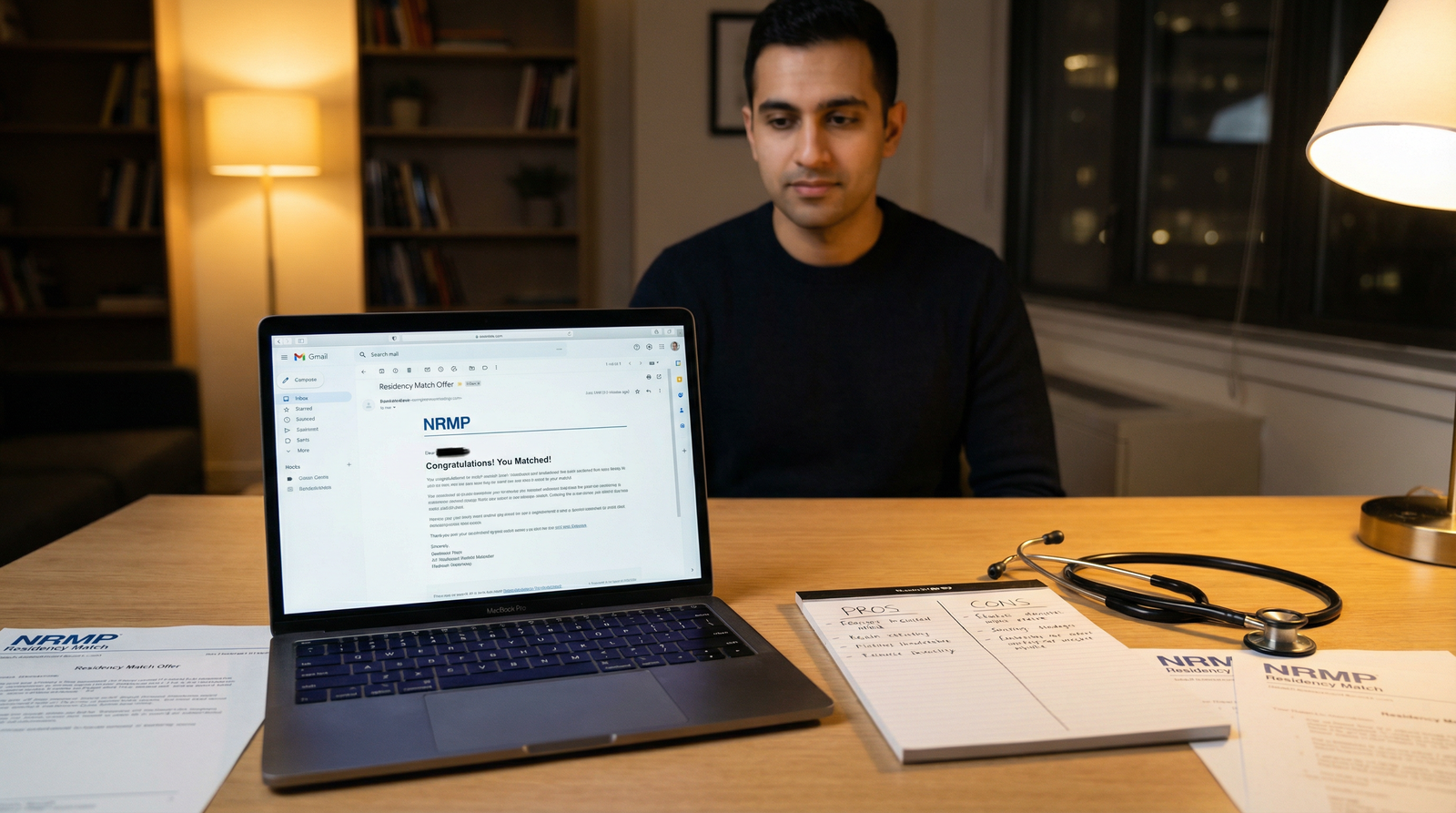
Sarah received an offer from a community Internal Medicine program with a strong focus on underserved care—an area that matched her long-term goals. She accepted through SOAP and later became a chief resident at that institution.
Her story illustrates that:
- Limited interviews do not prevent success.
- Strategic planning, Networking, refined Interview Strategies, and a resilient mindset can convert limited opportunities into a solid Residency Match outcome through SOAP.
Frequently Asked Questions (FAQ) about SOAP with Limited Interviews
1. I had very few interviews and didn’t match. Do I really have a chance in SOAP?
Yes. Many applicants with few or even no pre‑Match interviews successfully obtain positions through SOAP each year. Programs are under significant pressure to fill unfilled slots quickly and are often open to candidates who:
- Demonstrate clear interest in their specialty and program type
- Communicate professionally and maturely
- Show evidence of clinical readiness and strong work ethic
Your goal is to make your application and interactions so clear and compelling that, despite limited interviews, a program sees you as the best fit for their remaining positions.
2. How should I explain being in SOAP during interviews?
If asked, keep your explanation:
- Brief
- Honest
- Focused on growth
For example:
“I went into the Match with a limited number of interviews, and unfortunately did not match. I’ve used this time to reflect, seek feedback, and strengthen my application through [specific actions]. I’m very committed to [specialty], and I’m excited about the possibility of contributing to your program.”
Avoid blaming others, focusing on regrets, or speaking negatively about other programs or institutions.
3. Is it okay to apply to multiple specialties during SOAP?
It can be, depending on your situation and long-term goals. Consider:
- Do you have legitimate clinical exposure or interest in each specialty you apply to?
- Can you prepare appropriately tailored personal statements and talking points for each?
- Are you prepared for the long-term career implications of training in any of the specialties you choose?
Many applicants focus on their primary specialty plus compatible transitional or preliminary programs (e.g., Internal Medicine + Preliminary Medicine; Surgery + Preliminary Surgery). Discuss your plan with an advisor before SOAP week if possible.
4. How important is Networking during SOAP compared to the regular interview season?
Networking can be especially impactful during SOAP because:
- Time is short, and programs may rely on trusted faculty impressions to quickly sift applicants.
- A mentor’s email introducing you to a program director or coordinator can increase the likelihood that your application is carefully reviewed.
- Insights from residents or alumni can help you prioritize programs that are more likely to consider your profile.
That said, Networking should always be professional and ethical—never pressure someone to “get you a spot.” Focus on information, advice, and appropriate introductions.
5. What should I do if I don’t match even after SOAP?
Not matching after SOAP is difficult, but it is not the end of your medical career. Constructive next steps can include:
- Debrief with advisors: Analyze your application objectively and identify key areas for improvement.
- Gain clinical experience: Consider a year as a research fellow, teaching fellow, or in a structured clinical observership (within visa and legal limits).
- Strengthen your profile:
- Improve exam scores (if eligible for retakes)
- Engage in research or QI projects in your chosen specialty
- Seek new or stronger letters of recommendation
- Reassess specialty fit and goals: Some applicants successfully pivot to alternative specialties or training pathways that better match their skills and competitiveness.
Many residents, including highly successful ones, did not match on their first attempt. The key is a structured, honest approach to improvement and a clear plan for the next application cycle.
Approaching SOAP with limited interviews is undeniably challenging—but with targeted application refinement, focused Interview Strategies, strategic Networking, and a resilient, organized mindset, you can still create your own Residency Match success story.