Limited Interviews? How to Strengthen Your SOAP Residency Application Strategy
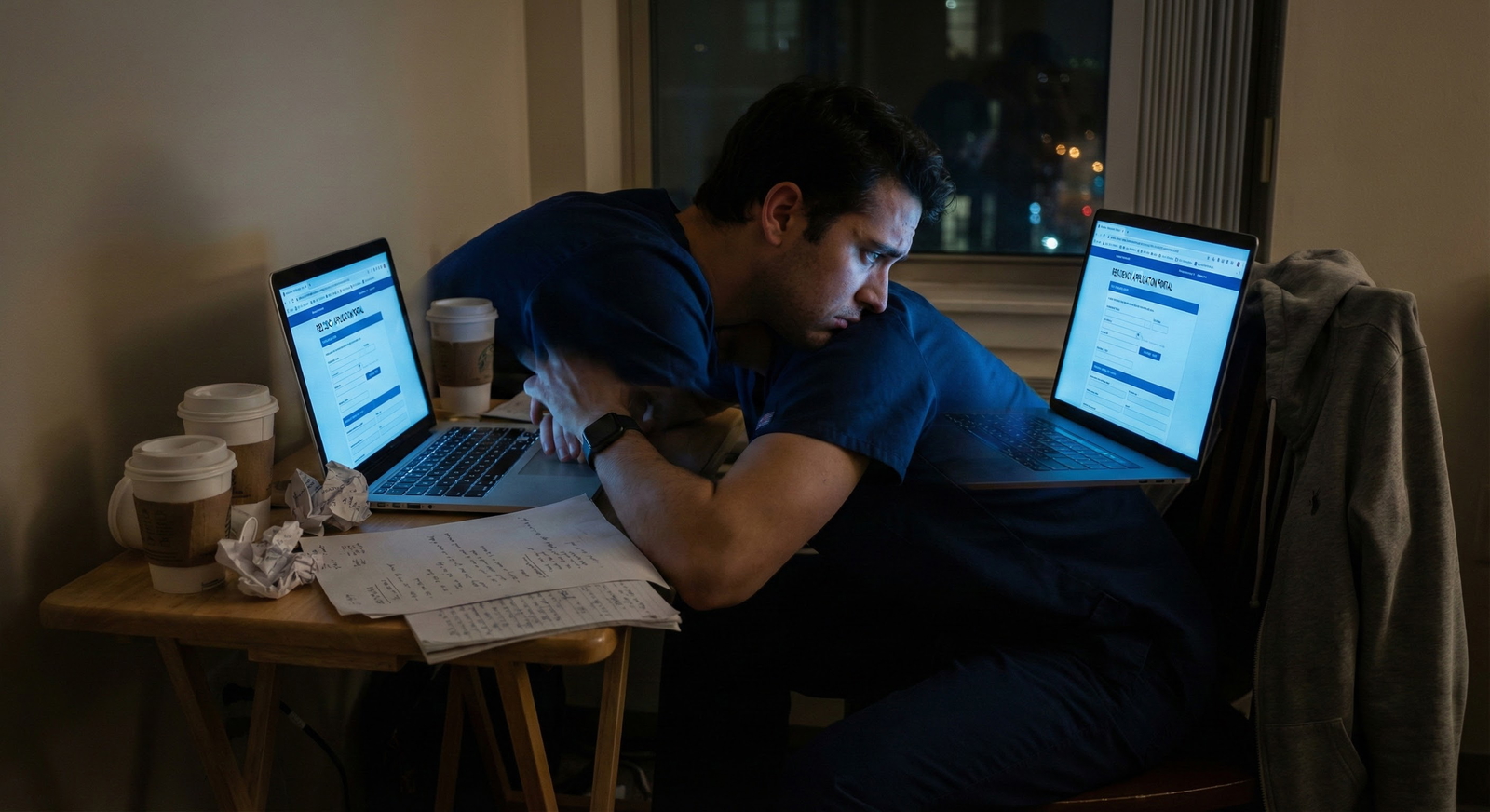
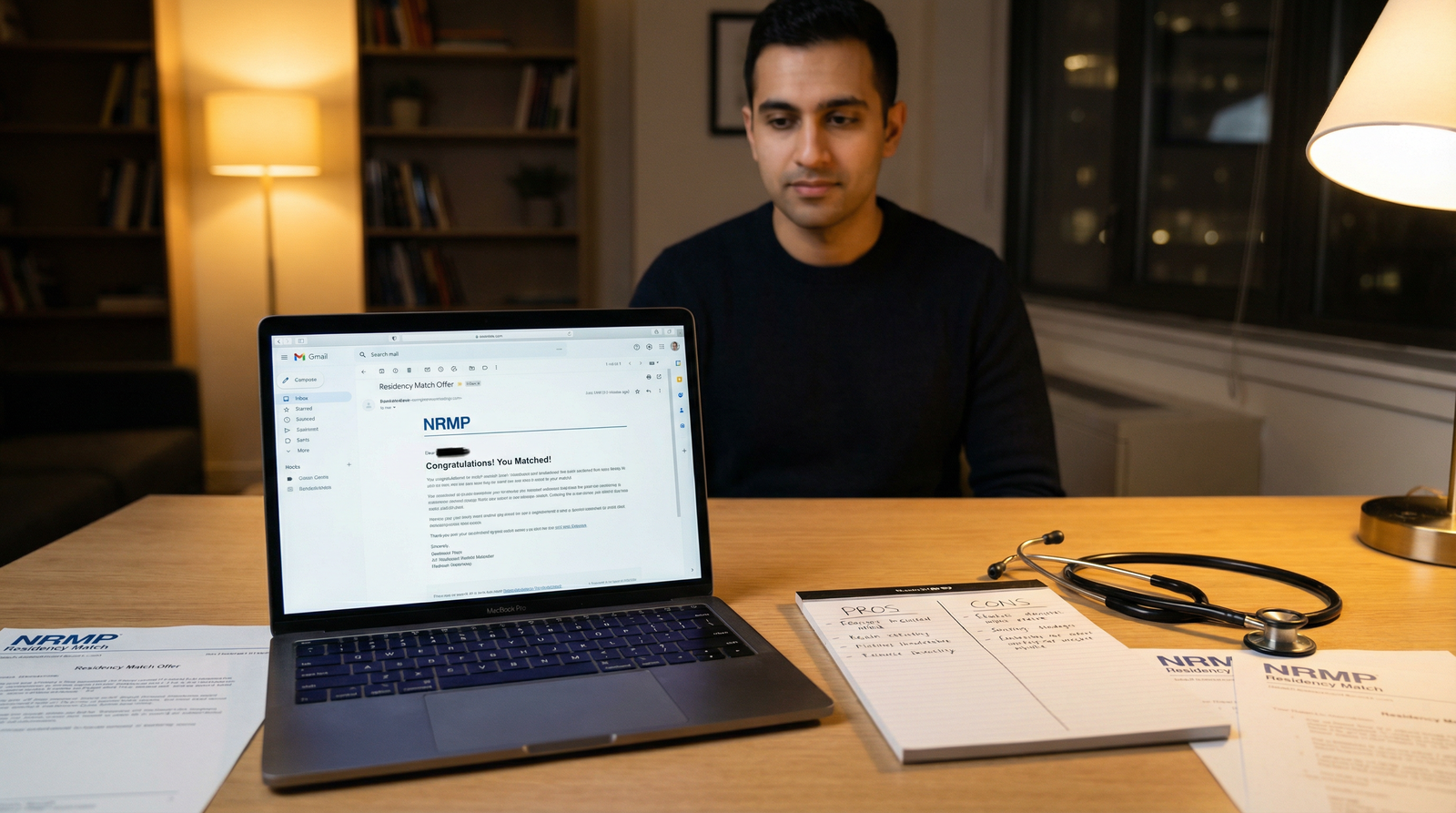
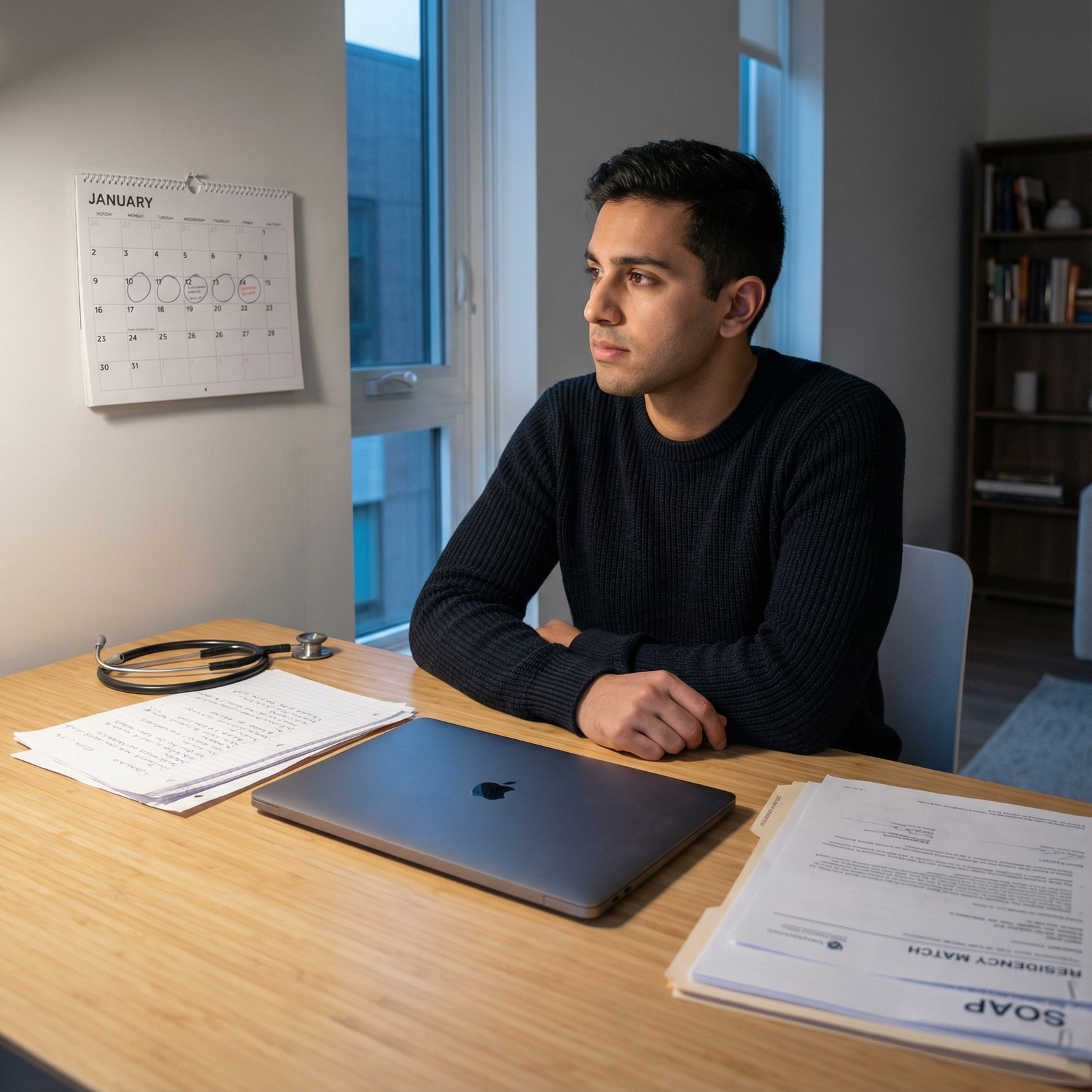
Navigating the Supplemental Offer and Acceptance Program (SOAP) is stressful under any circumstances—but it can feel especially overwhelming when you have limited or no residency interviews. Many medical graduates experience this situation every year, and it does not mean your career is over. It does mean, however, that you need a strategic, organized, and proactive approach.
This guide walks you through how to enhance your SOAP application process, maximize your chances with each opportunity, and build a strong foundation even if you need to reapply in a future cycle. It is tailored to medical students and graduates who are facing Match Week with fewer interviews than they hoped.
Understanding SOAP: Structure, Timeline, and Key Challenges
A clear understanding of the SOAP process helps you respond quickly and strategically when Match Week begins.
What SOAP Is and How It Fits Into the Residency Application Process
The Supplemental Offer and Acceptance Program (SOAP) is an organized process run by NRMP that allows unmatched or partially matched applicants to apply to unfilled residency positions after the main Match algorithm runs.
During Match Week, the process typically unfolds in this sequence (always confirm exact dates and rules for your year):
Monday – Unmatched Status Released
- Applicants learn whether they are:
- Fully matched
- Partially matched
- Unmatched
- Those eligible for SOAP gain access to the list of unfilled positions.
- Applicants learn whether they are:
Monday–Thursday – SOAP Application and Offer Rounds
- Applicants submit applications via ERAS to unfilled programs (within specified limits).
- Programs review applications, conduct rapid interviews (often virtual or phone), and submit preference lists.
- NRMP conducts several SOAP offer rounds, during which programs extend offers to applicants, who must accept or reject within a short time frame.
Post-SOAP
- After SOAP concludes, unfilled positions become visible to all and may be filled outside the formal process.
Why Limited Interviews Make SOAP Especially Challenging
When you enter SOAP with few or no interviews:
Competition Intensifies
- Many strong candidates—U.S. MD, DO, and international medical graduates—may find themselves in SOAP.
- Programs know applicants are under time pressure and can be extremely selective.
Time Pressure Is Real
- You have very little time to decide:
- Which specialties are acceptable for you?
- Which geographic regions are realistic?
- How broadly you’re willing to apply (e.g., prelim vs categorical).
- You have very little time to decide:
Limited Chances to Show Who You Are
- Each brief interview (sometimes just 10–20 minutes by phone or video) carries enormous weight.
- A single rushed conversation may be your only live contact with a program before they make decisions.
Understanding these challenges helps you focus: your goal is to innovate within the constraints, present yourself clearly and compellingly on paper, and be ready to perform extremely well in short, often unscheduled interviews.
Strengthening Your Application Documents for SOAP Success
Your personal statement, CV, and ERAS application often serve as your first impression—and sometimes your only impression—during SOAP. With limited interviews, every line matters.

Optimizing Your Personal Statement for SOAP
During SOAP, your personal statement should be sharper, more focused, and more pragmatic than in the main cycle.
1. Clarify Your Specialty Focus and Flexibility
If you are applying only to one specialty, be clear and specific about:
- Why this specialty fits your skills, values, and experiences.
- How your prior experiences prepare you for that residency.
If you’re applying to multiple specialties (e.g., FM and IM, or categorical and prelim surgery), consider:
- Creating separate, specialty-specific personal statements.
- Avoid generic language; explicitly mention the specialty and what draws you to it.
- Highlight experiences directly relevant to each field (e.g., continuity care for FM, inpatient rotations for IM).
2. Address Gaps or Challenges Strategically
You do not need to over-explain your unmatched status, but brief acknowledgment can be helpful if done well:
- Keep it concise and constructive:
- “Although I did not match in the initial cycle, the experience has reinforced my commitment to internal medicine and motivated me to further develop my clinical skills and resilience.”
- Focus on:
- Growth
- Insight gained
- Specific actions taken (additional electives, research, improved Step scores, enhanced communication skills)
Avoid sounding defensive, bitter, or blaming.
3. Show Concrete Value to Programs
Programs in SOAP often prioritize applicants who can start strong from Day 1:
Highlight:
- Specific clinical responsibilities you’ve handled (cross-cover, admissions, procedures)
- Evidence of reliability and professionalism (being a team lead, covering extra shifts)
- Examples of adaptability (transitioning between new systems, EMRs, or teams)
Make it easy for a PD to think:
“This applicant will help my current residents, not burden them.”
Refining Your CV and ERAS Application for Maximum Impact
Your CV and ERAS experiences should reflect relevance and readiness.
1. Tighten and Prioritize Your Experiences
- Place most relevant experiences near the top:
- Recent clinical rotations
- Sub-internships or acting internships
- Research or quality improvement in the target specialty
- De-emphasize:
- Very old experiences
- Activities unrelated to medicine (unless they strongly show leadership or resilience)
2. Use Strong, Outcome-Oriented Descriptions
Rewrite bullet points to show impact:
- Instead of: “Assisted with patient care on inpatient medicine service.”
- Try: “Managed 8–10 patients daily on an inpatient internal medicine service, presenting assessments and plans, coordinating discharges, and following up lab/imaging results under attending supervision.”
Focus on:
- Scope of responsibility
- Skills used (communication, organization, leadership)
- Outcomes (improved workflow, patient education, quality initiatives)
3. Ensure Consistency and Clarity
- Make sure dates, roles, and locations are accurate and consistent across:
- ERAS experience entries
- CV
- Personal statement
- Double-check:
- Licensing exam scores and attempts
- Graduation date and medical school information
- Contact details (phone, email) for rapid SOAP communication
Even minor inconsistencies can raise questions during an accelerated review.
Sharpening Your Interview Strategies for High-Stakes SOAP Conversations
With limited interviews, each one can be decisive. You must be ready for short-notice calls, rapid video interviews, and back-to-back conversations during Match Week.
Practicing High-Yield Mock Interviews
Even a few one-hour practice sessions can make a major difference in performance.
1. Simulate SOAP-Like Conditions
Ask mentors, residents, or peers to:
- Give you very short notice (e.g., “Interview in 15 minutes”) to mimic SOAP calls.
- Keep the interview to 10–20 minutes with challenging questions like:
- “Why did you not match?”
- “Why should we consider you in SOAP?”
- “Why this specialty, and why our program?”
Record yourself (video or audio), then review for:
- Clarity and conciseness
- Overused filler words
- Body language and facial expressions
- Professionalism and tone
2. Refine Core Answer Frameworks
Prepare and rehearse responses to:
“Tell me about yourself.”
- Keep it professional, brief, and structured:
- Medical school background
- Key clinical interests
- Strengths and what you bring to a team
- Keep it professional, brief, and structured:
“Why this specialty?”
- Use concrete patient stories or rotation experiences.
- Link your personality and skills to the specialty demands.
“Why did you not match, and what have you done since?”
- Own responsibility where appropriate.
- Avoid blaming others or the system.
- Emphasize:
- How you’ve improved
- New experiences or skills acquired
- A forward-looking attitude
“Why our program?”
- Mention 2–3 specific features:
- Community served
- Program size and structure
- Research or education strengths
- Geographic or personal ties
- Mention 2–3 specific features:
Researching Programs Efficiently During SOAP
You will not have time for exhaustive research on 50+ programs, but you can do rapid, targeted review.
Focus on:
- Program’s mission statement and population served (often on their website)
- Size and structure (community vs academic, categorical vs prelim)
- Any mention of:
- Underserved care
- Rural health
- Specific clinical emphases
Use this information to:
- Adjust your talking points
- Tailor your “Why this program?” response
- Decide if the program is a reasonable fit given your goals and needs
Strategic Networking Techniques Before and During SOAP
While SOAP is structured, Networking Techniques can still influence which programs review your file more closely or offer you an interview. Thoughtful, respectful outreach can make you visible without being pushy.
Leveraging Existing Connections
Identify and list:
- Attendings you’ve worked closely with
- Clerkship or sub-I advisors
- Program directors or associate PDs at your home or rotation institutions
- Residents you know at target programs
Reach out with brief, professional messages such as:
“Dr. Smith, I hope you’ve been well. I wanted to share that I am entering SOAP and am particularly interested in internal medicine programs similar to [Program X]. If you are comfortable, I would greatly appreciate any advice or, if appropriate, a brief note of support or reference. Thank you for your mentorship.”
Potential ways they can help:
- Informally recommend you to colleagues
- Offer quick feedback on your application documents
- Provide insight into which programs might be more receptive to your profile
Using Professional Social Media Thoughtfully
Professional platforms like LinkedIn and X (Twitter) can help you:
- Follow target residency programs and PDs to:
- See updates or information sessions
- Learn about program culture
- Message current residents or recent graduates:
- Ask for brief advice about their program or application tips
- Avoid directly asking them to “get you in”; instead, ask:
- “What qualities do you think your program values most in residents?”
- “Any suggestions on how to best highlight fit with your program?”
Always maintain a professional, courteous tone—remember that all interactions may indirectly reflect on your candidacy.
Staying Mentally Agile and Emotionally Resilient During SOAP
SOAP can be emotionally exhausting. Preserving your mental clarity and emotional stability is just as important as perfecting your documents.
Adopting a Growth Mindset Under Pressure
Reframe the situation:
- Instead of:
- “I only have a few interviews; I’m doomed.”
- Try:
- “Each interview is a high-value chance to show my best self. I can use what I learn from each conversation to refine my approach.”
Look at this cycle as:
- An opportunity to learn how programs think
- A chance to identify your genuine strengths and areas to develop
- A trial run in handling high-stakes professional stress—skills you’ll use frequently as a resident
Practical Self-Care That Fits Match Week
You do not have time for elaborate routines, but you do have time for essentials:
- Sleep: Aim for a consistent minimum (e.g., 6–7 hours). Exhaustion leads to sloppy thinking and emotional reactivity in interviews.
- Nutrition: Keep simple, healthy snacks on hand. Avoid heavy meals right before interviews.
- Movement: Short walks, stretching, or a quick workout can calm your nervous system.
- Boundaries: Limit unhelpful social media scrolling and comparisons with peers. Curate your inputs.
Having one trusted friend, family member, or mentor as your “Match Week support person” can help you:
- Decompress between interviews
- Reality-check negative thoughts
- Celebrate small wins (e.g., getting an interview, having a good conversation)
Customizing Each SOAP Application to Stand Out
In SOAP, you often compete with hundreds of applicants for a limited number of unfilled positions. Customization is one of the most powerful tools you have—especially when your Interview Strategies are already as strong as possible.
Tailoring Your Application to Program Needs
Before sending your SOAP applications, ask:
- Does this program emphasize:
- Underserved or rural populations?
- Academic research?
- Community-based primary care?
- High-acuity inpatient care?
Then, in your application materials, highlight:
- Experiences that match those priorities
- Skills directly relevant to their setting
- Any personal or geographic ties to their region
For example:
- For a rural FM program:
- Emphasize continuity clinics, community outreach, and interest in broad-scope practice.
- For an academic IM program:
- Highlight research, QI projects, and enthusiasm for teaching and scholarly work.
Adjusting Language Without Losing Authenticity
You can reuse core content but adjust:
- Emphasis (e.g., more outpatient vs inpatient focus)
- Examples you highlight
- Phrases that echo program priorities (using their language where appropriate, without copying)
Avoid:
- Copy-paste personal statements with only the program name changed.
- Overly generic claims like “I am interested in your strong clinical training and diverse patient population.”
Preparing for the Unexpected: Contingency Planning for SOAP and Beyond
Not every qualified candidate matches through SOAP, even with a strong Residency Application. You must plan for success and prepare for alternative outcomes.

Being Proactive Throughout SOAP Week
During SOAP:
- Monitor ERAS and NRMP closely
- Respond quickly to:
- Interview invitations
- Program emails or calls
- SOAP offers (within official time windows)
- Respond quickly to:
- Keep your phone and email accessible at all times
- Use a professional voicemail greeting
- Check spam/junk folders regularly
If an interviewer calls unexpectedly:
- Step into a quiet space if possible.
- If you’re genuinely unable to talk:
- Politely ask to schedule a brief call later that day:
- “Thank you so much for reaching out. I’m in a noisy location at the moment—would it be possible to schedule a brief call in 15–30 minutes so I can speak with you without distractions?”
- Politely ask to schedule a brief call later that day:
Building a Strong Plan B (and Plan C)
If SOAP does not result in a match, your next steps can still significantly improve your long-term chances.
Consider options such as:
Research Positions
- Clinical or translational research jobs in your specialty of interest
- Demonstrates ongoing engagement with medicine
- Can lead to strong letters from academic mentors
Preliminary or Transitional Year Opportunities (Future Cycle)
- A solid prelim year can:
- Strengthen your clinical skills
- Provide U.S. clinical experience and letters
- Improve your competitiveness for categorical positions later
- A solid prelim year can:
Additional Clinical Experience
- Observerships or externships (for IMGs)
- Locum or supervised clinical roles where allowed
- Volunteer work in free clinics or community health centers
Exam or Credential Enhancement
- Improving Step 3 performance (if appropriate and approved by your advisors)
- Completing relevant certifications (e.g., ACLS, BLS, PALS—if not already done)
Document all these activities clearly so your next Residency Application shows momentum, maturity, and commitment—not stagnation.
Frequently Asked Questions About SOAP with Limited Interviews
1. What is SOAP, and who is eligible to participate?
SOAP (Supplemental Offer and Acceptance Program) is an NRMP-managed process that helps unmatched or partially matched applicants apply to unfilled residency positions after the main Match results are generated. To be eligible, you must:
- Be registered for the NRMP Match
- Be unmatched or partially matched after the main Match algorithm
- Have an active ERAS application
- Be designated as SOAP-eligible by NRMP
Always confirm current eligibility rules directly on the NRMP and ERAS websites, as details can change.
2. How can I maximize my chances if I have limited interviews?
Focus on controllable factors:
- Strengthen your written materials:
- Clear, honest personal statement
- Focused, outcome-oriented CV and ERAS entries
- Practice targeted Interview Strategies:
- Mock interviews with feedback
- Prepared answers to core SOAP questions
- Use Networking Techniques wisely:
- Reach out to mentors and former attendings
- Seek advice and, when appropriate, letters of support
- Stay responsive:
- Check email, ERAS, and phone frequently
- Be ready for short-notice phone or video interviews
Each interview is high yield; treat it as such.
3. Should I apply as broadly as possible during SOAP?
You should apply broadly but thoughtfully:
- Consider multiple programs and, if consistent with your goals, multiple specialties.
- However, avoid applying to specialties or locations you would truly not attend if offered a position.
- Rank your priorities:
- Specialty vs location vs program type (academic vs community, categorical vs prelim)
- Tailor each application to demonstrate genuine interest in that program and specialty.
Overly scattershot applications without customization tend to be less effective.
4. Is it appropriate to contact programs directly during SOAP?
In most cases, you should follow NRMP and ERAS guidelines carefully. However:
- It is generally acceptable to:
- Respond promptly to any communication from programs.
- Clarify information if programs reach out first.
- If you have a strong existing connection (e.g., did a rotation there), a brief, respectful email to a PD or coordinator expressing continued interest can sometimes be appropriate—especially outside formal offer rounds.
- Always:
- Stay professional and concise.
- Avoid multiple repeated emails or anything that could be perceived as pressure.
If unsure, seek guidance from your dean’s office or a trusted mentor.
5. What if I don’t match through SOAP—does that end my chances of becoming a physician?
Not at all. Many physicians have nonlinear paths to residency and successful careers. If you do not match through SOAP:
- Take time to:
- Process the disappointment
- Seek honest feedback from advisors and mentors
- Develop a structured plan for:
- Clinical or research work in the coming year
- Strengthening weak areas in your application
- Reapplying with a clearer, more compelling narrative
Use this experience to refine your goals and deepen your resilience. Your unmatched status in this cycle is a moment in your journey, not your final destination.
By approaching SOAP with clarity, preparation, and adaptability, medical graduates can significantly enhance their Residency Application prospects—even with limited interviews. Strengthen your documents, optimize your Interview Strategies, use Networking Techniques wisely, and maintain a realistic but hopeful perspective. Whether you match this cycle or in the next, the effort and growth you invest now will serve you throughout your medical career.