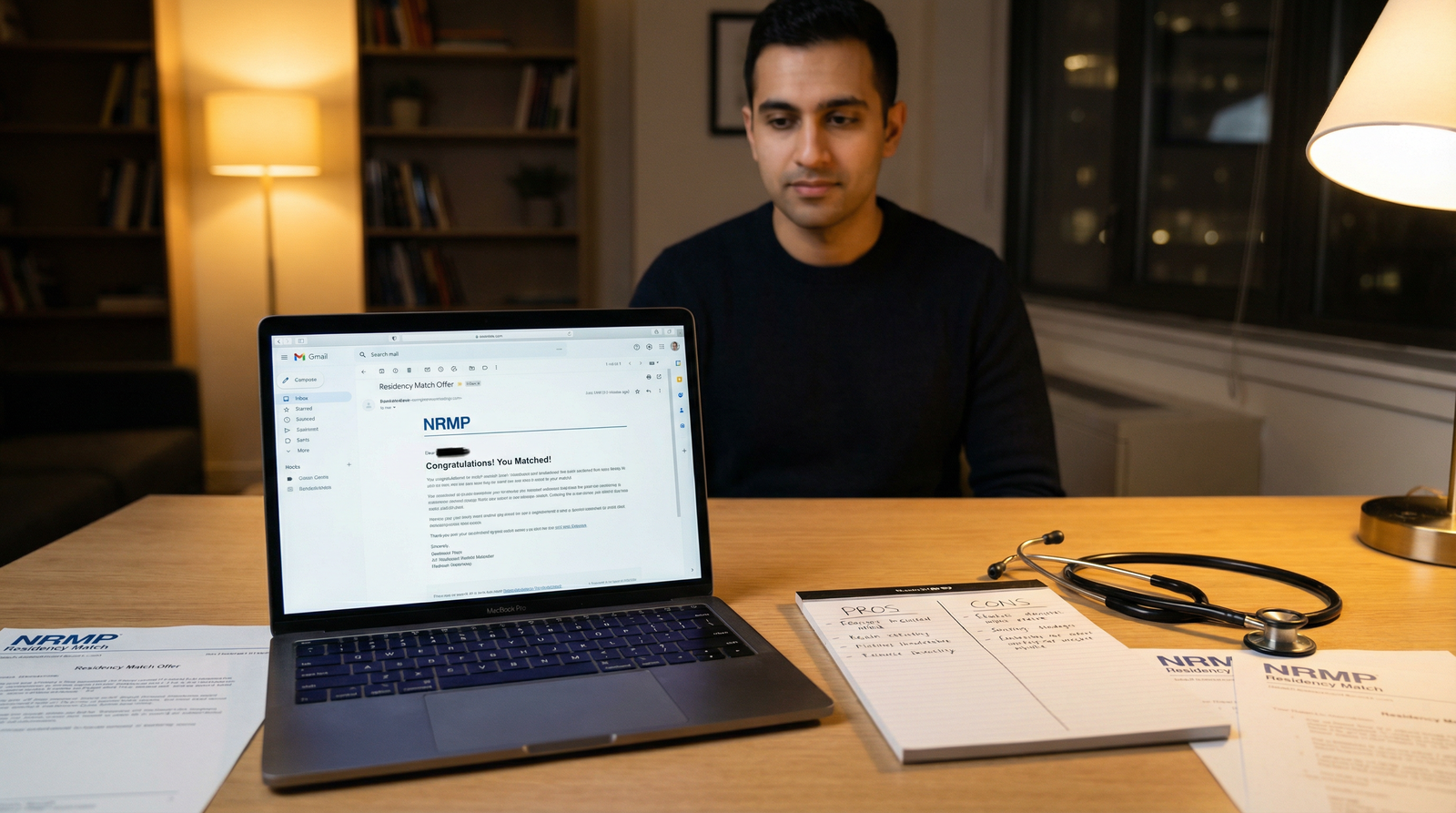
Navigating SOAP with Limited Interviews: From Last-Minute Calls to a Successful Match
Navigating the Supplemental Offer and Acceptance Program (SOAP) can feel like riding a roller coaster at high speed—especially if you have few or no interviews lined up. For many medical graduates, SOAP represents a second chance at the Residency Match, but it also compresses an already stressful process into just a few days.
Understanding how to transition smoothly from SOAP interviews to an accepted offer—and how to position yourself even before SOAP begins—can make the difference between landing a residency position and needing to reapply next year. This guide walks you through the SOAP landscape step-by-step, with a special focus on applicants with limited interviews, offering practical Interview Strategies, prioritization tips, and career transition considerations.
Understanding the SOAP Process in the Residency Match
SOAP is an NRMP-regulated process that allows unmatched or partially matched medical graduates to apply for unfilled residency positions after the Main Residency Match. It follows a strict timeline and set of rules, and the entire process unfolds over just a few days during Match Week.
Who Is Eligible for SOAP?
You may be SOAP-eligible if:
- You registered for the NRMP Main Residency Match.
- You are unmatched or partially matched (e.g., matched to a preliminary position but not to an advanced one).
- You are not withdrawn from the Match.
- You are eligible for U.S. GME training (meeting all licensing and documentation requirements).
Confirm your SOAP status in your NRMP account on Monday of Match Week; if you are SOAP-eligible, your status will be clearly indicated.
The SOAP Timeline: What Happens Each Day?
While the exact times can vary slightly by year, the structure of SOAP is consistent. Knowing this structure helps you make decisions under pressure.
Monday (Match Week, 11:00 AM ET)
- You learn if you are matched, partially matched, or unmatched.
- If SOAP-eligible, you gain access to the List of Unfilled Programs through NRMP and can start planning your strategy.
Monday Afternoon–Tuesday
- You can research programs and submit applications through ERAS (typically up to 45 programs total during SOAP).
- Programs begin reviewing applications soon after they are received.
Tuesday–Thursday Morning
- Programs conduct phone or virtual interviews (often very brief, sometimes same-day).
- This is when strong preparation and fast response to interview invitations are critical.
Offer Rounds (Usually Wednesday–Thursday)
- SOAP includes four rounds of offers.
- During each round, programs submit lists of candidates they are willing to offer positions to, and applicants can receive offers in ERAS/NRMP systems only (not via email or phone).
- You can accept or reject offers in real time; once you accept an offer for a categorical, preliminary, or advanced position, SOAP ends for you.
Post-SOAP (After the Final Round)
- Any positions still unfilled become visible and open to independent (outside SOAP) negotiations, though these are less structured and vary by institution.
In SOAP, every hour matters. For candidates with few interviews, understanding this compressed timeline is essential so you can prioritize effectively, respond quickly, and maximize each opportunity.
Strategic Preparation Before SOAP Begins
Even before Match Week, there is a lot you can do to prepare for the SOAP process—especially if you anticipate limited interview opportunities or applied primarily to competitive specialties.

1. Assemble and Optimize Your Application Materials
During SOAP, you won’t have time for major revisions. Enter Match Week with polished, ready-to-go documents.
Updated Curriculum Vitae (CV)
- Highlight clinical experience clearly: core rotations, sub-internships, and relevant electives.
- Include US clinical experience (USCE) and observerships prominently (especially important for IMGs).
- Emphasize procedural skills or patient-care experiences relevant to primary care, internal medicine, surgery, etc.
- Add recent activities (e.g., work, research, QI projects, teaching, volunteer work) up to the present date—SOAP programs care about what you’ve done since you submitted your original application.
Targeted Personal Statements
For SOAP, broad flexibility can help, but your messaging still needs to be focused and genuine:
- Prepare multiple versions: for example, one for Internal Medicine, one for Family Medicine, one for Transitional/Preliminary Year.
- In each version:
- Explain why the specialty fits your skills and values.
- Address career transition if you are shifting from a more competitive specialty (e.g., Dermatology to Internal Medicine) and what that change means for your long-term goals.
- Briefly and positively address any red flags (gaps, failed exams, late graduation) with a focus on growth and improvement.
Letters of Recommendation (LoRs)
While new LoRs are hard to add during SOAP, ensure:
- Your existing letters are uploaded and assigned to all appropriate specialties in ERAS.
- If you anticipate not matching, speak with mentors before Match Week about whether they support your plan to SOAP into other specialties.
2. Understand and Reframe Your Strengths and Weaknesses
SOAP is not just about fixing what “went wrong” in the Main Match. It’s about repositioning yourself strategically.
- Reflect honestly on your application:
- Step/COMLEX scores and failures
- Gaps in training or graduation year
- Limited or no U.S. clinical experience
- Very narrow specialty focus or geographic constraints
- Reframe weaknesses into growth narratives:
- “I failed Step 1 the first time but improved significantly on retake because I developed better study systems and time management.”
- Lean into your strengths:
- Strong communication skills, leadership roles, teaching experience, previous career experience (e.g., nursing, EMS, engineering), research background.
Programs during SOAP are often looking for reliable, coachable, team-oriented residents who can start quickly and care for patients safely. Show how your strengths translate to this.
3. Research Programs Quickly and Strategically
You will have a limited time window to review the list of unfilled positions. A structured plan helps you move quickly:
- Filter positions by:
- Specialty (be open to several if possible).
- Geographic flexibility.
- Program type (university vs community vs hybrid).
- Visa sponsorship (if applicable).
For each high-priority program, quickly review:
- Program website: curriculum, call schedule, patient population.
- Any information about program culture, wellness, mentorship, and advancement opportunities.
- Alumni outcomes: where graduates go for fellowships or practice.
You won’t have time for long deep dives, but even 5–10 minutes per program can help you tailor communication and show genuine interest.
4. Build a Realistic, Tiered Target List
During SOAP, you are limited in the number of applications you can submit. A balanced strategy is essential:
- Tier 1 (Most Realistic Matches)
Programs where your credentials align well with their typical residents:- Similar test score averages
- Willingness to accept IMGs or older graduates
- Open to career transitions
- Tier 2 (Moderate Reach)
Slightly more competitive or in highly desired locations, but still within reason. - Tier 3 (Reach Programs)
Aspirational choices that might still be realistic if they value diversity in backgrounds or have mission alignment with your story.
For applicants with limited interviews, prioritize Tier 1 and Tier 2 programs that are realistically attainable and open to your profile.
5. Practice High-Yield Interview Skills for SOAP
SOAP interviews are often:
- Short (sometimes 10–20 minutes)
- Scheduled at the last minute
- Conducted over phone or video with minimal prior connection
You need clear, concise talking points ready to go:
- Why this specialty? (2–3 minute answer)
- Why this program? (1–2 minutes; based on quick research)
- Tell me about yourself. (Structured, 1–2 minutes)
- Discuss one weakness or challenge and what you learned.
- Behavioral questions using the STAR method (Situation, Task, Action, Result).
Do mock interviews with:
- Mentors or faculty
- Career services office
- Peers or residents you know
Record yourself if possible and refine your answers to be organized, specific, and calm under time pressure.
Interview Strategies During SOAP: Making Every Conversation Count
For many applicants in SOAP—especially those with only a handful of interviews—every interview may be your only chance at that program. Your mindset and preparation are crucial.
1. Be Responsive and Professionally Available
Programs may call or email on short notice:
- Keep your phone on and nearby at all times during SOAP interview days.
- Use a professional voicemail greeting and check messages frequently.
- Respond to emails quickly, ideally within minutes during business hours.
- Have a quiet, well-lit area ready for video calls, with:
- Neutral background
- Good internet connection
- Professional attire
If you miss a call, return it as soon as possible with a professional tone and brief apology.
2. Communicate a Clear Story and Career Transition Rationale
Whether or not you are changing specialties, programs want to know:
- Why you’re applying in SOAP.
- Why you are committed to the specialty you’re now targeting.
- How this position fits your long-term plans.
Examples:
Transitioning from Surgery to Internal Medicine:
“In my core surgery rotation, I loved the acuity but realized I was more drawn to long-term patient relationships and complex medical decision-making. Through my internal medicine sub-I, I confirmed that I want to build a career in inpatient and outpatient medicine, with future plans for a hospitalist role or fellowship. That’s why I’m particularly excited about your program’s strong inpatient training and continuity clinic model.”Unmatched in Competitive Specialty (e.g., Dermatology, Ortho) and SOAPing into Primary Care:
“While I initially applied to dermatology, I’ve always enjoyed full-spectrum patient care and preventive medicine. The feedback I received this season helped me re-evaluate where I can be most impactful, and I’ve become increasingly drawn to family medicine’s broad scope and emphasis on community health. I see myself building a long-term career in [primary care/family medicine/internal medicine], and your program’s community-focused training aligns well with that.”
Programs are not just filling seats—they are evaluating whether you are likely to stay, thrive, and complete the residency. Show consistency, reflection, and commitment.
3. Showcase Professionalism, Maturity, and Team Fit
During SOAP, programs know that many applicants are under stress and disappointment. That means they are particularly sensitive to:
- Emotional regulation
- Professional communication
- Respectful and collegial demeanor
Demonstrate:
- Gratitude: “Thank you for taking the time to speak with me during this busy week.”
- Stability: Avoid sounding bitter about not matching. Instead:
“While this week has been challenging, I’m very focused on finding the right environment where I can work hard, learn, and take excellent care of patients.” - Team orientation: Share examples where you collaborated well, helped colleagues, or took initiative on the wards.
4. Use the STAR Method for Behavioral Questions
Programs often ask behavioral questions to assess how you think and act under pressure. Examples:
- “Tell me about a time you made a mistake.”
- “Describe a conflict you had with a team member and how you resolved it.”
- “Tell me about a time you had to adapt quickly.”
Use STAR:
- Situation – brief background
- Task – your role or responsibility
- Action – what you did
- Result – what happened and what you learned
Keep answers concise but specific; highlight maturity, accountability, and learning.
Transitioning from Interviews to Offers: Managing the SOAP Rounds
Once interviews are complete, the focus shifts to the actual SOAP rounds and your decisions about offers.

1. Stay Flexible but Grounded in Your Priorities
SOAP is about balancing flexibility with realistic goals:
- Be open to:
- Different geographic regions than you initially preferred
- Community programs rather than only large university centers
- Preliminary or transitional year positions as a bridge to your ultimate specialty (when appropriate)
- But still clarify your non-negotiables:
- If you absolutely cannot relocate to certain regions for family or visa reasons, respect that.
- Know whether any program type would hinder your long-term goals (e.g., a preliminary year with no plan for a PGY-2 spot vs. a categorical position).
For some medical graduates, accepting a strong preliminary or transitional year position may be a beneficial career transition strategy, allowing you to build U.S. experience, strengthen your application, and reapply later. For others, focusing on categorical positions in less competitive specialties may be the better course.
2. Understand the Rules: Communication and Offers
During SOAP:
- Programs cannot make offers by phone or email. Offers only come through the NRMP/ERAS system.
- You must not solicit promises like “We will rank you first in our list”—SOAP isn’t a rank list system, but programs do submit a preference list of applicants.
- Once you accept an offer, you are obligated to that program and removed from further SOAP participation.
- Declining an offer is allowed, but be strategic:
- Do not decline lightly unless you are reasonably confident about future rounds or have strong reasons.
3. Follow-Up Communication: Thank-You and Interest Emails
After interviews, concise follow-up can reinforce your candidacy:
- Send thank-you emails within 24 hours:
- Thank them for their time.
- Mention one or two specific points from the conversation.
- Reiterate your interest and fit.
Example:
“Thank you again for speaking with me today about your Internal Medicine residency. I especially appreciated learning about your emphasis on resident autonomy in the ICU and your commitment to serving a diverse patient population. I remain very interested in the opportunity to train at your program and would be honored to join your team.”
While programs may not formally rank you the way they do in the Main Match, genuine interest and professionalism can influence internal decisions about potential offers.
4. Deciding When to Accept: Commitment Under Time Pressure
Residency offers during SOAP often require rapid decision-making:
- Before Offer Rounds start, make a personal ranking of program types:
- For example:
- Categorical Internal Medicine – any geographic location
- Categorical Family Medicine – certain regions
- Transitional year at strong academic center
- Preliminary Internal Medicine vs. Preliminary Surgery
- For example:
- If you receive an offer that fits high on your personal list, strongly consider accepting.
- If it’s a lower-priority offer, ask yourself:
- Is this a position that I am willing to fully commit to for at least one year (or three, for categorical)?
- Would I regret turning this down if I get no other offers?
Discuss your decision with a mentor if possible, but remember that time is limited during SOAP rounds. It’s wise to think through your values and boundaries before the first offer round.
After SOAP: Reflection, Next Steps, and Career Transition Planning
However SOAP ends—whether you match into your top choice program, a different specialty, a preliminary year, or remain unmatched—how you reflect and plan your next steps is critical for your long-term career.
1. If You Match in SOAP
- Celebrate—this is a true Residency Match success, even if it came later in the week.
- Quickly:
- Respond to any program emails and onboarding requests.
- Complete required paperwork, credentialing forms, and health clearances.
- Reach out to current residents or chief residents to understand expectations and start building relationships.
- Reflect:
- What helped you succeed during SOAP?
- What interview strategies and narratives were well received?
This reflection improves your confidence and helps you communicate your journey to future colleagues and mentors.
2. If You Match to a Preliminary or Transitional Year
A prelim or TY spot can be an important career transition bridge:
- Use the year to:
- Gain strong clinical evaluations and letters.
- Build relationships with faculty who may advocate for you later.
- Improve any test scores or complete Step 3 if needed.
- Stay in close communication with:
- Your Program Director for guidance.
- Advisors about reapplying or lateral transfers when appropriate.
3. If You Remain Unmatched After SOAP
This is difficult emotionally, but many physicians have walked this path and ultimately built successful careers.
Immediately after SOAP:
- Allow time to process: Give yourself a short period to feel disappointment, then pivot to planning.
- Debrief with:
- A trusted faculty advisor or program director.
- Your medical school’s career office.
- A mentor who understands the Residency Match and SOAP process.
Key questions to explore:
- Should you reapply in the same specialty or consider a career transition to another field?
- What specific application weaknesses need to be addressed (scores, timing of graduation, letters, lack of USCE)?
- Could a year of research, clinical work, additional degrees, or observerships strengthen your candidacy?
Create a 12–18 month plan with clear goals and measurable milestones (e.g., pass Step 3 by X date, obtain 2 new LoRs, complete 3 USCE rotations).
Frequently Asked Questions (FAQs) About SOAP and Limited Interviews
1. If I have very few or no SOAP interviews, do I still have a chance to match?
Yes, but your chances are more limited. Programs typically interview candidates they are seriously considering, but not all interviews are lengthy or formal in SOAP. If you have no interviews, focus on:
- Ensuring your application is complete and accurately reflects your interest in available specialties.
- Responding immediately to any last-minute interview invitations.
- Using post-SOAP time to reassess and strengthen your application for the next cycle if needed.
2. Can I switch specialties during SOAP, and how do I explain that in interviews?
You can absolutely apply to a different specialty during SOAP, and many medical graduates do this as part of a career transition. In interviews:
- Be honest but positive about your initial interests.
- Explain what you discovered about yourself that led to the shift.
- Emphasize how the new specialty aligns with your skills, personality, and long-term goals.
- Avoid speaking negatively about any specialty or program from the Main Match.
3. Is it better to accept a preliminary year in SOAP or stay unmatched and reapply next year?
It depends on your situation and goals:
- Preliminary/Transitional Year Pros:
- Gain U.S. clinical experience and strong evaluations.
- Enhance your CV and get fresh letters.
- Stay engaged clinically and avoid a gap.
- Cons:
- No guarantee of a PGY-2 position.
- Requires reapplication while managing a full-time residency workload.
Discuss your options with an advisor who knows your profile. For many, a prelim or TY year can be a valuable stepping stone; for others, taking a structured gap year focused on improving specific weaknesses might be more beneficial.
4. How should I handle questions about exam failures or red flags during SOAP interviews?
Address them directly, briefly, and constructively:
- Acknowledge what happened without making excuses.
- Explain what you learned and specific steps you took to improve (study strategies, time management, mental health support, etc.).
- Highlight improved performance afterward (better exam scores, strong clinical evaluations).
Programs appreciate honesty combined with evidence of growth and resilience.
5. What are the most important things to do emotionally and professionally after SOAP, regardless of outcome?
Emotionally:
- Acknowledge that Match Week is intense and draining.
- Seek support from friends, family, mentors, or counseling services if needed.
- Avoid comparing your path to others—medicine has many routes to a fulfilling career.
Professionally:
- If you matched: begin onboarding promptly and prepare for residency responsibilities.
- If you didn’t match: schedule a debrief with advisors, review your application, identify gaps, and create a concrete plan for the next 12 months.
- Keep your network engaged—mentors, attendings, peers—who can support your next steps.
A smooth transition from interviews to Match in the SOAP landscape requires more than just luck—it demands preparation, reflection, flexibility, and clear communication. Whether you secure a position during SOAP or use this experience to recalibrate and come back stronger next cycle, the skills you build now—resilience, professionalism, and strategic thinking—will serve you throughout your medical career.