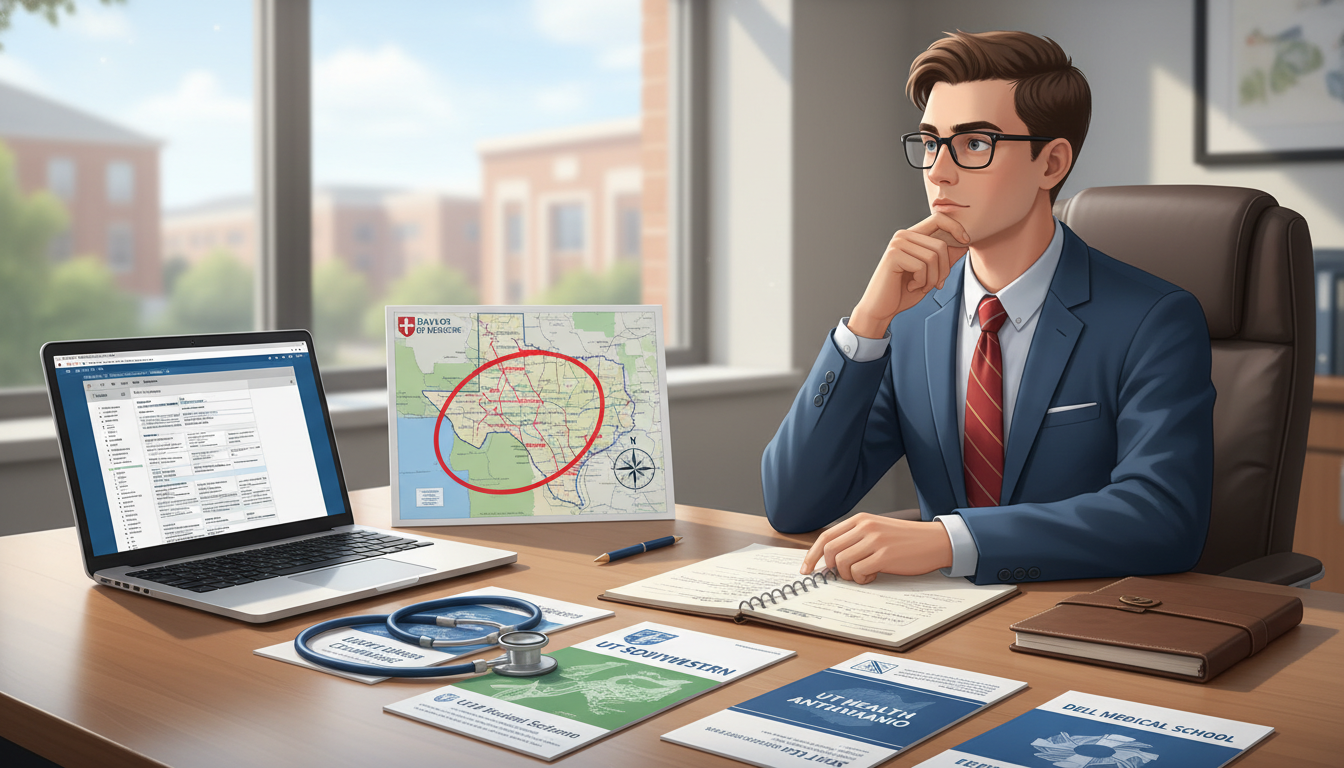
As a Caribbean international medical graduate (IMG) interested in Addiction Medicine, learning how to research residency and fellowship programs strategically is just as important as your scores, letters, and personal statement. Strong program research can help you:
- Identify realistic and aspirational targets
- Avoid wasting applications on programs unlikely to consider Caribbean IMGs
- Maximize your chances of an eventual addiction medicine fellowship
- Position yourself for a residency that offers robust substance abuse training
This guide walks you step-by-step through a program research strategy tailored to Caribbean IMGs aiming for Addiction Medicine careers, whether you’re coming from SGU, AUC, Ross, or another Caribbean medical school.
Understanding the Training Path: How Addiction Medicine Fits In
Before researching programs, you need clarity on how Addiction Medicine training is structured in the U.S.
1. Addiction Medicine is (Mostly) a Fellowship, Not a First Residency
Currently, Addiction Medicine in the U.S. is most often pursued as a subspecialty fellowship after completion of an ACGME-accredited residency in:
- Internal Medicine
- Family Medicine
- Psychiatry
- Emergency Medicine
- Pediatrics (less common route)
- Preventive Medicine
- Or certain other primary specialties
So your immediate goal as a Caribbean IMG is usually to:
- Match into a U.S. residency that
- Gives you strong substance abuse training and
- Positions you competitively for an addiction medicine fellowship
2. What This Means for a Caribbean IMG
You are not just researching “addiction medicine fellowships.” You need a two-step program research strategy:
Residency level
- Which residency specialties are most IMG-friendly and addiction-focused?
- Which programs regularly graduate residents into addiction medicine fellowships?
Fellowship level
- Which addiction medicine fellowships accept Caribbean IMGs?
- Which are linked to IMG-friendly parent residencies?
The rest of this article focuses primarily on how to research residency programs, with integrated attention to your future fellowship goals.
Step 1: Clarify Your Profile as a Caribbean IMG
You can’t effectively research or rank programs until you understand how programs are likely to see you.
1. Key Factors in Your Profile
Make a quick profile summary:
School:
- Did you train at a well-known Caribbean program like SGU, Ross, AUC, Saba?
- Do programs in the U.S. commonly recognize your school?
USMLE / COMLEX performance
- Step 1: Pass/Fail and score if pre-2022
- Step 2 CK: critical screening number for many programs
- Any failures or attempts?
Clinical experience in North America
- U.S. clinical rotations (especially core clerkships)
- Addiction-related electives (e.g., psychiatry sub-I, addiction consult services, pain/addiction clinics)
Gaps or red flags
- Time since graduation
- Failed exams or repeats
- Limited U.S. experience
Immigration status
- U.S. citizen / permanent resident
- Needing visa sponsorship (J-1 vs H-1B)
This self-summary will guide how to research residency programs that are realistic for you.
2. Why This Matters for Caribbean Medical School Residency Options
Many programs look carefully at:
- Whether your Caribbean medical school is well-known and accredited
- How clinic-ready you seem based on your rotations and letters
- Whether you have demonstrated interest in addiction, mental health, or primary care
If you’re applying from SGU, for example, you can often use SGU residency match data to understand which programs historically accept SGU or other Caribbean graduates, especially in Internal Medicine, Family Medicine, or Psychiatry.
Step 2: Choose Your Primary Residency Target Specialty
For Addiction Medicine, Caribbean IMGs most commonly enter via:
- Internal Medicine (IM) – widely IMG-friendly, strong for hospital-based addiction consult services
- Family Medicine (FM) – ideal for outpatient addiction care, primary care + MAT (medication-assisted treatment)
- Psychiatry – highly aligned with addiction, but somewhat more competitive and variably IMG-friendly
- Emergency Medicine (EM) – harder for Caribbean graduates but possible; good for ED-based addiction pathways
1. Strategic Considerations by Specialty
Internal Medicine
- Pros: More positions; many programs IMG-friendly; hospital addiction consult services growing
- Cons: Need to actively seek addiction experiences early on
Family Medicine
- Pros: Broad scope; robust outpatient substance abuse training possible; strong HIV/addiction overlaps
- Cons: Some programs may have limited formal addiction exposure
Psychiatry
- Pros: Direct conceptual overlap with addiction; many programs now require addiction rotations
- Cons: Increasingly competitive; some programs prefer AMGs over Caribbean IMGs
In most cases, a Caribbean IMG’s program research strategy should include:
- Primary focus: Internal Medicine or Family Medicine programs with documented addiction exposure
- Parallel or aspirational focus: IMG-accepting Psychiatry programs if your metrics are strong

Step 3: Build a Structured Program Research Strategy
Instead of randomly browsing program websites, use a systematic approach.
1. Identify Data Sources
Use a combination of official and unofficial resources:
ACGME / AMA FREIDA
- Filters for specialty, IMG presence, program size
- Sometimes lists whether they sponsor visas
NRMP / Charting Outcomes in the Match
- Shows historical match data for IMGs by specialty
- Helps you gauge competitiveness and feasibility
Residency program websites
- Curriculum details (addiction rotations, consult services)
- Faculty interests (addiction, pain, behavioral health)
- Resident lists and alumni destinations
Caribbean school match lists (e.g., SGU residency match data)
- Use SGU or your own school’s match list as a proxy to identify IMG-friendly programs and specialties
Fellowship directories (e.g., ACGME Addiction Medicine programs)
- Shows which hospitals sponsor addiction medicine fellowships
- You can then trace back to their core residency programs
2. Create a Program Tracking Spreadsheet
Develop a simple tracking tool (Excel, Google Sheets, Notion) with columns such as:
- Program name & location
- Specialty (IM, FM, Psychiatry, EM)
- Visa sponsorship (J-1/H-1B/None)
- Caribbean IMG presence (Y/N; notes on which schools)
- Addiction-specific training offered
- Addiction consult service?
- Required rotation in addiction?
- Buprenorphine/X-waiver training opportunities?
- Associated addiction medicine fellowship? (Y/N; same site or affiliated?)
- Alumni going into addiction fellowships?
- USMLE Step 2 CK cutoff (if stated)
- Number of residents per year
- Urban vs rural; population served (safety-net, underserved, etc.)
- Your subjective “fit” rating (1–5)
This simple tool turns “overwhelming browsing” into organized program research.
Step 4: Evaluate Residency Programs Through an Addiction Medicine Lens
When evaluating residency programs, you’re not just asking, “Can I match here?” but also, “Will this program meaningfully support my addiction medicine career?”
1. Core Questions to Ask When Evaluating Residency Programs
Use these questions as a structured checklist:
A. Does the program have visible substance abuse training?
Look for:
- Dedicated addiction medicine rotation (inpatient or outpatient)
- Rotations on addiction consult services
- Clinics focused on:
- Medication for opioid use disorder (MOUD, MAT)
- Alcohol use disorder treatments
- Co-occurring psychiatric and substance use disorders
- Didactics on:
- Motivational interviewing
- Harm reduction
- Pain and addiction
- Overdose prevention and naloxone
B. Are there addiction-focused faculty or champions?
On the faculty or core faculty pages, look for:
- Faculty with titles like “Addiction Medicine,” “Substance Use Disorders,” “Behavioral Health,” “Consult Liaison Psychiatry”
- Certifications in Addiction Medicine or Addiction Psychiatry
- Publications or QI projects in SUD (substance use disorders)
These individuals act as mentors, recommendation writers, and research supervisors.
C. Does the institution sponsor an addiction medicine fellowship?
Programs with an onsite addiction medicine fellowship usually offer:
- Stronger clinical exposure
- More research opportunities
- Clearer mentorship pathways
- Higher likelihood of residents going into addiction fellowships
Even if the fellowship is at a partner site, that’s a plus.
D. What is the program’s stance on Caribbean IMGs?
Ask:
- Are there current or recent residents from Caribbean medical schools?
- Is there evidence that SGU residency match or other Caribbean match data includes this institution?
- Does their website explicitly welcome IMGs or list typical medical schools of current trainees?
Programs that have repeatedly accepted Caribbean graduates are more likely to understand your training background and documentation.
2. Example: Comparing Two Internal Medicine Programs
Imagine two IM programs:
Program A
- No explicit mention of addiction rotations
- No addiction medicine fellowship
- 1–2 IMGs in entire program; none from Caribbean schools
- Minimal mention of behavioral health
Program B
- Required addiction consult service for PGY-2
- Affiliated addiction medicine fellowship at same hospital
- Several current residents from SGU and other Caribbean programs
- Faculty profile includes two addiction medicine board-certified internists
Both might “accept IMGs,” but Program B is clearly more aligned with your addiction medicine career goals.

Step 5: Using SGU and Other Caribbean Match Data Strategically
Even if you are not from SGU, SGU residency match reports are extremely useful because they are:
- Publicly available
- Large enough to reveal patterns
- Rich in program names across the U.S.
1. How to Use Caribbean Match Lists
Download or view match lists from:
- Your own school (if available)
- SGU, Ross, AUC, Saba, etc.
Filter or scan for:
- Internal Medicine, Family Medicine, Psychiatry, Emergency Medicine
- Programs that appear repeatedly over several years
- Hospitals that host both residency and addiction fellowships
Note programs where multiple Caribbean graduates matched in:
- The same residency program
- Multiple specialties within the same institution
These programs tend to have established processes for Caribbean medical school residency candidates and are safer bets.
2. Linking Residency Programs to Addiction Medicine Fellowships
Next, cross-reference those IMG-friendly institutions with:
- Addiction medicine fellowship directories (ACGME or institutional sites)
- Hospital system websites for addiction services
Example workflow:
- You see that Hospital X Internal Medicine Residency has multiple SGU and other Caribbean graduates over 5 years.
- On their website, you discover:
- An addiction medicine consultation service
- A hospital-based addiction medicine fellowship
- This program now becomes high priority for you.
Step 6: Deep-Dive Research: Website Clues and Hidden Signals
Once you’ve narrowed down a list, move from broad to granular research.
1. Reading Between the Lines on Program Websites
Look beyond the bullet lists.
Curriculum Pages
- Do they mention “Substance Use Disorder,” “Addiction,” “Medication-Assisted Treatment,” “Opioid Use Disorder,” or “Harm Reduction”?
- Is there a dedicated rotation rather than just a vague “behavioral health exposure”?
Clinic Descriptions
- Federally Qualified Health Centers (FQHCs), safety-net hospitals, VA centers, and academic medical centers often have robust addiction-related care.
- Look for:
- Homeless outreach
- Injection drug use-related infections clinics (HIV, HCV)
- Pain management + addiction services
Research / Scholarly Activity
- Are there ongoing projects in overdose prevention, MAT implementation, community harm reduction, or SUD outcomes?
- Are residents listed as co-authors?
2. Assessing Culture and Support for IMGs
Resident Profiles
- Do you see multiple international graduates, especially from Caribbean schools?
- Are residents with non-traditional backgrounds featured positively?
Message from the Program Director (PD)
- Language specifically welcoming “diverse backgrounds,” “international graduates,” or “non-traditional paths” is a positive sign.
- Look for an emphasis on education and mentorship, not just service.
Call / Workload vs Education
A program that is purely service-heavy with little structured teaching may leave you exhausted and with limited time for addiction-focused growth, research, or electives.
Step 7: Contacting Programs and Current Residents
Direct communication—done professionally—can strongly inform your evaluating residency programs process.
1. Reaching Out to Current Residents
Aim to talk with:
- Current IMGs, especially Caribbean graduates
- Residents who mention interest in addiction, behavioral health, or underserved care
What to ask (briefly, respectfully):
- “How supportive is the program of residents pursuing addiction medicine fellowship?”
- “Are there addiction-focused rotations or clinics that residents actually get to do?”
- “How approachable are faculty for research or QI in substance use disorders?”
- “How has the program supported you as an IMG?”
Keep messages concise, personal, and professional, and always express gratitude for their time.
2. Emailing Program Coordinators or Faculty
You can also send brief, targeted inquiries to:
- Program coordinators (logistics: visa, IMG eligibility)
- Addiction-focused faculty (substance abuse training opportunities)
Example questions:
- “Does your program sponsor J-1 or H-1B visas for residents?”
- “Is there a dedicated addiction medicine rotation or clinic for residents?”
- “Do residents often match into addiction medicine fellowships from your program?”
Use this information to refine your program research strategy before finalizing your ERAS list.
Step 8: Aligning Electives, Research, and Personal Statement With Your Target Programs
Your research should shape how you present yourself.
1. Use Program Research to Customize Your Application
Once you’ve identified strong-fit programs:
- Highlight any clinical experiences with SUD in your CV and personal statement
- Emphasize your commitment to underserved or high-risk populations
- Mention alignment with program features:
- “I am particularly drawn to your addiction consult service and the emphasis on integrated behavioral health in primary care clinics.”
This shows that you’re not just mass-applying; you’ve done real program research.
2. Seek Addiction-Focused Experiences Early
While still in school or in the pre-match year:
- Electives in:
- Addiction psychiatry services
- Pain and addiction clinics
- Hospital addiction consult or liaison services
- Research or QI projects focused on:
- Overdose prevention
- MAT implementation
- Screening and brief interventions (SBIRT)
- Involvement in community harm reduction programs or free clinics
These experiences strengthen both your match application and your later competitiveness for an addiction medicine fellowship.
Step 9: Building a Tiered Application List
Based on all the information you gather, categorize programs into tiers:
Tier 1 – High priority / strong fit
- Addiction exposure + fellowship
- Documented Caribbean IMG presence
- Visa support (if needed)
- Realistic based on your scores and timeline
Tier 2 – Reasonable / moderate fit
- Some addiction exposure
- Some IMG presence
- Less clear but potentially receptive
Tier 3 – Reach / aspirational
- Strong addiction medicine environment
- More competitive or fewer IMGs, but still possible
Your goal is to have a balanced list across these tiers, with enough IMG-friendly programs to give you a realistic pathway, while still including a few aspirational options that are highly aligned with your addiction medicine interests.
Step 10: Planning for the Addiction Medicine Fellowship Stage
While you’re focused now on residency, keep your addiction medicine fellowship goals in view.
1. During Residency, Continue “Researching Programs”
You will repeat a similar program research strategy when you are ready to apply to fellowships:
- Track which addiction medicine fellowships:
- Have accepted IMGs previously
- Are based in institutions where you have professional contacts
- Emphasize your areas of interest (e.g., adolescent SUD, co-occurring severe mental illness, pain and addiction, HIV/SUD)
2. Make Yourself a Strong Future Fellowship Candidate
During residency:
- Seek letters from addiction or behavioral health faculty
- Present posters or publish case reports/QI in addiction or related topics
- Join institutional or community initiatives in substance use care
- Earn buprenorphine/MOUD training credentials when feasible
Your early, strategic residency program research will put you in environments where these opportunities are actually available.
Frequently Asked Questions (FAQ)
1. As a Caribbean IMG, which residency specialty gives me the best chance of doing Addiction Medicine later?
For most Caribbean IMGs, the most feasible paths are:
- Internal Medicine – many positions, broad addiction exposure in hospitals, widely IMG-friendly.
- Family Medicine – excellent for outpatient addiction care, primary care + MAT, often welcoming to IMGs.
- Psychiatry – very aligned with addiction but can be more competitive; still realistic with strong scores and experiences.
Choose the specialty that matches your genuine interest, but when evaluating residency programs, prioritize those with strong substance abuse training and visible addiction medicine mentors.
2. How can I tell if a program is IMG-friendly, especially to Caribbean graduates?
Look for:
- Current or recent residents from Caribbean schools (SGU, Ross, AUC, Saba, etc.)
- Inclusion of Caribbean graduates in public resident lists or alumni profiles
- Your school’s or SGU residency match data showing repeated matches at the institution
- Website language that explicitly “welcomes IMGs” or “values diversity of training backgrounds”
- Confirmation from residents or coordinators that IMGs are regularly interviewed and ranked
If you see multiple Caribbean medical graduates over several years, that’s a strong signal.
3. How important is it that a residency program has an addiction medicine fellowship on-site?
It’s not absolutely required, but it’s a major advantage. A program with an on-site fellowship often offers:
- Structured addiction rotations
- More faculty with addiction training
- Research and QI opportunities in SUD
- A track record of sending residents into that fellowship
However, you can still build an excellent addiction-focused career from a program without an on-site fellowship if it has:
- Strong addiction-related rotations or clinics
- Access to behavioral health integration
- Faculty with interest in SUD or related areas
- Connections to external addiction medicine fellowships
4. I have an exam failure and I’m a Caribbean IMG. Is Addiction Medicine still realistic for me?
Yes, but you’ll need a tighter and more strategic plan:
- Focus your program research on residency programs known to consider Caribbean graduates with some red flags, often community-based IM or FM programs.
- Highlight sustained commitment to addiction and underserved care to distinguish yourself.
- Emphasize growth and what you learned from your failure, and back it up with stronger subsequent exam performance.
- Once in residency, build a strong track record (clinical excellence, addiction-related projects, strong letters). Many addiction medicine fellowships value real-world commitment to SUD care and growth over a flawless test history.
With thoughtful selection and persistence, a career in Addiction Medicine is very achievable for a Caribbean IMG—if you research and choose your programs strategically.