Navigating geographic flexibility as a Caribbean IMG aiming for Southern California is one of the most strategic—and emotionally loaded—parts of planning your residency path. You may dream of a Southern California residency (SoCal medical training, sunshine, family nearby, or long-term plans in the region), yet you’ve likely heard mixed messages: “California is impossible,” “IMGs never match there,” or “You must be totally flexible.”
The reality is more nuanced. You can build a smart geographic preference strategy that prioritizes Southern California while keeping your overall match chances strong—if you approach it deliberately.
Understanding the Southern California Landscape for Caribbean IMGs
Southern California (Los Angeles, Orange County, San Diego, Inland Empire) is a highly desirable region—high cost of living but rich in culture, diversity, and clinical opportunities. For a Caribbean IMG, though, it’s also one of the most competitive areas for residency.
Why SoCal Is Competitive
Several factors drive competition:
- High applicant interest: Many U.S. MD/DO grads request a Southern California residency because of lifestyle, family, and job prospects.
- Strong local schools: Programs receive a large volume of applications from graduates of UCLA, USC, UC Irvine, UC Riverside, Loma Linda, and other regional schools.
- Perceived prestige & lifestyle: Applicants across the country like the idea of training near LA or San Diego, increasing application volume.
- Strategic IMG limits: Many SoCal programs have limited IMG spots, and some accept few or no Caribbean medical school graduates.
But It’s Not “Impossible”
Despite the challenges, Caribbean IMGs do match into SoCal programs each year, including through the SGU residency match and other Caribbean medical school residency outcomes. Success depends on:
- Exam performance (USMLE/COMLEX)
- Clinical performance and strong letters
- Strategic use of geographic flexibility
- Realistic risk assessment and application planning
You are not simply “competing for California.” You are crafting a portfolio of geographic options that increases safety while still allowing for your preferences.
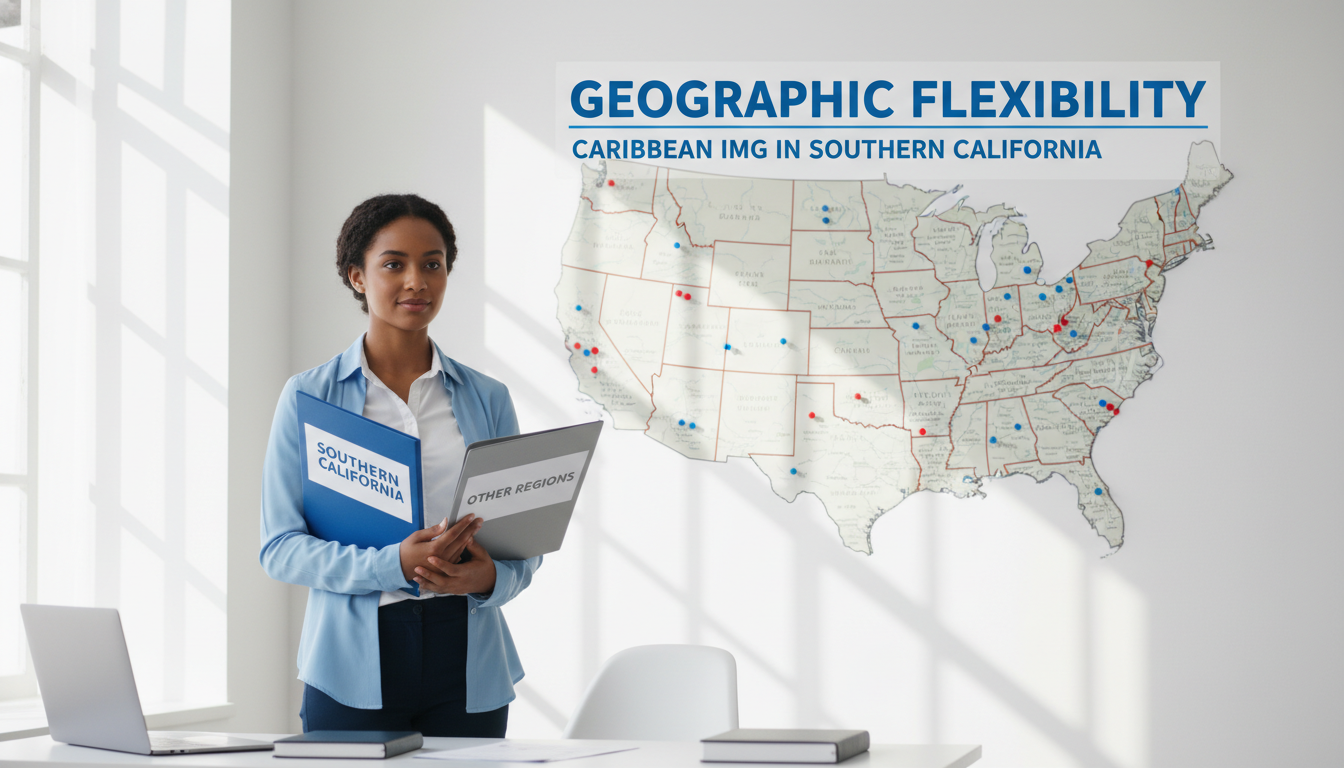
The Concept of Geographic Flexibility: More Than Just “Be Willing to Move”
Geographic flexibility means more than being open to living in different places. For a Caribbean IMG, it has three key components:
- Priority Regions – where you most want to match (e.g., Southern California)
- Acceptable Backup Regions – places you’re genuinely willing to live and train
- No-Go Regions – locations that are realistically not feasible for you (family, immigration, personal safety, etc.)
Why Location Flexibility Matters More for Caribbean IMGs
Compared to U.S. MDs with strong home-institution pipelines, Caribbean IMGs often face:
- Fewer automatic interview offers
- Greater variability in program receptiveness to IMGs
- Need for a larger number of applications to achieve a safe match probability
In this context, location flexibility match strategy becomes a major lever:
- Wider geography → Higher total interview count
- Higher interview count → Better match odds and more choice
- Smart prioritization → Preserves your chance at SoCal while avoiding an “all-or-nothing” gamble
Balancing SoCal Preference with Match Safety
Your key challenge is balancing a strong geographic preference residency for Southern California with the realities of the match. That means designing a plan that:
- Places SoCal at the top of your preferences
- Still gives you enough interviews overall to match somewhere
- Reflects your academic profile and IMG status realistically
Step 1: Honestly Assess Your Competitiveness
Geographic flexibility means nothing if you misjudge your profile. You should have a clear-eyed sense of:
- USMLE Step 1 & 2 CK scores (or COMLEX equivalents)
- Number and quality of U.S. clinical experiences (especially in California or the West Coast)
- Strength of letters of recommendation (academic vs community, specialty-specific, U.S.-based)
- Any red flags: exam failures, gaps in training, professionalism issues
For example:
Stronger Caribbean IMG profile:
- Step 1: Pass on first attempt
- Step 2 CK: 240+
- U.S. clinical rotations in multiple states, including possibly California
- Strong, specialty-specific letters from U.S. faculty
This applicant can more aggressively target Southern California, while still maintaining backup regions.
Moderate-risk profile:
- Step 1: Pass, CK in 220–235 range
- No failures but limited West Coast exposure
This applicant should apply broadly in SoCal and very broadly across other regions.
Higher-risk profile:
- Step 2 CK <220 or failed exam attempts
- Limited or no U.S. letters
This applicant should still apply where they prefer geographically (including SoCal), but must heavily weight regions and programs with a strong history of taking Caribbean IMGs.
Step 2: Use Data to Clarify SoCal Reality
You should research:
- Programs in Southern California that:
- Regularly list Caribbean IMGs or SGU graduates on their websites
- Include Caribbean medical school residency graduates in recent match lists
- Have explicit IMG-friendly wording on their program pages
- Specialty competitiveness in SoCal:
- Primary care fields (Internal Medicine, Family Medicine, Pediatrics, Psychiatry) are generally more feasible than highly competitive specialties (Dermatology, Plastic Surgery, Ortho, ENT).
- Historical match trends:
- Check your Caribbean school’s match lists (e.g., SGU residency match data by state/region) to see:
- Which SoCal hospitals regularly take graduates
- Which specialties have historically opened doors in that region
- Check your Caribbean school’s match lists (e.g., SGU residency match data by state/region) to see:
Step 3: Decide Your “SoCal Intensity Level”
Define how much risk you’re willing to take to be in Southern California:
- High SoCal priority
Willing to risk higher chance of not matching or SOAPing to prioritize SoCal.- Apply to every IMG-possible SoCal program in your specialty
- Still apply broadly to other regions, but with a somewhat smaller footprint than a pure “location-flexible” strategy
- Balanced priority
You prefer SoCal but won’t gamble your entire career on it.- SoCal is one of several top regions
- Broader spread of applications across the West Coast, Southwest, Midwest, or East Coast
- Safety-priority with SoCal as a bonus
You’ll gladly go to SoCal but are not willing to sharply reduce match odds to do so.- Apply heavily to IMG-friendly regions
- Still apply to all plausible SoCal programs, but design your main strategy around “match anywhere in the U.S.”
For most Caribbean IMGs, balanced priority is the safest, rational approach.
Building a Geographic Preference Strategy Around Southern California
Now let’s turn this into a practical plan.
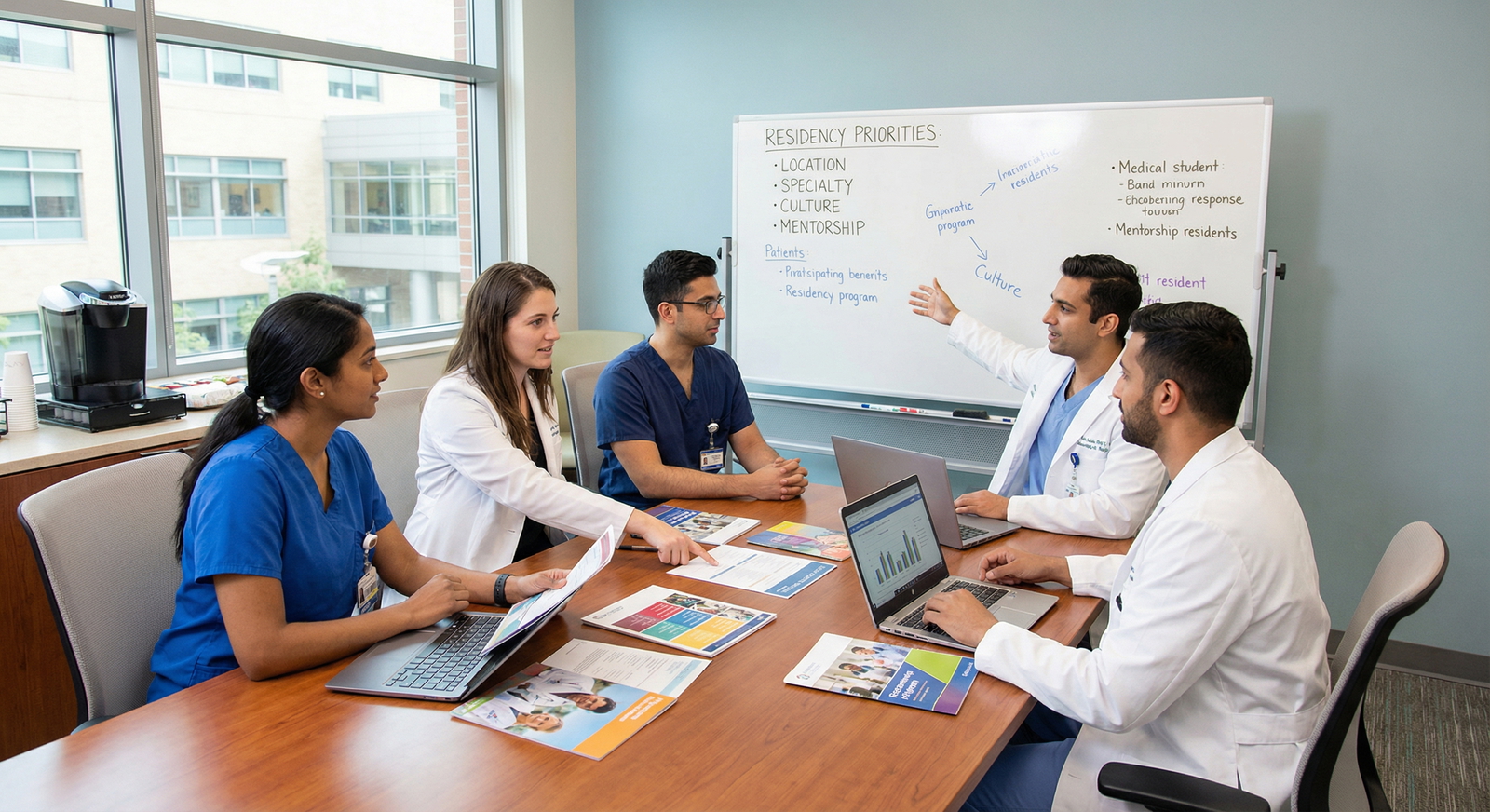
1. Define Your Core “Southern California Residency” Zone
List SoCal regions/program clusters you’re most interested in:
- Greater Los Angeles (LA County, San Fernando Valley, San Gabriel Valley, South Bay)
- Orange County (Irvine, Anaheim, Santa Ana, Fullerton)
- San Diego County
- Inland Empire (Riverside, San Bernardino, Loma Linda region)
Next, for each cluster:
- Identify hospitals and residency programs in your specialty
- Flag which:
- Have Caribbean IMGs in current or recent classes
- Align with your exam scores and profile
- Have clear information on requirements (e.g., Step attempts, graduation year limits)
This becomes your SoCal priority list.
2. Add “Adjacent” Regions That Still Support Your Long-Term SoCal Goal
Geographic flexibility doesn’t mean abandoning your SoCal dream; it can actually support it long-term. Training in a nearby or related region can help you eventually move to Southern California after residency.
Consider:
- Northern or Central California (Fresno, Modesto, Stockton, Bakersfield)
- Often less competitive than LA/San Diego
- Still within the California license and networking ecosystem
- Neighboring states (Nevada, Arizona, New Mexico)
- Reasonable travel to SoCal for conferences, electives, or networking
- Some hospitals have alumni pipelines that connect back to California
- Other Western states (Oregon, Washington, Colorado, Utah)
- Develop West Coast ties, which may facilitate later transition to Southern California jobs or fellowships
This is where the regional preference strategy comes in: instead of viewing geography as binary (“SoCal vs not SoCal”), think in concentric circles around your ideal location.
3. Build a Tiered Application List
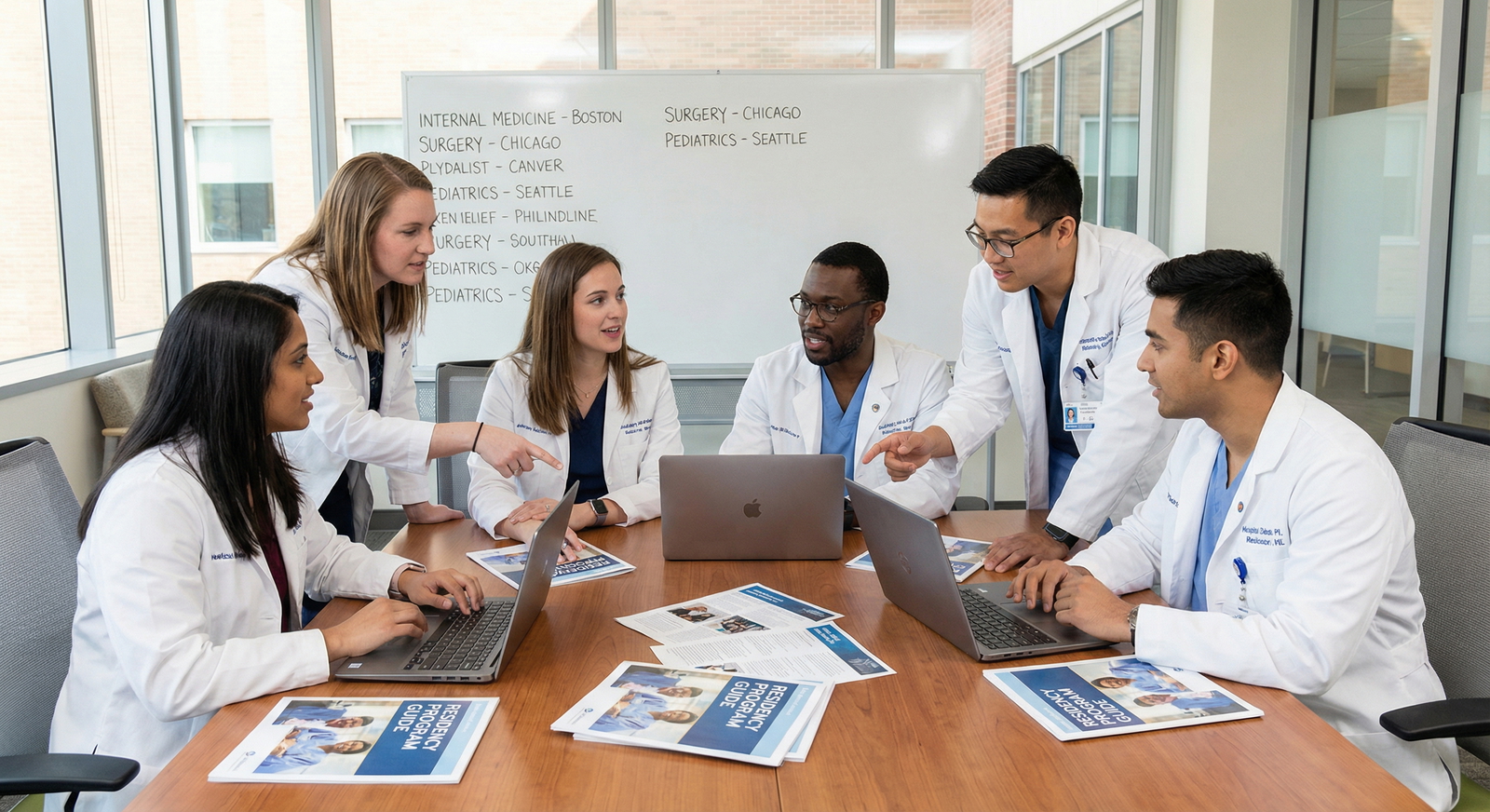
For a typical Caribbean IMG in a moderately competitive specialty like Internal Medicine or Family Medicine, you might structure applications like this (numbers approximate and should be tailored to your profile and specialty):
Tier 1 – Southern California (High Priority)
- All SoCal programs where your profile is at least within range
- Even if some are long shots, include them if they take the occasional IMG
Tier 2 – Rest of California + Neighbor States
- Northern/Central California programs with IMG history
- Arizona, Nevada, and possibly other Western states
Tier 3 – Broader National Backup Regions
- Known IMG-friendly areas in the Midwest, South, and East Coast
- Places your school has consistently matched graduates
The exact numbers depend on your specialty and risk profile, but a Caribbean IMG often needs 60–100+ applications total to be safe, with SoCal making up a subset of that list, not the entirety.
4. Align Your ERAS Story with Your Geographic Strategy
Your ERAS application, personal statement, and experiences should support your geographic narrative:
If Southern California is your top priority:
- Highlight any ties: family in the region, long-term residence, spouse/partner’s job, previous education, or personal history in SoCal.
- Show understanding of local populations: underserved communities, immigrant populations, Spanish-speaking communities, etc.
- Mention realistic, professional reasons: diverse pathology, large patient volumes, community vs academic interest.
If you are using a broader location flexibility match strategy:
- Emphasize adaptability and openness to serving diverse communities across the U.S.
- Avoid sounding like only SoCal matters; this can hurt at non-California programs.
- Consider writing slightly tailored personal statements if you have extremely strong ties to SoCal and want to feature them for programs in that region, while using a more general version for other regions.
Practical Steps to Demonstrate Interest and Flexibility
Geographic flexibility is not just about where you apply; it’s also about how you show interest to programs in your preferred and backup regions.

1. Use Away Rotations and Electives Strategically
Whenever possible:
Do a clinical rotation in Southern California
- This anchors your “SoCal medical training” narrative.
- Provides opportunities for U.S. letters from local faculty.
- Puts you on the radar of nearby residency programs.
If SoCal rotations are not available:
- Consider other West Coast or California-adjacent rotations.
- Use those rotations as proof of your ability to thrive in U.S. systems and similar patient populations.
2. Network with Alumni and Residents
Leverage:
- Your Caribbean school’s alumni office and residency outcomes
- Look for alumni matched into a Southern California residency or nearby regions.
- Social media and professional platforms (LinkedIn, program Instagram/X accounts)
- Follow programs you’re interested in.
- Attend virtual open houses or Q&A sessions.
- Regional or specialty conferences in California or the western U.S.
- If you can attend in person or virtually, introduce yourself to faculty and residents when appropriate.
Your goal is not to “network your way in,” but to:
- Understand which programs truly consider Caribbean IMGs
- Learn how those residents positioned themselves
- Signal genuine interest in SoCal and adjacent regions
3. Communicate Thoughtful Geographic Preferences in Interviews
When interviewers ask, “Do you have any geographic preferences?” or “Why this area?”:
Be honest but strategic:
- You can say Southern California is your ideal region if you’re interviewing there—but frame it in terms of professional fit, patient population, and long-term commitment.
- In non-California interviews, express genuine interest in that program’s region and explain how you see yourself thriving there.
Avoid rigid answers like:
- “I really only want to be in LA.”
- “I’m trying to stay in one city no matter what.”
These can make PDs doubt your commitment if you end up lower on your list or if they suspect they’re just a backup location.
4. Use the Rank List to Reflect Both Preference and Reality
When ranking:
- Put your true top choices in Southern California at the top if you would be happy there and can afford the risk.
- After that, order programs based on a mix of:
- Training quality
- IMG-friendliness
- Long-term goals (use of SoCal as an eventual career endpoint)
- Personal life factors
NRMP’s algorithm works best when you rank in your true preference order, but your list construction should have been informed earlier by a realistic application and interview strategy.
Special Considerations for Caribbean IMGs from SGU and Similar Schools
If you’re from SGU or a comparable Caribbean program with a large U.S. footprint, you have additional tools to shape your geographic flexibility strategy.
Leverage Your School’s Match Data
For example, the SGU residency match lists can show:
- How often SGU graduates match into:
- A Southern California residency
- Other California programs
- Adjacent and broader regions
- Which specialties see SoCal matches most reliably
- Which individual hospitals have a recurring presence of SGU or Caribbean graduates
Use this to:
- Build a realistic list of SoCal targets
- Identify “bridge regions” where your school matches many graduates and where you can be well-supported
Use Institutional Support Services
Most large Caribbean schools (including SGU) offer:
- Individual advising
- Application review
- Specialty-specific guidance
- Lists of historically IMG-friendly programs
Ask explicitly about:
- SoCal and California match patterns
- Where Caribbean IMGs from your school usually go when they wanted California but did not match there
- Strategies to strengthen your candidacy if you aim for California in the future (e.g., fellowships, second residencies, research years)
Putting It All Together: Example Scenarios
To make geographic flexibility concrete, consider two example Caribbean IMG applicants targeting SoCal.
Applicant A: Stronger Profile, High SoCal Priority
- Step 1: Pass on first attempt
- Step 2 CK: 245
- 3 months of U.S. clinical experience, including 1 month in Los Angeles
- Strong letters from U.S. attendings
- Wants Internal Medicine, long-term goal to live in LA
Strategy:
- Apply to every realistic Internal Medicine program in Southern California and across California.
- Add programs in Arizona, Nevada, and other West Coast states.
- Add 25–30 IMG-friendly programs in the Midwest and East Coast as a safety net.
- Tailor one version of the personal statement emphasizing SoCal ties for California programs and a more general one for others.
- Rank list: SoCal programs at the top, followed by other California, then best fits from other states.
Applicant B: Moderate Profile, Balanced Priority
- Step 1: Pass
- Step 2 CK: 225
- 2 months of U.S. clinical experience outside California
- Family lives in San Diego, but applicant is open to moving elsewhere
- Wants Family Medicine, realistic about competition
Strategy:
- Apply to all SoCal Family Medicine programs that:
- Accept IMGs
- Have not explicitly excluded older grads or lower scores
- Apply broadly to Central/Northern California and Arizona/Nevada programs.
- Apply very broadly (40–60+ programs) to IMG-friendly FM programs in the Midwest, South, and East Coast.
- Emphasize commitment to underserved communities (common in many non-California programs) to show genuine interest.
- Rank: SoCal and nearby programs higher, but without drastically undermining overall match odds.
In both scenarios, geographic flexibility increases total interview opportunities while preserving a pathway toward SoCal.
FAQs: Geographic Flexibility for Caribbean IMGs Targeting Southern California
1. Is it realistic for a Caribbean IMG to match into a Southern California residency?
It is realistic, but it is not guaranteed and is often more competitive than many other regions. Each year, Caribbean IMGs do match into Southern California, especially in primary care specialties. Your chances improve if you:
- Have strong Step 2 CK performance and no major red flags
- Gain U.S. clinical experience (ideally in California or the West)
- Target programs with a documented history of accepting Caribbean IMGs
- Apply broadly and use geographic flexibility so your overall match odds remain high
2. If I really want SoCal, should I apply only to Southern California programs?
No. Applying only to Southern California is an extremely high-risk strategy for most Caribbean IMGs. You can—and should—prioritize SoCal in your application and rank list, but:
- Include other California and adjacent-state programs to expand opportunities.
- Add a substantial number of IMG-friendly programs in other regions as backup.
- Think in terms of long-term career strategy: you can often move to Southern California after residency or fellowship.
3. Does it help if I say Southern California is my absolute first choice in every interview?
You should be genuine, but also thoughtful and context-aware. In SoCal interviews, it’s appropriate to:
- Explain your specific ties to the region
- Describe how your clinical interests align with the local patient population
- Emphasize long-term commitment to the area
In non-California interviews, focus on that region’s strengths and how you fit there. Overemphasizing SoCal at non-SoCal interviews can make programs doubt your sincerity and reduce your ranking.
4. I matched outside California. Does this mean I can never work in Southern California?
Not at all. Many physicians eventually relocate to Southern California after:
- Completing residency elsewhere
- Doing a California-based fellowship
- Gaining experience and licensure in another state, then transitioning later
Training in an IMG-friendly region, getting solid evaluations, and building a strong CV can be a powerful stepping stone toward a later move to Southern California. Your first residency location is important—but it doesn’t permanently lock in your ultimate practice location.
By embracing geographic flexibility while keeping a clear, data-informed Southern California strategy, you can protect your match chances and give yourself a real shot at SoCal—either immediately or as a deliberate step in your long-term career plan.